.png?width=1200&quality=80)
Sushi Kawano
Sushi · Sakyō, Kyoto
Restaurant in Kyoto, Japan
 Book with Pearl
The Read
Tempo-Driven Nigiri Precision
Price
$150–200per person
Dress
Smart Casual
Why go
Sushi Kawano is a Michelin Plate nigiri counter in Kyoto's Shimogamo neighbourhood, priced at ¥¥¥ — below the city's dominant kaiseki tier. With two consecutive Michelin Plates (2024–2025) and, it is a sound booking for a focused, intimate sushi meal in Kyoto without the ¥¥¥¥ spend of the major kaiseki rooms. Booking is rated Easy.
About Sushi Kawano
Verdict: A Michelin-recognised nigiri counter in Kyoto's Shimogamo neighbourhood, at ¥¥¥ pricing that sits below the city's kaiseki tier
That puts it in a different bracket from Kyoto's dominant ¥¥¥¥ kaiseki rooms — more accessible per head, but the trade-off is a format built entirely around sushi craft rather than multi-course theatrical service. If sushi is specifically what you want in Kyoto, and you want it at a price below the top-tier kaiseki spend, this is a sensible booking. If you are looking for a full kaiseki progression for a landmark occasion, look elsewhere.
The Counter Experience
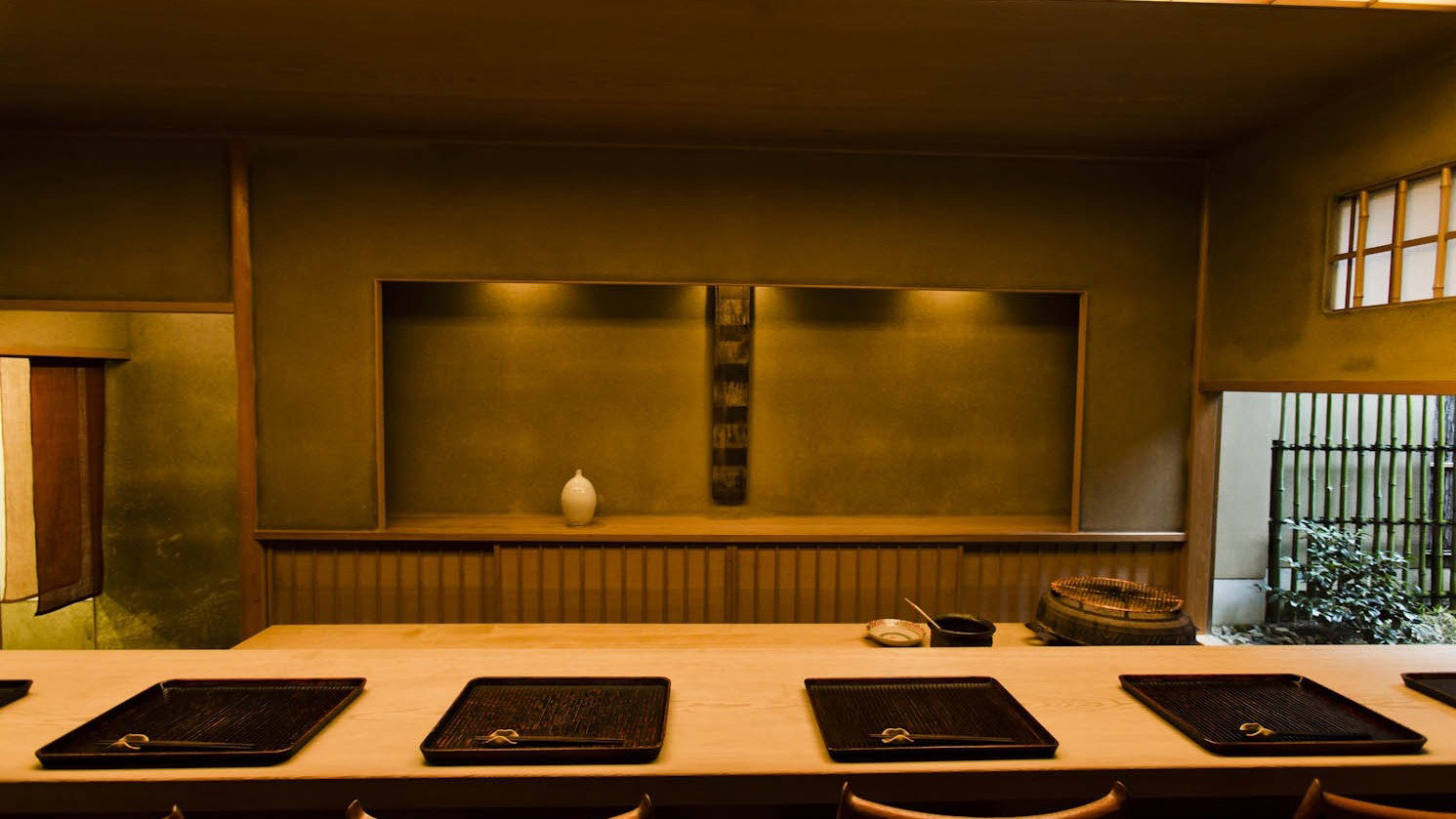
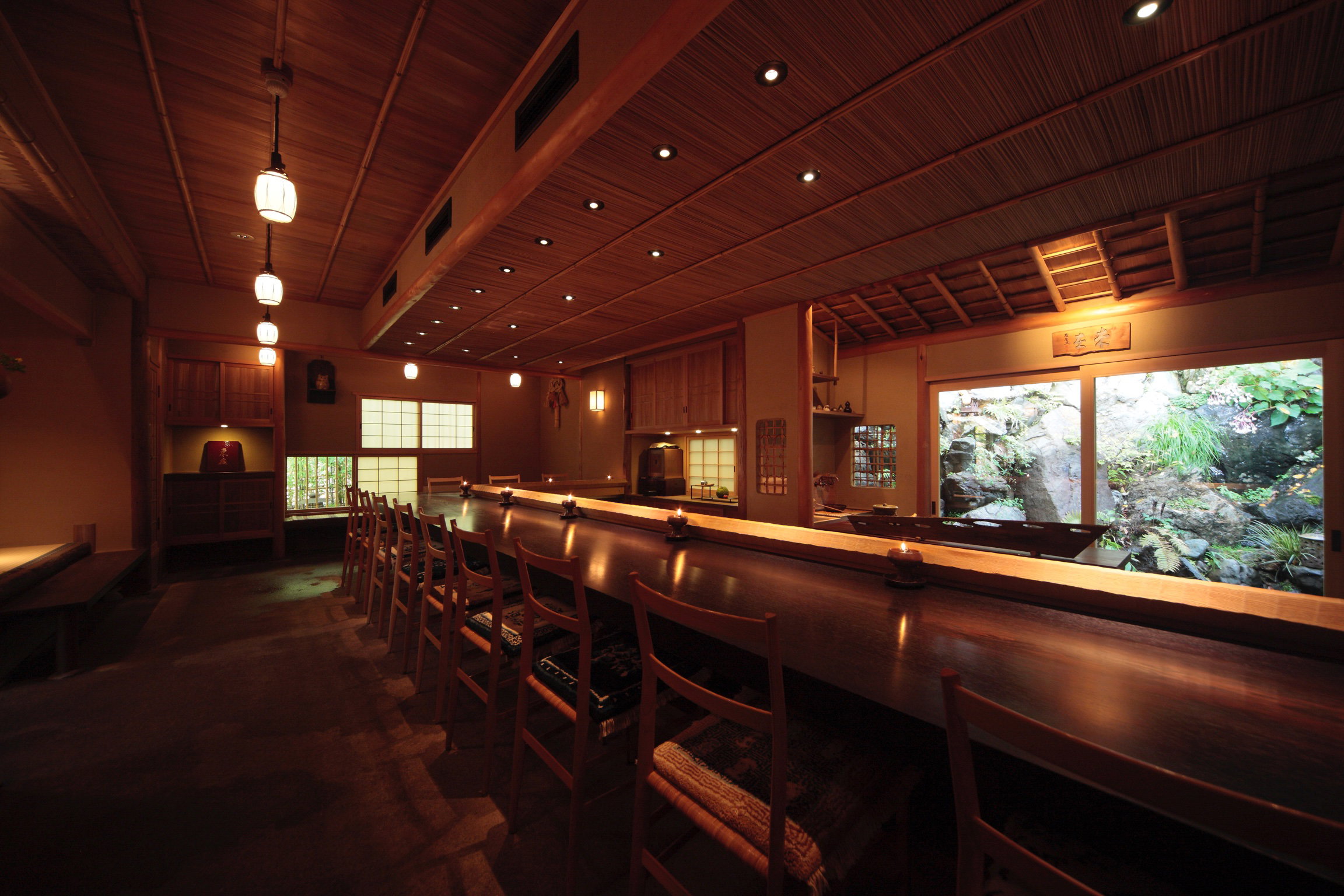
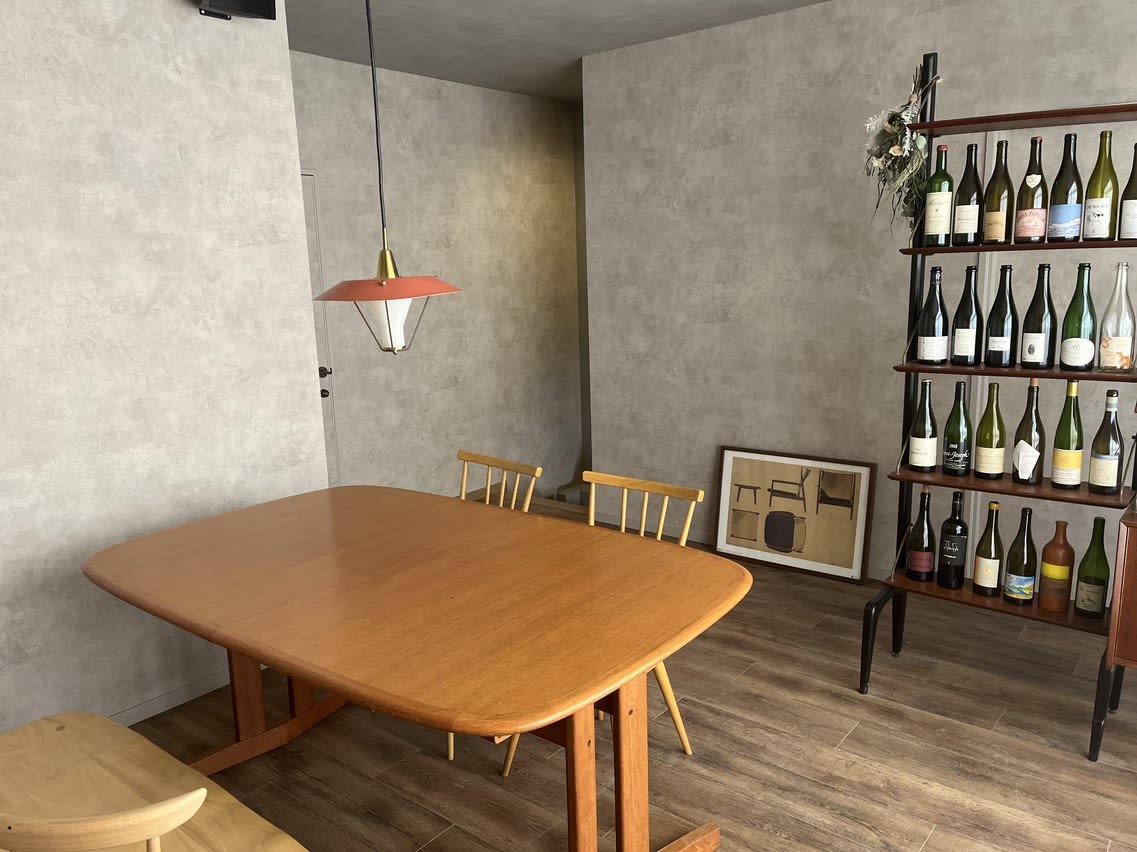
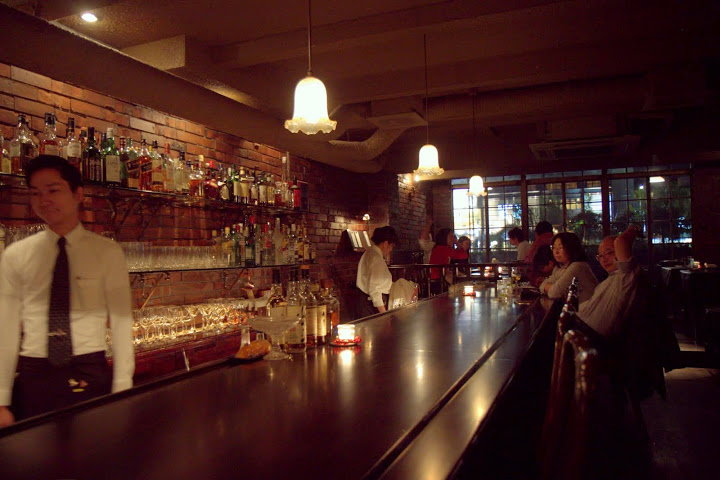
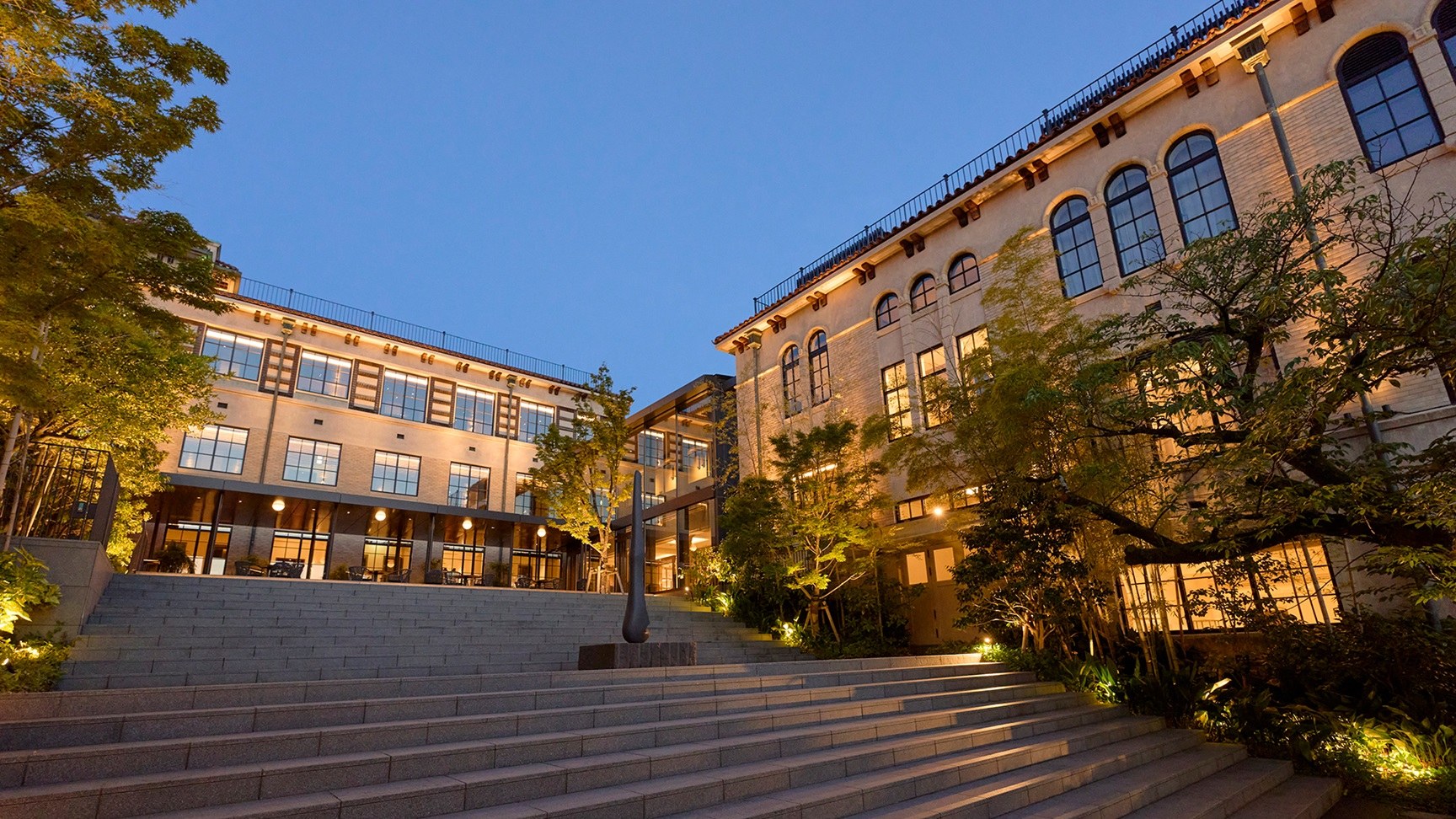
Sushi Kawano is set in the Shimogamo ALLEY building in Sakyo Ward, a quieter residential and cultural pocket of northern Kyoto, away from the tourist concentration of Gion or the central station area. Visually, you are not arriving at a grand entrance or a heritage townhouse. The setting is considered, compact, and counter-focused — the format here is watching close-up technique at work, not taking in a panoramic room. For a date or a focused celebration meal, that intimacy is an asset. The counter pulls attention directly to the chef's hands and the sequence of nigiri as it is placed in front of you.
Chef Mitsutaka Kawano has articulated his philosophy in terms that are practical and measurable: each nigiri is formed quickly, with warm vinegared rice calibrated for saltiness, and the guiding standard is that technique must improve day on day. That is not a poetic framing, it is a quality-control orientation that shows up in the consistency of the product. The rice temperature and seasoning in nigiri are the details that separate competent sushi from genuinely good sushi, and Kawano's stated focus sits precisely there.
Seasonal Rotation and When to Visit
Kyoto's position as a city defined by seasonal produce and culinary rhythm applies directly to a sushi counter. Japan's sushi tradition is built around what the sea and rivers offer by season: spring brings white-fleshed fish and clams; early summer is when young sweetfish (ayu) from the Kamo and Oi rivers come into their own in Kyoto's kitchens; autumn shifts toward richer, fattier fish as water temperatures drop; winter delivers the cold-water cuts, yellowtail, tuna with higher fat content, and crab in the northern prefectures, that many sushi specialists consider the strongest eating of the year. A nigiri counter operating at this level will reflect those shifts in what is placed in front of you. There is no single ideal month to visit Sushi Kawano, but if you are already planning around Kyoto's autumn foliage season (mid-November) or the quieter late-winter window (February, before spring crowds), both align with strong seasonal fish availability. Summer visits coincide with Gion Matsuri and peak tourist pressure across the city, which makes booking logistics tighter everywhere.
The practical implication: do not arrive at this counter expecting a fixed menu that looks the same in June as it does in December. Seasonal rotation is not a marketing premise here, it is the operating logic of the format. What you eat will be determined by what is at its finest when you sit down.
Booking and Logistics
Booking difficulty is rated Easy. For a Michelin Plate counter in Kyoto, that is a genuine advantage. Many sushi counters at this recognition level in Tokyo or Osaka require multi-week advance planning; Sushi Kawano's ease of booking makes it a realistic option even for travellers who are not planning weeks ahead. Phone number and website are not listed in our data, approach via your hotel concierge or a reservation service if you are unable to source booking details directly. The address is 72-8 Shimogamo Higashihangicho, Sakyo Ward, Kyoto, within the Shimogamo ALLEY complex.
Seat count is not confirmed in our data, but counter sushi restaurants in Japan at this tier typically run between 8 and 14 seats. Solo diners and pairs are the natural fit for counter formats; groups of four or more should confirm capacity before booking. For solo dining specifically, a sushi counter is one of the most comfortable formats in Japanese dining, you face the chef, conversation is natural if you want it, and the pacing is managed for you.
How It Compares
See the comparison section below for Sushi Kawano's position against Kyoto's broader fine dining market. For sushi specifically in the city, consider also Sushi Rakumi and Kikunoi Sushi Ao. For Kyoto's traditional fish-based dining in other formats, Izuu and Izugen offer different takes on the city's fish culture. KASHIWAI is worth considering if kaiseki is on your list alongside sushi.
If you are building a broader Japan itinerary around serious sushi, the regional context helps: Harutaka in Tokyo operates at the top of the Tokyo nigiri tier, and Sushi Shikon in Hong Kong or Shoukouwa in Singapore are the regional reference points if you are travelling across Asia. For other strong Kansai and wider Japan dining worth anchoring a trip around, HAJIME in Osaka, akordu in Nara, and Goh in Fukuoka are all relevant depending on your route. Further afield, 1000 in Yokohama and 6 in Okinawa round out the picture for Japan-wide fine dining planning.
For everything else in Kyoto, see our full guides: Kyoto restaurants, Kyoto hotels, Kyoto bars, Kyoto wineries, and Kyoto experiences.
Pearl FAQ: Sushi Kawano
- Can I eat at the bar at Sushi Kawano? Counter seating is the format at Sushi Kawano, that is the experience on offer, not an alternative to table seating. You will be seated at the counter facing the chef. This is standard for a dedicated nigiri restaurant at this level and is part of what makes it work as an intimate dining format.
- Is Sushi Kawano good for a special occasion? Yes, with some caveats. The Michelin Plate recognition and the technical rigour of the nigiri format make it a credible choice for a celebration meal. The ¥¥¥ pricing is more accessible than Kyoto's ¥¥¥¥ kaiseki rooms, which works in your favour if the budget is a factor. If you want theatrical multi-course service and a grand dining room for a landmark occasion, Kyokaiseki Kichisen or Gion Sasaki will deliver more ceremonial weight. Sushi Kawano is better suited to a focused, intimate occasion for two where the craft of the food is the centrepiece.
- Is Sushi Kawano good for solo dining? It is one of the better formats for it. Counter sushi is inherently solo-friendly in Japan, pacing is managed by the chef, you are facing the action directly, and there is no awkwardness of occupying a table alone. Kyoto can be a strong solo destination, and a sushi counter at this level is a practical and comfortable way to eat well without a group.
- What should I order at Sushi Kawano? The menu is not listed in our data, so specific dish recommendations are not possible here. What the database confirms is that the format centres on nigiri, formed with warm vinegared rice, so the nigiri sequence is the core of what you are there for. Given the seasonal rotation logic that drives Japanese sushi at this level, trust the chef's selection for the season rather than arriving with a fixed list of requests.
- Is the tasting menu worth it at Sushi Kawano? At ¥¥¥ pricing with two consecutive Michelin Plates, the value case is direct relative to the Kyoto fine dining market. You are paying less than the ¥¥¥¥ kaiseki tier for a focused, technically disciplined experience with recognised quality. If omakase-style sushi is the format you want, the price-to-recognition ratio here is favourable. The question is whether sushi is the right choice over kaiseki for your Kyoto visit, if it is, this is a sound booking at this price level.
- What are alternatives to Sushi Kawano in Kyoto? For sushi specifically: Sushi Rakumi and Kikunoi Sushi Ao are the closest peers. If you are open to a broader Japanese fine dining format at a higher price point, Gion Sasaki (kaiseki, ¥¥¥¥) is the higher-spend alternative for a landmark occasion. Ifuki (kaiseki, ¥¥¥¥) and SEN (French-Japanese, ¥¥¥¥) are strong options if you want a different format at the top tier. cenci (Italian, ¥¥¥) is the most comparable on price if cuisine flexibility is on the table.
Planning details
- Location
- Japan, 〒606-0824 Kyoto, Sakyo Ward, Shimogamo Higashihangicho, 72-8 下鴨ALLEY
- Reservations
- Book on TableCheck
- Website
- tablecheck.com/shops/sushi-kawano/reserve
- Phone
- +81 50-3503-4867
The take
The Take
The Vibe
Sushi Kawano presents a quiet, classical counter experience rooted in Kyoto’s restrained culinary temperament. The room centers on a focused sushi counter where the action is low-key and highly technical rather than performative. Michelin recognition underlines the exacting standards — fish sourcing, rice discipline and temperature control all take precedence over theatrical presentation. Located in Shimogamo, a residential pocket north of central Kyoto, the setting feels local and intentional: diners come to sit at the counter, watch the craft up close and enjoy small, precisely formed nigiri that favor integration and balance over size or show.
Best For
This is a place for diners who want a concentrated omakase encounter — thoughtful, quiet and exacting rather than flashy. It suits couples or small parties who prefer an intimate, Michelin-recognized counter, as well as solo diners and business guests seeking substantive conversation paired with restraint. Because the focus is on rice and fish detail, Sushi Kawano rewards guests who arrive with intent and an appetite for technical precision: it’s ideal for date nights or special-occasion meals where the quality of sourcing and the chef’s calibration of rice and seasoning are the event.
Ordering Tips
Treat the meal as an omakase-led study in balance: allow the chef to sequence pieces and pay attention to the rice as a variable element — the kitchen deliberately serves relatively warm, vinegared rice and keeps pieces modest in size so fish and rice integrate on the palate. Expect small, technically considered nigiri rather than large, theatrical portions. Because the experience is counter-focused, plan to sit at the bar where you can observe forming techniques and the temperature of the hand that shapes each piece. Taste deliberately and let the chef guide you through seasonal choices.
Venue details
Ambiance
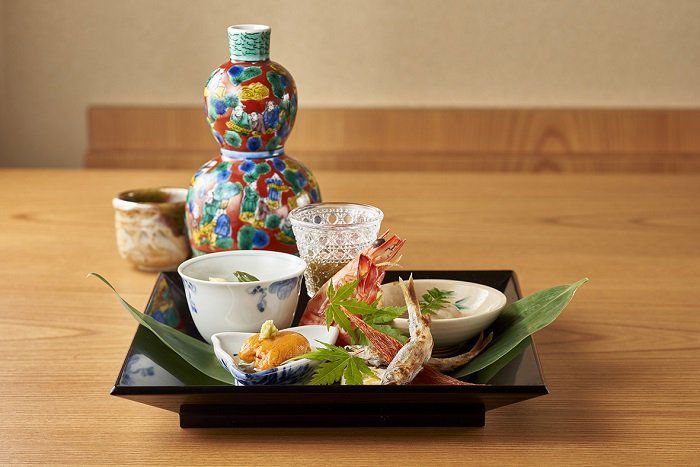
Calm, refined counter seating for 9 with carefully selected tableware, creating a warm, cozy, and relaxing atmosphere.
Tags
Vibe
Best For
Experience
At the Table
- Dress Code
- Smart Casual
- Noise Level
- Quiet
- Service Style
- Omakase Bar
- Meal Pacing
- Leisurely
- Capacity
- Intimate
- Kitchen
- Traditional
- Menu Format
- Omakase, Counter dining
- Wine Program
- Curated
- Drinks Focus
- Sake
Know before you go
Know Before You Go
- Getting there
- Japan, 〒606-0824 Kyoto, Sakyo Ward, Shimogamo Higashihangicho, 72-8 下鴨ALLEY
Planning details
Location
Japan, 〒606-0824 Kyoto, Sakyo Ward, Shimogamo Higashihangicho, 72-8 下鴨ALLEY · Directions
Recognition and awards
Also consider
Also Consider
- Gion Sasaki, Kaiseki, Japanese, ¥¥¥¥
- cenci, Italian, ¥¥¥
- Ifuki, Kaiseki, ¥¥¥¥
- Kyokaiseki Kichisen, Japanese, ¥¥¥¥
- SEN, French, Japanese, ¥¥¥¥
Restaurant context
Sushi Kawano sits at ¥¥¥ in a Kyoto fine dining market that skews heavily toward ¥¥¥¥ kaiseki. That price gap is the first practical factor to weigh. If your priority is Kyoto's kaiseki tradition, multi-course, highly ceremonial, rooted in seasonal produce across many preparations, then Gion Sasaki and Kyokaiseki Kichisen are the standard-setters at the top of that format, both at ¥¥¥¥. For a landmark occasion where the full arc of the meal matters as much as any individual dish, those rooms deliver more ceremonial depth than a sushi counter can. Ifuki (kaiseki, ¥¥¥¥) is the stronger pick if you want that format at a somewhat more approachable booking difficulty.
If the question is specifically sushi versus other formats at ¥¥¥, Sushi Kawano's Michelin Plate recognition and chef focus make it the clearest option in its category in Kyoto. cenci (Italian, ¥¥¥) is the closest peer on price but serves a completely different cuisine, relevant only if your group is split between Japanese and European preferences. SEN (French-Japanese, ¥¥¥¥) is worth considering if you want a cross-cultural tasting format and are willing to move up a price tier.
For booking practicality: Sushi Kawano is rated Easy, which is a real advantage in a city where top-tier restaurants often require significant advance planning. If you are building a Kyoto itinerary without months of lead time, that accessibility matters. The ¥¥¥¥ kaiseki rooms, particularly Kyokaiseki Kichisen and Gion Sasaki, require more forward planning. If your dates are flexible and sushi is the priority, Sushi Kawano is the most straightforward high-quality booking in its segment in Kyoto.
Explore Kyoto
Around this place
Discover more on Pearl
Unlock the full Sushi Kawano guide in Pearl, including awards, comparisons, FAQs, planning details, and nearby places.
Compare Sushi Kawano
| Venue | Cuisine | Price | Booking Difficulty | Awards |
|---|---|---|---|---|
| Sushi Kawano | Sushi | ¥¥¥ | Easy | 2026 Michelin Plate2025 Michelin Plate2024 Michelin Plate |
| Gion Sasaki | Kaiseki, Japanese | ¥¥¥¥ | Unknown | 2026 Tabelog Bronze · #3862026 OAD Top Restaurants in Japan RecommendedMichelin Guide Kyoto Osaka 20262026 La Liste Top RestaurantsTabelog 100 - Japanese cuisine - WEST - 2025 · #132025 OAD Top Restaurants in Japan Ranked · #2462025 Tabelog Silver2025 Michelin 3 Stars2025 La Liste Top Restaurants |
| cenci | Italian | ¥¥¥ | Unknown | 2026 Tabelog Bronze · #442026 Asia's 50 Best Restaurants · #762026 OAD Top Restaurants in Japan Highly RecommendedMichelin Guide Kyoto Osaka 2026Tabelog 100 - Italian - WEST - 2025 · #632025 Asia's 50 Best Restaurants · #632025 OAD Top Restaurants in Japan Ranked · #1682025 Tabelog Bronze2024 OAD Top Restaurants in Japan Ranked · #135 |
| Ifuki | Kaiseki | ¥¥¥¥ | Unknown | 2026 OAD Top Restaurants in Japan Ranked · #1222026 Tabelog Bronze · #128Michelin Guide Kyoto Osaka 20262026 La Liste Top RestaurantsTabelog 100 - Japanese cuisine - WEST - 2025 · #622025 OAD Top Restaurants in Japan Ranked · #1002025 La Liste Top Restaurants2025 Tabelog Bronze2025 Michelin 2 Stars |
| Kyokaiseki Kichisen | Japanese | ¥¥¥¥ | Unknown | 2026 Tabelog Bronze · #1752026 OAD Top Restaurants in Japan Highly RecommendedMichelin Guide Kyoto Osaka 20262025 OAD Top Restaurants in Japan Ranked · #1862025 Michelin 2 Stars2025 La Liste Top Restaurants2024 OAD Top Restaurants in Japan Ranked · #1422024 Michelin 2 Stars2023 OAD Top Restaurants in Japan Ranked · #136 |
| SEN | French, Japanese | ¥¥¥¥ | Unknown | 2026 Tabelog Bronze · #3952026 OAD Top Restaurants in Japan RecommendedMichelin Guide Kyoto Osaka 20262026 Michelin PlateTabelog 100 - Japanese cuisine - WEST - 2025 · #652025 Michelin Plate2025 Tabelog Bronze2024 OAD Top Restaurants in Japan Ranked · #3622024 Michelin Plate |







Key differences to consider before you reserve.
FAQ
Frequently Asked Questions
Can I eat at the bar at Sushi Kawano?
Sushi Kawano operates as a counter-format restaurant, so the bar is the experience — you are seated directly in front of the chef. This is standard for a nigiri-focused sushi restaurant at the ¥¥¥ tier. Booking in advance is advised; walk-in availability is not documented.
Is Sushi Kawano good for a special occasion?
Yes, with a caveat on expectations: this is a technically focused nigiri counter, not a kaiseki production. Michelin Plate recognition in 2024 and 2025 gives it credibility for a celebratory meal, and the ¥¥¥ price point sits below Kyoto's top kaiseki tier, making it a strong choice if the occasion calls for precision over ceremony. For full kaiseki theatre, Kyokaiseki Kichisen is the comparison to consider.
Is Sushi Kawano good for solo dining?
Counter seating makes it well-suited to solo diners — you are in direct line of sight of the chef, which is where most of the engagement happens at a sushi-ya. The Shimogamo ALLEY location in Sakyo Ward is quieter than central Kyoto, so the atmosphere leans relaxed rather than performative, which suits solo visits.
What should I order at Sushi Kawano?
Nigiri is the focus here: Chef Kawano has built his approach around forming practice and warm, properly seasoned vinegared rice. The kitchen operates on a continuous-improvement philosophy, so the seasonal rotation will dictate what is best on any given visit. Ask the chef what is fresh that day rather than arriving with a fixed list.
Is the tasting menu worth it at Sushi Kawano?
At ¥¥¥ with Michelin Plate recognition across two consecutive years, the set format here offers fair value relative to Kyoto's broader fine dining market. Chef Kawano's stated priority is delivering peak technique in each piece of nigiri, so the format rewards diners who want craft over course count. If you want elaborate multi-format kaiseki, this is not the right venue.
What are alternatives to Sushi Kawano in Kyoto?
For sushi at a similar price tier, Ifuki is worth comparing. For a step up in ceremony and cost, Kyokaiseki Kichisen covers the kaiseki end of Kyoto's fine dining spectrum. Gion Sasaki and cenci sit in different cuisine formats but overlap on the occasion-dining audience. SEN is another option depending on your format preference.