
Sushi Hayashi
Sushi · Kamigyō, Kyoto
Restaurant in Kyoto, Japan
 Book with Pearl
The Read
Sugar-Free Rice Precision
Price
¥¥¥¥
Dress
Smart Casual
Why go
A Michelin Selected-recognised sushi counter in Kyoto's Kamigyo Ward, Sushi Hayashi takes a technically precise approach rooted in Kyoto tradition: no sugar in the rice, deliberate fish-temperature pairing, and a seasonal programme that brings mackerel and steamed sushi from autumn to winter. Booking is accessible relative to the city's top tables, making it one of the more reachable ¥¥¥¥ counters in Kyoto.
About Sushi Hayashi
Verdict
Sushi Hayashi is not the flashiest sushi address in Kyoto, and that is precisely the point. If you arrive expecting the theatrical precision of a Tokyo omakase counter, you will need to recalibrate. This is Kyoto-style sushi: restrained, technically deliberate, and shaped by the city's own culinary logic rather than the capital's. The Michelin Selected recognition in 2025 is a signal worth taking seriously — it puts Hayashi in a tier of cooking that rewards attention, not just appetite. Book it if you want to understand what sushi looks like when it is filtered through Kyoto's seasonal and flavour traditions. Skip it if you are chasing the high-gloss, maximalist counter experience.
The Kitchen's Approach
The most instructive thing about Sushi Hayashi is what the chef does not do. No sugar in the rice seasoning — the sweetness you taste comes entirely from the fish itself, drawn out through technique and attention to temperature compatibility between the rice and each topping. That is not a small decision. Most sushi chefs use some sugar in their shari; here the restraint forces both the rice and the fish to carry their own weight. The rice is seasoned with rice vinegar and salt only, and the result puts the structural flavour of the grain at the centre of the experience rather than letting sweetness paper over any gaps.
The sequencing philosophy is deliberate: the meal typically opens with light-flavoured squid so the rice registers clearly on the palate before richer fish arrive. Blueback fish are seasoned with sansho buds; white-fleshed fish with a paste of chilli and yuzu zest. These are not garnishes, they are calibrated decisions about how each fish's fat content and texture interact with acidity and heat. If you have eaten at Sushi Rakumi or Kikunoi Sushi Ao and want to compare how different Kyoto chefs approach seasoning philosophy, Hayashi makes for a genuinely instructive contrast.
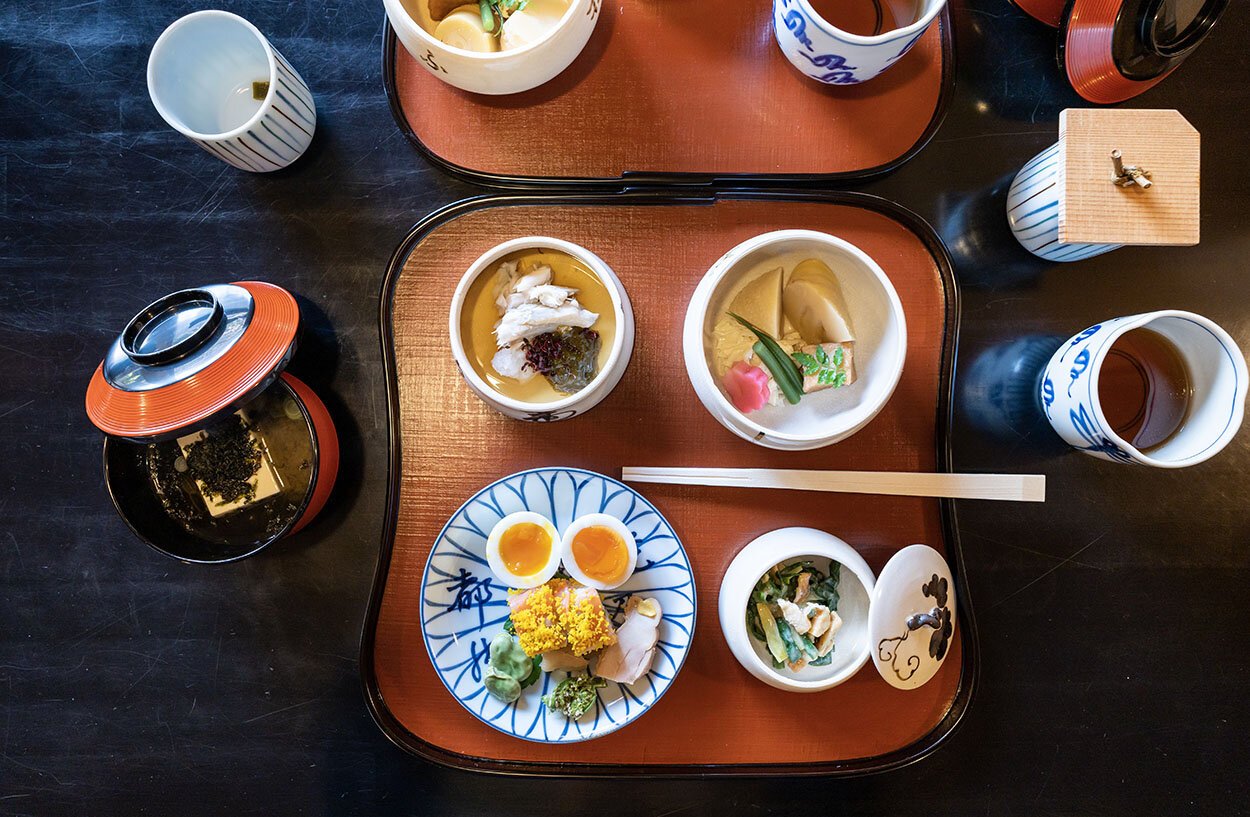
Seasonal programme is where Kyoto's culinary identity comes through most clearly. From autumn into winter, mackerel sushi and steamed sushi appear, preparations specific to this city's tradition, not standard on Tokyo counters. If you visited once and ate in spring or summer, returning in late October through January gives you a materially different menu. That is the visit worth planning around if you are already familiar with the baseline.
The Room
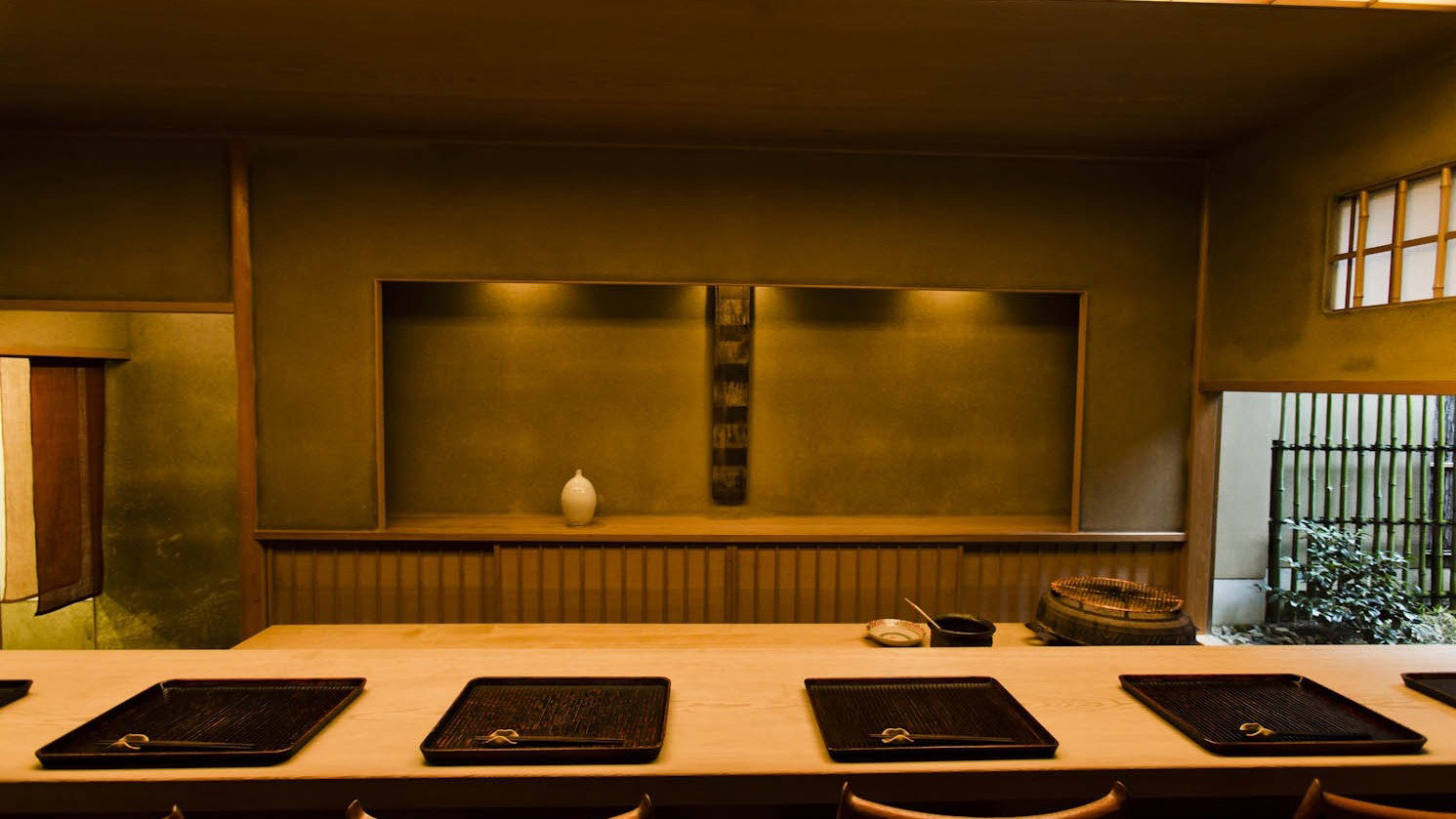
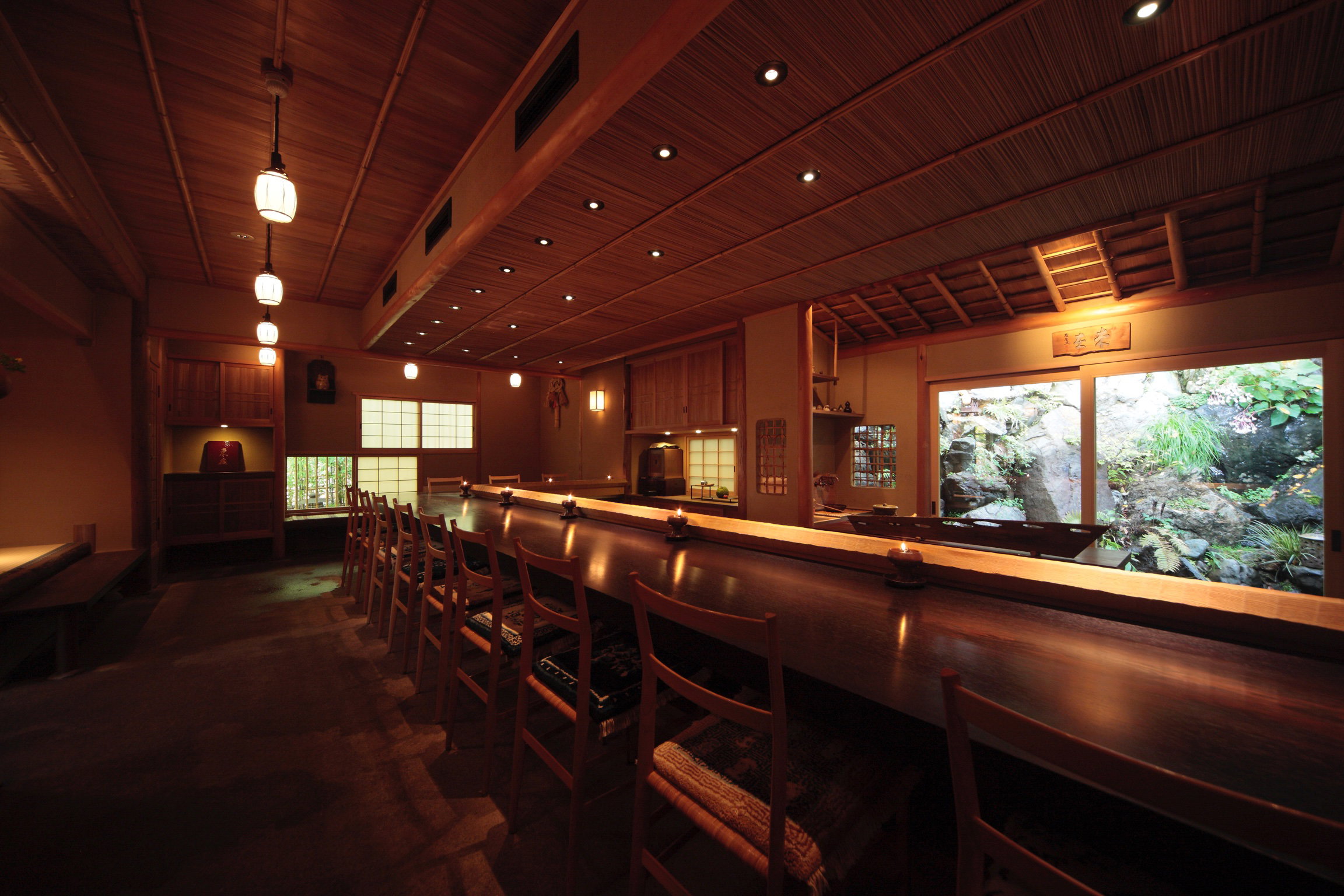
Address, Gran Cosmo Gosho 101, Omote-cho in Kamigyo Ward, puts the restaurant in the northern residential stretch of central Kyoto, near the Kyoto Imperial Palace grounds. This is not a tourist corridor. The setting is quiet and residential, which is consistent with the understated register of the cooking. Seating details are not confirmed in the available data, but the counter format typical of this style of sushi-ya means you should expect an intimate, close-contact experience with the preparation rather than a dining room with separated tables. The physical space reinforces the food's tone: focused, unhurried, with no ambient noise pulling against the meal. If you are planning a group outing, contact the restaurant directly to confirm whether the room can accommodate your party size, as counter-format sushi venues often have hard limits.
Booking and Logistics
At a ¥¥¥¥ price point, Sushi Hayashi sits in Kyoto's leading spending tier, comparable to Izugen and Izuu in commitment level if not in cuisine type. Booking difficulty is rated Easy relative to the category, which is meaningful: Michelin-recognised counters in Kyoto can require weeks of lead time, particularly during peak travel periods (cherry blossom in late March to April, autumn foliage in November). Easy booking here suggests the restaurant is accessible without the months-out scramble of the city's hardest tables, but do not interpret that as walk-in territory. Reserve ahead, and if you are planning an autumn visit to coincide with the mackerel and steamed sushi season, give yourself two to three weeks of lead time minimum.
A phone number and website are not confirmed in the current data, so your most reliable route is via a hotel concierge if you are staying locally, or through a Kyoto restaurant booking service. This is standard practice for smaller sushi-ya that do not maintain English-language booking infrastructure. For broader planning across the city, our full Kyoto restaurants guide and our full Kyoto hotels guide are the right starting points. If you are building a wider Kansai itinerary, HAJIME in Osaka and akordu in Nara are worth cross-referencing for the same trip.
For sushi benchmarking across other Japanese cities, Harutaka in Tokyo, Sushi Shikon in Hong Kong, and Shoukouwa in Singapore offer useful regional comparisons if you want to calibrate where Kyoto-style sushi sits within the broader craft.
Also worth knowing for your Kyoto stay: KASHIWAI operates at a similar ambition level in a different cuisine register if you want a second reservation with comparable intent. For the city's full dining and nightlife picture, see our Kyoto bars guide, our Kyoto wineries guide, and our Kyoto experiences guide. If you are extending beyond Kansai, Goh in Fukuoka, 1000 in Yokohama, and 6 in Okinawa are all Pearl-tracked options worth the detour.
Planning details
- Location
- Japan, 〒602-0825 Kyoto, Kamigyo Ward, Omotecho, 31-1 グランコスモ御所 101
- Website
- tablecheck.com/ja/sushi-hayashi
- Phone
- +81 75-746-3020
The take
The Take
The Vibe
Sushi Hayashi presents a quietly assured counter experience that folds Kyoto’s restrained culinary values into Edo-style sushi. The room favors seasonal precision and an ingredient-led presentation rather than showy garnish; the absence of sugar in the rice seasoning is emblematic of that discipline. A Michelin Selected and a strong local review profile point to a concentrated, repeat audience and a focused, unobtrusive service style. The overall effect is a classic, serene sushi counter where technical rigor and subtlety define the mood more than theatrics or crowd energy.
Best For
This is a venue best suited to deliberate, occasion-driven dining: think intimate dates, special celebrations or business dinners where attention to detail matters. Positioned at the same price tier as Kyoto kaiseki, Sushi Hayashi competes on technique and seasonal restraint, so guests who prioritize the craft of nigiri and a composed counter atmosphere will get the most from a visit. The Michelin Selected and strong local ratings signal consistently high quality, attracting a loyal clientele rather than mass tourist traffic.
Ordering Tips
Expect an omakase-minded approach rooted in rice and fish precision: the kitchen seasons rice with vinegar and salt only, omitting sugar, which places more onus on the quality and cut of the fish to complete each bite. Given the counter format and the chef-forward technique described, rely on the chef’s sequence and pacing rather than requesting heavy modifications. The menu’s focus on seasonality and restraint rewards diners who appreciate subtle contrasts and the structural coherence of traditional Edo-style sushi adapted to Kyoto sensibilities.
Venue details
Ambiance
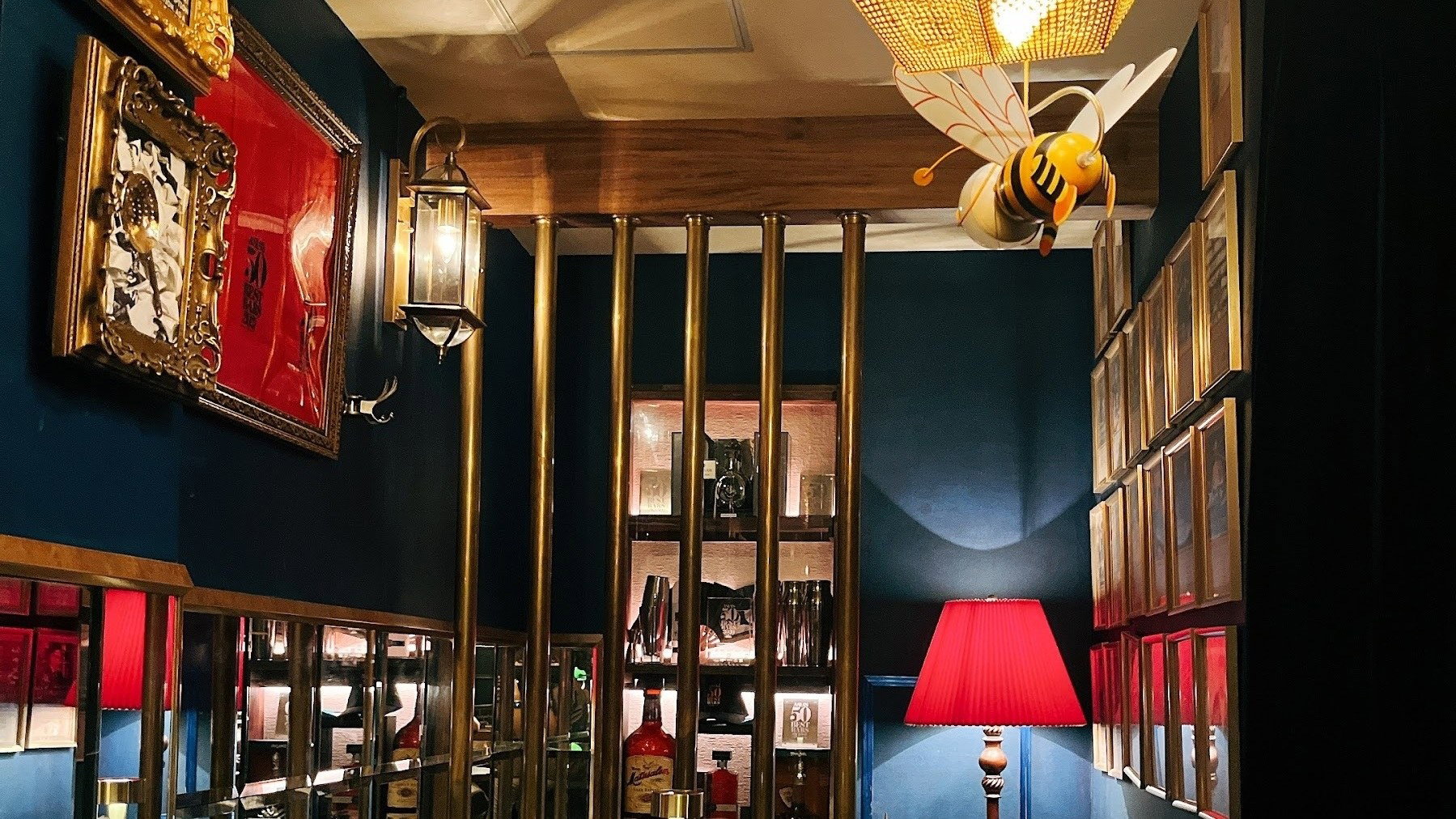
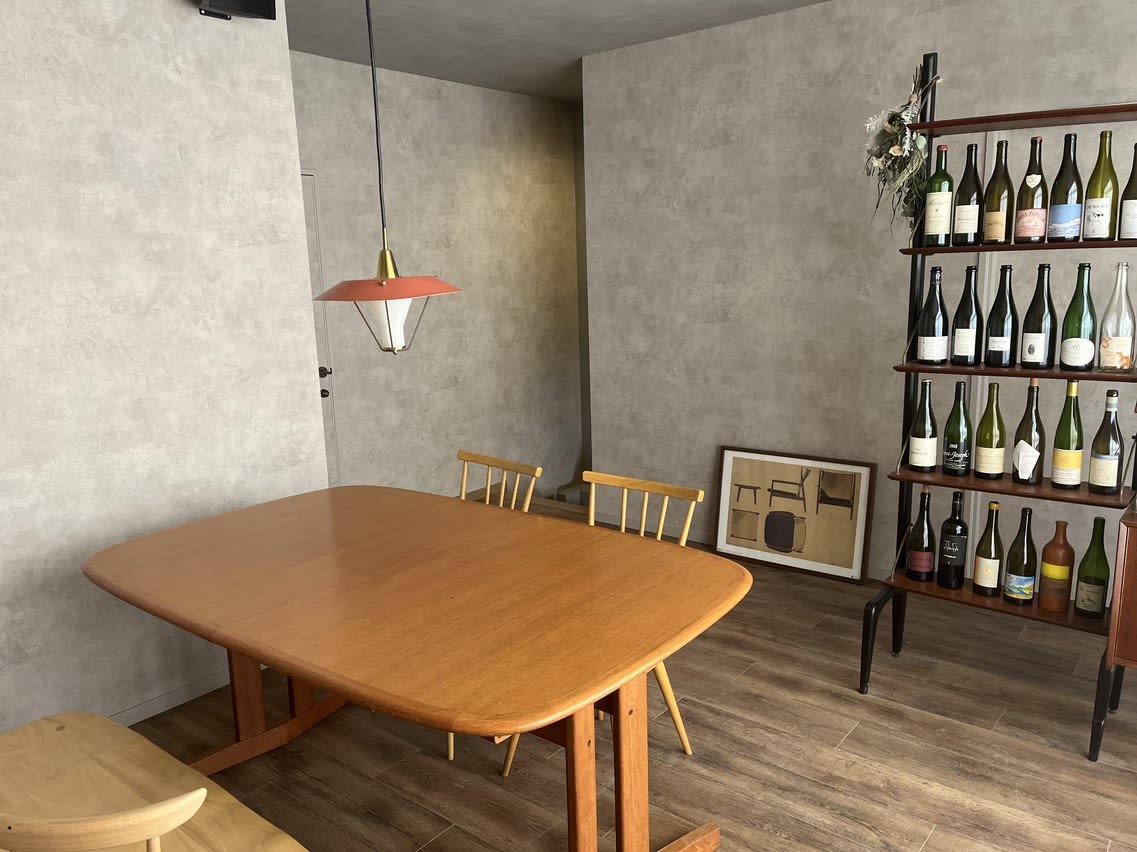
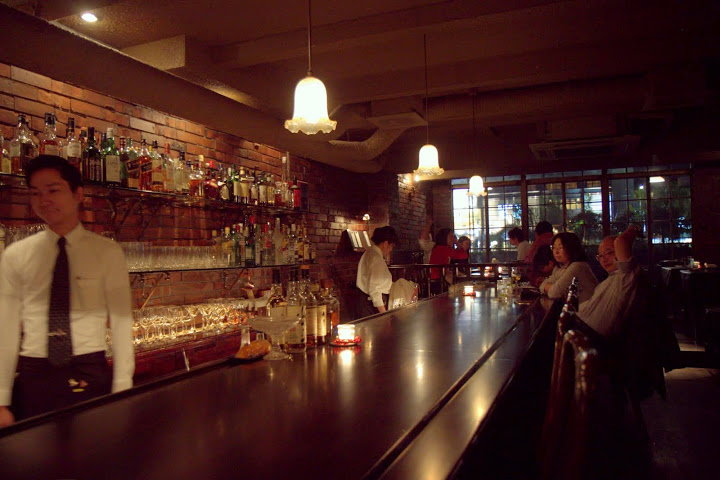
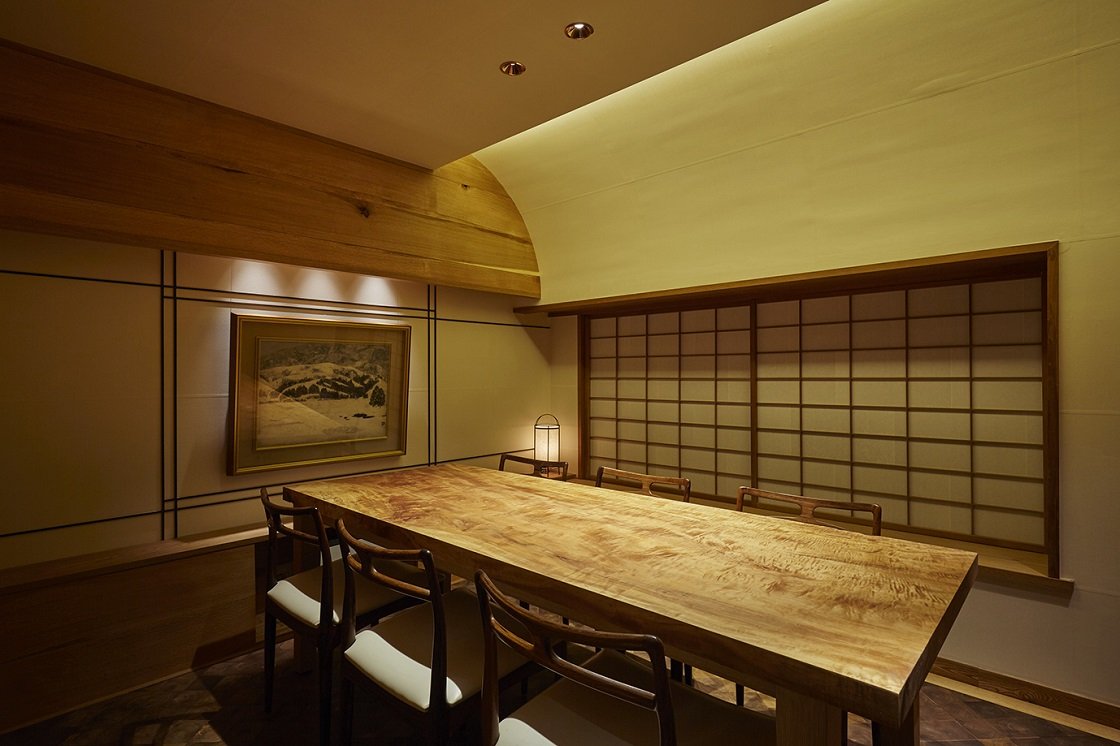
Cozy Japanese-style space with soothing ambience, calm and serene atmosphere at the chef's counter.
Tags
Vibe
Best For
Experience
Sourcing
At the Table
- Dress Code
- Smart Casual
- Noise Level
- Quiet
- Service Style
- Formal
- Meal Pacing
- Leisurely
- Capacity
- Intimate
Know before you go
Know Before You Go
- Getting there
- Japan, 〒602-0825 Kyoto, Kamigyo Ward, Omotecho, 31-1 グランコスモ御所 101
Planning details
Location
Japan, 〒602-0825 Kyoto, Kamigyo Ward, Omotecho, 31-1 グランコスモ御所 101 · Directions
Recognition and awards
Also consider
Also Consider
- Gion Sasaki, Kaiseki, Japanese, ¥¥¥¥
- cenci, Italian, ¥¥¥
- Ifuki, Kaiseki, ¥¥¥¥
- Kyokaiseki Kichisen, Japanese, ¥¥¥¥
- Kyo Seika, Chinese, ¥¥¥
Restaurant context
If you are choosing between Kyoto's top-tier restaurants and deciding where Sushi Hayashi fits, the clearest frame is cuisine format. Hayashi is the only sushi-focused option in this peer group, Gion Sasaki and Ifuki both operate in kaiseki, and Kyokaiseki Kichisen is one of Kyoto's most formally regarded kaiseki institutions. If kaiseki is your priority and budget is less of a concern, Kichisen is the reference-point booking. Gion Sasaki offers comparable spending and a more accessible entry into the kaiseki format. Hayashi wins if you specifically want sushi, it is not a fallback for guests who could not get a kaiseki table.
On value, cenci and Kyo Seika both operate at ¥¥¥, putting them a tier below Hayashi on price. Cenci's Italian format is a genuine alternative if you want a long tasting menu with wine pairing at lower cost; Kyo Seika suits guests who want Chinese cooking in Kyoto with less financial commitment. Neither competes with Hayashi on Kyoto-specific sushi craft, but both represent better value if the cuisine type is flexible.
For booking difficulty across this set, Hayashi is the most accessible at the ¥¥¥¥ level, rated Easy, where Kichisen in particular can require significant advance planning and occasionally concierge-level access. If you are booking a Kyoto itinerary with limited lead time, Hayashi is the most practical ¥¥¥¥ option in the group. Lock in Kichisen or Gion Sasaki first if those are priorities; Hayashi can follow with shorter notice.
Explore Kyoto
Around this place
Discover more on Pearl
Unlock the full Sushi Hayashi guide in Pearl, including awards, comparisons, FAQs, planning details, and nearby places.
Compare Sushi Hayashi
| Venue | Cuisine | Price | Booking Difficulty | Awards |
|---|---|---|---|---|
| Sushi Hayashi | Sushi | ¥¥¥¥ | Easy | Michelin Guide Kyoto Osaka 20262026 Michelin Plate2025 Michelin Plate2024 Michelin 1 Star |
| Gion Sasaki | Kaiseki, Japanese | ¥¥¥¥ | Unknown | 2026 Tabelog Bronze · #3862026 OAD Top Restaurants in Japan RecommendedMichelin Guide Kyoto Osaka 20262026 La Liste Top RestaurantsTabelog 100 - Japanese cuisine - WEST - 2025 · #132025 OAD Top Restaurants in Japan Ranked · #2462025 Tabelog Silver2025 Michelin 3 Stars2025 La Liste Top Restaurants |
| cenci | Italian | ¥¥¥ | Unknown | 2026 Tabelog Bronze · #442026 Asia's 50 Best Restaurants · #762026 OAD Top Restaurants in Japan Highly RecommendedMichelin Guide Kyoto Osaka 2026Tabelog 100 - Italian - WEST - 2025 · #632025 Asia's 50 Best Restaurants · #632025 OAD Top Restaurants in Japan Ranked · #1682025 Tabelog Bronze2024 OAD Top Restaurants in Japan Ranked · #135 |
| Ifuki | Kaiseki | ¥¥¥¥ | Unknown | 2026 OAD Top Restaurants in Japan Ranked · #1222026 Tabelog Bronze · #128Michelin Guide Kyoto Osaka 20262026 La Liste Top RestaurantsTabelog 100 - Japanese cuisine - WEST - 2025 · #622025 OAD Top Restaurants in Japan Ranked · #1002025 La Liste Top Restaurants2025 Tabelog Bronze2025 Michelin 2 Stars |
| Kyokaiseki Kichisen | Japanese | ¥¥¥¥ | Unknown | 2026 Tabelog Bronze · #1752026 OAD Top Restaurants in Japan Highly RecommendedMichelin Guide Kyoto Osaka 20262025 OAD Top Restaurants in Japan Ranked · #1862025 Michelin 2 Stars2025 La Liste Top Restaurants2024 OAD Top Restaurants in Japan Ranked · #1422024 Michelin 2 Stars2023 OAD Top Restaurants in Japan Ranked · #136 |
| Kyo Seika | Chinese | ¥¥¥ | Unknown | Tabelog 100 - Chinese cuisine - WEST - 2026 · #762026 Tabelog Bronze · #2162026 OAD Top Restaurants in Japan Recommended2026 Michelin 1 Star2025 OAD Top Restaurants in Japan Ranked · #3262025 Tabelog Bronze2024 OAD Top Restaurants in Japan Ranked · #3042024 Michelin Plate2024 Michelin 1 Star |

.png?width=1200&quality=80)






What to weigh when choosing between Sushi Hayashi and alternatives.
FAQ
Frequently Asked Questions
What should I wear to Sushi Hayashi?
The setting is a residential address in Kamigyo Ward rather than a formal dining district, so the tone skews composed rather than black-tie. Conservative, neat clothing is appropriate given the ¥¥¥¥ price tier and the focused, counter-style format. Avoid anything too casual — this is a serious sushi restaurant with Michelin recognition, not a neighbourhood lunch spot.
Is the tasting menu worth it at Sushi Hayashi?
If you are drawn to traditional Kyoto-style sushi — where technique shows in restraint rather than theatre — yes. The chef's no-sugar rice philosophy and deliberate sequencing (starting with squid to let the rice register before richer toppings) reward attention. This is not a venue for those who want spectacle; it is worth it for guests who care about how rice temperature and fish preparation interact.
Is Sushi Hayashi worth the price?
At ¥¥¥¥, it sits at the top of Kyoto's spending range, so value depends on what you are paying for. The Michelin Selected recognition confirms a standard above the ordinary, and the kitchen's approach — no sugar, temperature-matched toppings, seasonal Kyoto preparations like mackerel and steamed sushi in autumn and winter — justifies the commitment if that philosophy aligns with your expectations. If you want dazzling showmanship, the price may feel hard to justify.
Can Sushi Hayashi accommodate groups?
The Gran Cosmo Gosho 101 address suggests a compact, counter-focused space typical of serious sushi restaurants in Kyoto — which generally means groups of more than four face practical constraints. Parties of two are the natural fit for a counter omakase format. If you are booking for a larger group, confirm directly with the restaurant whether a private arrangement is possible before committing.