.png?width=1200&quality=80)
sonoba
Soba · Shimogyō, Kyoto
Restaurant in Kyoto, Japan
 Book with Pearl
The Read
Potter-Craftsman Soba
Price
¥
Dress
Casual
Why go
Sonoba holds back-to-back Michelin Bib Gourmand recognition (2024 and 2025) for a reason: 100% buckwheat juwari soba milled in-house, served on handmade pottery by the same craftsman who made the noodles. The monthly seasonal menu, which rotates through ingredients like sudachi citrus, walnuts, and oysters, gives returning visitors a clear reason to come back. At the ¥ price tier in Shimogyo Ward, this is one of the most considered meals you can book in Kyoto.
About sonoba
Who Should Book Sonoba
If you are a solo diner or a pair looking for a quiet, low-cost lunch in Kyoto that rewards attention to craft, sonoba is close to the clearest booking decision in the city. It is not the right call for a group celebration or a long dinner — this is a focused, daytime soba counter, and the experience is designed around that format.
The Room and the Plate
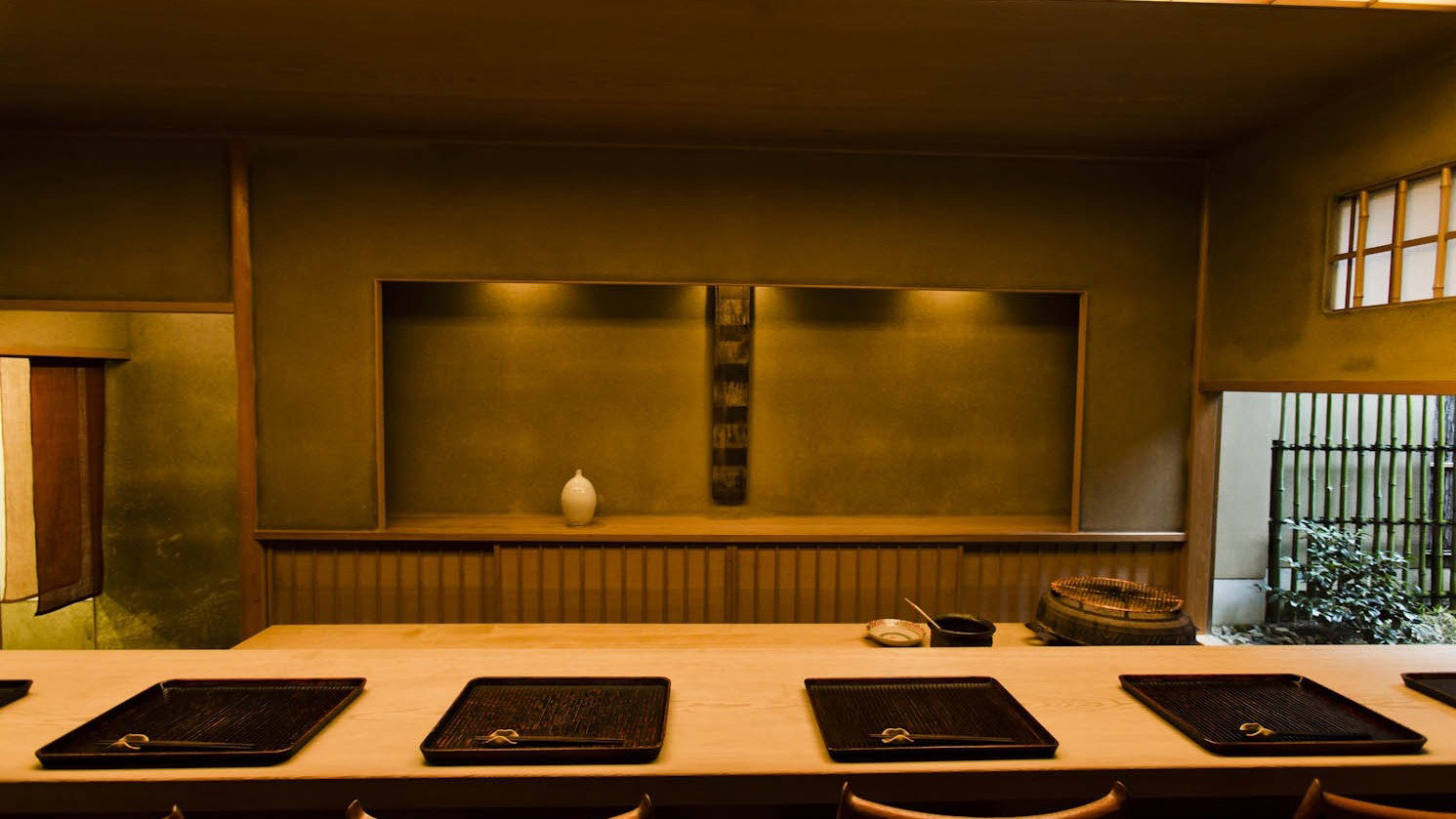
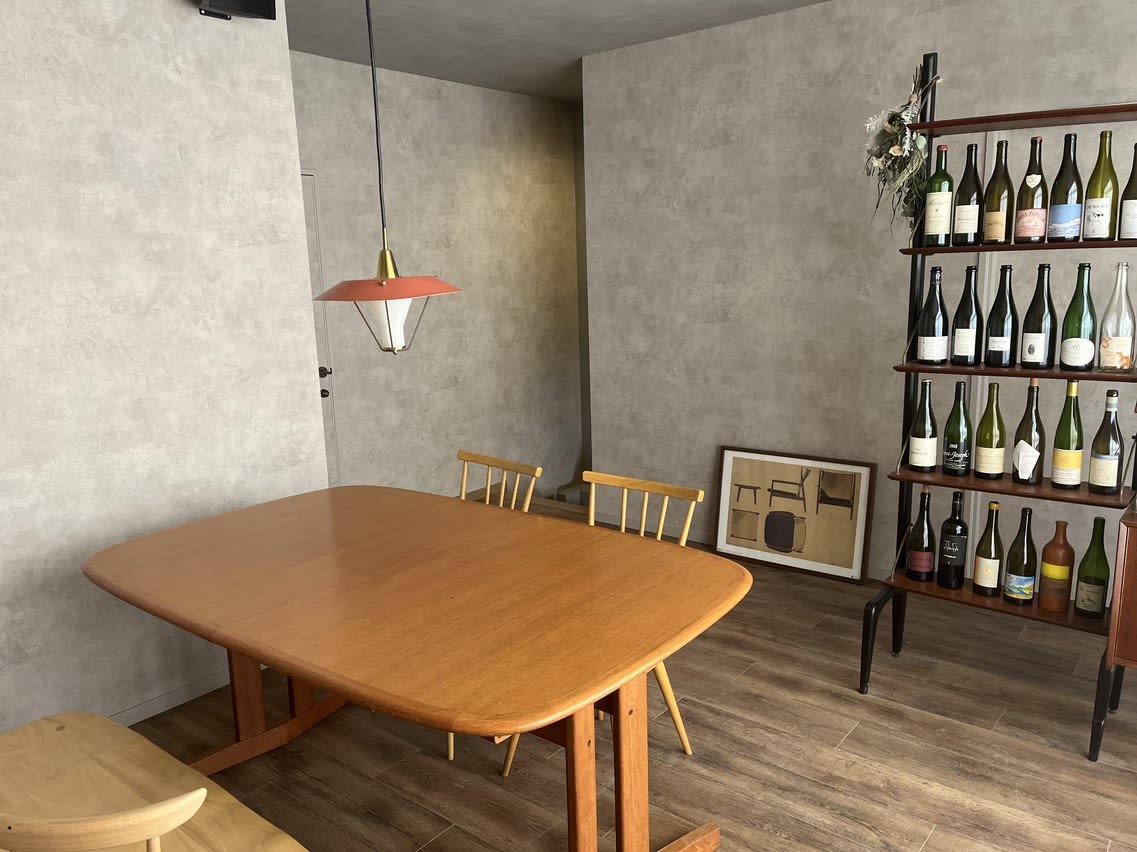
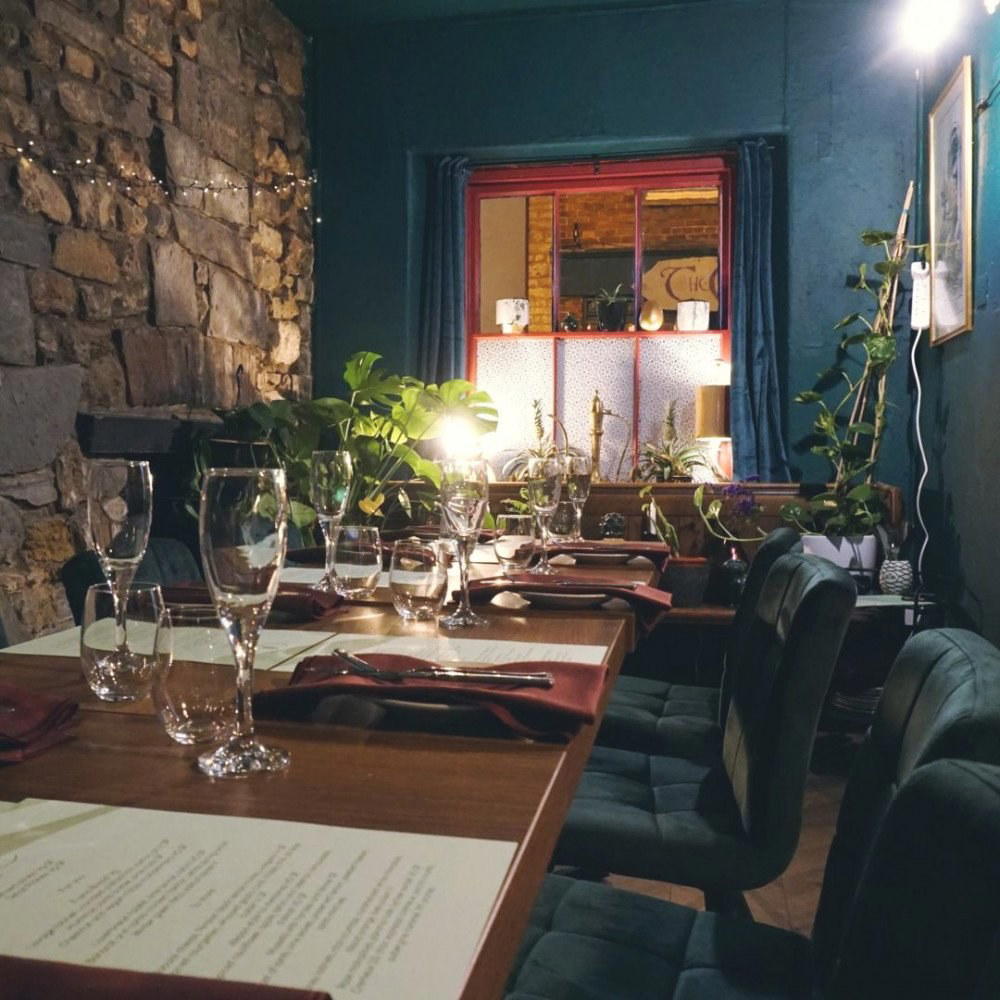
The first thing you register at sonoba is the visual coherence of the space. The interior uses recycled materials in a deliberate industrial aesthetic, and every piece of flatware on the table was made by the proprietor himself, a craftsman who works in both soba and pottery. The two disciplines reinforce each other visually: handmade ceramics carrying handmade noodles, nothing mass-produced in the frame. That level of considered presentation is genuinely rare at a ¥ price tier anywhere in Japan, let alone in Kyoto.
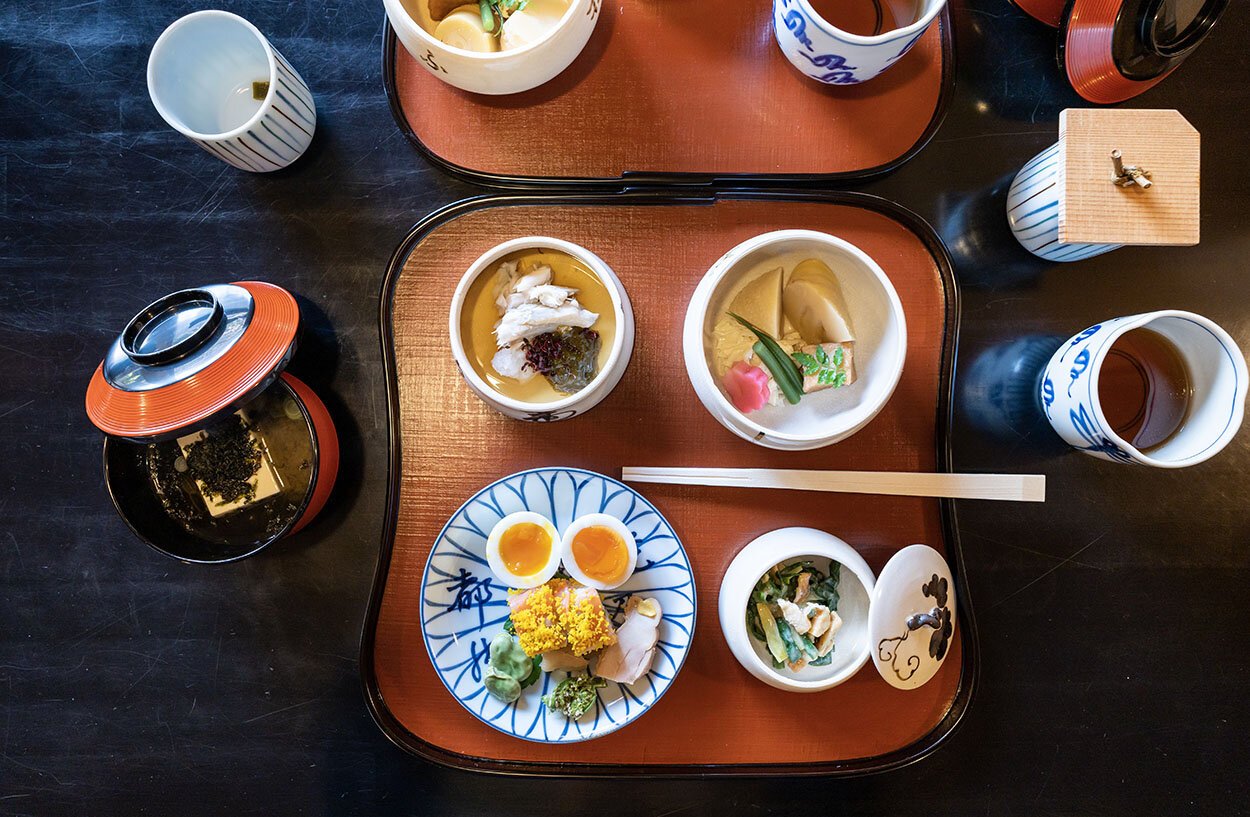
The soba itself is juwari — 100% buckwheat flour, no wheat blended in, milled in-house. For anyone who has eaten at mid-range soba restaurants where the noodle is a delivery vehicle rather than the point, the texture difference is noticeable. The mori soba, chilled noodles served on a wicker basket, is the most-ordered dish and the right starting point if you are returning after a first visit. But the seasonal soba is where sonoba separates itself from comparable spots like Honke Owariya or Gombei. The monthly rotation pairs buckwheat with ingredients including bamboo shoots, sudachi citrus, walnuts, and oysters, combinations that read as creative without being gimmicky, and that give a repeat visitor a reason to return across seasons.
The Seasonal Case
Monthly-changing seasonal soba is the strongest argument for treating sonoba as a recurring stop rather than a one-time visit. Ingredient pairings shift across the calendar, lighter citrus and vegetable combinations in warmer months, richer pairings like walnut and oyster when the temperature drops. If you ate the mori soba on your first visit, the seasonal menu is what to order next. It is also the format that makes sonoba worth planning a return trip around, particularly if you are spending several days in Kyoto across different parts of the year. For context on timing similar visits to Kyoto's broader dining scene, see our full Kyoto restaurants guide.
Booking and Practical Details
Reservations: Booking difficulty is rated Easy, though the small size of the space means arriving at peak lunch hours without a plan carries some risk, check current availability before you go. Budget: ¥ tier, making this one of the most affordable Michelin-recognised meals in Kyoto. Dress: No stated dress code; casual is appropriate given the industrial aesthetic and soba-counter format. Getting there: The address is 533-3 Motoshiogamacho, Shimogyo Ward, Kyoto, centrally located for anyone already in the southern part of the city. Group size: Leading for solo diners or pairs; larger groups should check capacity in advance. Hours: Not listed in current data, confirm before visiting.
Peer Comparisons Within the Soba Category
Sonoba is the most creatively ambitious soba option at the ¥ price tier in Kyoto. Honke Owariya has deeper historical roots as one of Kyoto's oldest soba establishments, which matters if provenance is your priority. Chikuyuan Taro no Atsumori and Gombei are worth knowing as alternatives in the same accessible tier. For soba outside Kyoto, Akasaka Sunaba in Tokyo and Ayamedo in Osaka represent the category's range in other cities. Sonoba's combination of in-house milling, handmade ceramics, and a rotating seasonal menu puts it ahead of most comparably priced options on craft-per-yen terms.
If you are looking at other Kyoto spots at a similar casual register, Itsutsu, Juu-go, and Gombei are all worth consulting alongside sonoba when planning a multi-day itinerary. For broader planning, see also our Kyoto hotels guide, bars guide, experiences guide, and wineries guide.
For high-end Japanese dining elsewhere in the region, HAJIME in Osaka, Harutaka in Tokyo, akordu in Nara, Goh in Fukuoka, 1000 in Yokohama, and 6 in Okinawa cover a wide range of formats and price points worth knowing about.
Planning details
- Location
- 533-3 Motoshiogamacho, Shimogyo Ward, Kyoto, 600-8119, Japan
- Website
- instagram.com/sonobanosoba
The take
The Take
The Vibe
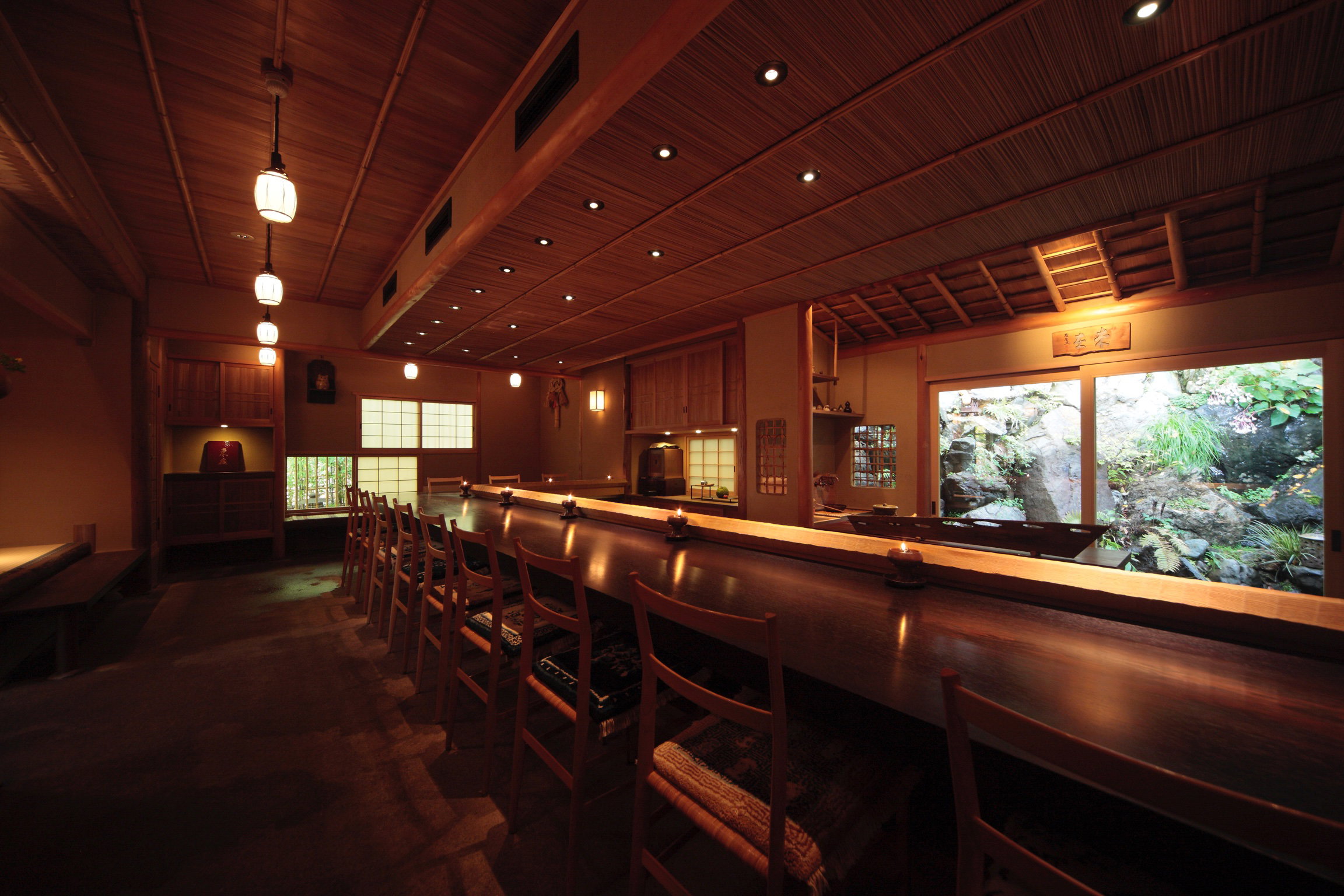
Sonoba reads as a practiced, small-scale workshop translated into a dining room. Industrial bones are softened by recycled materials and hand-thrown ceramics, while the wicker presentation and in-house stone milling keep attention focused on materiality. The kitchen treats juwari soba as a technical discipline rather than a showpiece, and that seriousness is delivered without ceremony: quiet, deliberate and very intentional. The effect is rustic and sophisticated at once—an intimate counter environment where craft and restraint are the attraction, and where every surface feels like part of the maker’s vocabulary.
Best For
This is a place for diners who seek concentrated craft rather than bustle. Sonoba suits solitary visits and small, low-key gatherings where the point is the food and its making; the counter orientation encourages focused tasting and conversation with the person preparing the soba. Because the menu centers on juwari soba milled on-site and a tasting progression that moves with the seasons, it appeals to deliberate visitors who plan a visit rather than stumble in. It’s an ideal stop for anyone interested in the technical art of soba.
Ordering Tips
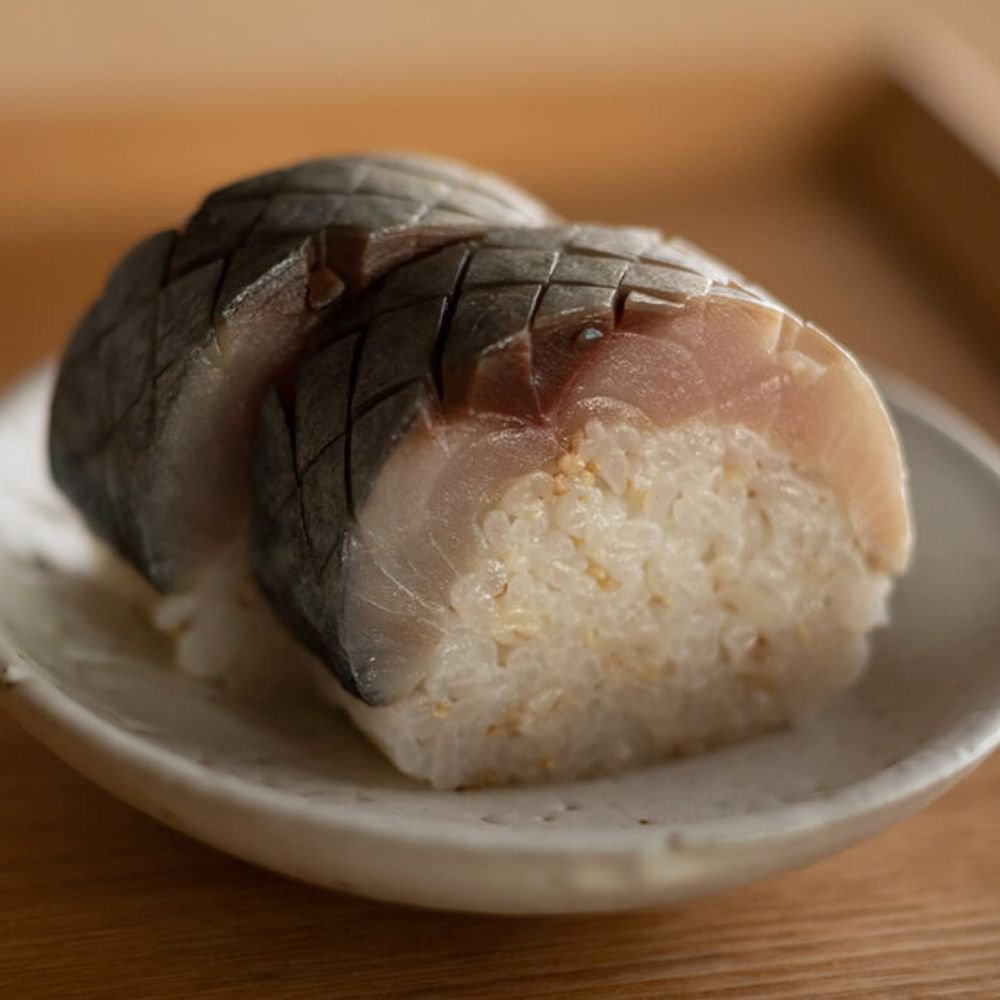
Begin with the Mori Soba as a calibration of the house mill and technique, then explore signature variations such as Chrysanthemum Soba and the Gaiichi-made soba to chart differences in grain and seasoning. Don’t miss the Aburi Saba Sushi for a contrasting texture and the Duck Nanban Soba for a richer, dressed preparation. The menu reads as a tasting sequence, so allow the progression to unfold and ask the staff about seasonal items—the shop emphasizes milling and seasonality as part of its culinary logic.
Venue details
Ambiance
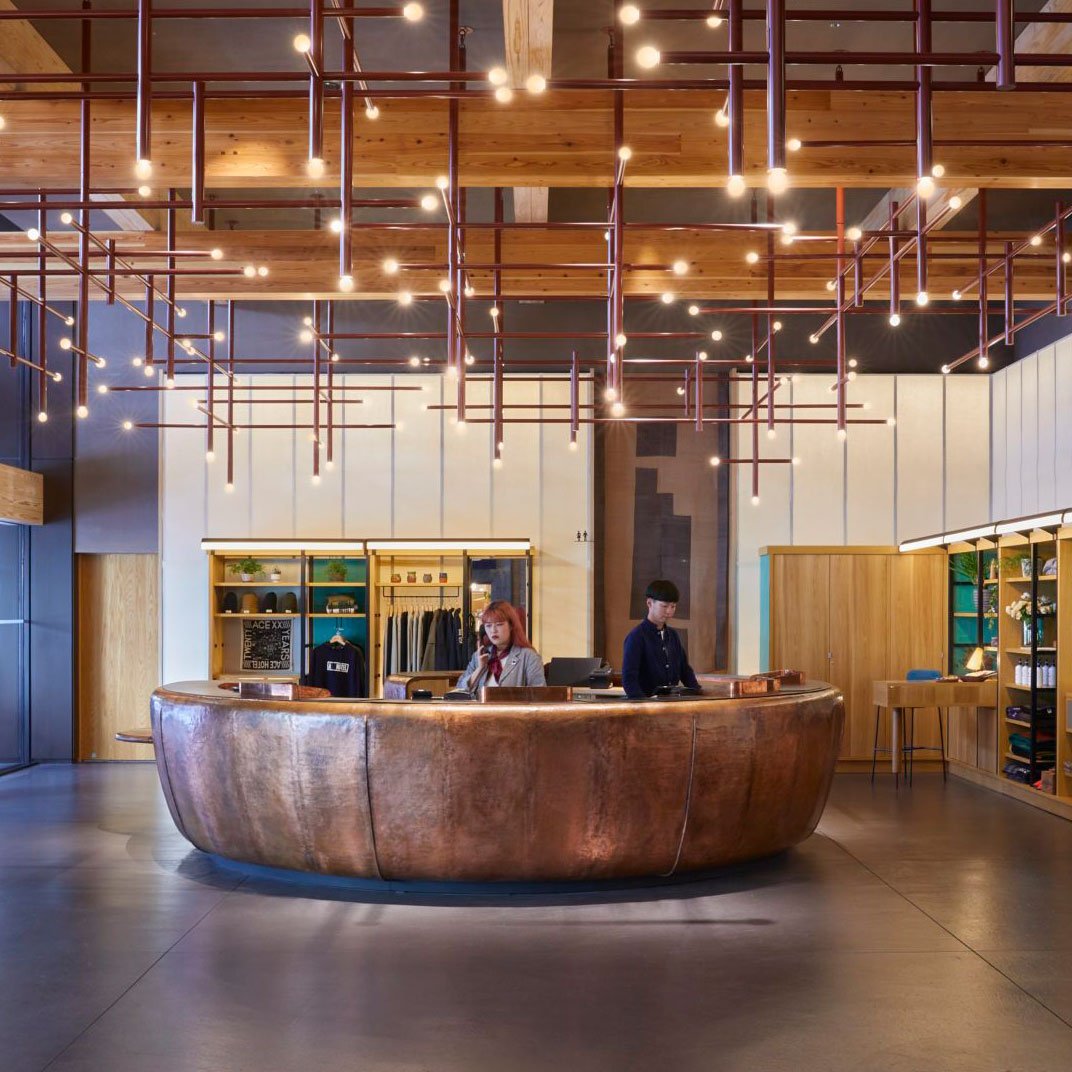
Industrial minimalist interior with exposed concrete, pendant lights suspended from recycled wood beams, and an adjacent working pottery studio visible through glass partitions; intimate 14-seat counter creates a focused, purposeful atmosphere.
Tags
Vibe
Best For
Experience
Sourcing
At the Table
- Dress Code
- Casual
- Noise Level
- Quiet
- Service Style
- Counter Service
- Meal Pacing
- Standard
- Capacity
- Intimate
Signature Dishes
- Mori Soba
- Chrysanthemum Soba
- Soba made with Gaiichi
- Aburi Saba Sushi
- Duck Nanban Soba
Know before you go
Know Before You Go
- Getting there
- 533-3 Motoshiogamacho, Shimogyo Ward, Kyoto, 600-8119, Japan
Planning details
Location
533-3 Motoshiogamacho, Shimogyo Ward, Kyoto, 600-8119, Japan · Directions
Recognition and awards
Also consider
Also Consider
- Gion Sasaki, Kaiseki, Japanese, ¥¥¥¥
- cenci, Italian, ¥¥¥
- Ifuki, Kaiseki, ¥¥¥¥
- Kyokaiseki Kichisen, Japanese, ¥¥¥¥
- SEN, French, Japanese, ¥¥¥¥
Restaurant context
Sonoba sits at the opposite end of the price spectrum from most of Kyoto's celebrated dining. If you are choosing between sonoba and a kaiseki restaurant like Gion Sasaki, Ifuki, or Kyokaiseki Kichisen, you are not really comparing like for like. Those ¥¥¥¥ kaiseki venues deliver multi-course precision over two or more hours and require advance booking and formal dress consideration. Sonoba is a ¥ daytime soba counter with Michelin recognition. The decision is about what kind of meal you want, not which venue is objectively better.
For value-per-yen, sonoba is stronger than anything in the ¥¥¥¥ tier if your goal is a focused, craft-driven lunch without ceremony. Cenci at ¥¥¥ sits in a middle tier, Italian-influenced, dinner-oriented, and a better choice if you want a longer table experience at a moderate price. Sonoba wins on accessibility and booking ease; Cenci wins on course length and setting. SEN, at ¥¥¥¥ with a French-Japanese format, is a different proposition entirely and targets diners prioritising an evening event over a quick, high-quality lunch.
The practical read: if you have one serious dinner reservation in Kyoto and want something low-effort and genuinely well-made for lunch the same day, sonoba is the booking to make. If your entire trip is built around kaiseki and you are comparing Gion Sasaki against Ifuki or Kichisen, sonoba belongs on a different day rather than in direct competition. Book the Bib Gourmand lunch, then spend the evening at whichever ¥¥¥¥ table you secured.
Explore Kyoto
Around this place
Discover more on Pearl
Unlock the full sonoba guide in Pearl, including awards, comparisons, FAQs, planning details, and nearby places.
Compare sonoba
| Venue | Cuisine | Awards | Booking Difficulty |
|---|---|---|---|
| sonoba | Soba | 2026 Bib Gourmand2025 Michelin Bib Gourmand2024 Michelin Bib Gourmand | Easy |
| Gion Sasaki | Kaiseki, Japanese | 2026 Tabelog Bronze · #3862026 OAD Top Restaurants in Japan RecommendedMichelin Guide Kyoto Osaka 20262026 La Liste Top RestaurantsTabelog 100 - Japanese cuisine - WEST - 2025 · #132025 OAD Top Restaurants in Japan Ranked · #2462025 Tabelog Silver2025 Michelin 3 Stars2025 La Liste Top Restaurants | Unknown |
| cenci | Italian | 2026 Tabelog Bronze · #442026 Asia's 50 Best Restaurants · #762026 OAD Top Restaurants in Japan Highly RecommendedMichelin Guide Kyoto Osaka 2026Tabelog 100 - Italian - WEST - 2025 · #632025 Asia's 50 Best Restaurants · #632025 OAD Top Restaurants in Japan Ranked · #1682025 Tabelog Bronze2024 OAD Top Restaurants in Japan Ranked · #135 | Unknown |
| Ifuki | Kaiseki | 2026 OAD Top Restaurants in Japan Ranked · #1222026 Tabelog Bronze · #128Michelin Guide Kyoto Osaka 20262026 La Liste Top RestaurantsTabelog 100 - Japanese cuisine - WEST - 2025 · #622025 OAD Top Restaurants in Japan Ranked · #1002025 La Liste Top Restaurants2025 Tabelog Bronze2025 Michelin 2 Stars | Unknown |
| Kyokaiseki Kichisen | Japanese | 2026 Tabelog Bronze · #1752026 OAD Top Restaurants in Japan Highly RecommendedMichelin Guide Kyoto Osaka 20262025 OAD Top Restaurants in Japan Ranked · #1862025 Michelin 2 Stars2025 La Liste Top Restaurants2024 OAD Top Restaurants in Japan Ranked · #1422024 Michelin 2 Stars2023 OAD Top Restaurants in Japan Ranked · #136 | Unknown |
| SEN | French, Japanese | 2026 Tabelog Bronze · #3952026 OAD Top Restaurants in Japan RecommendedMichelin Guide Kyoto Osaka 20262026 Michelin PlateTabelog 100 - Japanese cuisine - WEST - 2025 · #652025 Michelin Plate2025 Tabelog Bronze2024 OAD Top Restaurants in Japan Ranked · #3622024 Michelin Plate | Unknown |








.png?width=1200&quality=80)
What to weigh when choosing between sonoba and alternatives.
FAQ
Frequently Asked Questions
Is sonoba good for solo dining?
Yes — it is one of the cleaner solo lunch calls in Kyoto at the ¥ price tier. The counter-style, craft-focused format suits single diners who want to eat well without spending much; the Michelin Bib Gourmand recognition (2024 and 2025) confirms the quality-to-price ratio holds up. Arrive early or at off-peak hours, as the small space fills quickly at lunch. If you want a livelier solo dining room, SEN offers a different soba-adjacent atmosphere, but sonoba wins on craft and value.
What is sonoba known for?
sonoba is primarily known for Soba in Kyoto.
Where is sonoba located?
sonoba is located in Kyoto, at 533-3 Motoshiogamacho, Shimogyo Ward, Kyoto, 600-8119, Japan.