
Sokkon Fujimoto
Japanese · Nakagyō, Kyoto
Restaurant in Kyoto, Japan
 Book with Pearl
The Read
Zen-Principle Kaiseki
Price
¥¥¥¥
Dress
Smart Casual
Why go
Sokkon Fujimoto is a ¥¥¥¥ Japanese restaurant in Kyoto's Nakagyo Ward, recognised by Michelin Plate in 2024 and 2025. Built around the Zen principle of savouring the moment, it is a strong special-occasion choice for two; philosophically distinctive, easier to book than most comparable Kyoto tables, serious about every detail from cuisine to room arrangement.
About Sokkon Fujimoto
Verdict: A Serious Special-Occasion Dinner at the Upper End of Kyoto Pricing
At ¥¥¥¥, Sokkon Fujimoto is priced at the top tier of Kyoto dining. What you get for that spend is a Japanese restaurant built around a clearly articulated philosophy; the Zen principle of sokkon, savouring the moment, applied to every element from cuisine to room arrangement to service. Book it for a special occasion dinner when you want somewhere that takes its craft seriously without requiring the months-long lead times of Kyoto's hardest-to-book tables.
The Space and Atmosphere
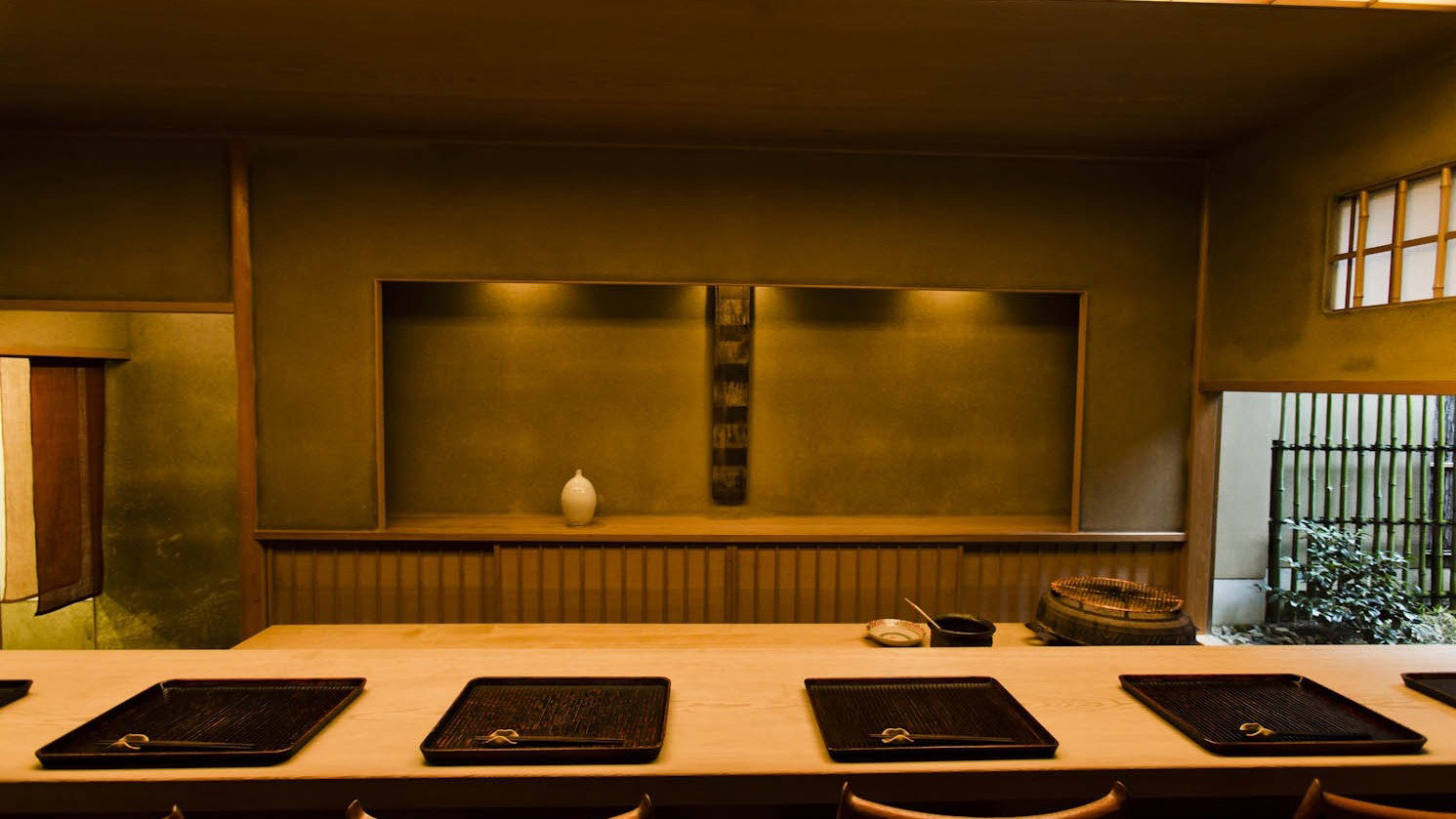
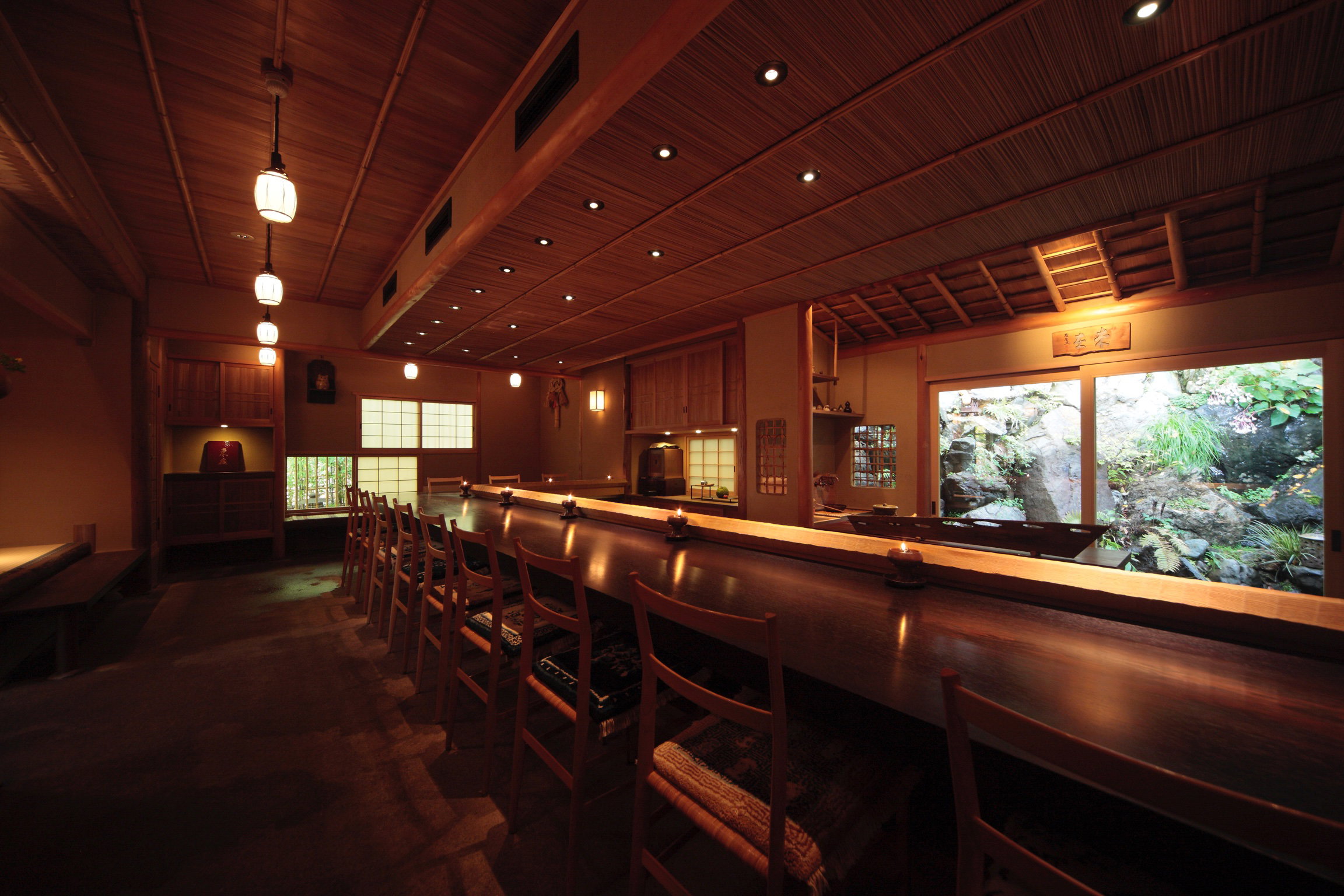
Sokkon Fujimoto sits at 580-1 Matsumotocho in Nakagyo Ward, a central Kyoto address that keeps it accessible from the main accommodation corridors around Karasuma and Kawaramachi. The spatial philosophy here is deliberate: the chef applies the traditional arts of tea ceremony, flower arrangement, calligraphy to the physical environment, which means room arrangements are treated with the same attention as the food itself. Expect a composed, quiet space oriented around detail rather than grandeur. This is not the place for a loud group dinner. It is built for two people who want to be present; which makes it one of the better date-night or anniversary choices in Kyoto's Nakagyo district. If you want drama and scale, Kyokaiseki Kichisen offers a more ceremonial kaiseki environment. If intimacy and philosophical depth matter more, Sokkon Fujimoto is the better call.
The Food and Drinks Program
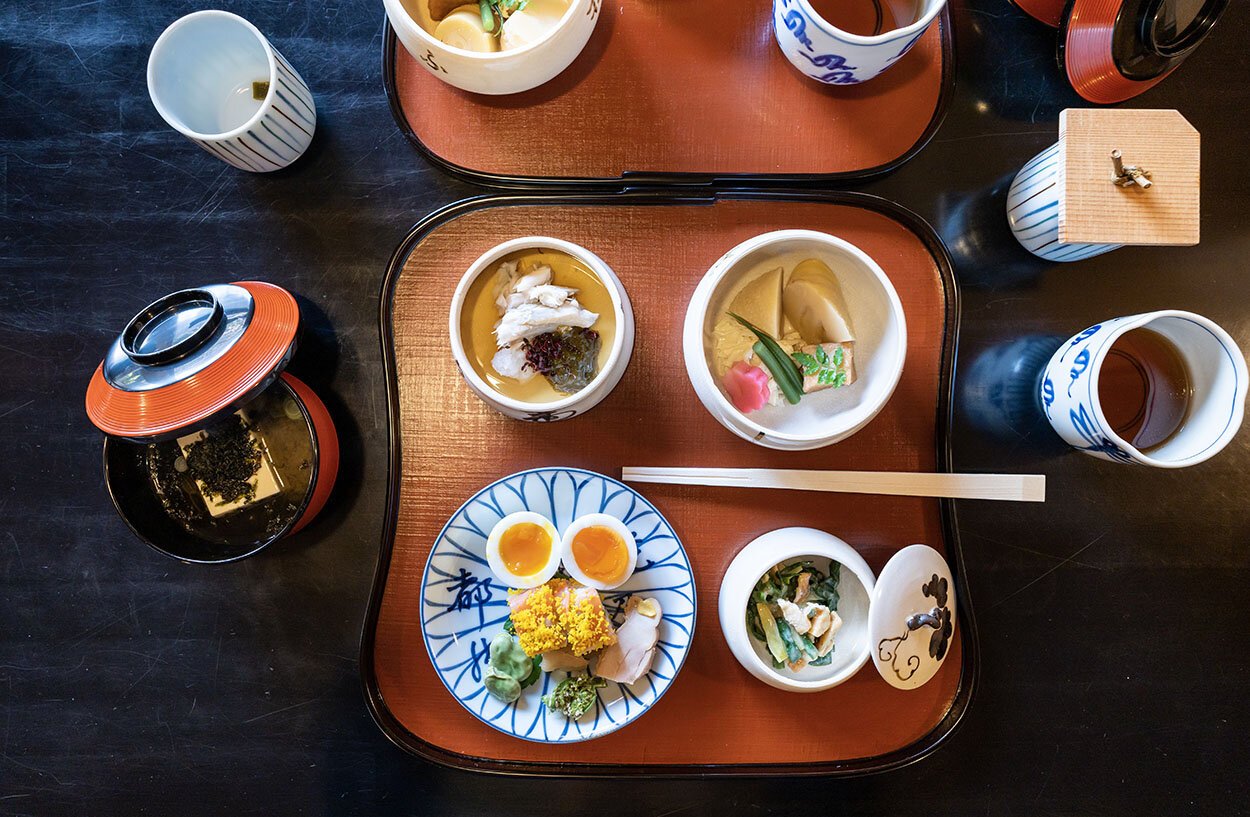
The cuisine is Japanese at the ¥¥¥¥ price tier, the kitchen's guiding concept is the principle of shin-gyo-so, formal, semi-cursive, cursive forms translated into cooking: preserving essential technique while allowing imagination room to move. In practice, this signals a menu that respects classical foundations while not being rigid about them. No specific dishes are confirmed in our data, so specific menu items are not listed here, but the culinary direction leans structured and seasonal, consistent with Kyoto's broader high-end Japanese dining culture.
On the drinks side, the program at a venue this deliberate is worth paying attention to. Japanese restaurants operating at this price and philosophical register typically pair their menus with a sake selection calibrated to the food's flavour register, given the chef's grounding in tea ceremony, there is likely a considered non-alcoholic pairing option as well. If sake pairing or a thoughtful drink-with-food experience matters to your group, this is a venue where that dimension is taken seriously rather than treated as an afterthought. For a fuller picture of what Kyoto's drinks scene looks like across venue types, see our full Kyoto bars guide.
Ideal time to visit
Timing your visit to Sokkon Fujimoto is less about day-of-week logistics (the booking difficulty is rated Easy) and more about aligning with Kyoto's two peak seasons. Cherry blossom (late March to mid-April) and autumn foliage (mid-November) are when the city fills and when a dinner at this level carries additional weight as part of a wider Kyoto experience. If you are planning around those windows, book the restaurant first and build the rest of your trip around the confirmed dinner date. Outside peak season, late September and early October offer pleasant weather, lower hotel rates, an easier path to a same-week reservation. For the special-occasion traveller, pairing this dinner with a ryokan stay extends the aesthetic sensibility into the overnight experience, see our full Kyoto hotels guide for options at the right price tier.
How Sokkon Fujimoto Compares
Against other ¥¥¥¥ Japanese restaurants in Kyoto, Sokkon Fujimoto occupies the philosophically distinctive middle ground: more personal than the grand kaiseki institutions like Kyokaiseki Kichisen, and more accessible to book than Gion Matayoshi or Isshisoden Nakamura. For a first high-end Japanese meal in Kyoto, Kikunoi Roan is the more widely recognised starting point with stronger name recognition. Sokkon Fujimoto rewards diners who want something quieter and more considered. Compared to Kodaiji Jugyuan, which leans heavily on its temple-adjacent setting, Sokkon Fujimoto's appeal is rooted in the kitchen philosophy rather than location atmosphere.
Beyond Kyoto, if you are building a broader Japan itinerary, comparable philosophical seriousness at the leading price tier can be found at HAJIME in Osaka, Harutaka in Tokyo, and Myojaku in Tokyo. For Japanese dining at a slightly different register, Azabu Kadowaki in Tokyo is also worth considering. Further afield, akordu in Nara and Goh in Fukuoka offer high-craft dining in cities that pair well with a Kyoto itinerary. See our full Kyoto restaurants guide for the complete picture, our Kyoto experiences guide if you want to extend the trip beyond dinner.
Practical Details
| Detail | Sokkon Fujimoto | Gion Sasaki | Ifuki |
|---|---|---|---|
| Price tier | ¥¥¥¥ | ¥¥¥¥ | ¥¥¥¥ |
| Cuisine | Japanese | Kaiseki / Japanese | Kaiseki |
| Booking difficulty | Easy | Hard | Moderate |
| Michelin recognition | Plate (2024, 2025) | Star-level | Plate / Star |
| Leading for | Special occasion, date | Serious kaiseki enthusiasts | Traditional kaiseki |
| Location | Nakagyo Ward | Gion | Central Kyoto |
Address: 580-1 Matsumotocho, Nakagyo Ward, Kyoto. For wineries and sake producers to visit during your Kyoto trip, see our full Kyoto wineries guide. For a wider Japan perspective across other cities, 1000 in Yokohama and 6 in Okinawa are two restaurants worth knowing if your itinerary extends beyond the Kansai region.
FAQs: Sokkon Fujimoto
- How far ahead should I book Sokkon Fujimoto? Booking difficulty is rated Easy, so a week or two of lead time is typically sufficient outside Kyoto's peak seasons. During cherry blossom (late March to mid-April) and autumn foliage (mid-November), add more buffer and confirm the reservation before finalising travel plans. Unlike the hardest tables in Kyoto, you are unlikely to be shut out months in advance.
- Is Sokkon Fujimoto good for a special occasion? Yes, with confidence. The philosophy of sokkon, full presence in the moment, is built into the dining experience, the attention to room arrangement, service, cuisine detail makes it a strong anniversary or celebration dinner. It is better for two people than a large group. For a bigger-table special occasion, consider venues with more confirmed private dining infrastructure.
- What should I wear to Sokkon Fujimoto? No dress code is specified in our data, but at the ¥¥¥¥ price point in Kyoto, smart casual at minimum is appropriate. The venue's aesthetic is rooted in traditional arts, so clothes that are neat and considered fit the room. Avoid overly casual dress that would feel out of place in a composed, detail-oriented environment.
- What are alternatives to Sokkon Fujimoto in Kyoto? For high-end Japanese at the same price tier: Gion Matayoshi and Isshisoden Nakamura are more established names but harder to book. Kikunoi Roan is the most accessible entry point for kaiseki at high quality. For a step down in price with Italian creative cooking, cenci (¥¥¥) offers a different but credible alternative for diners less committed to a Japanese format.
- Can Sokkon Fujimoto accommodate groups? Seat count is not confirmed in our data. Given the venue's philosophical orientation around intimacy and detail, it likely suits smaller parties leading, pairs and groups of four are the safer assumption. If you are planning a group dinner of six or more, contact the restaurant directly to confirm capacity and whether a private arrangement is available before committing.
- Is Sokkon Fujimoto worth the price? You are paying for a considered, detail-led experience rather than a star-count. If you want Michelin-starred kaiseki at the same price tier, Kyokaiseki Kichisen is the harder-to-book alternative. If philosophical coherence and an Easy booking process at top-tier pricing is the brief, Sokkon Fujimoto justifies the spend.
Planning details
- Location
- 580-1 Matsumotocho, Nakagyo Ward, Kyoto, 604-0982, Japan
- Website
- r.gnavi.co.jp/ccdku56z0000
- Phone
- +81 75-708-2851
The take
The Take
The Vibe
Sokkon Fujimoto operates from a quietly deliberate aesthetic rooted in Zen attentiveness. The room and service are arranged to encourage presence: the pace before a single plate arrives is part of the experience. That restraint is an extension of Kansai kaiseki’s long-standing practice of seasonal precision and visual moderation, where each element supports a sustained mood rather than demanding attention as a discrete spectacle. Expect a measured, contemplative atmosphere that privileges subtlety—an experience built on understatement, curated tempo and the refined traditions of Kyoto’s culinary heritage.
Best For
This is a place for intentional dining: celebrations and carefully chosen evenings out that favour quiet focus over theatricality. The restaurant’s alignment with Kyoto’s kaiseki traditions and its Zen-inflected service make it well suited to special occasions and date nights where the meal itself is the central event. Tucked away from the most photographed parts of the city, it attracts diners seeking a composed, ceremonial meal—people who want to savour seasonal precision and a single, sustained dining mood rather than a sequence of showy presentations.
Ordering Tips
Approach the meal with patience and a willingness to be guided. The kitchen works within a Kansai kaiseki framework that prizes seasonal precision and a single sustained mood, so the clearest way to appreciate the cooking is to accept the progression and tempo of service. Note that the team draws on tea-ceremony and other traditional arts in its approach to arrangement and timing; allow the staff to set the rhythm of courses and focus on the subtleties of presentation and seasonal ingredients rather than asking for substitutions or theatrical variations.
Venue details
Ambiance
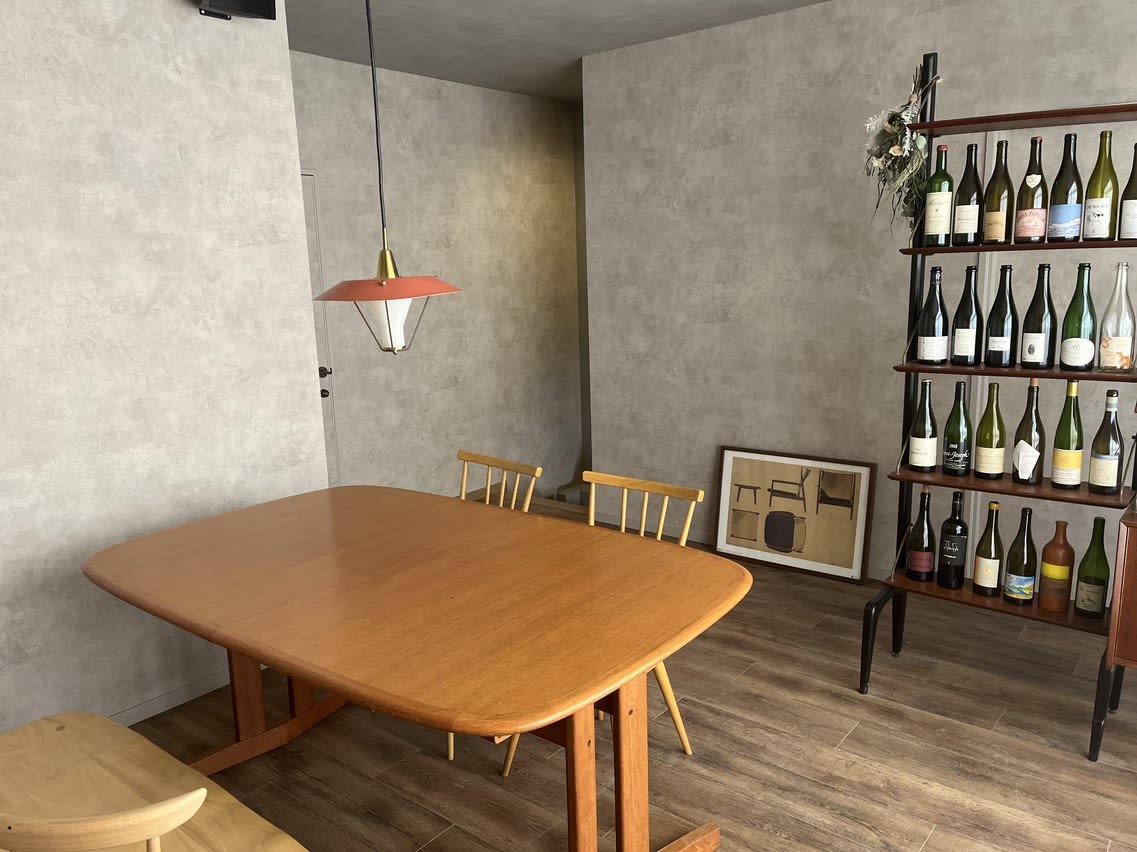
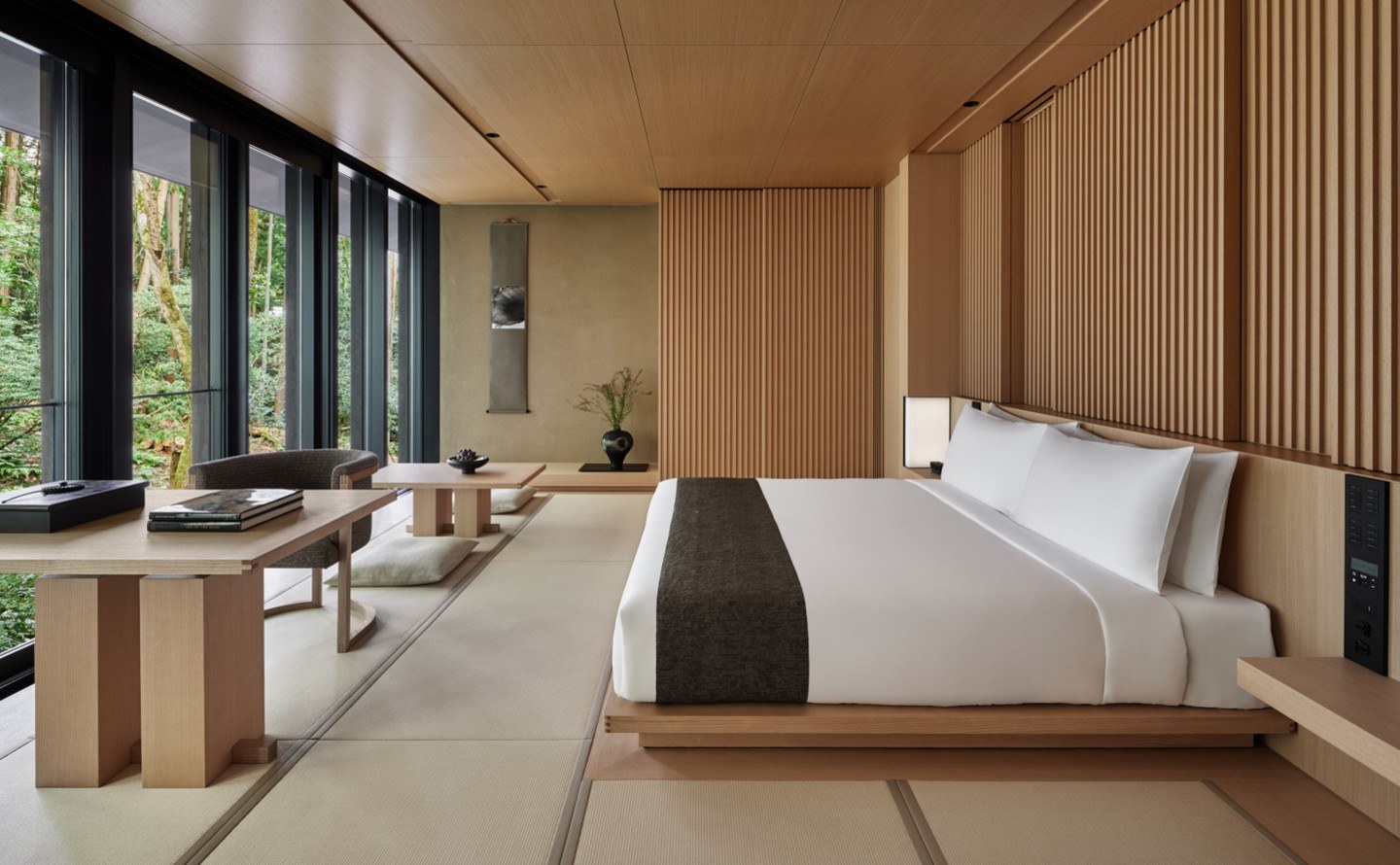
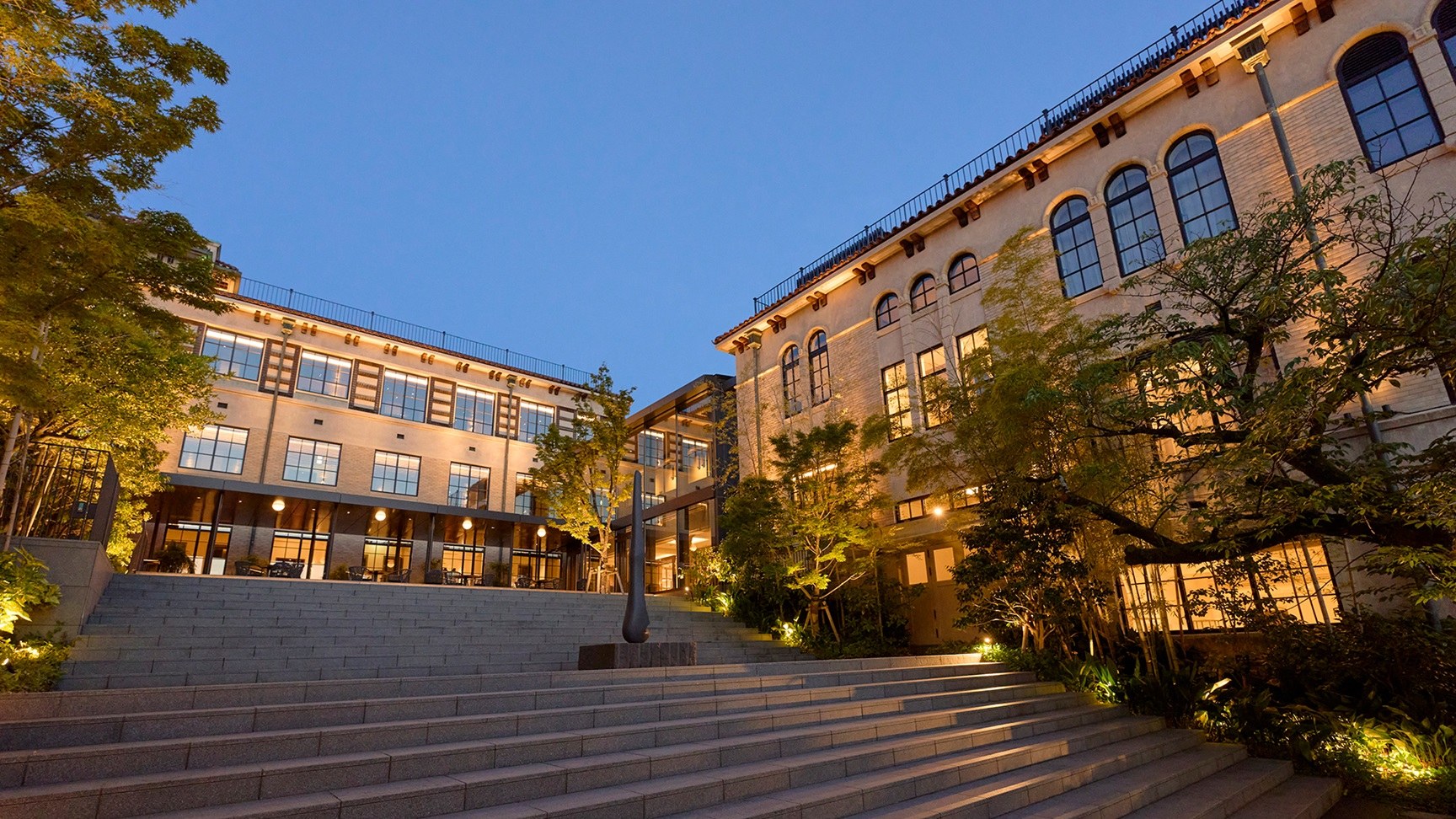
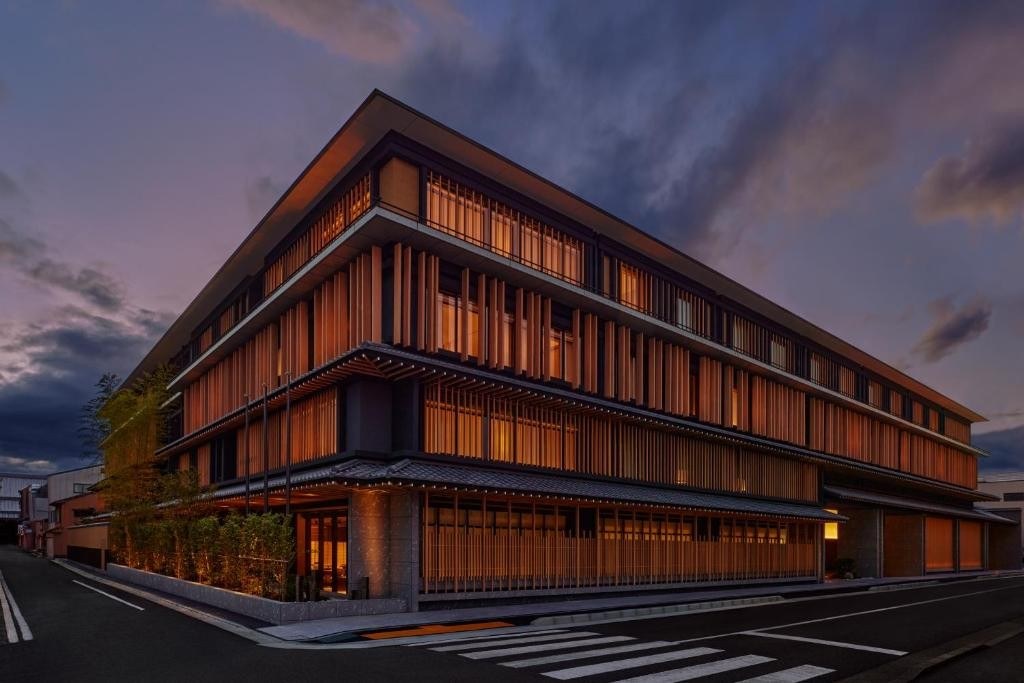
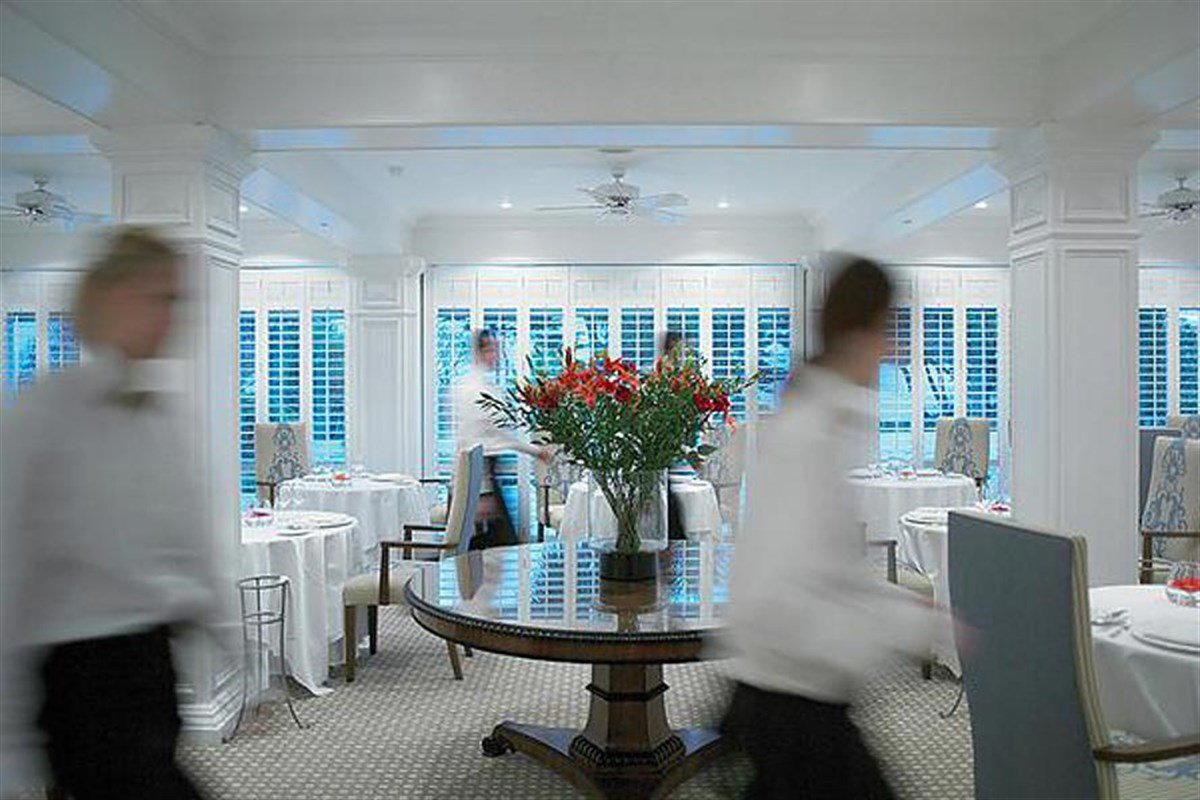
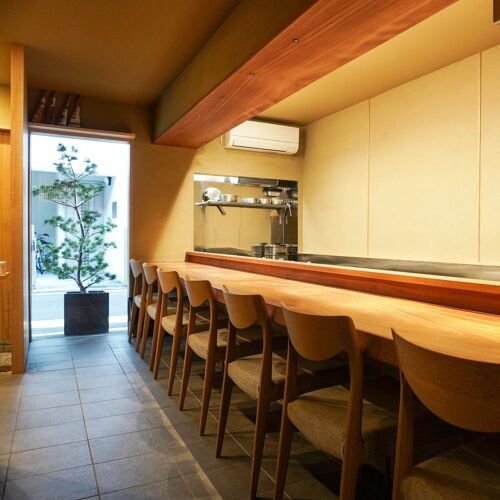
Serene tea room-like atmosphere with tatami-matted counter seats, subtle woods, gentle lighting, tasteful decorations, and seasonal floral elements.
Tags
Vibe
Best For
Experience
At the Table
- Dress Code
- Smart Casual
- Noise Level
- Quiet
- Service Style
- Formal
- Meal Pacing
- Leisurely
- Capacity
- Intimate
Planning details
Location
580-1 Matsumotocho, Nakagyo Ward, Kyoto, 604-0982, Japan · Directions
Recognition and awards
Also consider
Also Consider
- Gion Sasaki; Kaiseki, Japanese, ¥¥¥¥
- cenci; Italian, ¥¥¥
- Ifuki; Kaiseki, ¥¥¥¥
- Kyokaiseki Kichisen; Japanese, ¥¥¥¥
- SEN; French, Japanese, ¥¥¥¥
Restaurant context
At ¥¥¥¥, Sokkon Fujimoto sits in the same price band as Gion Sasaki, Ifuki, Kyokaiseki Kichisen, and SEN. The key differentiator is booking difficulty: Sokkon Fujimoto is rated Easy, while Gion Sasaki and Kyokaiseki Kichisen are among Kyoto's harder reservations to secure. If your dates are fixed and you need a high-end Japanese dinner confirmed quickly, Sokkon Fujimoto is the most practical choice in the tier.
On experience type: Gion Sasaki and Kyokaiseki Kichisen both deliver kaiseki in a more ceremonial, structured format; better suited to diners who want the full traditional kaiseki arc. Sokkon Fujimoto's philosophy is more personal and Zen-influenced, which makes it a better fit for a date or anniversary than for a business dinner where formality and name recognition matter. Ifuki offers comparable kaiseki positioning and is worth comparing directly if traditional form is a priority. SEN, with its French-Japanese approach, suits diners who want high craft but are less committed to a purely Japanese format.
For value at a lower price point, cenci at ¥¥¥ is the strongest alternative if Italian creative cooking fits the brief. It does not compete directly with Sokkon Fujimoto on cuisine type, but for a special-occasion dinner where cuisine format is flexible, cenci's lower price tier and Italian focus make it a credible option. The bottom line: if you want a ¥¥¥¥ Japanese dinner in Kyoto that you can book without a long runway, Sokkon Fujimoto is the most accessible serious option in the category.
Explore Kyoto
Around this place
Discover more on Pearl
Unlock the full Sokkon Fujimoto guide in Pearl, including awards, comparisons, FAQs, planning details, and nearby places.
Compare Sokkon Fujimoto
| Venue | Price | Awards |
|---|---|---|
| Sokkon Fujimoto | ¥¥¥¥ | Michelin Guide Kyoto Osaka 20262026 Michelin Plate2025 Michelin Plate2024 Michelin Plate |
| Gion Sasaki | ¥¥¥¥ | 2026 Tabelog Bronze · #3862026 OAD Top Restaurants in Japan RecommendedMichelin Guide Kyoto Osaka 20262026 La Liste Top RestaurantsTabelog 100 - Japanese cuisine - WEST - 2025 · #132025 OAD Top Restaurants in Japan Ranked · #2462025 Tabelog Silver2025 Michelin 3 Stars2025 La Liste Top Restaurants |
| cenci | ¥¥¥ | 2026 Tabelog Bronze · #442026 Asia's 50 Best Restaurants · #762026 OAD Top Restaurants in Japan Highly RecommendedMichelin Guide Kyoto Osaka 2026Tabelog 100 - Italian - WEST - 2025 · #632025 Asia's 50 Best Restaurants · #632025 OAD Top Restaurants in Japan Ranked · #1682025 Tabelog Bronze2024 OAD Top Restaurants in Japan Ranked · #135 |
| Ifuki | ¥¥¥¥ | 2026 OAD Top Restaurants in Japan Ranked · #1222026 Tabelog Bronze · #128Michelin Guide Kyoto Osaka 20262026 La Liste Top RestaurantsTabelog 100 - Japanese cuisine - WEST - 2025 · #622025 OAD Top Restaurants in Japan Ranked · #1002025 La Liste Top Restaurants2025 Tabelog Bronze2025 Michelin 2 Stars |
| Kyokaiseki Kichisen | ¥¥¥¥ | 2026 Tabelog Bronze · #1752026 OAD Top Restaurants in Japan Highly RecommendedMichelin Guide Kyoto Osaka 20262025 OAD Top Restaurants in Japan Ranked · #1862025 Michelin 2 Stars2025 La Liste Top Restaurants2024 OAD Top Restaurants in Japan Ranked · #1422024 Michelin 2 Stars2023 OAD Top Restaurants in Japan Ranked · #136 |
| SEN | ¥¥¥¥ | 2026 Tabelog Bronze · #3952026 OAD Top Restaurants in Japan RecommendedMichelin Guide Kyoto Osaka 20262026 Michelin PlateTabelog 100 - Japanese cuisine - WEST - 2025 · #652025 Michelin Plate2025 Tabelog Bronze2024 OAD Top Restaurants in Japan Ranked · #3622024 Michelin Plate |
.png?width=1200&quality=80)






Comparing your options in Kyoto for this tier.
FAQ
Frequently Asked Questions
How far ahead should I book Sokkon Fujimoto?
Booking difficulty is rated Easy, so you are unlikely to need months of lead time; but for a ¥¥¥¥ special-occasion dinner in a city as visited as Kyoto, securing your table 2–3 weeks out is still sensible. Cherry blossom and autumn foliage seasons compress availability across all Kyoto dining, so add extra lead time if you are visiting between late March and mid-April or late October and late November.
Is Sokkon Fujimoto good for a special occasion?
Yes, if the occasion calls for a dinner with clear philosophical intent rather than just prestige pricing. The kitchen follows the Zen principle of 'sokkon'; savouring the moment; and the chef's study of tea ceremony, flower arrangement, calligraphy extends into room arrangement and service, making the full experience feel considered from arrival. At ¥¥¥¥, it sits at the top of Kyoto pricing, so the spend is appropriate for a meaningful occasion rather than a casual splurge.
What should I wear to Sokkon Fujimoto?
The database does not specify a dress code, but at ¥¥¥¥ in a Kyoto restaurant guided by the formal principles of shin-gyo-so, the environment will skew traditional and composed. Conservative, neat dress is a safe read: subdued colours, nothing casual. If you are uncertain, err toward what you would wear to a formal tea ceremony.
What are alternatives to Sokkon Fujimoto in Kyoto?
Kyokaiseki Kichisen is the higher-prestige benchmark in the same city if credentials and ceremony are the priority. Gion Sasaki is the comparison point for those who want a more chef-personality-driven experience. Ifuki and SEN sit at accessible price points if ¥¥¥¥ is too steep. cenci offers a European-inflected Kyoto option for diners who find pure kaiseki format a poor fit.
Is Sokkon Fujimoto worth the price?
At ¥¥¥¥, it holds a Michelin Plate (2024 and 2025), which signals quality at the recognisable standard without reaching Michelin star territory. The case for the spend rests on the depth of intent: a chef who studies tea ceremony, calligraphy, flower arrangement to inform the dining experience is offering something more conceptually deliberate than most restaurants at this price tier. If you want a philosophically grounded dinner rather than a technically flashy one, the value is there.