.png?width=1200&quality=80)
Shuhaku
Japanese · Higashiyama, Kyoto
Restaurant in Kyoto, Japan
 Book with Pearl
The Read
Franco-Japanese Eclecticism
Price
$50–100per person
Dress
Smart Casual
Why go
Shuhaku is a Michelin Plate-recognised restaurant in Kyoto's Higashiyama Ward where Nobuhisa Yoshida runs a menu that moves freely between Japanese tradition and French technique — kamado-cooked rice and chub mackerel sushi alongside abalone foie gras and black soybean Mont Blanc. At ¥¥¥ pricing, it is one of Kyoto's stronger value cases for serious cooking, and booking difficulty is rated Easy.
About Shuhaku
Who Should Book Shuhaku
Shuhaku is the right call for a special occasion dinner in Kyoto's Higashiyama Ward when you want something more personal and exploratory than a formal kaiseki house. If you are celebrating with a partner, marking a milestone, or simply want a meal that rewards close attention, this is a strong option at the ¥¥¥ price point. It is not the place for a quick weeknight dinner or a large group looking for a rowdy evening. The format rewards diners who are curious about how French technique and Kyoto culinary tradition can share the same plate, without either side apologising for being there.
The Portrait
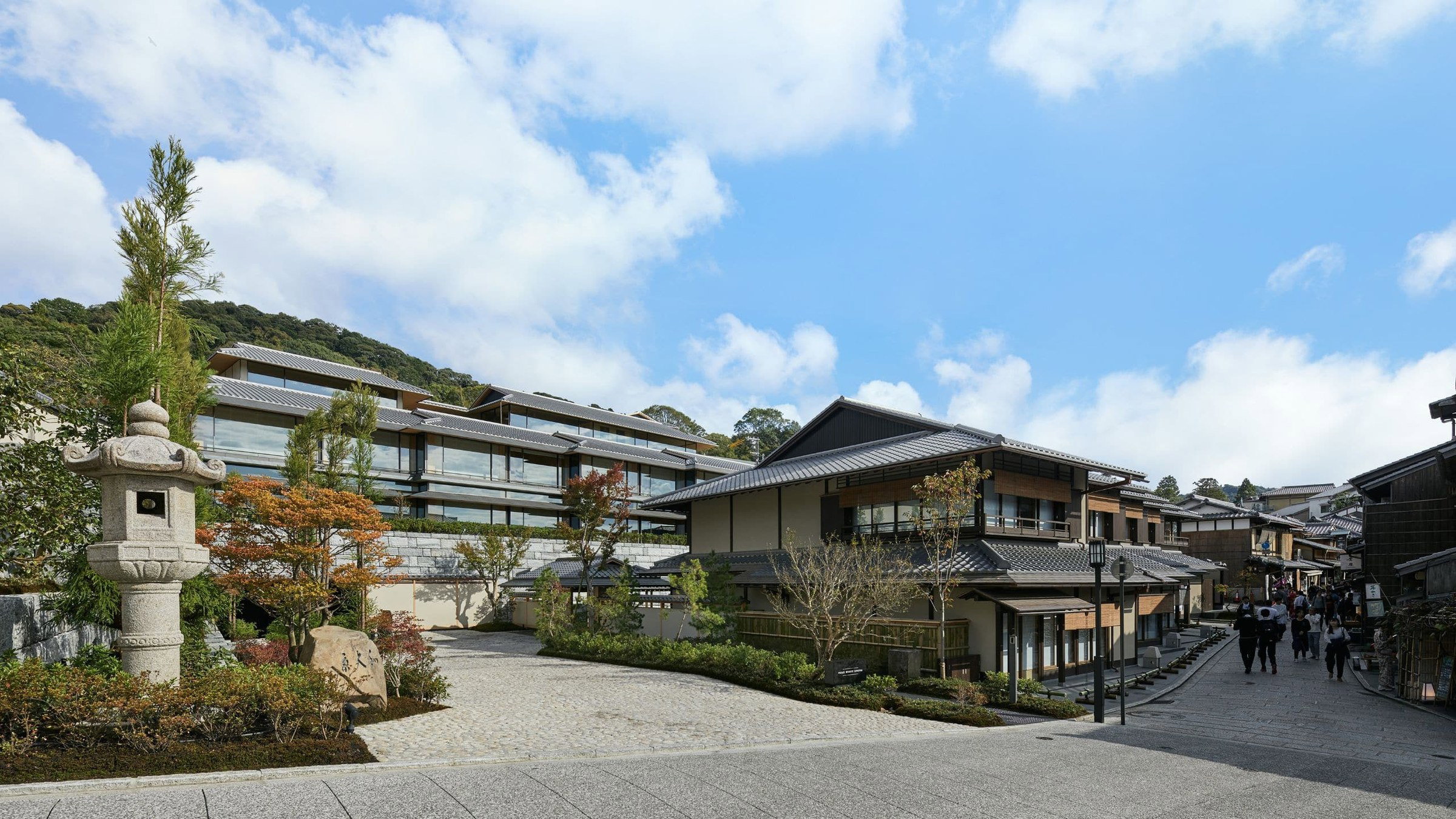
Shuhaku sits in Higashiyama Ward at 392 Kinencho, one of Kyoto's most historically layered neighbourhoods, where temple paths and stone-paved lanes set a particular kind of mood before you even arrive at the table. The kitchen, under the direction of Nobuhisa Yoshida, does not belong cleanly to any single culinary tradition, and that is deliberate. Yoshida's early training took in a freewheeling approach that refused to treat French and Japanese cuisine as opposing philosophies, and the menus at Shuhaku are the direct result of that formation.
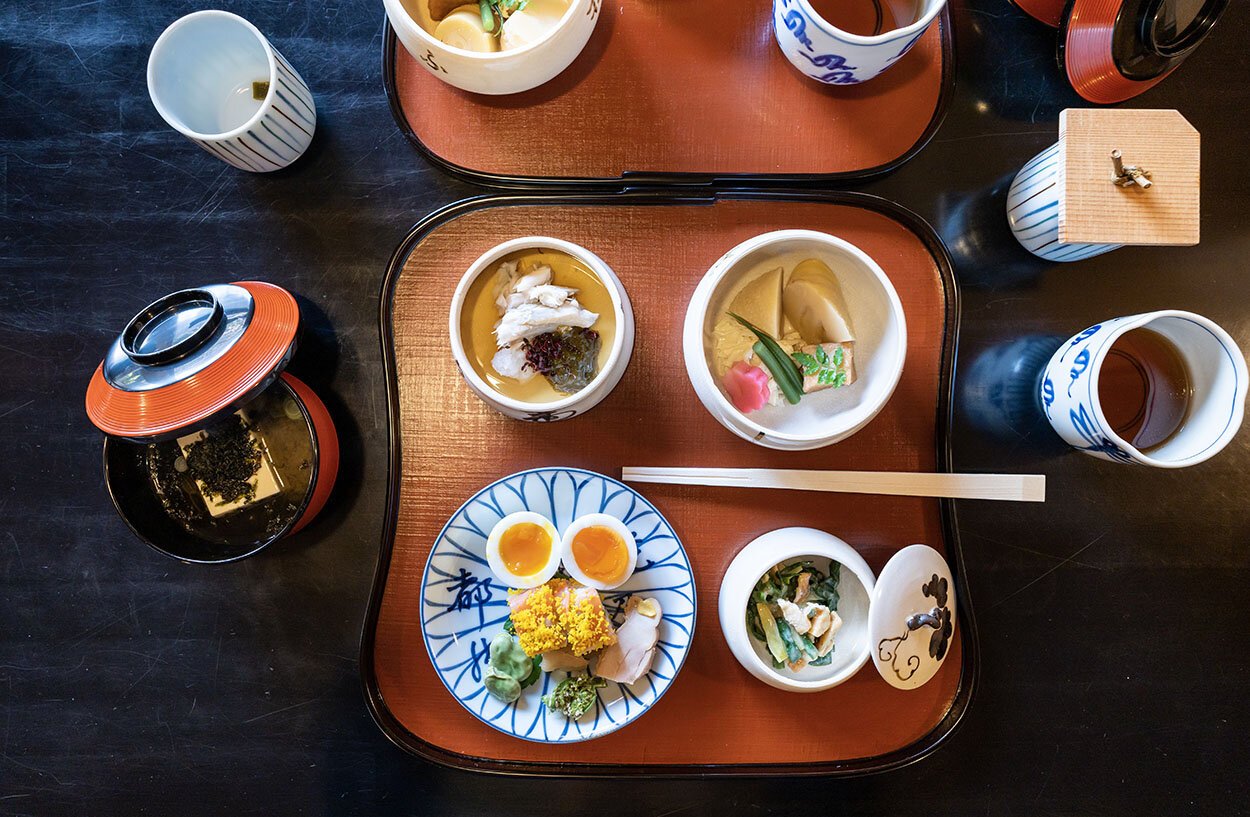
The cooking reads as two distinct registers played simultaneously. On one side: steamed fish with grated turnip, chub mackerel sushi, and rice cooked on a traditional kamado stove (also called an okudosan) — dishes that are Kyoto in the fullest sense, grounded in restraint, seasonal produce, and precision. On the other: abalone with foie gras, and a black soybean Mont Blanc that brings a French patisserie logic to a deeply Japanese ingredient. These are not fusion exercises in the dismissive sense. They are the work of a cook who takes both traditions seriously enough to let them argue with each other on the plate.
The kamado-cooked rice alone is worth noting as a practical matter. Rice cooked this way — over a wood-fired earthen stove, produces a texture and aroma that no conventional kitchen can replicate. The faint woodsmoke that lingers around that course is one of the more grounding sensory moments you will find in Kyoto dining at this price level. It is the kind of detail that makes the case for returning more than once, because the menu's balance between French and Japanese ideas shifts depending on what you order and when you visit.
Shuhaku holds a Michelin Plate recognition in both 2024 and 2025, a signal that the cooking meets a reliable standard of quality even if it has not yet drawn a star. At ¥¥¥ pricing, it sits below the ¥¥¥¥ tier occupied by most of Kyoto's celebrated kaiseki destinations, which makes it one of the more accessible entry points in the neighbourhood for serious cooking.
A Multi-Visit Strategy
The French-Japanese duality at Shuhaku gives you a genuine reason to return across two or three visits rather than treating it as a single tick-the-box experience. On a first visit, orient yourself around the Kyoto anchors: the kamado rice, the mackerel sushi, and whatever steamed fish preparation is current. These dishes tell you what the kitchen does when it is working within its own tradition. On a second visit, push toward the French-inflected courses, the abalone foie gras, the black soybean Mont Blanc, to understand how Yoshida's cross-cultural training manifests in dessert and richer preparations. A third visit, if you have the opportunity, is where you start to read the menu as a unified argument rather than two parallel tracks. That shift in perception is the real payoff of eating here more than once.
For visitors to Kyoto with only one evening to spare, the call is simpler: book Shuhaku if you want cooking that moves between traditions with genuine conviction, and you are not set on the full ritual structure of a dedicated kaiseki house. If the kaiseki format itself is the goal, venues like Kikunoi Roan or Isshisoden Nakamura will serve that need more directly. For something equally thoughtful but anchored in the kaiseki form with a different register, Gion Matayoshi and Kodaiji Jugyuan are worth comparing before you decide.
Beyond Kyoto, if the French-Japanese dialogue at Shuhaku resonates with you, it is worth knowing that similar ambitions play out at different scales and price points elsewhere in Japan. HAJIME in Osaka operates at a significantly higher investment level with a full tasting menu format. akordu in Nara takes a Spanish-Japanese approach rather than French-Japanese, but shares the cross-cultural curiosity. Myojaku in Tokyo and Azabu Kadowaki in Tokyo offer contrasting reference points if you want to understand where Shuhaku sits in the wider conversation of contemporary Japanese cooking.
Practical Details
Reservations: Booking difficulty is rated Easy, you should be able to secure a table without the weeks-in-advance lead time required at Kyoto's most sought-after kaiseki counters, but book ahead for weekend evenings and special occasion dates regardless. Budget: ¥¥¥ pricing places this below the ¥¥¥¥ tier; expect a meaningful spend without the outlay of Kyoto's top-tier kaiseki houses. Address: 392 Kinencho, Higashiyama Ward, Kyoto 605-0828. Getting there: Higashiyama Ward is well-served by Kyoto's bus network and is walkable from several key sightseeing areas; confirm current transport options on arrival. Group size: Well suited to couples or small groups for a special occasion; large parties should confirm suitability when booking. Dress: No dress code is confirmed in the venue data, but the setting and price point suggest smart-casual is appropriate. Awards: Michelin Plate 2024 and 2025.
For more options in the city, see our full Kyoto restaurants guide, and if you are planning a full trip, our Kyoto hotels guide, bars guide, wineries guide, and experiences guide cover the rest. If you are building a Japan itinerary across cities, Harutaka in Tokyo, Goh in Fukuoka, 1000 in Yokohama, and 6 in Okinawa are each worth considering alongside your Kyoto bookings.
Planning details
- Location
- 392 Kinencho, Higashiyama Ward, Kyoto, 605-0828, Japan
- Website
- shuhaku.myconciergejapan.net
- Phone
- +81 50-5487-3985
The take
The Take
The Vibe
Shuhaku sits comfortably in Higashiyama's stone-paved lanes and machiya-lined streets, so the neighbourhood does a lot of the atmospheric setting work before you enter. Inside, the kitchen stages a quiet conversation between Japanese sensibility and French culinary logic, so the dining room feels measured and deliberate rather than decorative. The result is a restrained, contemplative environment where presentation and provenance matter; flavours are tuned to expectation rather than exaggerated for effect. The surrounding historic texture gives the meal an added gravity, and the whole experience reads as thoughtful, composed and quietly memorable.
Best For
This is primarily an evening destination for diners seeking a considered, special-occasion experience in Kyoto. The menu situates itself adjacent to kaiseki tradition, making it especially well suited to date nights, celebrations and dinners where the choreography of courses and the dialogue between Japanese and French techniques matter. Couples and small parties who want an intimate, composed meal in a historic neighbourhood will find the pacing and presentation align with those aims; the address and tone make it feel like an occasion rather than casual dining.
Ordering Tips
Let the kitchen's menu architecture guide you and sample the signature plates that illustrate the French–Japanese conversation: Foie Gras Abalone, Grilled Yellowtail with Kyoto Figs and Miso, Snow Crab with Jelly and Lotus Root Stuffed with Conger Eel Eggs. These dishes showcase the restaurant’s approach to ingredient-driven refinement and cross-cultural technique. Given the neighbourhood’s dining focus and the restaurant’s framing as a considered evening experience, plan ahead and reserve a table so you can enjoy the full sequence without rush.
Venue details
Ambiance
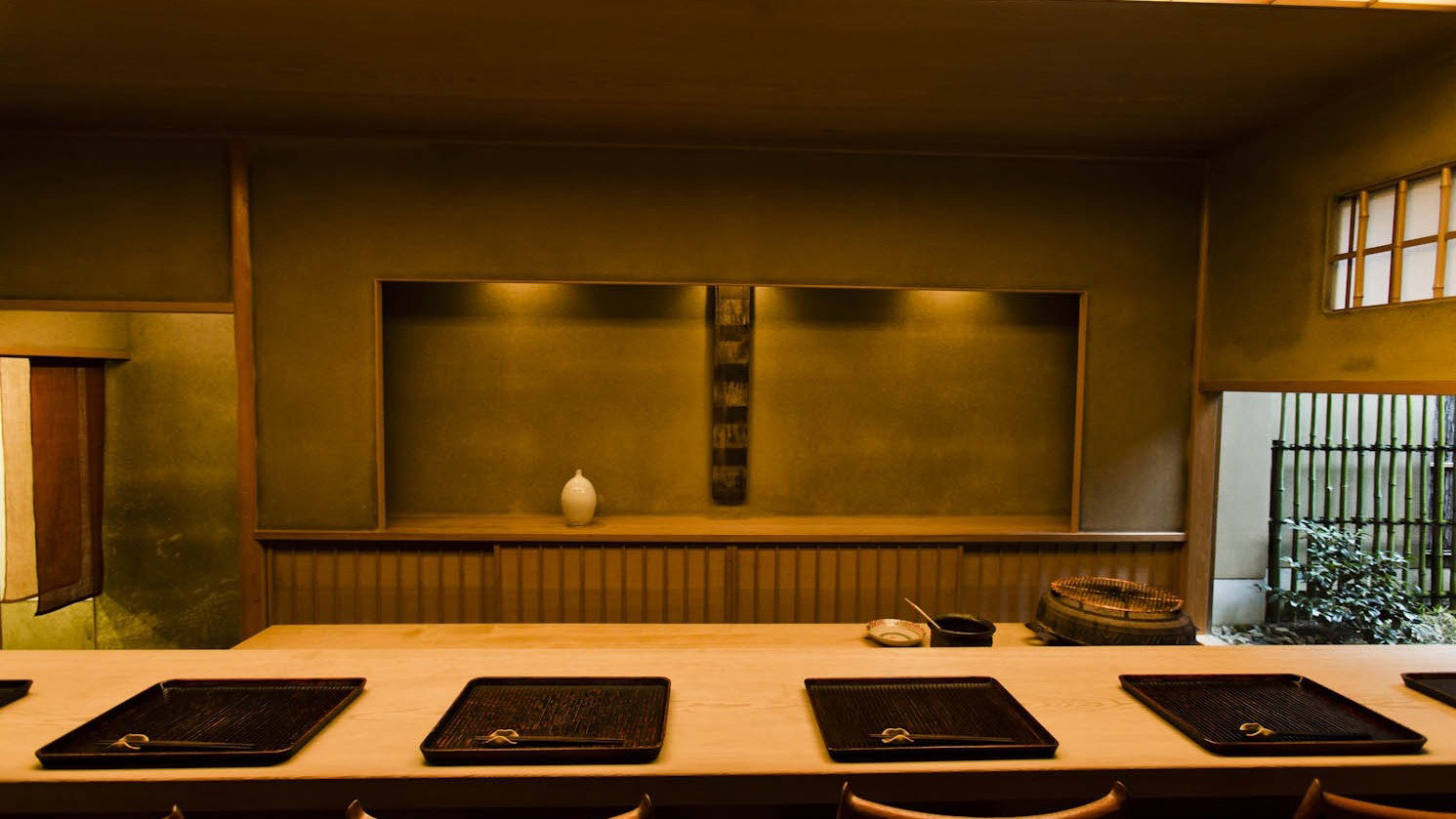
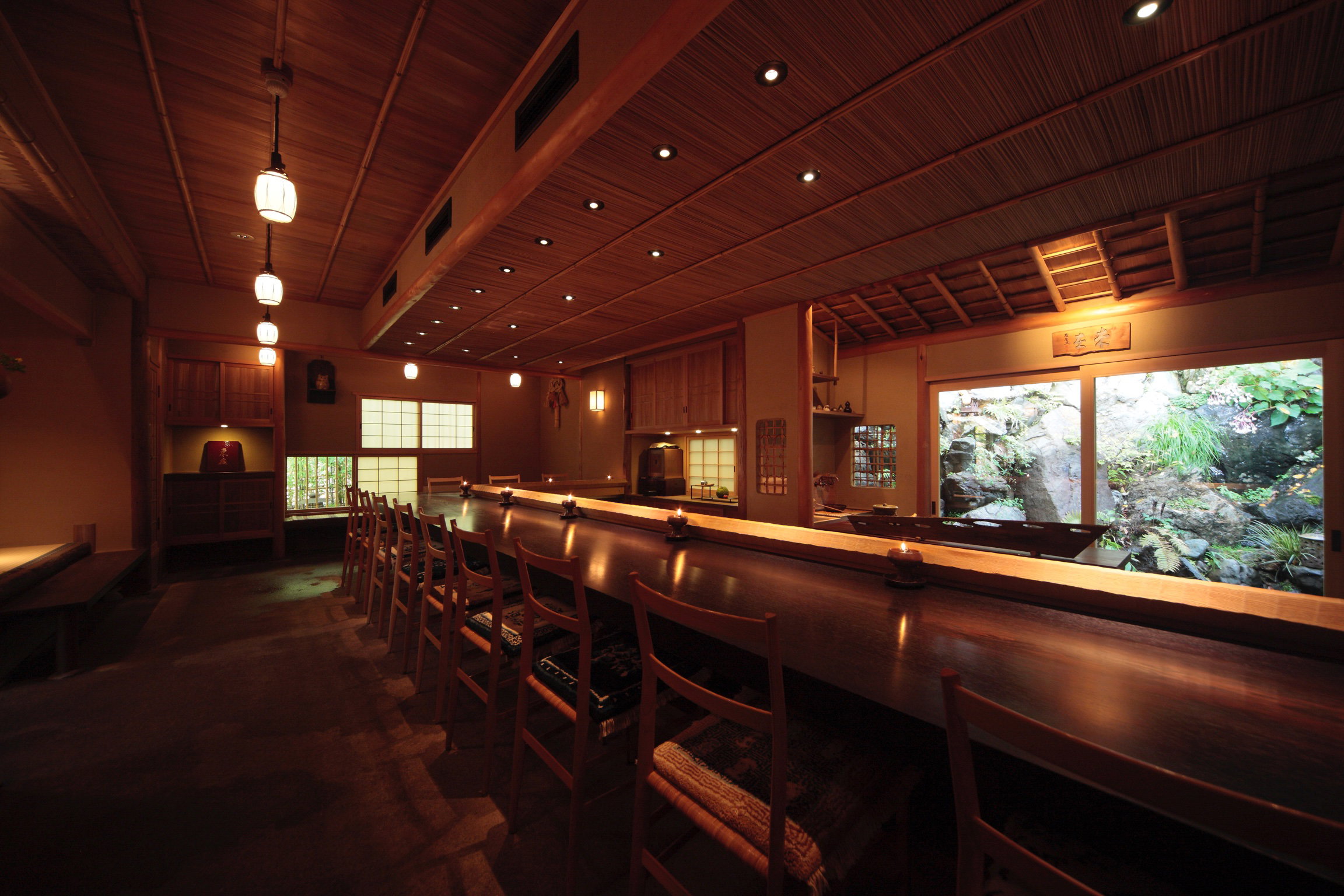
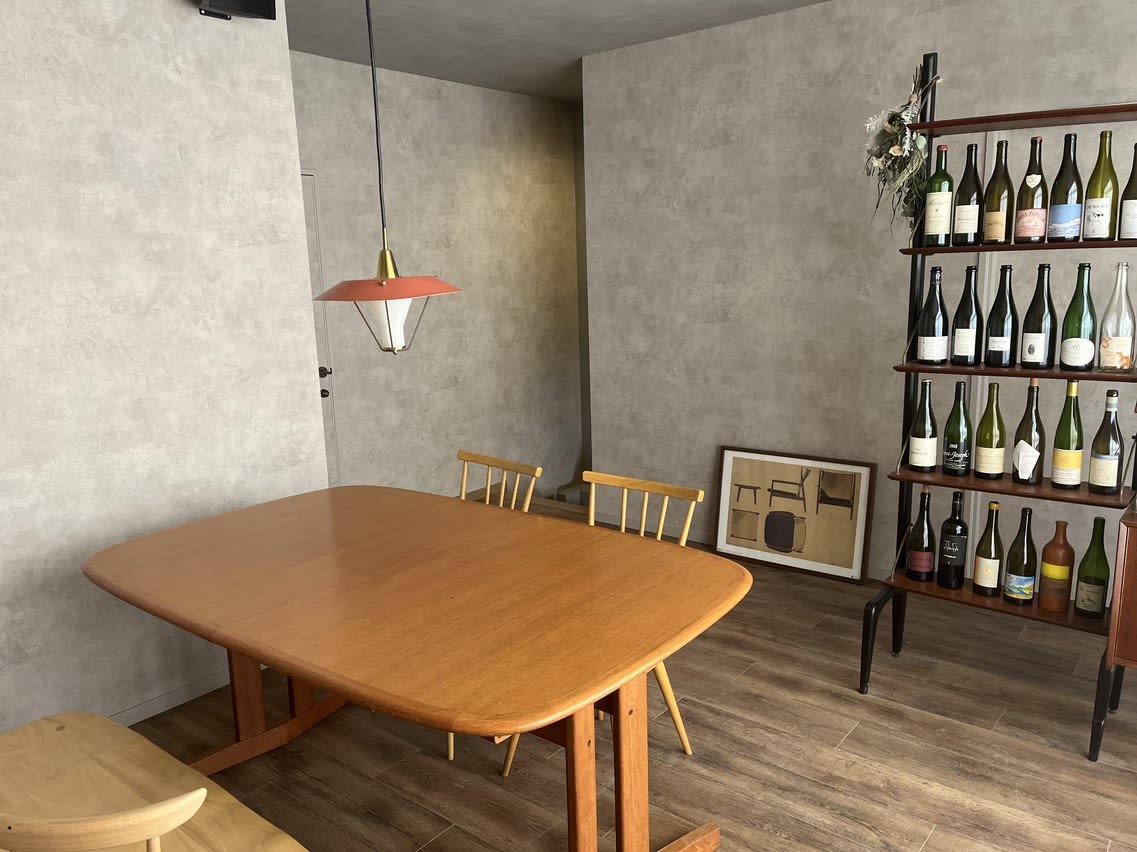
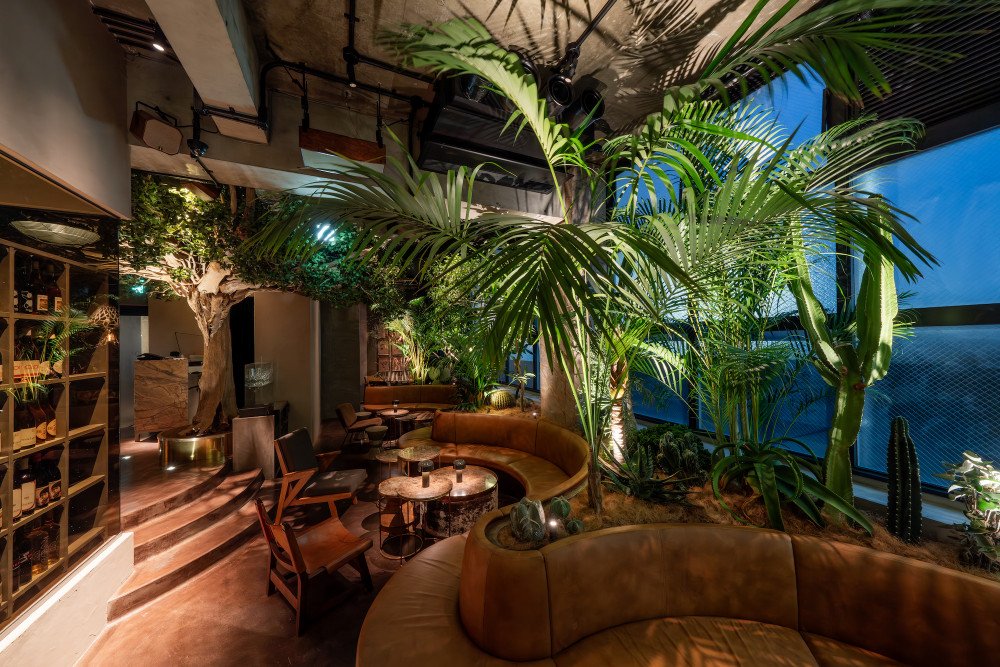
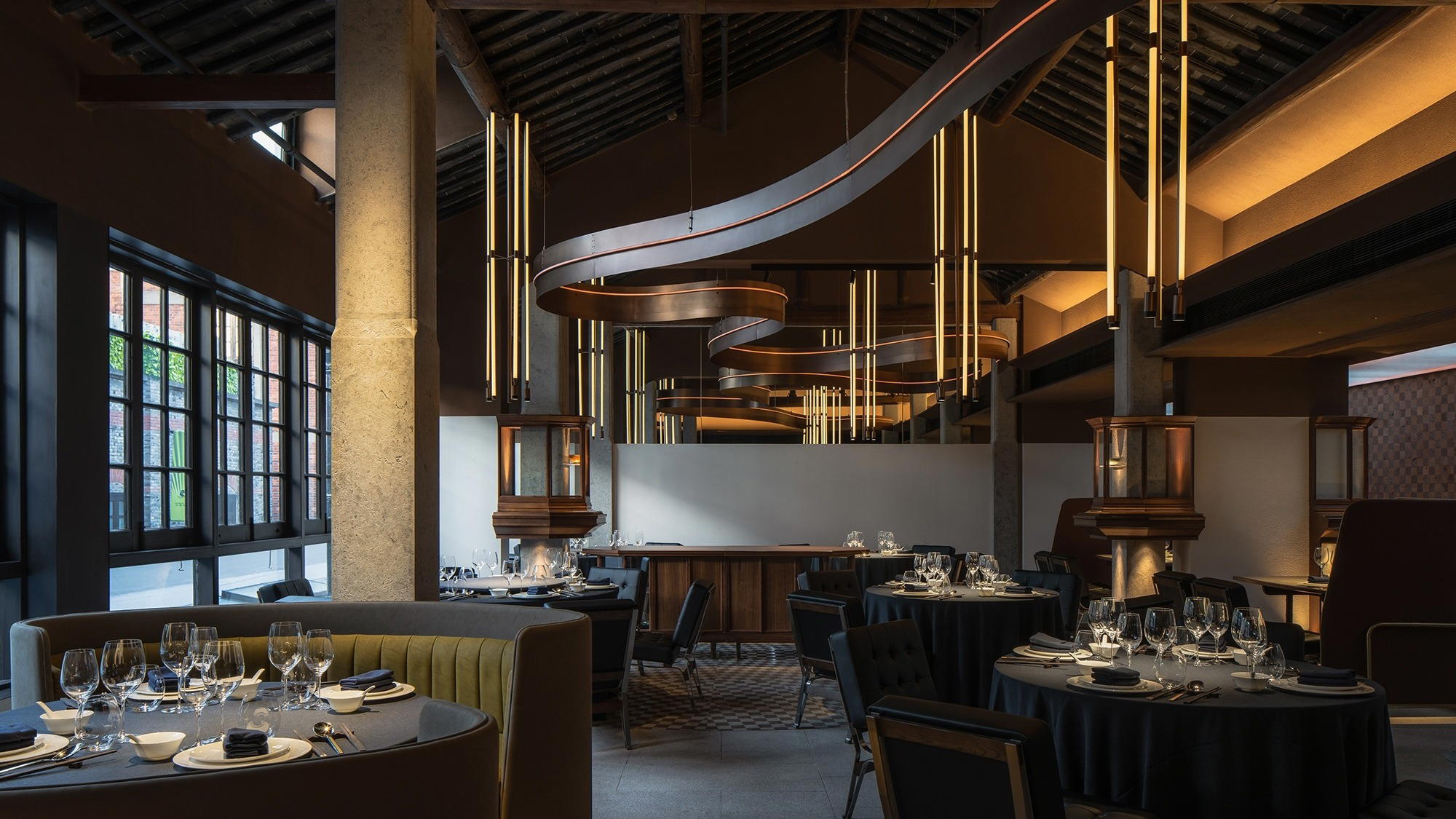
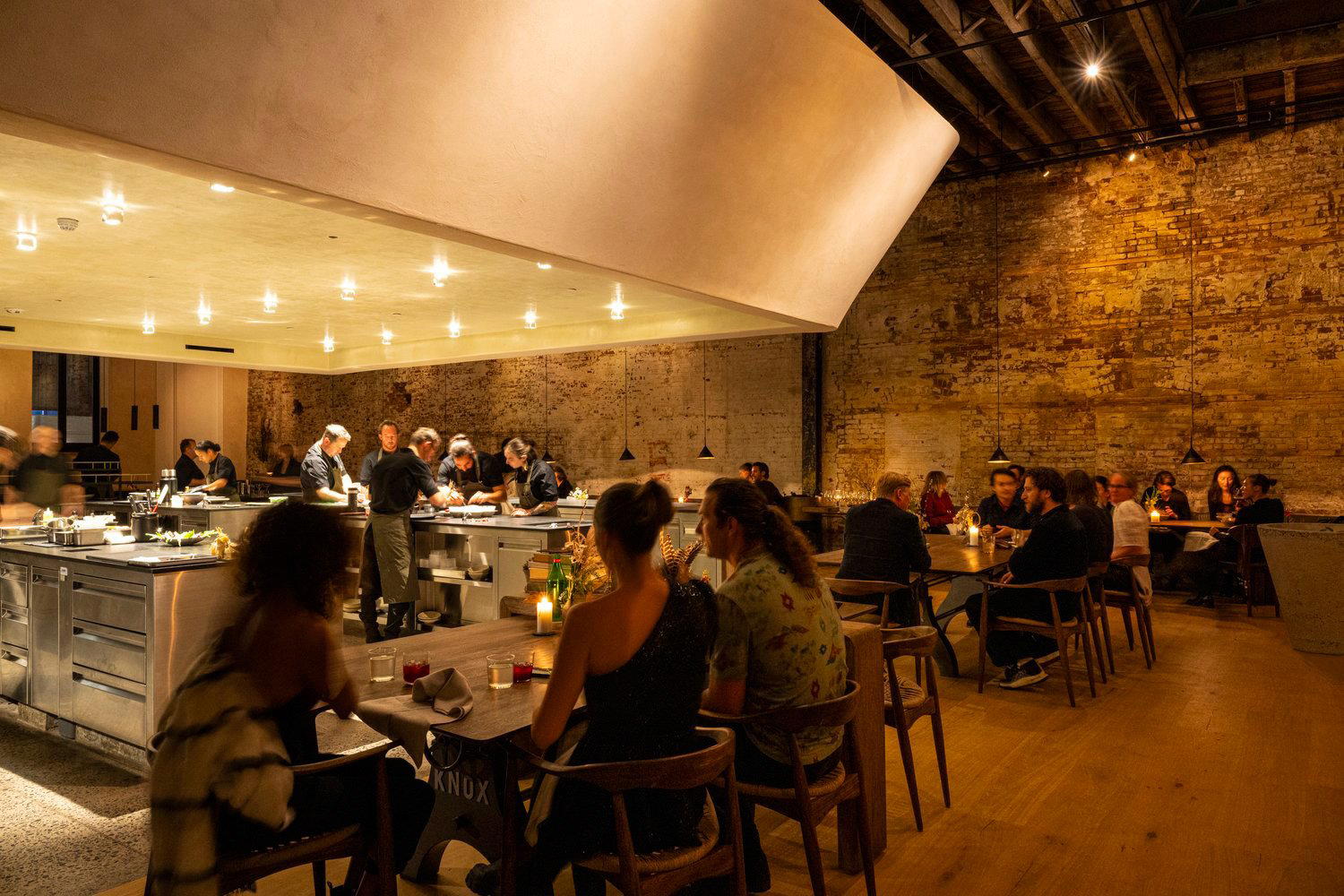
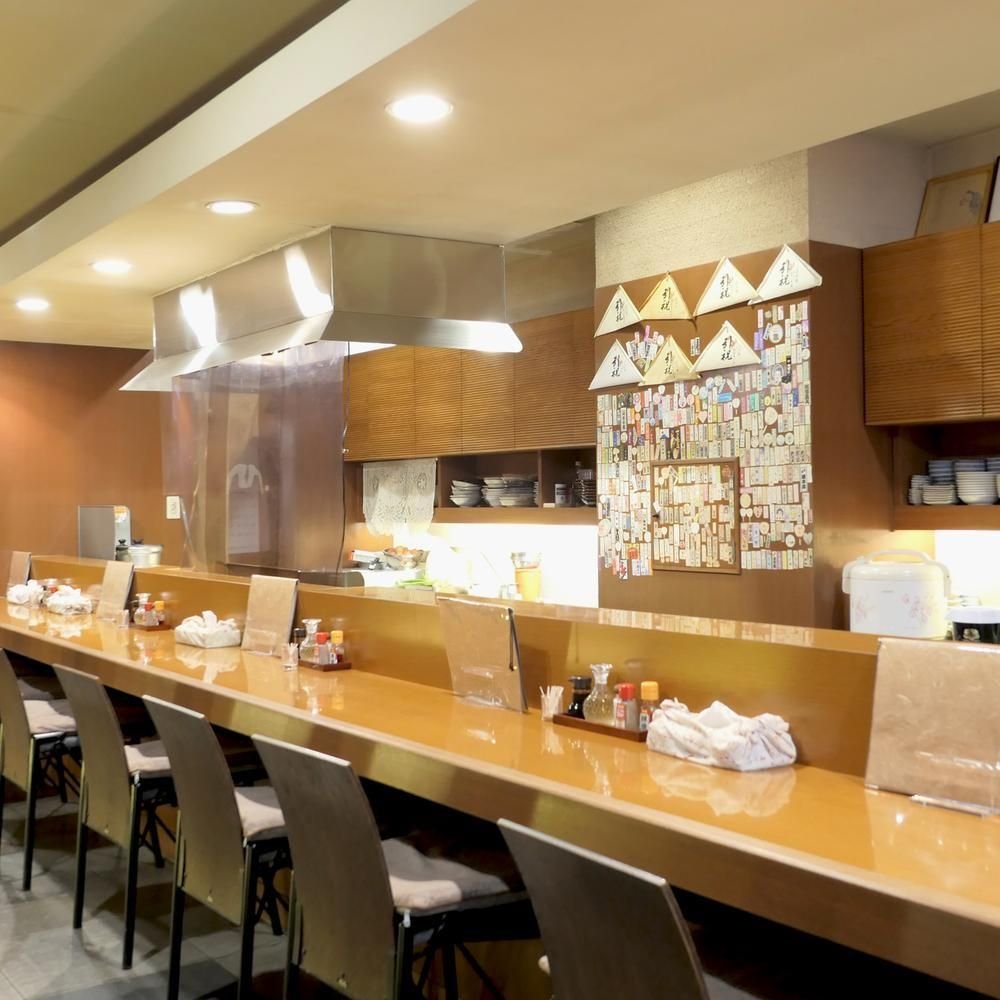
Serene and intimate with traditional Japanese decor, warm lighting from a wood-fired stove, and an open kitchen where diners watch the chef prepare each course with meticulous attention to detail.
Tags
Vibe
Best For
Experience
Sourcing
At the Table
- Dress Code
- Smart Casual
- Noise Level
- Quiet
- Service Style
- Omakase Bar
- Meal Pacing
- Extended Experience
- Capacity
- Intimate
- Kitchen
- Fusion
- Menu Format
- Omakase, Counter dining, Tasting menu
- Wine Program
- Curated
- Drinks Focus
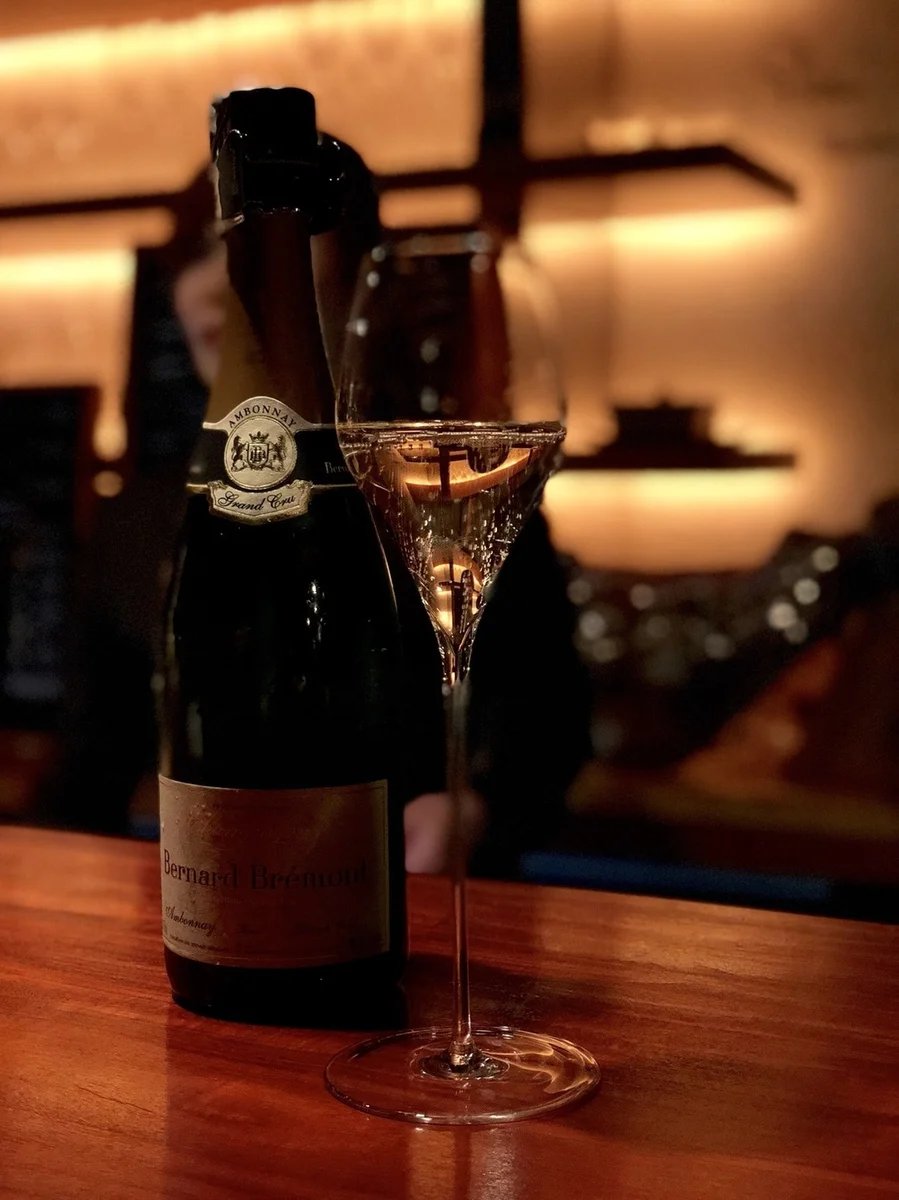
- Wine, Sake
- Dietary
- Vegetarian friendly
Signature Dishes
- Foie Gras Abalone
- Grilled Yellowtail with Kyoto Figs and Miso
- Snow Crab with Jelly
- Lotus Root Stuffed with Conger Eel Eggs
Know before you go
Know Before You Go
- Getting there
- 392 Kinencho, Higashiyama Ward, Kyoto, 605-0828, Japan
Planning details
Location
392 Kinencho, Higashiyama Ward, Kyoto, 605-0828, Japan · Directions
Recognition and awards
Also consider
Also Consider
- Gion Sasaki, Kaiseki, Japanese, ¥¥¥¥
- cenci, Italian, ¥¥¥
- Ifuki, Kaiseki, ¥¥¥¥
- Kyokaiseki Kichisen, Japanese, ¥¥¥¥
- SEN, French, Japanese, ¥¥¥¥
Restaurant context
Shuhaku's closest peers in Kyoto's ¥¥¥¥ tier, Gion Sasaki, Ifuki, and Kyokaiseki Kichisen, all sit a price tier above and operate within the kaiseki format as their primary identity. If the kaiseki structure itself is what you are after, those three offer deeper investment in that tradition. Shuhaku's ¥¥¥ positioning makes it meaningfully more affordable while delivering Michelin Plate-level cooking, which is a real practical advantage for diners who want quality without the outlay of Kyoto's top kaiseki houses. Booking difficulty at Shuhaku is rated Easy, which is a significant contrast to the weeks- or months-ahead lead times often required at Gion Sasaki or Kyokaiseki Kichisen.
cenci shares the ¥¥¥ tier with Shuhaku and also draws on European culinary thinking in a Kyoto context, but its reference point is Italian rather than French. If you are specifically drawn to the French-Japanese conversation that defines Shuhaku's menu, cenci will read as a different proposition. SEN operates at ¥¥¥¥ with a French-Japanese format that makes it the most direct philosophical peer to Shuhaku, but at a higher spend and likely with greater booking difficulty. For diners who want that same cross-cultural ambition without the ¥¥¥¥ commitment, Shuhaku is the more accessible entry point.
The practical decision comes down to format and budget. For a full kaiseki experience at the highest level, spend up and book Gion Sasaki or Kyokaiseki Kichisen well in advance. For French-Japanese cooking at ¥¥¥¥ with more service depth, consider SEN. For a creative, chef-driven menu that earns its Michelin Plate recognition at a price point that does not require a major financial commitment, Shuhaku is the call, and the relatively easy booking makes it a realistic option even for shorter-notice travel planning.
Explore Kyoto
Around this place
Discover more on Pearl
Unlock the full Shuhaku guide in Pearl, including awards, comparisons, FAQs, planning details, and nearby places.
Compare Shuhaku
| Venue | Price | Booking Difficulty | Awards |
|---|---|---|---|
| Shuhaku | ¥¥¥ | Easy | 2026 Michelin Plate2025 Michelin Plate2024 Michelin Plate |
| Gion Sasaki | ¥¥¥¥ | Unknown | 2026 Tabelog Bronze · #3862026 OAD Top Restaurants in Japan RecommendedMichelin Guide Kyoto Osaka 20262026 La Liste Top RestaurantsTabelog 100 - Japanese cuisine - WEST - 2025 · #132025 OAD Top Restaurants in Japan Ranked · #2462025 Tabelog Silver2025 Michelin 3 Stars2025 La Liste Top Restaurants |
| cenci | ¥¥¥ | Unknown | 2026 Tabelog Bronze · #442026 Asia's 50 Best Restaurants · #762026 OAD Top Restaurants in Japan Highly RecommendedMichelin Guide Kyoto Osaka 2026Tabelog 100 - Italian - WEST - 2025 · #632025 Asia's 50 Best Restaurants · #632025 OAD Top Restaurants in Japan Ranked · #1682025 Tabelog Bronze2024 OAD Top Restaurants in Japan Ranked · #135 |
| Ifuki | ¥¥¥¥ | Unknown | 2026 OAD Top Restaurants in Japan Ranked · #1222026 Tabelog Bronze · #128Michelin Guide Kyoto Osaka 20262026 La Liste Top RestaurantsTabelog 100 - Japanese cuisine - WEST - 2025 · #622025 OAD Top Restaurants in Japan Ranked · #1002025 La Liste Top Restaurants2025 Tabelog Bronze2025 Michelin 2 Stars |
| Kyokaiseki Kichisen | ¥¥¥¥ | Unknown | 2026 Tabelog Bronze · #1752026 OAD Top Restaurants in Japan Highly RecommendedMichelin Guide Kyoto Osaka 20262025 OAD Top Restaurants in Japan Ranked · #1862025 Michelin 2 Stars2025 La Liste Top Restaurants2024 OAD Top Restaurants in Japan Ranked · #1422024 Michelin 2 Stars2023 OAD Top Restaurants in Japan Ranked · #136 |
| SEN | ¥¥¥¥ | Unknown | 2026 Tabelog Bronze · #3952026 OAD Top Restaurants in Japan RecommendedMichelin Guide Kyoto Osaka 20262026 Michelin PlateTabelog 100 - Japanese cuisine - WEST - 2025 · #652025 Michelin Plate2025 Tabelog Bronze2024 OAD Top Restaurants in Japan Ranked · #3622024 Michelin Plate |







Key differences to consider before you reserve.
FAQ
Frequently Asked Questions
What should I order at Shuhaku?
The menu at Shuhaku is set rather than à la carte, so the question is less about what to order and more about whether the format suits you. The kitchen holds a Michelin Plate (2025) and builds menus around the tension between French and Japanese technique — expect dishes like abalone foie gras alongside Kyoto-style rice cooked on a traditional kamado stove. If you want to steer the experience, flag dietary preferences when booking; the hybrid format gives the kitchen more flex than a strict kaiseki house.
Is Shuhaku good for solo dining?
Yes, Shuhaku is a strong solo option in Kyoto's Higashiyama Ward. The intimate, chef-driven format common to ¥¥¥ tasting-menu restaurants at this level tends to suit solo diners well — the focus is on the progression of the meal rather than the table dynamic. Booking difficulty is rated Easy relative to Kyoto's harder-to-crack competitors, so you won't need to plan months ahead for a solo seat.
Is the tasting menu worth it at Shuhaku?
At ¥¥¥ pricing, Shuhaku is mid-tier for a Kyoto tasting menu and holds a Michelin Plate for 2024 and 2025. The French-Japanese duality gives the menu a distinct angle that strict kaiseki houses like Kyokaiseki Kichisen don't offer. If you want Kyoto tradition done formally, Shuhaku is not the right call; if you want something more personal and eclectic at a price point below the city's top-tier rooms, it delivers.
Is Shuhaku good for a special occasion?
Yes — Shuhaku is a well-suited special occasion restaurant for couples or small groups who want a Michelin-recognised dinner in Higashiyama without the booking stress of Kyoto's most competitive tables. The French-Japanese format by chef Nobuhisa Yoshida feels considered rather than formulaic, which gives the meal a personal quality that works well for anniversaries or celebratory dinners. For a grander, more ceremonial occasion, Kyokaiseki Kichisen is the harder booking with the higher price to match.