
Shimogamo Saryo
Japanese · Sakyō, Kyoto
Restaurant in Kyoto, Japan
 Book with Pearl
The Read
Shrine-Path Kaiseki
Price
$150–200per person
Dress
Business Casual
Why go
A century-old teahouse on the approach to Shimogamo Shrine, now a Michelin Plate-recognised Kyoto restaurant with private rooms overlooking the Takano River and Hiei Range. At ¥¥¥, it is the most atmospheric mid-range option in northern Kyoto for traditional local cooking, and the easiest serious Japanese dinner to book without the full ¥¥¥¥ kaiseki commitment.
About Shimogamo Saryo
Should You Book Shimogamo Saryo?
More than a century ago, a water-wheel teahouse opened on the approach to one of Kyoto's oldest shrines. For a special occasion dinner in northern Kyoto that combines a serious setting with a kitchen committed to hyper-local Kyoto cooking, the answer is yes. If you want a kaiseki at the absolute pinnacle of Kyoto's formal dining tier, look higher up the price ladder. At ¥¥¥, Shimogamo Saryo sits in a sweet spot: more atmospheric and regionally specific than most mid-range Japanese restaurants in the city, but more accessible — in price and booking difficulty, than the ¥¥¥¥ kaiseki rooms that dominate Kyoto's top-end.
The Setting and What to Expect
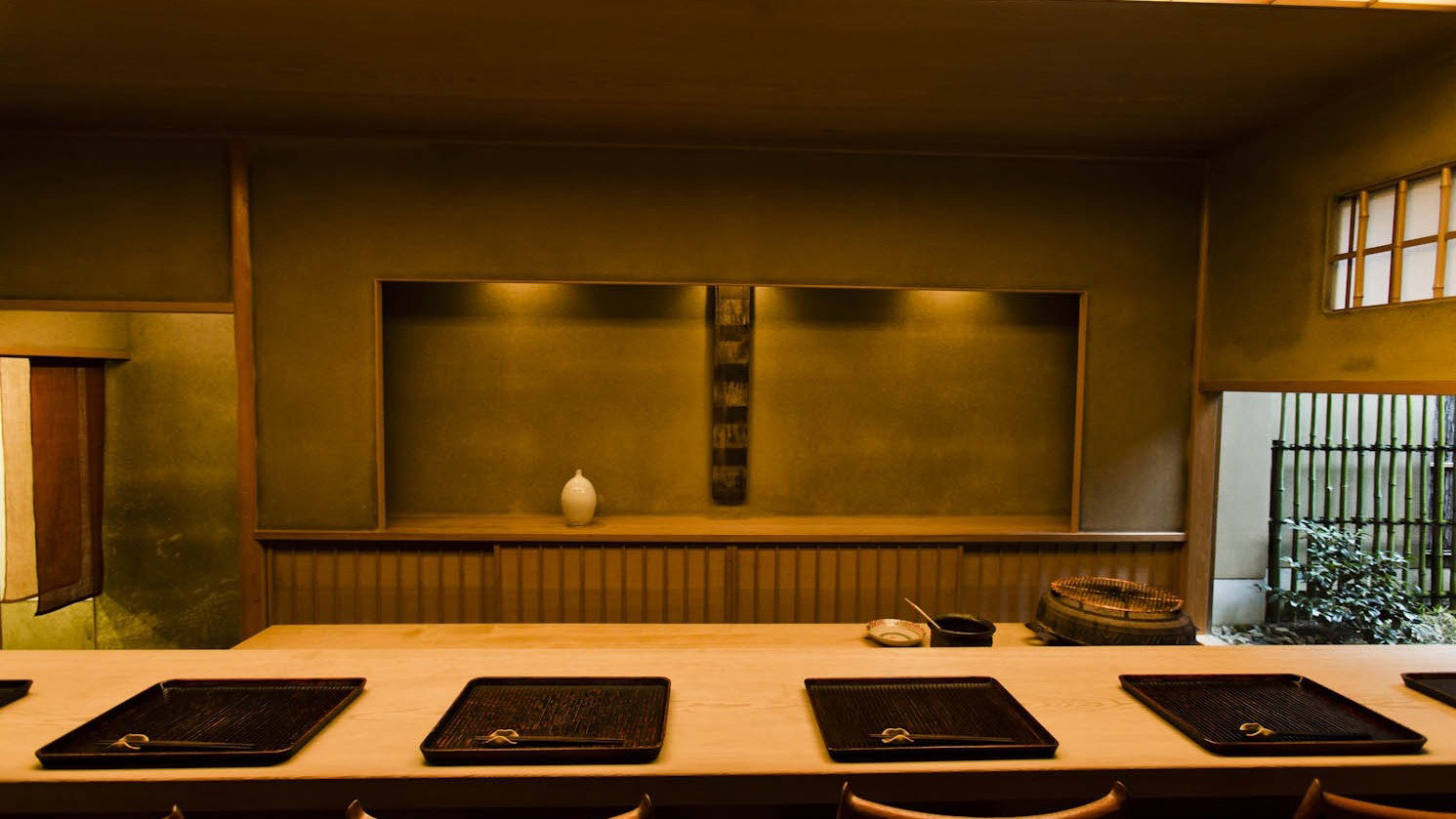
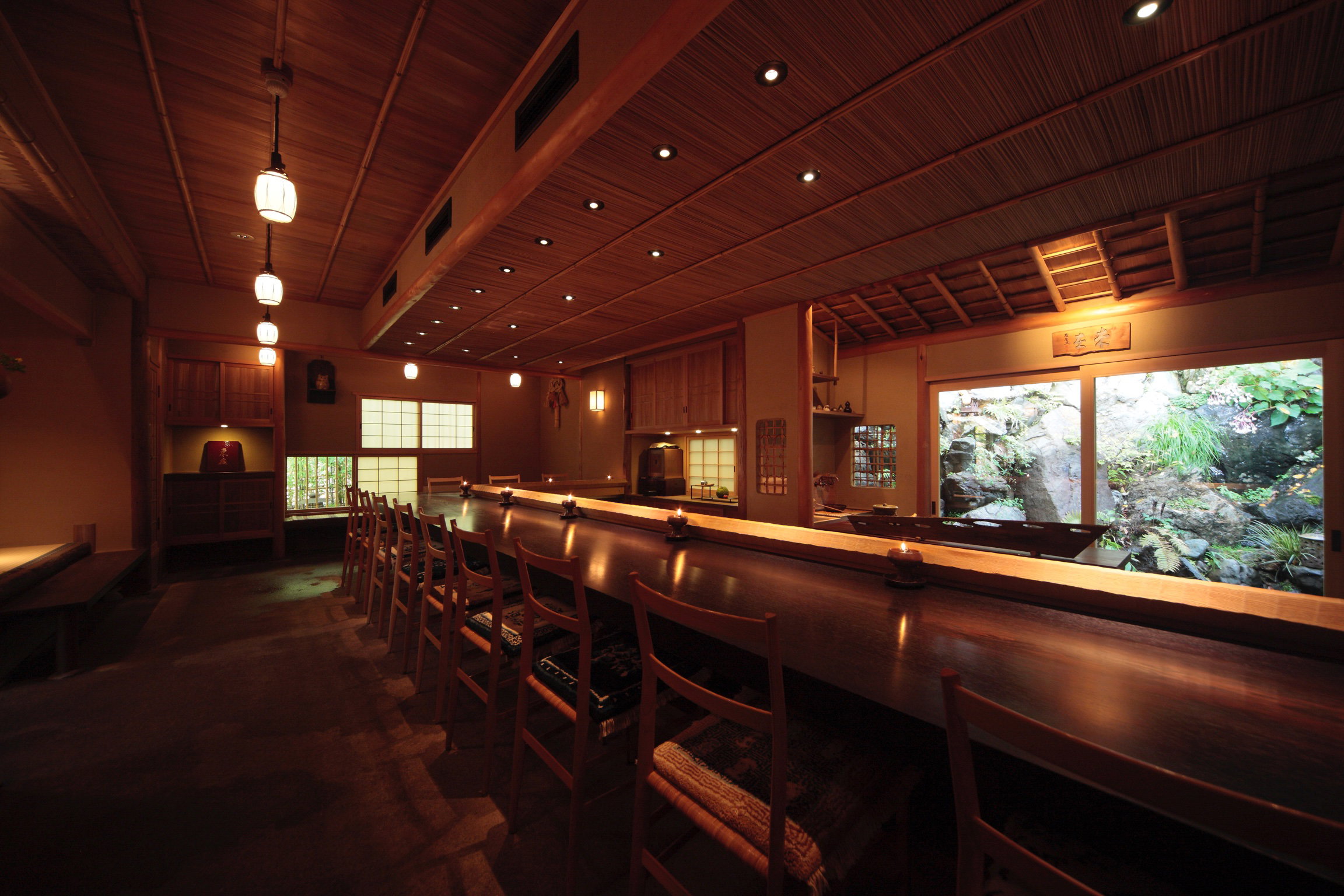
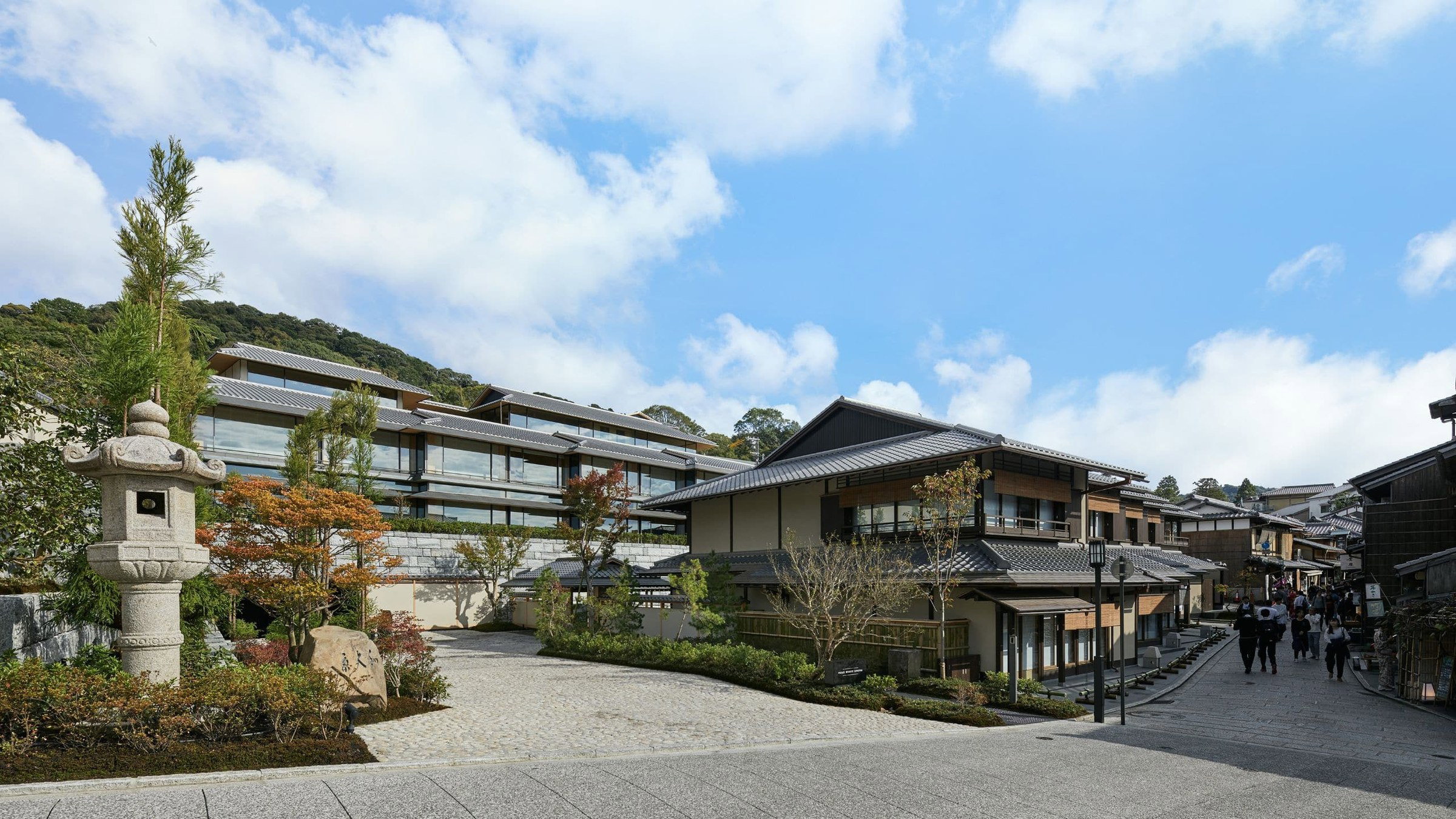
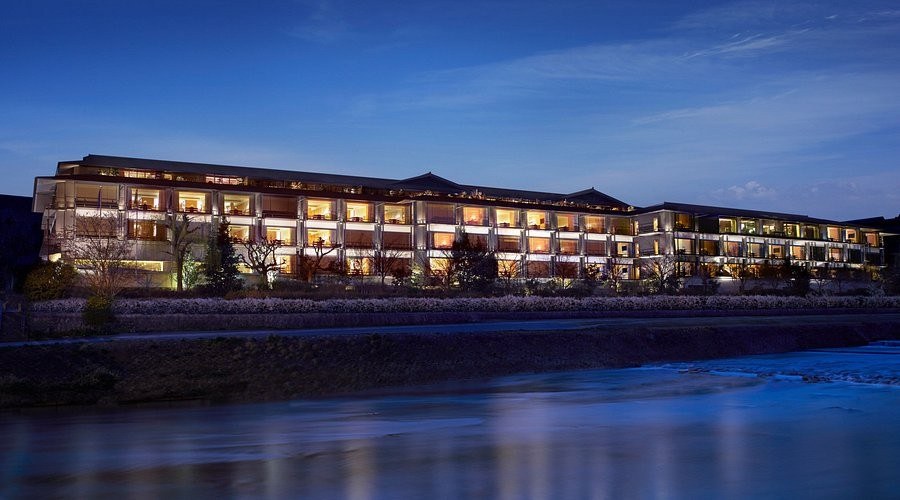
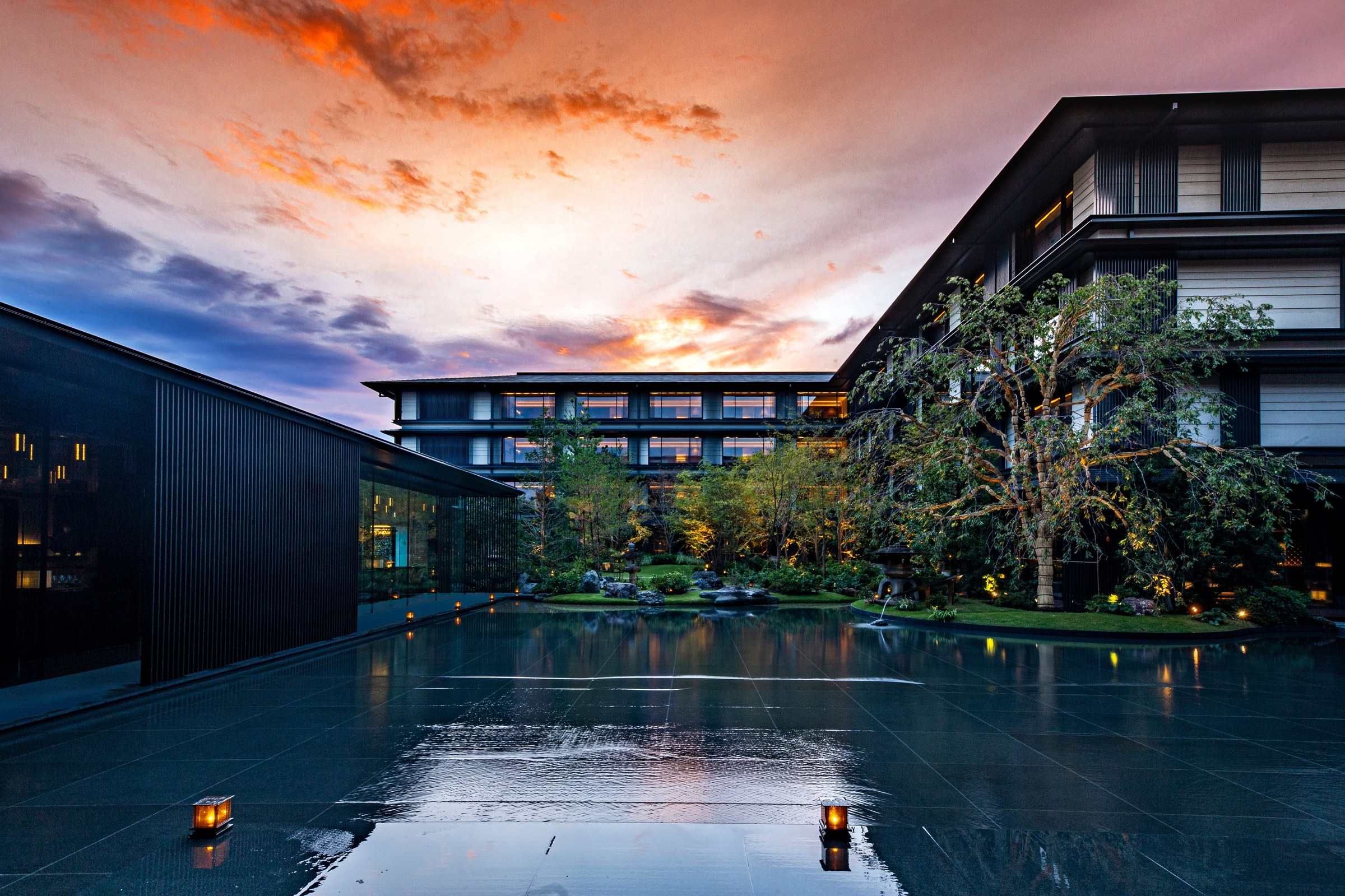
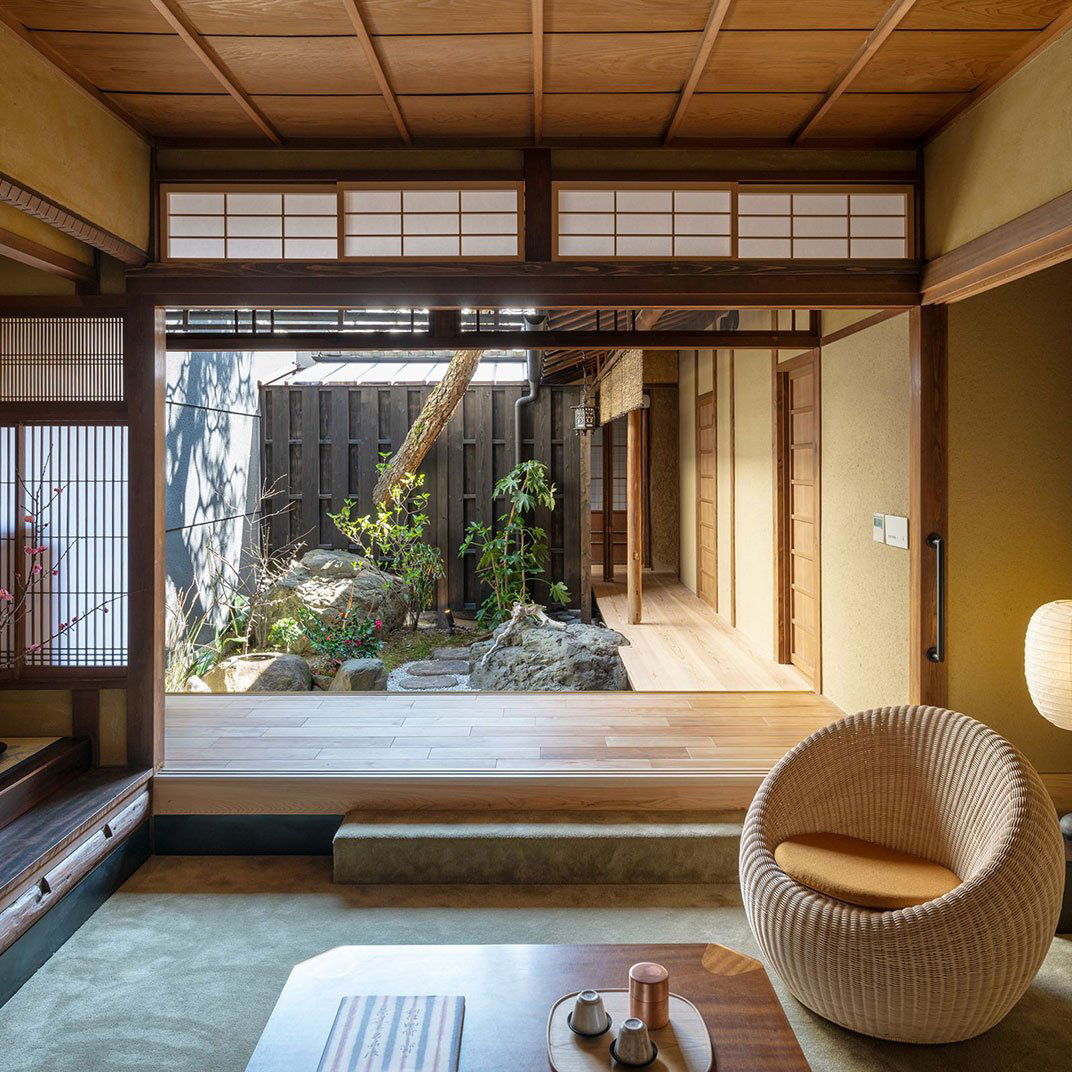
Shimogamo Saryo began as a teahouse on the wooded approach to Shimogamo Shrine, one of the paired Kamo shrines that predate Kyoto's founding as a capital. The name translates literally as 'Shimogamo tearoom', and the physical space still carries that heritage: traditionally crafted accoutrements, a garden, and dining rooms on the upper floor that look out over the Takano River and the Hiei Range beyond. The garden is worth arriving a few minutes early to take in before you sit down. For a special occasion or a considered business dinner, the combination of private rooms and river views makes this a substantially more considered choice than a central-Kyoto restaurant with no outdoor connection.
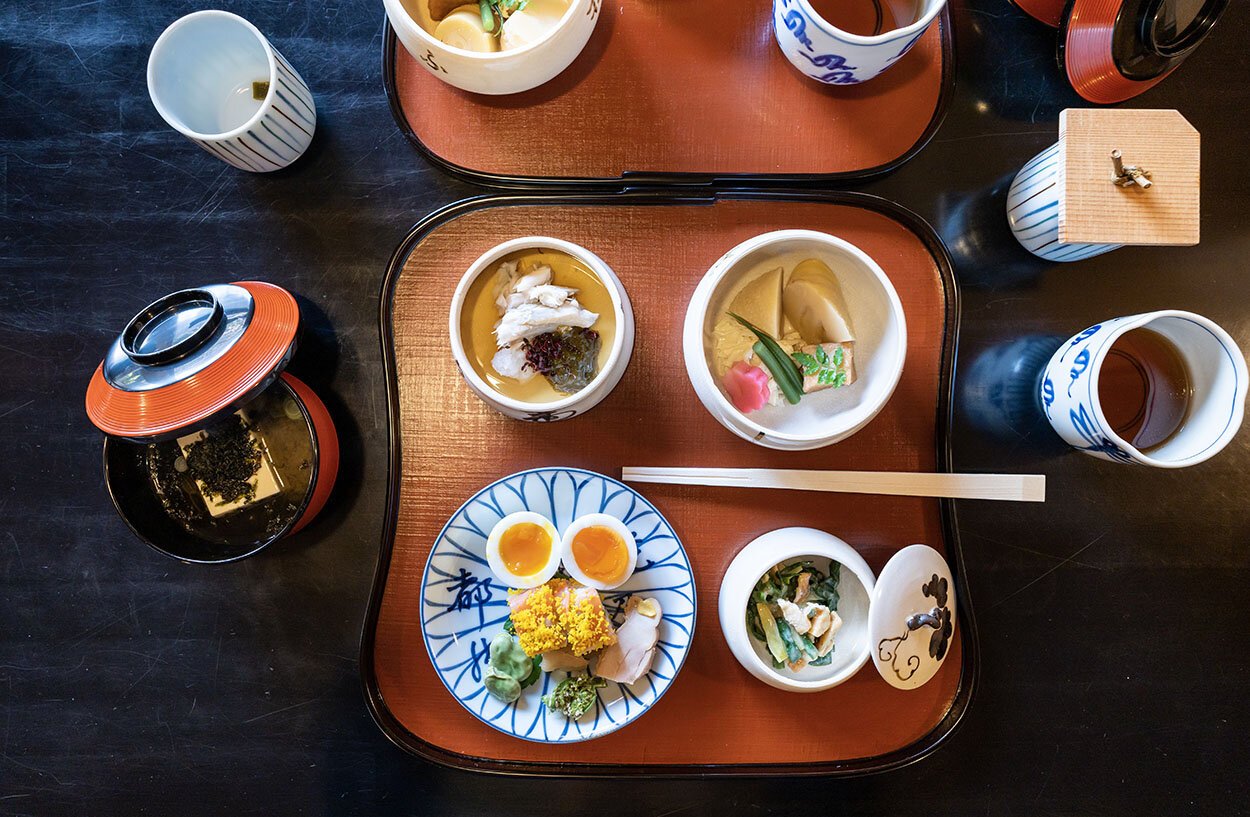
The kitchen works under a declared principle of dosan-doho, local ingredients, prepared the local way. This is not a fusion concept or an experimental tasting menu; it is Kyoto cooking, which in Japan means a restrained, refined style built around seasonal produce, dashi, and technique accumulated over generations. For visitors unfamiliar with Kyoto cuisine specifically, this is a strong entry point: the style is legible, the setting reinforces the regional logic, and the price tier means you are not committing to a full luxury kaiseki before you know whether the format suits you. For experienced kaiseki diners who have already worked through venues like Kyokaiseki Kichisen or Isshisoden Nakamura, Shimogamo Saryo offers something different: a more historically grounded atmosphere and a more approachable price point, rather than another attempt at the formal kaiseki pinnacle.
Drink Program Context
The venue data does not confirm a specific sake or wine list, so specific pairings cannot be here. What the setting strongly implies is that the drink program, whatever its depth, is designed to complement traditional Kyoto cooking rather than to compete with it. Venues at this price tier and with this regional focus in Kyoto typically anchor their drink offerings in Japanese sake and seasonal teas, which align directly with the dosan-doho philosophy of the kitchen. If drink pairing is a priority for your booking decision, contact the restaurant directly before confirming to establish what is available and at what cost. Do not assume a deep wine list; the culinary logic points toward sake as the primary pairing format.
For dining in Kyoto where the wine program is the centrepiece, Kikunoi Roan and venues like Gion Matayoshi are better starting points. If you are looking for a wine-forward Japanese meal outside Kyoto, HAJIME in Osaka and Harutaka in Tokyo represent the upper tier of that category.
Who Should Book
Shimogamo Saryo is the right choice for: a special occasion dinner that needs a setting with real historical weight; a first serious encounter with Kyoto cuisine at a price that does not require full commitment to the kaiseki luxury tier; or a business meal where private room availability and a serene garden view carry more weight than a trophy-level Michelin star count. It is not the right choice if you are prioritising a world-ranked kaiseki experience, a deep wine or sake pairing programme with documented sommelier credentials, or a central Gion location for post-dinner access to Kyoto's bar scene. For the Gion-adjacent context, Kodaiji Jugyuan is worth comparing. For regional Japanese dining at a similar tier but in a different city context, akordu in Nara and Goh in Fukuoka show what the broader Kansai-and-beyond tier looks like.
If you are building a broader Kyoto itinerary, our full Kyoto restaurants guide, Kyoto hotels guide, and Kyoto bars guide cover the full picture. The Kyoto experiences guide is useful for pairing a Shimogamo Saryo dinner with a Shimogamo Shrine visit, the two are on the same approach road and work naturally together as a half-day.
Practical Details
Reservations: Booking difficulty is rated Easy, you do not need to plan months ahead, but confirming in advance for a private room or a specific evening is still advisable. Budget: ¥¥¥ tier; mid-range by Kyoto standards, notably below the ¥¥¥¥ kaiseki houses. Location: 62 Shimogamo Miyakawacho, Sakyo Ward, northern Kyoto, near Shimogamo Shrine, outside the central Gion and Higashiyama corridors. Factor in travel time from central Kyoto accommodation. Recognition:Hours and phone: Not confirmed in current data, verify directly before travel. Dress: Smart casual is appropriate for the price tier and setting; a private room dinner at a historically rooted venue with shrine adjacency warrants slightly more considered dress than a casual lunch.
How It Compares
Explore More
Planning details
- Location
- 62 Shimogamo Miyakawacho, Sakyo Ward, Kyoto, 606-0801, Japan
- Reservations
- Book on TableCheck
- Website
- shimogamosaryo.co.jp
- Phone
- +81 75-701-5185
The take
The Take
The Vibe
Shimogamo Saryo sits quietly at the edge of Tadasu no Mori, where a canopied shrine approach and the sound of the Mitarashi stream set the tone before you cross the threshold. The building still reads as a teahouse—the ‘‘teahouse bones’’ show in its craftsmanship and proportions—yet operates as a fully appointed restaurant. The feeling is calm and refined rather than theatrical: historic timbers, a garden that frames the dining rooms, and upper-floor outlooks toward the Takano River and Hiei Range make for a serene, quietly charming experience where setting and meal are inseparable.
Best For
Shimogamo Saryo is well suited to diners who prize place as much as plate. It occupies a mid‑tier Kyoto register—priced at ¥¥¥—that favors continuity and local technique over ceremonial formality, making it appropriate for date nights, small celebrations, and business dinners that call for a composed, polished setting. The dining hall and private rooms accommodate both intimate meals and slightly more formal gatherings, while the garden and river views give the restaurant a scenic quality that complements seasonal Kyoto cooking.
Ordering Tips
The kitchen describes its approach as dosan‑doho—local ingredients prepared the local way—so lean into dishes that highlight seasonal produce and regional technique rather than chasing highly formal kaiseki flash. If the view matters, request upper‑floor seating to look over the Takano River toward the Hiei Range. For celebrations or quieter conversations, reserve one of the private rooms; their presence is explicit in the venue description and suits both family meals and business gatherings. Expect a composed, ingredient‑driven menu rather than overtly experimental fare.
Venue details
Ambiance
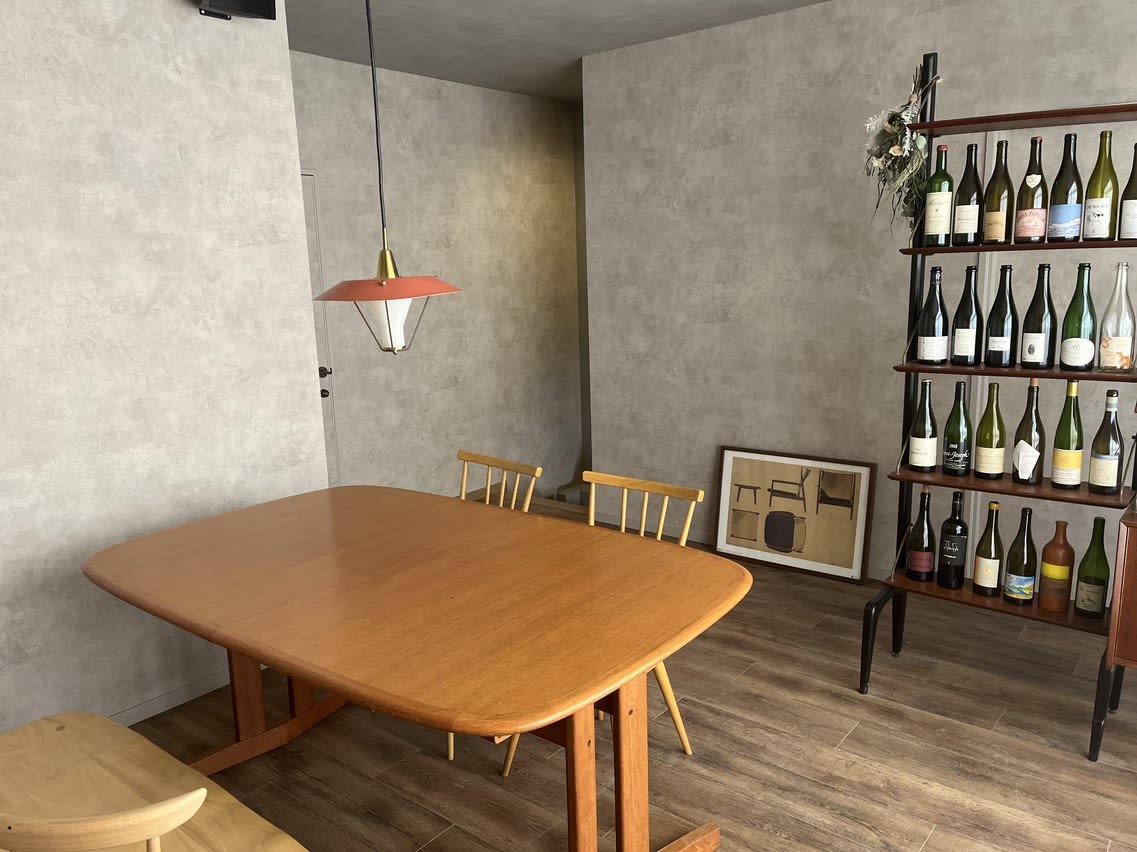
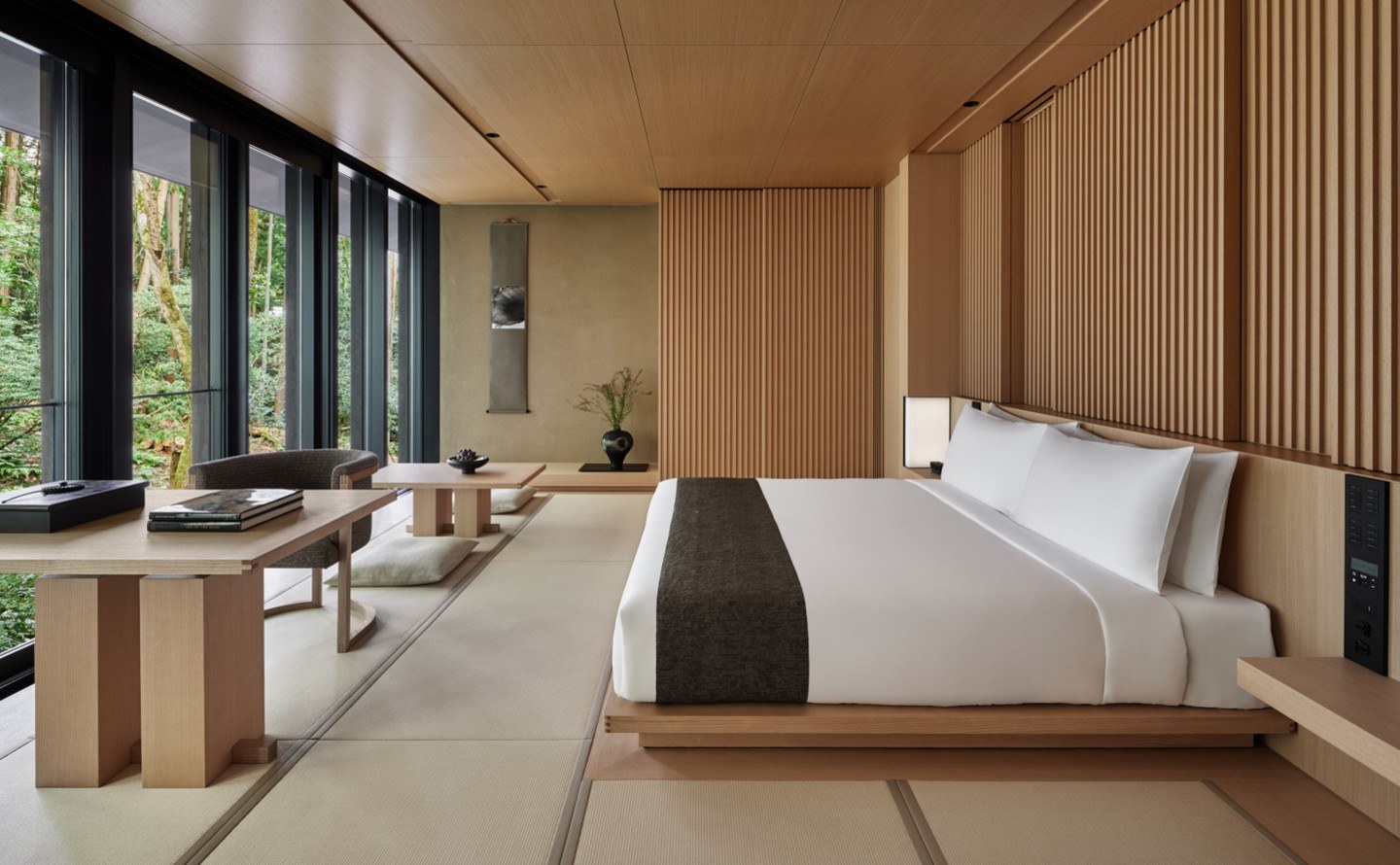
Peaceful and sophisticated atmosphere in traditional Japanese house with garden views, private tatami rooms, and serene hospitality.
Tags
Vibe
Best For
Experience
View
Accessibility
At the Table
- Dress Code
- Business Casual
- Noise Level
- Quiet
- Service Style
- Formal
- Meal Pacing
- Leisurely
- Capacity
- Medium
- Kitchen
- Traditional
- Menu Format
- Tasting menu, Set menu
- Wine Program
- Curated
- Dietary
- Vegetarian friendly
- Private Dining
- Available
Know before you go
Know Before You Go
- Getting there
- 62 Shimogamo Miyakawacho, Sakyo Ward, Kyoto, 606-0801, Japan
Planning details
Location
62 Shimogamo Miyakawacho, Sakyo Ward, Kyoto, 606-0801, Japan · Directions
Recognition and awards
Also consider
Also Consider
- Gion Sasaki, Kaiseki, Japanese, ¥¥¥¥
- cenci, Italian, ¥¥¥
- Ifuki, Kaiseki, ¥¥¥¥
- Kyokaiseki Kichisen, Japanese, ¥¥¥¥
- Kyo Seika, Chinese, ¥¥¥
Restaurant context
At ¥¥¥, Shimogamo Saryo sits a clear price tier below most of Kyoto's celebrated kaiseki houses. Kyokaiseki Kichisen and Ifuki both operate at ¥¥¥¥ and represent a meaningfully different level of formal kaiseki service and tasting menu depth. If the full kaiseki ritual, multiple lacquerware courses, dedicated sake pairings, a room designed around the dining experience, is what you are after, those venues deliver it more completely. But they also require more lead time to book and a larger per-head commitment. Shimogamo Saryo trades some of that formality for a more historically textured setting and a more accessible price point.
Gion Sasaki is the strongest competition in terms of reputation within the ¥¥¥¥ bracket, with a setting in the Gion district that gives it post-dinner access to Kyoto's bar and entertainment streets. If location flexibility after dinner matters, Gion Sasaki's address works in its favour over Shimogamo Saryo's northern Kyoto position near the shrine. For diners who want a serious meal in Kyoto without the kaiseki format entirely, cenci operates at ¥¥¥ with an Italian-influenced menu that contrasts sharply with Shimogamo Saryo's commitment to Kyoto culinary tradition, useful to know if one person in your party prefers European cooking.
The practical verdict: book Shimogamo Saryo if you want a historically grounded setting, a kitchen focused on local Kyoto ingredients, and a mid-range price without a long lead time. Book Kyokaiseki Kichisen or Ifuki if you are ready to commit to the full ¥¥¥¥ kaiseki format and want the most technically formal version of the experience Kyoto offers. For a ¥¥¥ alternative with a different culinary logic, cenci is the clearest contrast.
Explore Kyoto
Around this place
Discover more on Pearl
Unlock the full Shimogamo Saryo guide in Pearl, including awards, comparisons, FAQs, planning details, and nearby places.
Compare Shimogamo Saryo
| Venue | Cuisine | Price | Booking Difficulty | Awards |
|---|---|---|---|---|
| Shimogamo Saryo | Japanese | ¥¥¥ | Easy | Michelin Guide Kyoto Osaka 20262026 Michelin Plate2025 Michelin Plate2024 Michelin 1 Star |
| Gion Sasaki | Kaiseki, Japanese | ¥¥¥¥ | Unknown | 2026 Tabelog Bronze · #3862026 OAD Top Restaurants in Japan RecommendedMichelin Guide Kyoto Osaka 20262026 La Liste Top RestaurantsTabelog 100 - Japanese cuisine - WEST - 2025 · #132025 OAD Top Restaurants in Japan Ranked · #2462025 Tabelog Silver2025 Michelin 3 Stars2025 La Liste Top Restaurants |
| cenci | Italian | ¥¥¥ | Unknown | 2026 Tabelog Bronze · #442026 Asia's 50 Best Restaurants · #762026 OAD Top Restaurants in Japan Highly RecommendedMichelin Guide Kyoto Osaka 2026Tabelog 100 - Italian - WEST - 2025 · #632025 Asia's 50 Best Restaurants · #632025 OAD Top Restaurants in Japan Ranked · #1682025 Tabelog Bronze2024 OAD Top Restaurants in Japan Ranked · #135 |
| Ifuki | Kaiseki | ¥¥¥¥ | Unknown | 2026 OAD Top Restaurants in Japan Ranked · #1222026 Tabelog Bronze · #128Michelin Guide Kyoto Osaka 20262026 La Liste Top RestaurantsTabelog 100 - Japanese cuisine - WEST - 2025 · #622025 OAD Top Restaurants in Japan Ranked · #1002025 La Liste Top Restaurants2025 Tabelog Bronze2025 Michelin 2 Stars |
| Kyokaiseki Kichisen | Japanese | ¥¥¥¥ | Unknown | 2026 Tabelog Bronze · #1752026 OAD Top Restaurants in Japan Highly RecommendedMichelin Guide Kyoto Osaka 20262025 OAD Top Restaurants in Japan Ranked · #1862025 Michelin 2 Stars2025 La Liste Top Restaurants2024 OAD Top Restaurants in Japan Ranked · #1422024 Michelin 2 Stars2023 OAD Top Restaurants in Japan Ranked · #136 |
| Kyo Seika | Chinese | ¥¥¥ | Unknown | Tabelog 100 - Chinese cuisine - WEST - 2026 · #762026 Tabelog Bronze · #2162026 OAD Top Restaurants in Japan Recommended2026 Michelin 1 Star2025 OAD Top Restaurants in Japan Ranked · #3262025 Tabelog Bronze2024 OAD Top Restaurants in Japan Ranked · #3042024 Michelin Plate2024 Michelin 1 Star |

.png?width=1200&quality=80)






What to weigh when choosing between Shimogamo Saryo and alternatives.
FAQ
Frequently Asked Questions
Is the tasting menu worth it at Shimogamo Saryo?
Yes, if you want kaiseki grounded in a clear philosophy. The kitchen follows 'dosan-doho' — local ingredients prepared the local way — which gives the menu a coherence you don't always get at price-equivalent Kyoto restaurants. The historic teahouse setting and Takano River views add genuine context to the meal, not just atmosphere. At ¥¥¥, it sits in the middle tier of serious Kyoto kaiseki; Michelin Plate recognition in 2025 confirms it's executing at a consistent level.
Does Shimogamo Saryo handle dietary restrictions?
The venue database doesn't confirm a specific dietary policy, so contact them directly before booking. Traditional kaiseki menus are structured and seasonal, which can limit substitutions — this is true across the category in Kyoto. If you have significant restrictions, confirm when you reserve; private room bookings are typically easier to accommodate than shared dining hall seating.
Is Shimogamo Saryo worth the price?
At ¥¥¥, it's priced in the same bracket as other serious Kyoto kaiseki venues but holds a practical advantage: booking is rated Easy, meaning you're not competing with a two-month waitlist. You're paying for a Michelin Plate-recognised kitchen, a 19th-century teahouse space, river and mountain views, and a cooking philosophy with clear local roots. For that combination at this access level, the value proposition is strong.
What should I order at Shimogamo Saryo?
Specific menu items aren't confirmed in the venue data, so ordering specifics can't be here. What is documented is that the kitchen works to a 'dosan-doho' principle — seasonal, local Kyoto ingredients prepared in traditional Kyoto style. In practice, this means the set menu format (kaiseki or kaiseki-adjacent) is the right way to eat here; this isn't a venue to approach à la carte if that option even exists.
Is Shimogamo Saryo good for solo dining?
The dining hall is a workable option for solo visitors, and booking difficulty is rated Easy, so last-minute solo reservations are more realistic here than at harder-to-book Kyoto peers. Private rooms are typically better suited to groups of two or more. Solo diners who want to eat quietly with a serious Kyoto kaiseki meal and a view of the Takano River will find the setting genuinely suits that kind of visit.
What are alternatives to Shimogamo Saryo in Kyoto?
For higher-end kaiseki with more prestigious credentials, Kyokaiseki Kichisen is the benchmark in Kyoto but operates at a significantly higher price point and is considerably harder to book. Gion Sasaki offers creative kaiseki in Gion with strong critical recognition. Ifuki is a more intimate, counter-focused option. Shimogamo Saryo's advantage over all of them is its combination of historical setting, Michelin Plate consistency, and accessible booking.
Is Shimogamo Saryo good for a special occasion?
Yes — this is one of its clearest use cases. The venue has private rooms on the upper floor with views over the Takano River and the Hiei Range, a garden, and a building that has been on the approach to Shimogamo Shrine since the late 19th century. That combination of setting and cooking (Michelin Plate, 2025) is well-suited to anniversary dinners, milestone meals, or any occasion that needs more than just a good restaurant. Book a private room if the occasion warrants it.