

Shigetsu
Shojin · Ukyō, Kyoto
Restaurant in Kyoto, Japan
 Book with Pearl
The Read
Buddhist Temple Cuisine
Price
¥¥
Chef
Kotani
Dress
Smart Casual
Why go
Shigetsu serves shojin-ryori; the vegetarian cuisine of Buddhist monks; inside the UNESCO World Heritage grounds of Tenryuji Temple in Arashiyama. Consecutive Michelin Bib Gourmand awards (2024 and 2025) confirm the food delivers well above its ¥¥ price point. For a calm, culturally grounded meal in Kyoto without a kaiseki-level spend, it is a clear yes.
About Shigetsu
Is Shigetsu worth booking for a special occasion in Kyoto?
Yes; and more directly than you might expect from a temple-ground restaurant at the ¥¥ price point. Shigetsu sits on the grounds of Tenryuji Temple, a UNESCO World Heritage site in Arashiyama, serves shojin-ryori: the centuries-old vegetarian cuisine of Buddhist monks. Two consecutive Michelin Bib Gourmand awards (2024 and 2025) confirm what repeat visitors already know; the kitchen is delivering food that punches well above its price tier. If you are in Kyoto for a meaningful meal that is neither a kaiseki marathon nor a tourist-facing approximation of Japanese cuisine, Shigetsu is worth your time.
What Shigetsu Actually Is
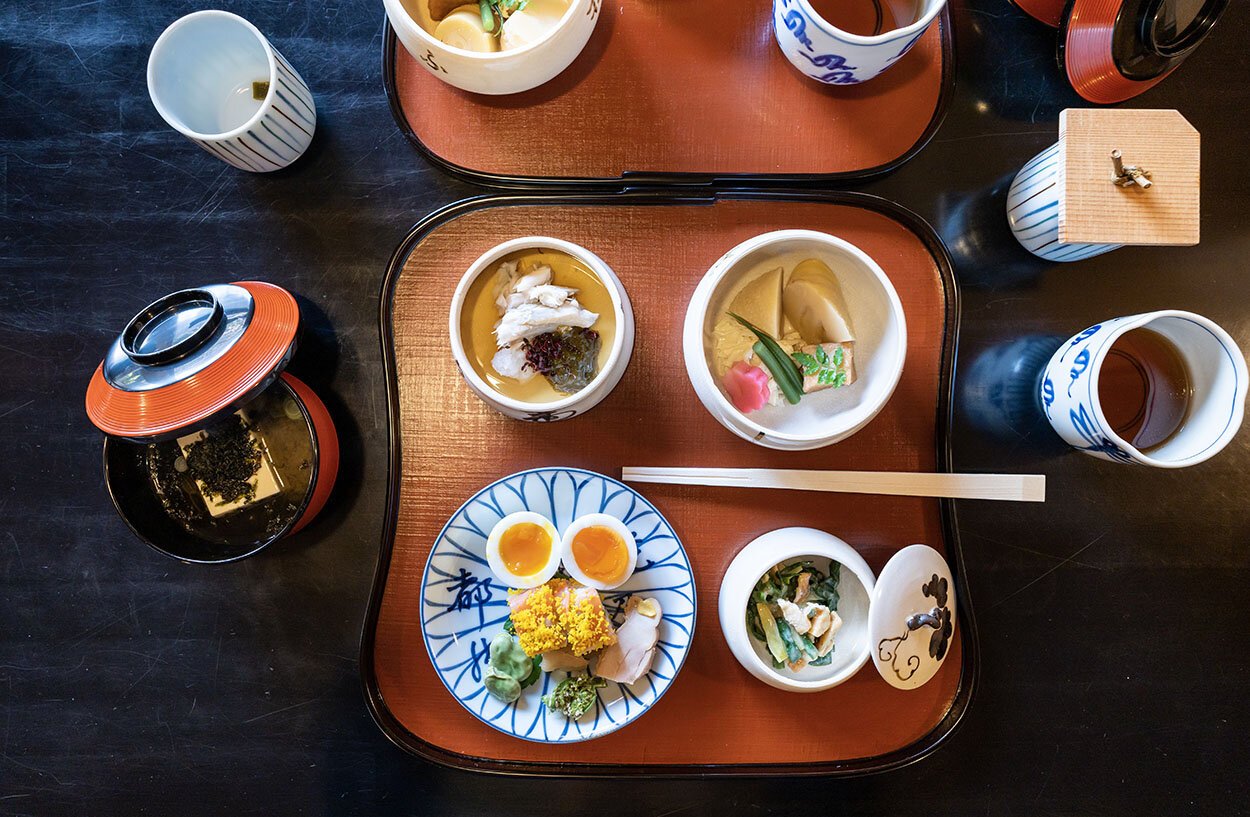
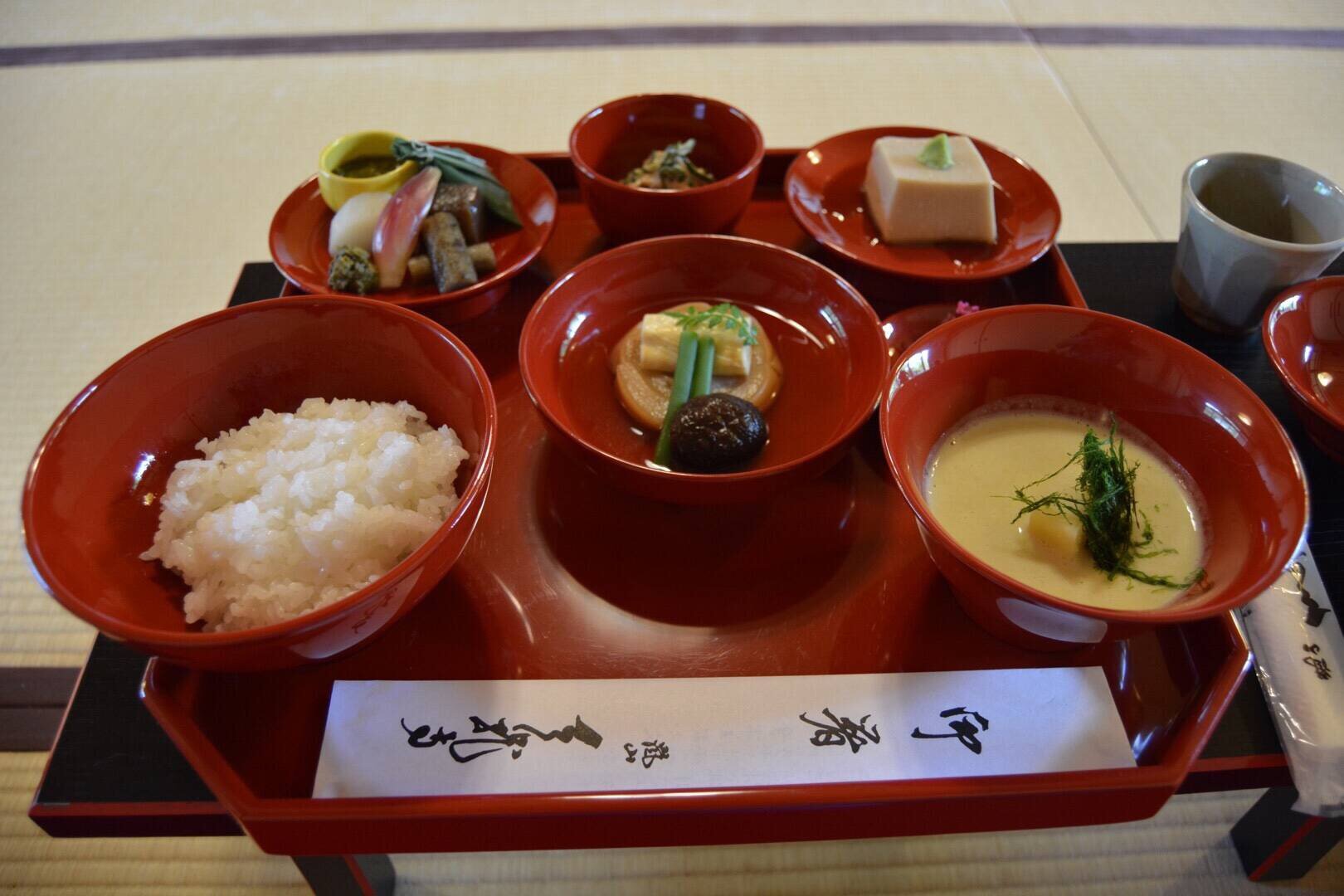
Shojin-ryori is not a modern wellness trend dressed in Buddhist robes. It is the strict vegetarian diet developed by monastic communities, with no meat, no fish, historically no alliums. The discipline behind the food is real: every ingredient is treated with deliberate care, food cuttings are composted rather than discarded, the meal is framed as an act of gratitude rather than entertainment. At Shigetsu, that ethos shapes everything from the vermilion-lacquered serving ware to the pacing of courses. Sesame tofu, deep-fried tofu with vegetable, dressed seasonal vegetables, the menu is simple in its components and considered in its construction.
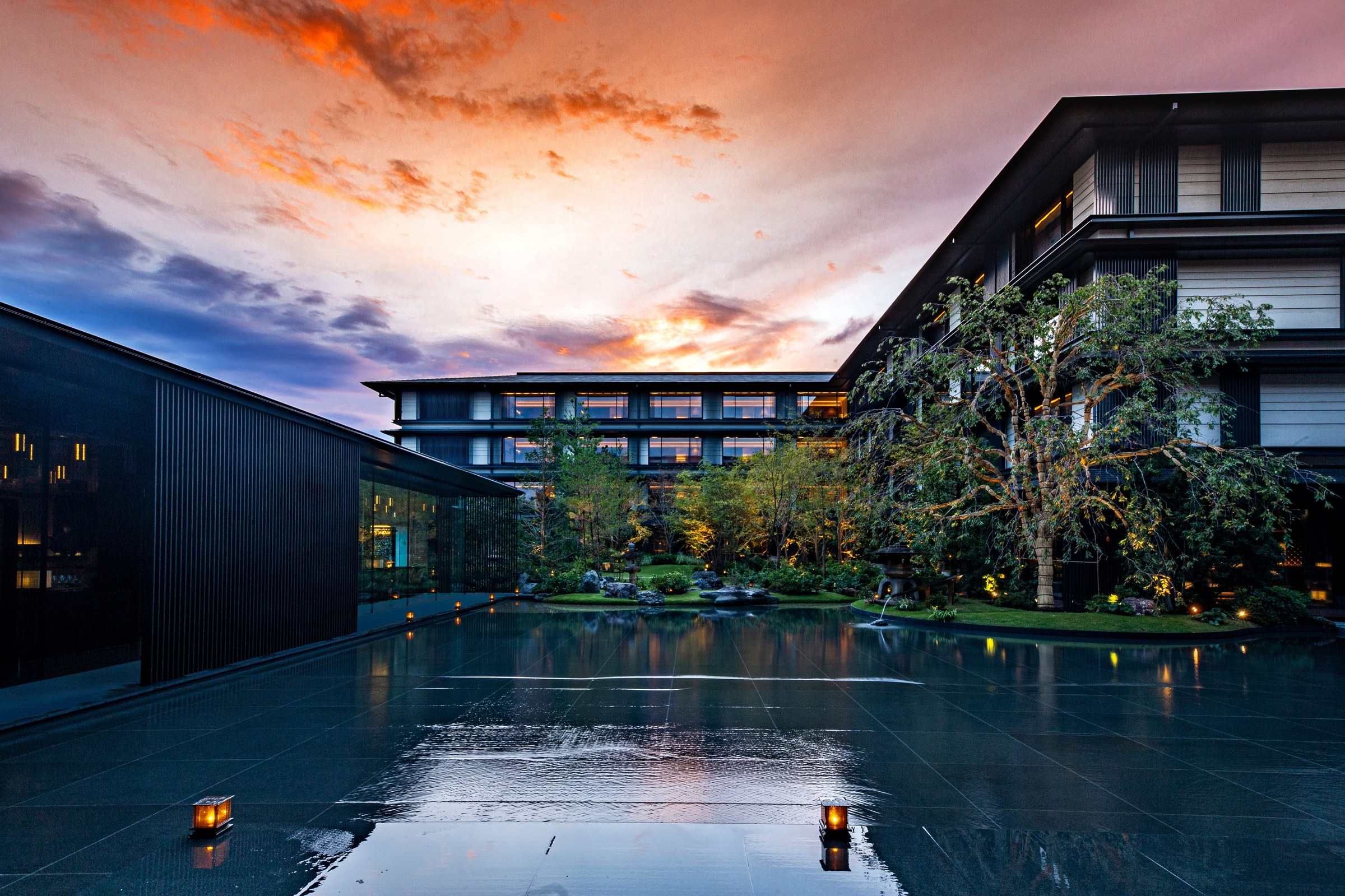
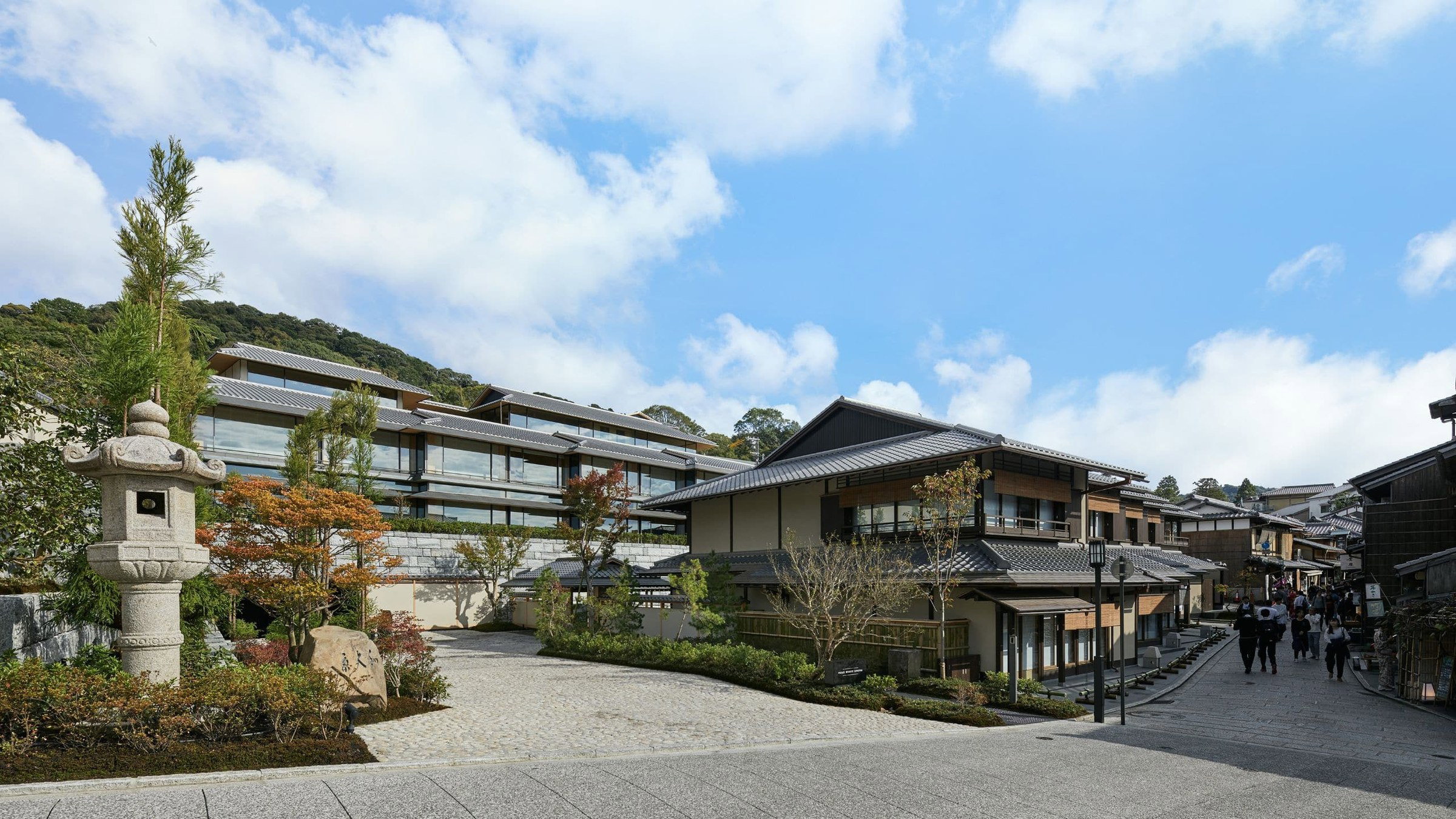
The setting amplifies the experience in a way that is almost impossible to replicate elsewhere in the city. Eating inside a World Heritage temple precinct, with the Tenryuji garden as your backdrop, does something to the atmosphere that no amount of interior design budget could manufacture. The room is calm. The noise level stays low throughout service, this is not a venue where you will be competing with ambient music or a crowded bar. For a date, a quiet business lunch, or a meal that marks something worth remembering, that stillness is the point.
Recent Context: Why 2025 Is a Good Time to Visit
The back-to-back Bib Gourmand listings in 2024 and 2025 signal sustained consistency rather than a one-season flash. Michelin's Bib Gourmand designation is awarded to restaurants offering notably good food at moderate prices, not a consolation prize, but a specific recognition that value and quality are both present. For a shojin-ryori specialist operating inside a working temple, maintaining that standard across consecutive years is meaningful. It suggests the kitchen under Chef Kotani is not coasting on location.
Who Should Book Shigetsu
Shigetsu works well for diners who want an experience with genuine cultural weight at a price that does not require advance justification. The ¥¥ tier makes it accessible compared to Kyoto's kaiseki circuit, the setting means the occasion factor is built in. Couples visiting Arashiyama will find it a natural anchor for the day, the temple grounds are already on most itineraries, turning the visit into a meal adds depth without a complicated detour. Solo travellers curious about shojin as a discipline rather than a dining category will also find it rewarding.
It is a less obvious choice for large groups seeking interactive dining or anyone whose priority is exploring Kyoto's sake or wine culture alongside food. Shojin-ryori is a contemplative format; the meal asks something of the diner, that is either the draw or the barrier depending on what you are after.
Booking and Logistics
Booking difficulty is rated Easy. Given the Arashiyama location and the temple tourism draw, same-week reservations are generally available outside of peak autumn foliage and spring cherry blossom seasons. During those windows, roughly late March to mid-April and mid-November to early December, book at least two to three weeks out. The restaurant is in Ukyo Ward, Sagatenryuji Susukinobabacho, within the Tenryuji Temple grounds. The address puts it within walking distance of Arashiyama Station.
How It Compares
Against Kyoto's kaiseki tier, Gion Sasaki, Hyotei, Kikunoi Honten, or Mizai, Shigetsu is operating at a fundamentally different price point and with a different mandate. Those venues are technically brilliant and correspondingly expensive; Shigetsu is not trying to compete on that axis. The correct comparison is whether you want depth-of-craft within a single culinary tradition at moderate cost, or multi-course technical kaiseki at premium cost. Both are valid, but they are different decisions. If a special occasion in Kyoto requires a Michelin-starred kaiseki name, look at Isshisoden Nakamura instead.
For diners exploring Japanese cuisine more broadly across a trip, Shigetsu pairs well with a day in Nara at akordu, or with a meal at HAJIME in Osaka for a dramatically different register. See our full Kyoto restaurants guide for the wider picture, or browse our Kyoto hotels guide, Kyoto bars guide, and Kyoto experiences guide if you are planning a full itinerary.
The Verdict
Shigetsu is the clearest example in Kyoto of a venue where the setting, the culinary tradition, the price tier align without compromise. Two Bib Gourmand awards confirm the food is doing its job. The location inside a World Heritage temple does the rest. At ¥¥, it is one of the more honest value propositions in a city where atmosphere often costs considerably more than this. Book it for the meal, stay for what the space does to an afternoon.
Is Shigetsu worth the price?
Yes. At the ¥¥ price point, back-to-back Michelin Bib Gourmand recognition (2024 and 2025) signals the food is delivering well above its tier. Shojin-ryori at this level of setting, inside Tenryuji Temple, a World Heritage site, would justify a higher price in most cities. In Kyoto, it is one of the more straightforwardly good-value decisions you can make.
What should a first-timer know about Shigetsu?
Shojin-ryori is strictly vegetarian with no meat or fish, that is not a menu option but the entire premise of the cuisine. First-timers should arrive expecting a quiet, considered meal rather than an interactive or theatrical dining experience. The food centres on tofu preparations and seasonal vegetables. The Tenryuji Temple grounds are the backdrop, so building the visit into a morning or afternoon in Arashiyama makes logistical sense.
How far ahead should I book Shigetsu?
Booking difficulty is rated Easy under normal conditions. Outside of Kyoto's peak tourism windows, same-week availability is generally realistic. During cherry blossom season (late March to mid-April) and autumn foliage season (mid-November to early December), book two to three weeks in advance. The Arashiyama area draws high foot traffic during those periods, demand across the precinct rises sharply.
Does Shigetsu handle dietary restrictions?
Shojin-ryori is already vegetarian by definition, so the cuisine is well-suited to plant-based diners. Traditional shojin also excludes alliums (onion, garlic, leek). If you have specific allergen concerns beyond that, contact the restaurant directly before booking, phone and website details are not listed in our current data, so we recommend confirming via your hotel concierge or a third-party booking platform.
What are alternatives to Shigetsu in Kyoto?
For shojin-ryori specifically, Shigetsu has few direct competitors at its price tier in Kyoto. If you want to step into the kaiseki circuit for a special occasion, Gion Sasaki and Kikunoi Honten are the natural next step up in spend and technical ambition. For a mid-tier option in a different format, Isshisoden Nakamura covers traditional Japanese without the kaiseki price tag. See our full Kyoto restaurants guide for the complete picture.
Is the tasting menu worth it at Shigetsu?
At a ¥¥ price point for a multi-course shojin-ryori set inside a UNESCO World Heritage site, the answer is yes for most visitors. The Bib Gourmand award is specifically a value-quality signal, Michelin is telling you the food earns its price. The format is fixed and considered rather than improvisational, so if you want flexibility or a la carte choice, this is not the right match. If the shojin format appeals, the value case is clear.
Is Shigetsu good for a special occasion?
Yes, particularly for occasions where the atmosphere should carry as much weight as the food. The combination of temple grounds, a quiet room, cuisine with genuine cultural meaning makes it a strong choice for a meaningful lunch or dinner. It works well for a couple celebrating something low-key or for a guest you want to give a specifically Kyoto experience. For a high-spending celebration where the emphasis is on wine and service theatre, the kaiseki venues in Gion are a better fit, consider Hyotei or Mizai for that register.
Planning details
- Location
- Japan, 〒616-8385 Kyoto, Ukyo Ward, Sagatenryuji Susukinobabacho, 68
- Website
- tenryuji.com/shigetsu
- Phone
- +81 75-882-9725
The take
The Take
The Vibe
Shigetsu presents a deliberately contemplative experience that starts long before the first bite. You arrive through the outer gates of Tenryuji Temple and confront the fourteenth-century Sogenchi garden, which frames the approach and sets a meditative tone. Inside, shojin-ryori—the vegetarian cuisine born in Buddhist monasteries—reinforces that calm, with carefully composed plates of sesame tofu, yuba, and seasonal mountain vegetables. The setting and food together emphasize restraint and attention: this is a historic, serene spot that privileges ritual, seasonality, and quiet focus over flash or theatricality.
Best For
This is a restaurant for diners who want a reflective, culturally rooted meal rather than a lively night out. It suits special-occasion visits where the setting—entering a World Heritage temple and seeing the Sogenchi garden—matters as much as the food, and it rewards solo diners or small parties who appreciate the discipline of shojin-ryori. Expect a composed, measured service and dishes that foreground seasonality and restraint; it’s less about maximalist flavors and more about the coherence of philosophy, place, and plate.
Ordering Tips
Embrace the kitchen’s rules: shojin-ryori is strictly vegetarian and avoids meat, fish, and pungent alliums, so plan accordingly. Key items to look for include goma dofu (sesame tofu) and yuba, and expect seasonal vegetable preparations and deep-fried tofu components rather than reinterpretations or fusion. Treat the visit as an integrated ritual—arrive with time to pass through the Tenryuji gates and the Sogenchi garden so the setting informs your meal, and be prepared for a deliberate, multi-course progression rooted in Kyoto’s temple-food tradition.
Venue details
Ambiance
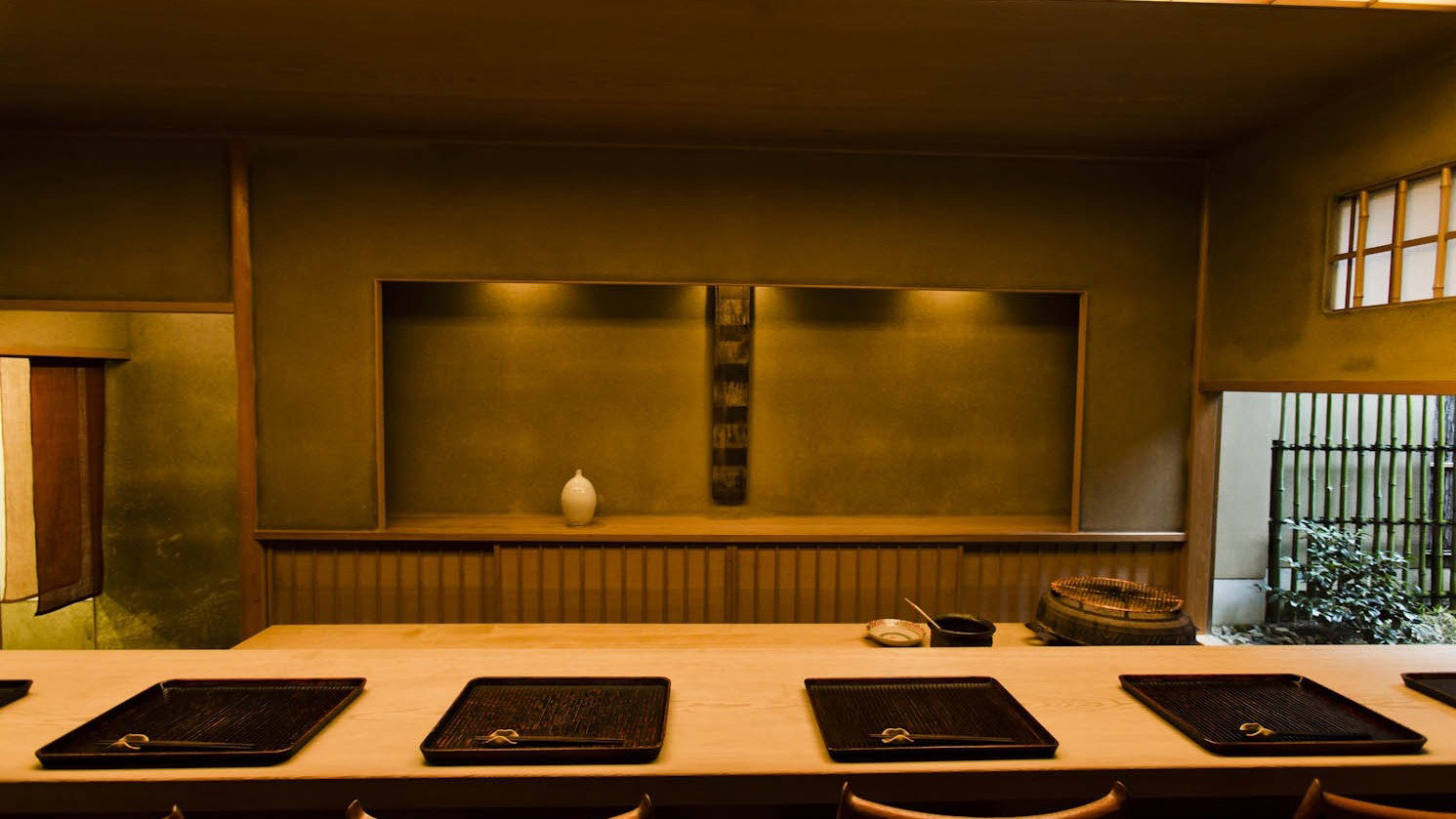
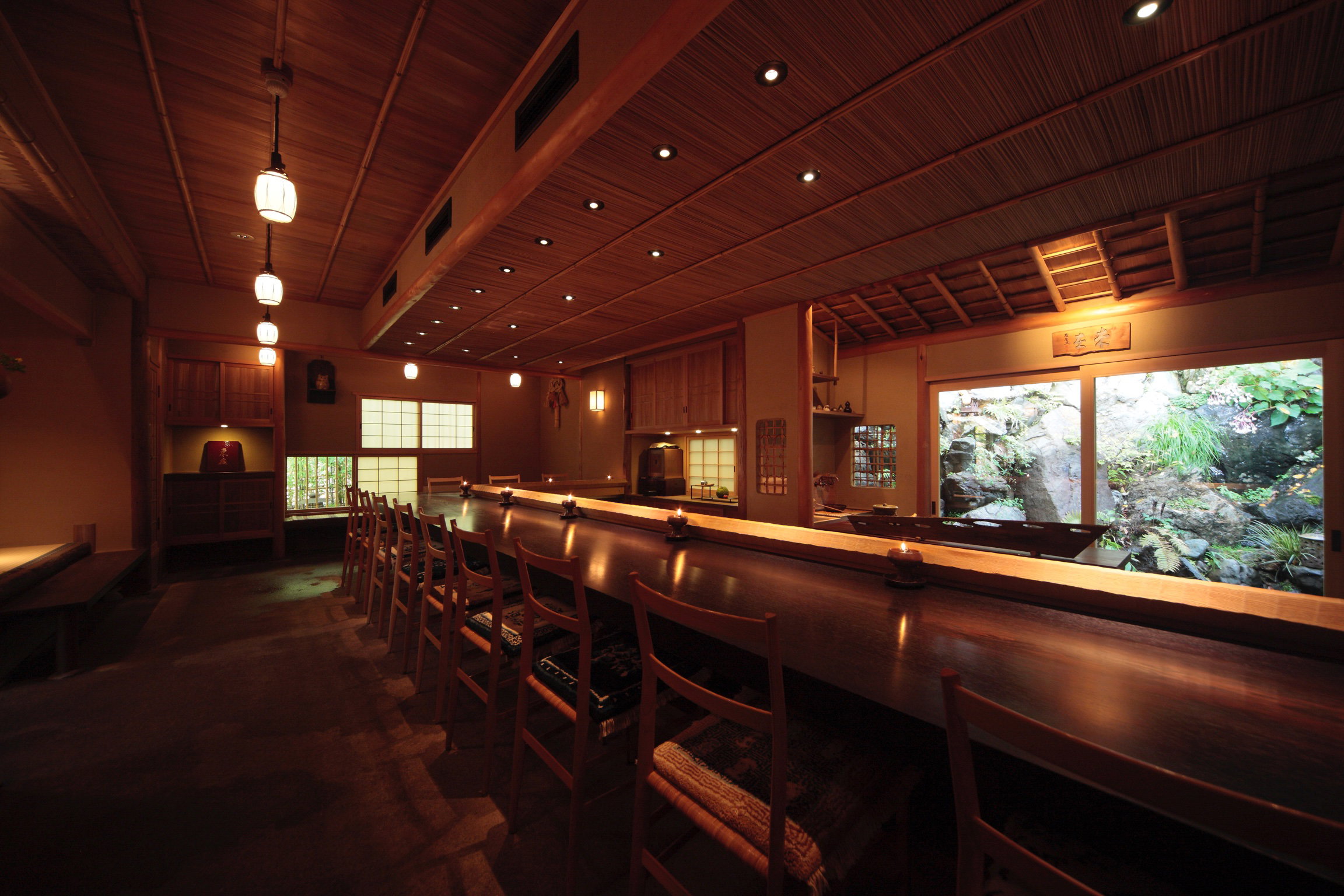
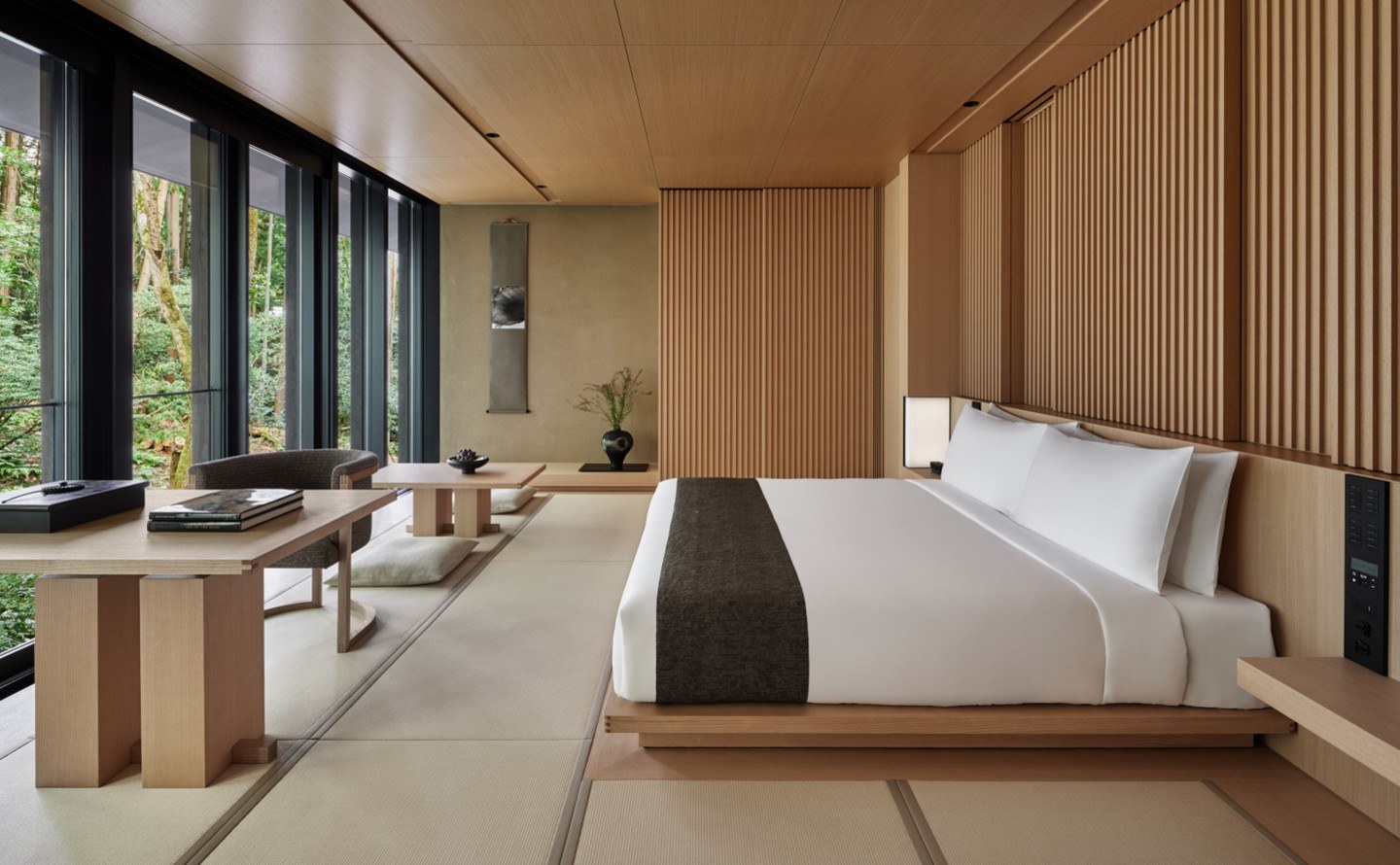
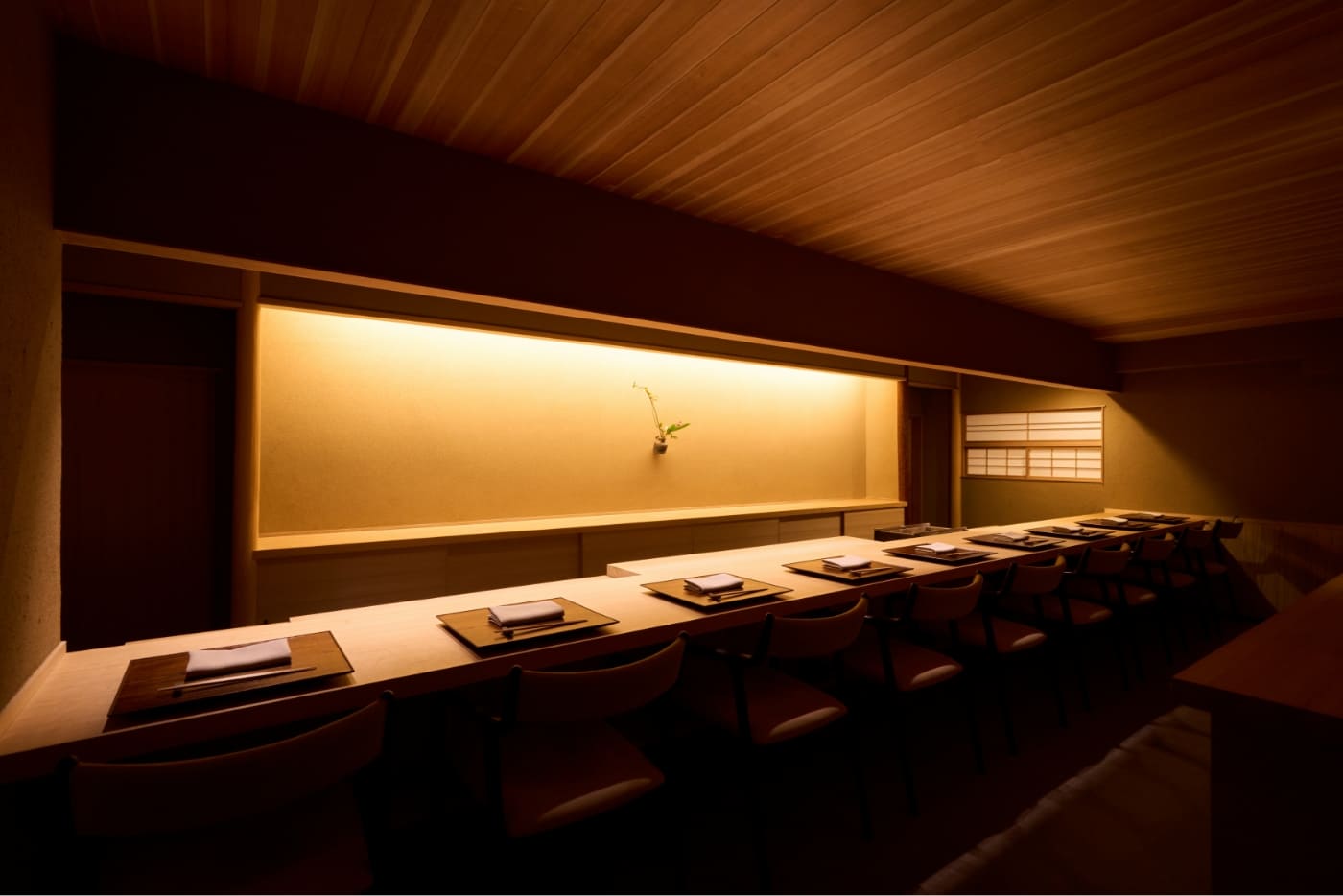
Tranquil temple atmosphere with tatami mats, shoji screens, soft light, and serene garden views promoting mindful dining.
Tags
Vibe
Best For
Experience
View
Accessibility
At the Table
- Dress Code
- Smart Casual
- Noise Level
- Quiet
- Service Style
- Formal
- Meal Pacing
- Leisurely
- Capacity
- Large
Signature Dishes
- goma dofu
- yuba
Planning details
Location
Japan, 〒616-8385 Kyoto, Ukyo Ward, Sagatenryuji Susukinobabacho, 68 · Directions
Also consider
Also Consider
- Gion Sasaki; Kaiseki, Japanese, ¥¥¥¥
- cenci; Italian, ¥¥¥
- Ifuki; Kaiseki, ¥¥¥¥
- Kyokaiseki Kichisen; Japanese, ¥¥¥¥
- Kyo Seika; Chinese, ¥¥¥
Restaurant context
Shigetsu sits at ¥¥ while most of its named Kyoto peers operate at ¥¥¥¥. That price gap is the first decision point. Gion Sasaki and Ifuki are kaiseki venues with Michelin recognition at a substantially higher spend; they reward diners who want multi-course technical precision and are prepared to pay for it. Kyokaiseki Kichisen operates in the same ¥¥¥¥ tier and is one of Kyoto's most demanding tables to secure. Shigetsu is not competing with any of them on format or price; it is the right choice when the shojin tradition itself is the draw, when value matters.
cenci and Kyo Seika both sit at ¥¥¥ and represent different category alternatives; Italian and Chinese respectively; for diners who want a special-occasion meal without the full kaiseki commitment. Shigetsu undercuts both on price while offering something neither can: a meal set inside a functioning World Heritage temple with a cuisine tied directly to that site's history. If the location and cultural context are part of what you are booking, those alternatives do not substitute.
The practical booking comparison also favours Shigetsu. The ¥¥¥¥ tier in Kyoto; Gion Sasaki and Kyokaiseki Kichisen in particular; requires lead times of weeks or months during peak season and carries real booking friction. Shigetsu is rated Easy to book. For visitors assembling a Kyoto itinerary without months of planning runway, that accessibility is a genuine advantage. Book Shigetsu for the shojin experience and cultural weight; book the kaiseki circuit when the technical ambition and service depth of that format is specifically what you are after.
Explore Kyoto
Around this place
Discover more on Pearl
Unlock the full Shigetsu guide in Pearl, including awards, comparisons, FAQs, planning details, and nearby places.
Compare Shigetsu
| Venue | Price | Awards |
|---|---|---|
| Shigetsu | ¥¥ | Michelin Guide Kyoto Osaka 20262026 Bib GourmandWe're Smart World Top Restaurants 20252025 Michelin Bib Gourmand2024 Michelin Bib Gourmand |
| Gion Sasaki | ¥¥¥¥ | 2026 Tabelog Bronze · #3862026 OAD Top Restaurants in Japan RecommendedMichelin Guide Kyoto Osaka 20262026 La Liste Top RestaurantsTabelog 100 - Japanese cuisine - WEST - 2025 · #132025 OAD Top Restaurants in Japan Ranked · #2462025 Tabelog Silver2025 Michelin 3 Stars2025 La Liste Top Restaurants |
| cenci | ¥¥¥ | 2026 Tabelog Bronze · #442026 Asia's 50 Best Restaurants · #762026 OAD Top Restaurants in Japan Highly RecommendedMichelin Guide Kyoto Osaka 2026Tabelog 100 - Italian - WEST - 2025 · #632025 Asia's 50 Best Restaurants · #632025 OAD Top Restaurants in Japan Ranked · #1682025 Tabelog Bronze2024 OAD Top Restaurants in Japan Ranked · #135 |
| Ifuki | ¥¥¥¥ | 2026 OAD Top Restaurants in Japan Ranked · #1222026 Tabelog Bronze · #128Michelin Guide Kyoto Osaka 20262026 La Liste Top RestaurantsTabelog 100 - Japanese cuisine - WEST - 2025 · #622025 OAD Top Restaurants in Japan Ranked · #1002025 La Liste Top Restaurants2025 Tabelog Bronze2025 Michelin 2 Stars |
| Kyokaiseki Kichisen | ¥¥¥¥ | 2026 Tabelog Bronze · #1752026 OAD Top Restaurants in Japan Highly RecommendedMichelin Guide Kyoto Osaka 20262025 OAD Top Restaurants in Japan Ranked · #1862025 Michelin 2 Stars2025 La Liste Top Restaurants2024 OAD Top Restaurants in Japan Ranked · #1422024 Michelin 2 Stars2023 OAD Top Restaurants in Japan Ranked · #136 |
| Kyo Seika | ¥¥¥ | Tabelog 100 - Chinese cuisine - WEST - 2026 · #762026 Tabelog Bronze · #2162026 OAD Top Restaurants in Japan Recommended2026 Michelin 1 Star2025 OAD Top Restaurants in Japan Ranked · #3262025 Tabelog Bronze2024 OAD Top Restaurants in Japan Ranked · #3042024 Michelin Plate2024 Michelin 1 Star |
.png?width=1200&quality=80)








.png?width=1200&quality=80)
What to weigh when choosing between Shigetsu and alternatives.
FAQ
Frequently Asked Questions
Is Shigetsu worth the price?
Yes. At the ¥¥ price point, Shigetsu is one of the clearest value cases in Kyoto; two consecutive Michelin Bib Gourmand listings (2024 and 2025) confirm the kitchen is delivering consistent quality without charging kaiseki prices. The setting on the grounds of Tenryuji Temple, a UNESCO World Heritage site, adds cultural context that no standalone restaurant at this price tier can match.
What should a first-timer know about Shigetsu?
Shojin-ryori is a strict Buddhist vegetarian format; no meat, no fish; so arrive with that expectation set. Signature preparations include sesame tofu and deep-fried tofu with vegetable slices, served on traditional vermilion-lacquered plates in keeping with Zen convention. The meal is structured and deliberate; this is not a casual drop-in lunch but a format that rewards attention.
How far ahead should I book Shigetsu?
Booking difficulty is rated Easy, same-week reservations are generally available outside peak Kyoto tourism windows. That said, the Arashiyama area draws heavy foot traffic in cherry blossom season (late March to early April) and autumn foliage season (mid-November), so book at least two weeks ahead if your visit falls in those windows.
What are alternatives to Shigetsu in Kyoto?
For shojin-ryori at a similar or slightly higher price point, Ifuki is the closest comparable in the city. If you want to step up to kaiseki, Gion Sasaki and Kikunoi Honten operate at a fundamentally different spend level but represent Kyoto's stronger formal dining tier. For modern vegetable-forward cooking without the Buddhist framework, cenci is worth considering.
Is the tasting menu worth it at Shigetsu?
At the ¥¥ tier, the set menu format here delivers more cultural and culinary coherence than most restaurants at this price in Kyoto. The Bib Gourmand recognition specifically rewards good cooking at accessible prices, so you are not paying a temple premium for below-average food. It is a better spend than a generic tourist lunch in Arashiyama.
Is Shigetsu good for a special occasion?
Yes, with the right expectations. The Tenryuji Temple World Heritage setting and the ceremonial nature of shojin-ryori make this a more considered meal than the price suggests. It works well for a culturally meaningful lunch rather than a celebratory dinner; if you need a full evening-format special occasion, Kyoto kaiseki restaurants are the more conventional choice.