.png?width=1200&quality=80)
Shichiku Kiko
Japanese · Kita, Kyoto
Restaurant in Kyoto, Japan
 Book with Pearl
The Read
Omi-Sourced Residential Kaiseki
Price
$50–100per person
Dress
Smart Casual
Why go
Shichiku Kiko holds a Michelin Bib Gourmand for 2024 and 2025, making it one of Kyoto's most compelling value propositions for serious Japanese cooking. The kitchen sources rice, vegetables, and sake exclusively from the chef's native Shiga Prefecture, building hassun-led menus around the Omi region's seasonal produce. At ¥¥ pricing, it delivers genuine depth well below the city's kaiseki tier.
About Shichiku Kiko
Is Shichiku Kiko worth booking in Kyoto?
Yes — and especially so if you are drawn to Japanese cooking that prioritises depth over spectacle. Shichiku Kiko holds a Michelin Bib Gourmand for 2024 and 2025, which in Kyoto's crowded dining field is a meaningful signal: this is a kitchen producing serious food at a price point well below the city's kaiseki heavyweights. At ¥¥ pricing, it sits in a bracket where value is genuinely hard to argue. The question is not whether the food is accomplished — Michelin has answered that, but whether the format and location suit your trip.
What Shichiku Kiko Is
Shichiku Kiko sits in Kita Ward, in the Shichiku district north of central Kyoto, close to Kamigamo Shrine. The restaurant's name carries its identity: 'Kiko' combines the character 'aoi', drawn from the Futaba Aoi crest of Kamigamo Shrine, with the character for 'lake', as in Lake Biwa, the vast freshwater lake that defines Shiga Prefecture. That geographical tether is not decorative. Rice, vegetables, and sake are all sourced from the chef's native Shiga, and the cooking is built around the Omi region's produce. This is not a kitchen importing prestige ingredients from across Japan; it is a kitchen with a defined, narrow supply chain and a clear point of view about what that region tastes like.
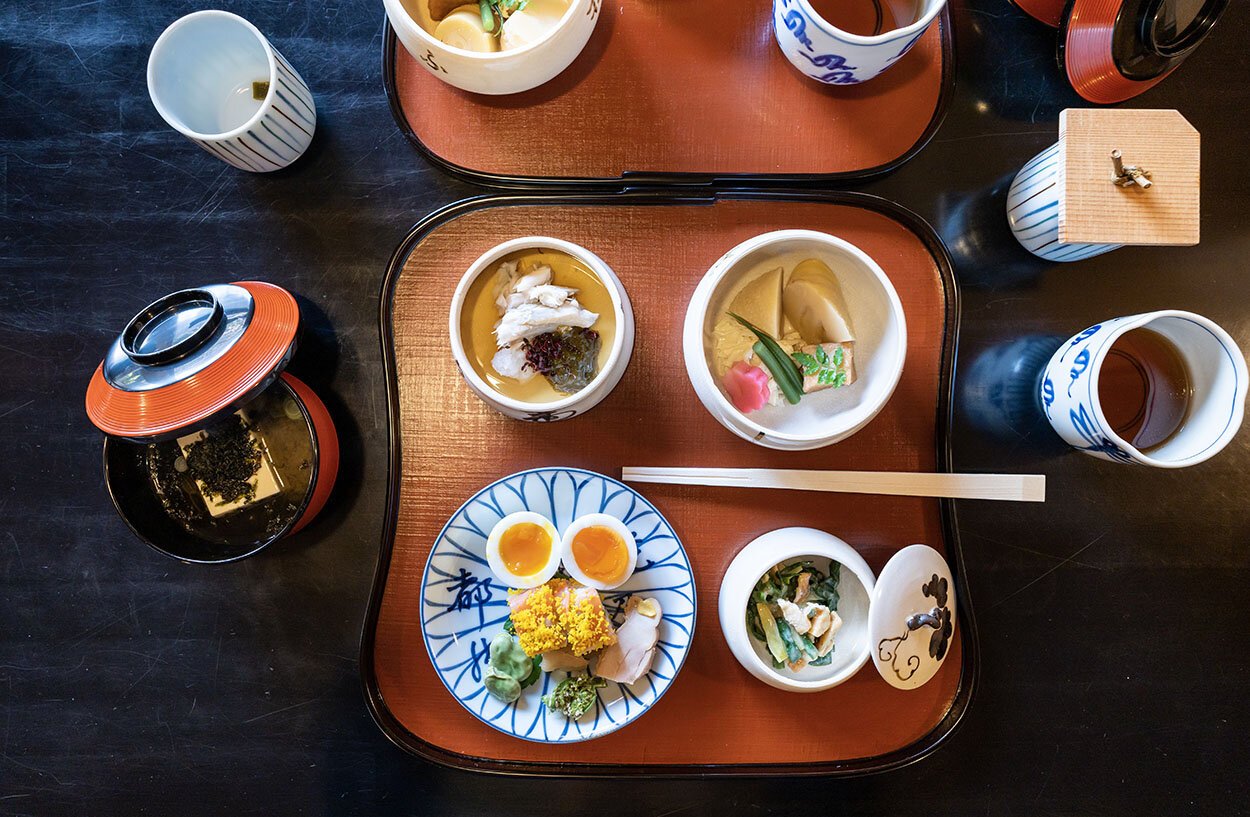
The menu is structured around hassun platters and stewed preparations. Hassun, the second course in traditional kaiseki, which sets the seasonal theme, here becomes a lens through which ordinary ingredients are reconsidered. Nothing on the plate announces itself loudly. The chef's stated intention, documented in Michelin's own recognition, is to take modest ingredients and work them hard through time and technique, producing flavour that is deep without being elaborate. The result is food that rewards attention rather than photographs.
If you are arriving from central Kyoto expecting the visual theatre of a high-end tasting counter in Gion or Higashiyama, recalibrate. Shichiku Kiko's register is quieter. The mood, like the cooking, is described as reflecting the chef's humble demeanour, modest, focused, unhurried. For a food explorer seeking that quality of stillness that distinguishes the leading neighbourhood restaurants in Japan from destination dining rooms, this is exactly the right register. For a diner who measures an evening by its production values, it may not land in the same way.
The Tasting Progression
Shichiku Kiko's menu architecture is rooted in Japanese seasonal logic, with hassun as the structural anchor. In traditional kaiseki, the hassun platter is the moment when the chef most clearly declares the season, small bites arranged to reflect what the land and water are producing right now. Here, that declaration draws exclusively from Shiga: what arrives on the plate is a portrait of the Omi region at a specific point in the year. Following the hassun, stewed preparations take over as the meal's core register. Simmered and braised dishes built for depth, long cooking, quiet flavour, the kind of satisfaction that settles rather than startles, form the meal's emotional centre. The progression moves from clarity to warmth, from the seasonal signal to the comfort of slow-cooked technique. This is not a tasting menu designed to impress with range; it is designed to make you feel the coherence of a single region across multiple preparations. That is a harder thing to achieve, and when it works, it is more memorable than novelty.
Current season is worth factoring into your timing. Kyoto's autumn and early winter bring some of the most compelling produce from the Shiga region, and a menu built on seasonal ingredients from a single prefecture will read very differently in November than in July. If you have flexibility in your travel dates and are serious about the food, aim for the shoulder months when root vegetables, mushrooms, and game from the Omi region are at their peak.
Ratings and Trust Signals
- Michelin Bib Gourmand: 2024 and 2025, two consecutive years of recognition for quality at an accessible price point
- Price tier: ¥¥, positioned well below Kyoto's kaiseki tier, making it one of the more approachable serious Japanese restaurants in the city
Booking and Practical Details
Reservations: No website or phone number is listed in our current data, approach booking through a hotel concierge if you are staying in Kyoto, or via a third-party reservation platform covering Kyoto restaurants. Booking difficulty is rated Easy, which suggests availability is less pressured than at the city's starred kaiseki rooms. Budget: ¥¥ pricing puts this comfortably within reach for most travellers who would consider a mid-range dinner in Kyoto, expect a meaningful step below the outlay at ¥¥¥¥ kaiseki venues like Kyokaiseki Kichisen or Gion Matayoshi. Location: Kita Ward, Shichiku district, north of central Kyoto, near Kamigamo Shrine. Allow extra travel time from Gion or the central station. Dress: No formal dress code is recorded; smart casual is appropriate for a neighbourhood restaurant of this type in Japan. Hours: Not confirmed in our current data, verify before visiting.
How It Compares
Pearl Picks: More to Explore
If Shichiku Kiko's neighbourhood-restaurant register appeals, consider these for context and comparison across Japan. In Kyoto, Kikunoi Roan and Isshisoden Nakamura represent the city's more formal kaiseki tradition at a higher price tier, while Kodaiji Jugyuan offers another angle on Kyoto's quieter dining rooms. For serious Japanese cooking elsewhere in the country, HAJIME in Osaka, Harutaka in Tokyo, Myojaku in Tokyo, Azabu Kadowaki in Tokyo, akordu in Nara, Goh in Fukuoka, 1000 in Yokohama, and 6 in Okinawa are all worth your attention. See our full Kyoto restaurants guide, Kyoto hotels, Kyoto bars, Kyoto wineries, and Kyoto experiences for broader planning.
Planning details
- Location
- Japan, 〒603-8412 Kyoto, Kita Ward, Shichiku Shimotakedonocho, 16番地
- Reservations
- Book on TableCheck
- Website
- shichiku-kiko.com
- Phone
- +81 75-406-5758
The take
The Take
The Vibe
Shichiku Kiko reads like a quietly kept secret in Kyoto’s northern residential ward: intimate and understated rather than theatrical. The dining room orients itself toward local rhythm more than tourist circulation, and the kitchen’s ambition is signalled by back-to-back Michelin Bib Gourmand mentions. At ¥¥ price points the food feels serious without the formality of the city’s high‑end kaiseki corridor — a refined, low-key experience that rewards diners who value seasonal precision and a calm, unobtrusive atmosphere within a neighbourhood context.
Best For
This is a restaurant to reserve for focused evening meals: date nights, low-key special occasions and solo diners who prefer attentive cooking over spectacle. Its profile — quiet, small-scale and recognised by the Bib Gourmand — makes it a good fit for travelers and locals seeking thoughtful, seasonally driven Japanese cooking without the full formality or price of Kyoto’s starred houses. Expect an evening-centred rhythm and dishes that showcase local fish and seasonal ingredients.
Ordering Tips
Shichiku Kiko does not rely on tourist infrastructure, so plan ahead. Reservations can be harder to secure and English-language booking support is not guaranteed; local knowledge or advance booking increases the chance of a seat. Menus are seasonal — lean toward set courses or chef recommendations — and signature items include grilled local fish with yuzu, seasonal sashimi and simmered dashi courses, finishing with matcha ice cream. Budget a ¥¥ price tier and be prepared to follow the kitchen’s seasonal direction rather than request extensive substitutions.
Venue details
Ambiance
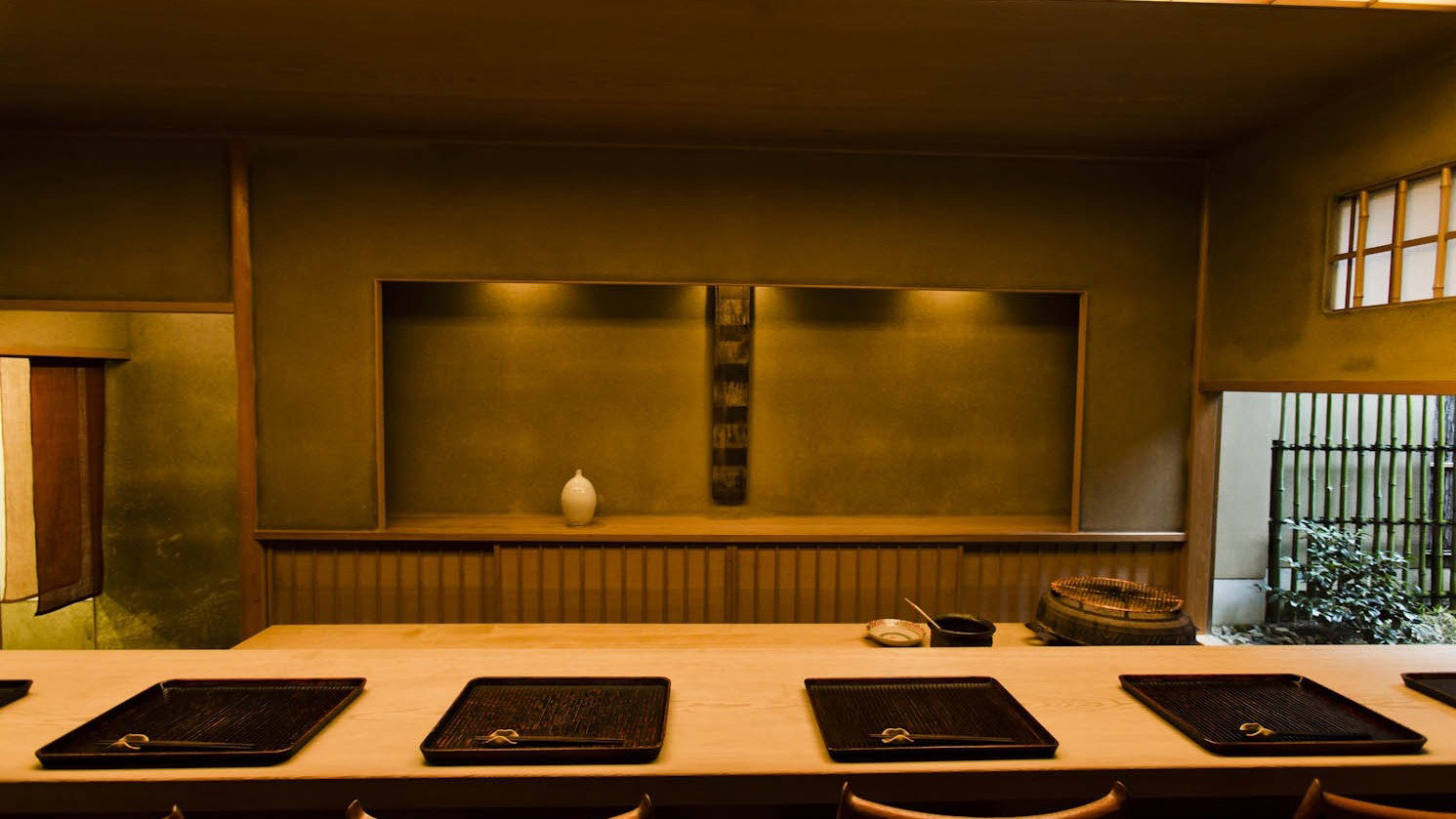
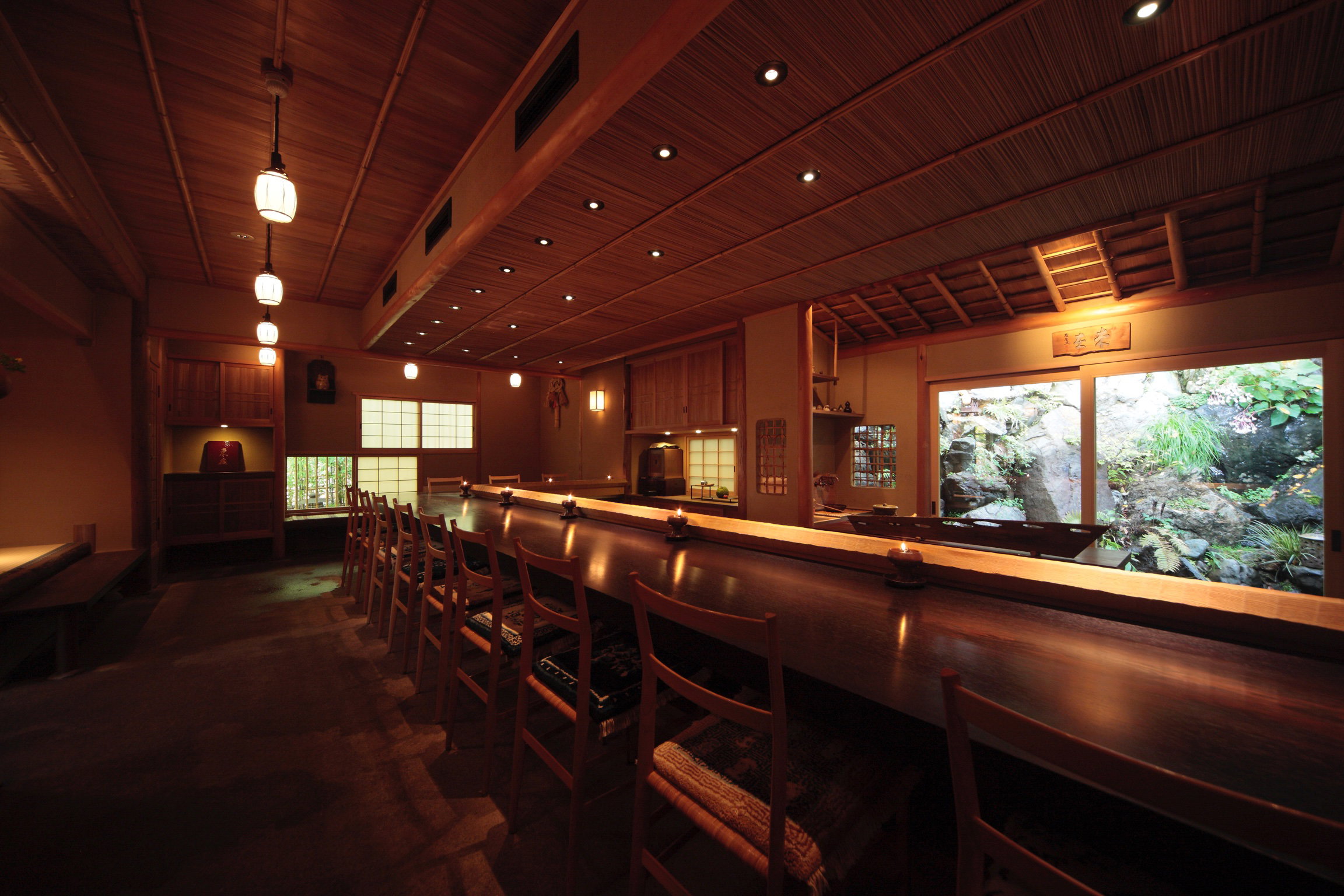
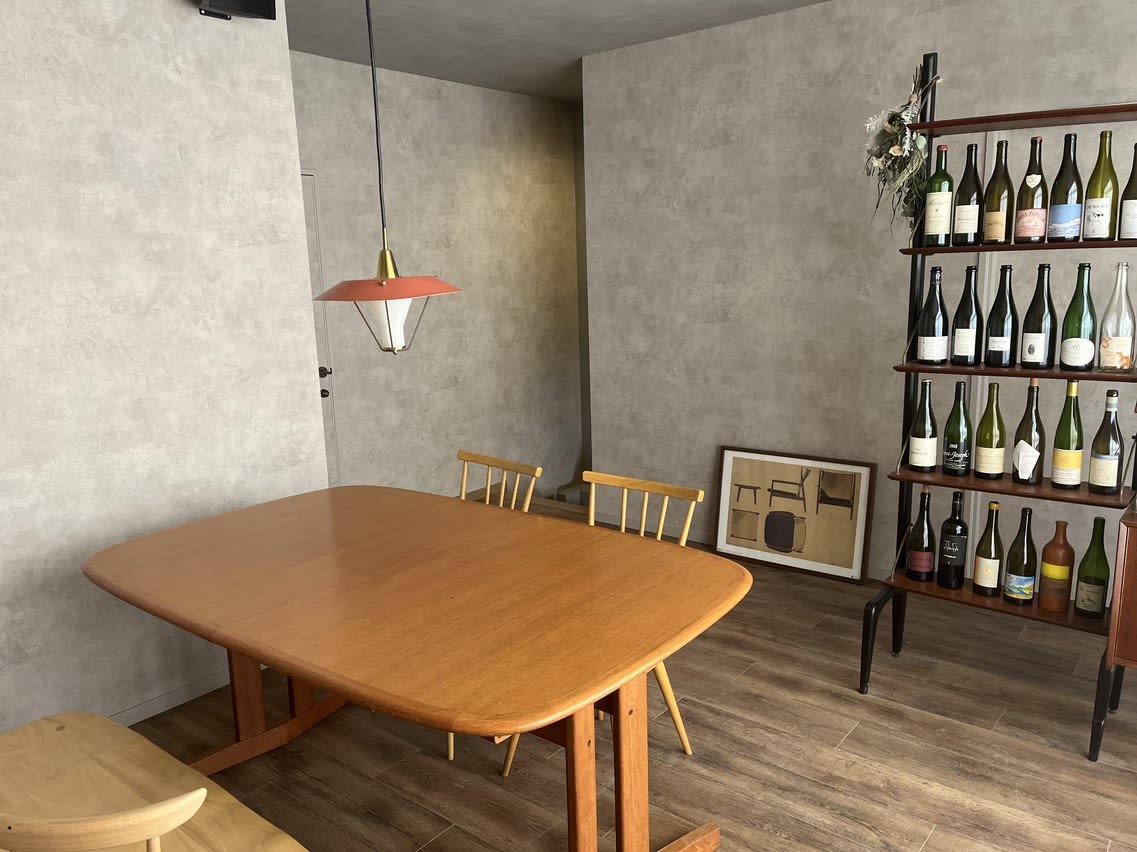
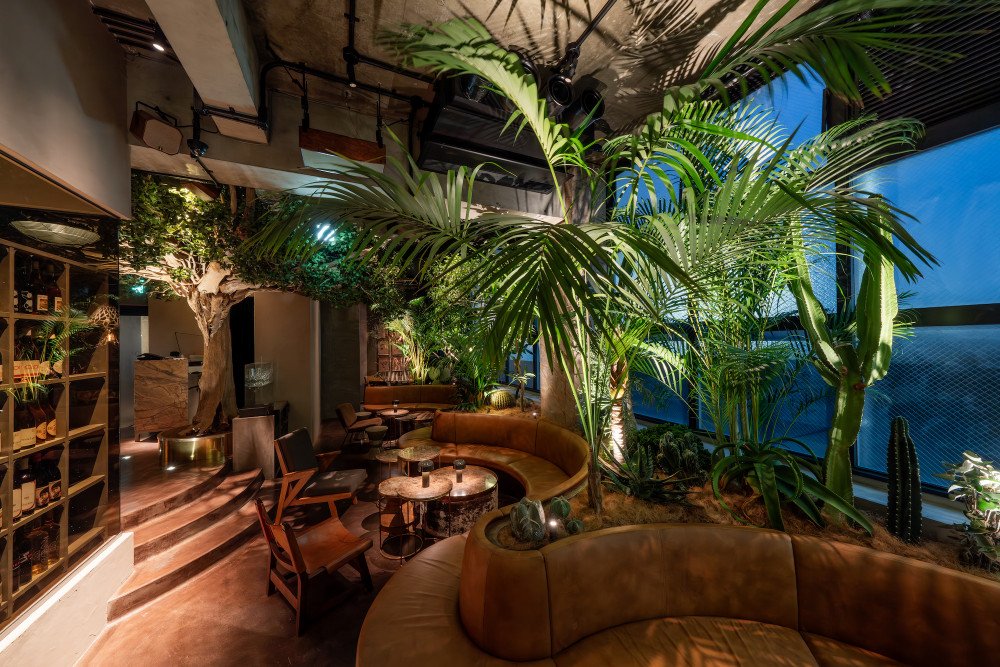
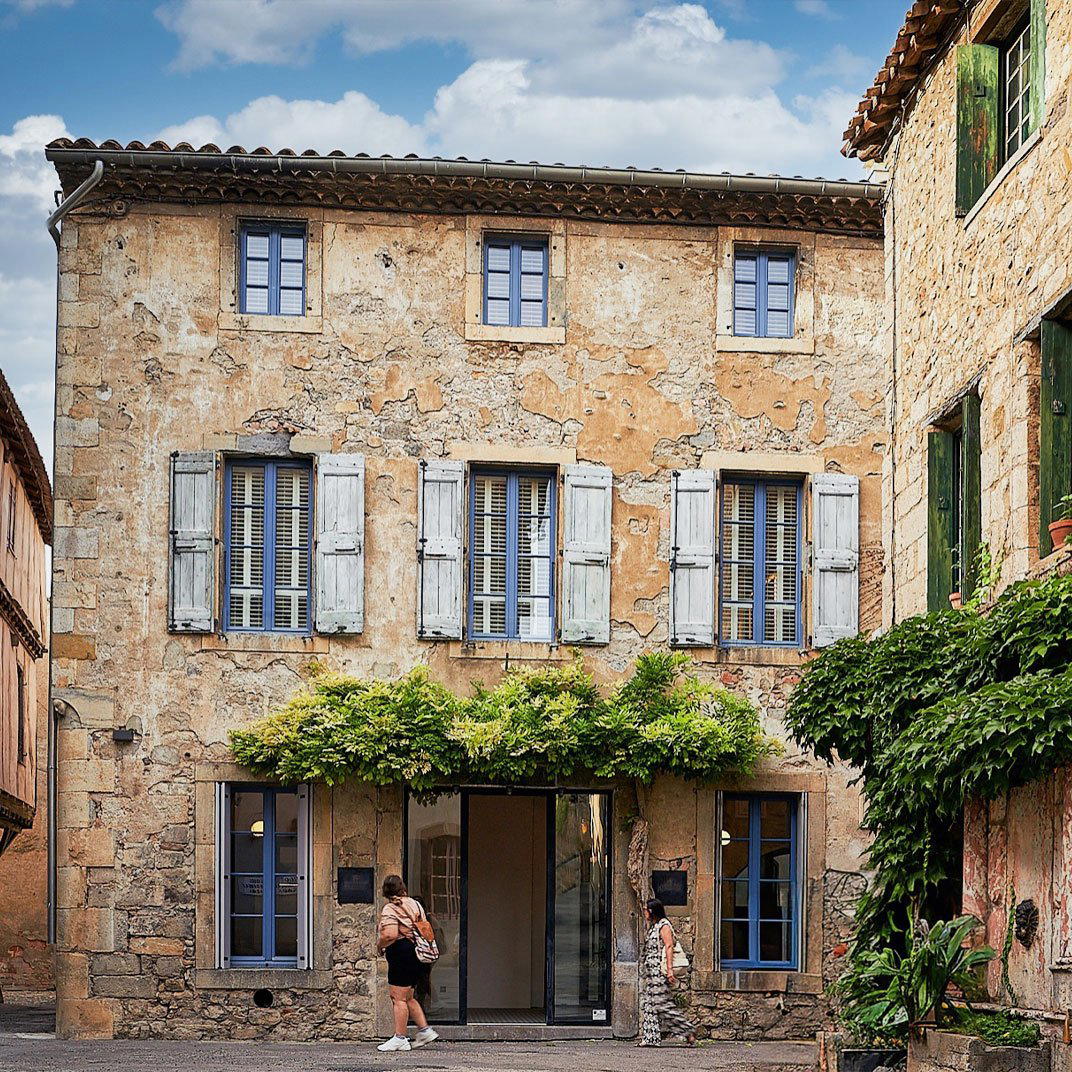
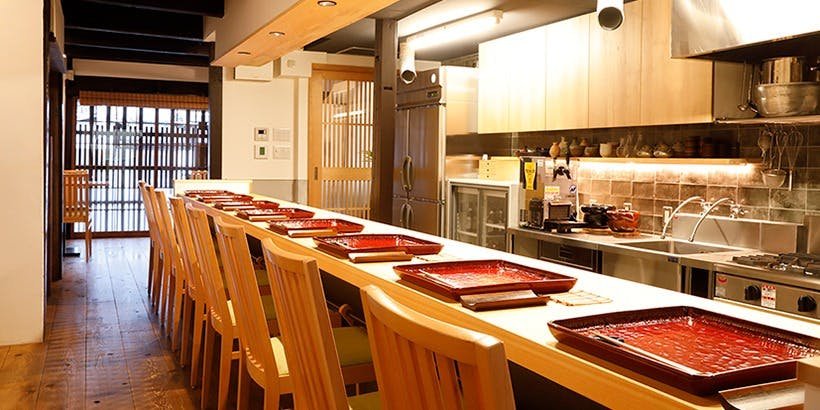
Soft, warm lighting in a remodeled traditional townhouse with low ceilings, sliding wood panels, and an intimate counter; the sounds of the kitchen and quiet conversation shape the evening rather than music.
Tags
Vibe
Best For
Experience
Sourcing
At the Table
- Dress Code
- Smart Casual
- Noise Level
- Quiet
- Service Style
- Upscale Casual
- Meal Pacing
- Extended Experience
- Capacity
- Intimate
- Kitchen
- Seasonal
- Menu Format
- Tasting menu, Counter dining, Set menu
- Wine Program
- Curated
- Drinks Focus
- Shiga sake flights, Sake pairings
- Dietary
- Allergy accommodating
Signature Dishes
- grilled local fish with yuzu
- seasonal sashimi
- steamed seasonal vegetables with tofu
- simmered dashi course
- matcha ice cream dessert
Know before you go
Know Before You Go
- Getting there
- Japan, 〒603-8412 Kyoto, Kita Ward, Shichiku Shimotakedonocho, 16番地
Planning details
Location
Japan, 〒603-8412 Kyoto, Kita Ward, Shichiku Shimotakedonocho, 16番地 · Directions
Recognition and awards
Also consider
Also Consider
- Gion Sasaki, Kaiseki, Japanese, ¥¥¥¥
- cenci, Italian, ¥¥¥
- Ifuki, Kaiseki, ¥¥¥¥
- Kyokaiseki Kichisen, Japanese, ¥¥¥¥
- SEN, French, Japanese, ¥¥¥¥
Restaurant context
How Shichiku Kiko Compares in Kyoto
Against Kyoto's ¥¥¥¥ kaiseki rooms, Shichiku Kiko's case is straightforward: you are paying significantly less for food that Michelin has recognised twice in a row. Gion Sasaki and Ifuki both operate at ¥¥¥¥ and offer the full formal kaiseki experience, multiple courses, precise seasonal progression, polished service. If ceremony and breadth are what you want from a Kyoto dining night, one of those is the right call. Kyokaiseki Kichisen sits at the same ¥¥¥¥ tier and carries significant historical weight as one of Kyoto's most established kaiseki names. For a diner who measures the evening by the formality and scope of the meal, these rooms are the benchmark. Shichiku Kiko does not compete with them on those terms, it competes on depth of flavour per yen spent, and on that measure it is difficult to beat.
For a food explorer who wants to understand Kyoto's dining range, the comparison with cenci (¥¥¥, Italian) is instructive. cenci applies a European tasting-menu structure to Kyoto-sourced ingredients, landing at a mid-tier price point with a very different aesthetic. If your interest is in how Japanese produce gets interpreted across formats, booking both, cenci for one dinner, Shichiku Kiko for another, gives you a more complete picture than either alone. SEN (¥¥¥¥, French-Japanese) sits at the top of the price range with a cross-cultural tasting menu; it is the choice for someone who wants maximum production value and is comfortable spending accordingly.
The practical difference that matters most: Shichiku Kiko's booking difficulty is rated Easy, while Kyoto's starred and ¥¥¥¥ rooms can require planning weeks or months in advance, particularly for foreign visitors without Japanese-language reservation access. If you are building a Kyoto itinerary and want at least one meal that is genuinely serious without the booking anxiety, Shichiku Kiko is the most accessible entry point in this peer group. Book it as a foundation, then layer a ¥¥¥¥ kaiseki experience alongside it if the budget allows.
Explore Kyoto
Around this place
Discover more on Pearl
Unlock the full Shichiku Kiko guide in Pearl, including awards, comparisons, FAQs, planning details, and nearby places.
Compare Shichiku Kiko
| Venue | Cuisine | Awards | Booking Difficulty |
|---|---|---|---|
| Shichiku Kiko | Japanese | 2026 Bib GourmandMichelin Guide Kyoto Osaka 20262025 Michelin Bib Gourmand2024 Michelin Bib Gourmand | Easy |
| Gion Sasaki | Kaiseki, Japanese | 2026 Tabelog Bronze · #3862026 OAD Top Restaurants in Japan RecommendedMichelin Guide Kyoto Osaka 20262026 La Liste Top RestaurantsTabelog 100 - Japanese cuisine - WEST - 2025 · #132025 OAD Top Restaurants in Japan Ranked · #2462025 Tabelog Silver2025 Michelin 3 Stars2025 La Liste Top Restaurants | Unknown |
| cenci | Italian | 2026 Tabelog Bronze · #442026 Asia's 50 Best Restaurants · #762026 OAD Top Restaurants in Japan Highly RecommendedMichelin Guide Kyoto Osaka 2026Tabelog 100 - Italian - WEST - 2025 · #632025 Asia's 50 Best Restaurants · #632025 OAD Top Restaurants in Japan Ranked · #1682025 Tabelog Bronze2024 OAD Top Restaurants in Japan Ranked · #135 | Unknown |
| Ifuki | Kaiseki | 2026 OAD Top Restaurants in Japan Ranked · #1222026 Tabelog Bronze · #128Michelin Guide Kyoto Osaka 20262026 La Liste Top RestaurantsTabelog 100 - Japanese cuisine - WEST - 2025 · #622025 OAD Top Restaurants in Japan Ranked · #1002025 La Liste Top Restaurants2025 Tabelog Bronze2025 Michelin 2 Stars | Unknown |
| Kyokaiseki Kichisen | Japanese | 2026 Tabelog Bronze · #1752026 OAD Top Restaurants in Japan Highly RecommendedMichelin Guide Kyoto Osaka 20262025 OAD Top Restaurants in Japan Ranked · #1862025 Michelin 2 Stars2025 La Liste Top Restaurants2024 OAD Top Restaurants in Japan Ranked · #1422024 Michelin 2 Stars2023 OAD Top Restaurants in Japan Ranked · #136 | Unknown |
| SEN | French, Japanese | 2026 Tabelog Bronze · #3952026 OAD Top Restaurants in Japan RecommendedMichelin Guide Kyoto Osaka 20262026 Michelin PlateTabelog 100 - Japanese cuisine - WEST - 2025 · #652025 Michelin Plate2025 Tabelog Bronze2024 OAD Top Restaurants in Japan Ranked · #3622024 Michelin Plate | Unknown |








.png?width=1200&quality=80)
Key differences to consider before you reserve.
FAQ
Frequently Asked Questions
Is Shichiku Kiko worth the price?
Yes. At ¥¥ pricing with back-to-back Michelin Bib Gourmand recognition in 2024 and 2025, Shichiku Kiko delivers serious cooking at a fraction of what full Michelin-starred kaiseki costs in Kyoto. The focus on Shiga-sourced rice, vegetables, and sake, worked into hassun platters and slow-stewed dishes, gives the menu a coherence that punches well above its price point.
Can Shichiku Kiko accommodate groups?
No website or phone contact is listed in current data, which makes arranging a group booking harder than at restaurants with direct reservation channels. For groups, approach through a Kyoto hotel concierge or a specialist reservation service. Given the neighbourhood-restaurant scale and ethos, larger parties should confirm capacity before assuming the space fits.
Is the tasting menu worth it at Shichiku Kiko?
Yes, if seasonal Japanese cooking in a restrained, ingredient-led format appeals to you. The menu is built around hassun platters and stewed dishes, with ingredients sourced from the chef's native Shiga prefecture — that provenance gives the progression a regional specificity you won't find at more generic kaiseki venues. If you want showier or more theatrical kaiseki, Kikunoi Roan is a better fit.
Is Shichiku Kiko good for a special occasion?
It depends on what you want the occasion to feel like. Shichiku Kiko is quiet, modest, and deliberately unhurried, which suits an intimate dinner where the food itself is the event. For a grander, more ceremonially staged special occasion, a full Michelin-starred venue like Kyokaiseki Kichisen will deliver more spectacle. Shichiku Kiko is the better call if understated craft matters more than prestige signalling.
Is Shichiku Kiko good for solo dining?
Very likely yes. The restaurant's neighbourhood scale and the chef's described 'humble demeanour' point to a format that suits solo diners seeking engagement with the cooking rather than a performative group experience. Solo diners tend to fare well at counter-style or small Japanese restaurants in this register, and the Bib Gourmand price point removes the financial sting of dining alone.
What should I order at Shichiku Kiko?
The hassun platter and stewed dishes are the documented strengths of the kitchen — the Michelin recognition specifically calls out how meticulous preparation produces deep, satisfying flavour from ordinary ingredients. Rice and sake sourced from Shiga are also core to the experience and worth ordering alongside the food. Specific current menu items are not available in our data, so confirm the current format when booking.
What are alternatives to Shichiku Kiko in Kyoto?
For similar neighbourhood-scale Japanese cooking at accessible prices, Ifuki and cenci offer different registers within Kyoto. If you want to step up in formality and ceremony, Kyokaiseki Kichisen is among the most rigorous traditional kaiseki options in the city. Gion Sasaki and SEN sit closer to Shichiku Kiko's spirit of ingredient-focused cooking without the full kaiseki apparatus. Your choice depends on budget, formality, and how much regional provenance matters to you.