.png?width=1200&quality=80)
Ryoriya Kanemitsu
Japanese · Shimogyō, Kyoto
Restaurant in Kyoto, Japan
 Book with Pearl
The Read
Farmyard-Sourced Kaiseki
Price
$150–200per person
Dress
Smart Casual
Why go
Ryoriya Kanemitsu is a Michelin Plate-recognised Japanese restaurant in Kyoto's Shimogyo Ward, earning that recognition in both 2024 and 2025. At ¥¥¥, it sits below the city's formal kaiseki tier while delivering a sourcing-led menu from Kyoto's northern farming districts in a converted merchant townhouse. Booking is straightforward, making it a practical choice for a serious Japanese meal without months of advance planning.
About Ryoriya Kanemitsu
Verdict
Ryoriya Kanemitsu is a Michelin Plate-recognised Japanese restaurant in Kyoto's Shimogyo Ward, holding that distinction in both 2024 and 2025. At ¥¥¥ pricing, it sits a tier below the ¥¥¥¥ kaiseki houses that dominate Kyoto's fine-dining conversation. If you want a serious, ingredient-focused Japanese meal without the financial commitment of Kyokaiseki Kichisen or Gion Sasaki, this is a genuinely strong option. Book it for a second visit to Kyoto when you already know the headliners and want something more personal in scale.
About Ryoriya Kanemitsu
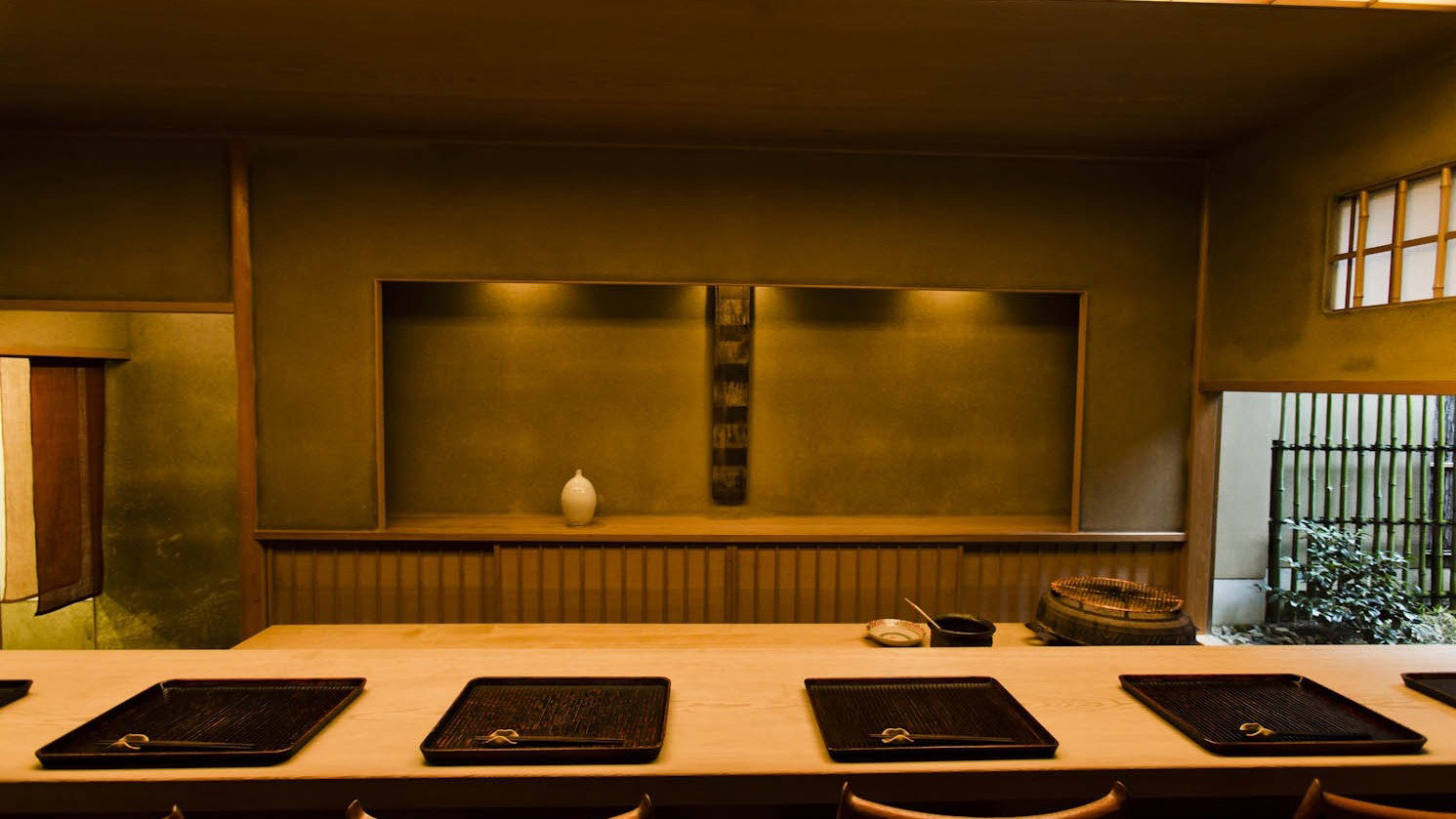
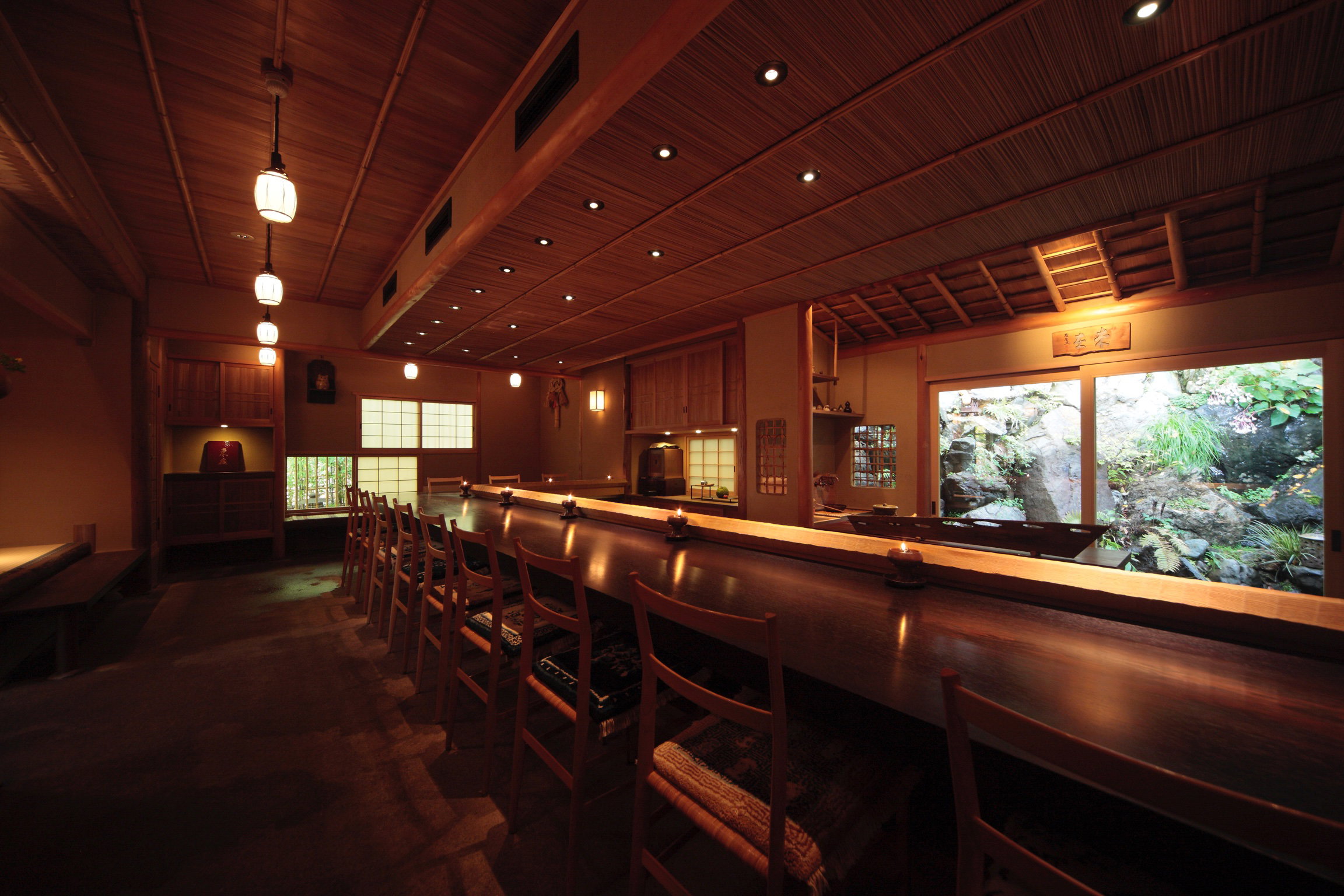
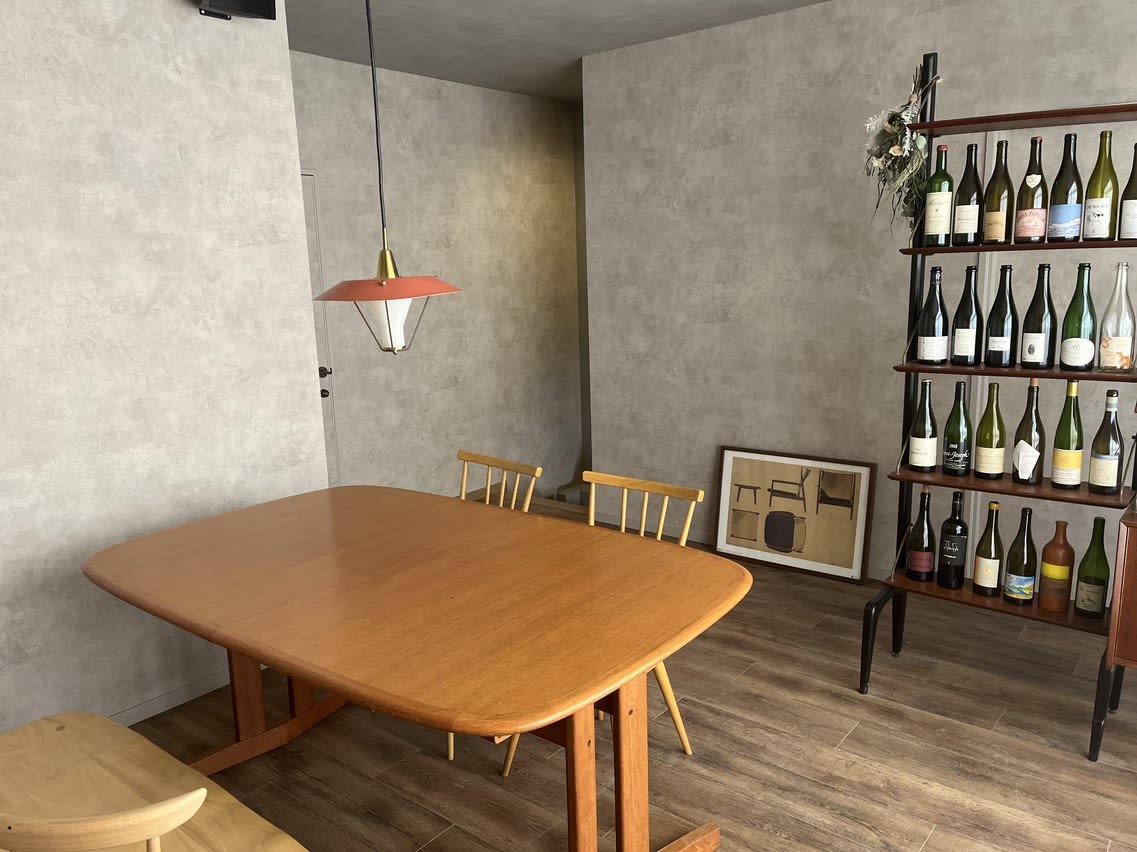
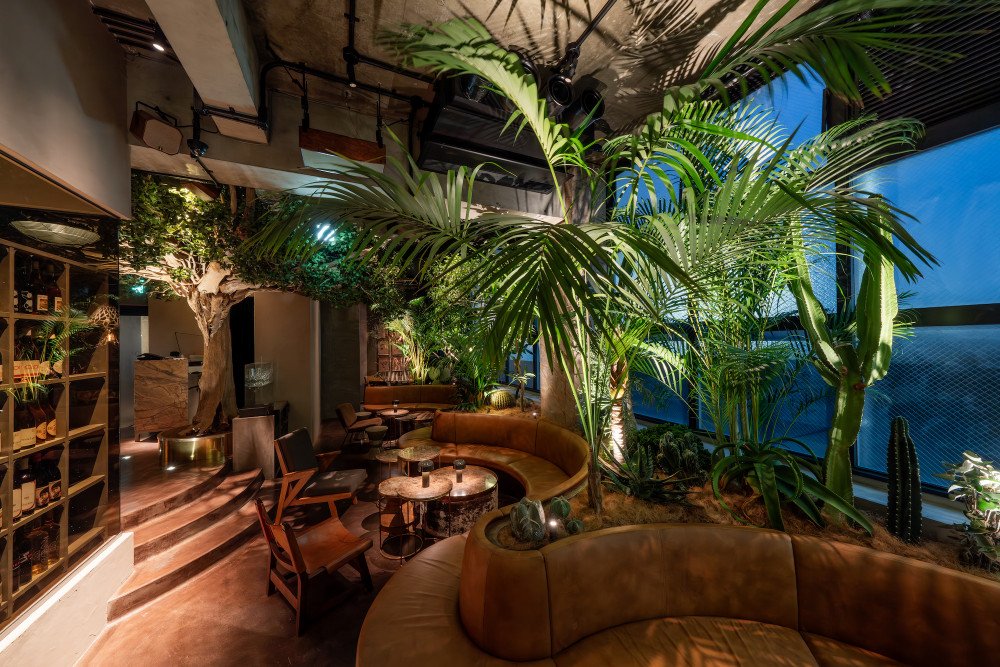
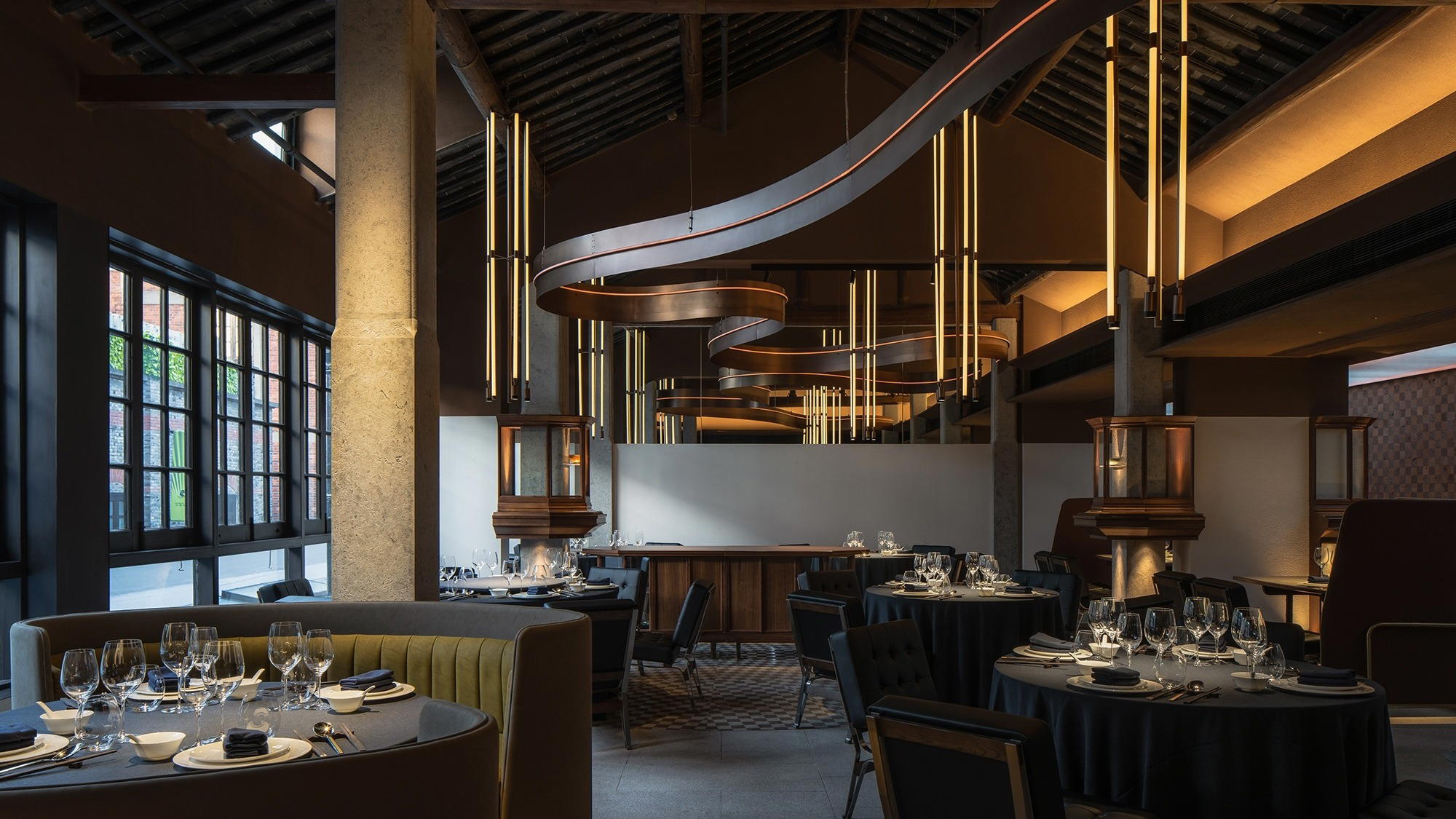
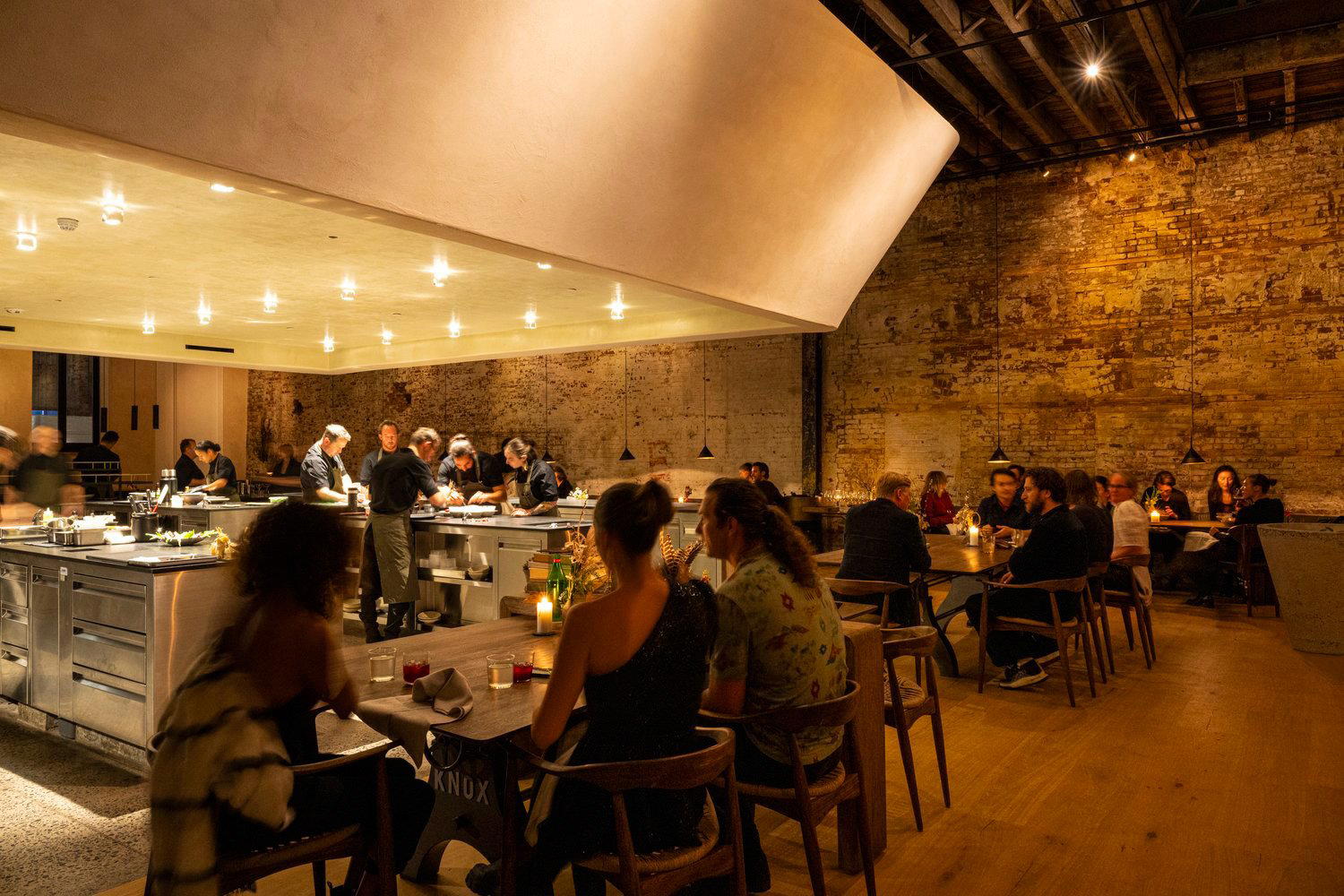
The first thing to correct: Ryoriya Kanemitsu is not a kaiseki restaurant in the formal, multi-course ceremonial sense. The framing here is more personal. The setting is a converted merchant townhouse in Shimogyo, where original wooden beams frame an open atrium and table seating clusters beneath. It reads as warm and structural rather than austere or ceremonial, which changes the register of the meal considerably compared to the tatami-room kaiseki experience at venues like Kikunoi Roan.
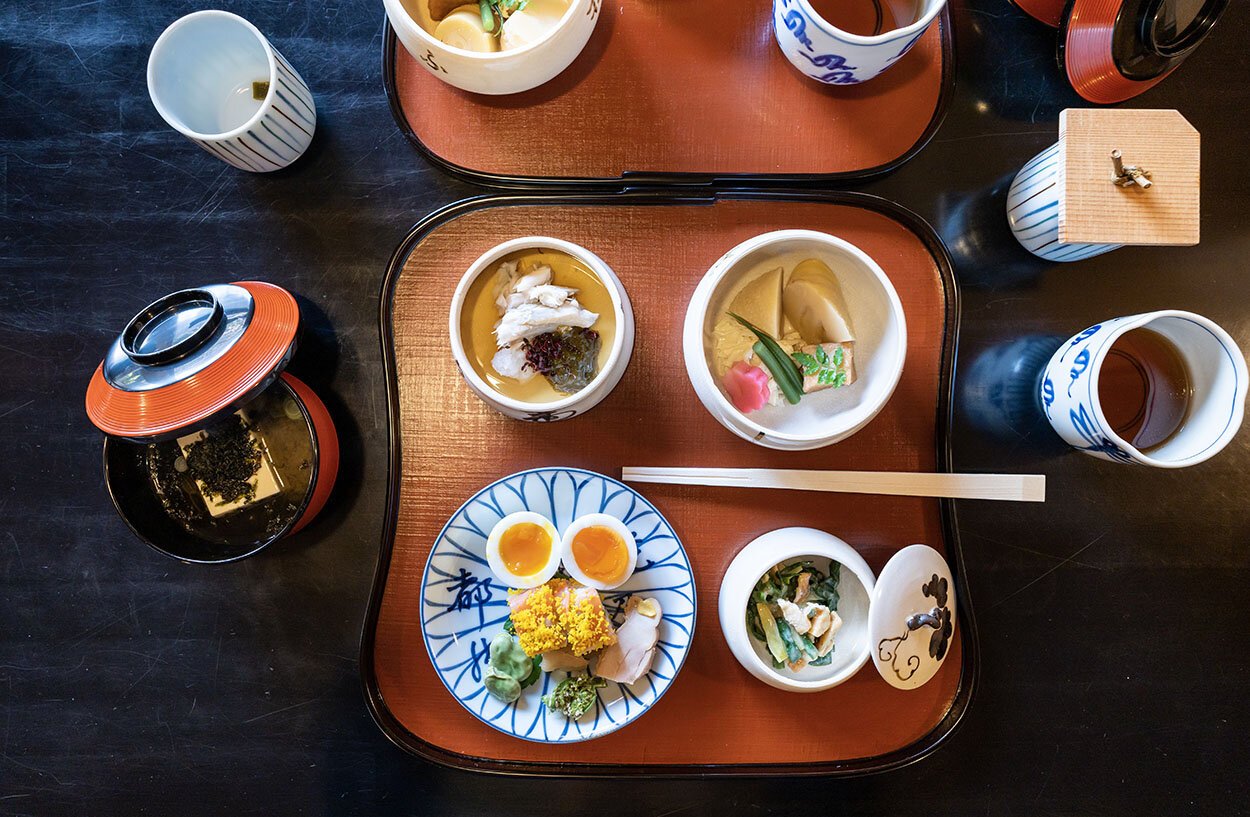
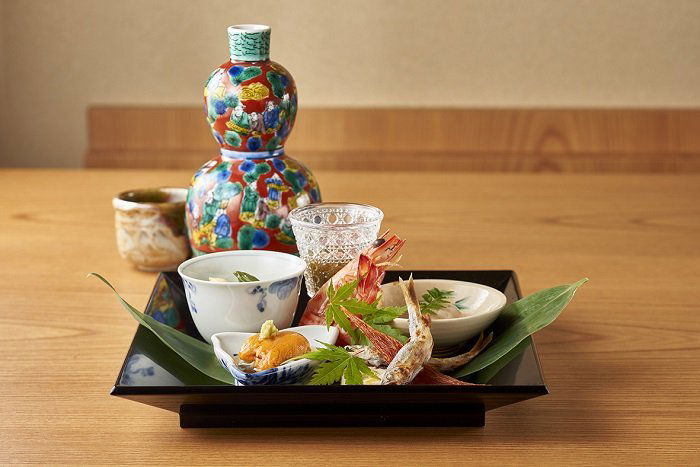
The kitchen's emphasis is on ingredient sourcing. Vegetables come from farming areas in Takagamine and Kamigamo, two districts north of central Kyoto with a long history of supplying the city's finest kitchens. Seafood is char-grilled and served alongside those vegetables, with presentation kept deliberately simple. The cooking philosophy here is about letting sourced ingredients carry the meal rather than layering technique for its own sake. That restraint is either the point or a limitation, depending on what you are looking for.
The signal it gives is consistent: guests who book here tend to leave satisfied. That is worth something at the ¥¥¥ price tier, where the value question is always live. For a comparable experience of ingredient-forward Japanese cooking elsewhere in Japan, Myojaku in Tokyo and Azabu Kadowaki occupy related territory at different price points.
On the question of whether the food travels: Kanemitsu's cooking — char-grilled seafood, simply dressed vegetables, clean preparations — is among the styles that holds least well off-premise. The char, the timing, the warmth of the room are part of the proposition. If you are considering takeout or delivery as an option, the answer here is no. This is a sit-down meal in a specific setting, and the experience does not transfer. Plan to eat in the room.
For regulars returning for a second visit, the direction is to focus on whatever the kitchen is doing with seasonal vegetables. The Takagamine and Kamigamo sourcing means the menu shifts with what farmers are actually harvesting, so the meal you had six months ago will differ from the meal today. Ask about the current vegetable focus when you arrive rather than anchoring on dishes from a previous visit.
Nearby, Kodaiji Jugyuan and Gion Matayoshi offer related Japanese dining in Kyoto at different price tiers. If you are building a multi-day Kyoto itinerary, Isshisoden Nakamura is worth considering for a more formal kaiseki session alongside a meal here. For broader Kyoto planning, see our full Kyoto restaurants guide, our full Kyoto hotels guide, and our full Kyoto bars guide. If you are travelling the wider Kansai region, HAJIME in Osaka and akordu in Nara are worth adding to the itinerary. Further afield, Goh in Fukuoka, 1000 in Yokohama, 6 in Okinawa, and Harutaka in Tokyo represent the range of serious Japanese cooking across the country. See also our full Kyoto wineries guide and our full Kyoto experiences guide.
Practical Details
Address: Shijocho 368, Shimogyo Ward, Kyoto. Cuisine: Japanese. Price: ¥¥¥. Awards: Michelin Plate 2024, Michelin Plate 2025. Reservations: Booking is relatively direct at this tier; no months-long wait expected. Dress: Smart casual is appropriate given the townhouse setting. Group size: Table seating suits pairs and small groups; confirm capacity when booking.
Planning details
- Location
- Japan, 〒600-8441 Kyoto, Shimogyo Ward, Shijocho, 368
- Reservations
- Book on TableCheck
- Website
- ryoriya-kanemitsu-kyoto.foodre.jp
- Phone
- +81 50-5462-8401
The take
The Take
The Vibe
Ryoriya Kanemitsu occupies a Kyoto machiya whose beams and soaring atrium give the dining room an antique, lived-in dignity. The interior ties the meal directly to the city's craft-and-trade history, and the space feels engaged rather than performative. Service and cooking lean into the rhythm of seasonal kaiseki with a restrained, precise approach: the kitchen works quietly and with evident focus while conversation moves across tables. The result is a classic, quietly charming experience that balances tradition with a relaxed modernity—refined without the heavy ceremony of Kyoto's most formal houses.
Best For
This is a restaurant best experienced in the evening as a focused kaiseki meal: the multi-course format and strict seasonal logic are designed for diners who want a considered, sit-down dinner. The restrained, engaged atmosphere suits special occasions and date nights, where the emphasis is on the quality and seasonality of each plate rather than theatrical presentation. It also fits diners seeking an attentive, low-key environment for conversation; the space reads as mid-tier and approachable while remaining clearly rooted in Kyoto's culinary traditions.
Ordering Tips
Lean into the kaiseki discipline: choose the multi-course sequence and expect menus that change with the season. The kitchen sources vegetables directly from Takagamine and Kamigamo, so the Takagamine Vegetable Course highlights locally chosen produce at peak freshness. Also look for the Charcoal-Grilled Seasonal Fish and the Kaiseki-Style Sashimi Selection as expressions of the restaurant’s seasonal priorities. Because the kitchen emphasizes precise, timely preparation, allow the menu’s progression to set the pace of the meal rather than ordering à la carte substitutions.
Venue details
Ambiance
Warm, inviting merchant townhouse with soaring atrium, wooden beams, natural materials, airy room that reduces noise and keeps conversations private.
Tags
Vibe
Best For
Experience
Sourcing
At the Table
- Dress Code
- Smart Casual
- Noise Level
- Quiet
- Service Style
- Formal
- Meal Pacing
- Leisurely
- Capacity
- Small
- Kitchen
- Modern
- Menu Format
- Tasting menu
- Wine Program
- Curated
Signature Dishes
- Charcoal-Grilled Seasonal Fish
- Takagamine Vegetable Course
- Kaiseki-Style Sashimi Selection
Know before you go
Know Before You Go
- Getting there
- Japan, 〒600-8441 Kyoto, Shimogyo Ward, Shijocho, 368
Planning details
Location
Japan, 〒600-8441 Kyoto, Shimogyo Ward, Shijocho, 368 · Directions
Recognition and awards
Also consider
Also Consider
- Gion Sasaki, Kaiseki, Japanese, ¥¥¥¥
- cenci, Italian, ¥¥¥
- Ifuki, Kaiseki, ¥¥¥¥
- Kyokaiseki Kichisen, Japanese, ¥¥¥¥
- SEN, French, Japanese, ¥¥¥¥
Restaurant context
How It Compares
Ryoriya Kanemitsu at ¥¥¥ occupies a different bracket from most of Kyoto's recognised dining options. Gion Sasaki, Ifuki, Kyokaiseki Kichisen, and SEN all sit at ¥¥¥¥, with booking difficulty and formality to match. If your priority is spending less while still eating at a Michelin-recognised address in Kyoto, Kanemitsu is the clearer call. The trade-off is that those ¥¥¥¥ houses offer more elaborate multi-course structures and, in some cases, stronger overall recognition than a Plate designation.
For value, Kanemitsu and cenci are the two ¥¥¥ options in this peer group. Cenci takes an Italian approach, which makes it a different kind of decision entirely. If you want Japanese cuisine specifically, Kanemitsu has no direct competitor at this price in the comparison set. That makes it the default recommendation for anyone wanting a credentialled Japanese meal without moving to the ¥¥¥¥ tier.
For booking ease, Kanemitsu is the most accessible option in this group. The ¥¥¥¥ houses, particularly Gion Sasaki and Kyokaiseki Kichisen, carry harder reservation windows and more formal expectations. If you are planning a Kyoto trip on a compressed timeline, start with Kanemitsu and layer in a ¥¥¥¥ booking only if you have the lead time. For the deepest traditional kaiseki experience with full ceremony, Kyokaiseki Kichisen is the Kyoto benchmark, but Kanemitsu is the more practical entry point for most travellers.
Explore Kyoto
Around this place
Discover more on Pearl
Unlock the full Ryoriya Kanemitsu guide in Pearl, including awards, comparisons, FAQs, planning details, and nearby places.
Compare Ryoriya Kanemitsu
| Venue | Price | Awards |
|---|---|---|
| Ryoriya Kanemitsu | ¥¥¥ | 2026 Michelin Plate2025 Michelin Plate2024 Michelin Plate |
| Gion Sasaki | ¥¥¥¥ | 2026 Tabelog Bronze · #3862026 OAD Top Restaurants in Japan RecommendedMichelin Guide Kyoto Osaka 20262026 La Liste Top RestaurantsTabelog 100 - Japanese cuisine - WEST - 2025 · #132025 OAD Top Restaurants in Japan Ranked · #2462025 Tabelog Silver2025 Michelin 3 Stars2025 La Liste Top Restaurants |
| cenci | ¥¥¥ | 2026 Tabelog Bronze · #442026 Asia's 50 Best Restaurants · #762026 OAD Top Restaurants in Japan Highly RecommendedMichelin Guide Kyoto Osaka 2026Tabelog 100 - Italian - WEST - 2025 · #632025 Asia's 50 Best Restaurants · #632025 OAD Top Restaurants in Japan Ranked · #1682025 Tabelog Bronze2024 OAD Top Restaurants in Japan Ranked · #135 |
| Ifuki | ¥¥¥¥ | 2026 OAD Top Restaurants in Japan Ranked · #1222026 Tabelog Bronze · #128Michelin Guide Kyoto Osaka 20262026 La Liste Top RestaurantsTabelog 100 - Japanese cuisine - WEST - 2025 · #622025 OAD Top Restaurants in Japan Ranked · #1002025 La Liste Top Restaurants2025 Tabelog Bronze2025 Michelin 2 Stars |
| Kyokaiseki Kichisen | ¥¥¥¥ | 2026 Tabelog Bronze · #1752026 OAD Top Restaurants in Japan Highly RecommendedMichelin Guide Kyoto Osaka 20262025 OAD Top Restaurants in Japan Ranked · #1862025 Michelin 2 Stars2025 La Liste Top Restaurants2024 OAD Top Restaurants in Japan Ranked · #1422024 Michelin 2 Stars2023 OAD Top Restaurants in Japan Ranked · #136 |
| SEN | ¥¥¥¥ | 2026 Tabelog Bronze · #3952026 OAD Top Restaurants in Japan RecommendedMichelin Guide Kyoto Osaka 20262026 Michelin PlateTabelog 100 - Japanese cuisine - WEST - 2025 · #652025 Michelin Plate2025 Tabelog Bronze2024 OAD Top Restaurants in Japan Ranked · #3622024 Michelin Plate |







A quick look at how Ryoriya Kanemitsu measures up.
FAQ
Frequently Asked Questions
What should a first-timer know about Ryoriya Kanemitsu?
This is not formal kaiseki. The chef runs a personal, ingredient-led operation — sourcing vegetables directly from farmers in Takagamine and Kamigamo — served in a converted merchant townhouse with atrium seating. At ¥¥¥, expect a considered meal rather than a ceremony. Michelin Plate recognition in both 2024 and 2025 confirms consistent quality, but the format is relaxed and the chef's personality comes through clearly in the food.
What are alternatives to Ryoriya Kanemitsu in Kyoto?
For a step up in formality and price, Kyokaiseki Kichisen is Kyoto's benchmark kaiseki experience. Gion Sasaki and Ifuki both offer serious chef-driven Japanese cooking in the mid-to-upper price range. cenci takes a more European-influenced approach to seasonal ingredients. SEN is worth considering for a less ceremonial, accessible format. Kanemitsu sits between the casual and the formal ends of that spectrum — personal, farm-sourced, and Michelin-recognised without the full kaiseki ritual.
Is Ryoriya Kanemitsu worth the price?
At ¥¥¥, Ryoriya Kanemitsu sits in the middle tier of Kyoto's dining range. Two consecutive Michelin Plate awards (2024, 2025) signal consistent cooking, and the chef's direct relationships with farmers in Takagamine and Kamigamo suggest ingredient quality above what the price point might imply. If you want personal, produce-led Japanese cooking without paying kaiseki prices, it represents solid value.
Is Ryoriya Kanemitsu good for a special occasion?
The setting — a merchant townhouse with a soaring atrium — gives it more atmosphere than a standard neighbourhood restaurant. The cooking is chef-driven and deliberate, which suits a celebratory dinner better than a casual meal. That said, this is not the white-glove kaiseki experience of somewhere like Kichisen. It works well for occasions where you want a meaningful, personal meal rather than formal ceremony.