

Reine des prés
French · Kamigyō, Kyoto
Restaurant in Kyoto, Japan
 Book with Pearl
The Read
Three-Ingredient French Minimalism
Price
¥¥¥
Dress
Smart Casual
Why go
Reine des prés holds a 2024 Michelin star for its French tasting menus built on a strict three-ingredient rule, plated on Kiyomizu-ware ceramics in Kyoto's Kamigyo Ward. At ¥¥¥, it sits below the price of most local kaiseki and delivers a focused, atmosphere-led special-occasion dinner. Booking is hard — plan four to six weeks ahead and go through a hotel concierge.
About Reine des prés
Verdict
Reine des prés is not a French restaurant in Kyoto trying to compete with kaiseki. It is doing something more deliberate: applying a strict three-ingredient discipline to classical French technique, plated on Kiyomizu-ware ceramics, in a city where restraint is understood as sophistication. If you are looking for a special-occasion dinner in Kyoto that is neither kaiseki nor standard French bistro, this is one of the most considered options in the city at the ¥¥¥ price tier.
The Experience
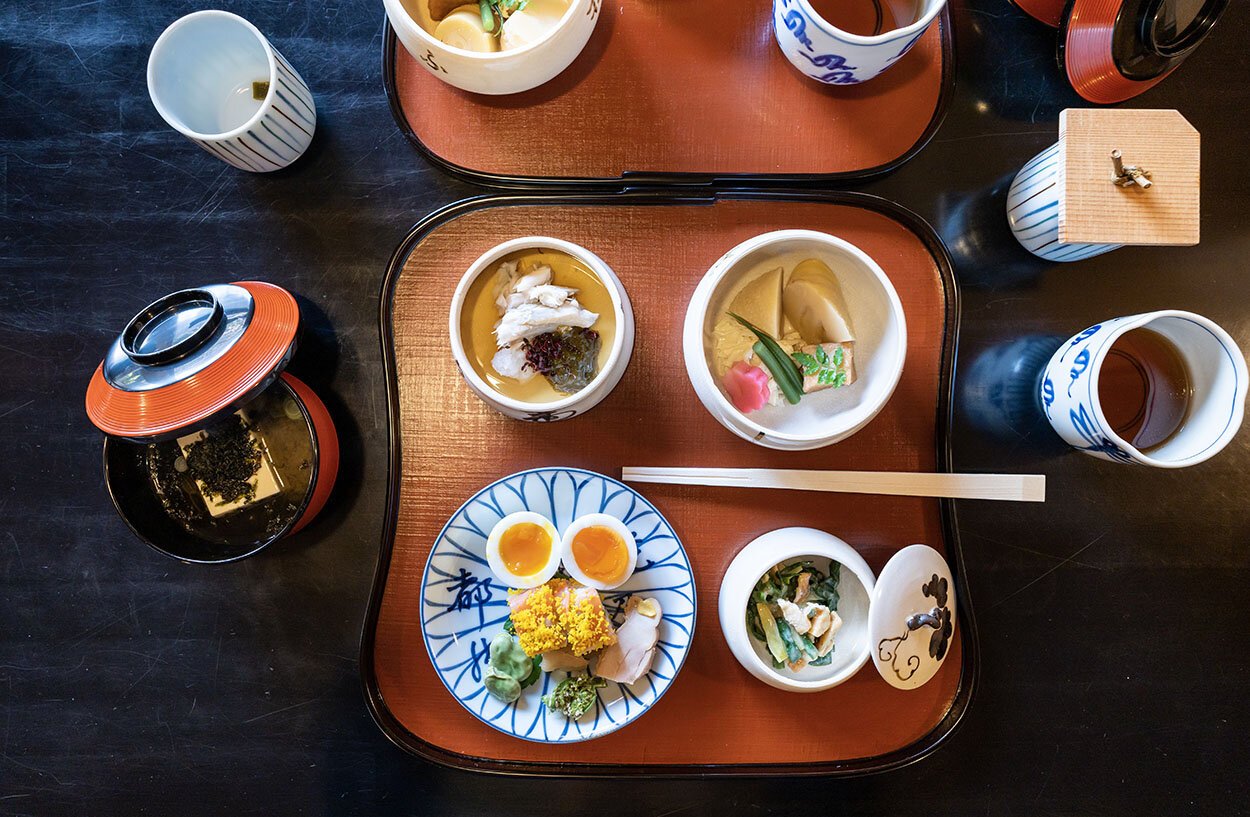
The most common misconception about Reine des prés is that three-ingredient dishes means simple food. It does not. It means the chef has removed every hiding place. Each plate carries exactly three components, no more, and the discipline is structural rather than decorative. There is nowhere to conceal a poorly sourced ingredient or an imprecise application of heat. The chef's stated motto, 'Ingredients, flame, simplicity,' is not a marketing phrase — it describes the actual architecture of the tasting menu, where the progression is built on what is taken away rather than what is added.
That philosophy shapes the entire arc of the meal. Where many tasting menus in Kyoto build toward a climax of richness or technical complexity, Reine des prés moves in a different direction: toward clarity. Each course strips back rather than layers up, so by the final plates the diner is experiencing individual ingredients at their most honest. For a special-occasion dinner, this creates a memorable rhythm. You are not overwhelmed; you are focused. That is an unusual quality in a Michelin-starred format and worth factoring into your decision.
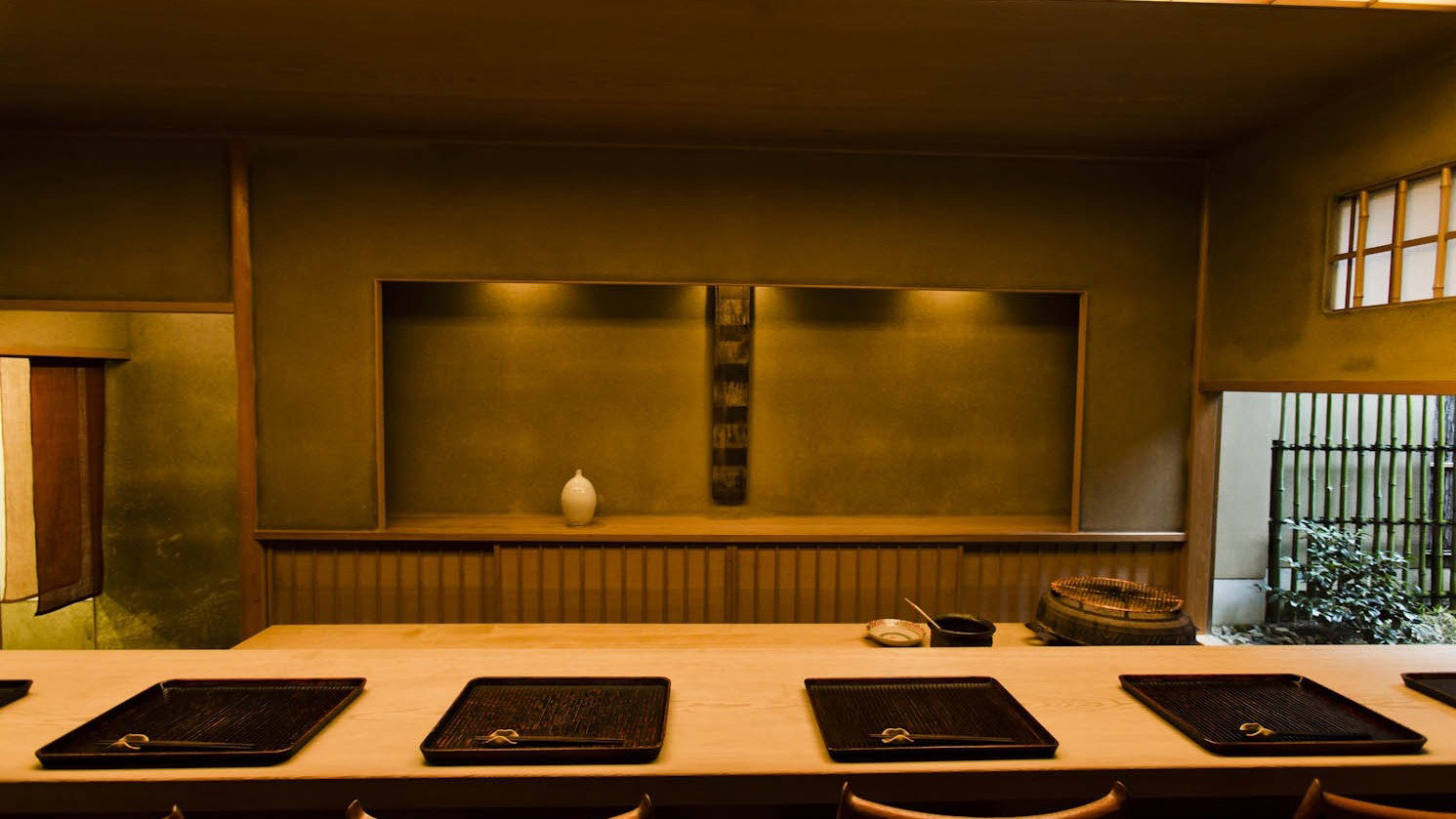
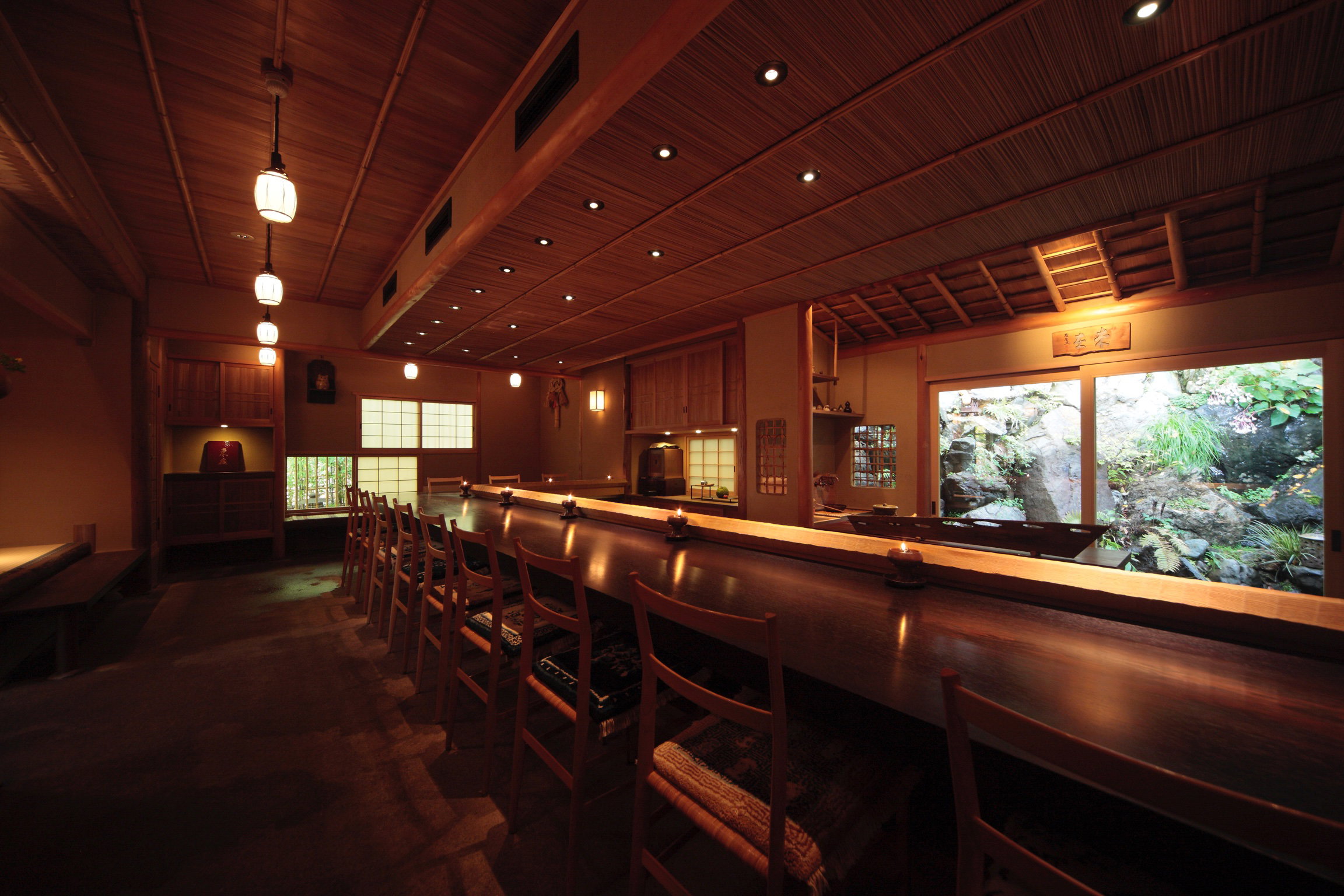
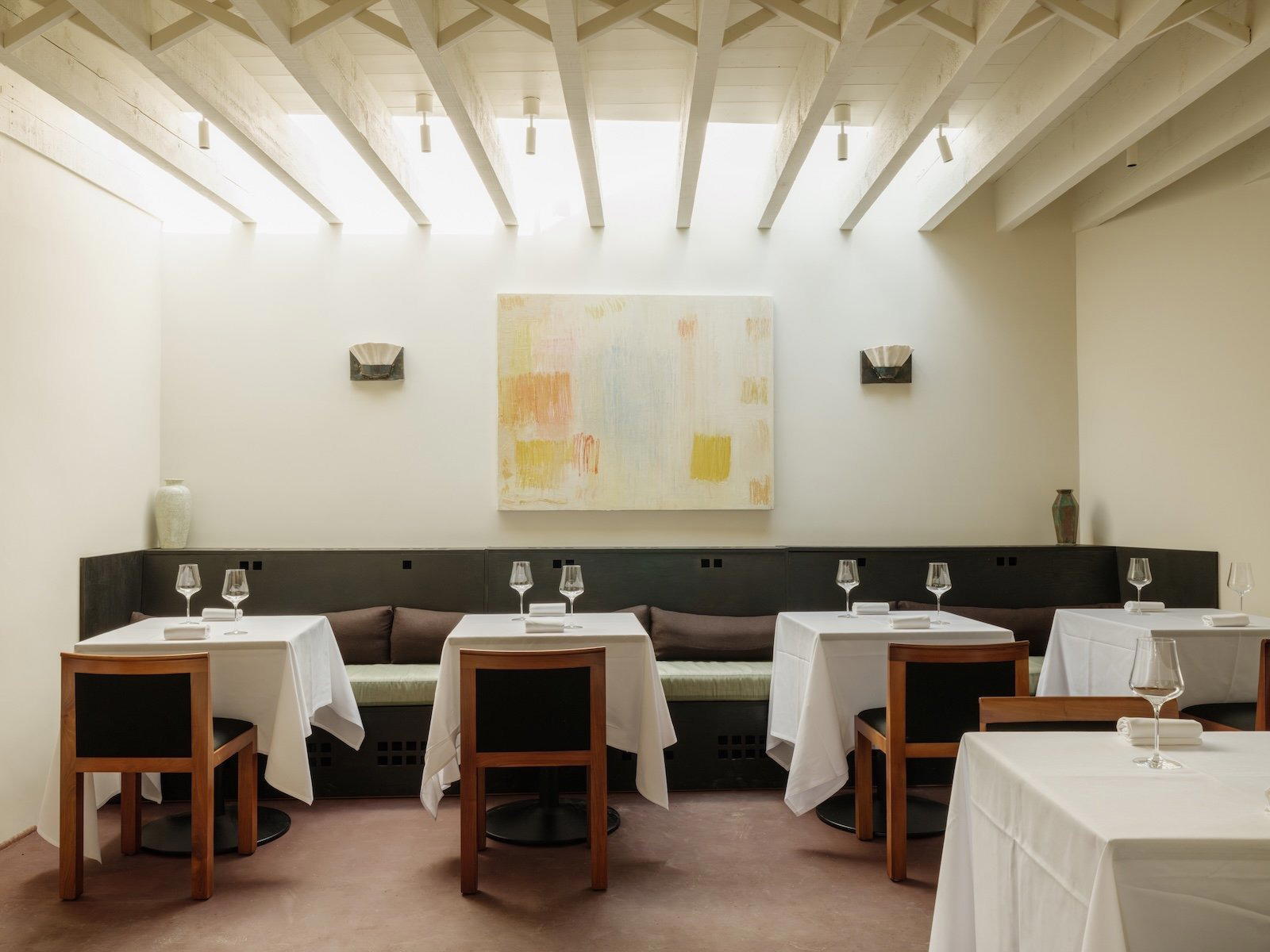
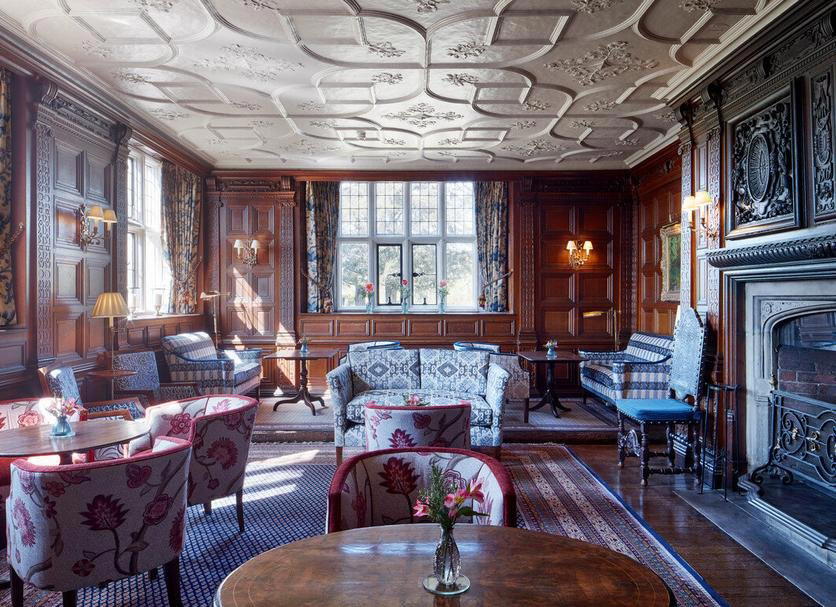
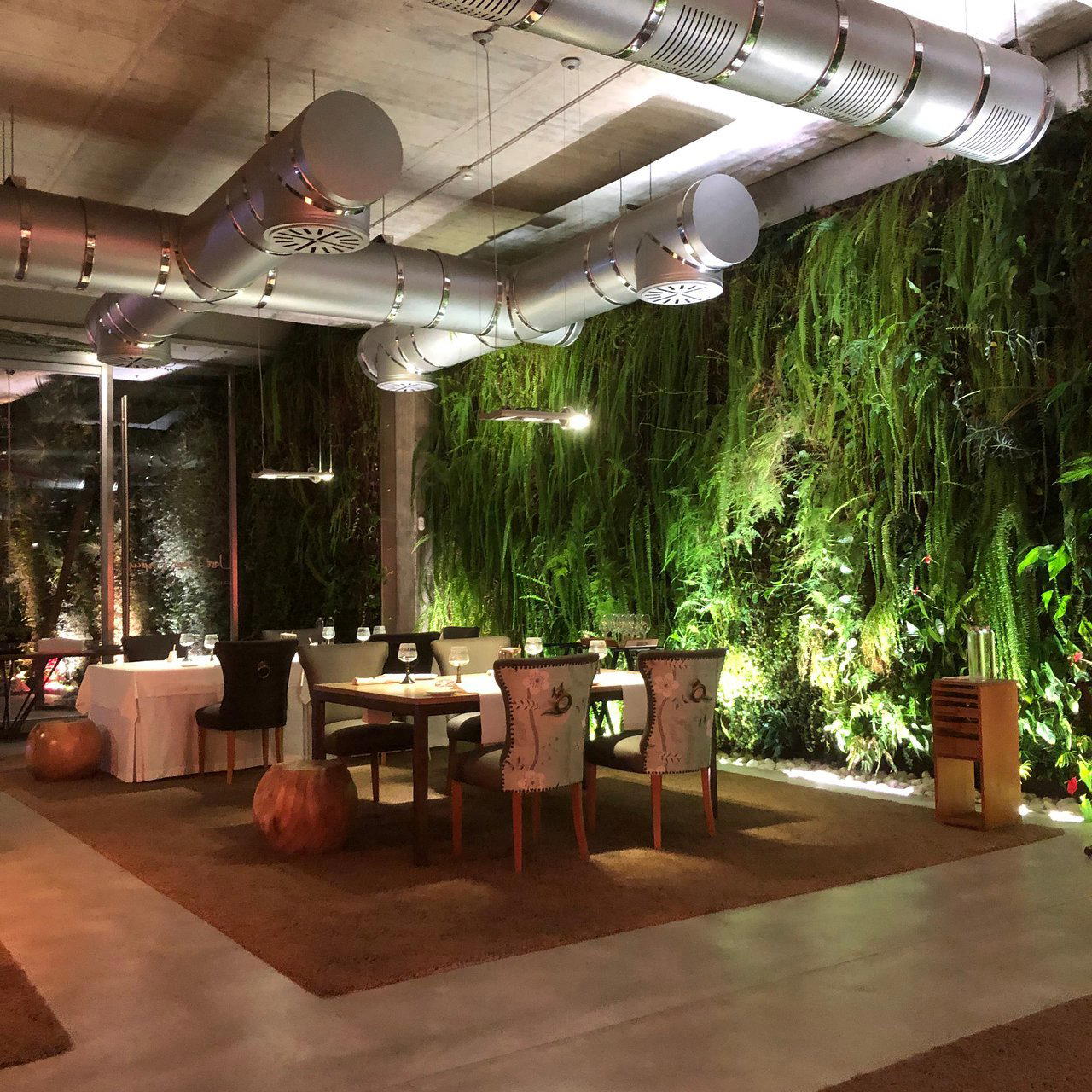
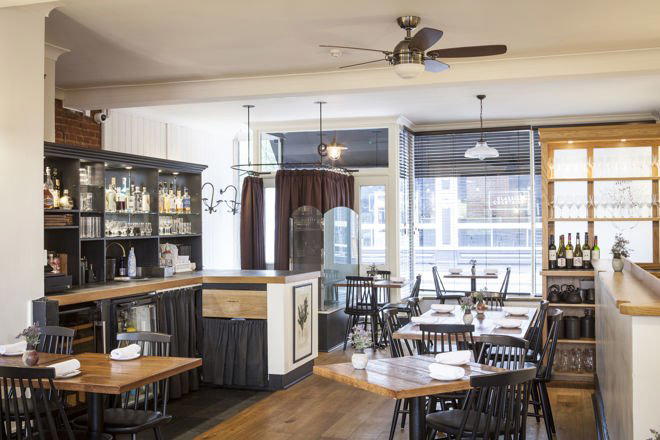
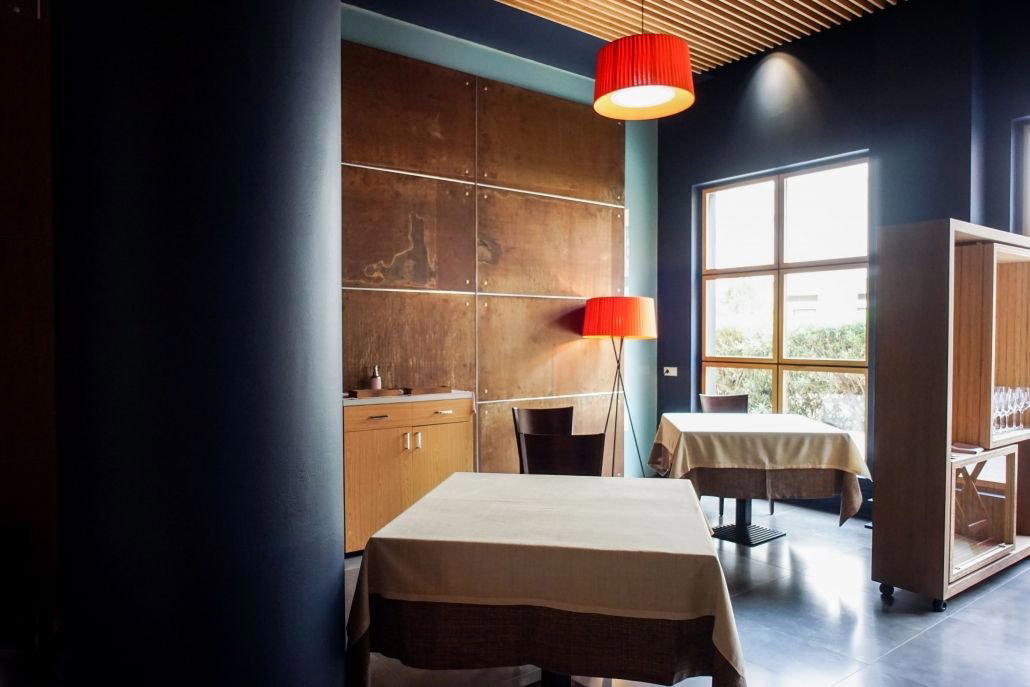
The atmosphere at Reine des prés is quiet and considered. The energy in the room reads as concentrated rather than celebratory — conversations stay low, service is attentive without being performative. This is not the venue for a loud group dinner or a setting where energy carries the evening. The mood is set by the food and by the physical space, which uses Kiyomizu-ware ceramics to frame each course. Kiyomizu-ware, the traditional Kyoto pottery style, is designed to emphasise blank space as an aesthetic value, the empty area of a plate is as intentional as what sits on it. For a date or a milestone dinner where the conversation and the food share equal weight, the atmosphere here supports both without competing with either.
The Michelin recognition arrived in 2024, which means the restaurant is still in its early public profile as a starred venue. Demand has increased since the listing, and booking is now hard. Reservations should be treated as a logistical priority, not an afterthought. There is no phone number or website listed in public directories, which means your leading route to a table is through a concierge at a Kyoto hotel, a booking service, or a dedicated restaurant reservation platform. Do not arrive expecting a walk-in option for a venue at this level. Plan at minimum four to six weeks ahead, and further out for weekend or holiday dates.
At the ¥¥¥ price tier, Reine des prés sits below the ¥¥¥¥ ceiling of most Kyoto kaiseki, which makes it a compelling value argument if the French format suits your occasion. The constraint-based menu means you are paying for precision and sourcing rather than volume or spectacle. For context on what French technique in Japan can achieve at a higher investment, HAJIME in Osaka operates at a different scale entirely. Within Kyoto's French category, Droit, anpeiji, la bûche, La Biographie···, and Hiramatsu Kodaiji each offer a different take on French dining in the city, and are worth comparing based on occasion and format preference.
For those planning a broader trip across Japan, comparable French precision in other cities includes akordu in Nara and 1000 in Yokohama. For the international benchmark on French tasting menus where every course answers to the same minimalist constraint logic, Hotel de Ville Crissier in Crissier and Les Amis in Singapore represent different reference points worth knowing. Closer to Kyoto's own register of refined dining, Goh in Fukuoka and Harutaka in Tokyo offer strong comparisons if your itinerary allows.
For everything else Kyoto has to offer while you are planning around this dinner, see our full Kyoto restaurants guide, our full Kyoto hotels guide, our full Kyoto bars guide, our full Kyoto wineries guide, and our full Kyoto experiences guide. For the Okinawa angle on Japanese dining at its most distinct, 6 in Okinawa is worth adding to the list.
Know Before You Go
- Cuisine: French, tasting menu format
- Price tier: ¥¥¥
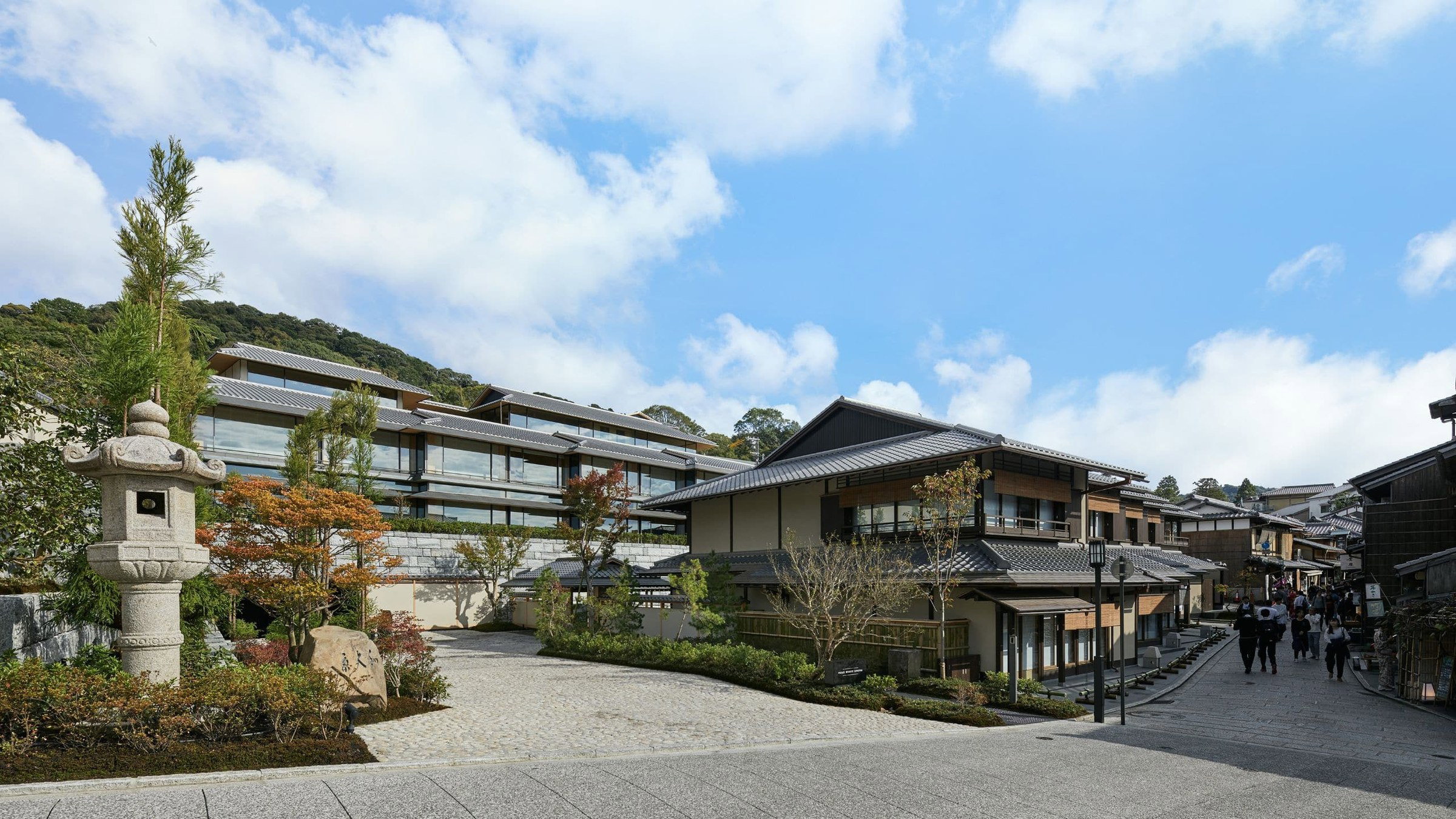
- Location: Kamigyo Ward, Kyoto (Komanocho)
- Awards: Michelin Plate (2026); Michelin 1 Star (2024, historical)
- Booking difficulty: Hard, concierge or specialist reservation service recommended
- Lead time: Allow 4–6 weeks minimum; more for weekends and holidays
- Phone / website: Not publicly listed, book through your hotel concierge or a third-party reservation platform
- Leading for: Date nights, milestone dinners, solo diners focused on the menu
- Not suited for: Large celebratory groups, walk-in dining, high-energy occasions
Planning details
- Location
- Japan, 〒602-0872 Kyoto, Kamigyo Ward, Komanocho, 537-1
- Website
- reine-des-pres.com
- Phone
- +81 75-223-2337
The take
The Take
The Vibe
Reine des prés presents a studied minimalism that mirrors Kyoto’s quieter residential wards. The restaurant foregrounds single, well-sourced ingredients and limits every plate to no more than three components, so service feels precise and intentional. Situated in Komanocho, the approach to food is calibrated to the measured pace of its surroundings: low-rise machiya, temple rooflines and tucked-away streets frame a calm dining experience. With a current MICHELIN Guide selected listing, the room emphasizes concentration over flourish, inviting diners to focus on texture, seasoning and the singular interplay between two or three elements on each plate.
Best For
This is a place for diners who want a disciplined, ingredient-led meal — particularly suited to thoughtful evening dining and occasions that reward attention. The quiet Kamigyo setting and restrained, course-by-course structure make it a natural choice for date nights or special celebrations where conversation and close tasting matter. With its Michelin recognition and pared-back culinary logic, the restaurant attracts people who prefer refinement through reduction: expect a paced, contemplative experience rather than a high-volume, social scene.
Ordering Tips
The kitchen’s self-imposed rule — no more than three ingredients per plate — shapes how you should approach the meal. Rather than asking for variations or additions, lean into the simplicity: taste slowly, evaluate each element on its own merit, and let the restraint reveal provenance and technique. Menu descriptions will be spare, so ask staff about ingredient sourcing or the role of each component if you want context. This is a venue that rewards curiosity and focused tasting more than menu-juggling or sharing large, composed plates.
Venue details
Ambiance
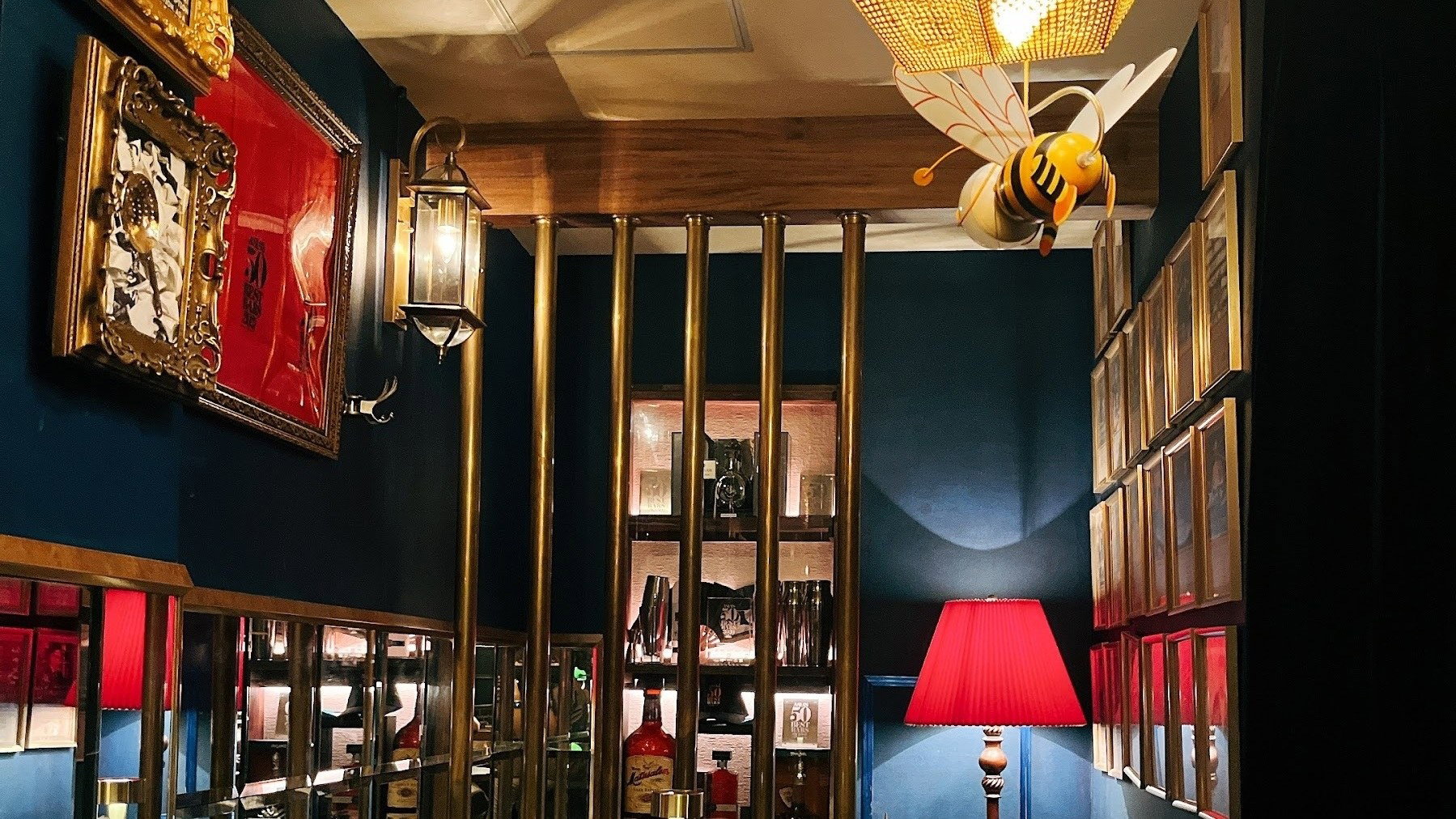
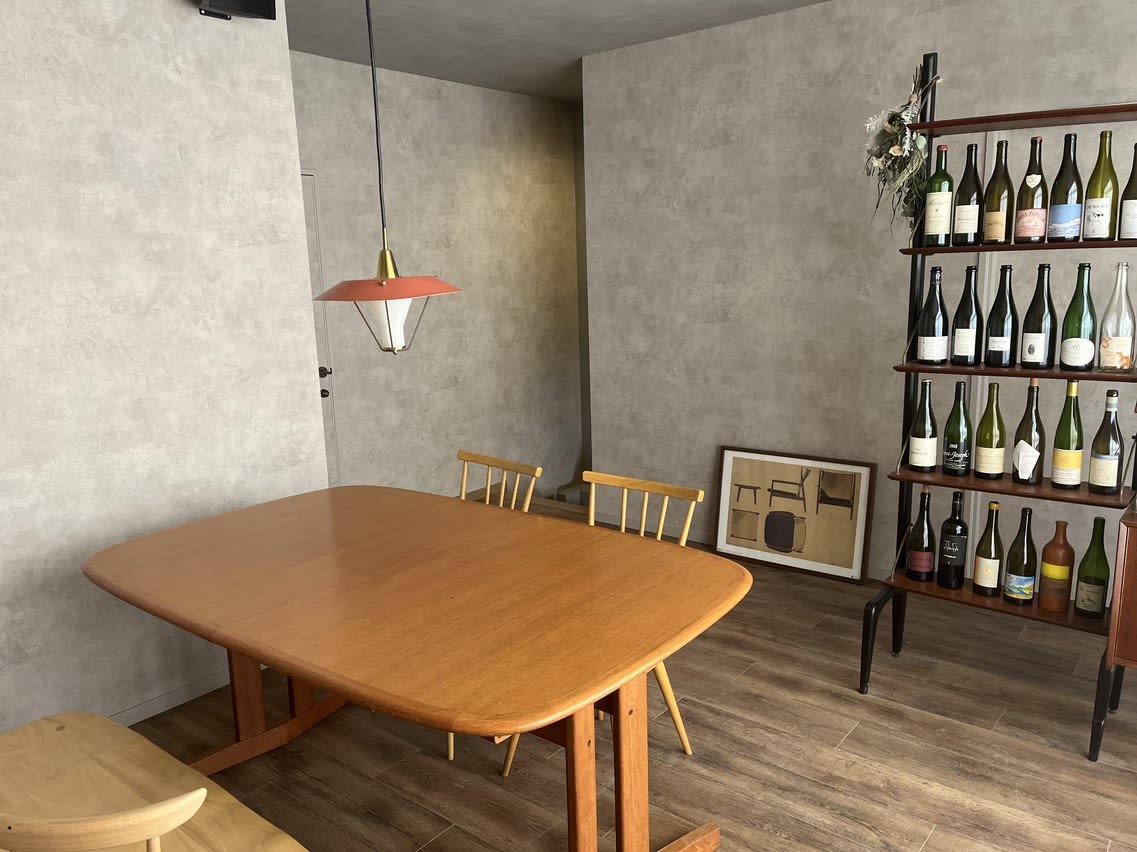
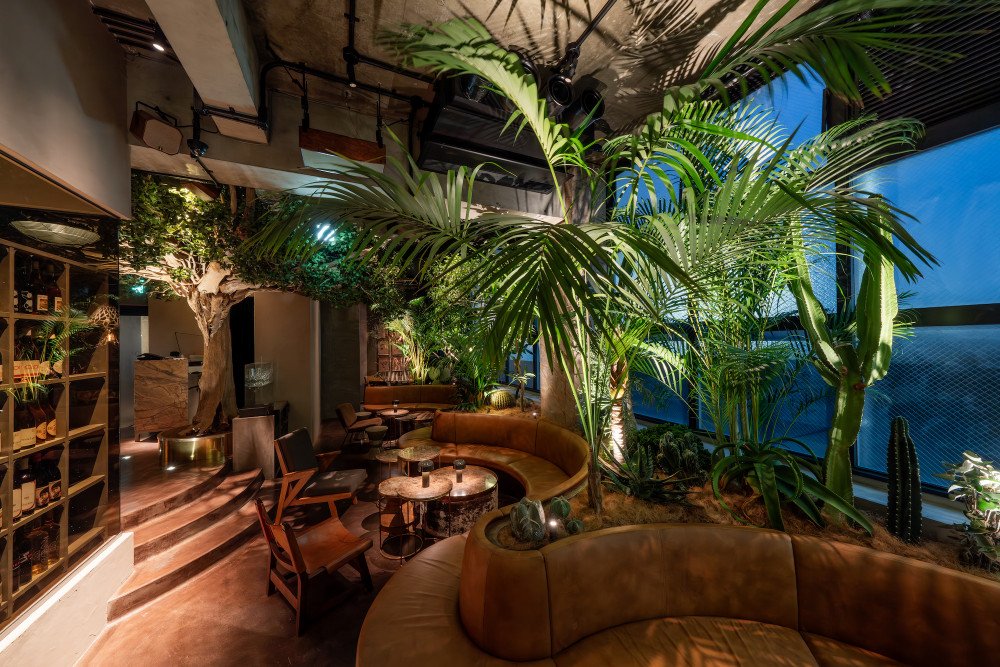
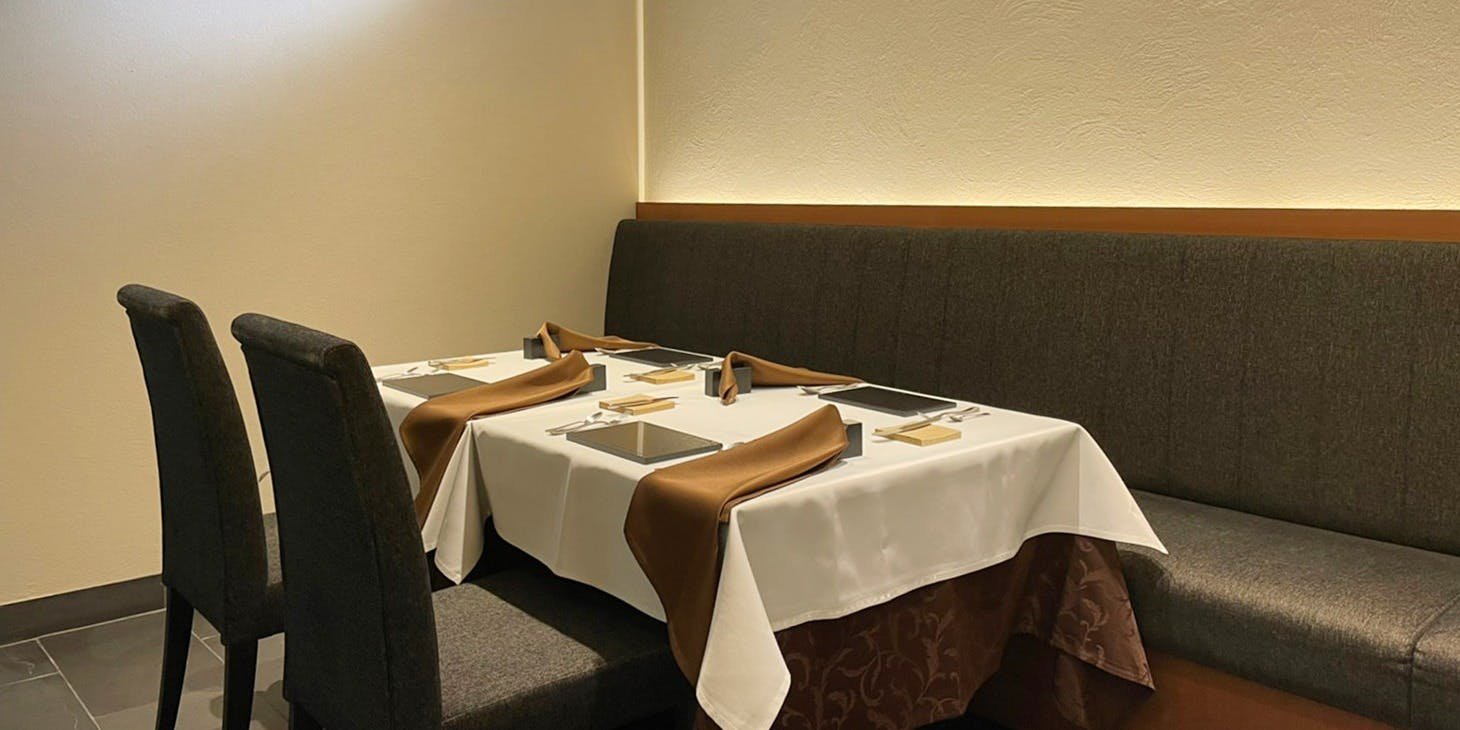
Intimate, softly lit room with refined, minimalist decor and attentively paced, personal service.
Tags
Vibe
Best For
Experience
Sourcing
At the Table
- Dress Code
- Smart Casual
- Noise Level
- Quiet
- Service Style
- Formal
- Meal Pacing
- Leisurely
- Capacity
- Intimate
Signature Dishes
- Pumpkin and Uni
- Spanish Mackerel with Seasonal Vegetables
- Wagyu Beef
Know before you go
Know Before You Go
- Getting there
- Japan, 〒602-0872 Kyoto, Kamigyo Ward, Komanocho, 537-1
Planning details
Location
Japan, 〒602-0872 Kyoto, Kamigyo Ward, Komanocho, 537-1 · Directions
Recognition and awards
Also consider
Also Consider
- Gion Sasaki, Kaiseki, Japanese, ¥¥¥¥
- cenci, Italian, ¥¥¥
- Ifuki, Kaiseki, ¥¥¥¥
- Kyokaiseki Kichisen, Japanese, ¥¥¥¥
- SEN, French, Japanese, ¥¥¥¥
Restaurant context
At ¥¥¥, Reine des prés is the only Michelin-starred French tasting menu in Kyoto operating below the ¥¥¥¥ ceiling that most of its peers occupy. If your occasion calls for something other than kaiseki and you want credentialled cooking without the top-tier spend, this is the clearest choice in the city. cenci matches the price tier with Italian-influenced cooking and is the better pick for diners who want a less structured, more flexible evening.
For kaiseki at its most formal, Kyokaiseki Kichisen and Ifuki are the Kyoto benchmark at ¥¥¥¥, considerably more expensive, considerably harder to book, and delivering a traditional Japanese progression that has no overlap with what Reine des prés is doing. If that cultural specificity matters to your occasion, go kaiseki. If French technique applied to local ingredients is the brief, Reine des prés beats both on price and accessibility. Gion Sasaki at ¥¥¥¥ offers a kaiseki format with a well-documented reputation; the comparison with Reine des prés is a format decision as much as a quality one.
SEN at ¥¥¥¥ is the closest stylistic neighbour, French technique in a Kyoto context, but at a higher price point and with a French-Japanese fusion identity rather than Reine des prés's strict minimalist French approach. For diners choosing between the two, SEN makes sense if you want the cross-cultural dialogue on the plate; Reine des prés makes sense if you want French discipline applied with monastic focus. Both are hard to book.
Explore Kyoto
Around this place
Discover more on Pearl
Unlock the full Reine des prés guide in Pearl, including awards, comparisons, FAQs, planning details, and nearby places.
Compare Reine des prés
| Venue | Price | Booking Difficulty | Awards |
|---|---|---|---|
| Reine des prés | ¥¥¥ | Hard | Michelin Guide Kyoto Osaka 20262026 Michelin 1 StarTabelog 100 - French - WEST - 2025 · #702024 Michelin 1 Star |
| Gion Sasaki | ¥¥¥¥ | Unknown | 2026 Tabelog Bronze · #3862026 OAD Top Restaurants in Japan RecommendedMichelin Guide Kyoto Osaka 20262026 La Liste Top RestaurantsTabelog 100 - Japanese cuisine - WEST - 2025 · #132025 OAD Top Restaurants in Japan Ranked · #2462025 Tabelog Silver2025 Michelin 3 Stars2025 La Liste Top Restaurants |
| cenci | ¥¥¥ | Unknown | 2026 Tabelog Bronze · #442026 Asia's 50 Best Restaurants · #762026 OAD Top Restaurants in Japan Highly RecommendedMichelin Guide Kyoto Osaka 2026Tabelog 100 - Italian - WEST - 2025 · #632025 Asia's 50 Best Restaurants · #632025 OAD Top Restaurants in Japan Ranked · #1682025 Tabelog Bronze2024 OAD Top Restaurants in Japan Ranked · #135 |
| Ifuki | ¥¥¥¥ | Unknown | 2026 OAD Top Restaurants in Japan Ranked · #1222026 Tabelog Bronze · #128Michelin Guide Kyoto Osaka 20262026 La Liste Top RestaurantsTabelog 100 - Japanese cuisine - WEST - 2025 · #622025 OAD Top Restaurants in Japan Ranked · #1002025 La Liste Top Restaurants2025 Tabelog Bronze2025 Michelin 2 Stars |
| Kyokaiseki Kichisen | ¥¥¥¥ | Unknown | 2026 Tabelog Bronze · #1752026 OAD Top Restaurants in Japan Highly RecommendedMichelin Guide Kyoto Osaka 20262025 OAD Top Restaurants in Japan Ranked · #1862025 Michelin 2 Stars2025 La Liste Top Restaurants2024 OAD Top Restaurants in Japan Ranked · #1422024 Michelin 2 Stars2023 OAD Top Restaurants in Japan Ranked · #136 |
| SEN | ¥¥¥¥ | Unknown | 2026 Tabelog Bronze · #3952026 OAD Top Restaurants in Japan RecommendedMichelin Guide Kyoto Osaka 20262026 Michelin PlateTabelog 100 - Japanese cuisine - WEST - 2025 · #652025 Michelin Plate2025 Tabelog Bronze2024 OAD Top Restaurants in Japan Ranked · #3622024 Michelin Plate |






.png?width=1200&quality=80)
How Reine des prés stacks up against the competition.
FAQ
Frequently Asked Questions
Is Reine des prés good for solo dining?
Yes — the three-ingredient, precision-focused format at Reine des prés suits solo diners well. The cooking is contemplative by design, and the Michelin Plate (2026); Michelin 1 Star (2024, historical) recognition suggests a counter or intimate room setup where solo attention to each dish makes sense. If solo kaiseki is your benchmark, this French alternative in Kamigyo Ward gives you a comparable meditative experience at ¥¥¥ pricing.
Is Reine des prés worth the price?
At ¥¥¥, Reine des prés is not cheap, but the Michelin Plate (2026); Michelin 1 Star (2024, historical) and a clearly defined three-ingredient philosophy give you something measurable for the spend. You are paying for restraint executed with precision, not volume or spectacle. If you want elaborate multi-component French cooking, this is the wrong room — but if you value the discipline of reduction over abundance, the price holds up.
Is the tasting menu worth it at Reine des prés?
Given that the entire concept is built around a strict three-ingredient rule and the careful selection of producers, the tasting menu format is the only way to experience what Reine des prés is actually doing — individual dishes ordered separately would miss the cumulative logic. The Michelin Plate (2026); Michelin 1 Star (2024, historical) validates the execution. At ¥¥¥, it sits in the same tier as Kyoto's mid-to-upper fine dining options, and the French angle makes it a distinct alternative to kaiseki-format meals.