
Pontocho Masuda
Obanzai · Nakagyō, Kyoto
Restaurant in Kyoto, Japan
 Book with Pearl
The Read
Showa-Era Obanzai
Price
$50–100per person
Dress
Smart Casual
Why go
Pontocho Masuda is a family-run obanzai restaurant in Kyoto's Pontocho alley, earning Michelin Plate recognition in both 2024 and 2025 at the ¥¥ price tier. Father and son cook ryotei-trained Japanese home cooking with seasonal produce and preserved ingredients. For considered, low-ceremony Kyoto dining at accessible prices, it is among the clearest value decisions on the alley.
About Pontocho Masuda
Verdict: A ¥¥ Kyoto obanzai dinner that punches well above its price point
At the ¥¥ price tier, Pontocho Masuda is one of the most direct value decisions you can make in Kyoto's restaurant scene. You are getting two generations of family cooking in a setting that channels the quieter, slower Pontocho of the Showa era — not the tourist-facing strip it has largely become. Michelin awarded it a Plate in both 2024 and 2025, which is the guide's signal that food quality is worth your attention even without a star. If obanzai home-style cooking is on your itinerary, this is the address to book.
Portrait: What Pontocho Masuda actually is
Obanzai is the everyday cooking of Kyoto households: small side dishes simmered simply, nothing showy, nothing that asks you to perform appreciation. Pontocho Masuda applies that format with ryotei-level technique, which is the distinguishing move here. Ryotei refers to the formal, high-craft tradition of Japanese restaurant cooking, and the father-son kitchen at Masuda brings that discipline to dishes that are rooted in frugality and repetition rather than theatre.
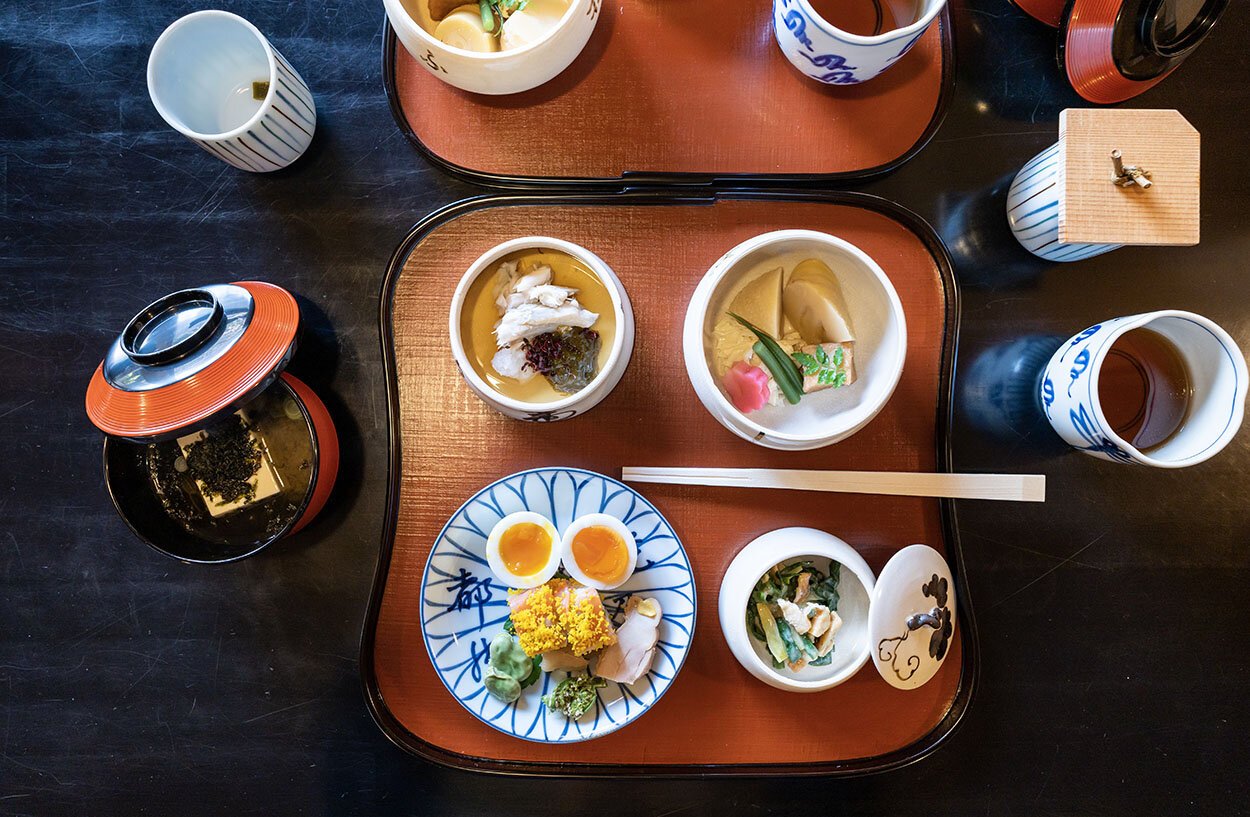
The kitchen's sourcing choices are central to why this works. Obanzai is a cuisine built on what is in season, what is preserved, and what would otherwise be discarded — okara (the solid residue from making soy milk and tofu), hijiki seaweed, nishin-nasu (Pacific herring braised with eggplant). These are not premium ingredients in the conventional sense. The kitchen's argument is in what it does with them: slow simmering, dashi-based braising, and preservation techniques passed down across generations. A dish like daimyotaki, dried daikon pickled and then simmered in dashi, is the product of accumulated kitchen wisdom, not imported luxury product. That sourcing philosophy is why the price stays accessible and why the cooking still reads as considered rather than cheap.
Grilled seafood and seasonal stews round out the menu alongside the cold side dishes. The emphasis on seasonal produce means what you eat in autumn will differ from a spring visit, which is reason enough for a second booking if you are spending time in Kyoto across different seasons. The aroma that greets you, dashi simmering, the faint char of grilled fish, the earthiness of pickled vegetables working alongside each other, is a useful indicator of what kind of evening this will be: warm, composed, and without the formality that can make higher-end Kyoto dining feel like an exam.
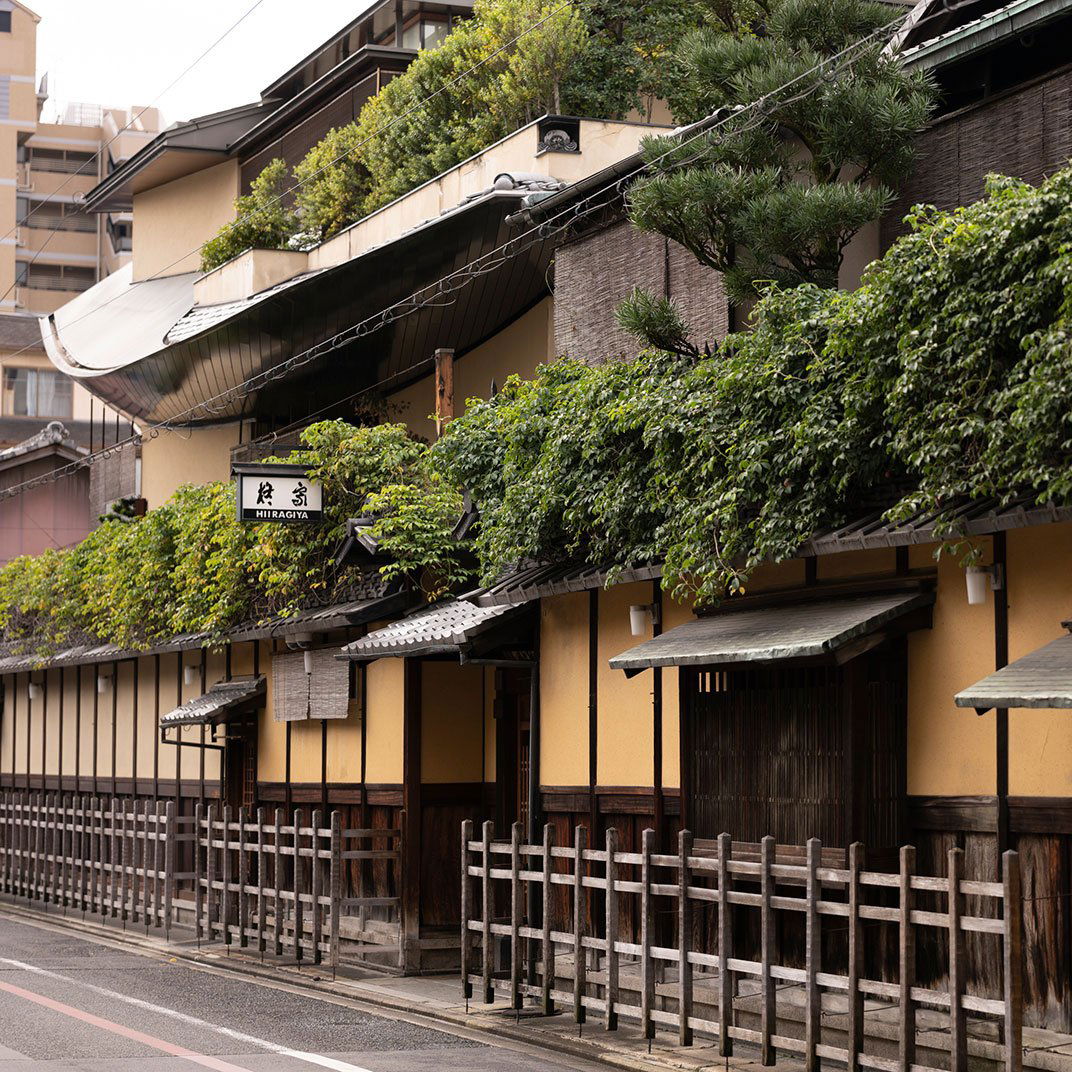
The address is 202 Shimokorikicho in Nakagyo Ward, on the Pontocho alley itself. Pontocho runs parallel to the Kamo River and is one of Kyoto's five hanamachi (geisha districts). Most of what lines the alley now skews toward the accessible and the touristic. Masuda is an exception, operating with the quiet consistency of a neighbourhood restaurant that does not need to recruit passing trade.
Ideal time to visit
For a special occasion dinner, the ideal timing is spring (late March to mid-April, cherry blossom season) or autumn (October to November, foliage season). Kyoto's visitor numbers spike during both windows, so booking further ahead is sensible. Obanzai is inherently seasonal, so both periods will give you the kitchen working with particularly strong produce. Midweek evenings are calmer than weekends on the Pontocho strip, which affects the atmosphere of the walk in and out even if the restaurant itself remains contained. Summer brings Kyoto's famous kamo-doko riverbank dining culture to the alley, a reason to visit the neighbourhood but also a reason reservations fill faster.
Is this a good special occasion restaurant?
For a date or a quiet celebration, yes, with the right expectations. Masuda is intimate, family-run, and the cooking carries genuine personality. It is not the setting for a birthday where the table needs ceremony and a choreographed dessert. It is the right choice when the meal itself is the occasion: a considered dinner that rewards attention to what is in the bowl. If you want grander staging for a significant event, Gion Sasaki or Kikunoi Honten operate at a different register. But for an anniversary dinner where the point is the food and the company, Masuda's price-to-quality ratio makes the evening feel like a find.
How it compares in Kyoto's broader restaurant context
Kyoto's restaurant range is wide. At the leading end, kaiseki restaurants like Hyotei and Isshisoden Nakamura represent a completely different investment, in both cost and formality. At the more accessible end, Oryori Menami works in a similar neighbourhood-restaurant register. Masuda's Michelin Plate recognition across two consecutive years gives it a documented quality benchmark that most ¥¥ restaurants in the city cannot match. For visitors also exploring the broader Kansai region, the contrast with something like HAJIME in Osaka illustrates just how wide the format range is, Masuda is the opposite end of the spectrum in approach, but the quality signal from Michelin is present at both ends.
Ratings & Recognition
- Michelin Plate 2025
- Michelin Plate 2024
Booking
Booking difficulty is rated Easy. Given the Michelin recognition and the alley's popularity during peak seasons, booking ahead is still the sensible approach, particularly for spring and autumn travel. Exact booking method is not confirmed in available data; checking directly with the restaurant or via a hotel concierge in Kyoto is the practical route. Walk-in availability cannot be confirmed.
Practical details
| Detail | Pontocho Masuda | Gion Sasaki | Oryori Menami |
|---|---|---|---|
| Price tier | ¥¥ | ¥¥¥¥ | Not confirmed |
| Cuisine | Obanzai | Kaiseki | Japanese |
| Michelin recognition | Plate (2024, 2025) | Star-level | Check listing |
| Booking difficulty | Easy | Harder | Not confirmed |
| Setting | Pontocho alley, family-run | Gion, formal | Kyoto neighbourhood |
Also worth considering in Japan
If you are building a wider Japan dining itinerary, Pearl covers Harutaka in Tokyo, akordu in Nara, Goh in Fukuoka, 1000 in Yokohama, and 6 in Okinawa. For context on very different price points and formats internationally, see Le Bernardin in New York City and Lazy Bear in San Francisco.
Browse our full Kyoto restaurants guide, our full Kyoto hotels guide, our full Kyoto bars guide, our full Kyoto wineries guide, and our full Kyoto experiences guide.
Planning details
- Location
- 202 Shimokorikicho, Nakagyo Ward, Kyoto, 604-8016, Japan
- Phone
- +81 75-221-6816
The take
The Take
The Vibe
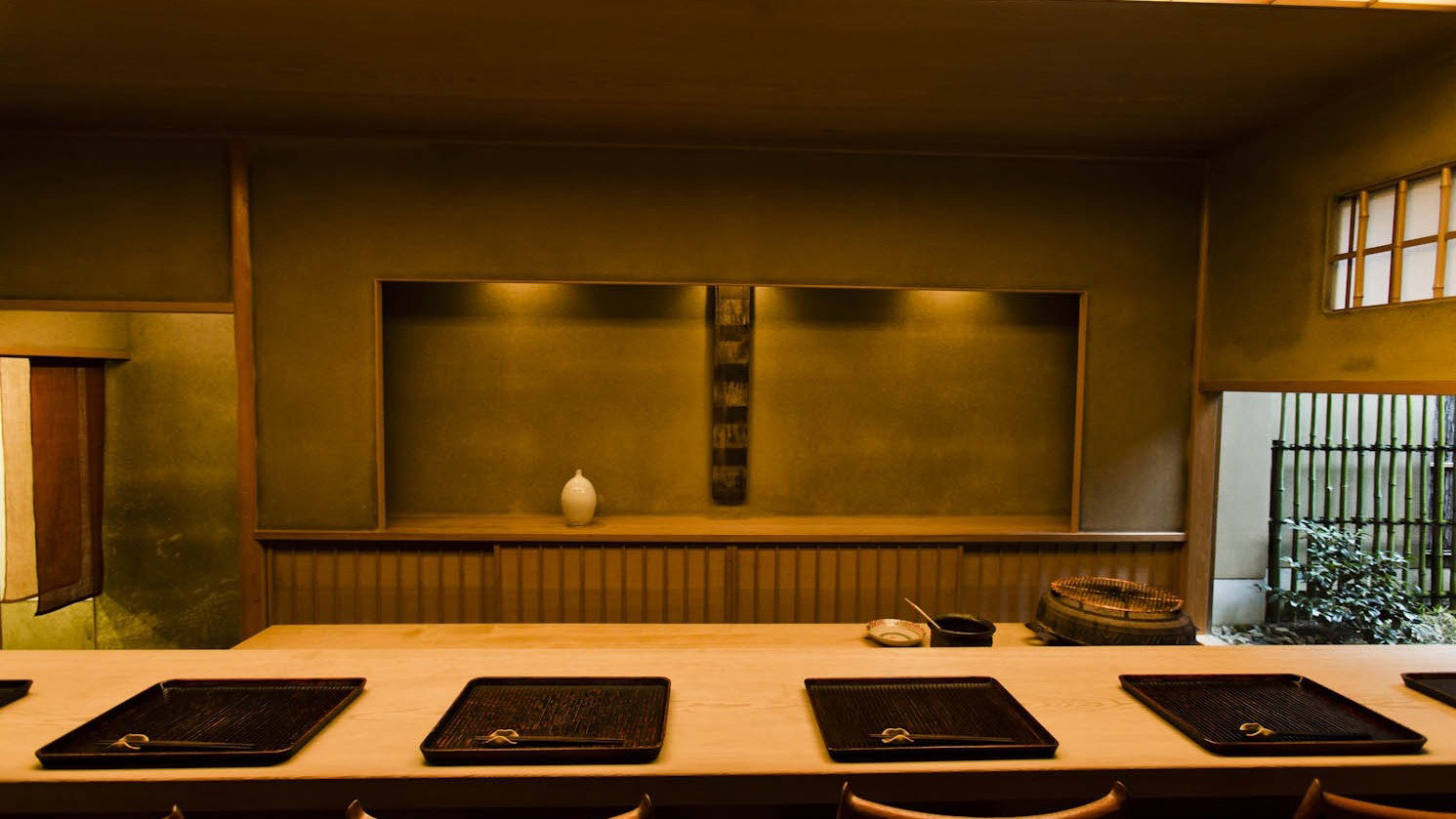
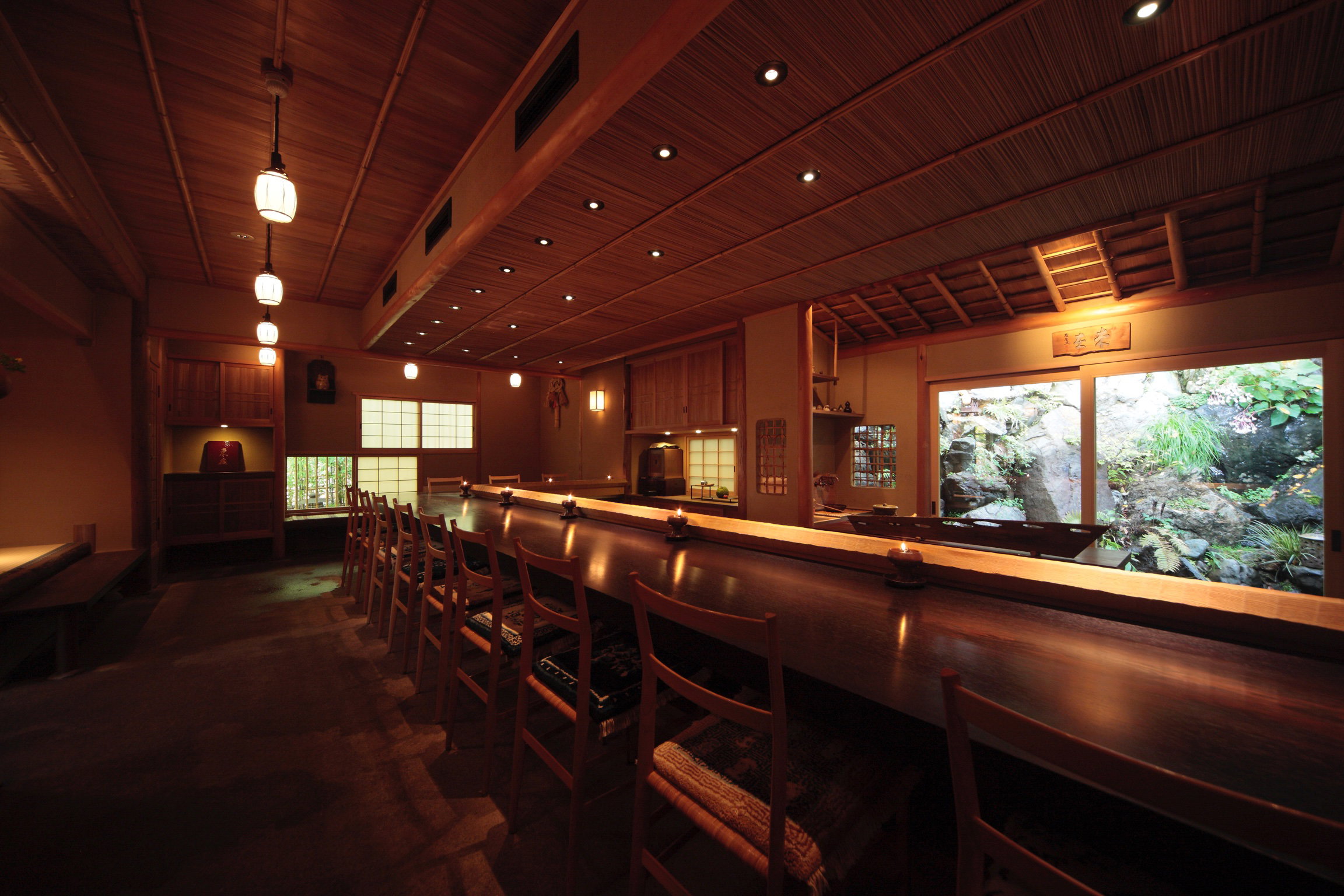
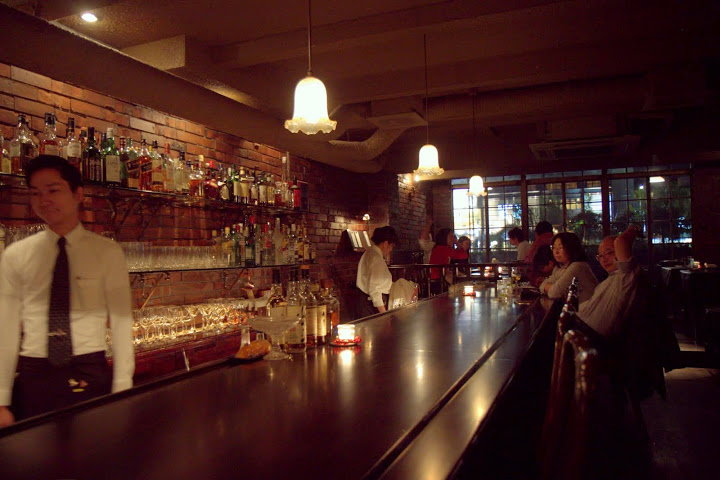
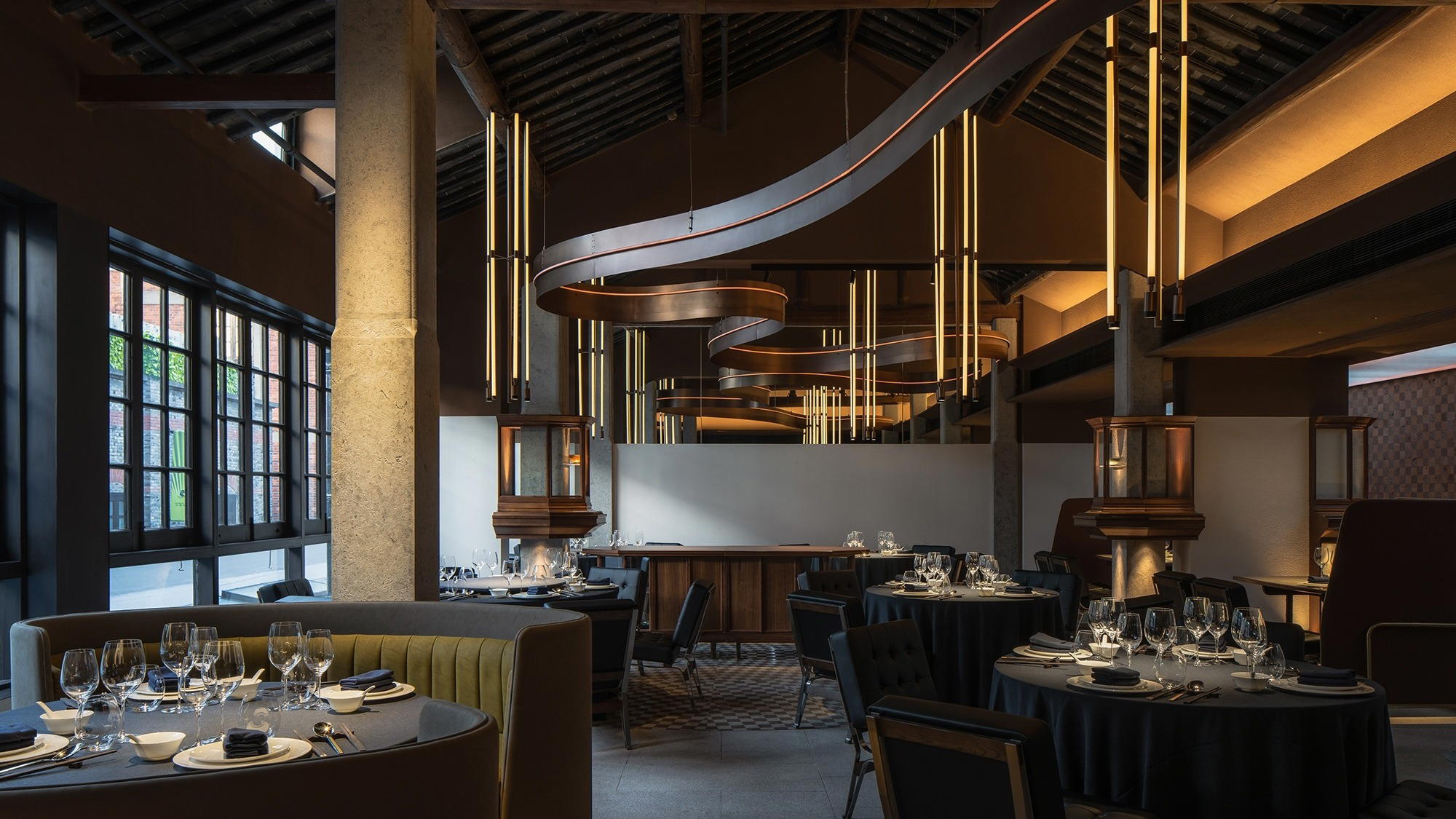
Pontocho Masuda evokes a restrained, old‑Kyoto atmosphere that leans into domestic tradition rather than theatrical presentation. The writing emphasizes a Showa‑era sensibility — narrow kitchens, household cooking and obanzai — so the room feels lived‑in and quietly authentic rather than polished for tourists. Expect modest, disciplined plates where seasonality and thrift inform the flavours. The restaurant reads as a neighbourhood anchor: unpretentious, rooted in local practice and comfortable for diners who prefer understated, historically grounded dining experiences over high‑ceremony kaiseki or spectacle.
Best For
This is a spot for diners seeking honest, home‑style Kyoto cooking in an evening setting. Pontocho Masuda suits neighbourhood dinners and casual hangouts where the pleasure comes from simple, well‑sourced obanzai rather than a formal multi‑course spectacle. Solo diners and pairs who appreciate restrained flavours and small‑plate sharing find it particularly rewarding; the price tier and domestic focus make it a reliable choice for everyday specialities rather than a high‑end destination meal. It’s a quiet, restorative place for those who want authentic local food without theatrical frills.
Ordering Tips
Center your meal on obanzai-style small plates: the kitchen specializes in simmered vegetables, pickled roots and tofu preparations. Make a point of trying the venue’s signature items — mackerel sushi, simmered eggplant and fried tofu — which illustrate the restaurant’s focus on simple, disciplined seasoning and seasonal produce. Order several smaller dishes to sample the range of home‑style preparations rather than expecting a single large entrée. If you want the most representative experience, ask what is seasonal that day; the menu privileges everyday Kyoto ingredients and preservation techniques.
Venue details
Ambiance
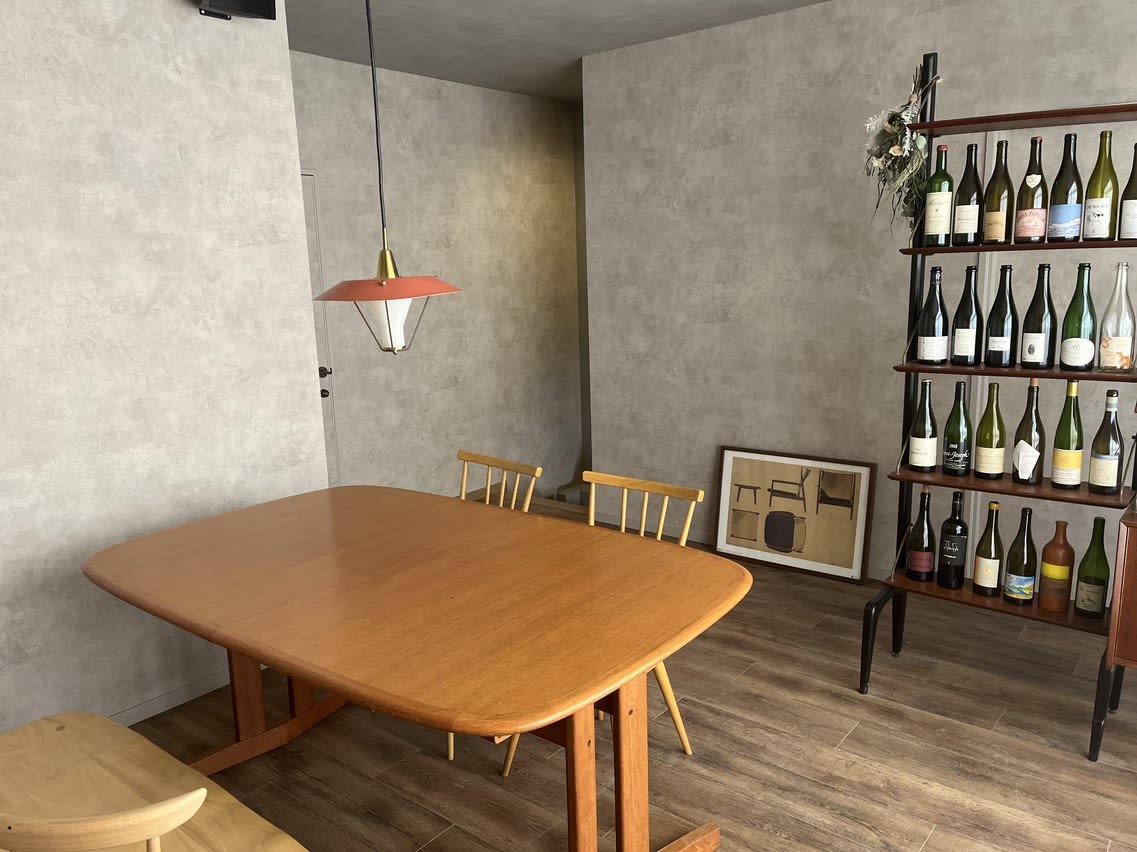
Cozy and intimate with tasteful Japanese decor, elegant and peaceful atmosphere evoking old Kyoto charm.
Tags
Vibe
Best For
Experience
At the Table
- Dress Code
- Smart Casual
- Noise Level
- Quiet
- Service Style
- Upscale Casual
- Meal Pacing
- Leisurely
- Capacity
- Small
- Kitchen
- Traditional
- Menu Format
- A la carte, Small plates
- Wine Program
- Curated
- Drinks Focus
- Sake
- Dietary
- Vegetarian friendly
- Private Dining
- Available
Signature Dishes
- mackerel sushi
- simmered eggplant
- fried tofu
Know before you go
Know Before You Go
- Getting there
- 202 Shimokorikicho, Nakagyo Ward, Kyoto, 604-8016, Japan
Planning details
Location
202 Shimokorikicho, Nakagyo Ward, Kyoto, 604-8016, Japan · Directions
Recognition and awards
Also consider
Also Consider
- Gion Sasaki, Kaiseki, Japanese, ¥¥¥¥
- cenci, Italian, ¥¥¥
- Ifuki, Kaiseki, ¥¥¥¥
- Kyokaiseki Kichisen, Japanese, ¥¥¥¥
- SEN, French, Japanese, ¥¥¥¥
Restaurant context
Pontocho Masuda occupies a different part of the Kyoto market from most of its frequently cited peers. Gion Sasaki, Ifuki, Kyokaiseki Kichisen, and SEN all sit at the ¥¥¥¥ tier, a price point that implies a formal multi-course experience, advance booking difficulty, and the kind of setting where the ceremony is part of what you are paying for. Masuda, at ¥¥, is not competing with those restaurants on those terms. It is the right choice when you want food that takes its ingredients and technique seriously but do not want to spend at kaiseki levels or submit to kaiseki formality.
Against cenci, which brings an Italian approach to Kyoto at the ¥¥¥ tier, Masuda is the more specifically Kyoto experience, rooted in obanzai's seasonal, preservation-focused cooking rather than European technique applied to Japanese produce. If the point of your Kyoto dinner is to eat cooking that could only exist in this city and this culinary tradition, Masuda is the more direct answer. If you want technical cross-cultural cooking in a contemporary setting, cenci serves a different brief.
Among the ¥¥¥¥ restaurants, Gion Sasaki is the address for diners who want kaiseki at its most demanding and technically refined, harder to book, higher investment, and a different emotional register entirely. For a special occasion where the meal's scale needs to match the occasion, that tier is the right call. But if the occasion is better served by warmth and personal cooking than by formal choreography, Masuda's Michelin Plate recognition and family-kitchen atmosphere make it the more memorable evening for most diners, at a fraction of the cost.
Explore Kyoto
Around this place
Discover more on Pearl
Unlock the full Pontocho Masuda guide in Pearl, including awards, comparisons, FAQs, planning details, and nearby places.
Compare Pontocho Masuda
| Venue | Price | Booking Difficulty | Awards |
|---|---|---|---|
| Pontocho Masuda | ¥¥ | Easy | Michelin Guide Kyoto Osaka 20262026 Michelin Plate2025 Michelin Plate2024 Michelin Plate |
| Gion Sasaki | ¥¥¥¥ | Unknown | 2026 Tabelog Bronze · #3862026 OAD Top Restaurants in Japan RecommendedMichelin Guide Kyoto Osaka 20262026 La Liste Top RestaurantsTabelog 100 - Japanese cuisine - WEST - 2025 · #132025 OAD Top Restaurants in Japan Ranked · #2462025 Tabelog Silver2025 Michelin 3 Stars2025 La Liste Top Restaurants |
| cenci | ¥¥¥ | Unknown | 2026 Tabelog Bronze · #442026 Asia's 50 Best Restaurants · #762026 OAD Top Restaurants in Japan Highly RecommendedMichelin Guide Kyoto Osaka 2026Tabelog 100 - Italian - WEST - 2025 · #632025 Asia's 50 Best Restaurants · #632025 OAD Top Restaurants in Japan Ranked · #1682025 Tabelog Bronze2024 OAD Top Restaurants in Japan Ranked · #135 |
| Ifuki | ¥¥¥¥ | Unknown | 2026 OAD Top Restaurants in Japan Ranked · #1222026 Tabelog Bronze · #128Michelin Guide Kyoto Osaka 20262026 La Liste Top RestaurantsTabelog 100 - Japanese cuisine - WEST - 2025 · #622025 OAD Top Restaurants in Japan Ranked · #1002025 La Liste Top Restaurants2025 Tabelog Bronze2025 Michelin 2 Stars |
| Kyokaiseki Kichisen | ¥¥¥¥ | Unknown | 2026 Tabelog Bronze · #1752026 OAD Top Restaurants in Japan Highly RecommendedMichelin Guide Kyoto Osaka 20262025 OAD Top Restaurants in Japan Ranked · #1862025 Michelin 2 Stars2025 La Liste Top Restaurants2024 OAD Top Restaurants in Japan Ranked · #1422024 Michelin 2 Stars2023 OAD Top Restaurants in Japan Ranked · #136 |
| SEN | ¥¥¥¥ | Unknown | 2026 Tabelog Bronze · #3952026 OAD Top Restaurants in Japan RecommendedMichelin Guide Kyoto Osaka 20262026 Michelin PlateTabelog 100 - Japanese cuisine - WEST - 2025 · #652025 Michelin Plate2025 Tabelog Bronze2024 OAD Top Restaurants in Japan Ranked · #3622024 Michelin Plate |
.png?width=1200&quality=80)






How Pontocho Masuda stacks up against the competition.
FAQ
Frequently Asked Questions
How far ahead should I book Pontocho Masuda?
Book at least two to three weeks in advance, more if you're visiting during cherry blossom season (late March to mid-April) or autumn foliage (October to November), when Pontocho fills fast. Michelin Plate recognition in both 2024 and 2025 has increased visibility, and the alley draws significant foot traffic. Don't leave this to the day before.
Can Pontocho Masuda accommodate groups?
The venue's intimate, family-run format suggests limited capacity — this is not a space built for large parties. Groups of more than four should confirm availability directly. For a bigger group dinner with comparable traditional Kyoto cooking, a kaiseki venue with private room options would be a better fit.
Is the tasting menu worth it at Pontocho Masuda?
At the ¥¥ price tier, the value case is clear: you're getting Michelin-noted obanzai cooking from a two-generation family kitchen without the outlay of a kaiseki booking. Whether a set menu structure is offered is not confirmed in the venue data, but the format — seasonal simmered dishes, grilled seafood, traditional pickles — lends itself to a structured meal. The cooking justifies the price.
What should I order at Pontocho Masuda?
The Michelin description highlights okara (soy pulp), hijiki (black seaweed), and nishin-nasu (Pacific herring with eggplant) as signature obanzai dishes, alongside grilled seafood, seasonal stews, and daimyotaki — dried daikon pickled and simmered in dashi. Lean into the simmered side dishes; they are the point of this restaurant.
Does Pontocho Masuda handle dietary restrictions?
No dietary accommodation policy is confirmed in the venue data. Obanzai cooking relies heavily on dashi (fish-based stock) and fermented ingredients, which makes it difficult to adapt for vegan, vegetarian, or shellfish-free diets without advance notice. Contact the venue before booking if dietary needs are a factor.
What should a first-timer know about Pontocho Masuda?
This is not a restaurant performing Kyoto tradition for tourists — it's a working family kitchen doing obanzai the way Kyoto households have eaten for generations. The address is in Nakagyo Ward's Pontocho alley; the setting is Showa-era in mood, not polished minimalism. Expect simply prepared seasonal dishes, not elaborate plating. It holds a Michelin Plate for 2024 and 2025, which signals consistent quality at an accessible price.