
NOODLE SHOP RENNOSUKE
Ramen · Kita, Kyoto
Restaurant in Kyoto, Japan
 Book with Pearl
The Read
Signless Counter Ramen
Price
$20–30per person
Dress
Casual
Why go
Noodle Shop Rennosuke is a Michelin Bib Gourmand ramen counter in a signless Kita Ward house, earning back-to-back recognition in 2024 and 2025. At ¥ pricing, its clear seafood dashi broth, house-made Kyoto wheat noodles, and Kiyomizu ware presentation make it the most focused and credential-backed ramen option in this part of the city. Booking is easy; finding it is the harder part.
About NOODLE SHOP RENNOSUKE
Verdict
Noodle Shop Rennosuke is worth the effort to find. It holds a Michelin Bib Gourmand for both 2024 and 2025, sits in a quiet residential corner of Kita Ward, and has no sign on the door. A single spotlight illuminating a bowl of ramen in a showcase tells you you're in the right place. If you've been once and are debating a return, the answer is yes — this is the kind of ramen that rewards repeat visits. Booking is direct, the price is ¥, and the experience is coherent enough that you'll want to work through everything on the menu before you start doubling up.
The Space and What It Does for the Meal
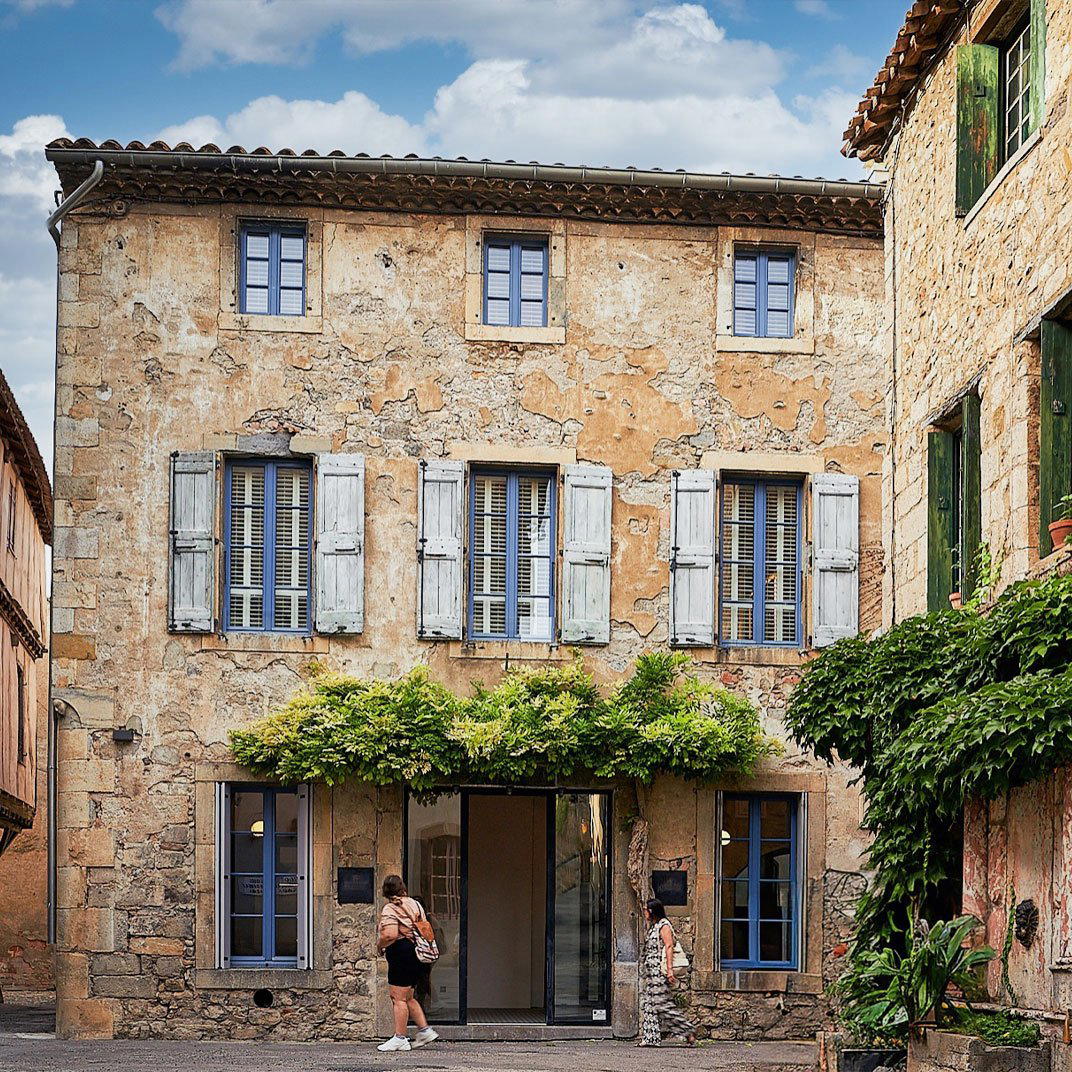
The address puts you deep into Murasakino Shimokashiwanocho, a residential neighbourhood in Kita Ward that feels far removed from the tourist circuits of central Kyoto. The surrounding streets are genuinely maze-like, and the venue offers no exterior signage — only that small lit showcase at the entrance. That restraint sets the tone for everything inside. This is a focused, quiet operation, not a ramen chain built for throughput.
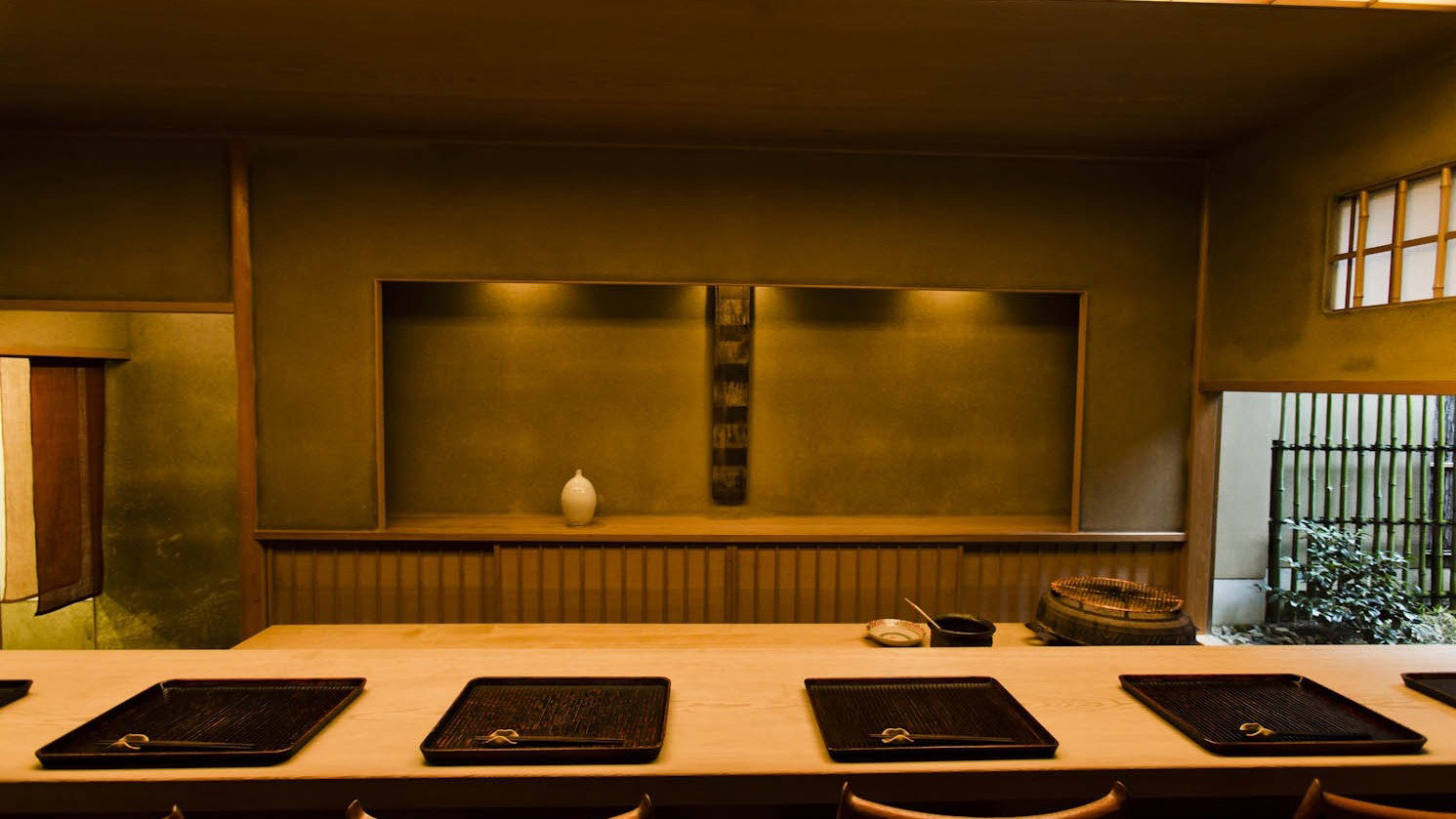
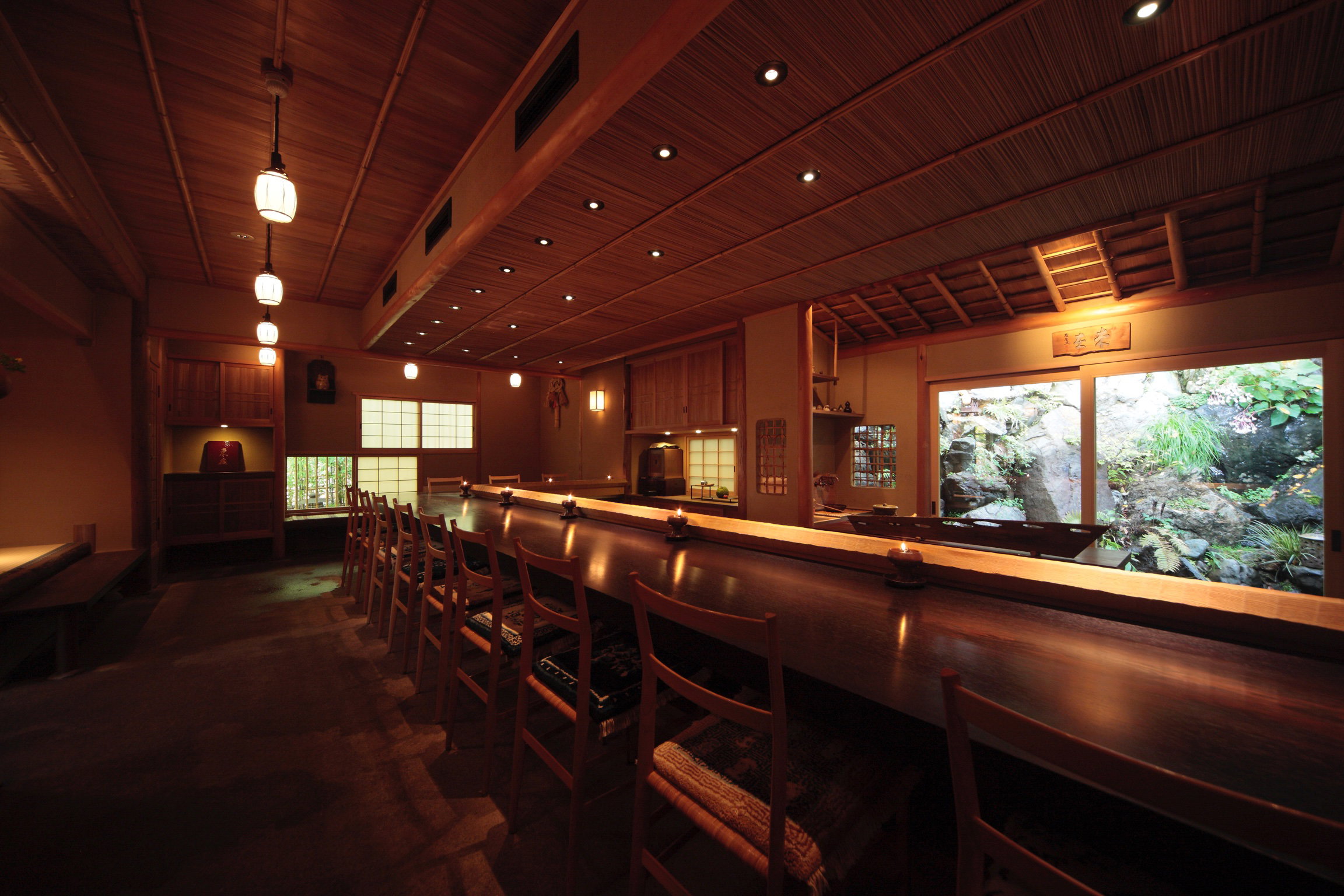
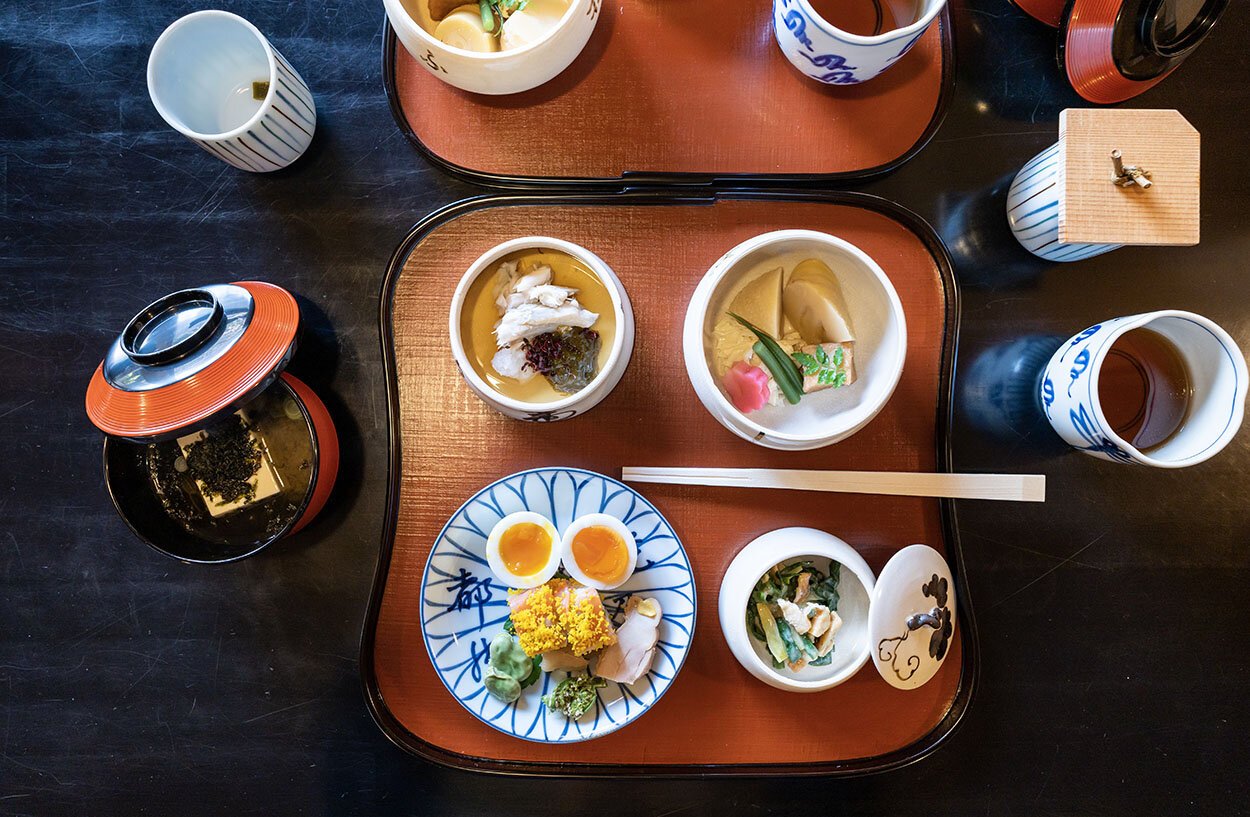
The physical format here matters more than it might elsewhere. Counter seating at a small ramen shop of this type puts you close to the preparation, and at Rennosuke the counter experience is the experience. You're not at a distance from the kitchen, the clear seafood dashi broth, the house-made Kyoto wheat noodles, and the thinly sliced roasted pork from Kyoto-raised swine are assembled within arm's reach. The blue Kiyomizu ware bowls, specially ordered from one of Kyoto's most respected ceramic traditions, are part of the presentation logic: they make the pale, clear soup read as a deliberate composition rather than a casual bowl of noodles. Sitting at the counter, you see all of it happening. For a returning visitor, this is where the nuance opens up, you notice the colour of the broth, the way the noodles sit, how consistently the pork is sliced. These are details you absorb at the counter that you'd miss at a table.
For a solo diner, this format is ideal. For two, it's comfortable. For larger groups, the intimate scale creates practical limits, see the FAQ below for more on that.
The Food
The menu is built around a single clear concept: 'Ramen' as a distillation of Kyoto culinary sensibility. The soup is a clear dashi made with seafood, finished with pure soy sauce, clean, precise, light by ramen standards without being thin. The noodles are made in-house from Kyoto wheat. The pork is sourced regionally, roasted as a fillet and sliced thin. There's a philosophical consistency here that points to a chef with serious Kyoto kitchen experience, though the venue doesn't publicise biographical details.
If you've had the bowl once and are returning, consider how your order fits the counter setting. The broth rewards attention. Order early in a service if you want to catch it at its clearest, the soup's character is most legible before peak volume. The Kiyomizu ware deserves a second look too: it's not decorative afterthought, it's a considered pairing of regional ceramics with regional cuisine.
For context on where this sits in the Kyoto ramen scene, Menya Inoichi takes a comparable approach to precision Kyoto-style ramen. Kombu to Men Kiichi and Mendokoro Janomeya are worth knowing if you're building a Kyoto ramen itinerary. Chinese Noodles ROKU and KOBUSHI Ramen offer different registers of the city's noodle options. If your trip extends beyond Kyoto, Afuri in Tokyo is the reference point for yuzu-forward light broth ramen, and for a deeper dive into Japan's serious dining scene, HAJIME in Osaka and Goh in Fukuoka are at a different price and format tier entirely.
Trust and Track Record
The Bib Gourmand designation specifically recognises good cooking at a moderate price, which maps directly to the ¥ price point here. For ramen in this city and at this price, that combination of credentials is about as reliable a signal as you'll find.
Practical Details
Rennosuke is in Kita Ward at 56-32 Murasakino Shimokashiwanocho. There is no sign on the exterior, look for the illuminated ramen showcase at the entrance. The price tier is ¥. Hours are not publicly confirmed in our data, so check current opening times before making the trip north from central Kyoto. Phone and website details are not available in our records. See our full Kyoto restaurants guide for broader context, or explore hotels, bars, experiences, and wineries across the city. If you're planning wider travel through Japan, Harutaka in Tokyo, akordu in Nara, 1000 in Yokohama, 6 in Okinawa, and Afuri Ramen in Portland round out a serious noodle and Japanese dining shortlist.
Quick reference:
Planning details
- Location
- 56-32 Murasakino Shimokashiwanocho, Kita Ward, Kyoto, 603-8313, Japan
- Reservations
- Book on TableCheck
- Website
- instagram.com/_r.kyoto_
- Phone
- +81 90-5789-9499
The take
The Take
The Vibe
Noodle Shop Rennosuke reads like a deliberate omission on the city map: an unmarked residential frontage, a single spotlight on a showcase bowl and a compact counter that turns eating into an almost ceremonial act. The room is intentionally restrained, trading theatricality for a meditative, intimate focus on the bowl in front of you. That quiet, counter-first approach produces a close-up encounter with technique — broth, noodle, topping — framed by the steady professionalism that earned consecutive Bib Gourmand recognition. The result is small-scale, serious ramen: unobtrusive, attentive and quietly exacting.
Best For
Rennosuke is best suited to visitors who prize a focused, no-frills ramen experience: solo diners, ramen hunters and first-timers seeking a reliably crafted bowl rather than a rowdy night out. Its counter orientation discourages large-group gatherings and communal plates; the restaurant operates more like a place of craft than a social hub. The back-to-back Bib Gourmand nods underline its appeal for travelers wanting high-quality yet accessible Kyoto dining — a place where the meal itself is the occasion rather than the setting.
Ordering Tips
Approach Rennosuke expecting counter seating and a tight, rotating service flow: the kitchen aims for consistency across a steady stream of regulars and newcomers. Highlighted specialties in the menu include the Shoyu Ramen with Seafood Dashi, Duck Ramen and Tomato Ramen, alongside a standout Grilled Pork with Egg Yolk and the Wasanbon Pudding for dessert — all mentioned as signature items. Given the shop’s compact format and reputation, come ready to engage with the single-bowl ritual and let the kitchen’s focus speak for itself.
Venue details
Ambiance
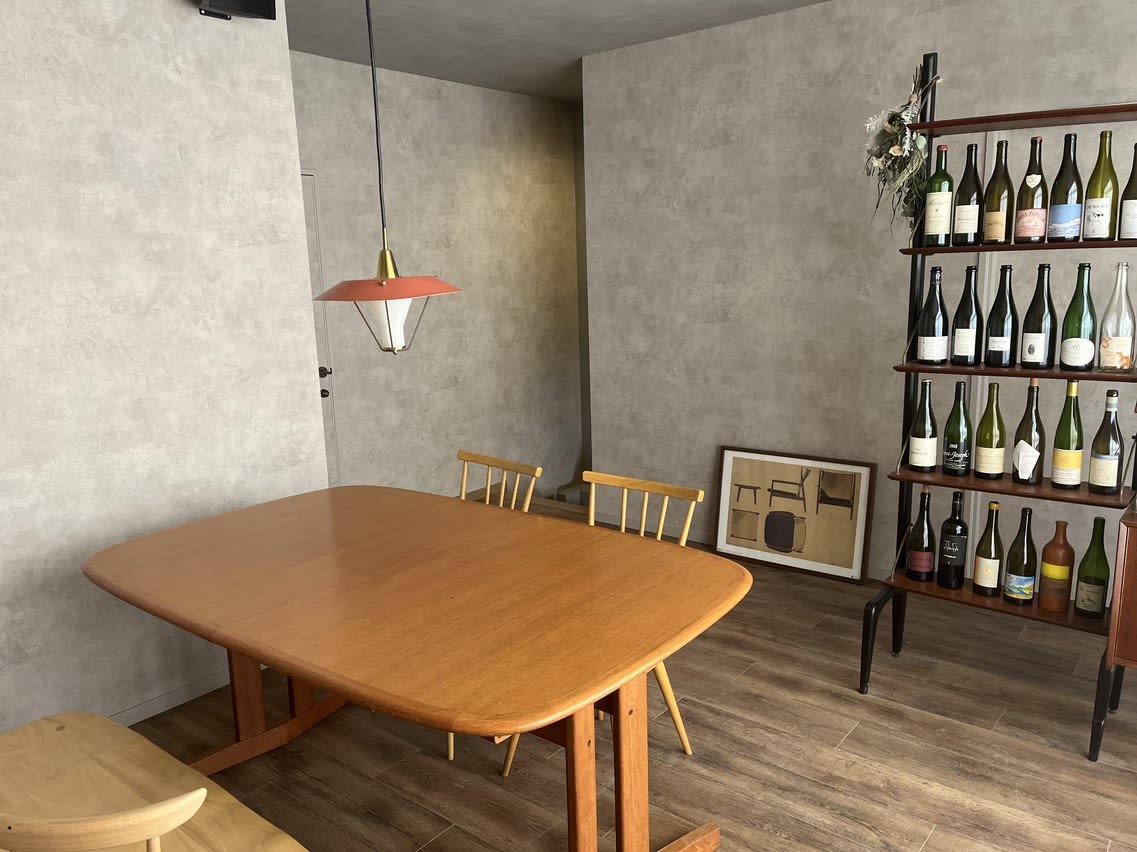
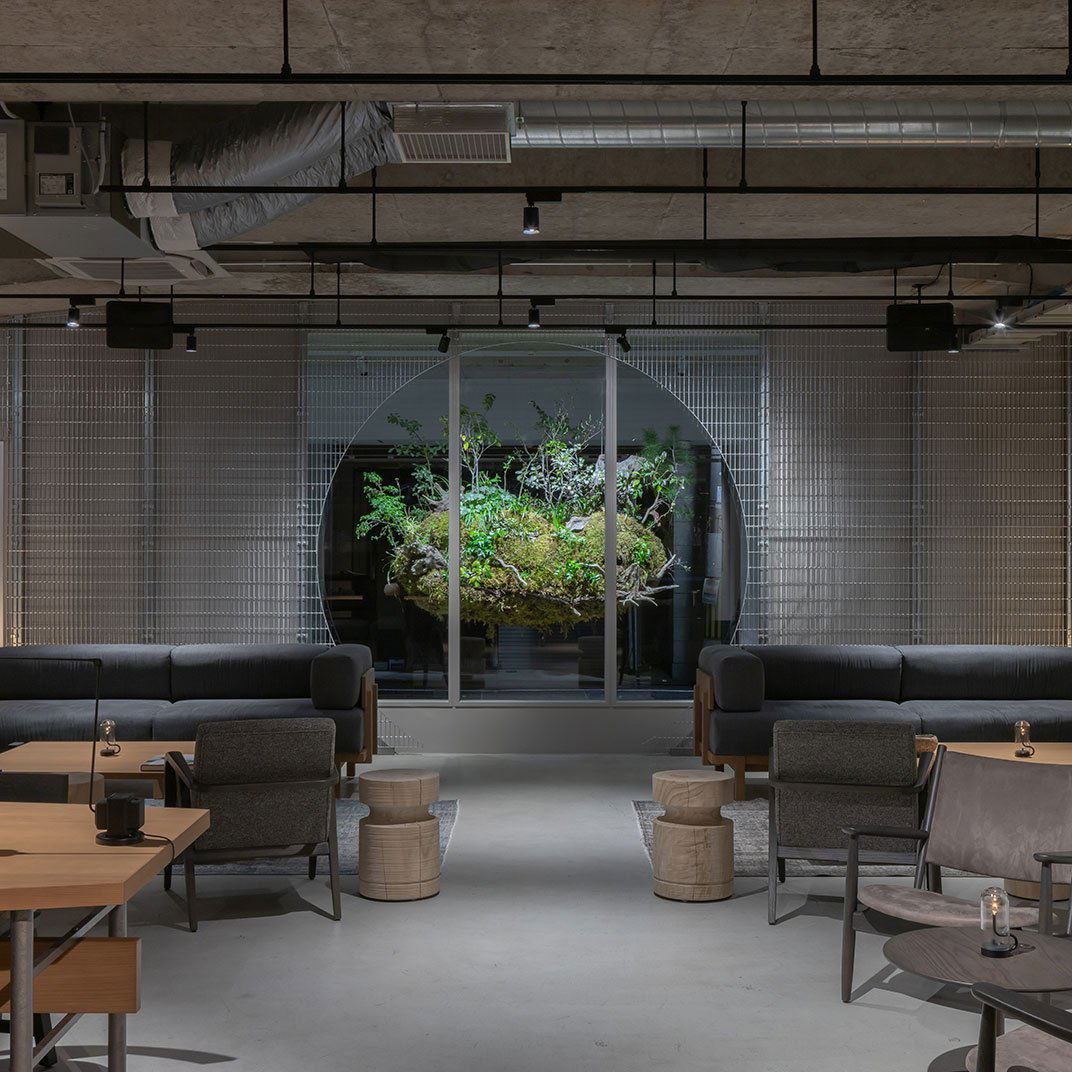
Industrial-zen sanctuary with sleek grey concrete counter, minimalist grey theme, and stylish renovation blending traditional Kyoto machiya charm with chic Western elements; warm, inviting, and refined.
Tags
Vibe
Best For
Experience
Sourcing
Accessibility
At the Table
- Dress Code
- Casual
- Noise Level
- Quiet
- Service Style
- Counter Service
- Meal Pacing
- Leisurely
- Capacity
- Intimate
- Kitchen
- Traditional
- Menu Format
- Counter dining, A la carte
- Drinks Focus
- Sake
- Dietary
- Allergy accommodating
Signature Dishes
- Shoyu Ramen with Seafood Dashi
- Duck Ramen
- Tomato Ramen
- Grilled Pork with Egg Yolk
- Wasanbon Pudding
Know before you go
Know Before You Go
- Getting there
- 56-32 Murasakino Shimokashiwanocho, Kita Ward, Kyoto, 603-8313, Japan
Planning details
Location
56-32 Murasakino Shimokashiwanocho, Kita Ward, Kyoto, 603-8313, Japan · Directions
Recognition and awards
Also consider
Also Consider
- Gion Sasaki, Kaiseki, Japanese, ¥¥¥¥
- cenci, Italian, ¥¥¥
- Ifuki, Kaiseki, ¥¥¥¥
- Kyokaiseki Kichisen, Japanese, ¥¥¥¥
- Kyo Seika, Chinese, ¥¥¥
Restaurant context
How It Compares
Rennosuke sits at a completely different price tier from most of Kyoto's recognised dining destinations. If you're weighing a meal here against a kaiseki experience at Gion Sasaki or Kyokaiseki Kichisen (both ¥¥¥¥), you're not really comparing like for like, Rennosuke is the right answer if you want serious Kyoto culinary identity at a fraction of the cost. The Bib Gourmand is Michelin's specific endorsement for exactly that trade-off: quality cooking, accessible price. For a multi-day Kyoto itinerary, Rennosuke and a kaiseki dinner are complementary, not competing options.
If your budget is the deciding factor and you're comparing mid-tier options, cenci (¥¥¥, Italian) and Kyo Seika (¥¥¥, Chinese) both offer a different cuisine direction at a higher spend. Neither offers the same hyper-local Kyoto ingredient focus as Rennosuke. For the Kyoto-specific angle, regional wheat noodles, regional pork, regional ceramics, Rennosuke at ¥ is the clearest expression at this price level. Ifuki (¥¥¥¥, kaiseki) is worth the premium for a full multi-course experience, but it's a different format and commitment entirely.
On booking difficulty, Rennosuke is the easiest of the group to get into. Kaiseki counters at Gion Sasaki and Kyokaiseki Kichisen require planning weeks or months out and often require Japanese-language booking support. Rennosuke's Easy rating makes it the practical fallback if your tighter itinerary doesn't allow for advance kaiseki planning, but given the quality on offer, framing it as a fallback undersells it. Book it as a destination in its own right.
Explore Kyoto
Around this place
Discover more on Pearl
Unlock the full NOODLE SHOP RENNOSUKE guide in Pearl, including awards, comparisons, FAQs, planning details, and nearby places.
Compare NOODLE SHOP RENNOSUKE
| Venue | Price | Booking Difficulty | Awards |
|---|---|---|---|
| NOODLE SHOP RENNOSUKE | ¥ | Easy | Michelin Guide Kyoto Osaka 20262026 Bib Gourmand2025 Michelin Bib Gourmand2024 Michelin Bib Gourmand |
| Gion Sasaki | ¥¥¥¥ | Unknown | 2026 Tabelog Bronze · #3862026 OAD Top Restaurants in Japan RecommendedMichelin Guide Kyoto Osaka 20262026 La Liste Top RestaurantsTabelog 100 - Japanese cuisine - WEST - 2025 · #132025 OAD Top Restaurants in Japan Ranked · #2462025 Tabelog Silver2025 Michelin 3 Stars2025 La Liste Top Restaurants |
| cenci | ¥¥¥ | Unknown | 2026 Tabelog Bronze · #442026 Asia's 50 Best Restaurants · #762026 OAD Top Restaurants in Japan Highly RecommendedMichelin Guide Kyoto Osaka 2026Tabelog 100 - Italian - WEST - 2025 · #632025 Asia's 50 Best Restaurants · #632025 OAD Top Restaurants in Japan Ranked · #1682025 Tabelog Bronze2024 OAD Top Restaurants in Japan Ranked · #135 |
| Ifuki | ¥¥¥¥ | Unknown | 2026 OAD Top Restaurants in Japan Ranked · #1222026 Tabelog Bronze · #128Michelin Guide Kyoto Osaka 20262026 La Liste Top RestaurantsTabelog 100 - Japanese cuisine - WEST - 2025 · #622025 OAD Top Restaurants in Japan Ranked · #1002025 La Liste Top Restaurants2025 Tabelog Bronze2025 Michelin 2 Stars |
| Kyokaiseki Kichisen | ¥¥¥¥ | Unknown | 2026 Tabelog Bronze · #1752026 OAD Top Restaurants in Japan Highly RecommendedMichelin Guide Kyoto Osaka 20262025 OAD Top Restaurants in Japan Ranked · #1862025 Michelin 2 Stars2025 La Liste Top Restaurants2024 OAD Top Restaurants in Japan Ranked · #1422024 Michelin 2 Stars2023 OAD Top Restaurants in Japan Ranked · #136 |
| Kyo Seika | ¥¥¥ | Unknown | Tabelog 100 - Chinese cuisine - WEST - 2026 · #762026 Tabelog Bronze · #2162026 OAD Top Restaurants in Japan Recommended2026 Michelin 1 Star2025 OAD Top Restaurants in Japan Ranked · #3262025 Tabelog Bronze2024 OAD Top Restaurants in Japan Ranked · #3042024 Michelin Plate2024 Michelin 1 Star |
.png?width=1200&quality=80)








.png?width=1200&quality=80)
Key differences to consider before you reserve.
FAQ
Frequently Asked Questions
Can NOODLE SHOP RENNOSUKE accommodate groups?
Groups larger than two or three are likely to find this a tight fit. Rennosuke is a small, residential-neighbourhood ramen shop in Kita Ward with no sign on the exterior — the kind of format that typically runs a compact counter or limited seating. At ¥ pricing with a Michelin Bib Gourmand pedigree, it draws a steady crowd, so larger parties should check capacity before planning around it. For a group dinner with more flexibility, Gion Sasaki or Kyokaiseki Kichisen offer private room options suited to bigger bookings.
Is NOODLE SHOP RENNOSUKE good for solo dining?
Yes — this is close to an ideal solo dining format. A quiet residential ramen counter with a focused single-concept menu, Bib Gourmand recognition in both 2024 and 2025, and a ¥ price point means you eat well without a table minimum or the awkwardness of a multi-course commitment. The no-sign entry and neighbourhood setting also make it a more considered solo outing than a tourist-circuit bowl.