
Nishijin Hashimoto
Japanese · Kamigyō, Kyoto
Restaurant in Kyoto, Japan
 Book with Pearl
The Read
Sushi-Soba Counter Hospitality
Price
¥¥¥
Dress
Smart Casual
Why go
A Michelin Plate counter in Kyoto's Nishijin district where a single chef prepares sushi, soba, and seasonal Japanese dishes under one roof. At ¥¥¥ pricing with back-to-back Michelin recognition in 2024 and 2025 and, it delivers genuine owner-operator hospitality for special occasions without the formality or cost of a full kaiseki room.
About Nishijin Hashimoto
The Verdict
Nishijin Hashimoto is not a kaiseki temple or a tasting-menu showcase — and that is exactly what makes it worth considering. This is a counter-led Japanese restaurant in Kyoto's Nishijin weaving district where the format blends sushi, soba, and seasonal vegetable cookery under one roof, guided by a chef whose discipline is encoded in his work rather than announced by it. At ¥¥¥ pricing, it sits a tier below the full kaiseki rooms that dominate Kyoto's upper end. Book it for a special occasion when you want craft and genuine hospitality without the formality — or the invoice, of a ¥¥¥¥ house.
Portrait
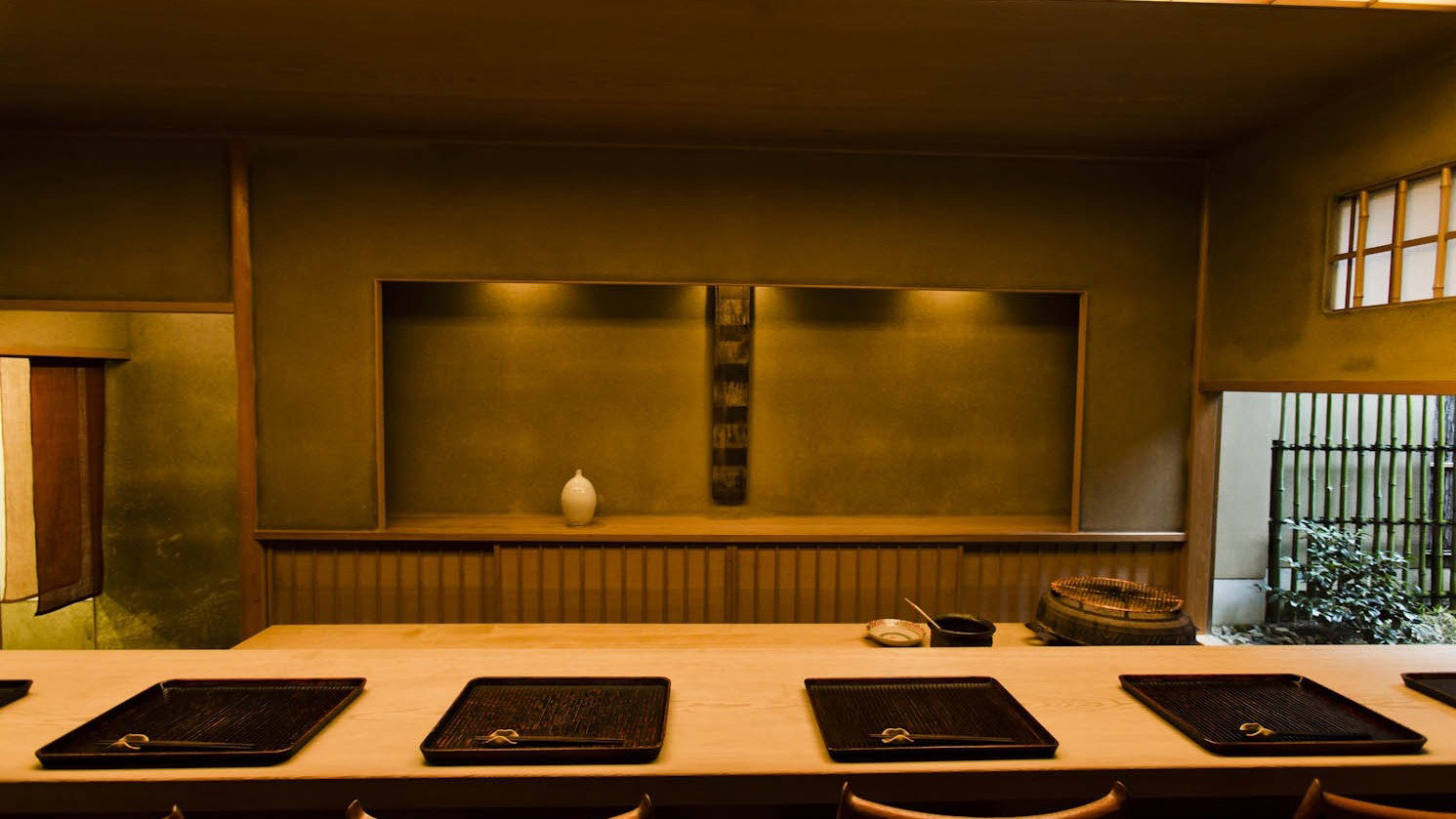
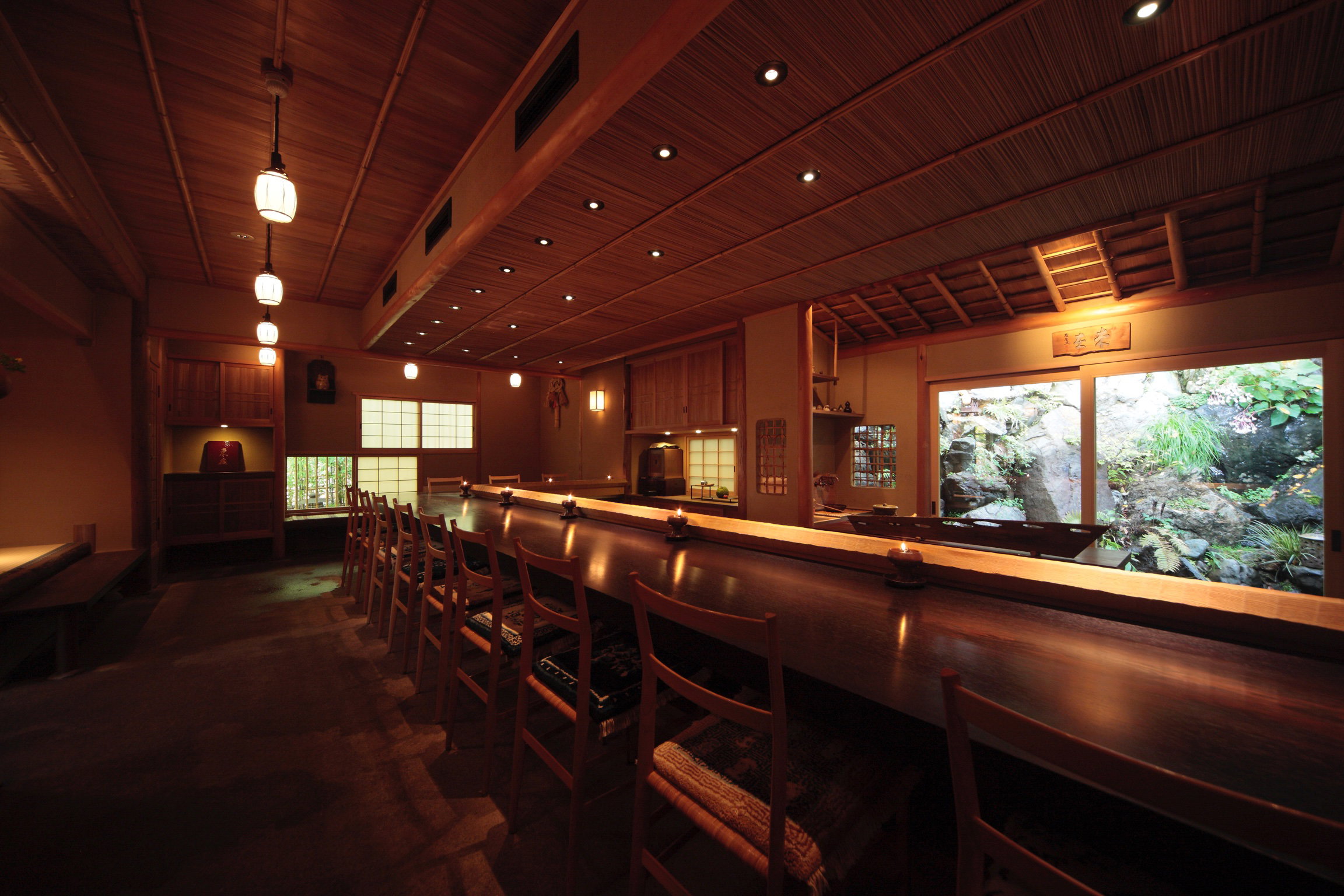
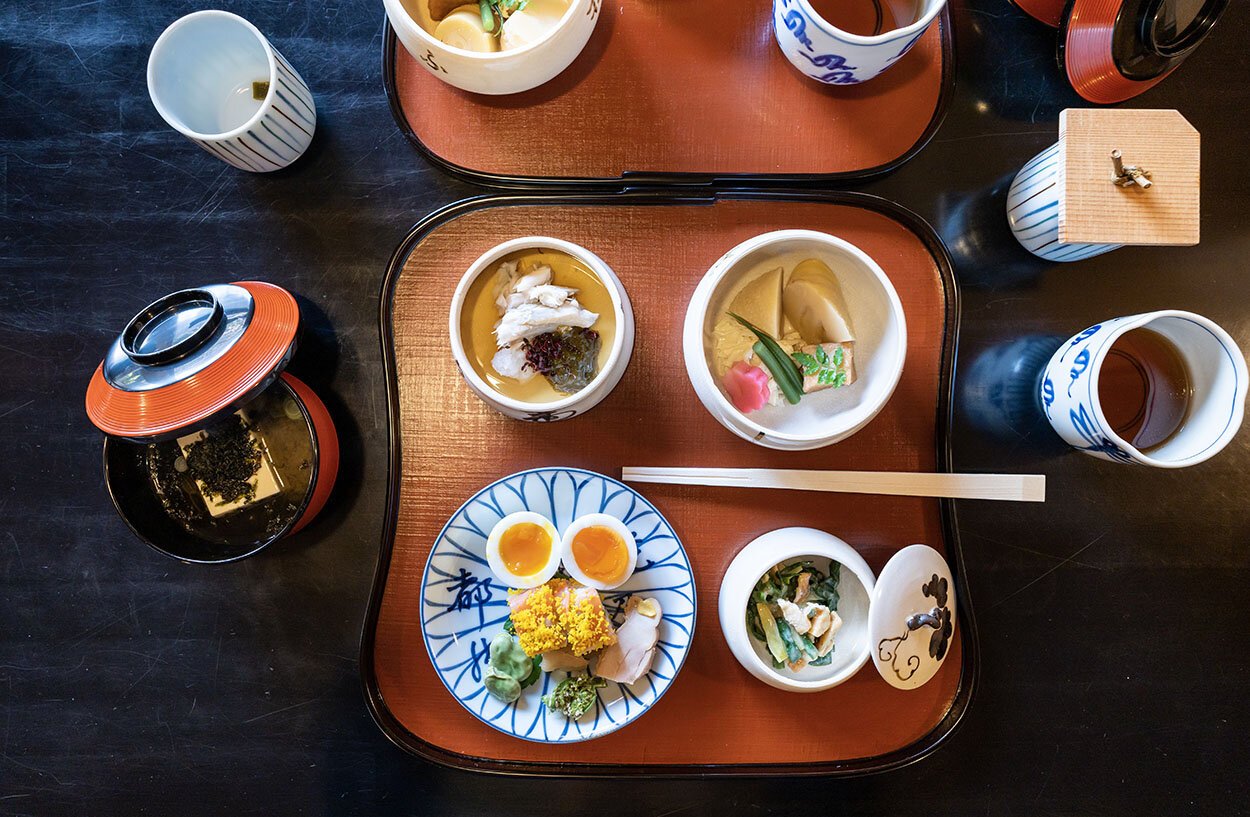
Forget the assumption that a Michelin-recognised counter in Kyoto means white-glove kaiseki ritual. Nishijin Hashimoto runs on a different register: a chef-and-proprietress pairing that treats the dining room as an extension of a personal welcome rather than a stage for ceremony. The room frames everything you need to see, a working counter where sushi and soba are prepared by the same hands, seasonal vegetable dishes that shift with what is available now, and handmade sweets presented by the proprietress at the close of the meal. In autumn and winter, those vegetables-in-season pairings carry particular weight; the gomadofu arrives alongside a pureed vegetable soup that reflects what the market offered that week. In spring and summer, expect the same philosophy expressed through whatever is growing.
The chef's governing idea, ikkyu nyukon, pouring your heart and soul into every action, is not a brand statement. It is a production decision: rather than dividing labour between specialists, he prepares sushi and soba himself, broadening what the menu can offer without outsourcing quality. For the diner at the counter, this translates into a tight, legible menu where every dish has a direct line back to a single pair of hands. That is a meaningful differentiator in a city where many ¥¥¥ options are either ramen-format or tourist-adjacent izakayas with no clear culinary point of view.
For a special occasion in the ¥¥¥ bracket, the combination of Michelin recognition, owner-operator attentiveness, and a menu that spans multiple Japanese culinary traditions, sushi, soba, sesame tofu, seasonal vegetable preparations, makes this a more considered choice than a single-format counter. The proprietress's handmade sweets are the closing gesture that confirms the restaurant's priorities: this is a household running a restaurant, not a restaurant performing hospitality. That distinction matters when you are celebrating something that deserves a personal room rather than an efficient one.
Group Dining and the Counter Experience
The counter format at Nishijin Hashimoto shapes what a group visit looks like. Counter seating is the natural frame for parties of two, where the proximity to the chef's preparation makes the meal feel participatory rather than merely observed. Groups larger than four should confirm seating configuration directly before booking, counter restaurants at this price point in Kyoto frequently have limited capacity, and the seat count here is not published. If you are planning a celebration dinner for a larger party, contact the venue ahead of time to discuss whether table or private arrangements exist. For intimate occasions, an anniversary, a significant birthday, a business dinner where conversation matters as much as food, the counter format works in your favour, keeping the experience focused and unhurried. Compare this to a ¥¥¥¥ kaiseki room like Kyokaiseki Kichisen, where private dining infrastructure is typically more developed but the price and formality are considerably higher.
Practical Details
Reservations: Booking difficulty is rated Easy, Nishijin Hashimoto does not carry the months-ahead waitlist pressure of Kyoto's top-tier kaiseki rooms. Still, for weekend dinners or dates with specific occasion significance, book at least one to two weeks in advance. Budget: ¥¥¥ pricing puts this in the mid-to-upper range for Kyoto dining, meaningfully below the ¥¥¥¥ tier occupied by houses like Gion Matayoshi or Isshisoden Nakamura. Dress: No dress code is published; smart casual is consistent with the counter format and the neighbourhood setting. Hours: Not published, confirm directly before visiting. Address: 109 Kanzecho, Kamigyo Ward, Kyoto. Nishijin is a residential-commercial district in the northern part of central Kyoto, less tourist-dense than Gion or Higashiyama.
How It Compares
See the comparison section below for peer context across Kyoto's dining tier.
Further in Kyoto and Beyond
For broader planning, see our full Kyoto restaurants guide, our full Kyoto hotels guide, our full Kyoto bars guide, our full Kyoto wineries guide, and our full Kyoto experiences guide. If you are combining Nishijin Hashimoto with travel to other Japanese cities, HAJIME in Osaka and Harutaka in Tokyo are worth considering at the next tier up. For a comparable owner-operator sensibility at the counter in Tokyo, look at Myojaku and Azabu Kadowaki. Elsewhere in the Kansai and wider Japan region, akordu in Nara, Goh in Fukuoka, 1000 in Yokohama, and 6 in Okinawa each represent distinct regional expressions worth tracking if your itinerary extends beyond Kyoto. Within Kyoto itself, Kikunoi Roan and Kodaiji Jugyuan offer alternative formats at different price points.
Can Nishijin Hashimoto accommodate groups?
Possibly, but confirm before booking. The counter format is well suited to parties of two to four. If you are planning a group celebration of five or more, contact the restaurant directly to ask about seating configuration. Private or semi-private arrangements may be available, but no published information confirms this. For a large-group special occasion with guaranteed private-room infrastructure, a ¥¥¥¥ kaiseki house like Kyokaiseki Kichisen is more reliably equipped, at a higher price point.
What should I order at Nishijin Hashimoto?
The gomadofu paired with a pureed seasonal vegetable soup is the dish most directly connected to the kitchen's identity, order it. The chef also prepares sushi and soba himself, which is unusual for a single-kitchen operation and worth exploring. The proprietress's handmade sweets close the meal and are part of the experience rather than an afterthought. Beyond that, lean toward whatever the seasonal menu offers at the time of your visit; the kitchen's orientation is toward what is current and available, not a fixed greatest-hits list.
Can I eat at the bar at Nishijin Hashimoto?
The counter is the main dining format here, so yes, counter seating is the intended experience rather than an alternative to table dining. This puts you close to the preparation and makes the meal more interactive. If you prefer a conventional table setting for a formal occasion, confirm with the restaurant whether table seating is available. Counter dining in a Japanese context at this level is not a casual drop-in format; it is the primary way the kitchen delivers its menu.
How far ahead should I book Nishijin Hashimoto?
Booking difficulty is rated Easy relative to Kyoto's most competitive tables, but that does not mean walk-in is reliable. For a weekday dinner with flexibility, one week's notice is reasonable. For a weekend slot or a specific date tied to a celebration, book two to three weeks out. Do not leave a significant occasion to chance.
What should a first-timer know about Nishijin Hashimoto?
This is not a standard kaiseki progression or a sushi omakase, it is a hybrid counter where the chef works across sushi, soba, and seasonal Japanese cookery. The ¥¥¥ price point is accessible for Kyoto but not casual; come expecting a considered meal rather than a quick dinner. The proprietress's presence and the handmade sweets are part of the experience. The Nishijin district is quieter and more residential than central tourist Kyoto, which suits the restaurant's character. First-timers who want a formal, multi-course kaiseki structure should look at a ¥¥¥¥ house instead; those who want craft, personal hospitality, and Michelin-recognised quality at a more accessible tier will find Nishijin Hashimoto well-suited to that brief.
Planning details
- Location
- 109 Kanzecho, Kamigyo Ward, Kyoto, 602-8441, Japan
- Website
- nishijin-hashimoto.com
- Phone
- +81 75-203-4813
The take
The Take
The Vibe
Nishijin Hashimoto presents a restrained, quietly assured counter experience tucked into Kyoto’s Nishijin weaving quarter. The modest frontage and warm interior create a deliberate transition from street to table, and the dining room rewards patience with personal, precise service. The atmosphere leans away from spectacle toward craftsmanship: everything feels earned rather than announced. This is a charming, cozy counter that trades formal pomp for close attention to seasonality and technique, making the meal itself the central attraction in a neighbourhood defined by textile workshops and machiya townhouses.
Best For
This is a restaurant for diners who prize focused, artisan cooking over theatrical presentation. The counter format and Michelin Plate recognition make it ideal for date nights and special-occasion dinners where intimacy and culinary seriousness matter. It also suits business dinners that require attentive service without ostentation, and solo diners who appreciate the direct engagement of a chef-led counter. Hashimoto sits comfortably north of Kyoto’s tourist routes, rewarding guests who come with curiosity and respect for precise, quietly confident kaiseki-style cooking.
Ordering Tips
Opt for the omakase kaiseki experience when available — the kitchen’s signature Omakase Kaiseki showcases the precise, season-driven approach the counter specializes in. Look for standout courses noted here: Gomadofu with Pureed Vegetable Soup, Chargrilled Sweetfish, Clay Pot Rice and a thoughtful Sashimi Platter. The venue is described as hard to shortcut into without local knowledge or patient research, so plan ahead and reserve early; the counter format means seating is limited and the service is calibrated around a composed, multi-course flow.
Venue details
Ambiance
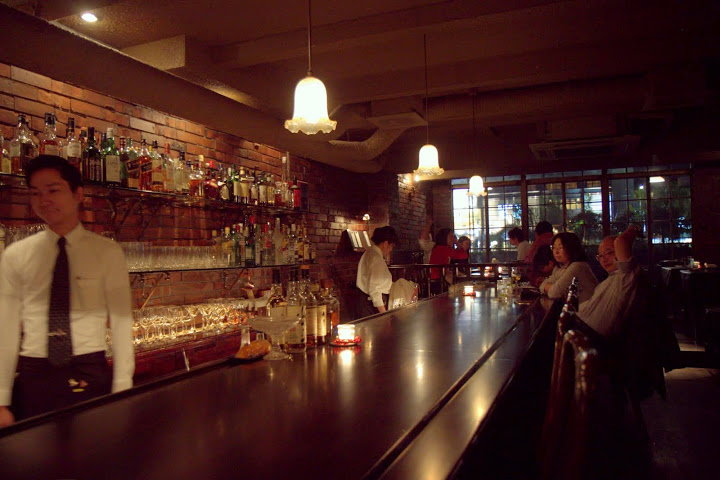
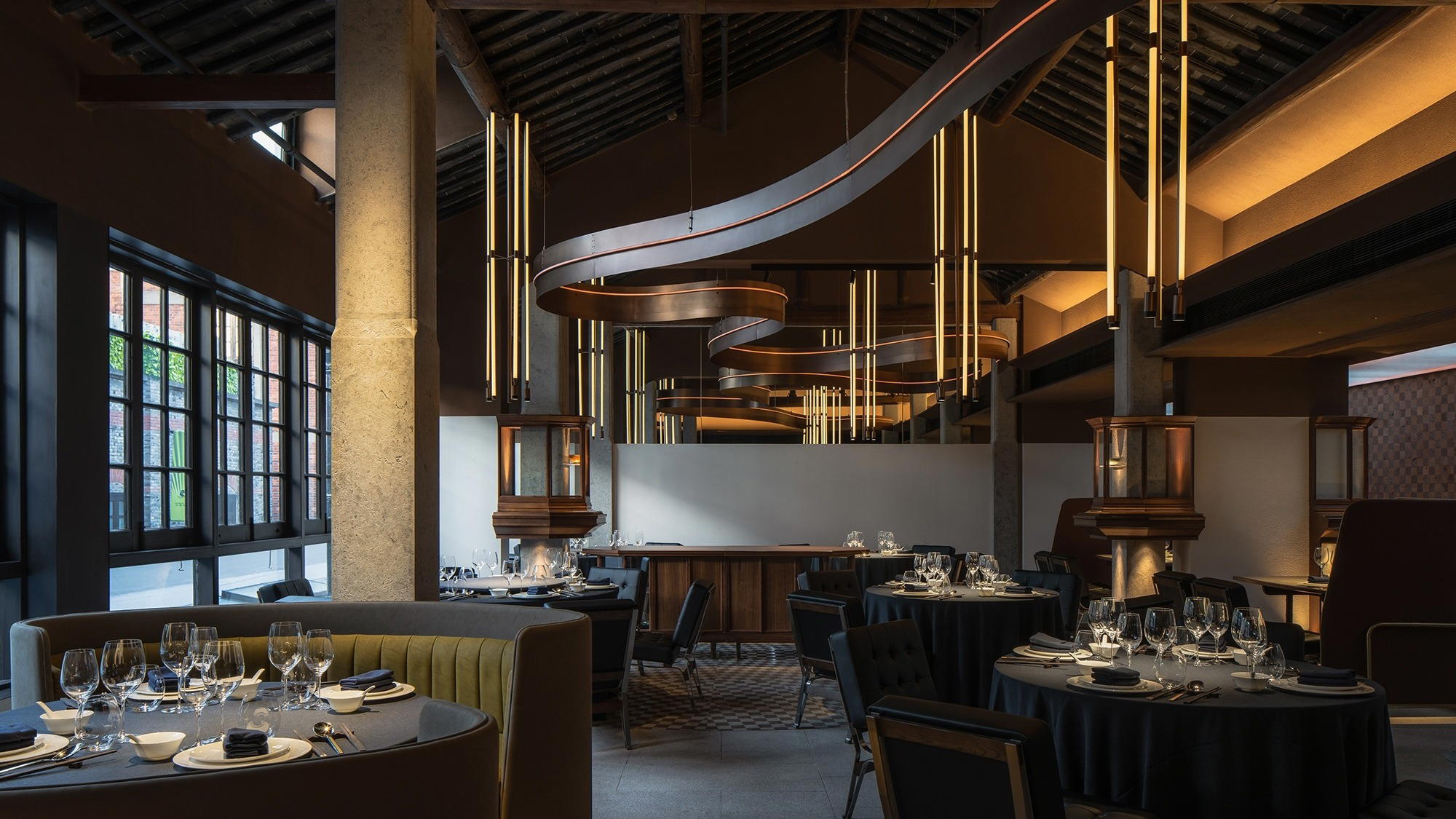
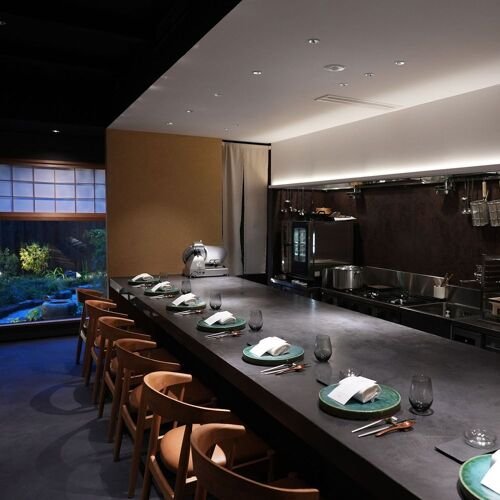
Intimate wooden interior with soft, practical lighting focused on plates rather than ornament; neutral lacquer and natural materials create a calm, restrained atmosphere that allows food to stand forward.
Tags
Vibe
Best For
Experience
Sourcing
At the Table
- Dress Code
- Smart Casual
- Noise Level
- Quiet
- Service Style
- Omakase Bar
- Meal Pacing
- Extended Experience
- Capacity
- Intimate
Signature Dishes
- Omakase Kaiseki
- Gomadofu with Pureed Vegetable Soup
- Chargrilled Sweetfish
- Clay Pot Rice
- Sashimi Platter
Know before you go
Know Before You Go
- Getting there
- 109 Kanzecho, Kamigyo Ward, Kyoto, 602-8441, Japan
Planning details
Location
109 Kanzecho, Kamigyo Ward, Kyoto, 602-8441, Japan · Directions
Recognition and awards
Also consider
Also Consider
- Gion Sasaki, Kaiseki, Japanese, ¥¥¥¥
- cenci, Italian, ¥¥¥
- Ifuki, Kaiseki, ¥¥¥¥
- Kyokaiseki Kichisen, Japanese, ¥¥¥¥
- SEN, French, Japanese, ¥¥¥¥
Restaurant context
How Nishijin Hashimoto Compares in Kyoto
The most direct question is whether to spend up to the ¥¥¥¥ tier or stay at ¥¥¥. If you are set on kaiseki, the full multi-course progression with dedicated tableware and a ceremonial pace, Gion Sasaki and Ifuki are the credentialed options at the ¥¥¥¥ level. Kyokaiseki Kichisen carries the deepest institutional reputation in that tier and is the choice if prestige and private-dining infrastructure are the priority. Nishijin Hashimoto does not compete on those terms, it offers a different value: a single chef working across multiple Japanese formats with genuine personal hospitality, at a price point that does not require a special-occasion budget to justify.
For diners who want seasonal Japanese cooking at ¥¥¥ without committing to a fixed kaiseki format, Nishijin Hashimoto has more culinary range than most single-cuisine counters at the same price. cenci sits at the same ¥¥¥ tier but operates in Italian rather than Japanese, making it a different kind of occasion entirely, worth considering if your group would prefer a European framework. SEN blends French and Japanese at ¥¥¥¥, which suits diners who want fusion ambition and are willing to pay for it.
On booking difficulty, Nishijin Hashimoto is the easiest entry point among these options. The ¥¥¥¥ kaiseki rooms, particularly Gion Sasaki and Kyokaiseki Kichisen, require more lead time and carry higher booking friction for international visitors. If you are planning a Kyoto trip with a tight itinerary, Nishijin Hashimoto is the most accessible Michelin-recognised Japanese counter in this peer group. Book it for a dinner that needs to feel considered without requiring months of advance planning.
Explore Kyoto
Around this place
Discover more on Pearl
Unlock the full Nishijin Hashimoto guide in Pearl, including awards, comparisons, FAQs, planning details, and nearby places.
Compare Nishijin Hashimoto
| Venue | Cuisine | Awards | Booking Difficulty |
|---|---|---|---|
| Nishijin Hashimoto | Japanese | Michelin Guide Kyoto Osaka 20262026 Michelin Plate2025 Michelin Plate2024 Michelin Plate | Easy |
| Gion Sasaki | Kaiseki, Japanese | 2026 Tabelog Bronze · #3862026 OAD Top Restaurants in Japan RecommendedMichelin Guide Kyoto Osaka 20262026 La Liste Top RestaurantsTabelog 100 - Japanese cuisine - WEST - 2025 · #132025 OAD Top Restaurants in Japan Ranked · #2462025 Tabelog Silver2025 Michelin 3 Stars2025 La Liste Top Restaurants | Unknown |
| cenci | Italian | 2026 Tabelog Bronze · #442026 Asia's 50 Best Restaurants · #762026 OAD Top Restaurants in Japan Highly RecommendedMichelin Guide Kyoto Osaka 2026Tabelog 100 - Italian - WEST - 2025 · #632025 Asia's 50 Best Restaurants · #632025 OAD Top Restaurants in Japan Ranked · #1682025 Tabelog Bronze2024 OAD Top Restaurants in Japan Ranked · #135 | Unknown |
| Ifuki | Kaiseki | 2026 OAD Top Restaurants in Japan Ranked · #1222026 Tabelog Bronze · #128Michelin Guide Kyoto Osaka 20262026 La Liste Top RestaurantsTabelog 100 - Japanese cuisine - WEST - 2025 · #622025 OAD Top Restaurants in Japan Ranked · #1002025 La Liste Top Restaurants2025 Tabelog Bronze2025 Michelin 2 Stars | Unknown |
| Kyokaiseki Kichisen | Japanese | 2026 Tabelog Bronze · #1752026 OAD Top Restaurants in Japan Highly RecommendedMichelin Guide Kyoto Osaka 20262025 OAD Top Restaurants in Japan Ranked · #1862025 Michelin 2 Stars2025 La Liste Top Restaurants2024 OAD Top Restaurants in Japan Ranked · #1422024 Michelin 2 Stars2023 OAD Top Restaurants in Japan Ranked · #136 | Unknown |
| SEN | French, Japanese | 2026 Tabelog Bronze · #3952026 OAD Top Restaurants in Japan RecommendedMichelin Guide Kyoto Osaka 20262026 Michelin PlateTabelog 100 - Japanese cuisine - WEST - 2025 · #652025 Michelin Plate2025 Tabelog Bronze2024 OAD Top Restaurants in Japan Ranked · #3622024 Michelin Plate | Unknown |
.png?width=1200&quality=80)






Key differences to consider before you reserve.
FAQ
Frequently Asked Questions
Can Nishijin Hashimoto accommodate groups?
Counter seating makes this a natural fit for pairs rather than large parties. Groups of four or more should check availability carefully, as the counter format limits how cohesively larger tables can dine together. If a shared, interactive meal is the goal, parties of two will get the most from the experience at this ¥¥¥ Michelin Plate counter in Kamigyo Ward.
What should I order at Nishijin Hashimoto?
The gomadofu paired with seasonal vegetable pureed soup is the dish to anchor your meal around — it is specifically noted in the venue's Michelin recognition. The chef prepares both sushi and soba in-house, which is uncommon for a counter of this type, so ordering across those formats makes sense. Finish with the proprietress's handmade sweets, which are part of what defines the experience here.
Can I eat at the bar at Nishijin Hashimoto?
Counter seating is the primary format at Nishijin Hashimoto — this is a counter-led venue, not a restaurant with a bar as a secondary option. Sitting at the counter is the intended way to eat here, and it puts you directly in front of the chef's work across sushi, soba, and seasonal dishes.
How far ahead should I book Nishijin Hashimoto?
Booking difficulty is rated Easy, meaning this does not carry the months-ahead pressure of Kyoto's top kaiseki rooms. A reservation is still advisable, particularly for weekend visits to this Kamigyo Ward counter, but you are unlikely to need to plan more than a week or two out. It is a practical advantage over comparable Kyoto Michelin-recognised venues.
What should a first-timer know about Nishijin Hashimoto?
This is not a kaiseki venue — come expecting a counter meal shaped by one chef's range across sushi, soba, and seasonal Japanese cooking, not a multi-course white-glove progression. The chef's philosophy, ikkyu nyukon (pour your heart and soul into every pitch), sets the tone: attentive and personal rather than ceremonial. At ¥¥¥ with a Michelin Plate for both 2024 and 2025, it sits at a accessible price point for the recognition level, and the couple who run it are noted for genuine hospitality.