.png?width=1200&quality=80)
Nikuryori Shibuya
Beef · Shimogyō, Kyoto
Restaurant in Kyoto, Japan
 Book with Pearl
The Read
Offal-Forward Wagyu Omakase
Price
¥¥¥
Dress
Smart Casual
Why go
A Michelin Plate wagyu counter in central Kyoto, run by a chef with over fifty years of beef sourcing experience. The omakase progresses from offal to sirloin with clear culinary logic, set in an intimate machiya townhouse where the family-run dynamic adds genuine warmth. At ¥¥¥, it is one of Kyoto's sharper value propositions for specialist beef dining.
About Nikuryori Shibuya
Verdict: A Half-Century of Wagyu Knowledge at ¥¥¥ Prices — Book It
At the ¥¥¥ price tier, Nikuryori Shibuya sits below most of Kyoto's kaiseki heavyweights and delivers something those restaurants largely don't: a focused, omakase-led wagyu experience shaped by more than fifty years of sourcing expertise. If beef is your purpose and you want depth of craft rather than breadth of course, this is the right room. If you need a full seasonal kaiseki structure or a wine-forward tasting menu, look elsewhere first.
The Case for Booking
The chef at Nikuryori Shibuya has spent over five decades in the wagyu trade, and the approach here reflects that accumulated judgment directly. Rather than committing to a single regional brand — no Kobe-only or Matsusaka-only pledge, the kitchen sources on quality, selecting cuts from wherever the standard is highest at any given time. That flexibility matters: it means the menu responds to what is actually good rather than what the label guarantees, which is a more honest way to run a wagyu counter.
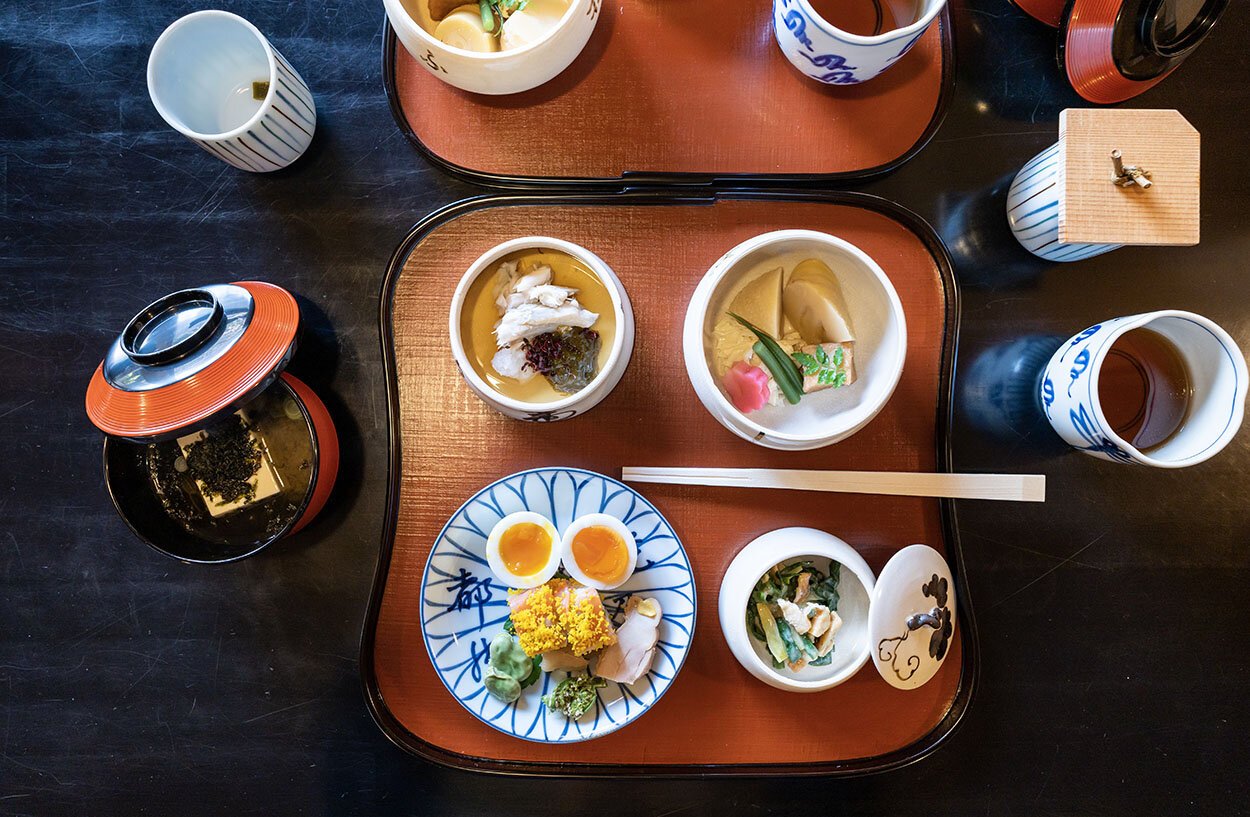
The omakase structure begins with items designed to highlight freshness: tongue and heart come early, before richer cuts, because they reward immediacy. Parboiled tripe follows, then a Yanagawa-style sirloin preparation that folds the fat-rich cut into a more composed, simmered format. The progression has clear internal logic, lighter, more delicate textures giving way to deeper, fattier flavour, and that structure is what separates a thoughtfully built wagyu omakase from a simple beef tasting. Guests can supplement with à la carte additions, which is useful if a particular cut appeals or if you want to compare preparations.
Michelin Plate recognition (2025) confirms a baseline of consistent quality without the premium ceiling that a Michelin star would imply. That positioning is actually useful for the food-focused traveller: you are getting a credentialed kitchen at a price that remains accessible relative to Kyoto's starred tier. For context, kaiseki institutions like Gion Sasaki and Hyotei operate at ¥¥¥¥, and their menus are structured around a very different culinary logic. Nikuryori Shibuya is not competing with those rooms, it is doing something more singular.
The Counter Experience
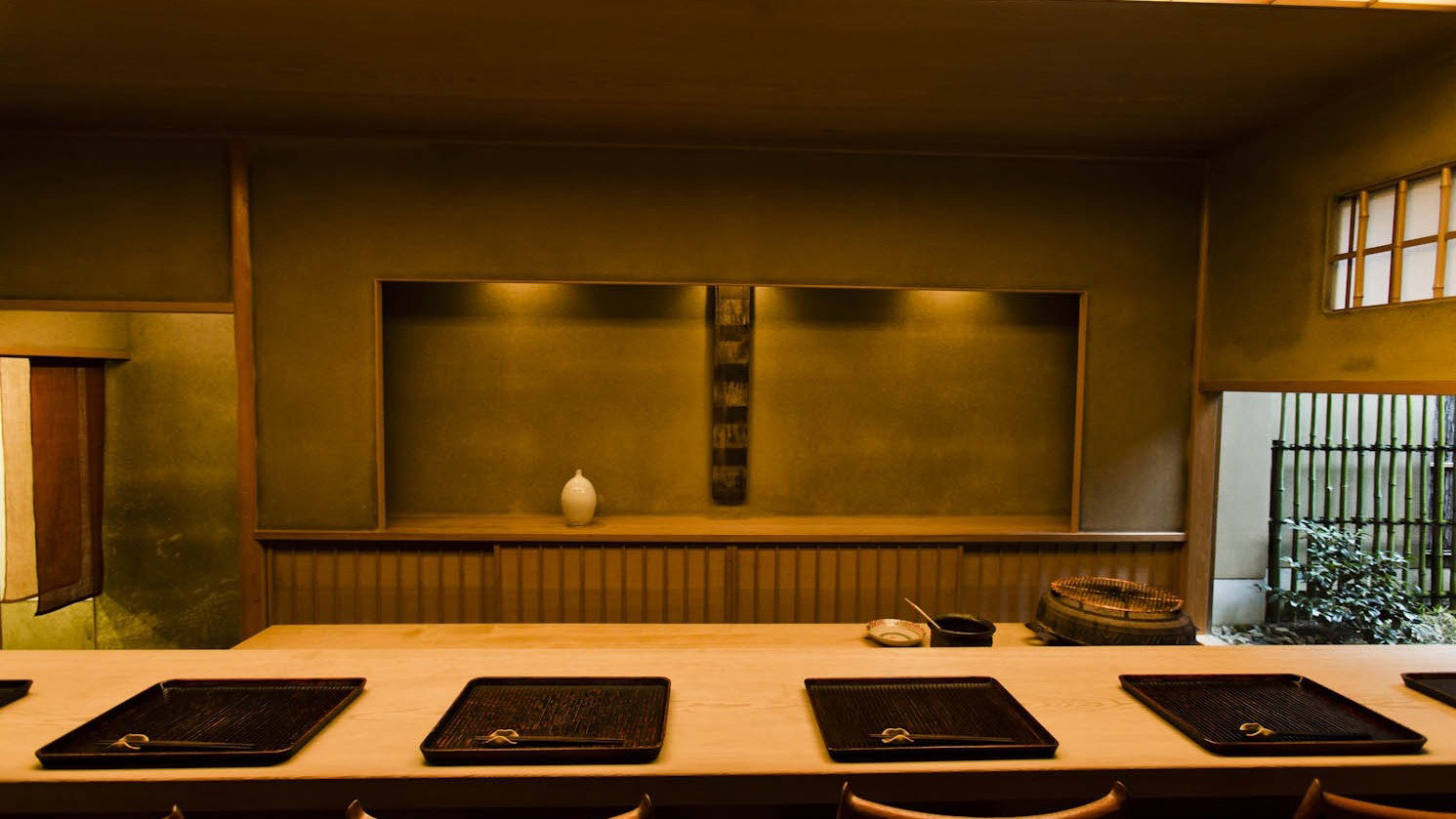
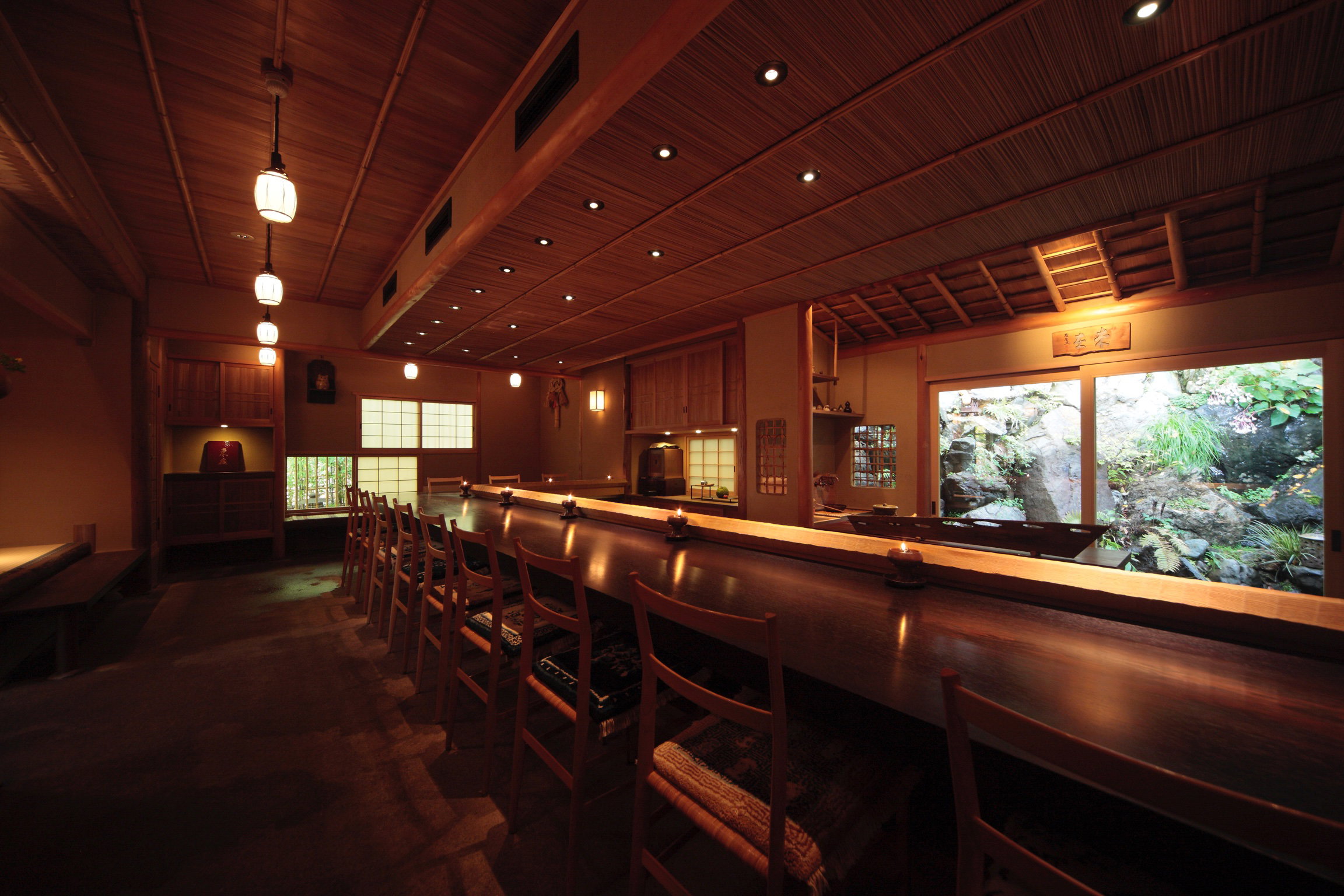
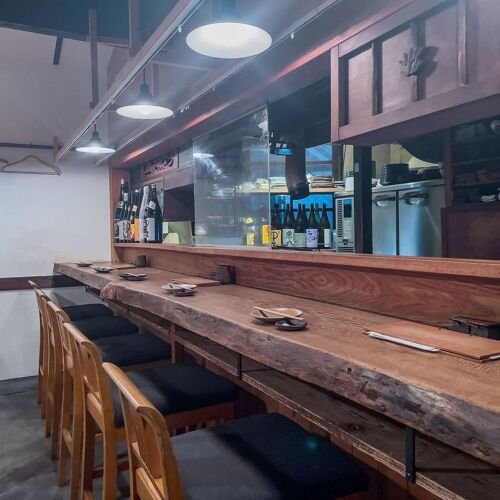
Setting is an old-fashioned Kyoto townhouse, the kind of machiya-style space that makes beef preparation feel like a considered act rather than a restaurant transaction. The dynamic between the father-and-daughter team, the chef working the counter, his daughter managing the front of house, gives the meal a character that is difficult to manufacture. This is not a corporate operation or a hotel restaurant approximating intimacy. The banter between the two is, by all accounts, a genuine feature of the experience, and it shifts the tone from formal to warm without losing focus on what is on the plate.
That counter dynamic is also practically relevant. At a small, family-run counter, the chef's attention is distributed across fewer guests than in a large dining room, and communication about preferences, pacing, and additions is easier. If you want to talk through the sourcing of a particular cut, or ask about the Yanagawa preparation, the format invites that. Compare this to the more structured, often silent progression at top-tier kaiseki venues like Kikunoi Honten or Isshisoden Nakamura, where interaction with the kitchen is more ceremonial. Nikuryori Shibuya is the better choice if the human exchange is part of what you are there for.
For travellers who have explored wagyu-focused dining elsewhere in Japan, perhaps at Oniku Karyu in Tokyo or beef-forward formats in other cities, Nikuryori Shibuya offers the additional layer of Kyoto context: a townhouse setting, a family counter, and a sourcing philosophy that prioritises the chef's own judgment over regional marketing. That combination is not common.
Practical Details
The restaurant is located at 317 Tabiyacho, Shimogyo Ward, Kyoto, a central ward that places it within reach of the main Kyoto Station transport hub. No website or phone number is listed in current records, which means booking likely requires going through a third-party reservation platform or your hotel concierge. Book as early as your travel timeline allows; walk-in availability cannot be assumed.
The ¥¥¥ price tier positions this as a considered spend rather than an everyday meal, but it is materially more accessible than the ¥¥¥¥ rooms that dominate Kyoto's fine dining tier. Hours are not publicly confirmed, so verify current service times before arriving. For broader Kyoto planning, see our full Kyoto restaurants guide, our Kyoto hotels guide, and our Kyoto bars guide.
If your Japan itinerary extends beyond Kyoto, comparable ambition in other cities can be found at HAJIME in Osaka, Harutaka in Tokyo, or akordu in Nara. For wagyu specifically outside Japan, Caviar & Bull in St Julian's offers an international reference point.
Quick reference:
How It Compares
Planning details
- Location
- 317 Tabiyacho, Shimogyo Ward, Kyoto, 600-8038, Japan
- Website
- gcjapan-kyoto.com/yama
- Phone
- +81 75-221-8588
The take
The Take
The Vibe
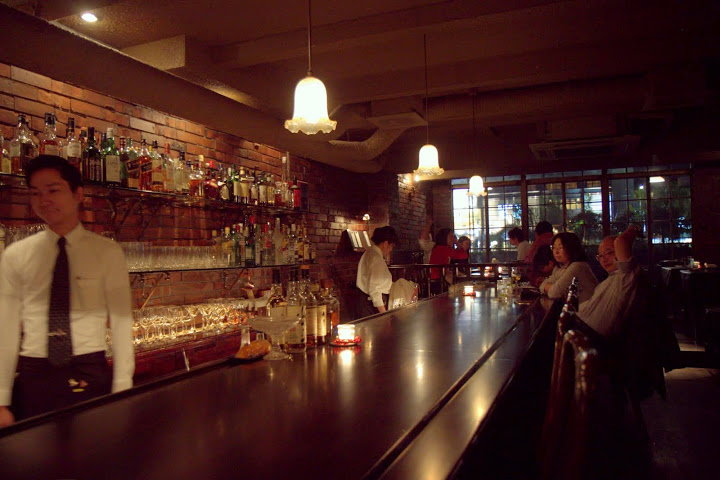
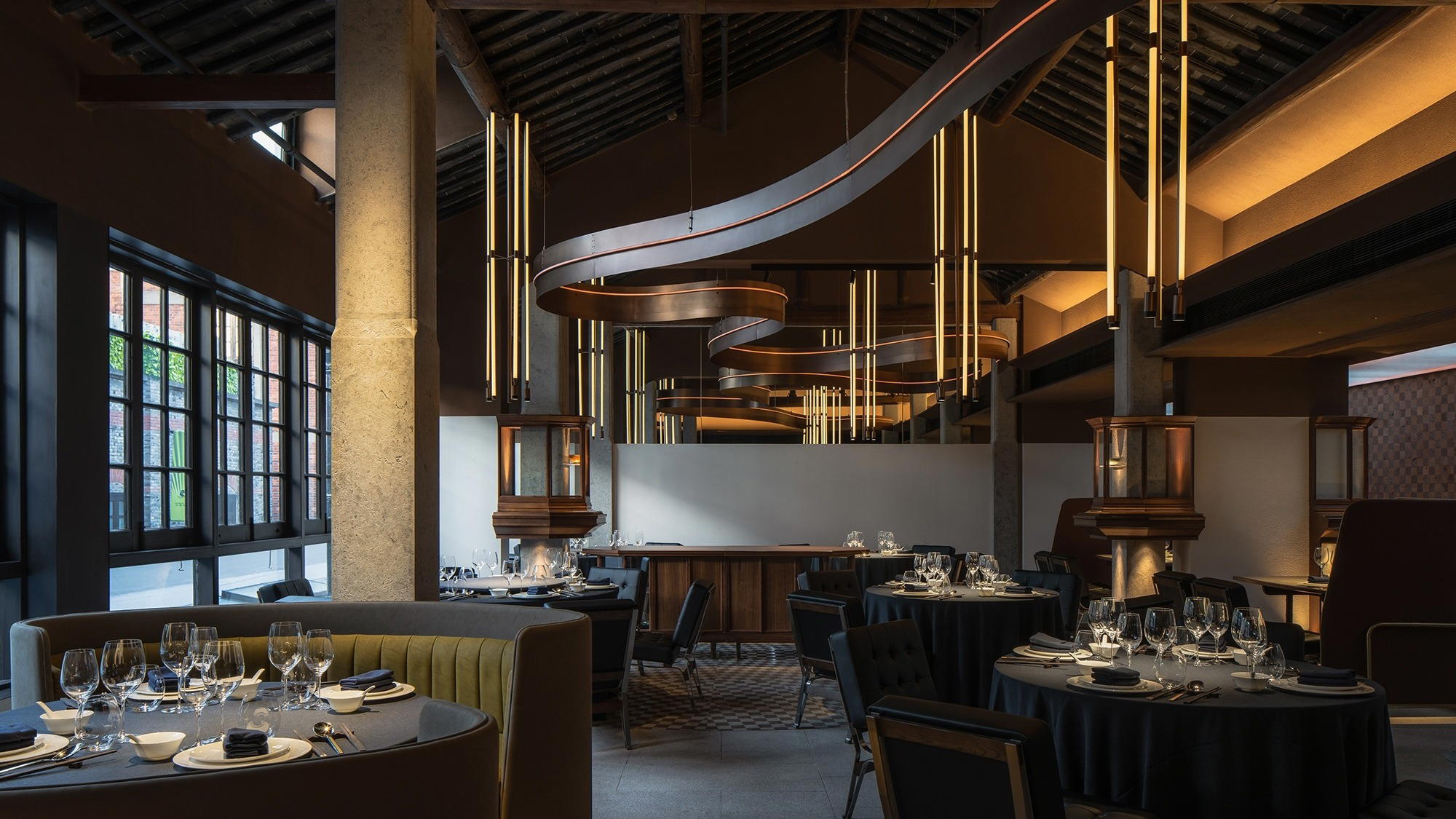
Nikuryori Shibuya occupies an old-fashioned Kyoto townhouse that deliberately resists the showroom gloss of modern wagyu counters. Low ceilings, exposed timber and human-scale proportions make the room feel like a working kitchen extended into dining space; materials that "carry age without apology" give the place a lived-in authenticity. Service and mise-en-place skew toward craft and attention rather than spectacle, and the compressed, offal-friendly layout intensifies the sensory focus on the beef at the center of the meal. The result is a quietly immersive, historically rooted setting that feels intimate and quietly assured.
Best For
This is a destination for diners seeking a focused wagyu experience rather than a flashy performance: offal enthusiasts, serious beef lovers and couples after an intimate evening all find their match here. The townhouse scale and omakase sequence reward guests who appreciate careful technique and ingredient-forward cooking, making it well suited to special occasions and date nights where the point is the food and the rhythm of the meal. It’s less about spectacle and more about the close, considered work of butchery and quick-fire cooking.
Ordering Tips
Nikuryori Shibuya runs as an omakase sequence; the menu intentionally opens with immediate, freshness-led cuts such as beef tongue and heart, so plan to follow the chef’s order. Ask about the Yanagawa-style sirloin and the kaiware maki if you want highlights called out by the kitchen; these are signature moments in the sequence. Come ready to eat at the pace set by the staff and to lean into offal-forward preparations—this is a craft-driven experience where attention to technique and provenance matters more than theatrical presentation.
Venue details
Ambiance
Old-fashioned townhouse with tatami rooms and counter seating, providing a warm, traditional, and intimate atmosphere.
Tags
Vibe
Best For
At the Table
- Dress Code
- Smart Casual
- Noise Level
- Quiet
- Service Style
- Upscale Casual
- Meal Pacing
- Leisurely
- Capacity
- Intimate
Signature Dishes
- beef tongue sashimi
- heart sashimi
- Yanagawa-style sirloin
- kaiware maki
Know before you go
Know Before You Go
- Getting there
- 317 Tabiyacho, Shimogyo Ward, Kyoto, 600-8038, Japan
Planning details
Location
317 Tabiyacho, Shimogyo Ward, Kyoto, 600-8038, Japan · Directions
Recognition and awards
Also consider
Also Consider
- Gion Sasaki, Kaiseki, Japanese, ¥¥¥¥
- cenci, Italian, ¥¥¥
- Ifuki, Kaiseki, ¥¥¥¥
- Kyokaiseki Kichisen, Japanese, ¥¥¥¥
- SEN, French, Japanese, ¥¥¥¥
Restaurant context
Nikuryori Shibuya occupies a distinct position in Kyoto's fine dining tier because it is not trying to be a kaiseki restaurant. At ¥¥¥, it is a full price tier below the city's kaiseki institutions, and its focus is narrower and more specialist. If you are deciding between this and a ¥¥¥¥ kaiseki experience, the question is whether beef is your primary interest or one component of a broader seasonal Japanese meal. Gion Sasaki and Ifuki are both worth the higher spend for guests who want the full kaiseki arc, multiple courses, seasonal produce, formal service, but neither will give you the depth of wagyu craft that Nikuryori Shibuya provides.
Kyokaiseki Kichisen is Kyoto's most prestigious kaiseki address and operates at the top of the ¥¥¥¥ tier; book it if ceremony and historical lineage matter as much as the food. SEN blends French and Japanese sensibilities at ¥¥¥¥ and is worth considering for guests who want a more international tasting menu format. At the same ¥¥¥ price point as Nikuryori Shibuya, cenci offers Italian-influenced cooking and is a strong alternative if you are not committed to beef. The practical summary: for wagyu depth and a personal counter experience at an accessible price, Nikuryori Shibuya has no direct equivalent in Kyoto at this tier.
On booking difficulty, Nikuryori Shibuya is rated easy relative to the kaiseki heavyweights, Gion Sasaki and Kyokaiseki Kichisen in particular require significant advance planning and are harder to access without a Japanese-language contact. That accessibility advantage is real and worth factoring in if your travel timeline is short.
Explore Kyoto
Around this place
Discover more on Pearl
Unlock the full Nikuryori Shibuya guide in Pearl, including awards, comparisons, FAQs, planning details, and nearby places.
Compare Nikuryori Shibuya
| Venue | Price | Booking Difficulty | Awards |
|---|---|---|---|
| Nikuryori Shibuya | ¥¥¥ | Easy | 2026 Michelin Plate2025 Michelin Plate2024 Michelin Plate |
| Gion Sasaki | ¥¥¥¥ | Unknown | 2026 Tabelog Bronze · #3862026 OAD Top Restaurants in Japan RecommendedMichelin Guide Kyoto Osaka 20262026 La Liste Top RestaurantsTabelog 100 - Japanese cuisine - WEST - 2025 · #132025 OAD Top Restaurants in Japan Ranked · #2462025 Tabelog Silver2025 Michelin 3 Stars2025 La Liste Top Restaurants |
| cenci | ¥¥¥ | Unknown | 2026 Tabelog Bronze · #442026 Asia's 50 Best Restaurants · #762026 OAD Top Restaurants in Japan Highly RecommendedMichelin Guide Kyoto Osaka 2026Tabelog 100 - Italian - WEST - 2025 · #632025 Asia's 50 Best Restaurants · #632025 OAD Top Restaurants in Japan Ranked · #1682025 Tabelog Bronze2024 OAD Top Restaurants in Japan Ranked · #135 |
| Ifuki | ¥¥¥¥ | Unknown | 2026 OAD Top Restaurants in Japan Ranked · #1222026 Tabelog Bronze · #128Michelin Guide Kyoto Osaka 20262026 La Liste Top RestaurantsTabelog 100 - Japanese cuisine - WEST - 2025 · #622025 OAD Top Restaurants in Japan Ranked · #1002025 La Liste Top Restaurants2025 Tabelog Bronze2025 Michelin 2 Stars |
| Kyokaiseki Kichisen | ¥¥¥¥ | Unknown | 2026 Tabelog Bronze · #1752026 OAD Top Restaurants in Japan Highly RecommendedMichelin Guide Kyoto Osaka 20262025 OAD Top Restaurants in Japan Ranked · #1862025 Michelin 2 Stars2025 La Liste Top Restaurants2024 OAD Top Restaurants in Japan Ranked · #1422024 Michelin 2 Stars2023 OAD Top Restaurants in Japan Ranked · #136 |
| SEN | ¥¥¥¥ | Unknown | 2026 Tabelog Bronze · #3952026 OAD Top Restaurants in Japan RecommendedMichelin Guide Kyoto Osaka 20262026 Michelin PlateTabelog 100 - Japanese cuisine - WEST - 2025 · #652025 Michelin Plate2025 Tabelog Bronze2024 OAD Top Restaurants in Japan Ranked · #3622024 Michelin Plate |







What to weigh when choosing between Nikuryori Shibuya and alternatives.
FAQ
Frequently Asked Questions
Is Nikuryori Shibuya good for a special occasion?
Yes, with one caveat: this is an intimate, counter-style wagyu omakase in a traditional Kyoto townhouse, not a formal multi-course kaiseki setting. The Michelin Plate recognition and the chef's fifty-plus years in the wagyu trade give it real occasion weight, and the father-daughter dynamic in the room makes the experience personal. If your guest wants ceremony and tablecloths, look elsewhere — if they want genuine craft in a characterful space, this works well.
Is Nikuryori Shibuya worth the price?
At the ¥¥¥ tier, yes. The chef has spent over five decades in the wagyu business and selects on quality rather than regional brand, which means you're paying for accumulated judgment rather than a famous label. Against Kyoto's kaiseki options at similar or higher prices, Nikuryori Shibuya offers a focused, beef-forward omakase that's harder to find in this format. If you want a broad multi-course meal, it won't satisfy — but for wagyu depth, the value case is strong.
What should I order at Nikuryori Shibuya?
The omakase sequence is the foundation: it opens with offal cuts like tongue and heart that showcase ingredient freshness, moves through parboiled tripe, and builds to Yanagawa-style sirloin. The format is omakase-led but not locked — customers can add items from the menu. Order what the kitchen opens with rather than skipping to the sirloin; the progression is deliberate.
How far ahead should I book Nikuryori Shibuya?
Phone and website details are not listed in available records, so booking channel and lead time are difficult to confirm. For a Michelin Plate wagyu counter in Kyoto — a small, specialist room — assume at least two to three weeks' notice as a baseline, and more during peak travel periods (cherry blossom and autumn foliage seasons). Confirm directly through your hotel concierge or a Kyoto dining reservation service.
What are alternatives to Nikuryori Shibuya in Kyoto?
For kaiseki at a higher price point, Kyokaiseki Kichisen and Gion Sasaki are the serious options. For contemporary Japanese cooking at a similar ¥¥¥ level, cenci and SEN offer different formats worth considering. Ifuki sits in a comparable bracket for those who want a more traditional kaiseki structure. None of them deliver the same beef-focused omakase depth — Nikuryori Shibuya is the specific choice if wagyu is the point of the meal.
Is the tasting menu worth it at Nikuryori Shibuya?
Yes, if wagyu is what you're after. The omakase here follows a logical progression from lighter, fresher offal cuts through to richer sirloin preparations, and the chef's fifty-year background in the trade shapes the sequencing. It's not a broad tasting menu in the kaiseki mould — it's a focused beef omakase with the option to add dishes. For that specific format, the Michelin Plate-recognised execution at ¥¥¥ pricing makes it a reasonable book.