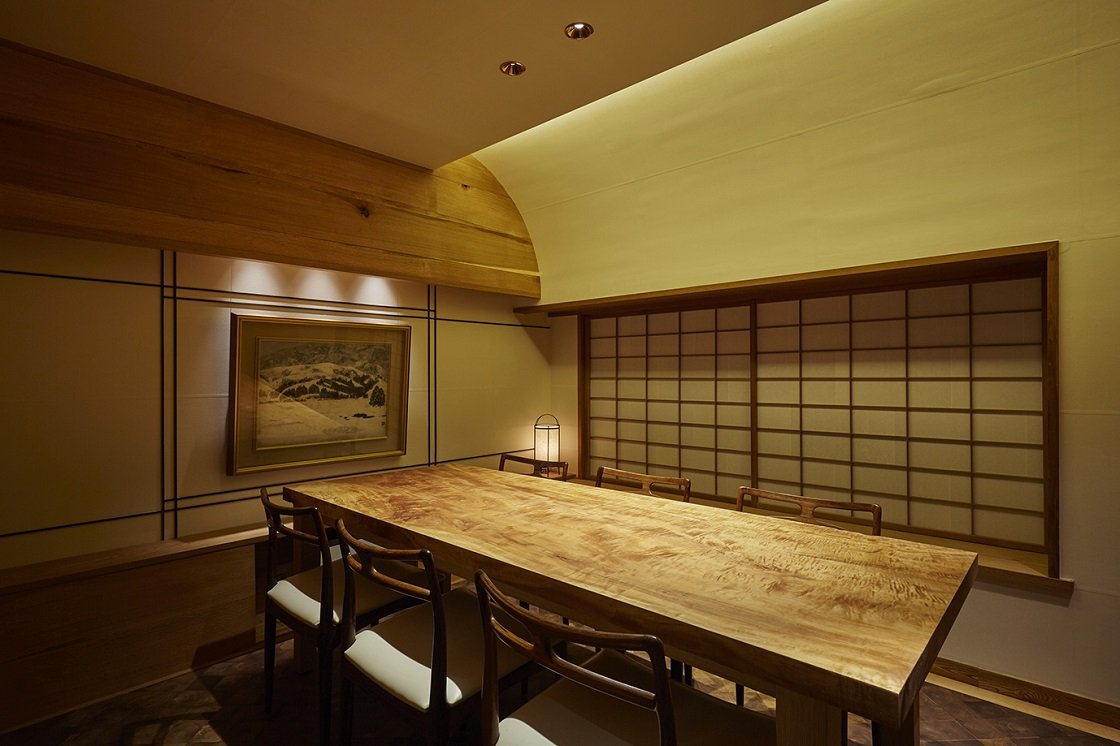

Nijojo Furuta
Japanese · Nakagyō, Kyoto
Restaurant in Kyoto, Japan
 Book with Pearl
The Read
Fishmonger-Rooted Simplicity
Price
¥¥¥
Dress
Smart Casual
Why go
Nijojo Furuta holds a 2024 Michelin Star and prices a tier below most of Kyoto's decorated Japanese tables. The fish-forward menu is simple by design; freshly sliced, grilled, or fried with considered touches; and generous portions make this feel like a meal rather than a ritual. A warm, conversation-driven room that suits food-focused travellers who want quality without ceremony.
About Nijojo Furuta
Verdict
Book Nijojo Furuta if you want a Michelin-starred Japanese meal in Kyoto that feels personal rather than ceremonial. This is not a kaiseki palace with ten courses of studied precision and hushed formality; it is a smaller, warmer room where generous portions, ingredient-driven simplicity, genuine conversation with the chef make the experience feel earned rather than performed. At ¥¥¥ pricing, it sits a full tier below the ¥¥¥¥ establishments that dominate Kyoto's high-end Japanese dining scene, which makes it one of the more accessible Michelin-starred tables the city offers. If you are travelling through Japan and building a considered dining itinerary, Nijojo Furuta deserves a serious look alongside options like Kikunoi Roan and Isshisoden Nakamura.
Portrait
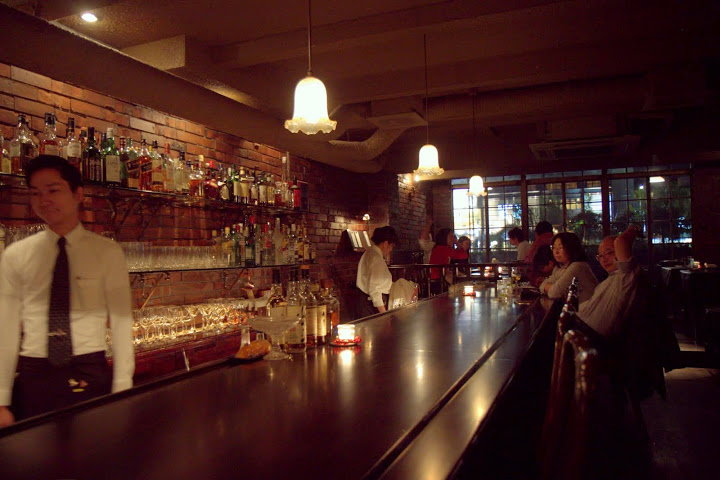
Nijojo Furuta holds a 2024 Michelin Star and operates out of Nakagyo Ward in Kyoto, at an address that places it within reach of the city's central districts. The atmosphere here is not the cool, controlled quiet of a formal dining room. Conversations carry. The chef moves between the counter and the guests, that energy; engaged, direct, genuinely warm, defines the mood of an evening here as much as anything on the plate.
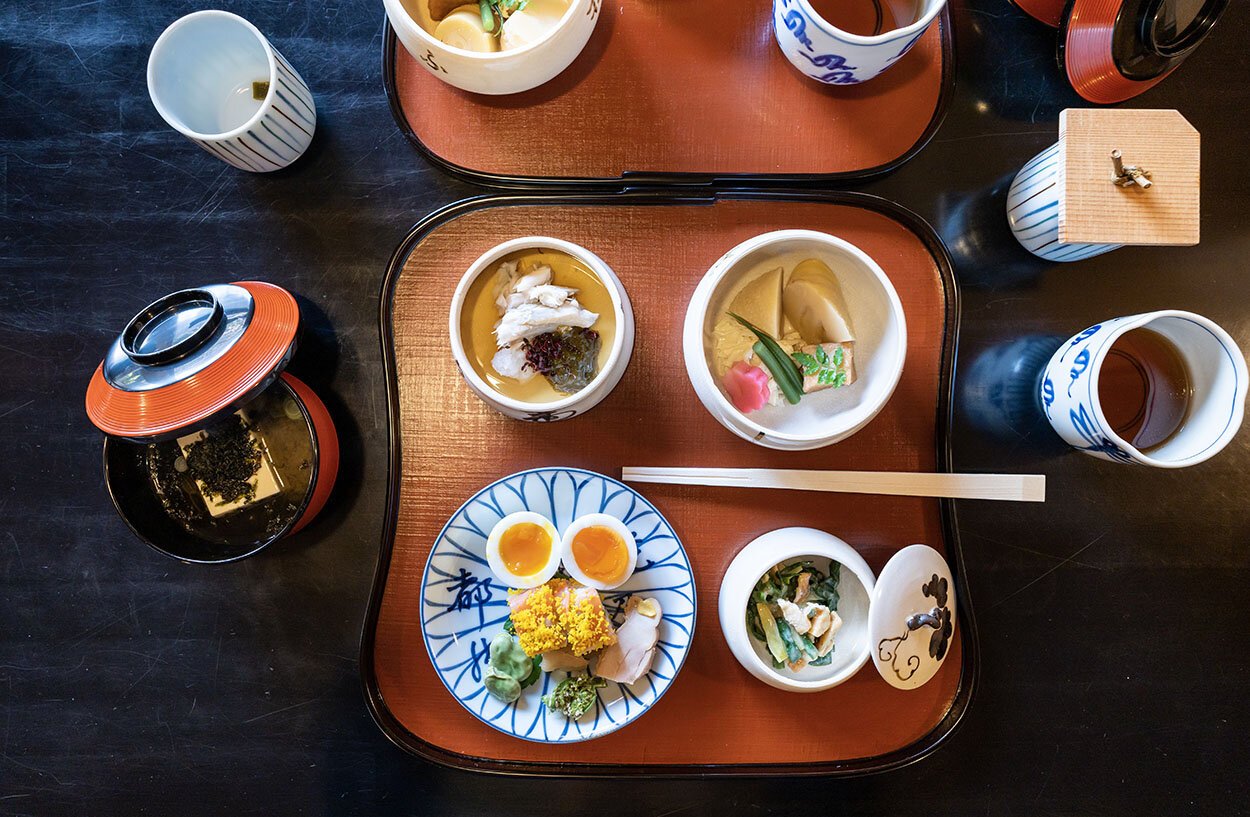
The cooking philosophy is rooted in simplicity with a precise point of view. Fish is the anchor of the menu, the chef's approach to it is unusually grounded: he spent time working at a fishmonger's specifically to understand the ingredient at source. That decision shows in how the kitchen handles seafood, freshly sliced, grilled, or deep-fried, with restraint rather than elaboration, then lifted by what the Michelin citation calls "clever twists" and "ingenious ingredient combinations." The portions are notably generous for a room at this level, which matters when you are deciding whether a meal will actually satisfy rather than merely impress.
The meal closes with white Omi rice, grown by the chef's uncle in the Hira region, served steaming from Shigaraki clay pots. This detail does more work than it might seem to: the rice is not a garnish or an afterthought, but a deliberate conclusion that connects the meal to a specific agricultural relationship and a specific geography. For food and travel enthusiasts who look for that kind of depth and provenance in a dining experience, it lands as a meaningful finish.
On the drinks side, the venue's bar program has not been documented in the available data, but for a Japanese restaurant at this price tier and level of recognition, the expectation is a sake selection calibrated to the fish-forward menu. Kyoto has strong sake culture and most respected tables in the city take their beverage pairing seriously. If drinks matter to your evening, confirm the program directly when you book, note that the intimate format makes it worth asking whether the chef has recommendations to pair with specific courses.
For comparison, larger or better-known Kyoto venues accumulate hundreds of reviews simply through volume of covers; Nijojo Furuta operates on a different register entirely.
If you are building a broader Japan itinerary and considering dining rooms of similar character, Harutaka in Tokyo offers a comparable fish-led, counter-format experience at a higher price point, while HAJIME in Osaka represents the more technically ambitious end of the Kansai spectrum. For quieter, more personal rooms in the region, akordu in Nara is worth knowing. Within Kyoto itself, Gion Matayoshi and Kodaiji Jugyuan occupy a similar register of personal, chef-driven dining. You can browse the full picture in our full Kyoto restaurants guide.
Ratings & Recognition
- Michelin Star: 1 Star (2024)
- Price tier: ¥¥¥
Booking
Booking difficulty is rated Hard. Nijojo Furuta is a small room with a chef who is frequently in conversation with guests, which means capacity is deliberately limited. A reservation made well in advance is not optional, it is the only reliable way in. No booking method, website, or phone number is listed in the venue's public record, which suggests reservations may run through a third-party platform, a Japanese booking service such as Tableall or Omakase, or through your hotel concierge. If you are travelling from outside Japan, the concierge route is the most practical first step. Plan for at least four to six weeks of lead time, more during Kyoto's peak autumn and spring seasons.
Practical Details
Address: 371 Furushirocho, Nakagyo Ward, Kyoto, 604-0045, Japan. Price tier: ¥¥¥, a meaningful step below the ¥¥¥¥ kaiseki rooms in the city. Reservations: Essential; book as far in advance as possible, ideally six or more weeks out during peak travel periods. Dress: Not specified in available data; smart casual is a safe baseline for a Michelin-starred Japanese table. Hours: Not available in current data, confirm directly when booking. Groups: Given the small, counter-style format, large groups are unlikely to be accommodated easily; this is better suited to parties of two or four. Dietary restrictions: Confirm at booking, no data available on set accommodation policies, but the fish-forward menu makes shellfish or seafood allergies particularly worth flagging early.
For more on what to do around your visit, see our full Kyoto bars guide, our full Kyoto hotels guide, our full Kyoto wineries guide, and our full Kyoto experiences guide.
How It Compares
See the comparison section below.
Planning details
- Location
- 371 Furushirocho, Nakagyo Ward, Kyoto, 604-0045, Japan
- Website
- nijyoujyoufuruta.gorp.jp
- Phone
- +81 50-5487-3335
The take
The Take
The Vibe
Nijojo Furuta reads as an understated Kyoto room that privileges material and technique over theatricality. The one-Michelin-starred kitchen takes a fish-first stance: procurement and precision replace heavy elaboration, so dishes land with quiet authority. Set in Nakagyo Ward — described as part of Kyoto’s layered old-city fabric — the restaurant attracts a selective audience and feels like a refined, discreet discovery rather than a tourist spectacle. Service and plating reflect kaiseki-adjacent discipline, and the overall tone is controlled and deliberate, rewarding diners who notice nuance and provenance.
Best For
This is a destination for diners who prize ingredient-driven, expertly executed fish preparations and a pared-back approach to seasonality. The house suits people who want a Michelin-caliber meal without the maximalist accoutrements; its clientele is selective and bookings are constrained, so it functions more like a specialist appointment than a casual stop. Guests who appreciate precise technique — slicing, grilling and careful frying that foregrounds the primary ingredient — will find the experience especially satisfying. Advance reservations are prudent because the restaurant operates within a small review and booking pool.
Ordering Tips
Let the daily catch and the chef’s selection guide your meal: the menu is structured around what arrives rather than a fixed plan, so flexibility is rewarded. The kitchen’s strengths are straightforward preparations—sashimi-style slicing, focused grilling and crisp deep-frying—so ask about the day’s standout fish. The Omi rice dish is noted as a signature, so plan to try it. Given the restaurant’s limited footprint and booking pressure, reserve early and consider indicating any preferences so the team can showcase the best procurement of the day.
Venue details
Ambiance
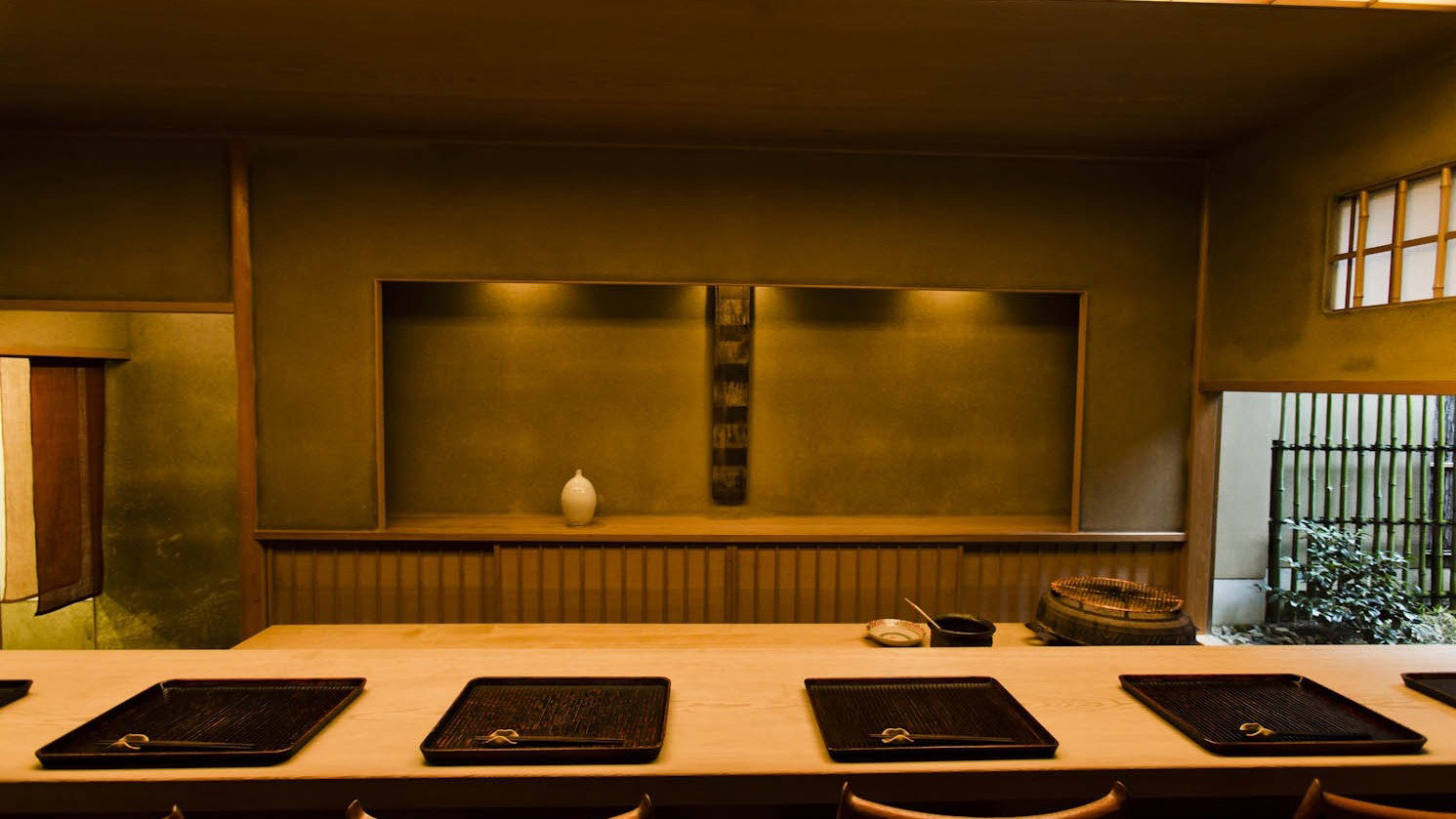
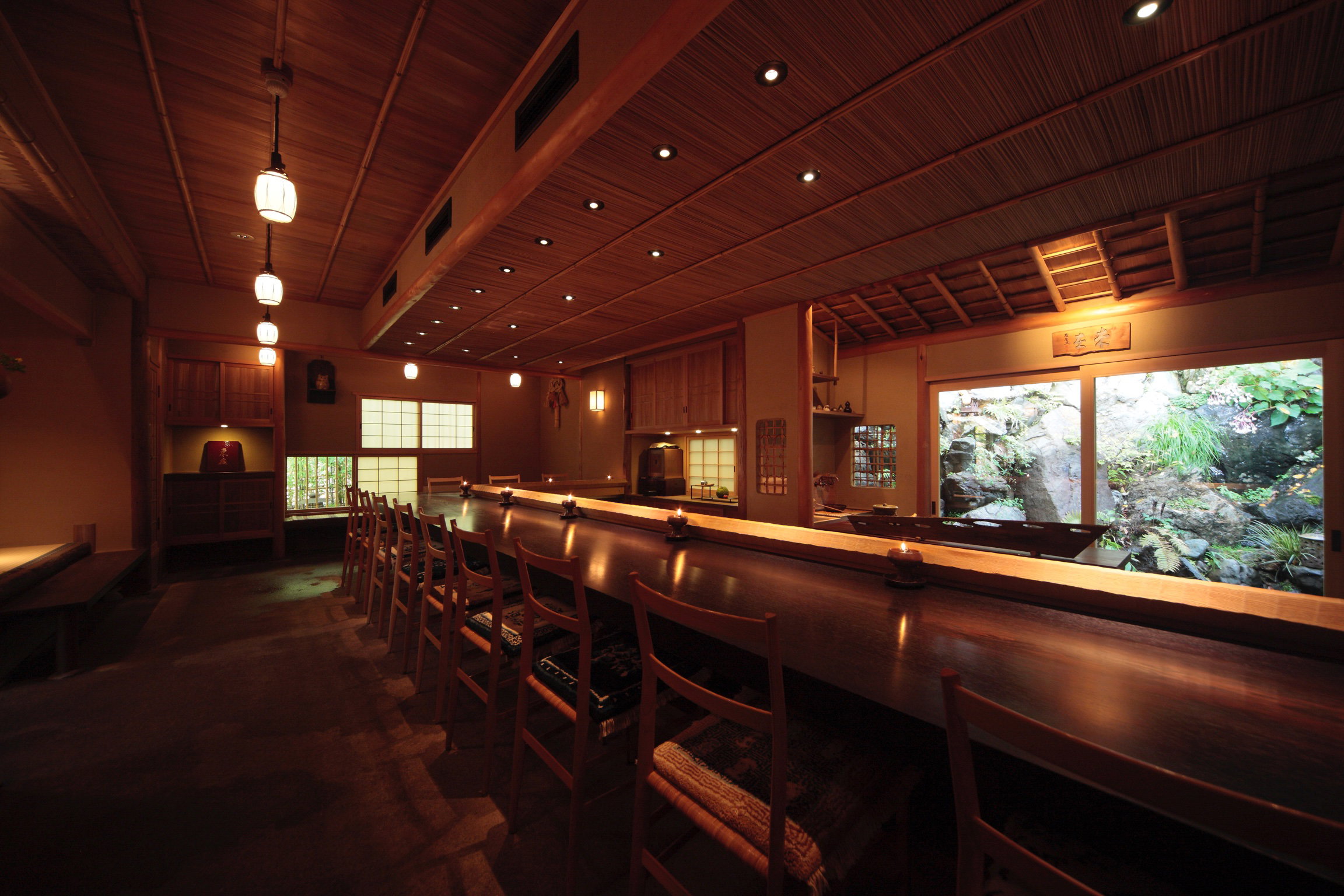
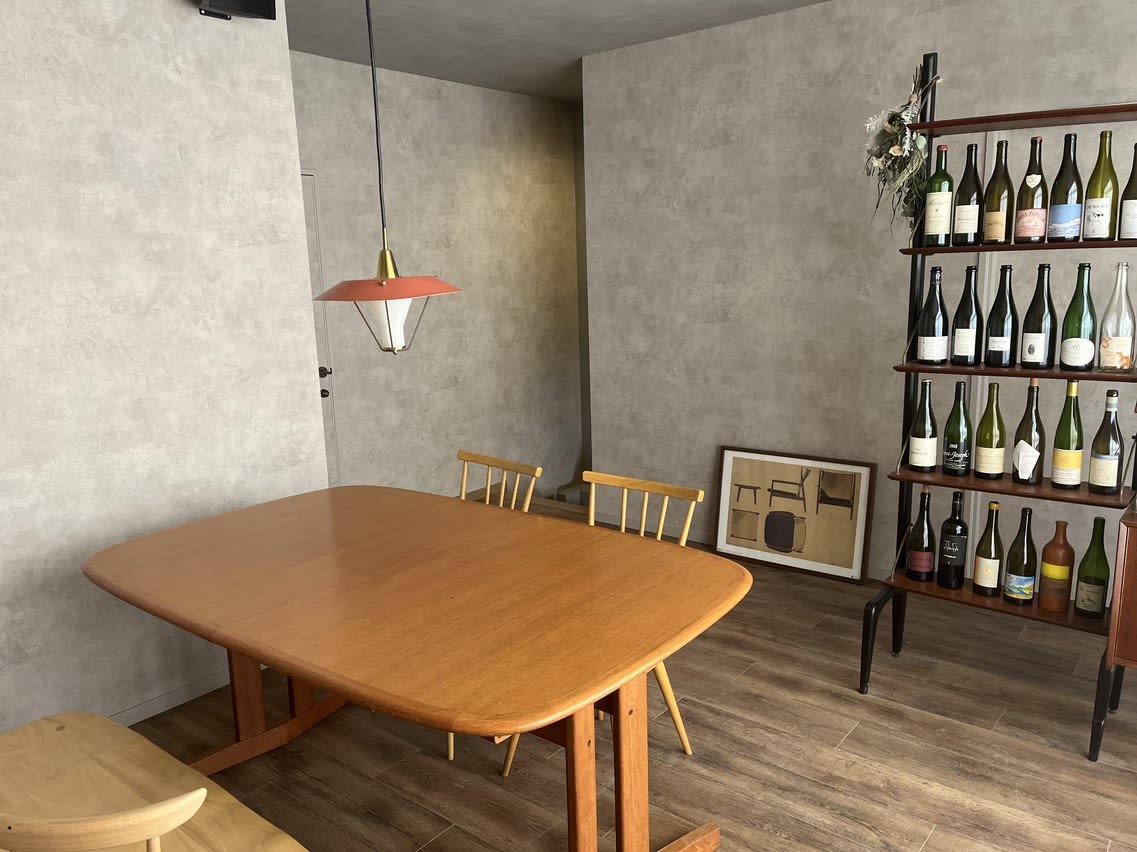
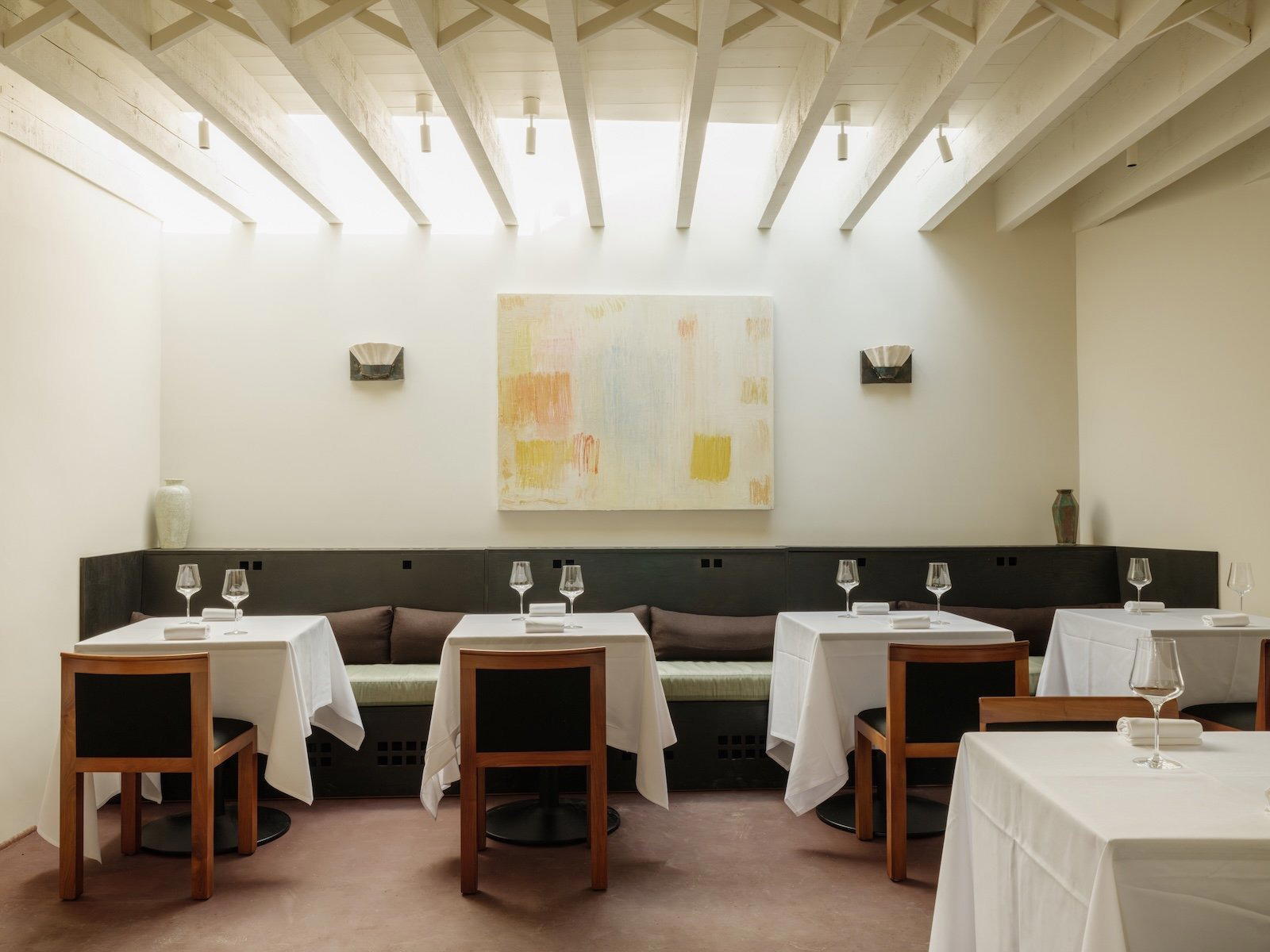
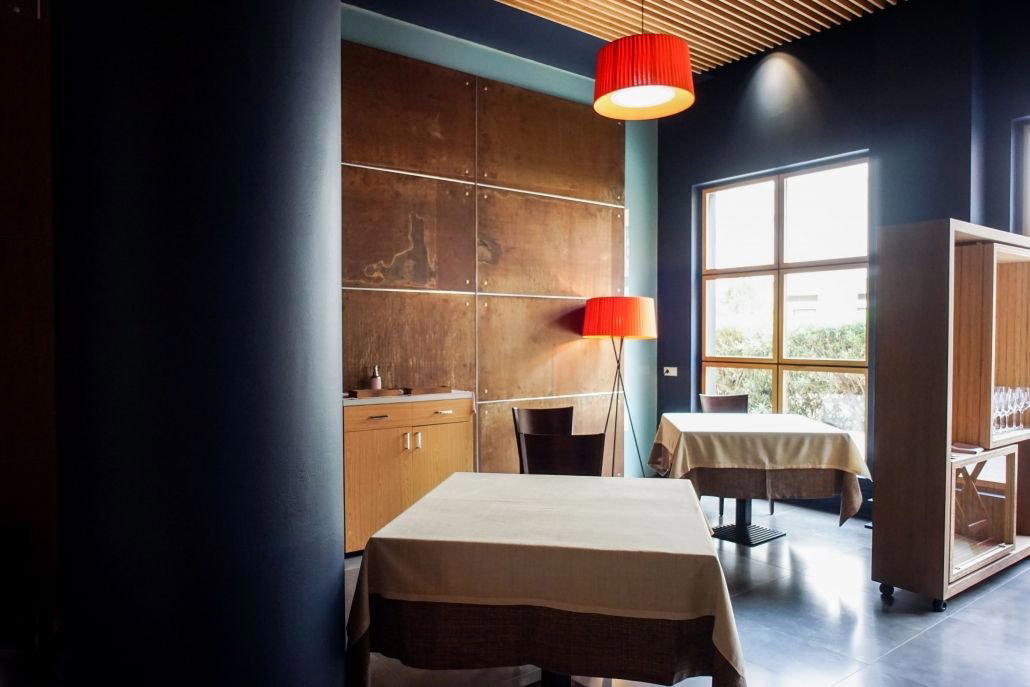
Tranquil and relaxing with traditional Kyoto earth walls, stylish counter seating, and beautiful flower arrangements creating an elegant, peaceful atmosphere.
Tags
Vibe
Best For
Experience
Sourcing
At the Table
- Dress Code
- Smart Casual
- Noise Level
- Quiet
- Service Style
- Formal
- Meal Pacing
- Leisurely
- Capacity
- Intimate
Signature Dishes
Omi rice dish
Planning details
Location
371 Furushirocho, Nakagyo Ward, Kyoto, 604-0045, Japan · Directions
Recognition and awards
Also consider
Also Consider
- Gion Sasaki; Kaiseki, Japanese, ¥¥¥¥
- cenci; Italian, ¥¥¥
- Ifuki; Kaiseki, ¥¥¥¥
- Kyokaiseki Kichisen; Japanese, ¥¥¥¥
- SEN; French, Japanese, ¥¥¥¥
Restaurant context
How It Compares
Nijojo Furuta's clearest advantage over most of Kyoto's Michelin-starred competition is price. At ¥¥¥, it sits a full tier below Kyokaiseki Kichisen, Gion Sasaki, and Ifuki, all of which operate at ¥¥¥¥ and bring a more elaborate, multi-act kaiseki structure with them. If what you want is the full ceremonial kaiseki progression; seasonal courses, lacquerware, the formal pacing; those rooms deliver it more completely. But if you want a Michelin-starred Japanese dinner that feels like a conversation rather than a performance, Nijojo Furuta is the better call, at a meaningfully lower spend.
Against Gion Sasaki (¥¥¥¥, Kaiseki), the comparison is instructive. Gion Sasaki carries stronger name recognition internationally and a higher price, it attracts the kind of diner who views the kaiseki format as the point of the evening. Nijojo Furuta attracts a different diner: one who wants the quality signal of a starred room but prefers fish-driven simplicity and a chef who is actively present in the room. On booking difficulty, both are hard to get into, but Gion Sasaki's international profile likely makes it the tougher reservation. Ifuki (¥¥¥¥, Kaiseki) similarly leans into kaiseki tradition and formal structure; right choice if ritual matters to you, wrong choice if you want warmth and generous portions.
cenci (¥¥¥, Italian) is the only peer venue at the same price tier, but the comparison is largely apples and oranges: cenci is a Japanese interpretation of Italian cuisine, which appeals to a different set of expectations entirely. For travellers building a multi-night Kyoto itinerary, the two rooms are complementary rather than competitive. SEN (¥¥¥¥, French-Japanese) sits at a higher price point and a different cultural register; worth considering if you want a French-influenced lens on Japanese ingredients, but it does not replace what Nijojo Furuta does with fish-forward Japanese simplicity.
Explore Kyoto
Around this place
Discover more on Pearl
Unlock the full Nijojo Furuta guide in Pearl, including awards, comparisons, FAQs, planning details, and nearby places.
Compare Nijojo Furuta
| Venue | Cuisine | Price | Awards | Booking Difficulty |
|---|---|---|---|---|
| Nijojo Furuta | Japanese | ¥¥¥ | 2026 Michelin 1 StarMichelin Guide Kyoto Osaka 20262024 Michelin 1 Star | Hard |
| Gion Sasaki | Kaiseki, Japanese | ¥¥¥¥ | 2026 Tabelog Bronze · #3862026 OAD Top Restaurants in Japan RecommendedMichelin Guide Kyoto Osaka 20262026 La Liste Top RestaurantsTabelog 100 - Japanese cuisine - WEST - 2025 · #132025 OAD Top Restaurants in Japan Ranked · #2462025 Tabelog Silver2025 Michelin 3 Stars2025 La Liste Top Restaurants | Unknown |
| cenci | Italian | ¥¥¥ | 2026 Tabelog Bronze · #442026 Asia's 50 Best Restaurants · #762026 OAD Top Restaurants in Japan Highly RecommendedMichelin Guide Kyoto Osaka 2026Tabelog 100 - Italian - WEST - 2025 · #632025 Asia's 50 Best Restaurants · #632025 OAD Top Restaurants in Japan Ranked · #1682025 Tabelog Bronze2024 OAD Top Restaurants in Japan Ranked · #135 | Unknown |
| Ifuki | Kaiseki | ¥¥¥¥ | 2026 OAD Top Restaurants in Japan Ranked · #1222026 Tabelog Bronze · #128Michelin Guide Kyoto Osaka 20262026 La Liste Top RestaurantsTabelog 100 - Japanese cuisine - WEST - 2025 · #622025 OAD Top Restaurants in Japan Ranked · #1002025 La Liste Top Restaurants2025 Tabelog Bronze2025 Michelin 2 Stars | Unknown |
| Kyokaiseki Kichisen | Japanese | ¥¥¥¥ | 2026 Tabelog Bronze · #1752026 OAD Top Restaurants in Japan Highly RecommendedMichelin Guide Kyoto Osaka 20262025 OAD Top Restaurants in Japan Ranked · #1862025 Michelin 2 Stars2025 La Liste Top Restaurants2024 OAD Top Restaurants in Japan Ranked · #1422024 Michelin 2 Stars2023 OAD Top Restaurants in Japan Ranked · #136 | Unknown |
| SEN | French, Japanese | ¥¥¥¥ | 2026 Tabelog Bronze · #3952026 OAD Top Restaurants in Japan RecommendedMichelin Guide Kyoto Osaka 20262026 Michelin PlateTabelog 100 - Japanese cuisine - WEST - 2025 · #652025 Michelin Plate2025 Tabelog Bronze2024 OAD Top Restaurants in Japan Ranked · #3622024 Michelin Plate | Unknown |







.png?width=1200&quality=80)
Side-by-side comparison to help you decide where to book.
FAQ
Frequently Asked Questions
Can Nijojo Furuta accommodate groups?
Groups are a difficult fit here. The room is small and the chef is frequently in conversation with individual guests, which means capacity is deliberately limited. Pairs and very small parties of three will have an easier time securing a booking and getting the full experience the format is designed for. Larger groups should look at venues with private room options.
Is Nijojo Furuta worth the price?
At ¥¥¥, yes; it sits a meaningful tier below the ¥¥¥¥ kaiseki rooms in Kyoto and delivers a 2024 Michelin Star. The format leans on generous portions and ingredient-focused cooking rather than elaborate ceremony, so you get Michelin-level credibility without paying for theatre you may not want. If your priority is multi-course kaiseki ritual, the price-to-format fit is better elsewhere.
What should a first-timer know about Nijojo Furuta?
Expect a personal, conversation-led meal rather than a formal tasting sequence. The chef has a background working at a fishmonger's, so fish dishes are a focal point; prepared simply but with deliberate technique. The meal closes with white Omi rice from the chef's uncle's farm, served in Shigaraki clay pots, which is a detail worth knowing so it doesn't catch you off guard as a carb course at the end.
What are alternatives to Nijojo Furuta in Kyoto?
For a more formal kaiseki experience with higher price points, Kyokaiseki Kichisen is the reference point in Kyoto. Gion Sasaki is a strong alternative if you want Michelin-level precision in a slightly more structured format. cenci offers a European-Japanese crossover if you want something stylistically different. Ifuki and SEN are worth comparing if you are flexible on cuisine format and booking difficulty.
Does Nijojo Furuta handle dietary restrictions?
No dietary restriction policy is documented in the available venue data. Given the small room size and chef-driven format, communicating restrictions clearly at the time of booking is the practical approach; this is not a restaurant where last-minute requests are likely to go smoothly.
Is the tasting menu worth it at Nijojo Furuta?
Yes, at ¥¥¥ and with a 2024 Michelin Star attached, the value case is stronger here than at comparable Kyoto rooms charging ¥¥¥¥. The menu's logic is ingredient-led; fish prepared with simple technique and clever combinations, closing with Omi rice; rather than the layered ceremonial structure of kaiseki. If that format matches what you are after, the answer is straightforward: book it.