
Nijo Minami
Japanese · Nakagyō, Kyoto
Restaurant in Kyoto, Japan
 Book with Pearl
The Read
Devotional Kyo-Ryori
Price
$200–300per person
Dress
Formal
Why go
A Michelin one-star counter in Kyoto's Nakagyo Ward, Nijo Minami delivers classical Kyoto cuisine with a personal tea ceremony closing at ¥¥¥ pricing. It is hard to book, deliberately quiet, and best suited to returning visitors who want intimacy over spectacle. Secure a reservation well in advance through your hotel concierge.
About Nijo Minami
Who Should Book Nijo Minami — and When
If you have already visited one of Kyoto's larger, better-known kaiseki rooms and want something quieter and more personal for your next trip, Nijo Minami is worth the effort to secure a reservation. This is not a venue for a spontaneous evening out. It is a Michelin one-star counter in Nakagyo Ward where the cooking is rooted in classical Kyoto cuisine, the ritual extends to a handmade tea ceremony closing, and every physical detail of the room carries deliberate meaning. For a solo diner, a couple marking an anniversary, or a pair of returning visitors who want depth over spectacle, this is the right call. For a group looking for a lively late dinner, it is not.
The Room and Its Logic
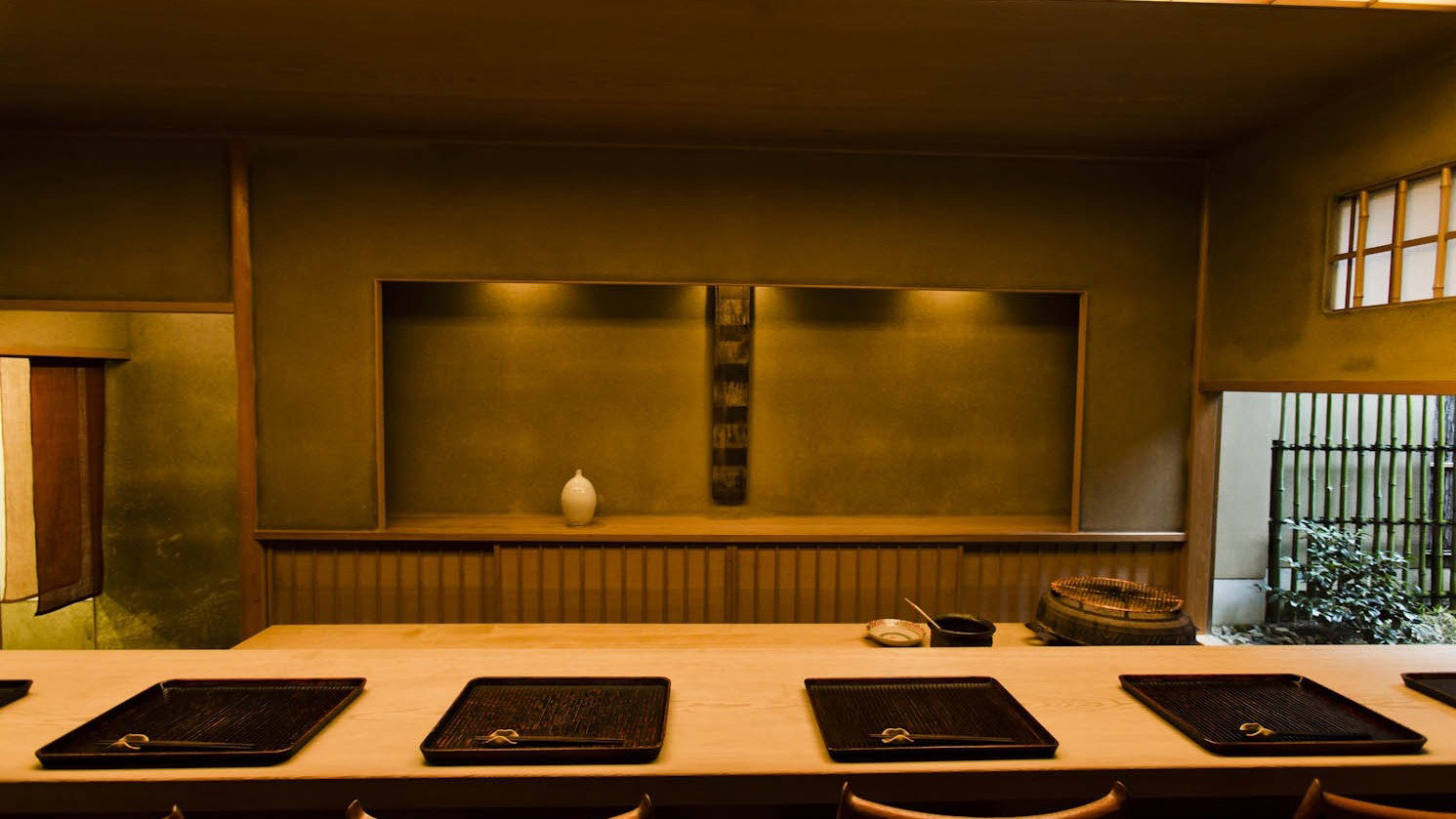
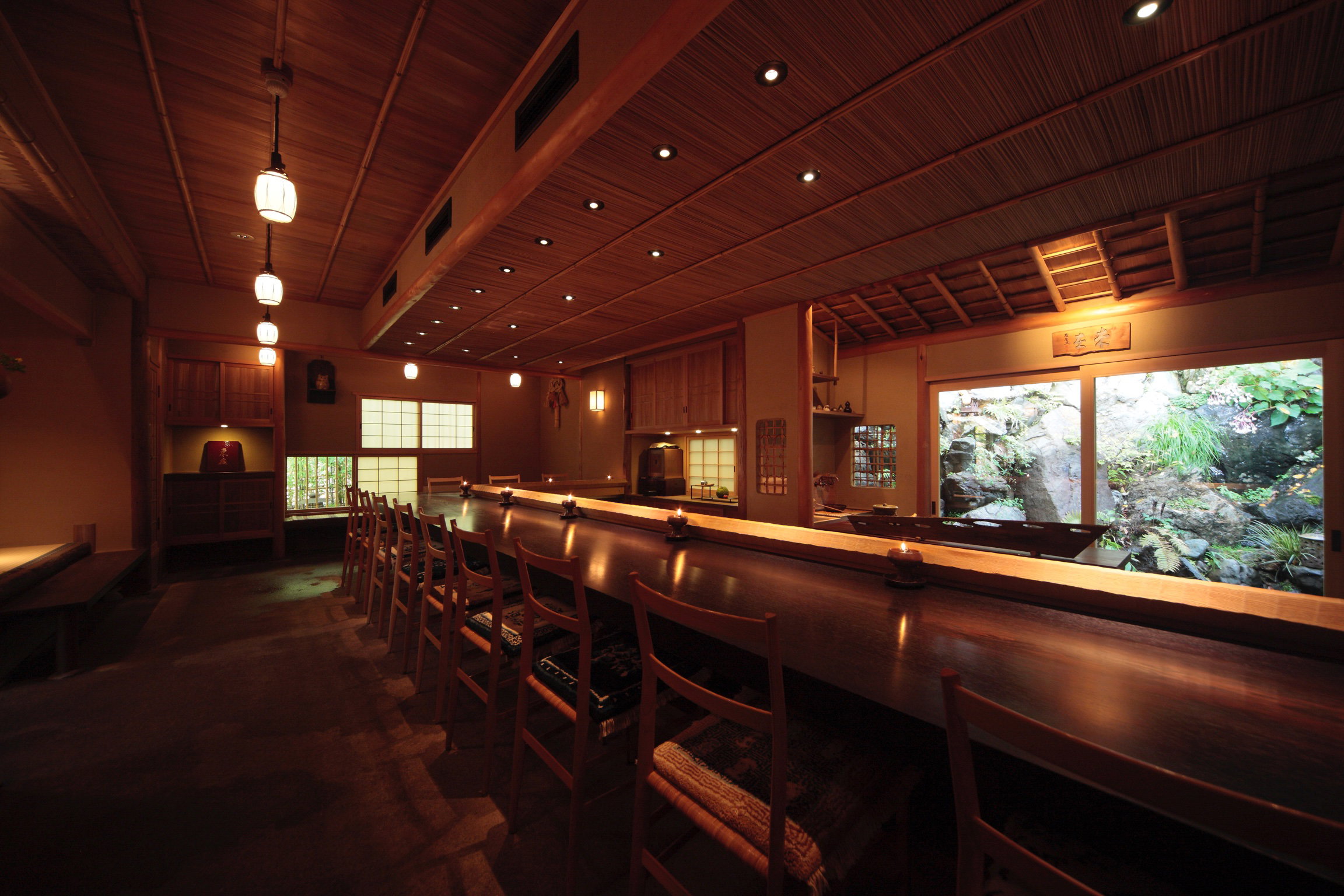
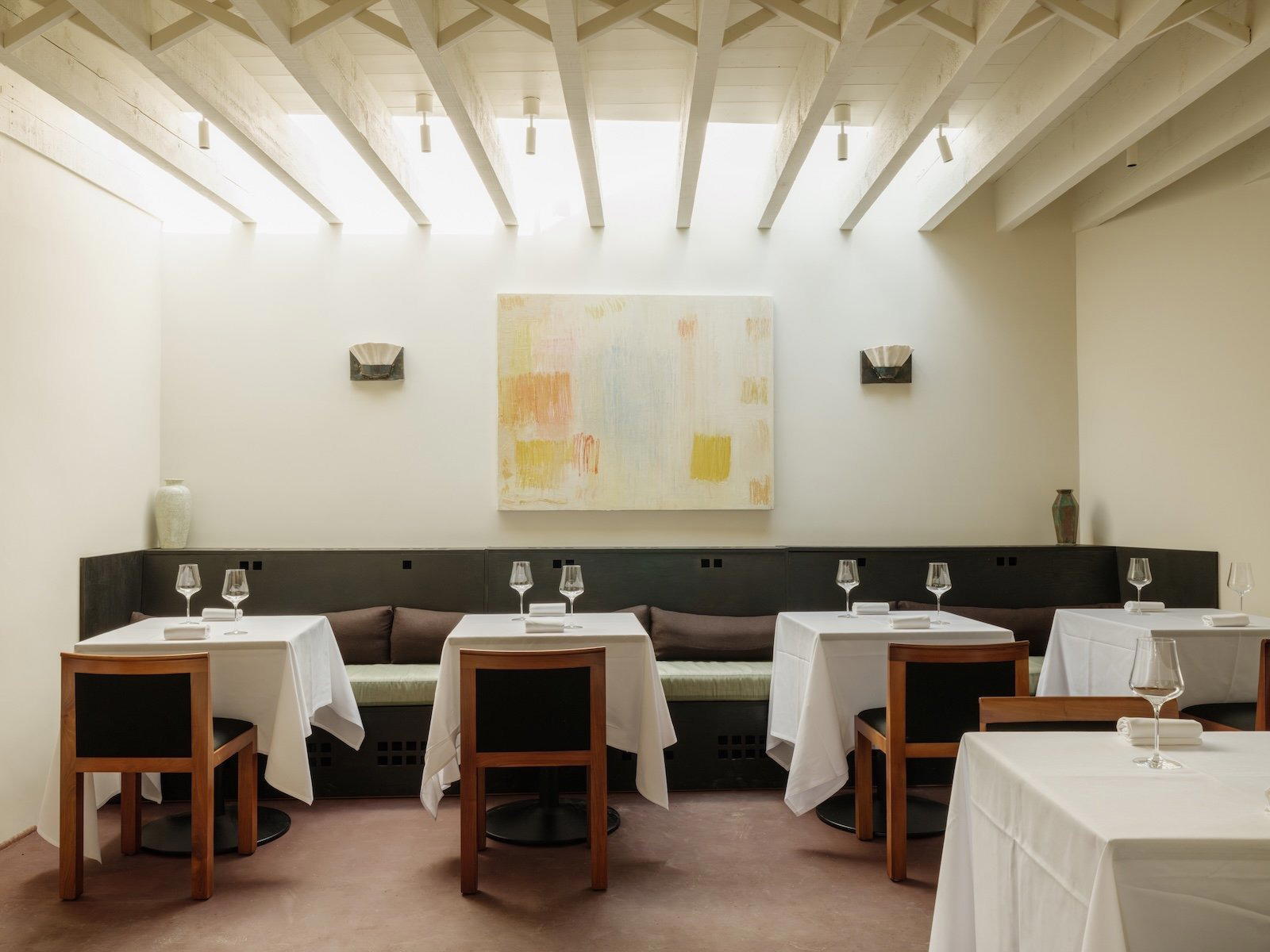
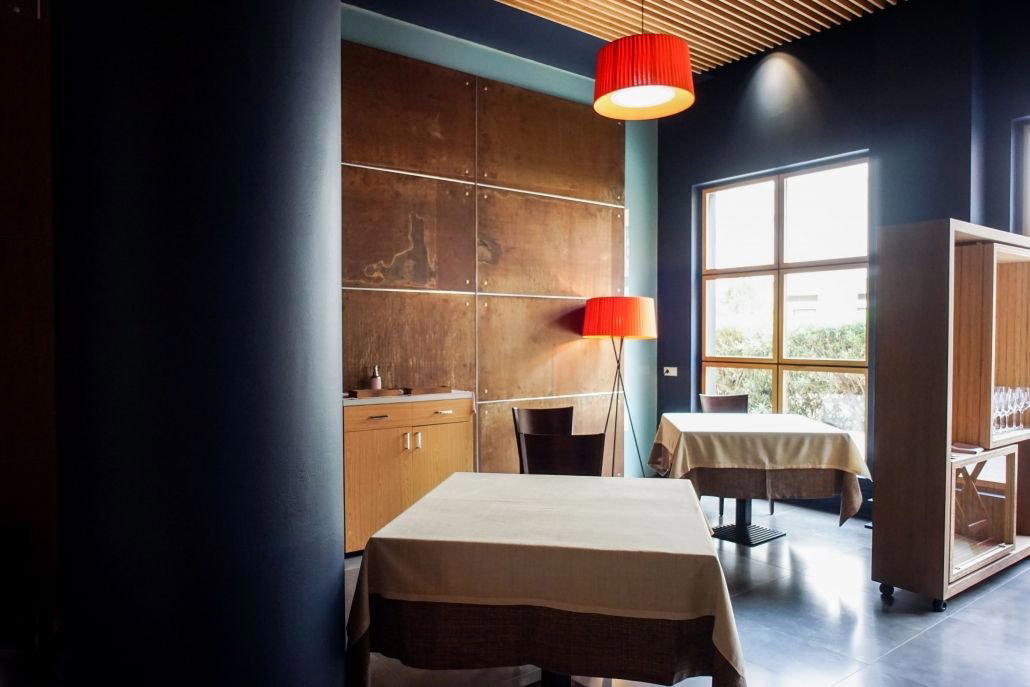
The atmosphere at Nijo Minami is one of considered quiet. The lacquered counter was finished by the couple who run the restaurant as a gesture toward the place's long future, and the handwritten sign near the entrance was made for them by the monk of Daitokuji Temple, a site the couple visits regularly to draw water for the kitchen. These are not decorative details bolted on for atmosphere. They are the actual operating logic of this restaurant: materials and relationships chosen for meaning rather than effect. The energy is calm, attentive, and deliberately unhurried. If you arrive expecting the kind of theatre that defines some of Kyoto's more elaborate kaiseki houses, you will need to recalibrate. What you get here is closer to the feeling of being a guest in a private home where the host has thought carefully about every element of the evening.
The Cooking and Its Framework
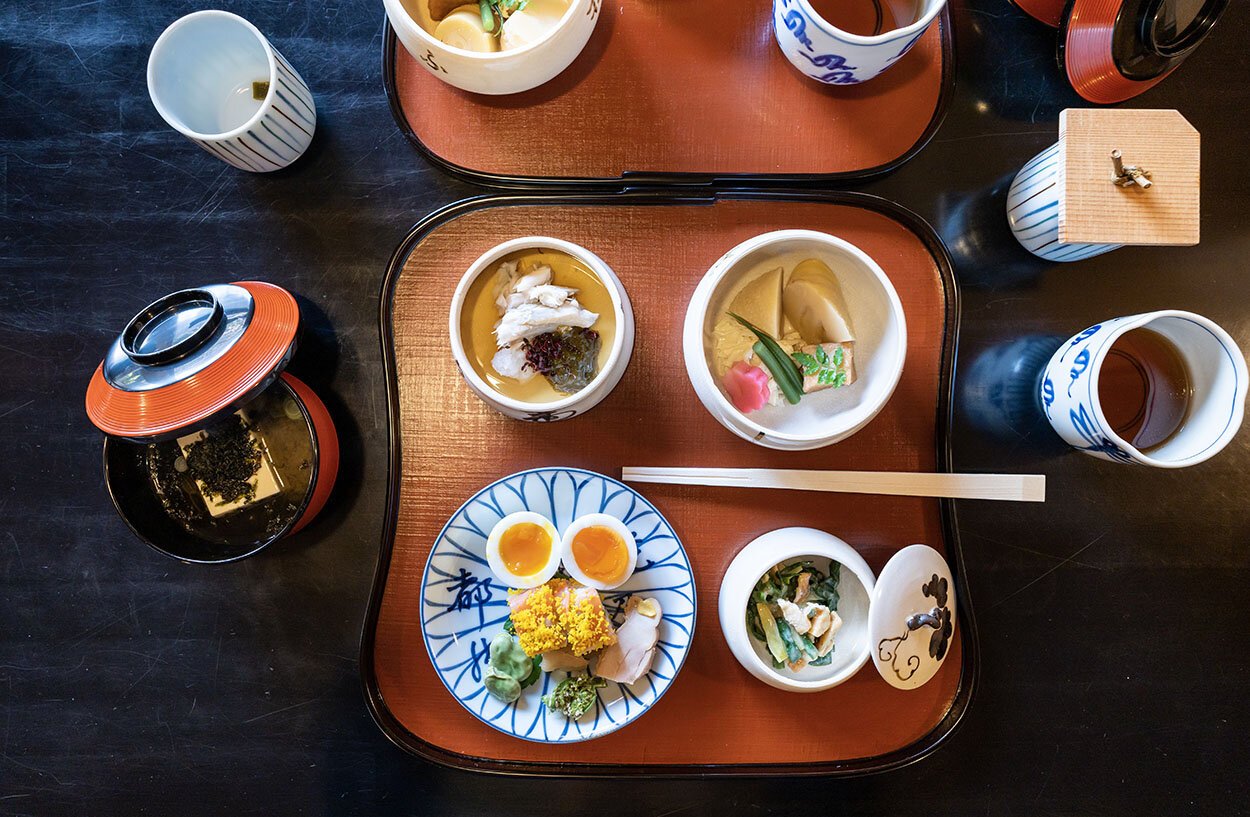
The chef's approach is built around simple, honest preparation designed to let each ingredient speak for itself. His training is in Kyoto cuisine, and the menu reflects that discipline without performing it. You will not find elaborately constructed presentations that prioritise visual drama over flavour. The commitment is to the ingredient, handled with restraint. The meal closes with handmade Japanese confectioneries and thin tea prepared by the chef himself, an expression of the Omote Senke school of tea ceremony he practises. This closing sequence is not an add-on. It is the point at which the philosophy of the restaurant becomes most explicit: the meal ends as a form of gratitude, not just a final course. For a returning visitor who experienced this closing on a first visit, it is worth knowing that the tea preparation is personal to the chef rather than delegated, which makes the timing of the evening feel cohesive rather than rushed toward the end.
Booking and Timing
Securing a table here is genuinely difficult. The counter is small, the restaurant operates on its own terms rather than accommodating walk-in volume, and overseas visitors are competing with a loyal local clientele. Plan to book as far in advance as possible, and be realistic: this is not a reservation you arrange the week before your trip. If you are travelling to Kyoto in spring or autumn, when the city is at its most visited, add additional lead time. No booking platform or phone number is publicly listed in available records, so the practical approach is to ask your hotel concierge to make contact on your behalf, particularly if you are staying somewhere with strong local relationships. Venues at this level in Kyoto frequently accommodate overseas guests more smoothly through an established intermediary than through direct outreach. For other deeply personal Kyoto counter experiences, Gion Matayoshi and Isshisoden Nakamura operate in a comparable register, though each has its own character and booking dynamics.
Price and Value
Nijo Minami is priced at ¥¥¥, which places it below the ¥¥¥¥ tier occupied by many of Kyoto's most decorated kaiseki establishments. Given the Michelin recognition, the tea ceremony closing, and the evident intentionality of every element of the experience, the value proposition is strong relative to its price point. You are not paying for a grand room or an elaborate multi-course production. You are paying for precision, personal attention, and a meal shaped by a coherent philosophy. If you need a benchmark: this costs less than Kyokaiseki Kichisen while delivering a different but comparably serious experience. For travellers who have also visited Harutaka in Tokyo or Azabu Kadowaki, the register here will feel familiar: a small counter, a chef with a clear point of view, and a price that reflects craft rather than brand.
As a Late Evening Option
Nijo Minami is not a late-night venue in the conventional sense. There is no bar component, no second seating that runs past midnight, and no walk-in culture that makes a spontaneous 10 PM visit possible. What it offers as a late-in-the-evening consideration is something different: the tea ceremony closing means the meal has a natural and unhurried endpoint rather than the slightly abrupt feeling of being turned over for a next seating. If your evening in Kyoto needs an anchor that runs long without feeling rushed, this format suits that. You leave when the tea has been served and the confectioneries finished, not when the kitchen signals time. For actual late-night options after dinner, our full Kyoto bars guide covers where to continue the evening.
Broader Context
Nijo Minami sits within a city that takes this kind of cooking seriously at every price point. For a full picture of where it fits among Kyoto's restaurants, including Kikunoi Roan, Kodaiji Jugyuan, and the wider field, see our full Kyoto restaurants guide. If you are building a broader trip, our Kyoto hotels guide, experiences guide, and wineries guide are useful companions. For comparable experiences elsewhere in Japan, HAJIME in Osaka, akordu in Nara, Goh in Fukuoka, Myojaku in Tokyo, 1000 in Yokohama, and 6 in Okinawa each offer their own version of this kind of serious, personal Japanese cooking.
The Verdict
Book Nijo Minami if you are returning to Kyoto and want a counter experience that is more intimate and philosophically coherent than the city's larger kaiseki institutions. The Michelin star is deserved, the price point is reasonable for what the meal delivers, and the tea ceremony closing makes the evening feel complete in a way that lingers. The difficulty is the booking. Start early, use your hotel concierge, and accept that this one requires planning.
Planning details
- Location
- Japan, 〒604-0931 Kyoto, Nakagyo Ward, Enokicho, 92−12
- Phone
- +81 75-221-5025
The take
The Take
The Vibe
Nijo Minami presents a quietly refined Kyoto experience that favors local regulars over tourist bustle. The room sits in a residential pocket of Nakagyo Ward, tucked behind a low-rise street grid and accessed via an understated entrance crowned with a monk's handwritten sign. The lacquered counter—finished by the couple who run the restaurant—functions as both furniture and meaningful object, signaling proprietorial care and traditional craft. The overall effect is intimate and unhurried: a place that rewards patience, attention to material detail, and an appreciation for a subtly ceremonial form of dining.
Best For
This is a destination for diners seeking a calm, considered evening rather than a high-energy night out. The restaurant suits date nights, business dinners and special-occasion meals where focus and discretion matter, and it also accommodates solo guests who appreciate counter-centered service and repeat-visitor culture. Because the room is set in a quieter residential stretch and operates by recommendation, it appeals to people who intentionally seek out small, traditionally informed Kyoto rooms and value a restrained, craft-driven dining environment.
Ordering Tips
Treat Nijo Minami as a deliberately low-visibility discovery: book ahead and allow the restaurant to guide the evening. Look for the handwritten sign above the entrance (made by the monk of Daitokuji) and expect the lacquered counter to be central to the experience—the proprietors themselves finished it. Because the room self-selects for guests who seek it out, rely on the staff's recommendations and come prepared to appreciate the material and ritual details that shape the meal. Reservations and a patient, curious approach enhance the visit.
Venue details
Ambiance
Refined and intimate atmosphere with meticulous attention to detail, reflecting traditional Japanese fine dining aesthetics.
Tags
Vibe
Best For
Experience
Sourcing
At the Table
- Dress Code
- Formal
- Noise Level
- Quiet
- Service Style
- Formal
- Meal Pacing
- Extended Experience
- Capacity
- Intimate
- Kitchen
- Traditional
- Menu Format
- Omakase, Counter dining, Set menu
- Wine Program
- Curated
- Drinks Focus
- Sake
Know before you go
Know Before You Go
- Getting there
- Japan, 〒604-0931 Kyoto, Nakagyo Ward, Enokicho, 92−12
Planning details
Location
Japan, 〒604-0931 Kyoto, Nakagyo Ward, Enokicho, 92−12 · Directions
Recognition and awards
Also consider
Also Consider
- Gion Sasaki, Kaiseki, Japanese, ¥¥¥¥
- cenci, Italian, ¥¥¥
- Ifuki, Kaiseki, ¥¥¥¥
- Kyokaiseki Kichisen, Japanese, ¥¥¥¥
- SEN, French, Japanese, ¥¥¥¥
Restaurant context
How Nijo Minami Compares in Kyoto
Within Kyoto's ¥¥¥ tier, Nijo Minami has few direct competitors. Most of the city's recognised Japanese fine dining sits at ¥¥¥¥, which makes the value case here straightforward if you are willing to do the work to book it. Gion Sasaki and Ifuki both operate at ¥¥¥¥ in the kaiseki format and offer more elaborate multi-course structures with greater ceremony in the presentation. If budget is not the deciding factor and you want the full formal kaiseki experience, either of those is a reasonable step up. Kyokaiseki Kichisen is the most serious address in that tier, but it is also the hardest to book and the most expensive. Nijo Minami at ¥¥¥ sits below all of them in price while delivering Michelin-recognised quality in a more personal register.
cenci is the clearest contrast: Italian cooking at ¥¥¥, well-regarded, and significantly easier to book than Nijo Minami. If you want a high-quality dinner without the booking difficulty of a small Japanese counter, cenci is the more accessible option. SEN at ¥¥¥¥ blends French and Japanese influences and suits diners who want that cross-cultural format rather than classical Kyoto cooking. Neither competes directly with what Nijo Minami does, which is rooted firmly in the Japanese tradition.
The practical recommendation: if you are on a first visit to Kyoto and want a reliable kaiseki introduction, Kikunoi Roan or Gion Sasaki are more straightforward to access. If you have already done that and want something quieter and more personal on a return trip, Nijo Minami is the stronger choice at a lower price point. The tea ceremony closing and the philosophy behind the room give it a character that the larger houses do not replicate.
Explore Kyoto
Around this place
Discover more on Pearl
Unlock the full Nijo Minami guide in Pearl, including awards, comparisons, FAQs, planning details, and nearby places.
Compare Nijo Minami
| Venue | Cuisine | Price | Awards | Booking Difficulty |
|---|---|---|---|---|
| Nijo Minami | Japanese | ¥¥¥ | 2026 Michelin 1 Star2024 Michelin 1 Star | Hard |
| Gion Sasaki | Kaiseki, Japanese | ¥¥¥¥ | 2026 Tabelog Bronze · #3862026 OAD Top Restaurants in Japan RecommendedMichelin Guide Kyoto Osaka 20262026 La Liste Top RestaurantsTabelog 100 - Japanese cuisine - WEST - 2025 · #132025 OAD Top Restaurants in Japan Ranked · #2462025 Tabelog Silver2025 Michelin 3 Stars2025 La Liste Top Restaurants | Unknown |
| cenci | Italian | ¥¥¥ | 2026 Tabelog Bronze · #442026 Asia's 50 Best Restaurants · #762026 OAD Top Restaurants in Japan Highly RecommendedMichelin Guide Kyoto Osaka 2026Tabelog 100 - Italian - WEST - 2025 · #632025 Asia's 50 Best Restaurants · #632025 OAD Top Restaurants in Japan Ranked · #1682025 Tabelog Bronze2024 OAD Top Restaurants in Japan Ranked · #135 | Unknown |
| Ifuki | Kaiseki | ¥¥¥¥ | 2026 OAD Top Restaurants in Japan Ranked · #1222026 Tabelog Bronze · #128Michelin Guide Kyoto Osaka 20262026 La Liste Top RestaurantsTabelog 100 - Japanese cuisine - WEST - 2025 · #622025 OAD Top Restaurants in Japan Ranked · #1002025 La Liste Top Restaurants2025 Tabelog Bronze2025 Michelin 2 Stars | Unknown |
| Kyokaiseki Kichisen | Japanese | ¥¥¥¥ | 2026 Tabelog Bronze · #1752026 OAD Top Restaurants in Japan Highly RecommendedMichelin Guide Kyoto Osaka 20262025 OAD Top Restaurants in Japan Ranked · #1862025 Michelin 2 Stars2025 La Liste Top Restaurants2024 OAD Top Restaurants in Japan Ranked · #1422024 Michelin 2 Stars2023 OAD Top Restaurants in Japan Ranked · #136 | Unknown |
| SEN | French, Japanese | ¥¥¥¥ | 2026 Tabelog Bronze · #3952026 OAD Top Restaurants in Japan RecommendedMichelin Guide Kyoto Osaka 20262026 Michelin PlateTabelog 100 - Japanese cuisine - WEST - 2025 · #652025 Michelin Plate2025 Tabelog Bronze2024 OAD Top Restaurants in Japan Ranked · #3622024 Michelin Plate | Unknown |







.png?width=1200&quality=80)
A quick look at how Nijo Minami measures up.
FAQ
Frequently Asked Questions
Is the tasting menu worth it at Nijo Minami?
Yes, for the right diner. The meal is built around simple, honest preparation of Kyoto cuisine, closes with handmade Japanese confectioneries, and ends with thin tea the chef prepares himself as part of the Omote Senke tea ceremony tradition. At ¥¥¥, it sits below the ¥¥¥¥ tier of Kyoto's most decorated kaiseki rooms, which makes the Michelin 1-star (2024) recognition feel like good value for the format. If you want theatrical plating or a lengthy wine programme, this is not the room.
What should a first-timer know about Nijo Minami?
This is a counter-only room run by a couple, not a staffed kaiseki dining room with multiple front-of-house staff. The experience ends with thin tea prepared by the chef himself, which signals the pace and philosophy of the meal: deliberate, personal, and self-contained. First-timers unfamiliar with kaiseki format should know that the menu is set, not a la carte. Book as far in advance as possible; the counter is small and fills on its own terms.
Is Nijo Minami worth the price?
At ¥¥¥, it is priced below most of Kyoto's Michelin-starred kaiseki establishments, which typically sit at ¥¥¥¥. The 2024 Michelin 1-star confirms the cooking merits serious attention. The value case is strongest if you want an intimate, philosophically coherent counter meal rather than a grand-room kaiseki production. For a more elaborate multi-room experience with extensive service staff, Kyokaiseki Kichisen at ¥¥¥¥ is the logical comparison.
What should I wear to Nijo Minami?
The venue data does not specify a dress code, but the setting — a lacquered counter, Michelin recognition, and a tea ceremony closing — points toward understated, neat clothing. Avoid casual resort wear. Soft fabrics and neutral tones suit the quiet register of the room. Wearing something you would feel comfortable in at a serious tea ceremony is a reasonable guide.
What should I order at Nijo Minami?
There is no a la carte menu. Nijo Minami serves a set kaiseki meal built around the chef's Kyoto cuisine training, closing with handmade Japanese confectioneries and thin tea. The format means you do not order: you trust the chef's selection. If you have dietary restrictions, communicate them clearly at the time of booking.
What are alternatives to Nijo Minami in Kyoto?
For a similar counter format with Michelin recognition, Ifuki is a comparable option at a similar price tier. cenci takes a more contemporary approach to Kyoto ingredients and suits diners who want a European-influenced structure. Gion Sasaki is a step up in ambition and price. Kyokaiseki Kichisen is Kyoto kaiseki at its most formal and expensive. SEN offers a less ceremonial entry point for those newer to the format.
Is Nijo Minami good for a special occasion?
Yes, specifically for occasions where intimacy matters more than spectacle. The counter setting, the chef's tea ceremony closing, and the handwritten sign from the monk of Daitokuji Temple give the room a sense of occasion that is personal rather than grand. For a landmark anniversary or a meaningful solo meal, it works well. For a large group celebration or a corporate dinner, it is the wrong format.