
Nakazen
Japanese · Sakyō, Kyoto
Restaurant in Kyoto, Japan
 Book with Pearl
The Read
Residential Terroir Kaiseki
Price
¥¥¥
Dress
Smart Casual
Why go
Nakazen holds a 2024 Michelin star at Kyoto's ¥¥¥ price tier, making it one of the city's better-value starred bookings. Seasonal menus draw on Ohara-region vegetables and Awaji Island fish, served in a quiet residential room in Sakyo Ward. Book three to four weeks ahead minimum; use a hotel concierge if you lack Japanese language support.
About Nakazen
A Michelin-starred neighbourhood restaurant in Sakyo Ward worth the booking effort
At the ¥¥¥ price tier, Nakazen sits in a comfortable position for Kyoto's fine dining market: meaningful expenditure, but considerably less than the ¥¥¥¥ kaiseki institutions that dominate the city's Michelin conversation. What you get for that spend is a single Michelin star (2024), a seasonal menu rooted in Ohara-region vegetables and Awaji Island fish, the kind of small-room intimacy that makes a dinner feel genuinely considered rather than ceremonially produced. For a special occasion in Kyoto without the financial weight of Kyokaiseki Kichisen or the weeks-long reservation battle of Isshisoden Nakamura, Nakazen is one of the more defensible bookings in the city right now.
The restaurant, in practice
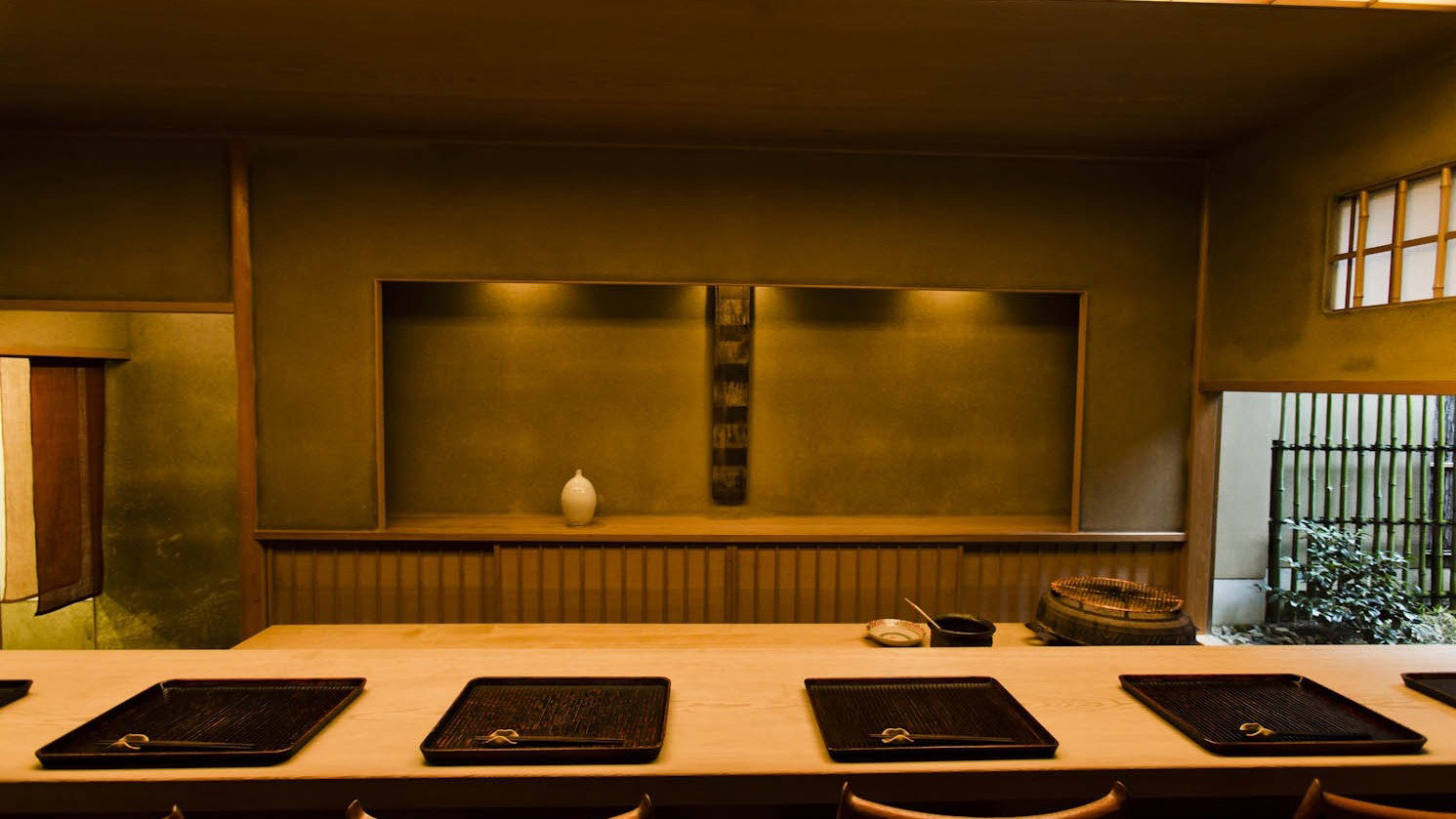
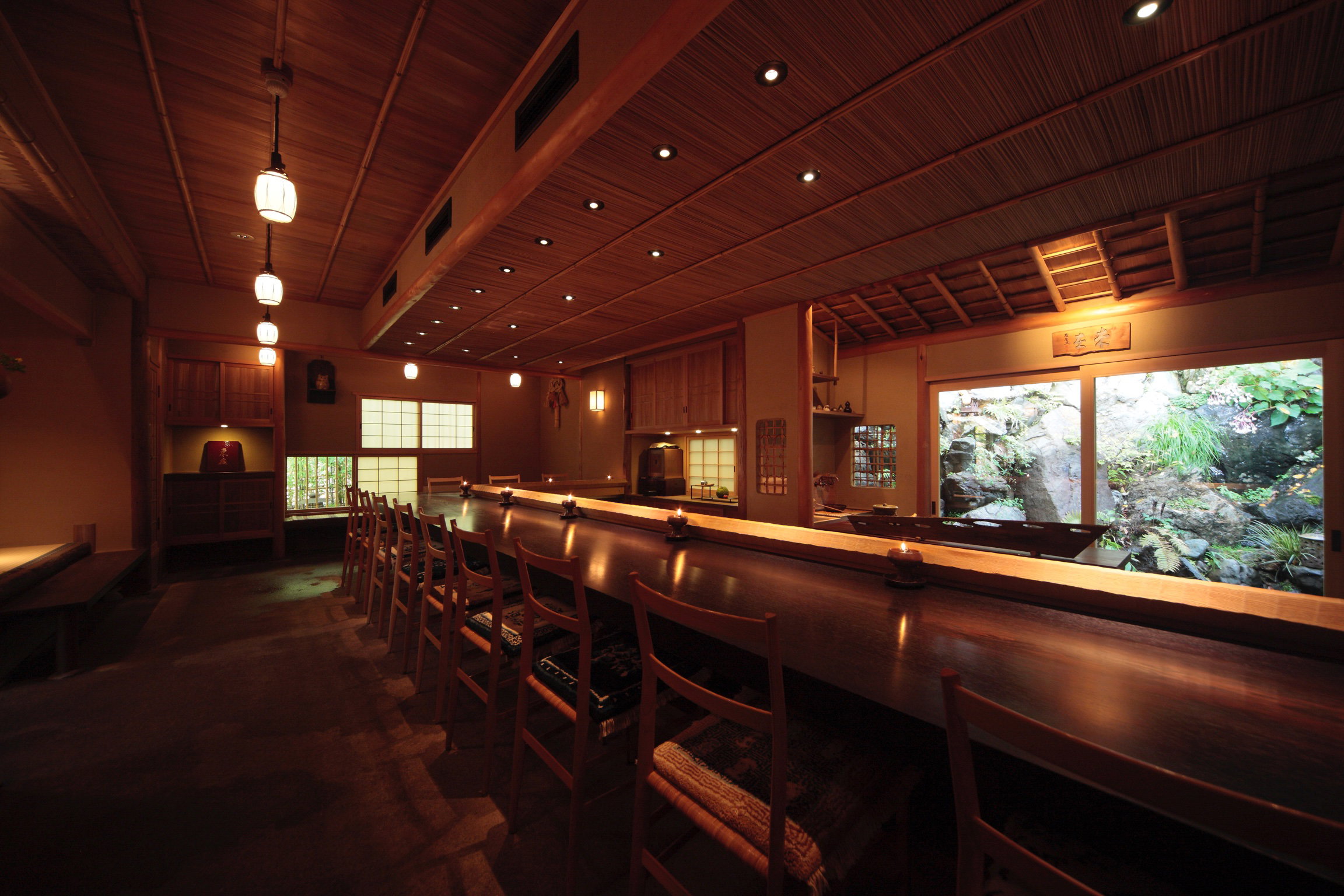
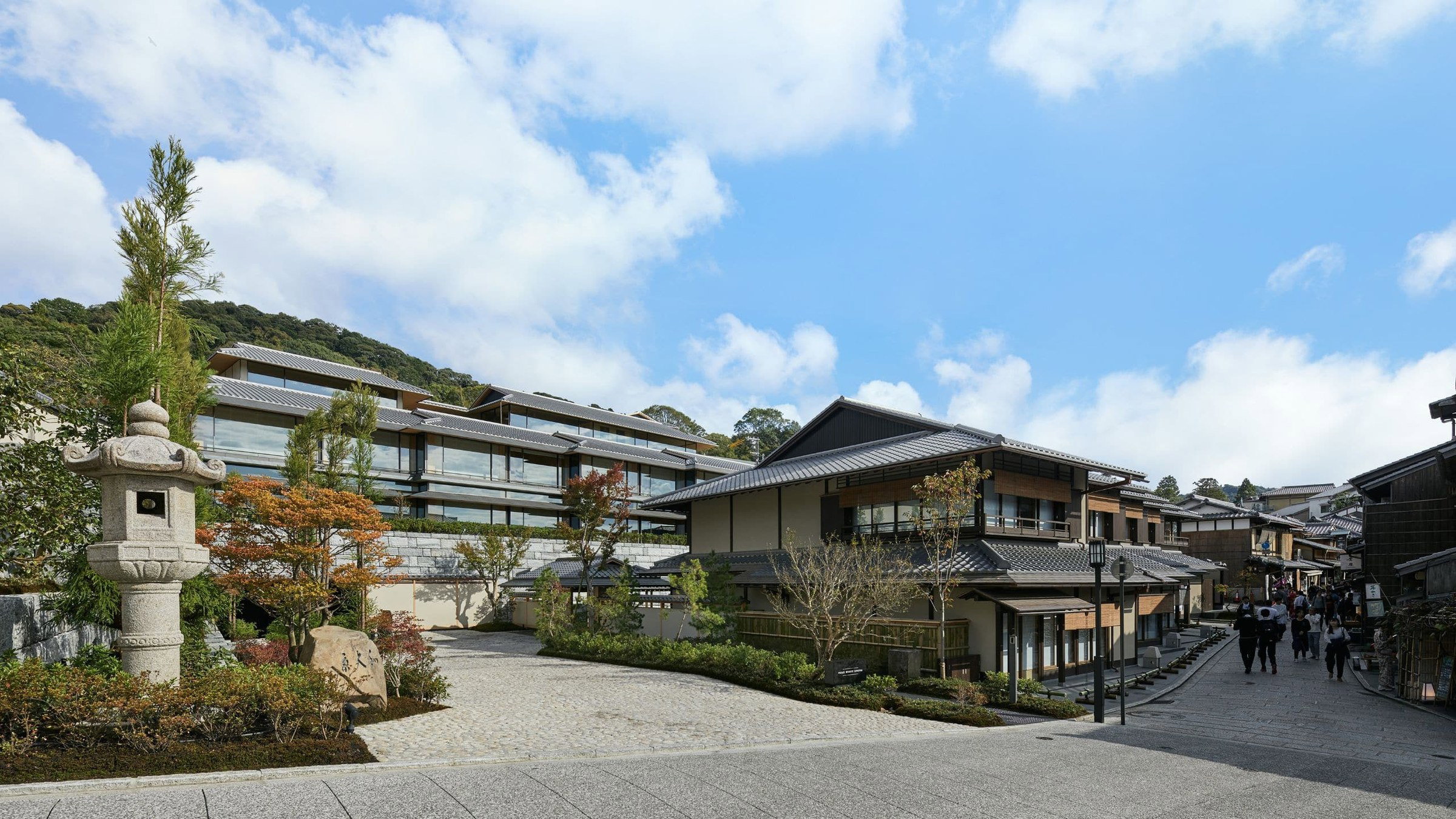
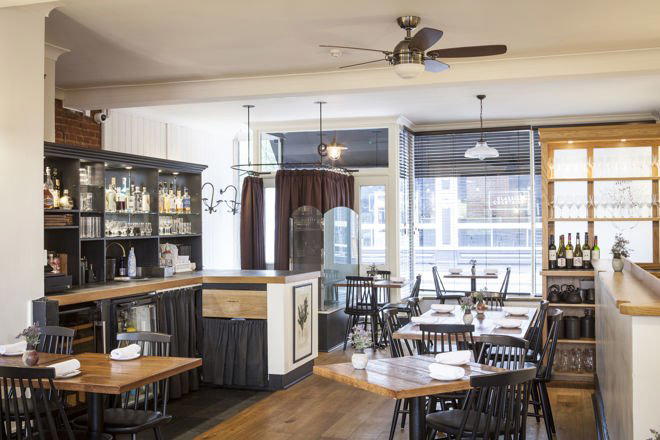
Nakazen operates from a residential pocket of Sakyo Ward, at 26 Kitashirakawa Kubotacho. This is not the tourist corridor of Gion or Higashiyama. The neighbourhood feel is deliberate: the owner-chef built this restaurant with community roots as a stated priority, which shows in the atmosphere. The room runs quiet by the standards of Kyoto's more theatrical fine dining rooms. Conversation carries easily. The energy is low-key and attentive rather than performative, which makes it a stronger choice for a business dinner or a date where you actually want to hear each other than for a group celebration seeking spectacle.
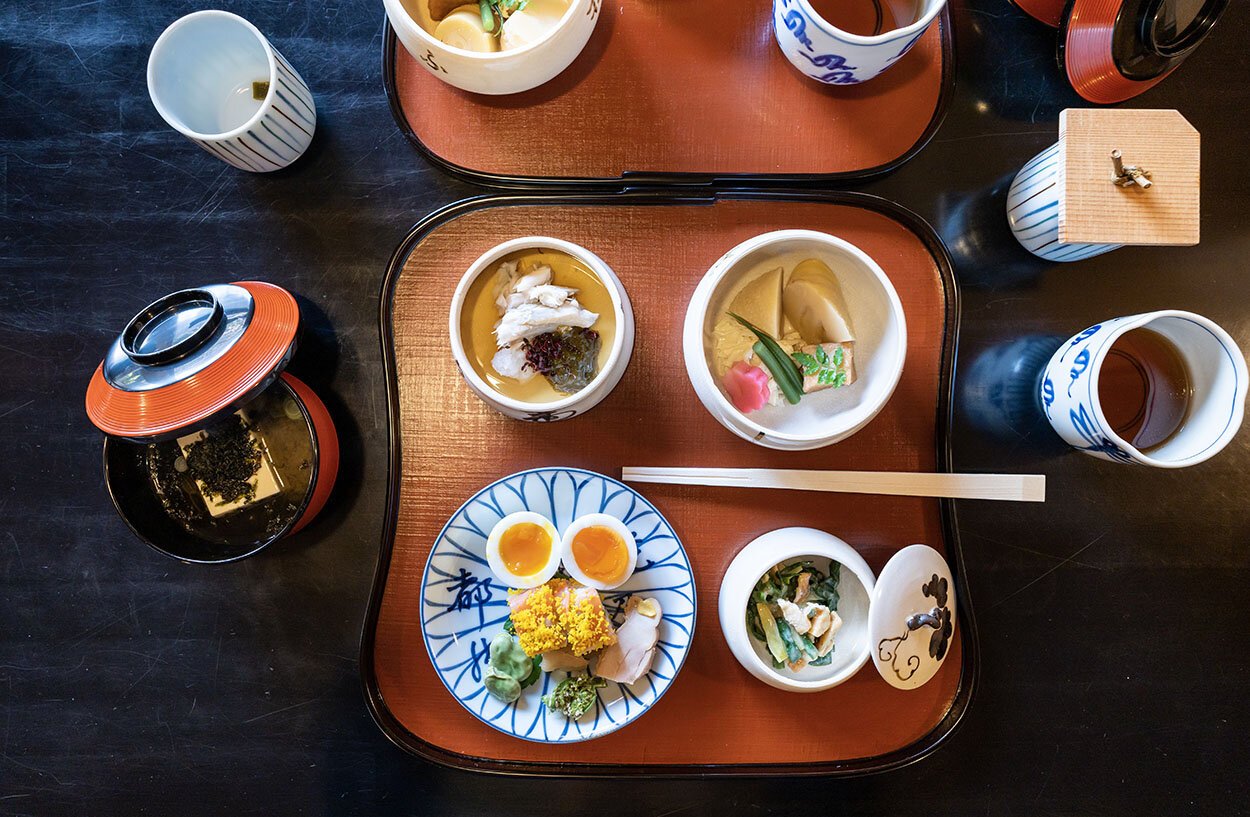
Right now, in the current season, the menu leans on whatever Ohara's growing calendar makes available. That regional specificity is one of Nakazen's clearest differentiators: the chef's sourcing ties to Ohara for produce and Awaji Island for fish create a menu geography that is specific rather than generic. Awaji is one of Japan's most respected sources for sea bream and other white fish, so the ingredient foundation carries real credibility. The plating philosophy, described as items on the plate evoking connections among people, is worth knowing as a first-timer: this is not aggressive modernist cooking. The aesthetic is considered and relational.
The service is noted for its warmth, which aligns with the Michelin citation's mention of friendly service that puts the heart at ease. For a special occasion dinner, that warmth matters as much as the food does.
On the editorial angle: does Nakazen travel well?
This question is worth addressing directly. Nakazen is a kaiseki-adjacent Japanese dining experience built around the ritual of the meal itself: the sequencing, the service, the atmosphere of a quiet residential room. That experience does not transfer to takeout. If you are considering Nakazen, the only version worth booking is the in-room one. There is no evidence of a delivery or takeout offering, given the nature of the cuisine, that is entirely appropriate. Book the table or do not book at all. If your circumstances require off-premise dining, this is not the venue for you.
How to book
Booking difficulty is rated hard. Nakazen holds a 2024 Michelin star in one of Japan's most visited culinary cities, operates from a small room, has no published online booking channel in the venue record. The practical approach is to contact the restaurant directly in Japanese if possible, or to use your hotel concierge in Kyoto. For visitors without local language support, a concierge at a hotel such as those covered in our full Kyoto hotels guide will be your most reliable booking route. Plan a minimum of three to four weeks ahead; during peak Kyoto travel seasons (late March to early May for cherry blossom, October to November for autumn foliage), extend that to six weeks or more. Walk-ins at a Michelin-starred room of this profile are not a realistic option.
Who should book Nakazen
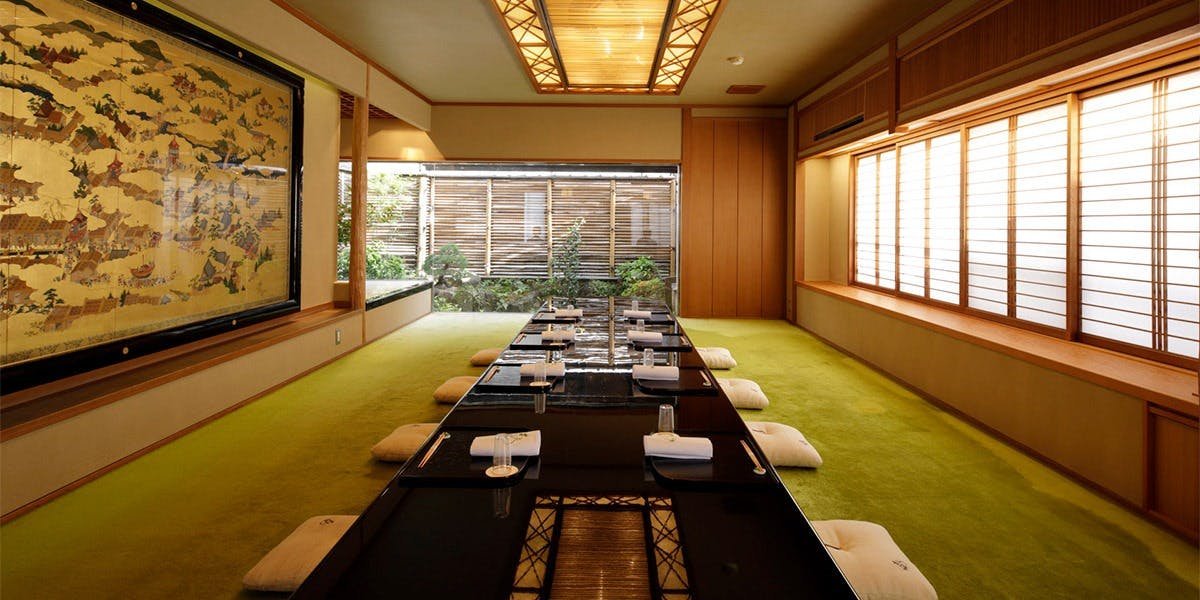
Book Nakazen if you want a Michelin-starred dinner with genuine neighbourhood character, a seasonal menu with traceable sourcing credentials, an atmosphere that works for a serious conversation across the table. It is the right choice for a couple marking an occasion, a business dinner that needs quality without ostentation, or a solo diner who wants to sit inside a Michelin-starred room at a ¥¥¥ rather than ¥¥¥¥ spend. If you want the full multi-hour kaiseki ceremony with lacquerware ritual and private garden views, Kikunoi Roan or Gion Matayoshi will serve that need better. Nakazen's value is in its human scale and regional specificity, not in pageantry.
For Kyoto dining context beyond this restaurant, see our full Kyoto restaurants guide. For comparable Michelin-starred Japanese cooking elsewhere in Japan, HAJIME in Osaka, Harutaka in Tokyo, Myojaku in Tokyo, and Azabu Kadowaki in Tokyo offer useful reference points. If you are building a broader Japan itinerary, akordu in Nara, Goh in Fukuoka, 1000 in Yokohama, and 6 in Okinawa round out a useful national picture. Explore our full Kyoto bars guide, our full Kyoto wineries guide, and our full Kyoto experiences guide for planning the rest of your stay.
Planning details
- Location
- 26 Kitashirakawa Kubotacho, Sakyo Ward, Kyoto, 606-8266, Japan
- Website
- nakazen-kyoto.com
- Phone
- +81 75-708-7519
The take
The Take
The Vibe
Nakazen occupies a quiet, residential pocket of Sakyo Ward and presents itself as a neighbourhood table rather than a destination spectacle. The piece emphasizes an unshowy, classic approach to Japanese dining: restrained, place-forward cooking that feels at home among small grocers, local sake shops and houses with tended gardens. The restaurant’s aesthetic is understated and serene, rooted in a sourcing logic tied to nearby farms and coastal fish markets rather than a citywide trend. It reads as calm, considered and quietly confident—a restaurant aligned with its immediate community and the seasons that shape its menu.
Best For
Nakazen is best for diners who prize locality and seasonality over theatrical dining. It suits intimate evenings—date nights and special occasions are already noted—but also appeals to neighborhood patrons and solo diners seeking thoughtfully prepared Japanese cuisine anchored in nearby ingredients. The kitchen’s connection to Ohara vegetables and Awaji Island fish signals a menu that changes with harvests and tides, making visits rewarding for repeat guests who appreciate subtle shifts and provenance. It’s not a flashy, high-traffic spot; it’s where the neighborhood eats when they want a sincere, place-based meal.
Ordering Tips
The menu at Nakazen is explicitly seasonal and shaped by local supply chains: vegetables from Ohara and fish from Awaji Island are central to the kitchen’s approach. Rather than hunting for signature gimmicks, order with an eye to seasonality and allow the restaurant’s sourcing logic to guide choices—the menu is built around what the nearby geography yields. Expect preparations that highlight ingredient specificity and resist assuming a destination-style tasting format; the point is connection to place, so prioritize dishes that showcase Ohara produce and the day’s coastal fish.
Venue details
Ambiance
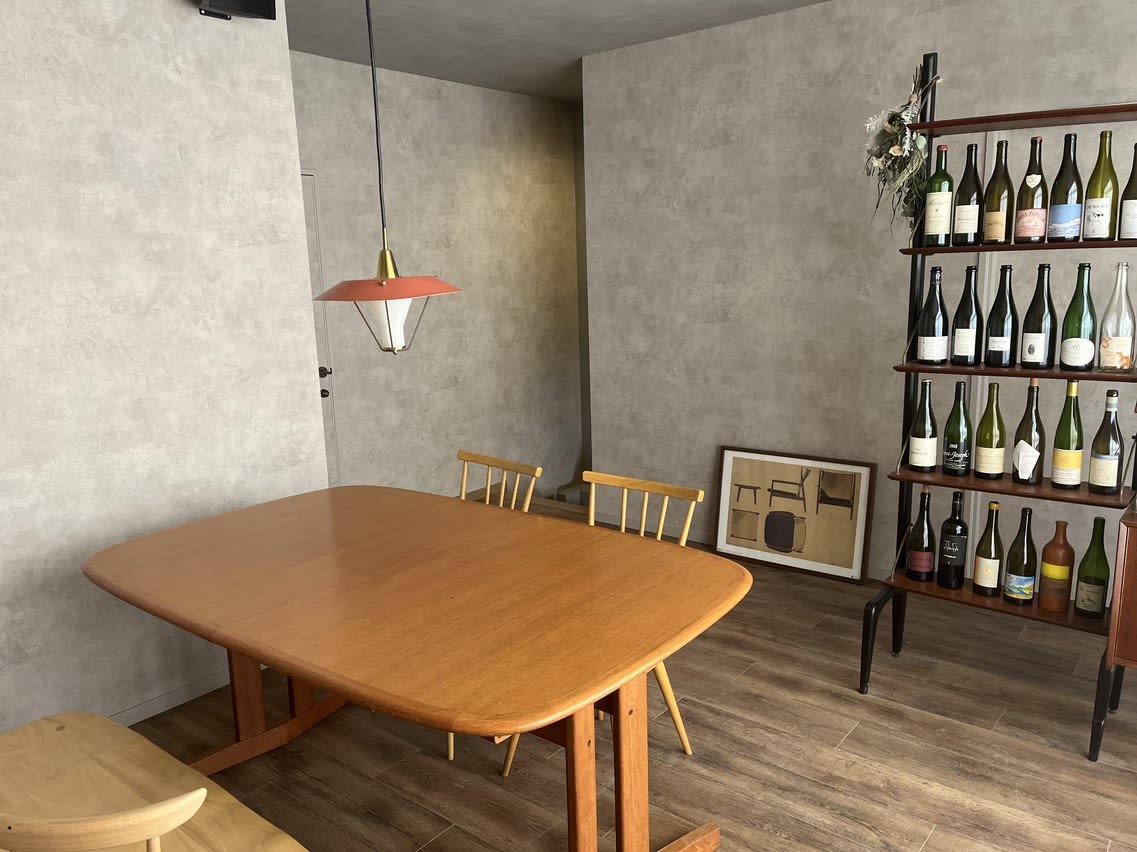
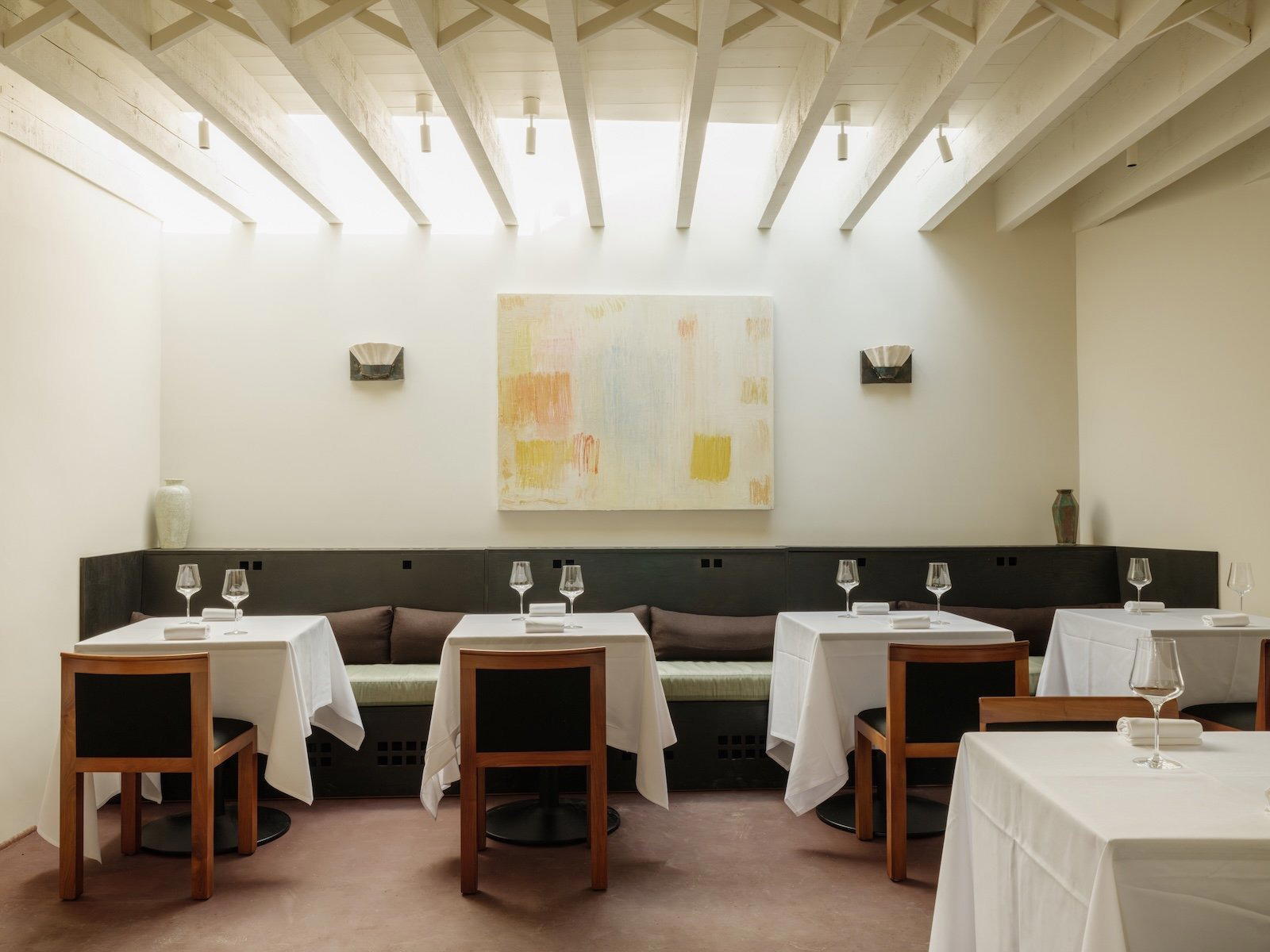
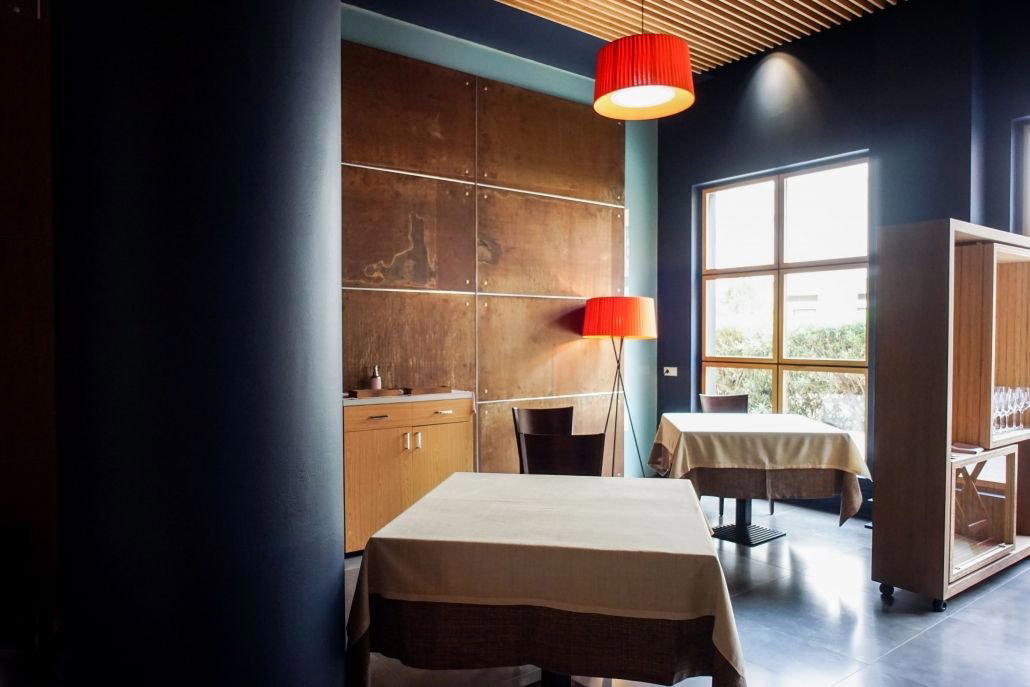
Minimalist decor with warm, hushed intimacy creating a relaxing, personal atmosphere.
Tags
Vibe
Best For
Sourcing
At the Table
- Dress Code
- Smart Casual
- Noise Level
- Quiet
- Service Style
- Formal
- Meal Pacing
- Leisurely
- Capacity
- Intimate
Planning details
Location
26 Kitashirakawa Kubotacho, Sakyo Ward, Kyoto, 606-8266, Japan · Directions
Recognition and awards
Also consider
Also Consider
- Gion Sasaki; Kaiseki, Japanese, ¥¥¥¥
- cenci; Italian, ¥¥¥
- Ifuki; Kaiseki, ¥¥¥¥
- Kyokaiseki Kichisen; Japanese, ¥¥¥¥
- SEN; French, Japanese, ¥¥¥¥
Restaurant context
At the ¥¥¥¥ end of Kyoto's starred dining spectrum, Gion Sasaki and Kyokaiseki Kichisen offer the full ceremonial kaiseki experience: multi-course precision, lacquerware, private rooms, the complete formal ritual. If that is what you are after, they justify their higher price tier. Nakazen at ¥¥¥ does not compete on ceremony or scale. It competes on intimacy, regional sourcing credibility, a Michelin star that costs meaningfully less than either of those two alternatives. For diners who want the credential without the ceremony, Nakazen is the stronger choice.
Ifuki and SEN both sit at ¥¥¥¥ and offer kaiseki and Franco-Japanese cooking respectively. SEN is the pick if you want a Western culinary reference woven into the Japanese framework; Nakazen is the pick if you want cooking that stays firmly in the Japanese seasonal tradition with genuine community roots. Ifuki competes more directly with Nakazen on format but at a higher price, making Nakazen the better value proposition if the menus and sourcing approaches are comparably interesting to you.
cenci at ¥¥¥ is the closest pricing peer, but it is Italian rather than Japanese, so the comparison is category rather than competitive. If your group is split on cuisine preference, cenci and Nakazen represent the two most affordable starred options in Kyoto's current set. For a purely Japanese seasonal dining experience at the ¥¥¥ level, Nakazen is the clearer recommendation.
Explore Kyoto
Around this place
Discover more on Pearl
Unlock the full Nakazen guide in Pearl, including awards, comparisons, FAQs, planning details, and nearby places.
Compare Nakazen
| Venue | Awards | Price |
|---|---|---|
| Nakazen | Michelin Guide Kyoto Osaka 20262026 Michelin 1 Star2024 Michelin 1 Star | ¥¥¥ |
| Gion Sasaki | 2026 Tabelog Bronze · #3862026 OAD Top Restaurants in Japan RecommendedMichelin Guide Kyoto Osaka 20262026 La Liste Top RestaurantsTabelog 100 - Japanese cuisine - WEST - 2025 · #132025 OAD Top Restaurants in Japan Ranked · #2462025 Tabelog Silver2025 Michelin 3 Stars2025 La Liste Top Restaurants | ¥¥¥¥ |
| cenci | 2026 Tabelog Bronze · #442026 Asia's 50 Best Restaurants · #762026 OAD Top Restaurants in Japan Highly RecommendedMichelin Guide Kyoto Osaka 2026Tabelog 100 - Italian - WEST - 2025 · #632025 Asia's 50 Best Restaurants · #632025 OAD Top Restaurants in Japan Ranked · #1682025 Tabelog Bronze2024 OAD Top Restaurants in Japan Ranked · #135 | ¥¥¥ |
| Ifuki | 2026 OAD Top Restaurants in Japan Ranked · #1222026 Tabelog Bronze · #128Michelin Guide Kyoto Osaka 20262026 La Liste Top RestaurantsTabelog 100 - Japanese cuisine - WEST - 2025 · #622025 OAD Top Restaurants in Japan Ranked · #1002025 La Liste Top Restaurants2025 Tabelog Bronze2025 Michelin 2 Stars | ¥¥¥¥ |
| Kyokaiseki Kichisen | 2026 Tabelog Bronze · #1752026 OAD Top Restaurants in Japan Highly RecommendedMichelin Guide Kyoto Osaka 20262025 OAD Top Restaurants in Japan Ranked · #1862025 Michelin 2 Stars2025 La Liste Top Restaurants2024 OAD Top Restaurants in Japan Ranked · #1422024 Michelin 2 Stars2023 OAD Top Restaurants in Japan Ranked · #136 | ¥¥¥¥ |
| SEN | 2026 Tabelog Bronze · #3952026 OAD Top Restaurants in Japan RecommendedMichelin Guide Kyoto Osaka 20262026 Michelin PlateTabelog 100 - Japanese cuisine - WEST - 2025 · #652025 Michelin Plate2025 Tabelog Bronze2024 OAD Top Restaurants in Japan Ranked · #3622024 Michelin Plate | ¥¥¥¥ |







.png?width=1200&quality=80)
Comparing your options in Kyoto for this tier.
FAQ
Frequently Asked Questions
Is the tasting menu worth it at Nakazen?
Yes, with a specific caveat: this is a format-first restaurant. Nakazen's seasonal menu is built around Ohara-grown vegetables and fish sourced from Awaji, which gives it a traceable regional identity that generic kaiseki spots in Kyoto's tourist corridors lack. At the ¥¥¥ price tier, it sits below the highest tier of Kyoto fine dining, which makes the Michelin star feel like decent value. If you want à la carte flexibility, this is not the venue for you.
How far ahead should I book Nakazen?
Book as early as possible; realistically, one to two months out for weekend evenings. Nakazen holds a 2024 Michelin star, operates from a small room in a residential part of Sakyo Ward, is not in a high-footfall tourist area, meaning walk-ins are an unrealistic strategy. If you have a fixed travel window, secure the reservation before anything else in your Kyoto itinerary.
What should I wear to Nakazen?
The venue database does not specify a dress code, but Nakazen's context; a neighbourhood restaurant in a residential district rather than a formal ryotei setting; suggests neat, restrained clothing rather than black-tie formality. Think along the lines of what you would wear to a serious restaurant with a relaxed atmosphere. Avoid overly casual clothing given the Michelin star setting.
Is Nakazen good for solo dining?
Likely yes. Nakazen's neighbourhood character and the chef's emphasis on friendly, warm service make it a more approachable environment for solo diners than Kyoto's more ceremonially rigid kaiseki establishments. The kitchen's philosophy; meals evoking a sense of human connection; translates well to counter or solo settings. Confirm seat availability for solo bookings when you reserve, as small rooms sometimes prioritise full-table configurations.
Is Nakazen worth the price?
At ¥¥¥, Nakazen occupies a meaningful but not extreme price point for a 2024 Michelin-starred dinner in Kyoto. Compared to top-tier destinations like Kyokaiseki Kichisen, it costs considerably less while still offering seasonal sourcing with clear regional credentials. The value case is strong if you want a Michelin-starred meal with genuine neighbourhood character rather than a formal prestige experience.
What should a first-timer know about Nakazen?
Three things: first, Nakazen is not in the tourist centre; Sakyo Ward's Kitashirakawa area requires a deliberate journey, so plan your transport. Second, the menu is seasonal and driven by Ohara vegetables and Awaji fish, so there is no fixed menu to preview in advance; trust the format. Third, booking is hard; a 2024 Michelin star in a small room in one of Japan's most-visited food cities means this fills fast, so secure the reservation well before your trip.