
Nakamitsu
Japanese · Nakagyō, Kyoto
Restaurant in Kyoto, Japan
 Book with Pearl
The Read
Rested-Dashi Precision
Price
$150–200per person
Dress
Smart Casual
Why go
Nakamitsu earns its Michelin Star at the ¥¥¥ tier through disciplined sourcing and a kitchen that treats dashi stock as seriously as any element on the plate. The menu moves between traditional and contemporary Japanese technique, making it worth returning to. Book here over the city's ¥¥¥¥ kaiseki rooms when the food itself matters more than ceremony.
About Nakamitsu
Verdict
Book Nakamitsu if you want a Japanese dining room in Kyoto that takes ingredients and technique seriously without charging ¥¥¥¥ prices. The Michelin Plate recognition signals consistent quality at the ¥¥¥ tier, and the kitchen's approach — resting dashi stock for depth, cycling between traditional and contemporary method — gives the menu more intellectual range than most restaurants at this price point. If you've been once and left satisfied, come back: the menu's deliberate alternation between old and new means repeat visits surface different things.
About Nakamitsu
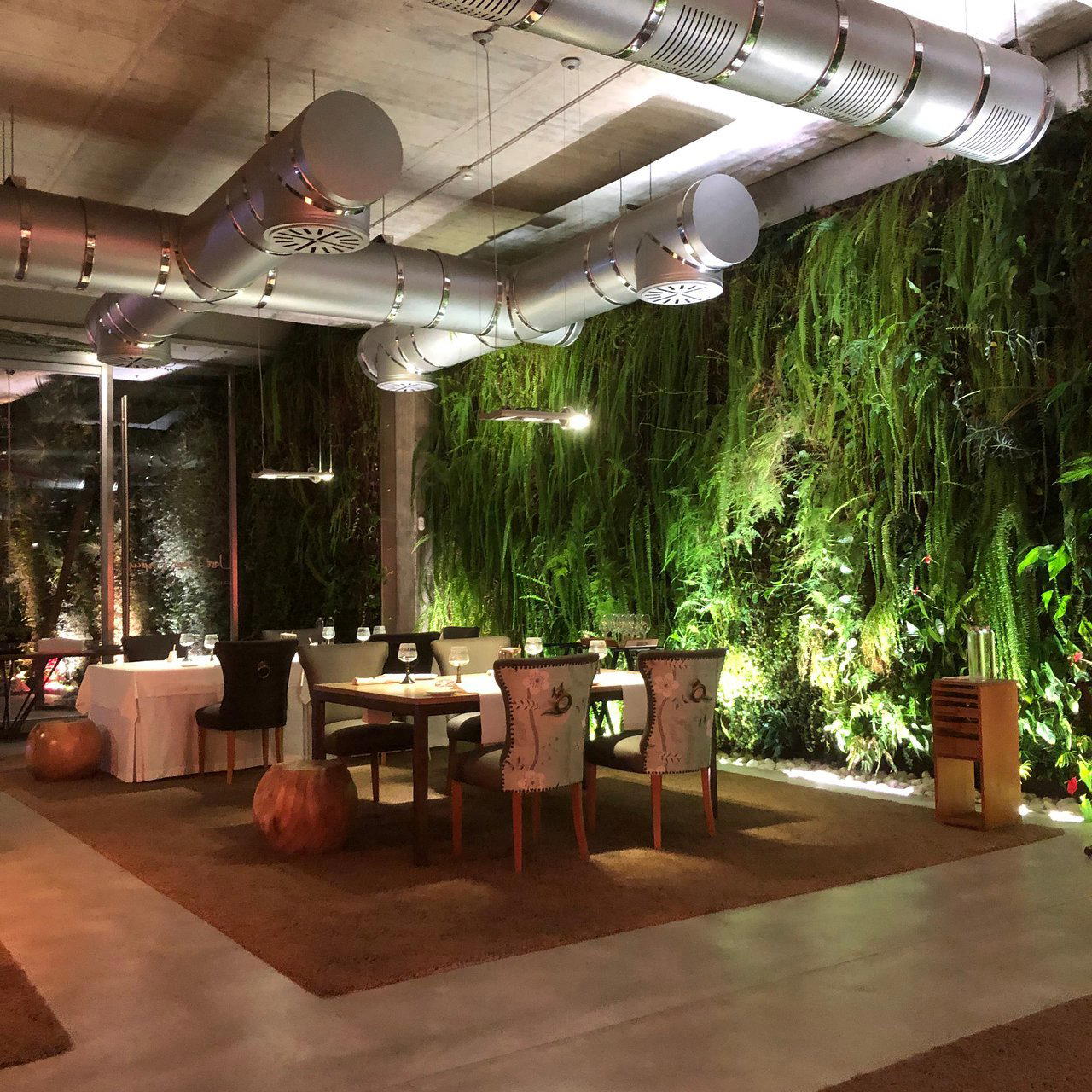
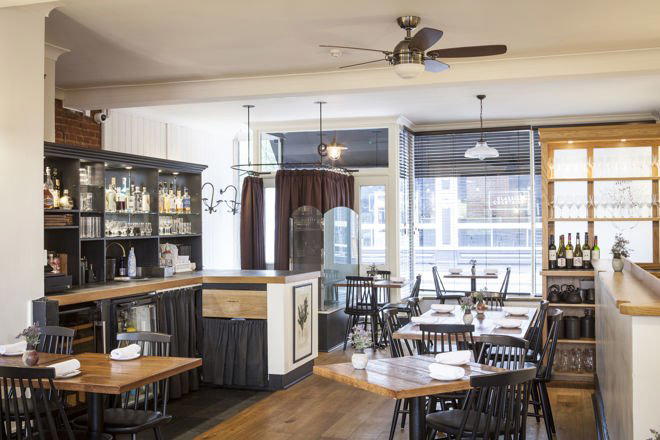
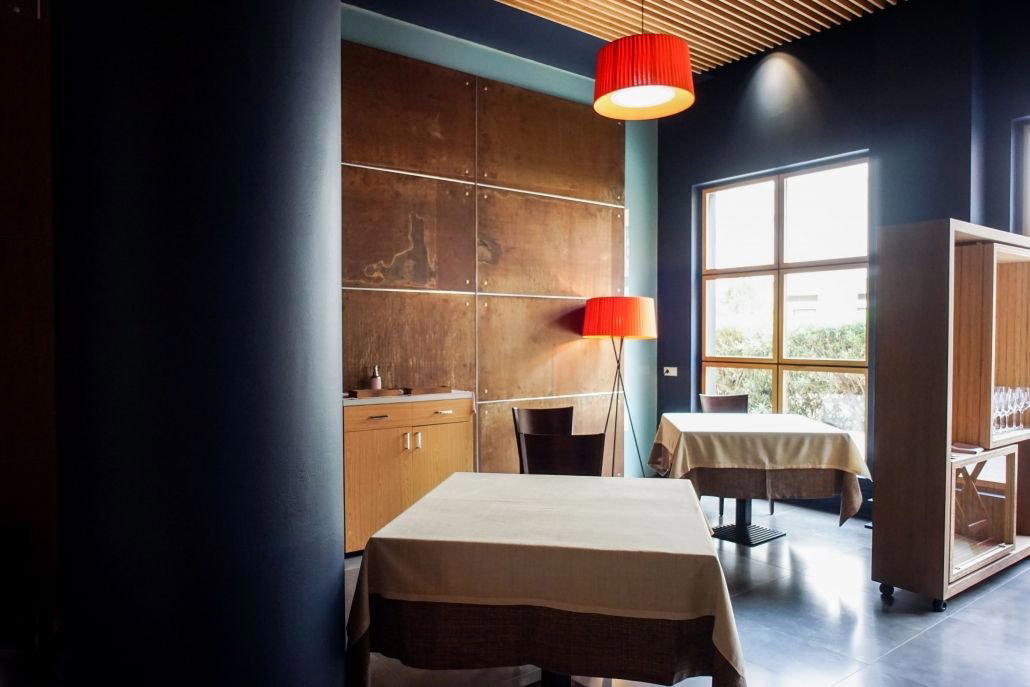
Nakamitsu operates out of Nakagyo Ward, a central Kyoto district that sits between the tourist-heavy south and the quieter residential north. The address puts you in proximity to mid-city Kyoto without the noise of Gion or Pontocho on a busy weekend night. The room itself isn't described in our data, but the Michelin documentation and the venue's approach to cooking both point toward a composed, unhurried atmosphere, the kind of place where the ambient energy is attentive rather than animated. If you're coming from a counter-seat omakase experience elsewhere in the city, Nakamitsu will likely feel calmer and more considered in its pacing.
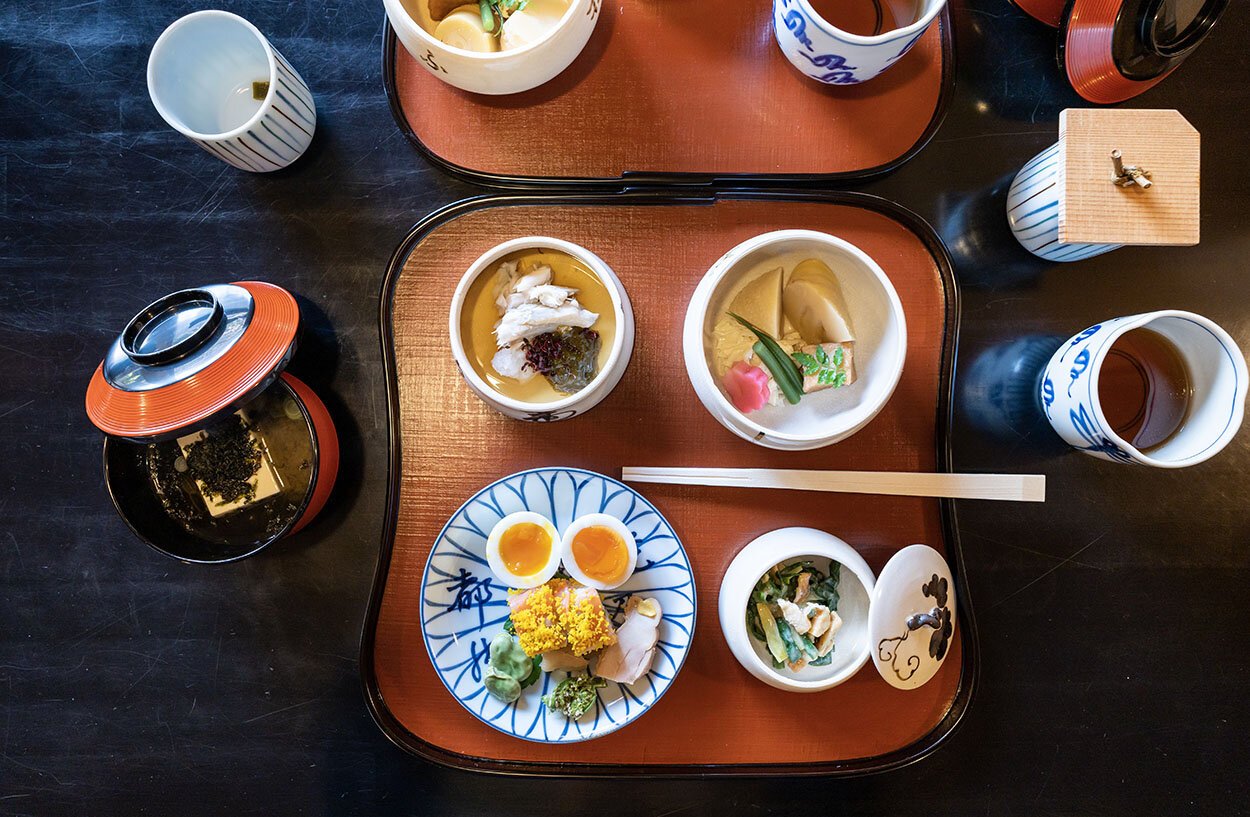
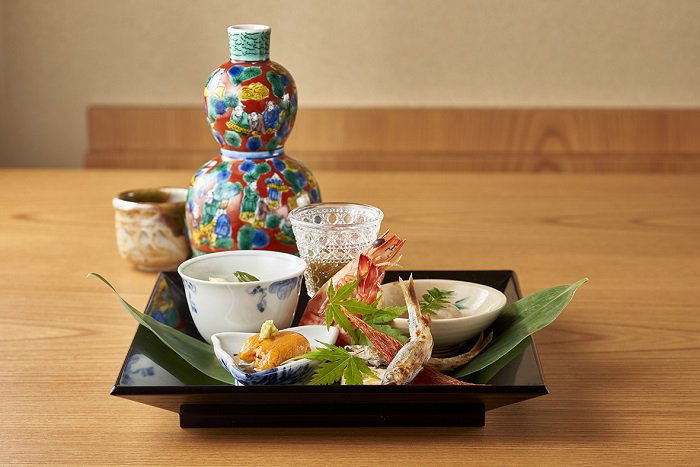
The defining characteristic of Nakamitsu's kitchen isn't a single signature dish, it's a sourcing and technique philosophy that shapes everything on the plate. According to Michelin's own citation, the chef studies ingredients with the kind of rigor that most restaurants reserve for supplier relationships alone: recipes are tested repeatedly until the flavour is right, and dashi stock is rested deliberately, because the chef understands that time changes the stock's depth. This is not a performative approach. It's a practical commitment to flavour precision that affects every course.
That approach to dashi matters more than it might sound. In Japanese cooking, dashi is not a background element, it is the structural flavour of the meal. A kitchen that treats dashi stock as something requiring patience and calibration is a kitchen that takes foundational technique seriously. For diners coming from Western fine dining, the comparison would be a French kitchen that actually cares about its fond de veau rather than using a commercial reduction. The result is food that tastes like it was built from the ground up, not assembled from pre-optimised components.
The menu's oscillation between traditional and contemporary is the second thing worth knowing before you return. Nakamitsu doesn't fix itself to one register. Some dishes will reference Kyoto kaiseki tradition directly; others will depart from it. That means the menu rewards return visits in a way that purely traditional Japanese restaurants often don't. If your first visit leaned classical, your second may surface something more unexpected. That tension is deliberate and, from what Michelin's citation suggests, well-managed rather than inconsistent.
At ¥¥¥ pricing, Nakamitsu occupies a specific position in Kyoto's Japanese dining market. It is more expensive than casual washoku and significantly less expensive than the city's kaiseki institutions. For that price tier, the combination of Michelin recognition, sourcing discipline, and a kitchen philosophy this carefully articulated is good value. You are not paying for a famous name or a dining room with a garden view. You are paying for food that was thought about carefully before it reached you.
For a returning visitor, the practical question is whether the menu has moved since your last visit. Given the kitchen's documented approach to testing and refinement, it likely has in some areas. Nakamitsu is not the kind of restaurant that sets a menu and holds it unchanged for a season. Come expecting some continuity in technique and some evolution in dishes, that's the point.
Kyoto has a deep bench of serious Japanese restaurants across price tiers. For context, Isshisoden Nakamura, Gion Matayoshi, and Kikunoi Roan all operate in the city's traditional Japanese register with different price and formality levels. Kodaiji Jugyuan and Kyokaiseki Kichisen represent the upper end of kaiseki investment. Nakamitsu sits apart from all of them in its approach: less ceremony than the kaiseki rooms, more technical intention than casual washoku. That's the gap it fills, and it fills it well at the ¥¥¥ tier.
If Kyoto is part of a broader Japan trip, the same sourcing-first philosophy appears at different price points and formats elsewhere in the country: HAJIME in Osaka operates at a higher level of ambition, akordu in Nara applies similar ingredient focus through a different culinary lens, and Myojaku and Azabu Kadowaki in Tokyo both reward comparison with what a serious mid-to-upper-tier Japanese kitchen can do. For a broader look at where to eat, stay, and drink in the city, see our full Kyoto restaurants guide, our full Kyoto hotels guide, and our full Kyoto bars guide. You can also browse wineries and experiences in the region.
Know Before You Go
- Price tier: ¥¥¥, mid-to-upper range for Kyoto, well below kaiseki room pricing
- Cuisine: Japanese, with documented range between traditional and contemporary technique
- Location: 496-2 Sanbongi 5chome, Nakagyo Ward, Kyoto 604-0872
- Awards: Michelin Plate (2024)
- Booking difficulty: Easy, reservations should not require significant advance planning
- Hours: Not confirmed, verify directly before visiting
- Phone / website: Not listed, check Google Maps or local booking platforms
- Leading for: Returning diners, ingredient-focused meals, mid-budget serious Japanese dining
How It Compares
Explore More in Japan
Beyond Kyoto, serious Japanese dining worth benchmarking against Nakamitsu includes Harutaka in Tokyo, Goh in Fukuoka, 1000 in Yokohama, and 6 in Okinawa.
Planning details
- Location
- 496-2 Sanbongi 5chome, Nakagyo Ward, Kyoto, 604-0872, Japan
- Reservations
- Book on TableCheck
- Website
- nakamitsu-kyoto.com
- Phone
- +81 75-585-2553
The take
The Take
The Vibe
Nakamitsu reads like a neighbourhood room for serious Kyoto dining: understated from the street, exacting at the counter. The tone is classic and quietly charming rather than theatrical — facades remain restrained and the restaurant earns its atmosphere through measured work at the pass. Service and pacing feel deliberate, and the writing foregrounds craftsmanship over spectacle. Diners who appreciate subtleties — technique revealed over the course of a meal and a kitchen that privileges development of flavour — will find the place rewarding. It’s a composed, tradition-minded experience that feels both local and refined.
Best For
This is a venue for diners who come with intention: those seeking a concentrated, chef-led experience rather than a bustling night out. Nakamitsu suits low-key special evenings where attention to detail matters — quiet, composed dinners focused on technique and seasonal nuance. The counter orientation keeps the meal intimate and engaged with the kitchen’s rhythm, making it a good match for contemplative date nights or small, serious celebrations among guests who are there for the food rather than the scene.
Ordering Tips
Allow the kitchen’s approach to set the pace: the description highlights a practice of resting dashi and developing flavours over time, so expect measured pacing and courses that reward patience. With service oriented around a counter, the best way to experience the place is to follow the kitchen’s lead and taste the progressions they present. Focus on savoring subtleties rather than seeking bold, immediate gestures; the restaurant’s strengths lie in technique and quiet development of flavour.
Venue details
Ambiance
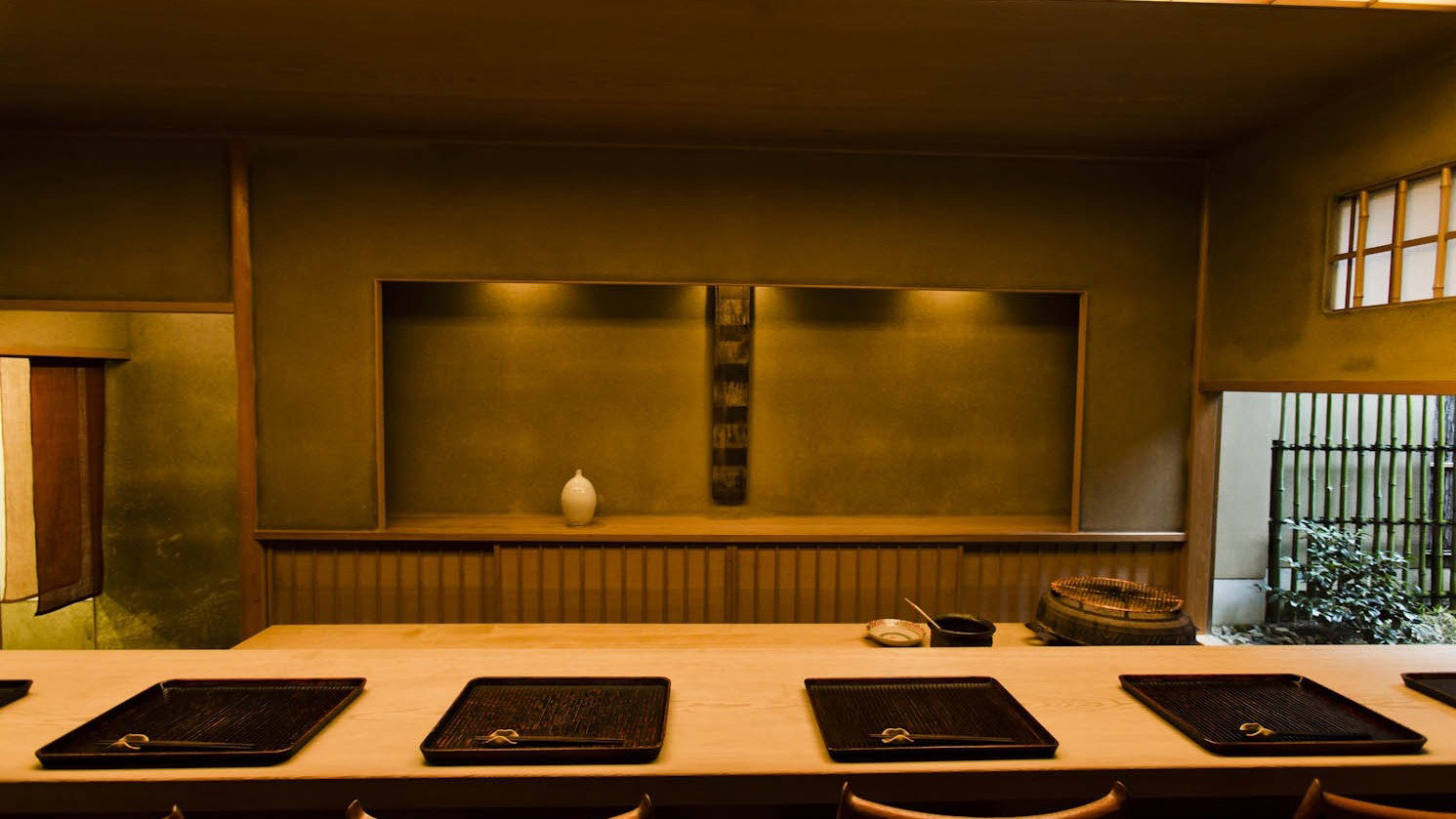
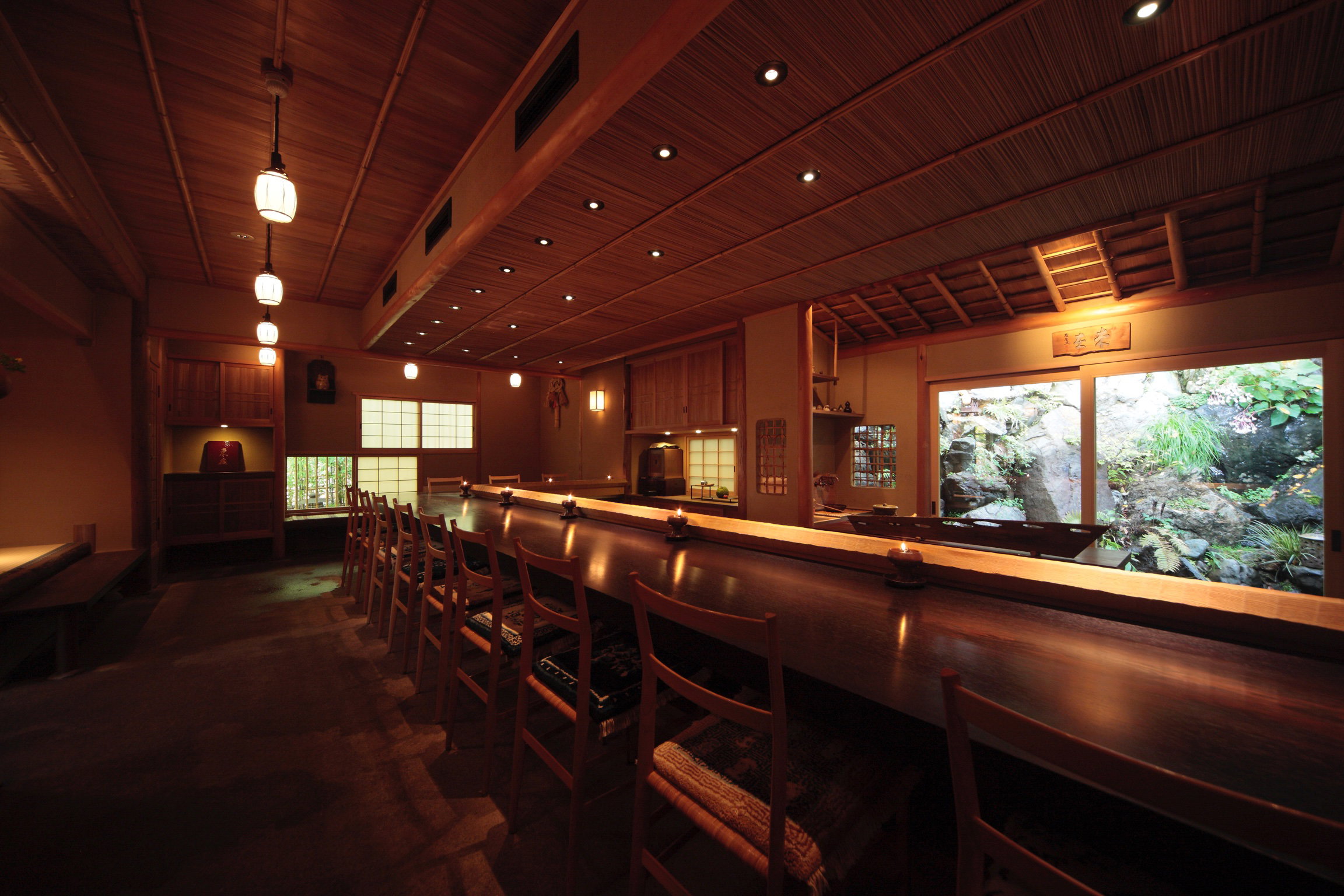
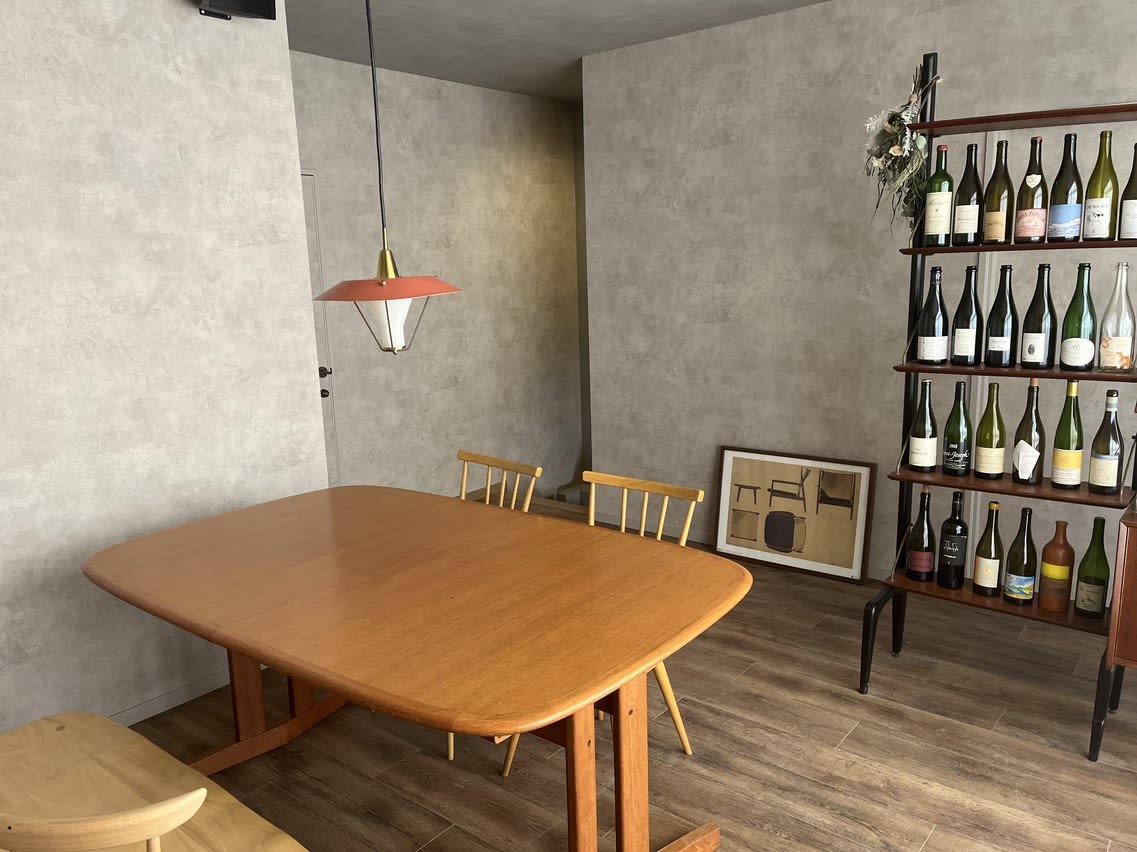
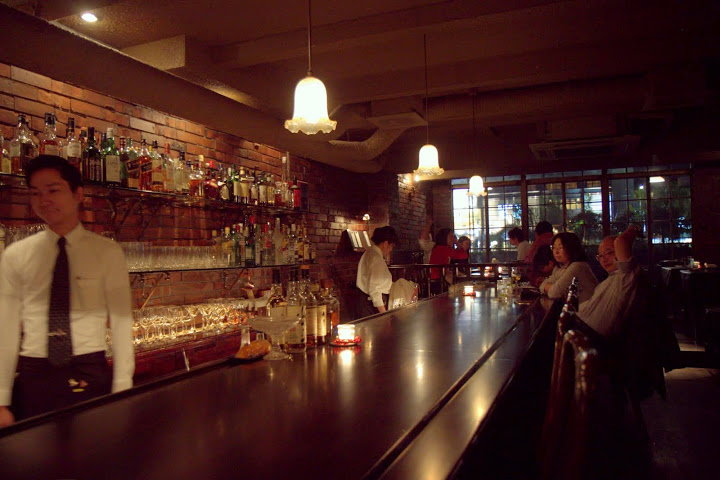
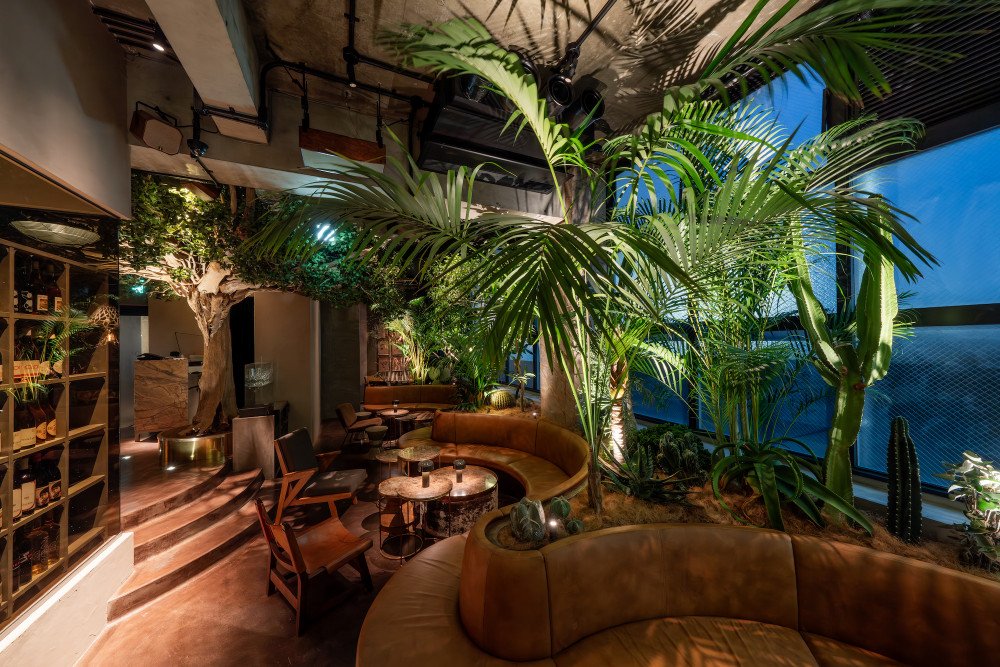
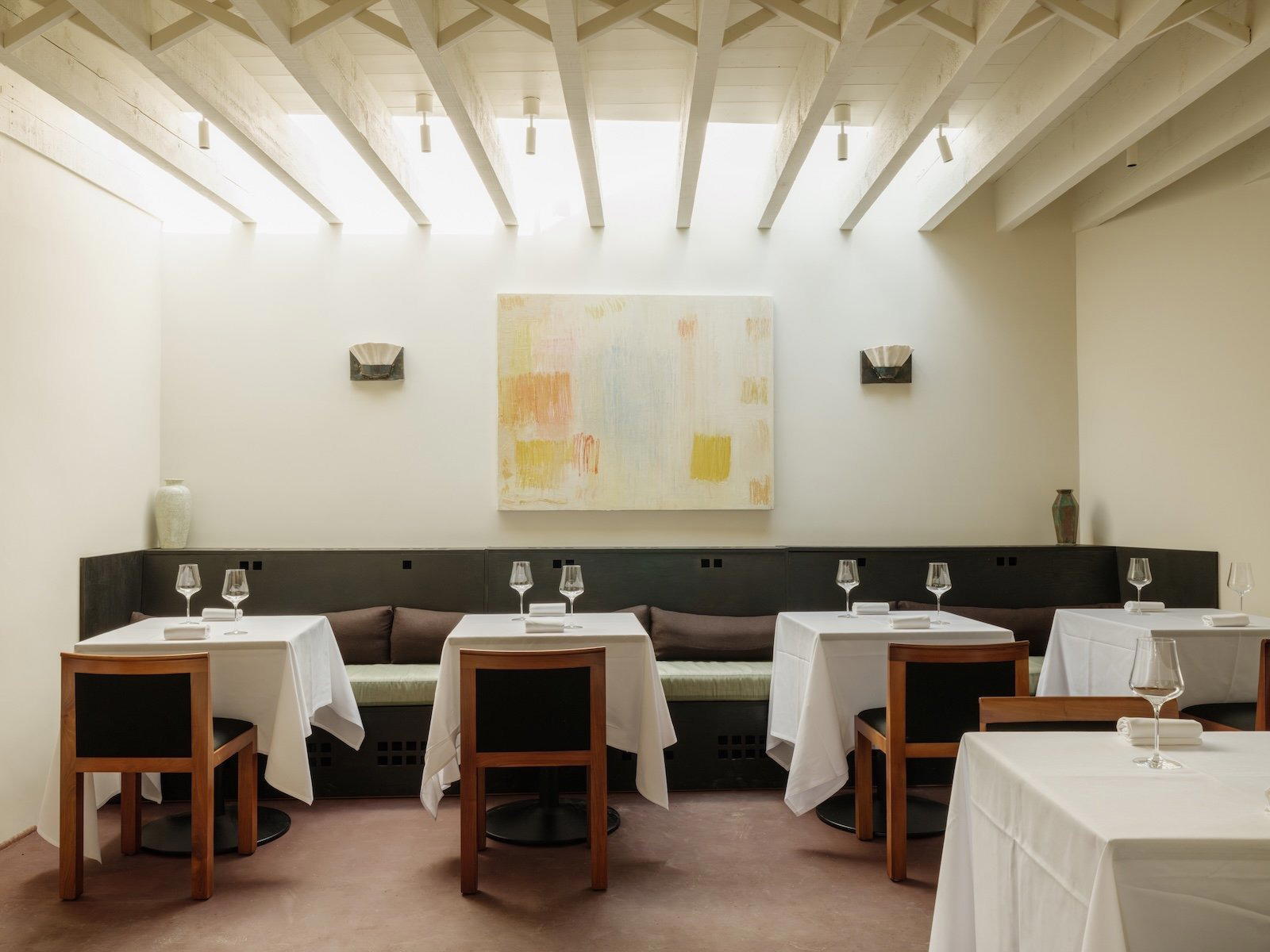
Tranquil and high-quality Japanese space with relaxing atmosphere, counter seating, and a sense of entering a separate world from everyday life.
Tags
Vibe
Best For
Experience
Sourcing
At the Table
- Dress Code
- Smart Casual
- Noise Level
- Quiet
- Service Style
- Upscale Casual
- Meal Pacing
- Leisurely
- Capacity
- Intimate
- Kitchen
- Seasonal
- Menu Format
- Omakase, Counter dining
- Drinks Focus
- Sake
Know before you go
Know Before You Go
- Getting there
- 496-2 Sanbongi 5chome, Nakagyo Ward, Kyoto, 604-0872, Japan
Planning details
Location
496-2 Sanbongi 5chome, Nakagyo Ward, Kyoto, 604-0872, Japan · Directions
Recognition and awards
Also consider
Also Consider
- Gion Sasaki, Kaiseki, Japanese, ¥¥¥¥
- cenci, Italian, ¥¥¥
- Ifuki, Kaiseki, ¥¥¥¥
- Kyokaiseki Kichisen, Japanese, ¥¥¥¥
- Kyo Seika, Chinese, ¥¥¥
Restaurant context
Nakamitsu at ¥¥¥ sits in a different category from most of Kyoto's celebrated Japanese restaurants, and that gap is useful when deciding where to spend your dinner budget. Gion Sasaki and Ifuki both operate kaiseki at ¥¥¥¥ with the formal service architecture and seasonal ceremony that format demands. If occasion dining with full kaiseki structure is the goal, those two are the stronger choices. Kyokaiseki Kichisen at ¥¥¥¥ is the most formal option in this peer group and the right call when price is secondary to prestige and setting. Nakamitsu's advantage over all three is value: Michelin-recognised quality at a price point that doesn't require the same financial commitment.
Within the ¥¥¥ tier, Nakamitsu's closest peer is cenci, which brings Italian cooking to Kyoto with similar mid-budget seriousness. The two aren't directly comparable in cuisine, but if your group is split between Japanese and Italian, cenci is a credible alternative at the same price. Kyo Seika offers Chinese cooking at ¥¥¥ for diners who want to step outside the Japanese format entirely. Neither matches Nakamitsu's documented focus on ingredient sourcing and technique philosophy, which is the main reason to choose it over same-tier alternatives.
Booking difficulty across this peer group skews harder at the ¥¥¥¥ level, Gion Sasaki in particular requires advance planning. Nakamitsu is rated easy to book, which gives it a practical edge for travellers who haven't locked in dining well ahead of arrival. If you're planning a Kyoto itinerary from outside Japan, book the ¥¥¥¥ rooms first and treat Nakamitsu as the most accessible serious Japanese option for evenings where advance reservations fell through, or as a deliberate first-choice for a focused, ingredient-led meal without the kaiseki formality overhead.
Explore Kyoto
Around this place
Discover more on Pearl
Unlock the full Nakamitsu guide in Pearl, including awards, comparisons, FAQs, planning details, and nearby places.
Compare Nakamitsu
| Venue | Cuisine | Price | Booking Difficulty | Awards |
|---|---|---|---|---|
| Nakamitsu | Japanese | ¥¥¥ | Easy | Michelin Guide Kyoto Osaka 20262026 Michelin 1 Star2024 Michelin Plate |
| Gion Sasaki | Kaiseki, Japanese | ¥¥¥¥ | Unknown | 2026 Tabelog Bronze · #3862026 OAD Top Restaurants in Japan RecommendedMichelin Guide Kyoto Osaka 20262026 La Liste Top RestaurantsTabelog 100 - Japanese cuisine - WEST - 2025 · #132025 OAD Top Restaurants in Japan Ranked · #2462025 Tabelog Silver2025 Michelin 3 Stars2025 La Liste Top Restaurants |
| cenci | Italian | ¥¥¥ | Unknown | 2026 Tabelog Bronze · #442026 Asia's 50 Best Restaurants · #762026 OAD Top Restaurants in Japan Highly RecommendedMichelin Guide Kyoto Osaka 2026Tabelog 100 - Italian - WEST - 2025 · #632025 Asia's 50 Best Restaurants · #632025 OAD Top Restaurants in Japan Ranked · #1682025 Tabelog Bronze2024 OAD Top Restaurants in Japan Ranked · #135 |
| Ifuki | Kaiseki | ¥¥¥¥ | Unknown | 2026 OAD Top Restaurants in Japan Ranked · #1222026 Tabelog Bronze · #128Michelin Guide Kyoto Osaka 20262026 La Liste Top RestaurantsTabelog 100 - Japanese cuisine - WEST - 2025 · #622025 OAD Top Restaurants in Japan Ranked · #1002025 La Liste Top Restaurants2025 Tabelog Bronze2025 Michelin 2 Stars |
| Kyokaiseki Kichisen | Japanese | ¥¥¥¥ | Unknown | 2026 Tabelog Bronze · #1752026 OAD Top Restaurants in Japan Highly RecommendedMichelin Guide Kyoto Osaka 20262025 OAD Top Restaurants in Japan Ranked · #1862025 Michelin 2 Stars2025 La Liste Top Restaurants2024 OAD Top Restaurants in Japan Ranked · #1422024 Michelin 2 Stars2023 OAD Top Restaurants in Japan Ranked · #136 |
| Kyo Seika | Chinese | ¥¥¥ | Unknown | Tabelog 100 - Chinese cuisine - WEST - 2026 · #762026 Tabelog Bronze · #2162026 OAD Top Restaurants in Japan Recommended2026 Michelin 1 Star2025 OAD Top Restaurants in Japan Ranked · #3262025 Tabelog Bronze2024 OAD Top Restaurants in Japan Ranked · #3042024 Michelin Plate2024 Michelin 1 Star |

.png?width=1200&quality=80)






Side-by-side comparison to help you decide where to book.
FAQ
Frequently Asked Questions
What should I order at Nakamitsu?
Specific menu items aren't published, so there's no reliable dish list to point to. What the venue is known for is dashi-led cooking where the stock is rested deliberately to deepen flavour — so anything built around that broth is the kitchen's calling card. If a seasonal set menu is offered, that's where the kitchen's ingredient focus and technique testing will show most clearly.
Is Nakamitsu good for a special occasion?
Yes, at ¥¥¥ pricing it sits in a practical range for a meaningful dinner without the financial pressure of a ¥¥¥¥ tasting menu. The chef's documented attention to each customer and repeated recipe testing suggests a kitchen that takes the dining experience seriously, which matters when the occasion does. For a milestone that needs a private room or a larger group setting, confirm arrangements directly before booking.
What are alternatives to Nakamitsu in Kyoto?
For higher-end traditional kaiseki with more formal ceremony, Kyokaiseki Kichisen is the benchmark in Kyoto. Gion Sasaki offers a counter-focused, ingredient-driven format that appeals to a similar diner. Ifuki and cenci both sit closer to Nakamitsu's price and approach. Kyo Seika is worth considering if you want something lighter in format.
Is Nakamitsu good for solo dining?
Likely yes. The chef's noted attention to individual customers suggests a kitchen that treats solo diners as the primary unit, not an afterthought. At ¥¥¥, a solo meal is financially manageable. Counter seating is common in Japanese restaurants of this type and scale in Kyoto, though you should confirm the format when booking since seating specifics aren't documented.