
Muromachi Yui
Japanese · Nakagyō, Kyoto
Restaurant in Kyoto, Japan
 Book with Pearl
The Read
Solo-Counter Kaiseki
Price
¥¥¥
Chef
Kazuteru Maeda
Dress
Smart Casual
Why go
Muromachi Yui is a solo-chef omakase in Kyoto's Nakagyo Ward where seasonal discipline and foraged ingredients justify the ¥¥¥ price tag. Chef Kazuteru Maeda works alone, ageing his dashi for two days and building hassun platters around the month's customs. Booking is currently easier than most of Kyoto's comparable rooms; use that window while it lasts.
About Muromachi Yui
Verdict
Muromachi Yui is one of the most considered solo-chef omakase experiences in Kyoto's Nakagyo Ward, at the ¥¥¥ price tier it sits well below the city's flagship kaiseki institutions. If you want seasonal Japanese cooking driven by a single chef's full attention; from a two-day-aged dashi to wild plants he picks himself; this is a sound booking. It is not the place for a large group or a loud celebration; the dining room rewards quiet attention. Book it for an intimate anniversary, a serious food-focused date, or a solo meal worth remembering.
Portrait
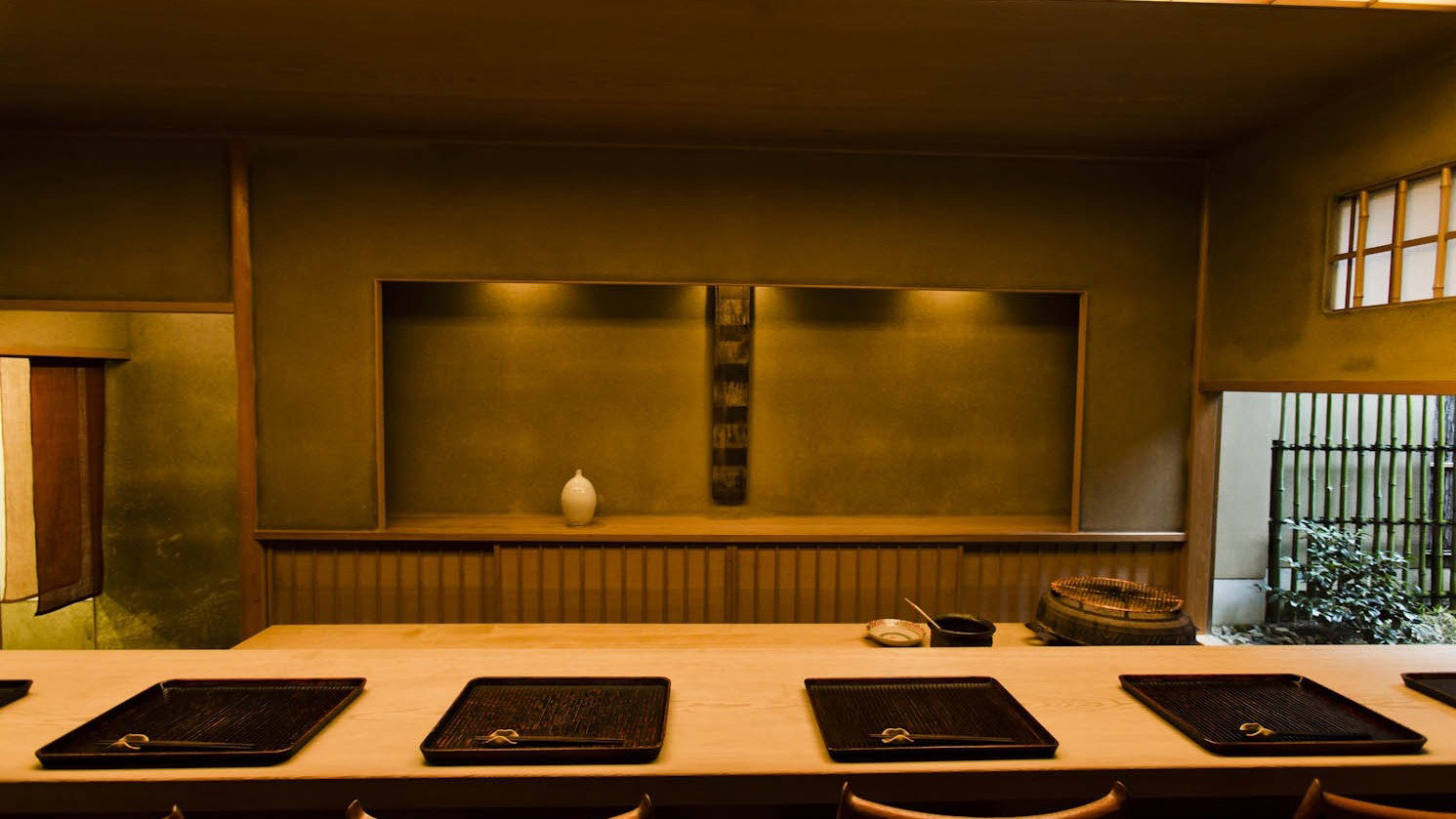
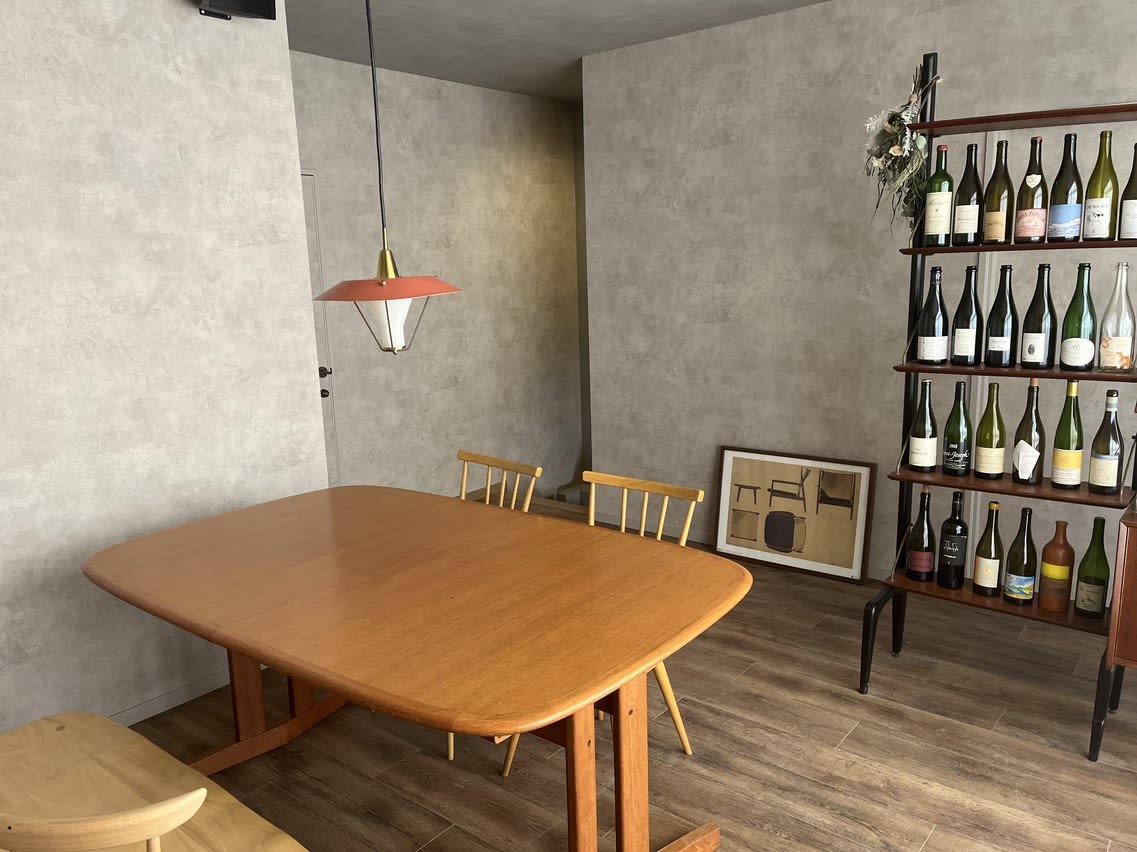
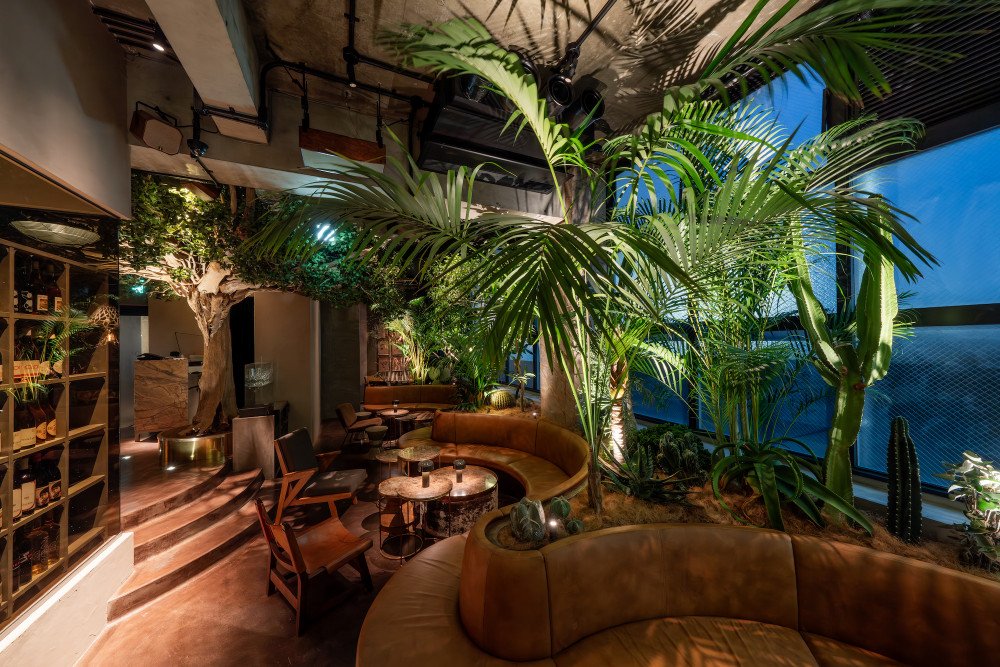
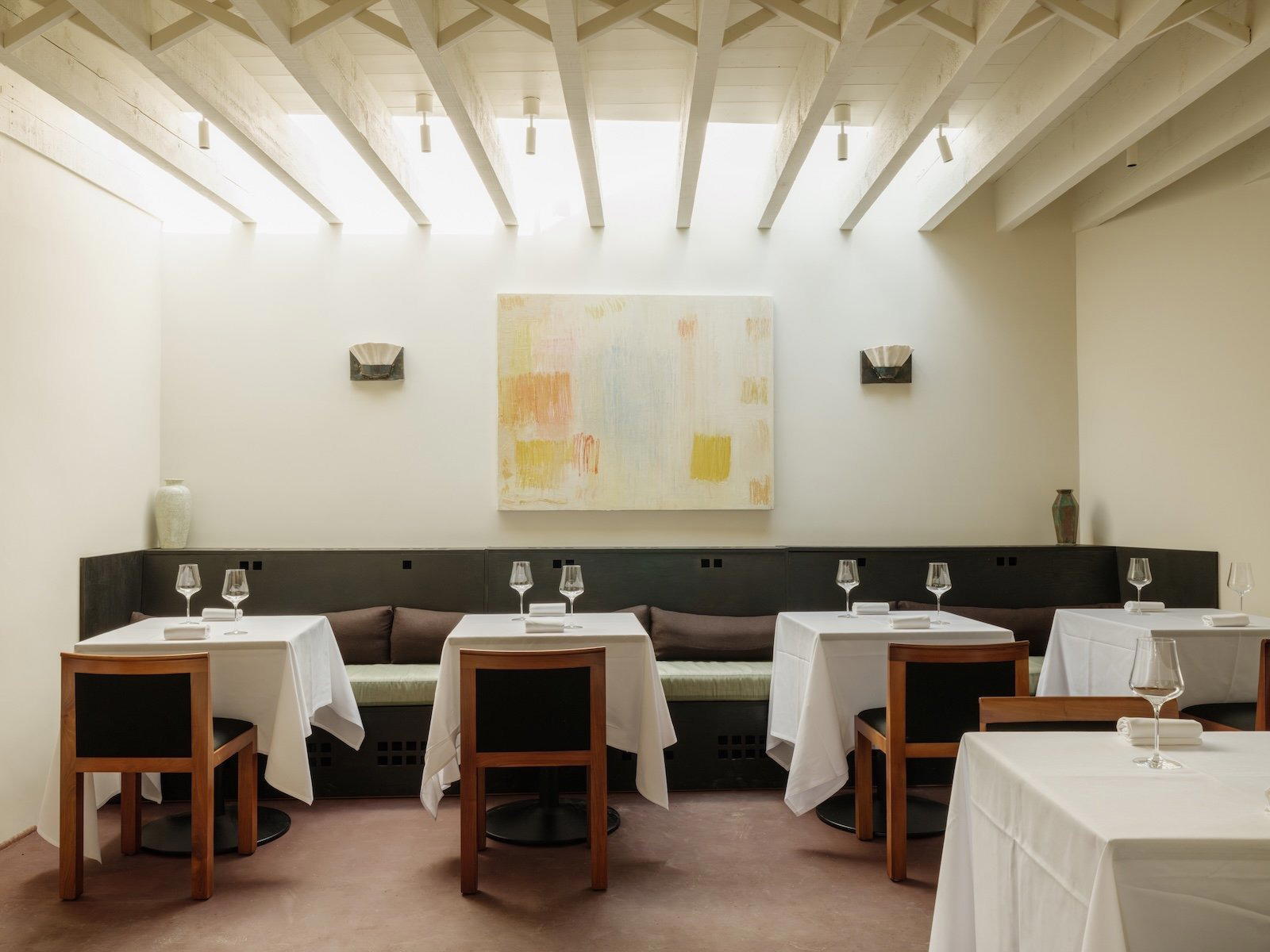
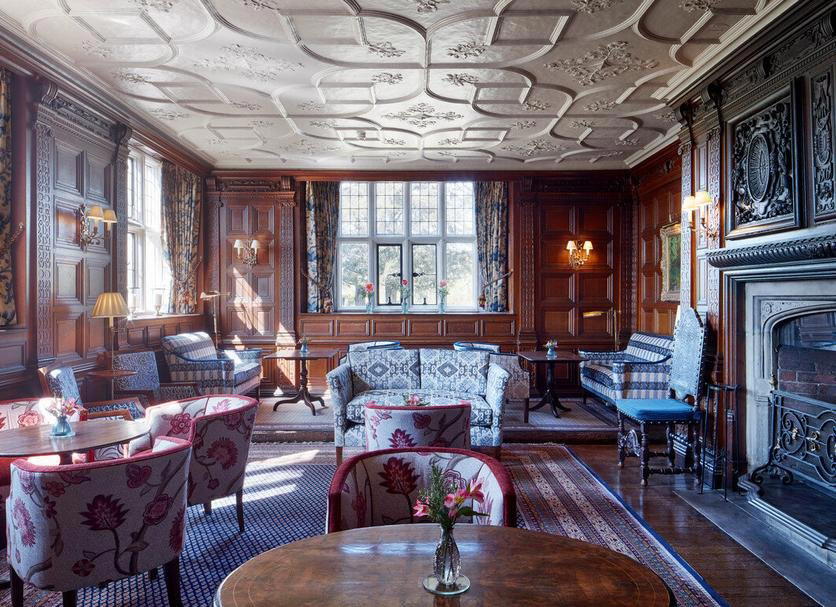
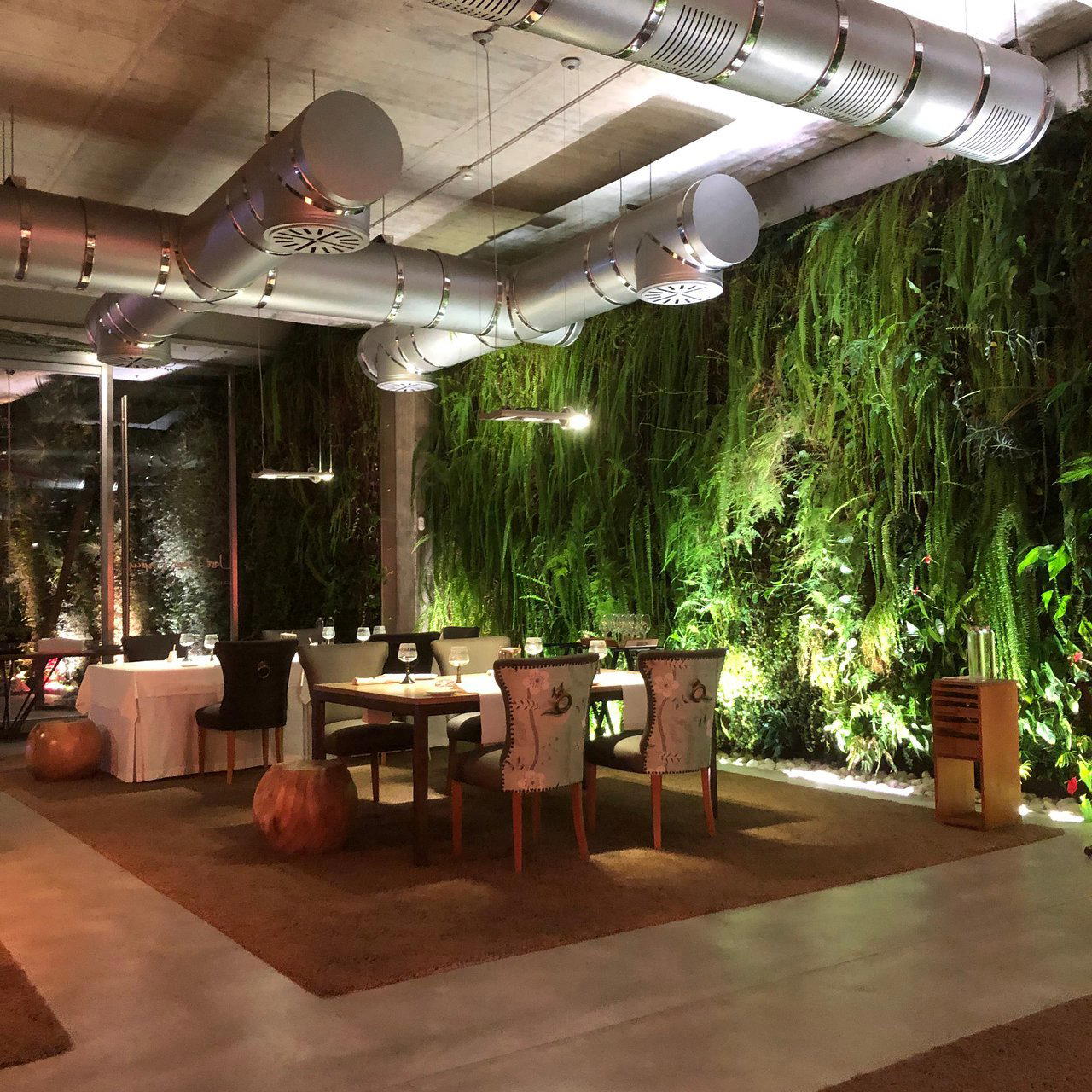
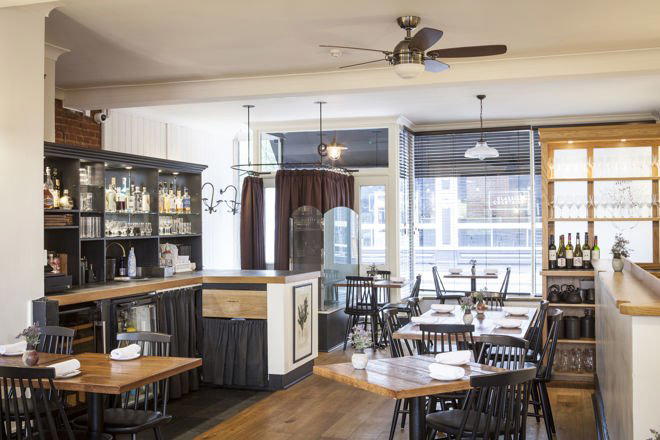
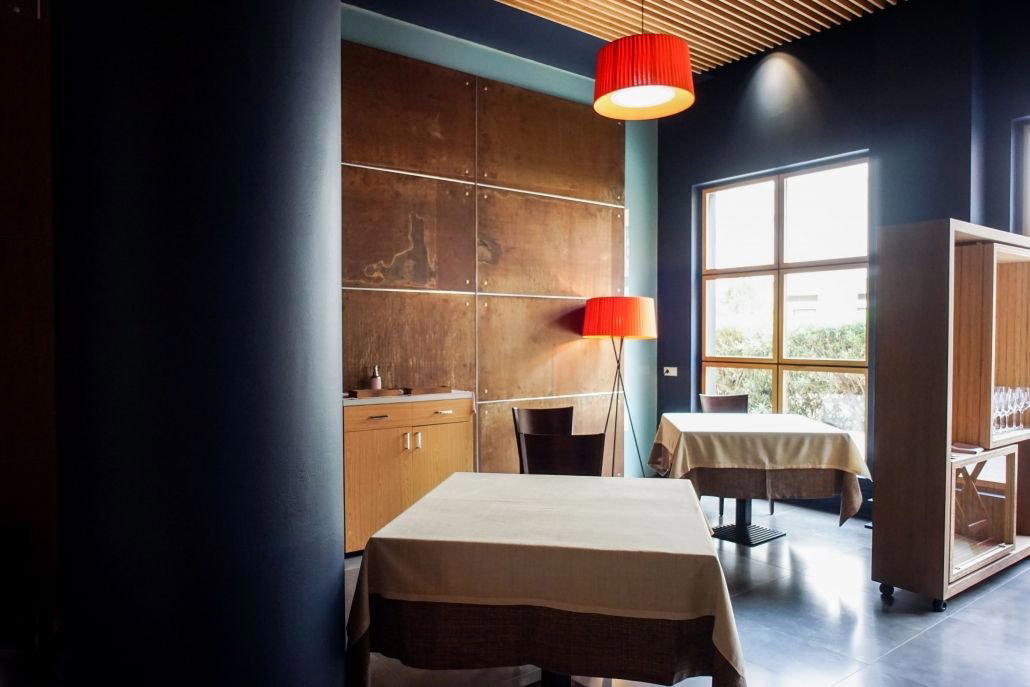
Picture a small dining room in Nakagyo, the kind of room that asks you to slow down. The décor, described by Michelin as captivating alongside the cuisine, sets a visual register that is clean and particular rather than grand. You notice it before the food arrives: the room has been considered in the same way the menu has. That first impression matters here, because Muromachi Yui is, in almost every respect, a one-person operation. Chef Kazuteru Maeda works alone, the meal you eat reflects that completely.
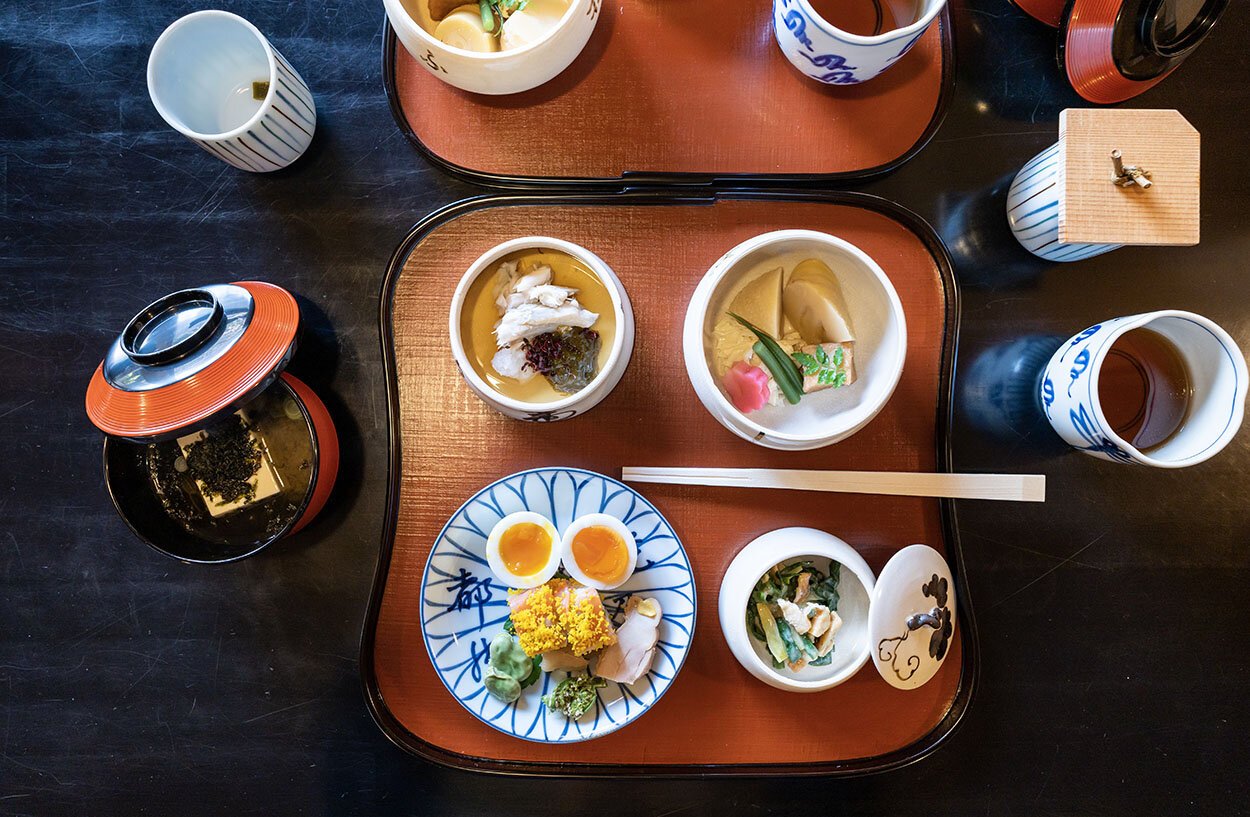
The name 'Yui' is drawn from the Japanese 'yuiitsu-muni', meaning one and only. That framing is not marketing, it shapes how Maeda approaches the kitchen. His omakase dishes track the seasons with precision: hassun platters are built around the month's events and customs, not just whatever is freshest at market. This is a meaningful distinction from restaurants that trade on seasonal language without the depth to back it up. At Muromachi Yui, the hassun is a calendar, the calendar is edible.
The rice is served the moment it is cooked, a detail that sounds minor but signals the kitchen's priorities clearly. Accompaniments such as dried mullet roe, dried baby sardines with pickled plum, savoury seaweed paste are generous and well-matched. Maeda's dashi is aged for two days to draw the full umami potential from the kombu kelp, the wild plants and mushrooms he forages in the mountains himself add an ingredient-sourcing specificity that few restaurants at this price point can match. These are not garnishes; they are the point of the meal.
On the question of lunch versus dinner: the omakase format and Maeda's solo operation suggest that the experience is structurally similar across both services, though dinner framing typically allows the seasonal and ceremonial elements of the hassun to land with more weight. A daytime visit at ¥¥¥ gives you the same kitchen rigour at a pace that suits a longer afternoon in Nakagyo, a worthwhile trade-off if evening availability is limited. Dinner, however, is the better setting if the occasion calls for it: the room and the rhythm of the meal both carry differently by candlelight. Either way, given the solo-chef model, services are likely small and booking should be treated as non-negotiable regardless of time of day.
Michelin has cited the venue with recognition language focused on seasonal discipline, ingredient sourcing, the chef's singular vision, credentials that place it in serious company without the four-symbol price tag of Kyoto's most formal kaiseki rooms. For context, houses like Kyokaiseki Kichisen and Isshisoden Nakamura operate at ¥¥¥¥ with the ceremony and staffing that tier implies. Muromachi Yui offers comparable seasonal seriousness with more intimacy and a lower spend.
Booking is rated Easy by Pearl's current data, which is useful to know given Kyoto's broader reservation difficulty. Many of the city's most-discussed restaurants, including Gion Matayoshi and Kikunoi Roan, require planning weeks or months ahead. Muromachi Yui's relative accessibility does not reflect lower quality; it reflects a venue that has not yet reached the reservation scarcity of Kyoto's most-searched names. That window may not stay open. Book directly through the address at 459 Kinbukicho, Nakagyo Ward, Pearl does not have a website or phone number on file, so hotel concierges in Kyoto are your most reliable route in if you cannot arrange the booking independently before arrival.
For special occasions, this is a strong choice within the ¥¥¥ tier. The solo-chef model means the meal carries a personal quality that larger brigade kitchens do not replicate. The visual care of the room, the seasonal precision of the hassun, the ingredient integrity throughout make a quiet case for themselves without requiring explanation. If you are comparing options at the same price point, Kodaiji Jugyuan offers a different register, garden views versus Maeda's intimate room, is worth considering depending on whether setting or cooking depth is your priority. For Japanese cooking outside Kyoto at a similar ambition level, Myojaku in Tokyo and Azabu Kadowaki are Pearl-tracked alternatives worth benchmarking. Further afield, HAJIME in Osaka and akordu in Nara represent different Japanese fine-dining philosophies at ¥¥¥¥, should you be building a wider Kansai itinerary.
See our full Kyoto restaurants guide, Kyoto hotels guide, Kyoto bars guide, Kyoto wineries guide, and Kyoto experiences guide for planning the rest of your visit. If you are routing through other Japanese cities, Goh in Fukuoka, Harutaka in Tokyo, 1000 in Yokohama, and 6 in Okinawa are Pearl-tracked options across the country's fine-dining range.
Planning details
- Location
- 459 Kinbukicho, Nakagyo Ward, Kyoto, 604-0846, Japan
- Website
- muromachi-yui.jp
- Phone
- +81 75-251-8877
The take
The Take
The Vibe
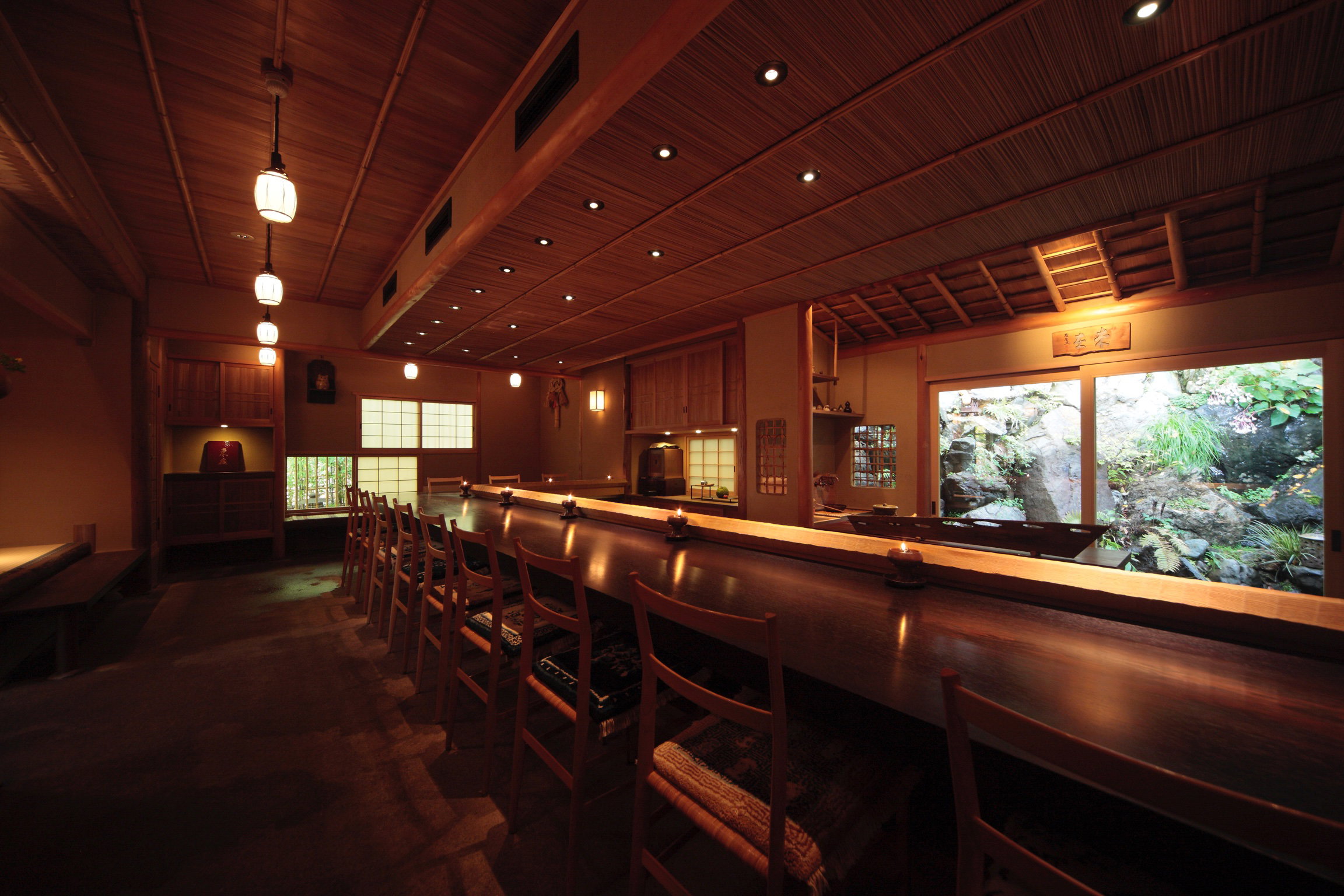
Muromachi Yui presents a measured, classic Kyoto kaiseki experience centered on a single counter where the cook’s work is the room’s focus. The atmosphere reads restrained and deliberate: preparation is visible and framed as the event rather than theatrical spectacle. The small scale collapses the usual distance between kitchen and table, so dishes arrive with an evident logic you have just witnessed. Set on a quiet lane in Nakagyo Ward and positioned in a mid-tier ¥¥¥ bracket, the restaurant emphasizes craft and seasonality over flash, offering a composed, tradition-minded dining moment.
Best For
This is a venue for diners who want to watch technique and progression: think solo omakase-style meals or intimate dinners where the unfolding of courses matters. The counter format and single-chef control make it especially suited to guests who appreciate transparency in cooking and the quiet architecture of a multi-course meal. Visitors seeking a refined Kyoto kaiseki experience without the ryotei pageantry will find it compelling; the writing places it within a mid-tier ¥¥¥ range, appealing to those who value disciplined technique and seasonal nuance.
Ordering Tips
Sit at the counter to see the full process: the restaurant’s defining feature is that one cook assembles every element in view, so a counter seat maximizes the experience. Treat the meal as a sequence rather than a la carte choices—the comparison to a sushi omakase counter signals that trusting the chef’s pacing and selection yields the intended narrative. Pay attention to the foundations, like the two-day-aged kombu dashi, which the kitchen uses as the invisible architecture underpinning many dishes; noticing those layers rewards close, attentive dining.
Venue details
Ambiance
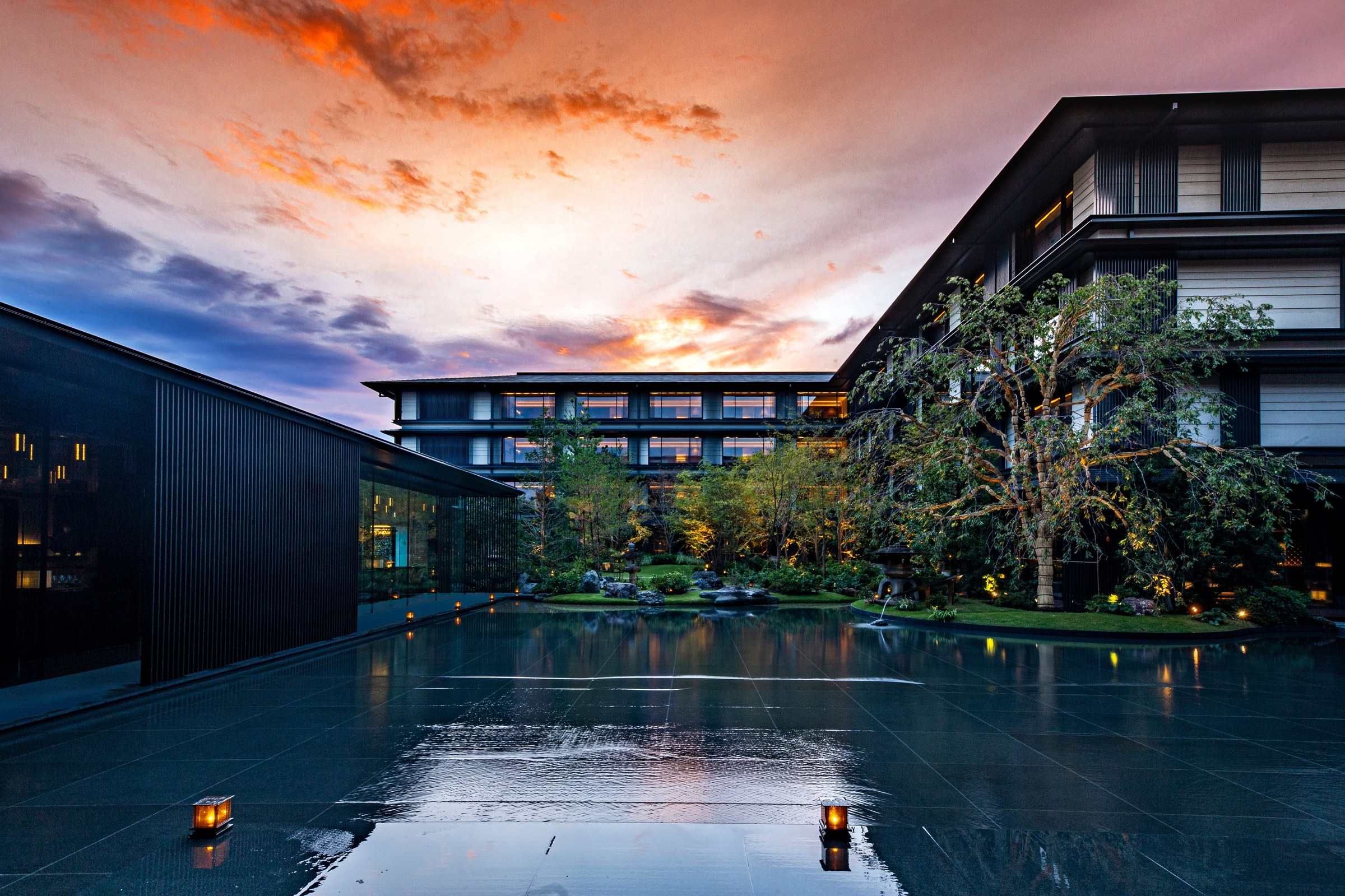
Serene and relaxing atmosphere in a renovated traditional townhouse with stylish, spacious counter seating overlooking a beautiful courtyard.
Tags
Vibe
Best For
Experience
Sourcing
View
At the Table
- Dress Code
- Smart Casual
- Noise Level
- Quiet
- Service Style
- Formal
- Meal Pacing
- Leisurely
- Capacity
- Intimate
Planning details
Location
Recognition and awards
Also consider
Also Consider
- Gion Sasaki; Kaiseki, Japanese, ¥¥¥¥
- cenci; Italian, ¥¥¥
- Ifuki; Kaiseki, ¥¥¥¥
- Kyokaiseki Kichisen; Japanese, ¥¥¥¥
- SEN; French, Japanese, ¥¥¥¥
Restaurant context
Within Kyoto's ¥¥¥¥ kaiseki tier, Gion Sasaki and Ifuki are the reference points: full brigade service, deep front-of-house polish, prices that reflect it. Muromachi Yui operates one tier below on price and delivers a fundamentally different register; the intimacy of a single chef, the specificity of foraged ingredients, a seasonal precision that holds its own against those larger operations. If the ceremony and staffing depth of a formal kaiseki house matter to you, step up to ¥¥¥¥. If cooking craft and personal attention are your priorities, Muromachi Yui is the more efficient use of budget.
Kyokaiseki Kichisen is arguably Kyoto's most formally celebrated kaiseki address, with the credentials and booking difficulty to match. It is the right choice for a once-in-a-decade splurge where every element; room, service, tableware, cuisine; needs to perform at the highest level simultaneously. Muromachi Yui does not compete on those terms; it competes on intimacy and ingredient integrity, wins that narrower argument convincingly. SEN, which blends French and Japanese influences at ¥¥¥¥, is the better option if you want a cross-cultural tasting menu rather than a purely Japanese omakase structure.
For diners comparing Muromachi Yui against cenci; Kyoto's most-discussed Italian at ¥¥¥; the decision comes down to cuisine format rather than price. Cenci is the stronger choice if Italian technique with local Kyoto ingredients is the draw; Muromachi Yui is the answer if you want to eat the most seasonally Japanese meal your budget allows. On booking difficulty, Muromachi Yui is currently the easier reservation among Kyoto's serious tasting-menu options, which makes it a practical first call if your travel dates are tight.
Explore Kyoto
Around this place
Discover more on Pearl
Unlock the full Muromachi Yui guide in Pearl, including awards, comparisons, FAQs, planning details, and nearby places.
Compare Muromachi Yui
| Venue | Cuisine | Price | Booking Difficulty | Awards |
|---|---|---|---|---|
| Muromachi Yui | Japanese | ¥¥¥ | Easy | Michelin Guide Kyoto Osaka 20262026 Michelin 1 Star2024 Michelin 1 Star |
| Gion Sasaki | Kaiseki, Japanese | ¥¥¥¥ | Unknown | 2026 Tabelog Bronze · #3862026 OAD Top Restaurants in Japan RecommendedMichelin Guide Kyoto Osaka 20262026 La Liste Top RestaurantsTabelog 100 - Japanese cuisine - WEST - 2025 · #132025 OAD Top Restaurants in Japan Ranked · #2462025 Tabelog Silver2025 Michelin 3 Stars2025 La Liste Top Restaurants |
| cenci | Italian | ¥¥¥ | Unknown | 2026 Tabelog Bronze · #442026 Asia's 50 Best Restaurants · #762026 OAD Top Restaurants in Japan Highly RecommendedMichelin Guide Kyoto Osaka 2026Tabelog 100 - Italian - WEST - 2025 · #632025 Asia's 50 Best Restaurants · #632025 OAD Top Restaurants in Japan Ranked · #1682025 Tabelog Bronze2024 OAD Top Restaurants in Japan Ranked · #135 |
| Ifuki | Kaiseki | ¥¥¥¥ | Unknown | 2026 OAD Top Restaurants in Japan Ranked · #1222026 Tabelog Bronze · #128Michelin Guide Kyoto Osaka 20262026 La Liste Top RestaurantsTabelog 100 - Japanese cuisine - WEST - 2025 · #622025 OAD Top Restaurants in Japan Ranked · #1002025 La Liste Top Restaurants2025 Tabelog Bronze2025 Michelin 2 Stars |
| Kyokaiseki Kichisen | Japanese | ¥¥¥¥ | Unknown | 2026 Tabelog Bronze · #1752026 OAD Top Restaurants in Japan Highly RecommendedMichelin Guide Kyoto Osaka 20262025 OAD Top Restaurants in Japan Ranked · #1862025 Michelin 2 Stars2025 La Liste Top Restaurants2024 OAD Top Restaurants in Japan Ranked · #1422024 Michelin 2 Stars2023 OAD Top Restaurants in Japan Ranked · #136 |
| SEN | French, Japanese | ¥¥¥¥ | Unknown | 2026 Tabelog Bronze · #3952026 OAD Top Restaurants in Japan RecommendedMichelin Guide Kyoto Osaka 20262026 Michelin PlateTabelog 100 - Japanese cuisine - WEST - 2025 · #652025 Michelin Plate2025 Tabelog Bronze2024 OAD Top Restaurants in Japan Ranked · #3622024 Michelin Plate |







.png?width=1200&quality=80)
Comparing your options in Kyoto for this tier.
FAQ
Frequently Asked Questions
Is the tasting menu worth it at Muromachi Yui?
Yes, for the right diner. Muromachi Yui's omakase is built around seasonal produce, a two-day-aged kombu dashi, foraged wild plants and mushrooms sourced by the chef personally. The ¥¥¥ price tier places it below Kyoto's top-tier kaiseki institutions, which makes the level of craft on offer genuinely good value. If you want an intimate, single-chef experience over a formal multi-staff production, this format delivers.
What should I wear to Muromachi Yui?
Nothing in the venue record prescribes a dress code, but the setting is described as an elegant dining room and the cuisine is serious kaiseki-style omakase. Conservative, neat clothing is the safe read; think what you'd wear to a high-end Japanese restaurant where the food is the focus and the room asks you to slow down. Avoid anything loud or overly casual.
Is Muromachi Yui good for a special occasion?
It suits occasions where the meal itself is the centrepiece. Chef Maeda works alone and describes his goal as conveying his culinary feelings through the food, so the experience is intimate and personal rather than theatrical or celebratory in a conventional sense. For a dinner-for-two anniversary or a milestone that calls for quiet, considered food, this works well. For large groups or events that need a party atmosphere, look elsewhere.
What are alternatives to Muromachi Yui in Kyoto?
Gion Sasaki offers a more expansive seasonal kaiseki with broader staffing and a higher profile. Ifuki and SEN are closer comparisons at the ¥¥¥ tier if you want omakase without climbing to Kichisen-level pricing. cenci shifts toward a French-Japanese hybrid if a strictly traditional format doesn't appeal. Muromachi Yui is the pick specifically for a solo-chef format with foraged, hyper-seasonal produce.
Is Muromachi Yui worth the price?
At ¥¥¥, Muromachi Yui sits a tier below Kyoto's most expensive kaiseki rooms and charges accordingly. The kitchen produces a two-day dashi stock, serves white rice the moment it's cooked, works with foraged mountain ingredients; levels of process and sourcing that justify the price point. For solo-chef omakase at this price in Nakagyo Ward, the value proposition is strong.
What should I order at Muromachi Yui?
There is no à la carte menu. Muromachi Yui is an omakase format, so the chef determines the full progression. Expect seasonal dishes built around a two-day-aged kombu dashi, foraged wild plants and mushrooms, a hassun platter that reflects the month's customs. Accompaniments to the freshly cooked rice; including dried mullet roe and pickled plum with sardines; are a noted feature of the meal.