
MUNI ALAIN DUCASSE
French · Nakagyō, Kyoto
Restaurant in Kyoto, Japan
 Book with Pearl
The Read
Kyoto-Seasonal French Precision
Price
$300–500per person
Dress
Smart Casual
Why go
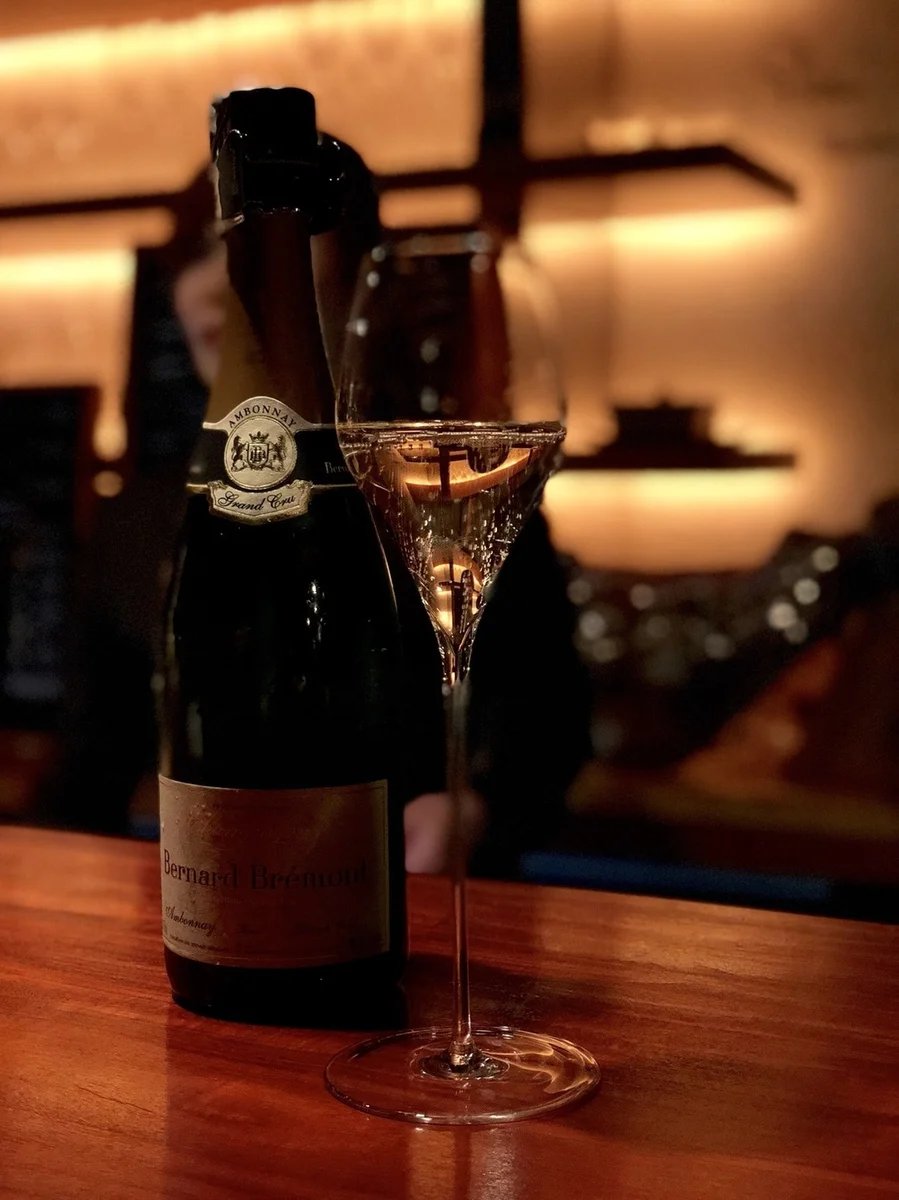
MUNI ALAIN DUCASSE earned a Michelin star in 2022, making it the clearest address for serious French cooking in Kyoto. At ¥¥¥¥, it competes directly with the city's top kaiseki rooms. Book well ahead — this is a hard reservation, and spring and autumn availability disappears fastest.
About MUNI ALAIN DUCASSE
Should You Book MUNI ALAIN DUCASSE?
Getting a table here takes real effort. Book as far in advance as you can; this is not a walk-in venue and availability dries up quickly, particularly on weekends and around Kyoto's busiest travel periods in spring (cherry blossom, late March to mid-April) and autumn foliage (mid-November). If you are planning a Kyoto trip around a meal here, lock the reservation before you book anything else. The effort is justified: this is Alain Ducasse's footprint in Japan, applying French culinary discipline to a city whose own culinary tradition is arguably the most demanding in the world.
What MUNI ALAIN DUCASSE Is
This is a French restaurant in the Alain Ducasse orbit, set in Nakagyo Ward, one of central Kyoto's more accessible districts. The premise matters for your decision: you are not coming here for kaiseki, for dashi, or for the Japanese culinary syntax that defines Kyoto dining at places like Gion Sasaki or Kyokaiseki Kichisen. You are coming for French technique applied with the kind of precision that Ducasse kitchens are trained to deliver consistently. That distinction is exactly what makes the decision clear: if you want kaiseki, book elsewhere. If you want French cooking at Michelin-starred level in Kyoto, this is the address.
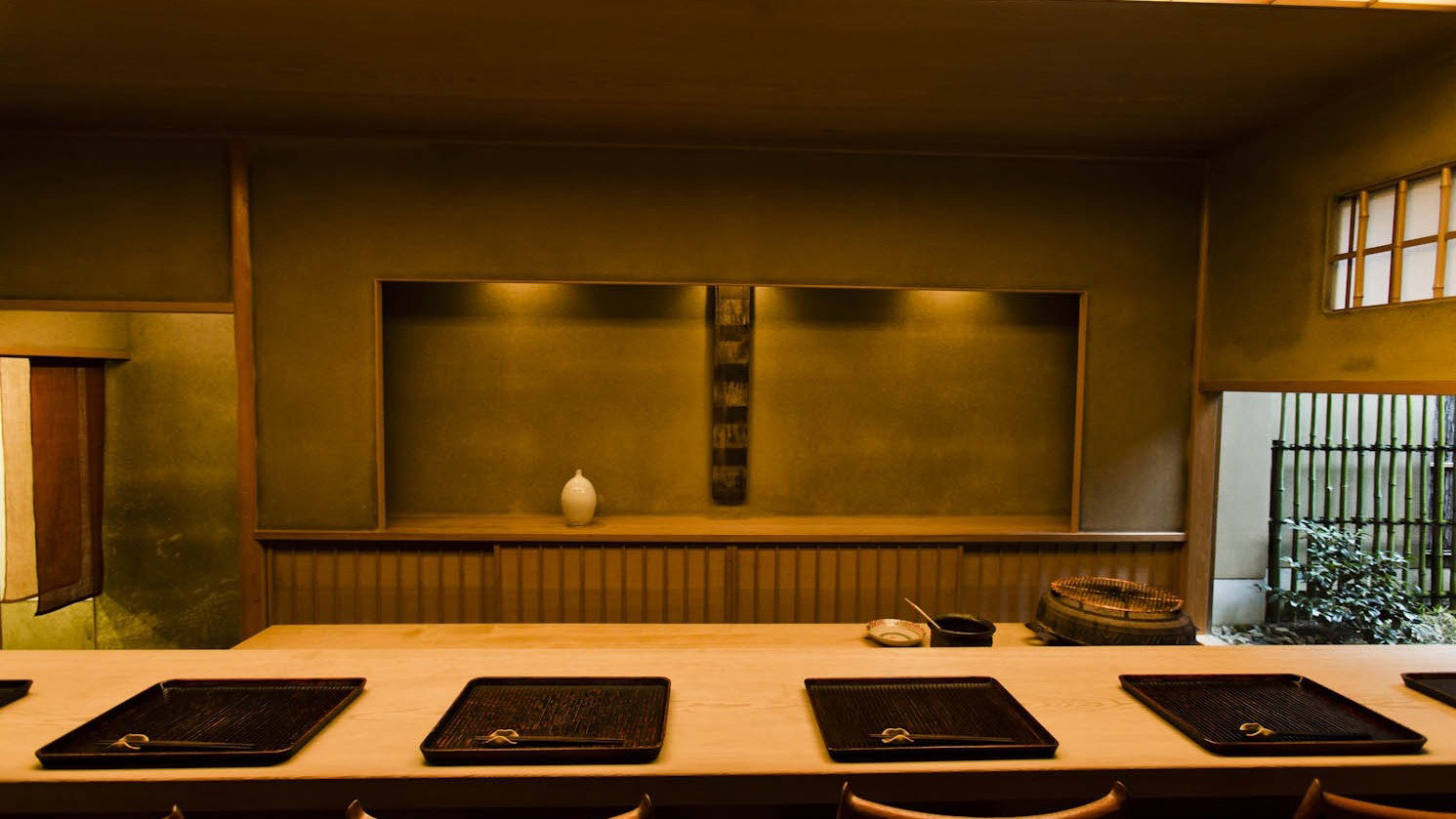
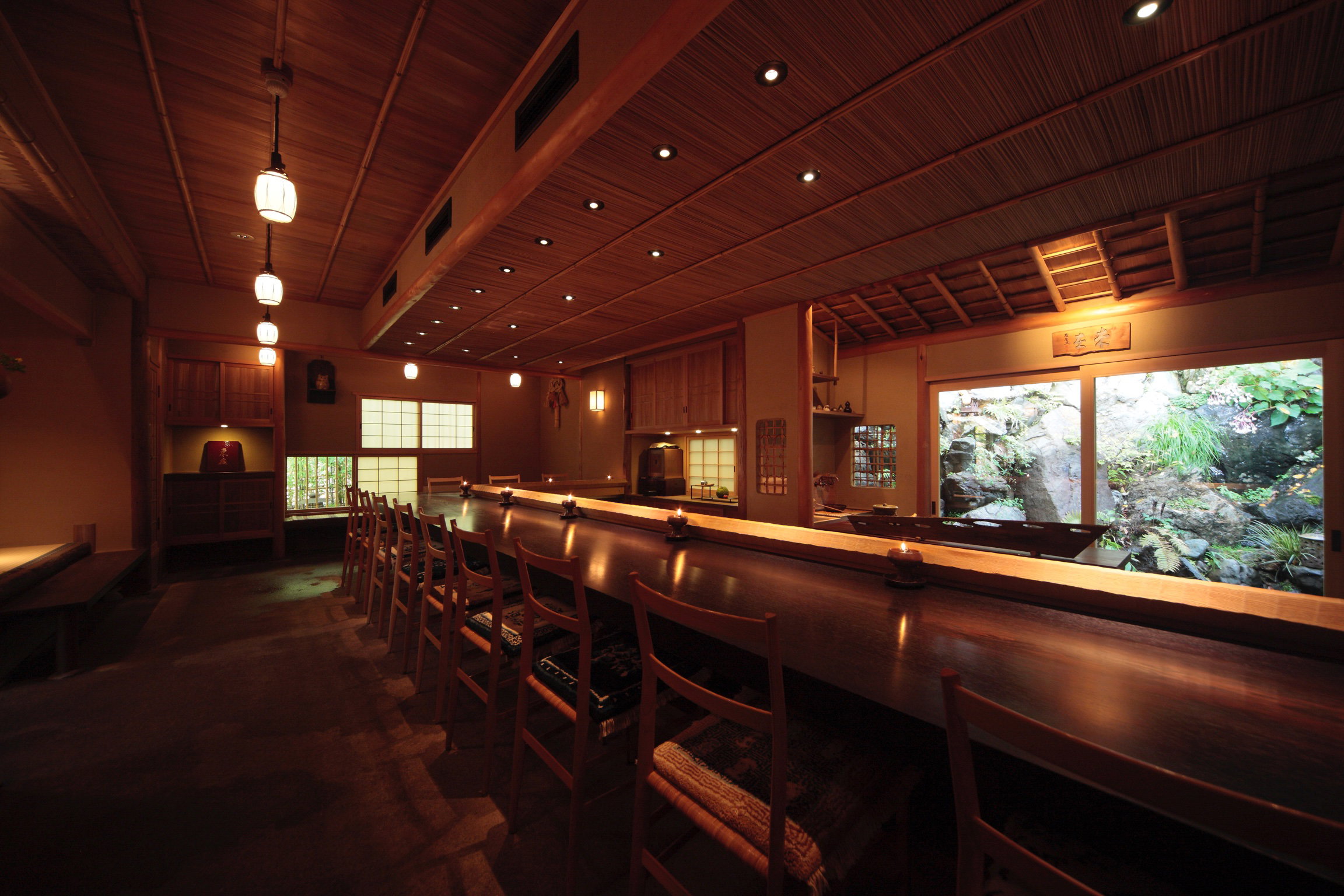
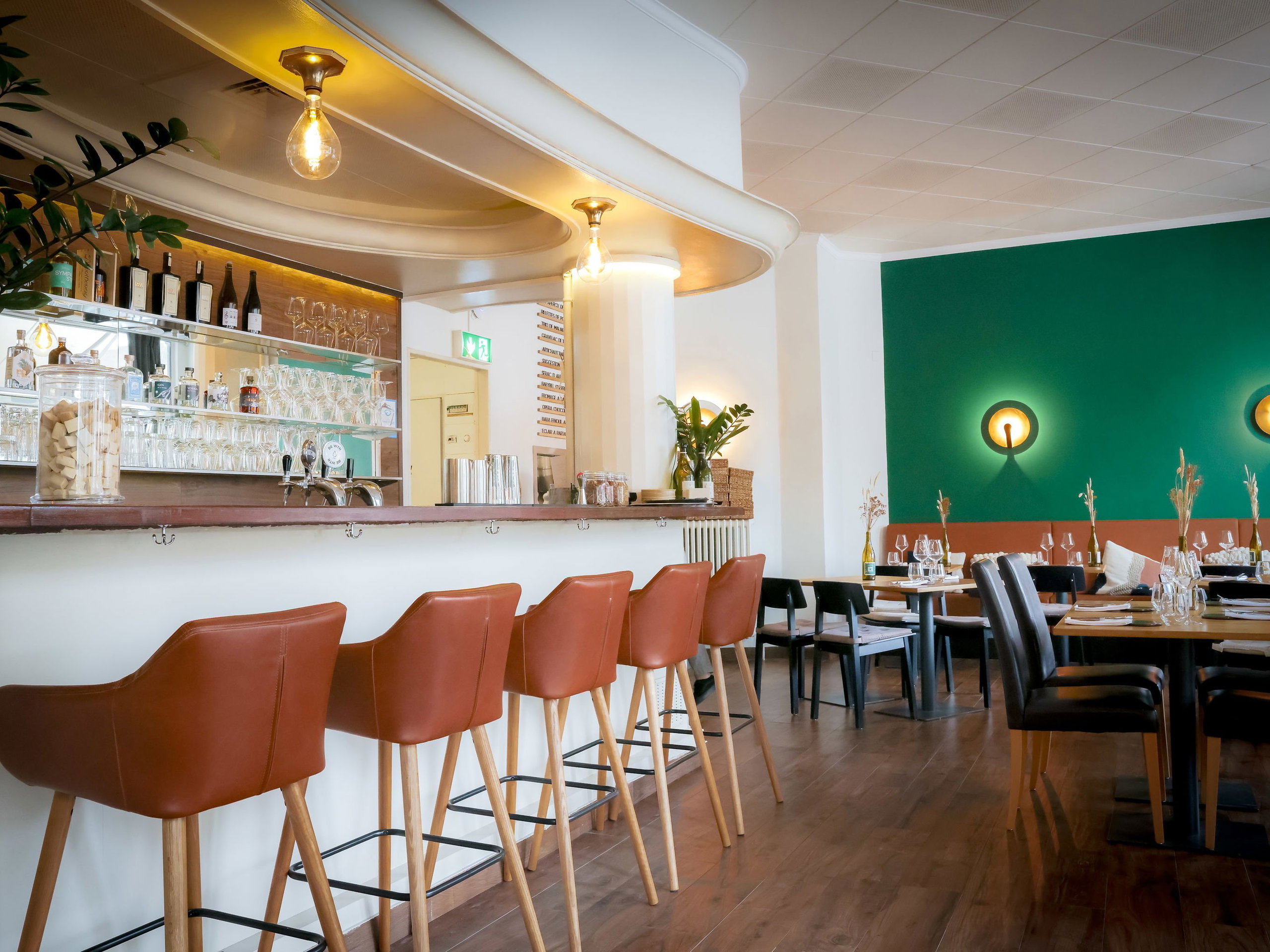
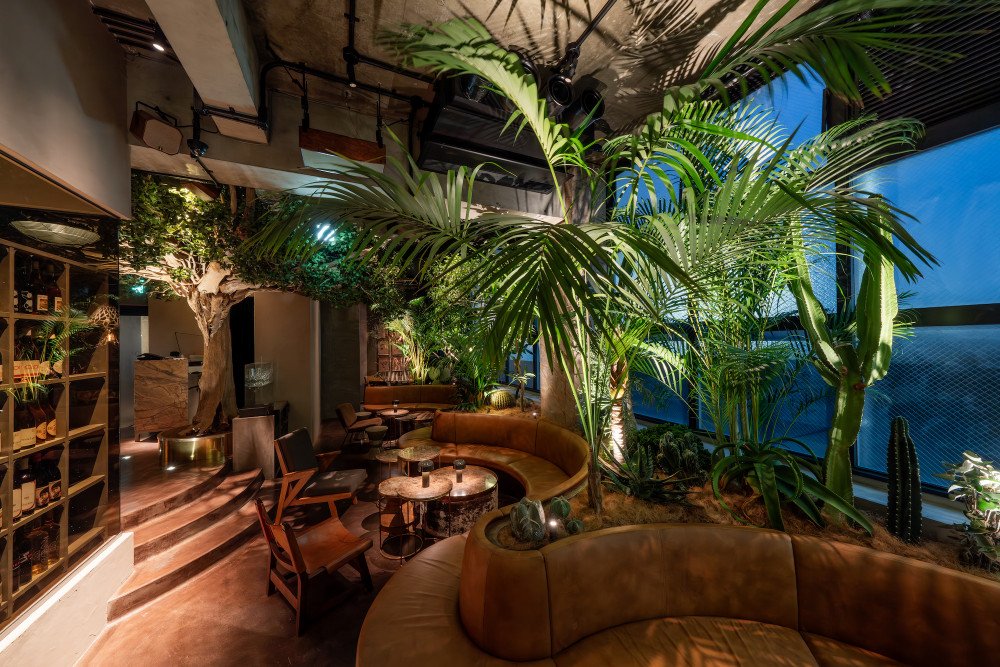
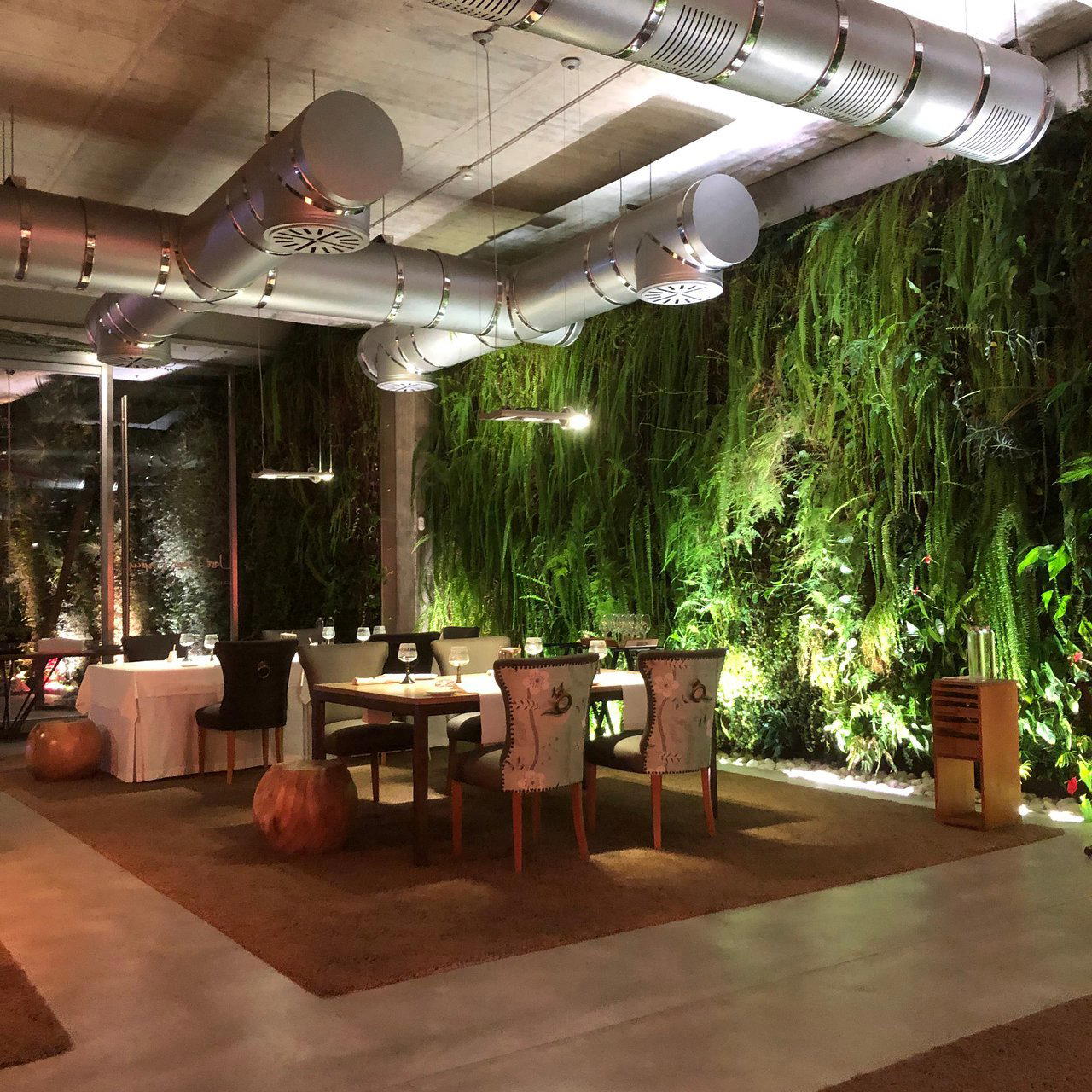
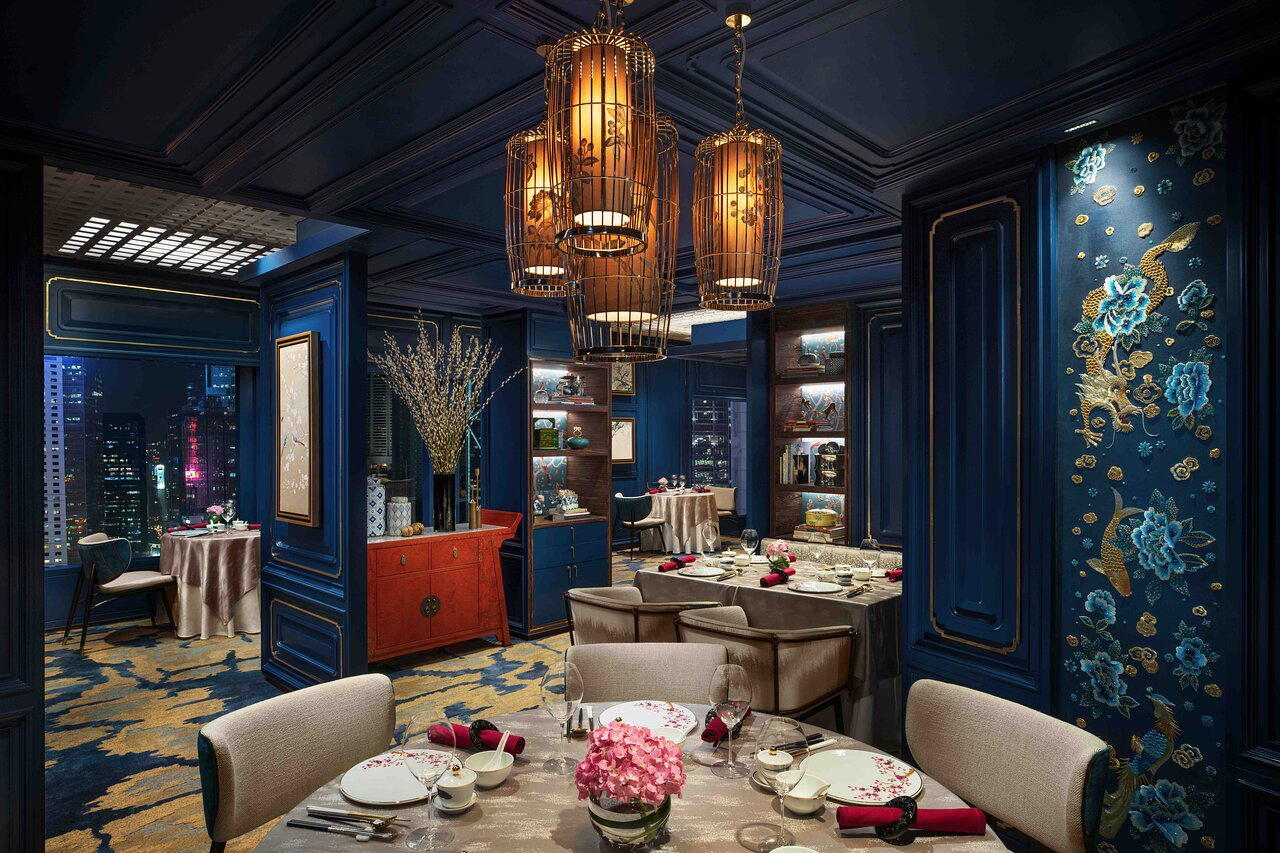
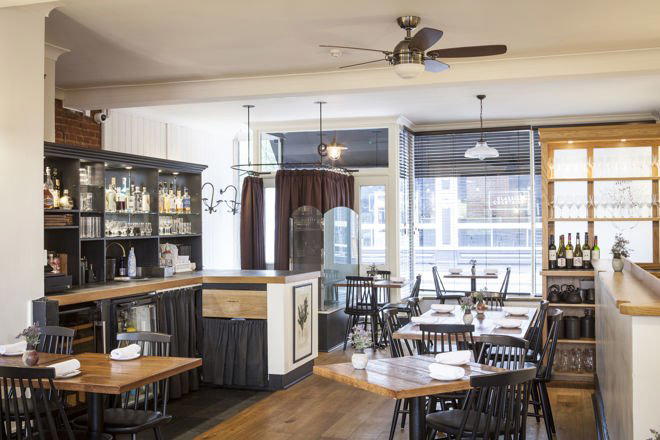
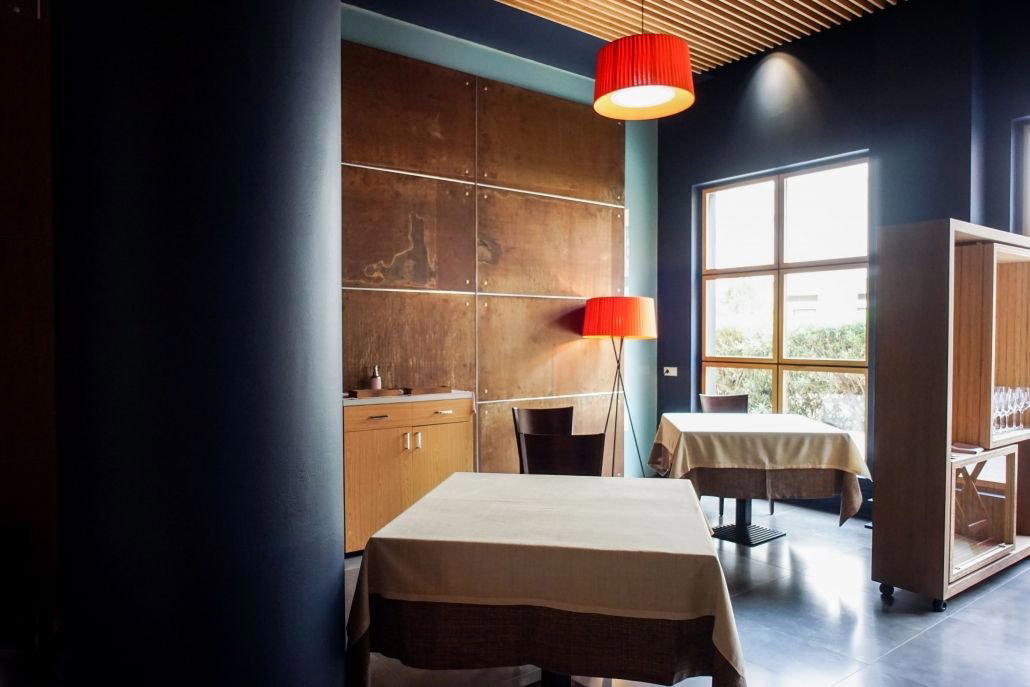
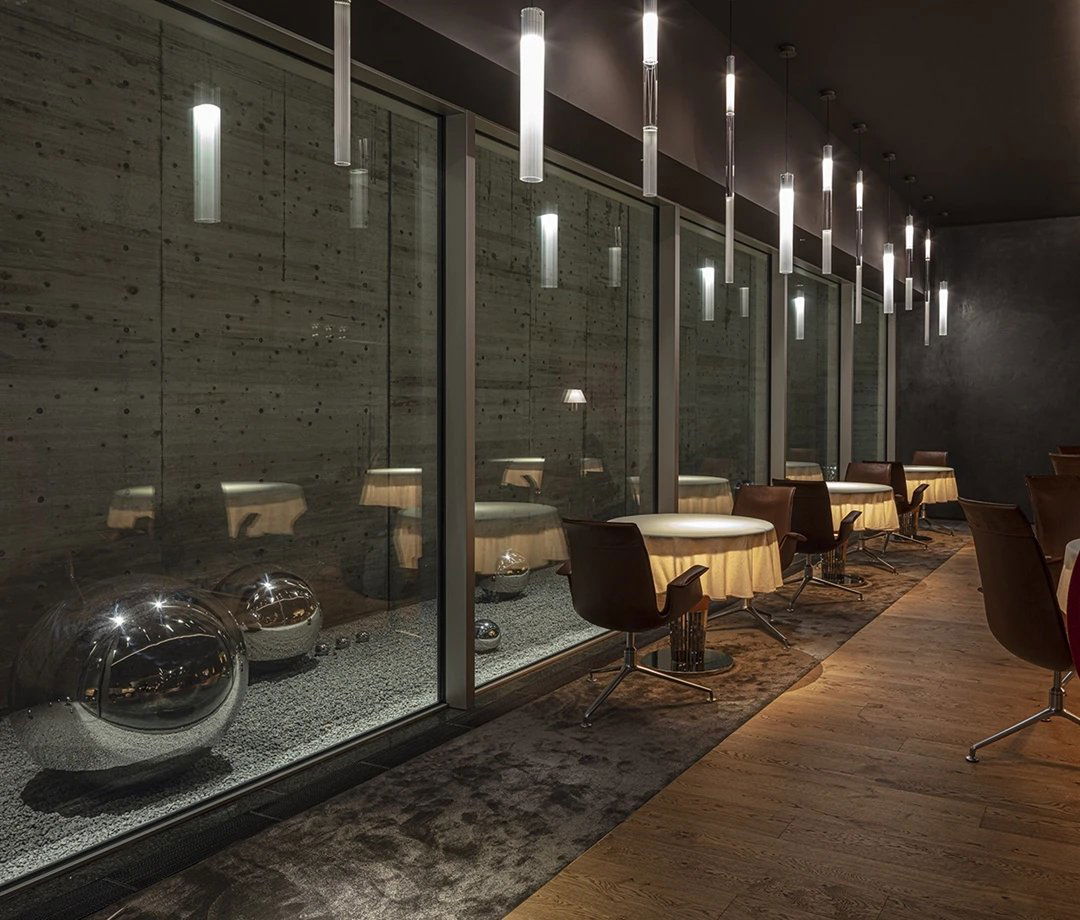
The atmosphere here is composed rather than lively. Expect a room that prioritises quiet concentration over ambient energy. The sound level will be low, the service measured and attentive. For a first-timer, this means the experience has a formal register without being stiff. You are not walking into a buzzy bistro. The mood is closer to a serious dining room in Paris or Lyon than anything you would find at a French brasserie in Tokyo. If you are travelling with someone who prefers a convivial, noisy room, set expectations before you arrive. If quiet, focused dining is what you want, the atmosphere will suit you well. Kyoto's broader French dining options, including Droit, la bûche, and La Biographie, each have their own register; MUNI sits at the formal end of that spectrum.
The French Technique Argument
The editorial case for MUNI ALAIN DUCASSE rests on kitchen discipline. Ducasse-affiliated restaurants are built around classical French foundations: precision saucing, clean protein cookery, structured progression through a meal. What the Michelin committee is rewarding at the 2024 one-star level is consistency at that technical standard, applied inside Japan where ingredient quality, including premium local produce from Kyoto's market gardens and the surrounding Kansai region, is available at a level that French technique can genuinely exploit. This is not a restaurant trying to fuse two traditions. It is a French restaurant that happens to operate in an environment of exceptional raw materials. For diners who have eaten at comparable Ducasse properties in Europe or at other high-end French addresses in Japan such as HAJIME in Osaka, the frame of reference will be familiar. For first-timers to this price tier and format, the structure of the meal will be a set menu with multiple courses, formal pacing, and wine pairing as an option.
At the ¥¥¥¥ price point, you are spending at the top tier of Kyoto dining. That is the same bracket as kaiseki institutions like Ifuki and Gion Sasaki. The question is whether French cooking justifies that spend against Kyoto's most acclaimed Japanese kitchens. For many visitors, the answer is yes precisely because the French format is more legible: no specialist knowledge of kaiseki conventions required, no risk of missing context that shapes how a meal is meant to be read. MUNI offers Michelin-level cooking in a format that international visitors can engage with directly.
If you are building a broader Japan itinerary around serious French dining, MUNI sits in useful company. Les Amis in Singapore and Hotel de Ville Crissier represent the upper end of the French tradition internationally; MUNI is Japan's version of that commitment applied to a specific city. Closer to Kyoto, akordu in Nara offers a different take on European cooking in the Kansai region if you are extending the trip.
First-Timer Practical Guidance
Arrive on time. Serious French dining rooms in Japan run to a tighter schedule than comparable venues in Europe, and late arrivals disrupt the kitchen's pacing for the whole table. Dress smartly: at ¥¥¥¥ with a Michelin star, smart casual at minimum is appropriate; the room will reward an effort to dress for the occasion. Do not arrive expecting a la carte flexibility. The format is almost certainly a set menu, as is standard for this tier in Japan. If you have dietary restrictions, contact the restaurant in advance; the kitchen will need notice to accommodate changes to a structured menu.
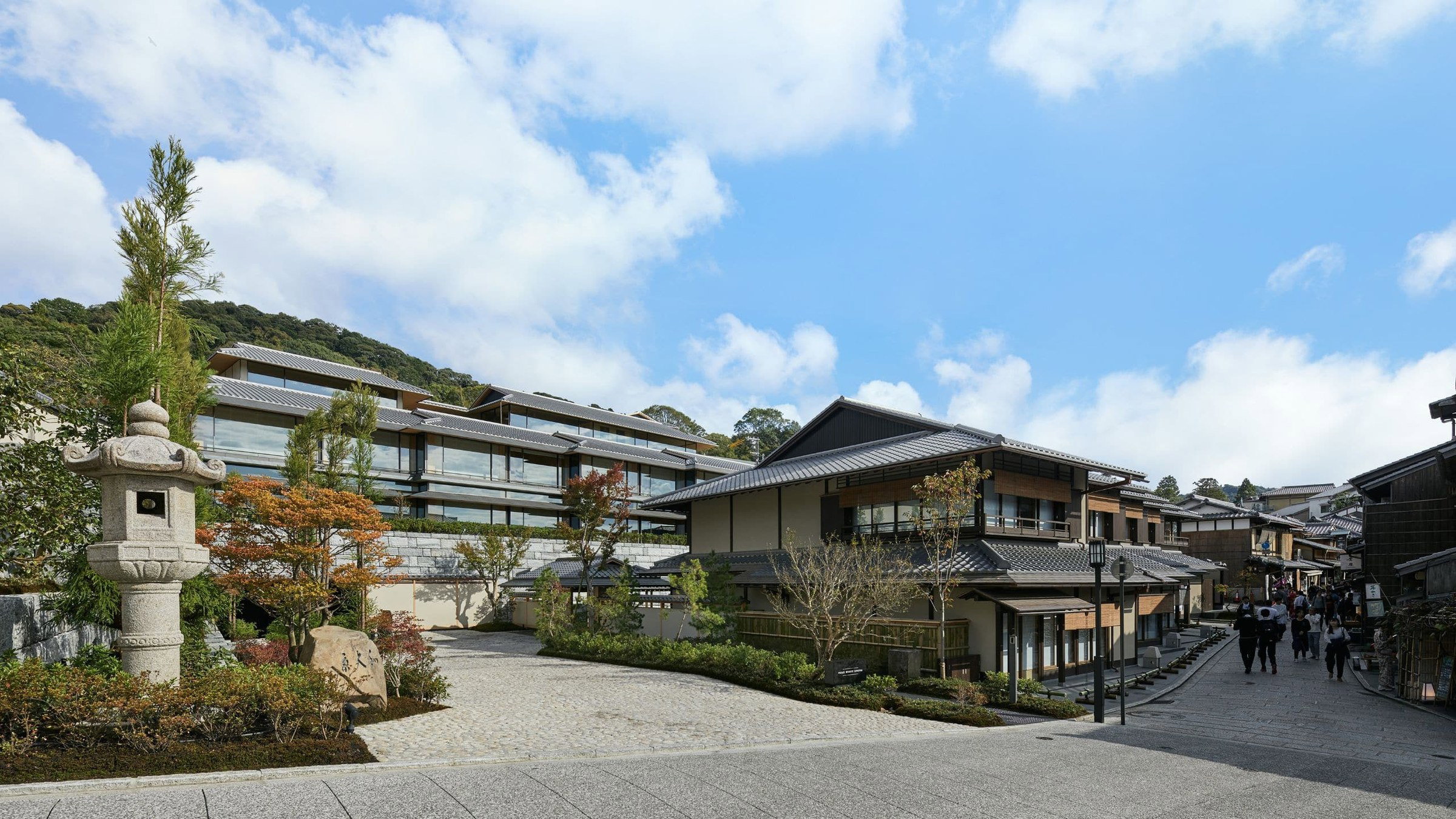
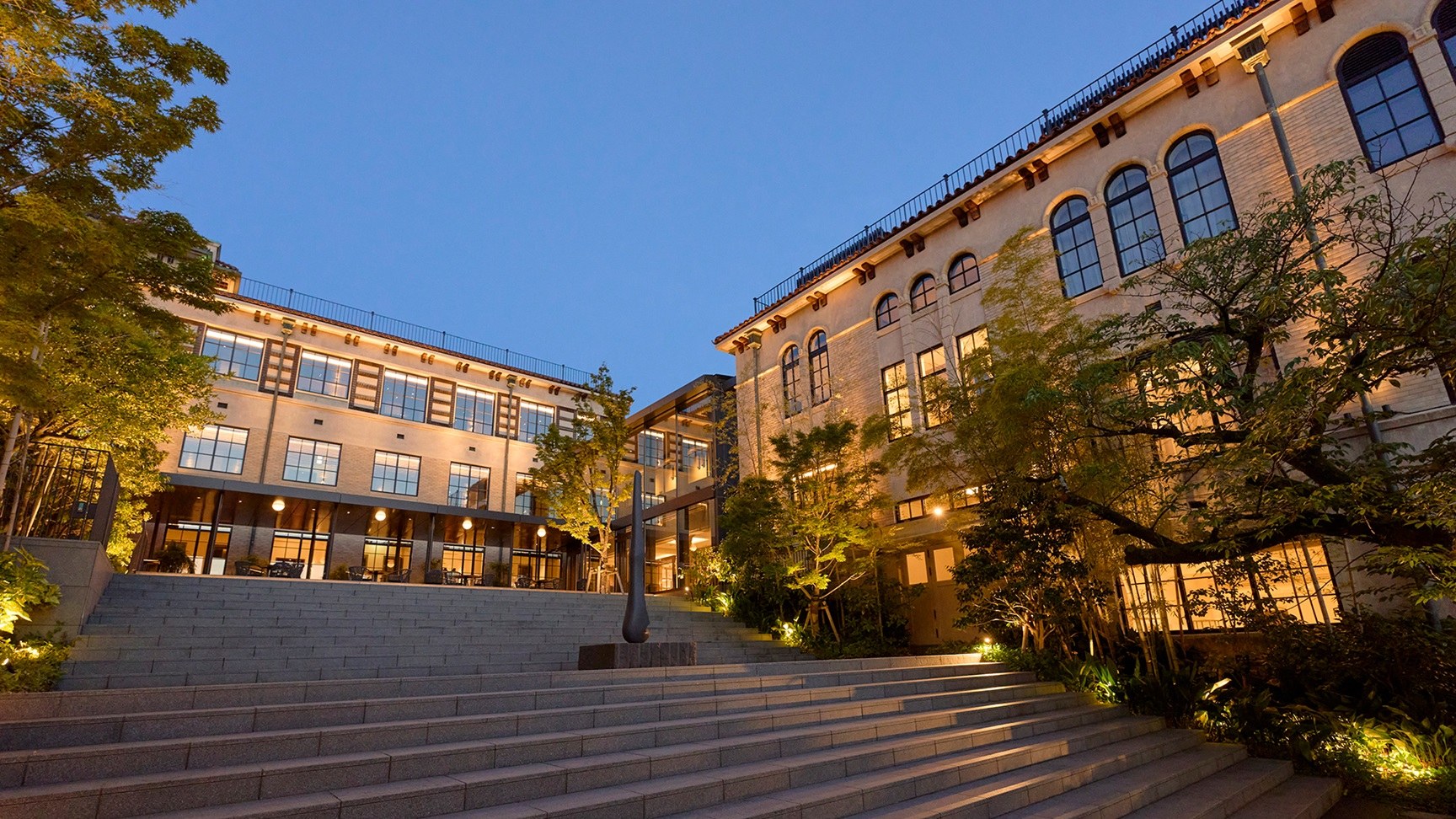
The Nakagyo Ward address puts you in a walkable part of central Kyoto, well connected to major transport. For broader orientation on eating, sleeping, and drinking in the city, see our full Kyoto restaurants guide, our full Kyoto hotels guide, and our full Kyoto bars guide. For other French options in the city worth knowing, anpeiji and Hiramatsu Kodaiji each approach the French tradition from a different angle. Beyond Kyoto, Harutaka in Tokyo, Goh in Fukuoka, 1000 in Yokohama, and 6 in Okinawa complete the picture for anyone mapping Japan's serious dining circuit. You can also explore our full Kyoto experiences guide and our full Kyoto wineries guide for the wider trip.
Also worth knowing: SEN, which blends French and Japanese approaches at the same price tier, is a relevant alternative if you want something that sits more deliberately between the two traditions rather than committing to either.
Part of
Alain Ducasse28 locations on PearlPlanning details
- Location
- 176-3 Zaimokucho, Nakagyo Ward, Kyoto, 604-8017, Japan
- Website
- instagram.com/restaurant_muni?igsh=Y2NwaXcyNjMzYjZj
- Phone
- +81 75-754-8554
The take
The Take
The Vibe
MUNI ALAIN DUCASSE positions classical French technique inside the quiet, ingredient-driven world of Kyoto. The writing emphasises a disciplined, restrained approach — stocks, reductions and precise protein cookery sit alongside the city’s calendar-like attention to seasonality. Located in Nakagyo Ward among machiya townhouses and low-key commercial streets, the restaurant reads less like a postcard destination and more like a focused study in technique and terroir. The Alain Ducasse lineage brings formality and rigor, while the neighbourhood setting lends a discreet, discovery-oriented character that rewards diners who seek substance over spectacle.
Best For
This is a dinner destination for diners who prize technique and seasonal precision. The kitchen’s classical French foundations, framed by Kyoto’s rigorous ingredient logic, make the restaurant well suited to special occasions, date nights and business dinners where composed, thoughtful plates are expected. The Nakagyo location—away from the city’s main tourist circuits—attracts guests who are looking for serious dining rather than a view-driven experience. Expect an evening-focused service anchored in refinement and culinary discipline rather than loud atmospherics or casual drop-in trade.
Ordering Tips
Expect menus that emphasize seasonality and technical restraint: the copy highlights stocks, reductions and precise protein cookery as part of the kitchen’s vocabulary. Because the restaurant negotiates French structure with Kyoto’s ingredient-first logic, order dishes that foreground seasonal produce and concise execution. Ask front-of-house about the day’s sourcing and the seasonal direction of the menu so you can follow what Kyoto’s calendar is offering. Given the formal, technique-driven approach, allow the kitchen to present composed courses rather than seeking heavy adaptation of classic bistro fare.
Venue details
Ambiance
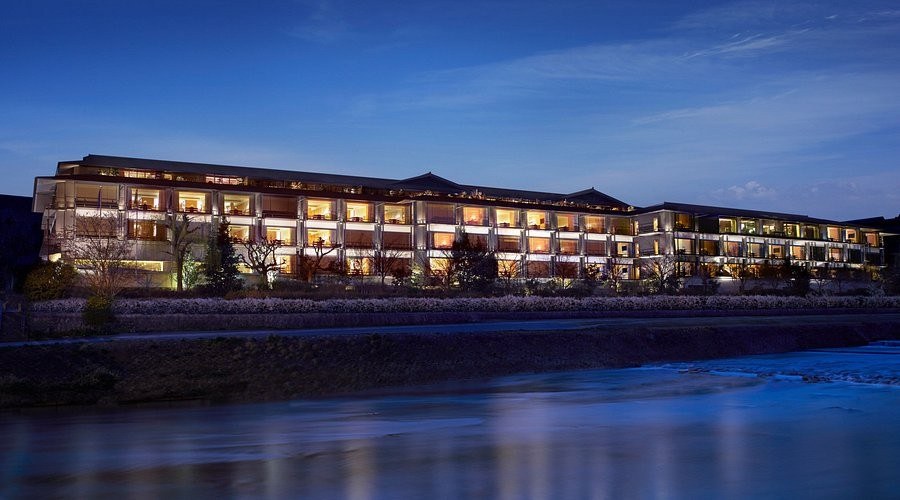
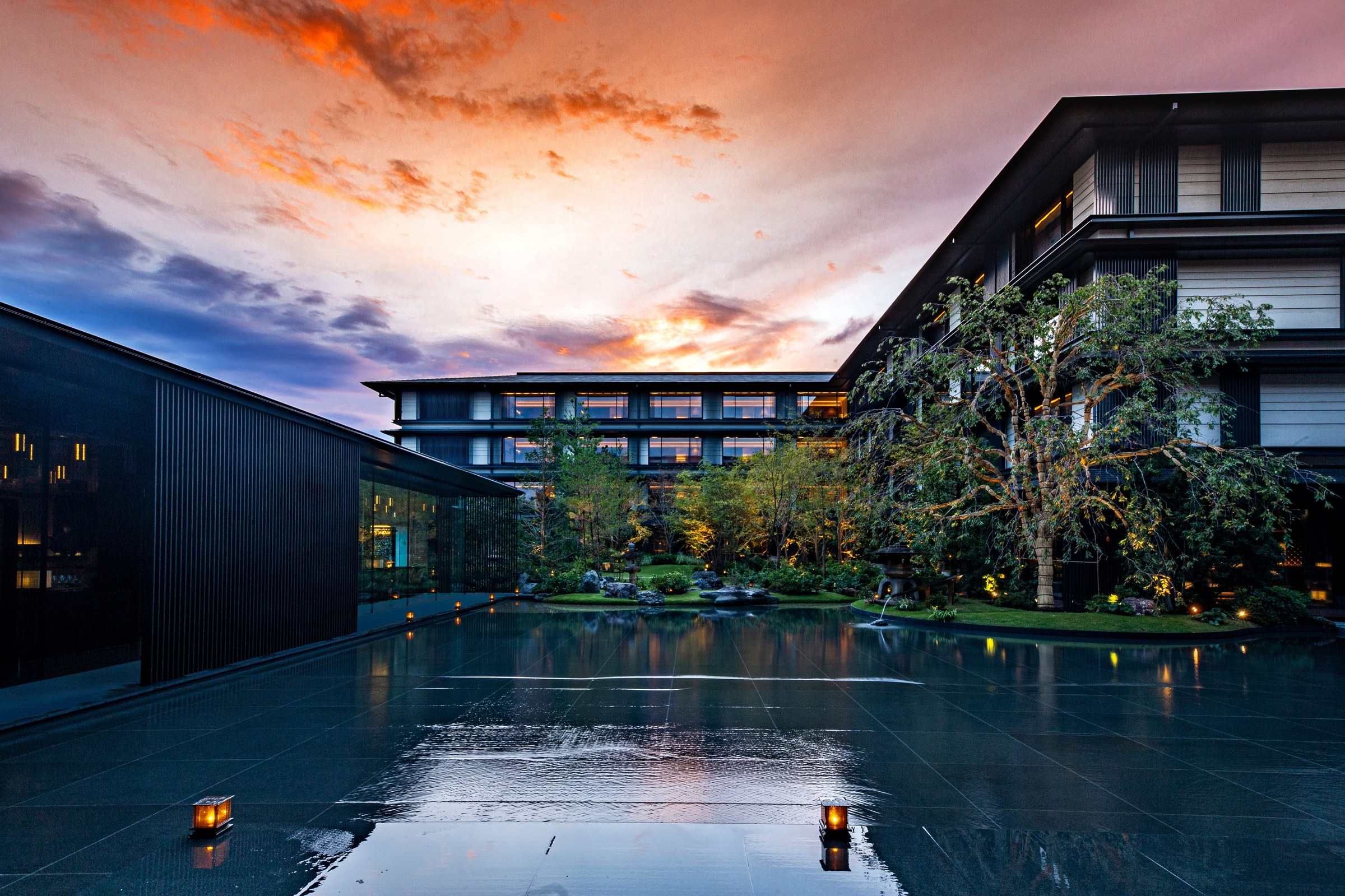
Luxurious and quiet with sophisticated interiors overlooking a rock garden; lounge offers stunning views of Katsura River and Togetsukyo Bridge.
Tags
Vibe
Best For
Experience
Sourcing
View
At the Table
- Dress Code
- Smart Casual
- Noise Level
- Quiet
- Service Style
- Formal
- Meal Pacing
- Leisurely
- Capacity
- Intimate
- Kitchen
- Modern
- Menu Format
- Tasting menu, Prix fixe
- Wine Program
- Exceptional
- Drinks Focus
- Wine pairing
- Dietary
- Vegetarian friendly, Allergy accommodating
- Private Dining
- Available
Know before you go
Know Before You Go
- Getting there
- 176-3 Zaimokucho, Nakagyo Ward, Kyoto, 604-8017, Japan
Planning details
Location
176-3 Zaimokucho, Nakagyo Ward, Kyoto, 604-8017, Japan · Directions
Also consider
Also Consider
- Gion Sasaki, Kaiseki, Japanese, ¥¥¥¥
- cenci, Italian, ¥¥¥
- Ifuki, Kaiseki, ¥¥¥¥
- Kyokaiseki Kichisen, Japanese, ¥¥¥¥
- SEN, French, Japanese, ¥¥¥¥
Restaurant context
How MUNI ALAIN DUCASSE Compares in Kyoto
The ¥¥¥¥ bracket in Kyoto is genuinely competitive. If your priority is experiencing the city's indigenous culinary tradition at its highest level, Gion Sasaki and Ifuki are the obvious arguments: both deliver kaiseki in a format shaped by Kyoto's own seasonal logic, and both are operating at a standard where the city's produce and the kitchen's technique are inseparable. Kyokaiseki Kichisen sits at the apex of that tradition and is significantly harder to book. If you are visiting Kyoto specifically for its culinary identity, those rooms should come first. MUNI makes the most sense for diners who want Michelin-level cooking in a format they know well, or who are stretching a Japan itinerary that already includes kaiseki elsewhere.
The most direct competitor in format is SEN, which occupies the same ¥¥¥¥ tier and blends French and Japanese influences rather than choosing one. SEN is worth considering if you want a cooking style that responds explicitly to its Kyoto context; MUNI is the better choice if you want French technique applied with the full weight of the Ducasse standard rather than a cross-cultural synthesis. For value at a lower price point, cenci at ¥¥¥ offers a European sensibility (Italian rather than French) with a lighter spend, and is often easier to book. If your trip is cost-sensitive at the top tier, cenci is the practical entry point to Kyoto's European fine-dining options without the full ¥¥¥¥ commitment.
On booking difficulty: Kyokaiseki Kichisen is the hardest reservation in the city and requires advance planning that can run to months. MUNI and Gion Sasaki are both hard but more accessible with sufficient lead time. Cenci is the easiest of these to secure on relatively short notice. Verdict by profile: go to Gion Sasaki or Ifuki if kaiseki is the point; go to MUNI if you want the Ducasse standard in Kyoto; go to SEN if you want a French-Japanese hybrid at the same price; go to cenci if budget discipline matters.
Explore Kyoto
Around this place
Discover more on Pearl
Unlock the full MUNI ALAIN DUCASSE guide in Pearl, including awards, comparisons, FAQs, planning details, and nearby places.
Compare MUNI ALAIN DUCASSE
| Venue | Cuisine | Price | Awards | Booking Difficulty |
|---|---|---|---|---|
| MUNI ALAIN DUCASSE | French | ¥¥¥¥ | 2024 Michelin 1 Star | Hard |
| Gion Sasaki | Kaiseki, Japanese | ¥¥¥¥ | 2026 Tabelog Bronze · #3862026 OAD Top Restaurants in Japan RecommendedMichelin Guide Kyoto Osaka 20262026 La Liste Top RestaurantsTabelog 100 - Japanese cuisine - WEST - 2025 · #132025 OAD Top Restaurants in Japan Ranked · #2462025 Tabelog Silver2025 Michelin 3 Stars2025 La Liste Top Restaurants | Unknown |
| cenci | Italian | ¥¥¥ | 2026 Tabelog Bronze · #442026 Asia's 50 Best Restaurants · #762026 OAD Top Restaurants in Japan Highly RecommendedMichelin Guide Kyoto Osaka 2026Tabelog 100 - Italian - WEST - 2025 · #632025 Asia's 50 Best Restaurants · #632025 OAD Top Restaurants in Japan Ranked · #1682025 Tabelog Bronze2024 OAD Top Restaurants in Japan Ranked · #135 | Unknown |
| Ifuki | Kaiseki | ¥¥¥¥ | 2026 OAD Top Restaurants in Japan Ranked · #1222026 Tabelog Bronze · #128Michelin Guide Kyoto Osaka 20262026 La Liste Top RestaurantsTabelog 100 - Japanese cuisine - WEST - 2025 · #622025 OAD Top Restaurants in Japan Ranked · #1002025 La Liste Top Restaurants2025 Tabelog Bronze2025 Michelin 2 Stars | Unknown |
| Kyokaiseki Kichisen | Japanese | ¥¥¥¥ | 2026 Tabelog Bronze · #1752026 OAD Top Restaurants in Japan Highly RecommendedMichelin Guide Kyoto Osaka 20262025 OAD Top Restaurants in Japan Ranked · #1862025 Michelin 2 Stars2025 La Liste Top Restaurants2024 OAD Top Restaurants in Japan Ranked · #1422024 Michelin 2 Stars2023 OAD Top Restaurants in Japan Ranked · #136 | Unknown |
| SEN | French, Japanese | ¥¥¥¥ | 2026 Tabelog Bronze · #3952026 OAD Top Restaurants in Japan RecommendedMichelin Guide Kyoto Osaka 20262026 Michelin PlateTabelog 100 - Japanese cuisine - WEST - 2025 · #652025 Michelin Plate2025 Tabelog Bronze2024 OAD Top Restaurants in Japan Ranked · #3622024 Michelin Plate | Unknown |







.png?width=1200&quality=80)
How MUNI ALAIN DUCASSE stacks up against the competition.
FAQ
Frequently Asked Questions
Does MUNI ALAIN DUCASSE handle dietary restrictions?
Ducasse-affiliated kitchens are generally structured enough to handle dietary requirements when flagged in advance, but no specific policy is confirmed for this location. Communicate restrictions clearly at the time of reservation, not on arrival. At ¥¥¥¥ and with a Michelin star, the kitchen should be capable of accommodating most requests with notice.
What should a first-timer know about MUNI ALAIN DUCASSE?
Treat this as a structured, paced French dining experience rather than a casual dinner: arrive on time, expect a set or tasting format, and plan for a full evening. MUNI earned its 2024 Michelin star in a city where competition is as high as anywhere in the world, so the kitchen is operating at serious level. First-timers unfamiliar with formal French service in Japan should know the tempo tends to be tighter than equivalent restaurants in Europe.
What should I order at MUNI ALAIN DUCASSE?
Specific menu items are not documented in available records. At a Ducasse-affiliated French restaurant at ¥¥¥¥ pricing, expect a set or tasting menu structure where ordering is largely guided by the kitchen. The decision point is whether you book at all, not which individual dishes to choose.
What should I wear to MUNI ALAIN DUCASSE?
No dress code is explicitly confirmed, but a 2024 Michelin-starred French restaurant at ¥¥¥¥ in Kyoto warrants formal or business-formal dress. Turning up in casual clothing at a Ducasse-orbit venue risks standing out for the wrong reason. When in doubt, dress as you would for a special-occasion dinner at a European Michelin-starred room.