
Mokubei
Japanese · Higashiyama, Kyoto
Restaurant in Kyoto, Japan
 Book with Pearl
The Read
Handwritten Heritage Cuisine
Price
$50–100per person
Dress
Smart Casual
Why go
A MICHELIN Plate Kyoto cuisine specialist on Hanamikoji Street, Mokubei is worth the effort to book if eel prepared with generational precision and handwritten waka poetry alongside each course sounds like your idea of a meaningful meal. At ¥¥¥, it delivers more cultural depth per yen than most Gion alternatives. Book six to eight weeks out, minimum, via a hotel concierge.
About Mokubei
Verdict
Mokubei holds a Michelin star (2024) and a Michelin Plate (2025) on Hanamikoji Street in Kyoto's Gion district, and it is one of the harder tables to secure in a city already full of difficult reservations. The fourth-generation chef has built a menu around Kyoto cuisine and eel as the defining ingredient, with every dish accompanied by handwritten waka poetry and Buddhist blessings: a ritual detail that makes the experience specific to this address. If you want a Kyoto cuisine meal that carries genuine generational depth and a clear point of view, Mokubei is worth the effort to book. If kaiseki formality at a higher price tier is what you are after, Gion Sasaki or Kyokaiseki Kichisen are the stronger alternatives.
The Case for Booking
Mokubei's address on Hanamikoji Street places it at the centre of Gion, the district most associated with traditional Kyoto culture. That location is not incidental: it frames a meal here as a deliberate act of engagement with old Kyoto, not simply dinner in a convenient neighbourhood. The chef's lineage runs four generations deep, and the menu reflects that continuity: Kyoto cuisine interpreted through customs absorbed over decades of apprenticeship, not a single chef's creative pivot.
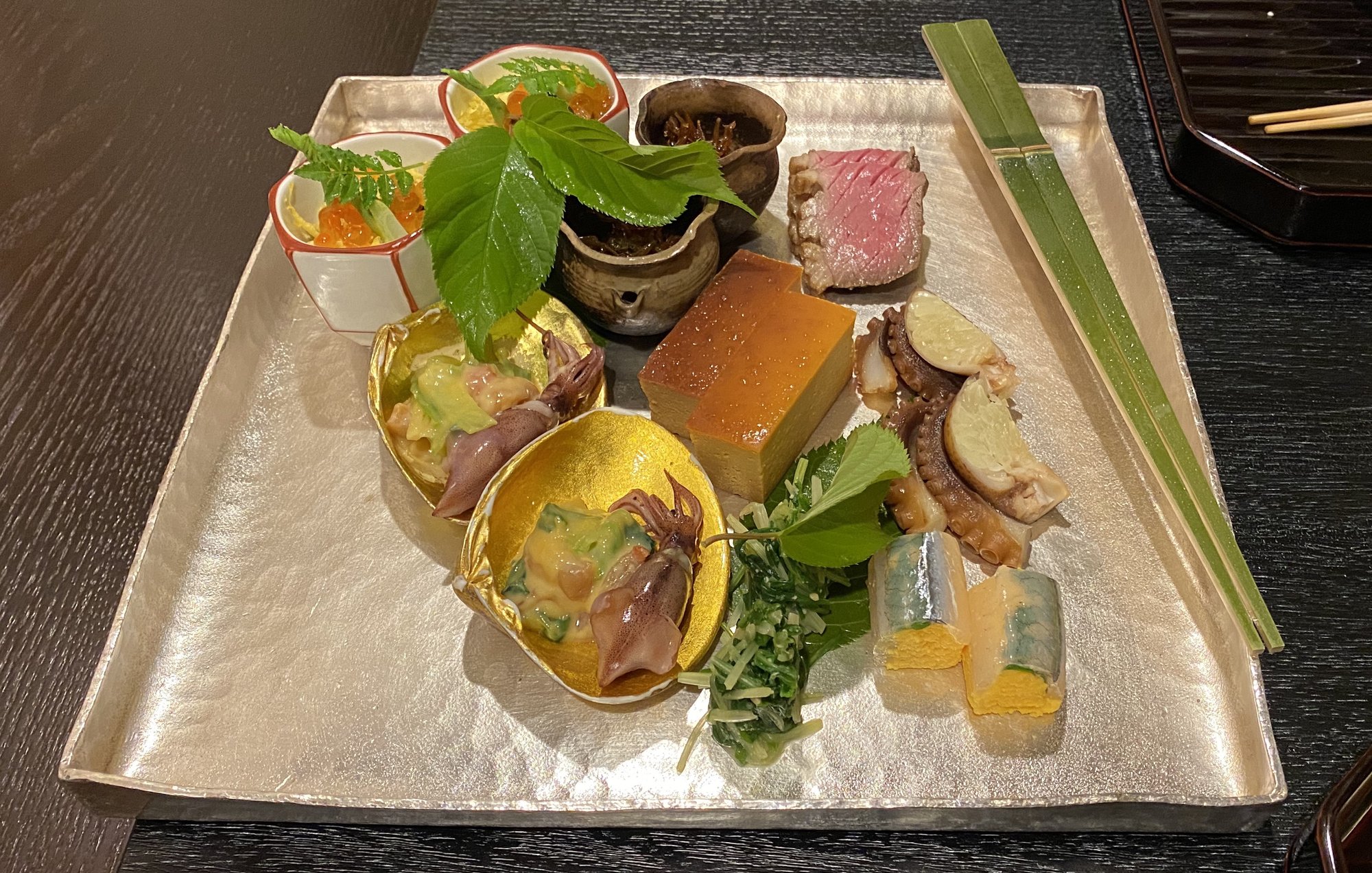
The eel preparation is the dish that most clearly defines Mokubei's identity. Eel in Kyoto-style cooking is handled differently from the grilled preparations common elsewhere in Japan, the fish is patiently deboned to preserve and draw out its texture rather than mask it. This is time-intensive work that demands precision, and it is the kind of technical commitment that separates a focused specialist from a generalist Japanese restaurant. For food and travel enthusiasts seeking depth over variety, that specificity is the point.
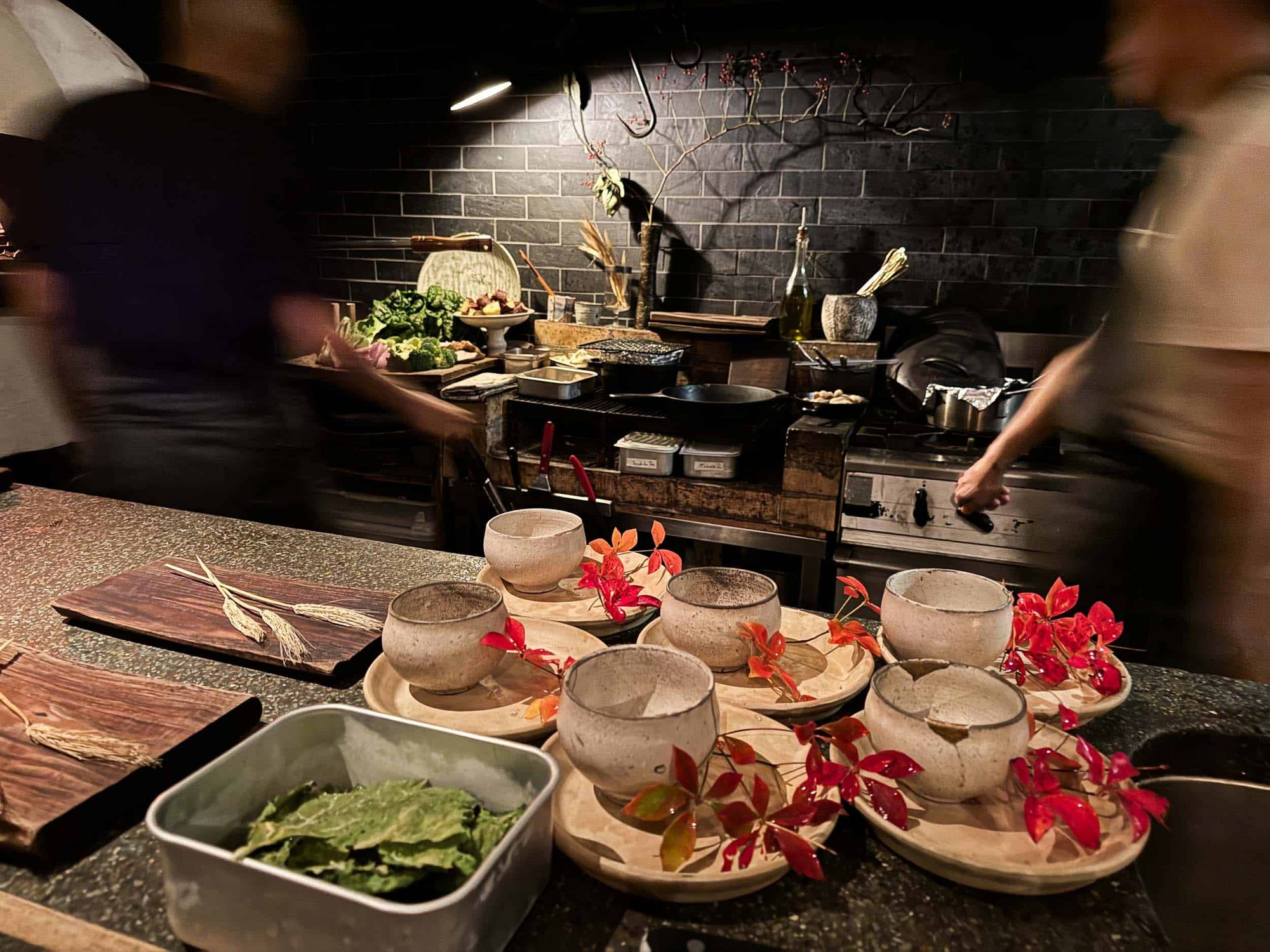
The handwritten waka poetry and Buddhist blessings that accompany each dish are not a decorative gesture. They are a direct expression of the chef's commitment to transmitting the culture of the ancient capital through the meal itself. For a diner visiting Kyoto with genuine curiosity about what distinguishes this city's food culture from the rest of Japan, this is the kind of detail that makes a restaurant worth seeking out over a more direct option. It also means the experience is not replicable elsewhere, the context is inseparable from the cooking.
For a restaurant of this price tier and cultural specificity, that consistency across a meaningful sample suggests the kitchen delivers reliably rather than performing only on high-profile evenings.
Booking Mokubei
Book as early as possible, six to eight weeks out is a reasonable minimum for a MICHELIN Plate Kyoto restaurant on Hanamikoji Street. Gion dining rooms at this level fill quickly, and international visitors competing with local regulars for limited seats makes this harder than a comparable Tokyo booking. Isshisoden Nakamura and Gion Matayoshi operate under similar booking pressure in the same district. A Kyoto concierge with existing relationships in Gion will have a meaningfully better chance of securing a seat than a direct cold approach. If you are planning a broader Kyoto dining itinerary, our full Kyoto restaurants guide covers the options across price tiers.
The booking difficulty here is rated Hard. Do not treat this as a same-week or walk-in option. If Mokubei is a priority, build your travel dates around the reservation rather than the other way around.
Price and Value
Mokubei sits at the ¥¥¥ price tier, positioned below the ¥¥¥¥ houses like Ifuki and Kyokaiseki Kichisen, and at the same tier as cenci and Kyo Seika. For a Michelin-starred Kyoto cuisine specialist in Gion, ¥¥¥ represents strong value relative to what the star and the address would ordinarily command. You are paying for a singular culinary tradition and a meticulous eel preparation, not for the breadth of a multi-course kaiseki. If you want the widest possible range of Kyoto-style dishes in a single sitting, a full kaiseki house is the better spend. If you want depth in a specific cuisine with strong cultural framing, Mokubei gives you more per yen than most alternatives at this tier.
Who Should Book
Mokubei is the right choice for food-focused travellers who want a Kyoto meal that goes beyond surface-level tradition, people for whom the generational context and the eel specialisation are reasons to book, not details to overlook. It works well for two, and the intimate, service-led format makes it a natural choice for a special occasion dinner. It is less suited to large groups, anyone who finds cultural ritual in dining settings uncomfortable, or travellers primarily looking for variety across a meal rather than depth in a single ingredient and tradition.
For broader context on dining in the region, HAJIME in Osaka, akordu in Nara, and Goh in Fukuoka are worth considering if you are building a wider Kansai itinerary. In Tokyo, Myojaku and Azabu Kadowaki offer points of comparison for Japanese cuisine at a similar level of seriousness. Our Kyoto hotels guide, Kyoto bars guide, and Kyoto experiences guide can help round out the trip if Gion is your base.
Quick reference: Michelin 1 Star (2024), Michelin Plate (2025), ¥¥¥, Hanamikoji Street, Gion, Kyoto, book 6–8 weeks out minimum via hotel concierge.
How It Compares
Planning details
- Hours
- Monday: 12–1 PM, 6–7:30 PM · Tuesday: 12–1 PM, 6–7:30 PM
- Location
- 570-120 Gionmachi Minamigawa, Higashiyama Ward, Kyoto, 605-0074, Japan
- Website
- mokubei.jp
- Phone
- +81 50-5485-2773
The take
The Take
The Vibe
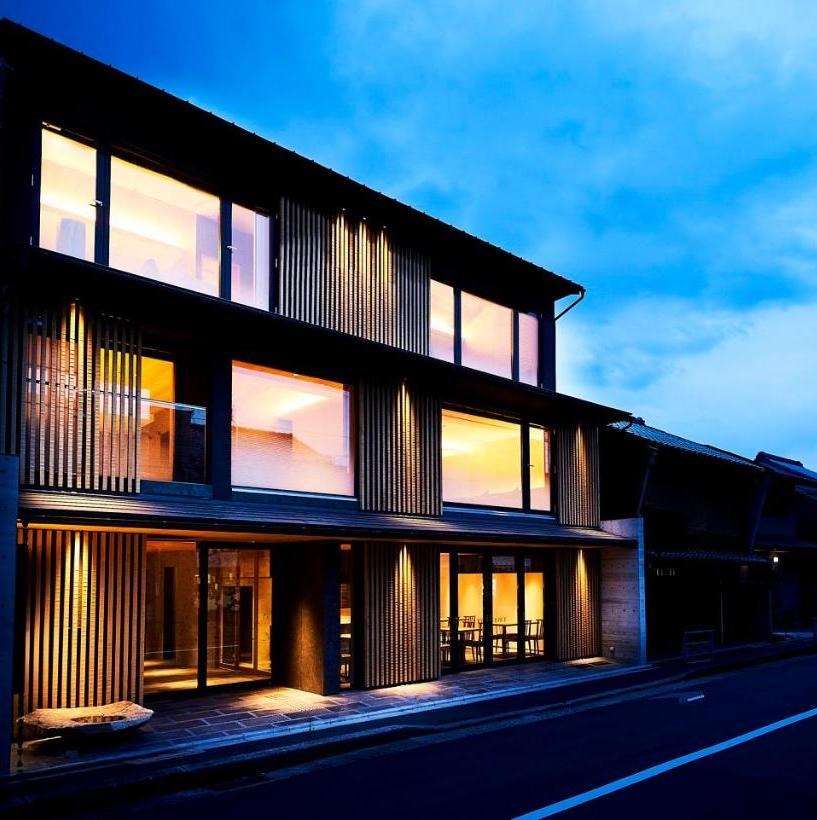
Mokubei sits quietly on Hanamikoji Street, the sort of room that relies on restraint and continuity rather than theatrical reinvention. The writing evokes dusk-lit lanterns and the soft rhythm of geta on stone, and the dining room answers those cues with an elegant, intimate presence anchored in Kyoto's kaiseki tradition. Service and food lean toward studied precision, a focus on texture and technique rather than flashy embellishment, which gives the place a classic, sophisticated air. For diners who value quiet concentration and culinary rigor over spectacle, Mokubei feels like a carefully preserved moment in Gion's long culinary history.
Best For
Mokubei is best suited to low-key but significant evenings: date nights, special occasions and small celebrations that prize refinement and focus. Positioned at a ¥¥¥ tier below the largest kaiseki houses, the room emphasizes depth in a single discipline rather than a broad, highly orchestrated multi-course sweep. That measured approach, combined with Michelin recognition and the intimate Hanamikoji setting, makes it a place for diners who want technical precision and quietly luxurious cooking: particularly in the evening, when the street and restaurant settle into their most atmospheric state.
Ordering Tips
Lean into Mokubei's strengths: the menu is anchored by eel prepared with deliberate technique, and the kitchen prioritises texture and restraint. The venue’s signature fare highlights deboning and gentle treatment of the fish to preserve its characteristic mouthfeel, so ordering eel is a way to read the kitchen’s philosophy directly. Complement that with sashimi, seasonal vegetables and tofu dishes to appreciate the kitchen’s seasonal sense and balance. Arrive as dusk falls to enjoy Hanamikoji’s lantern-lit atmosphere; expect a focused, discipline-led meal rather than an expansive, buffet-like kaiseki experience.
Venue details
Ambiance
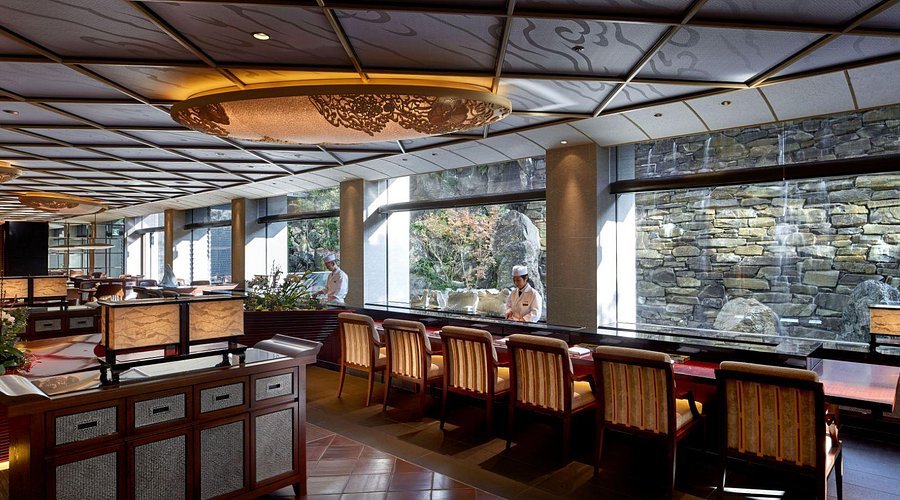
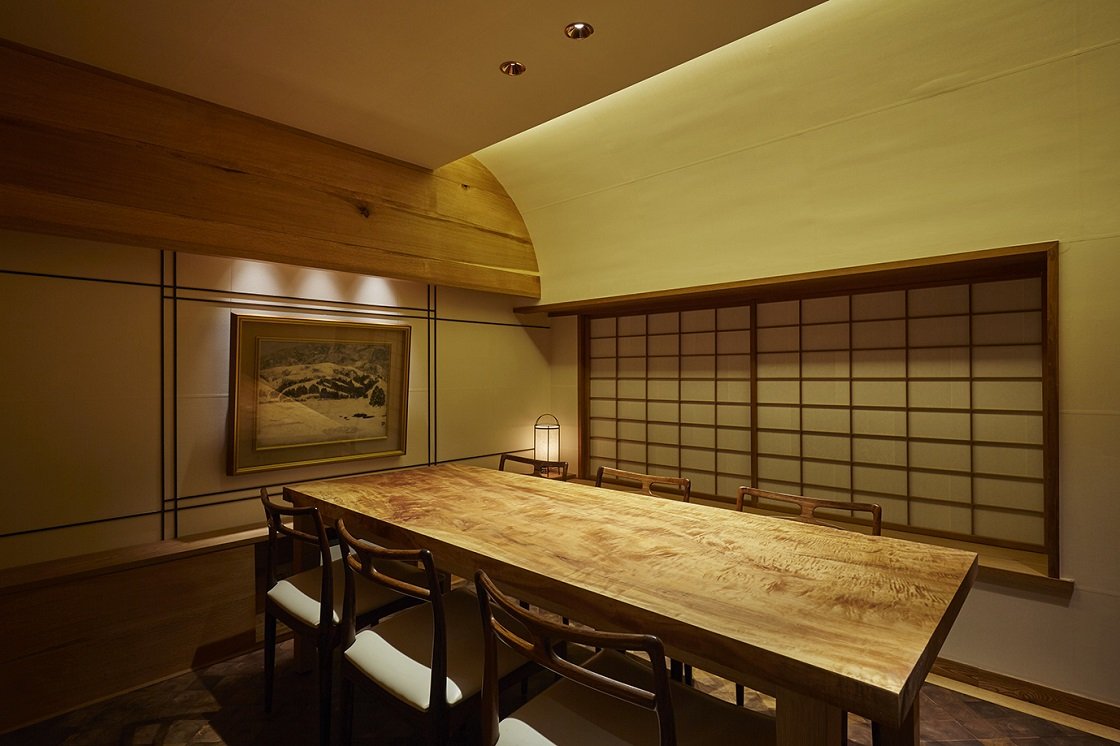
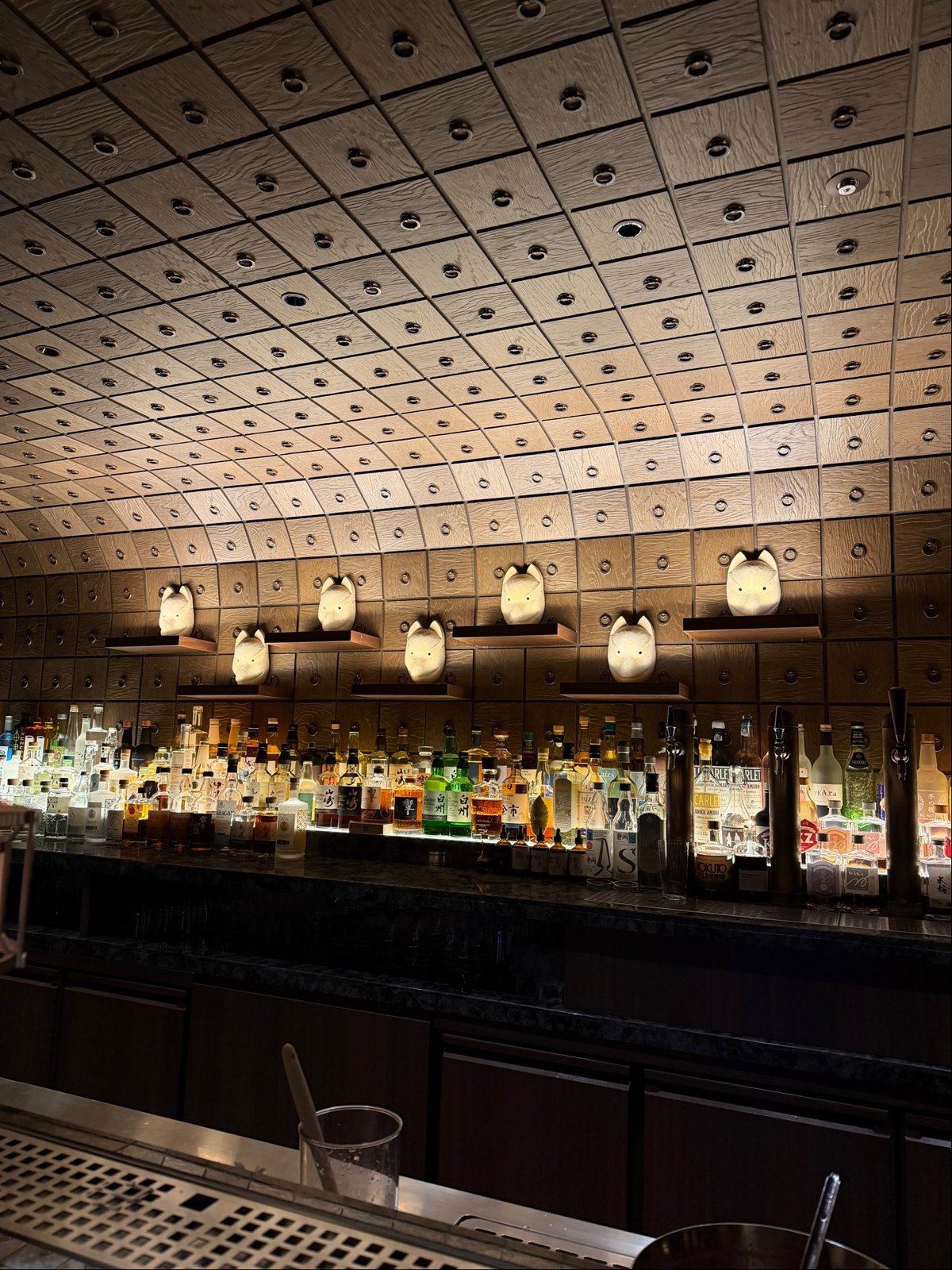
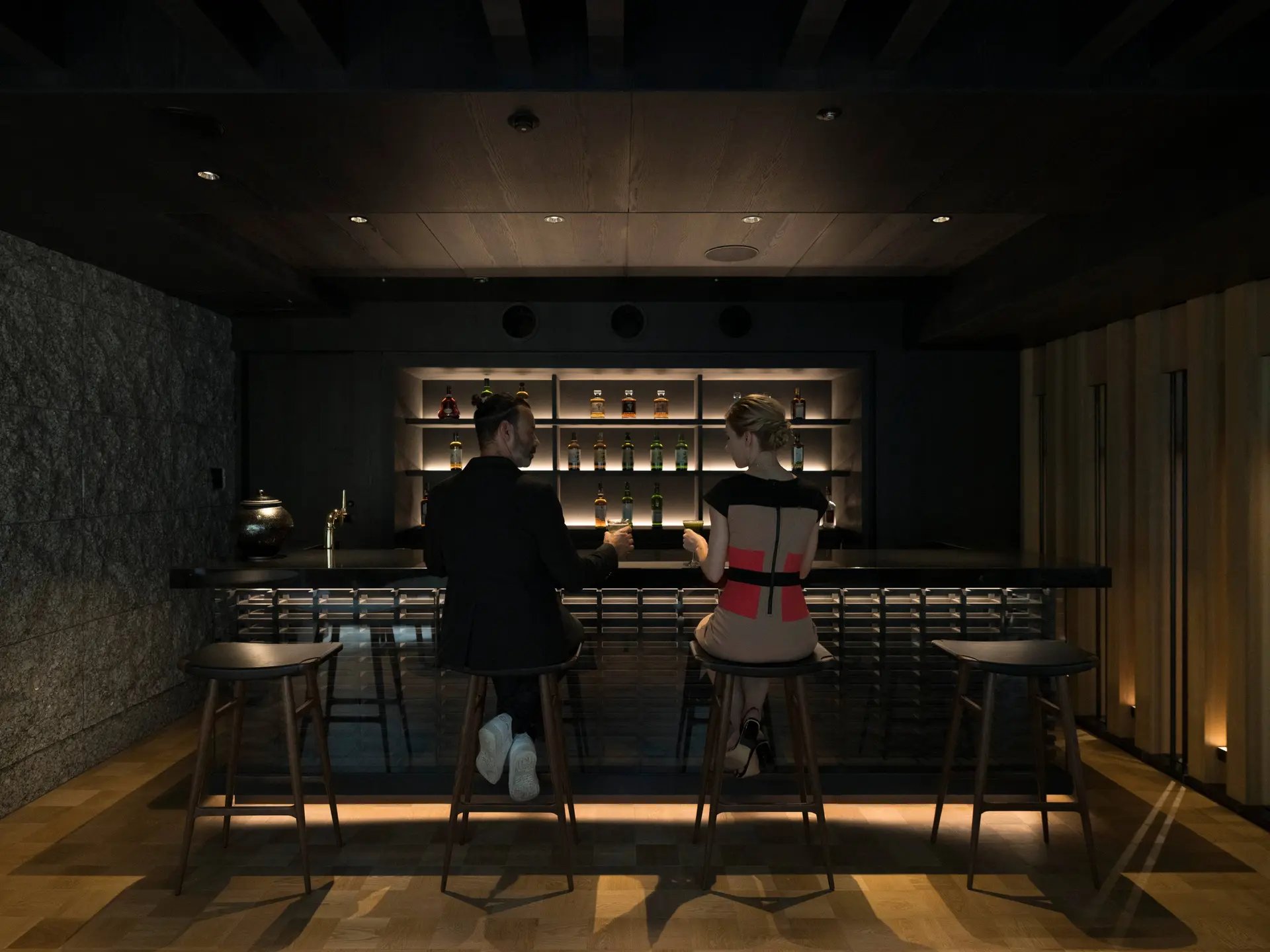
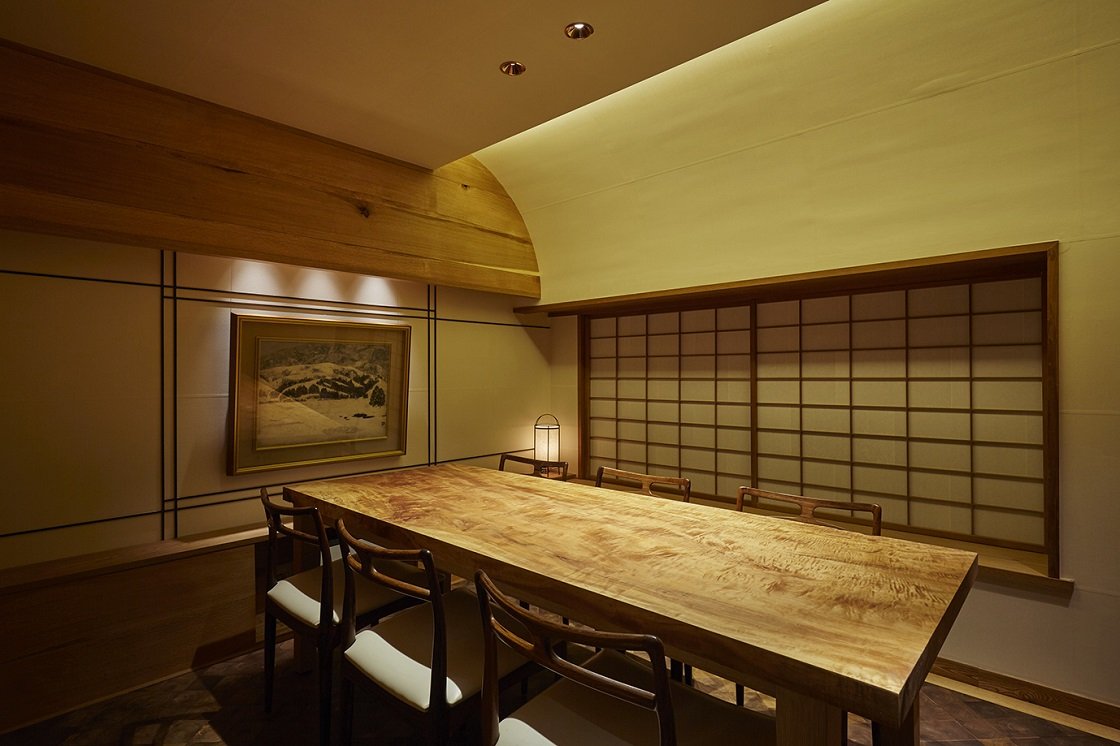
Warm hinoki wood and hand-polished stone counter in a discreet, serene setting with soft lighting that reveals carefully considered textures; an atmosphere of quiet luxury and refined restraint.
Tags
Vibe
Best For
Experience
Sourcing
At the Table
- Dress Code
- Smart Casual
- Noise Level
- Quiet
- Service Style
- Formal
- Meal Pacing
- Leisurely
- Capacity
- Intimate
- Kitchen
- Traditional
- Menu Format
- Tasting menu, Counter dining, Set menu
- Private Dining
- Available
Signature Dishes
- eel
- sashimi
- seasonal vegetables
- tofu dishes
Know before you go
Know Before You Go
- Getting there
- 570-120 Gionmachi Minamigawa, Higashiyama Ward, Kyoto, 605-0074, Japan
Planning details
Hours
- Monday
- 12–1 PM, 6–7:30 PM
- Tuesday
- 12–1 PM, 6–7:30 PM
- Wednesday
- 12–1 PM, 6–7:30 PM
- Thursday
- 12–1 PM, 6–7:30 PM
- Friday
- 12–1 PM, 6–7:30 PM
- Saturday
- 12–1 PM, 6–7:30 PM
- Sunday
- Closed
Location
570-120 Gionmachi Minamigawa, Higashiyama Ward, Kyoto, 605-0074, Japan · Directions
Recognition and awards
Also consider
Also Consider
- Gion Sasaki: Kaiseki, Japanese, ¥¥¥¥
- cenci: Italian, ¥¥¥
- Ifuki: Kaiseki, ¥¥¥¥
- Kyokaiseki Kichisen: Japanese, ¥¥¥¥
- Kyo Seika: Chinese, ¥¥¥
Restaurant context
Mokubei sits at ¥¥¥ in a Kyoto fine dining field where most serious competitors operate at ¥¥¥¥. That price difference matters. Gion Sasaki and Ifuki offer kaiseki programmes with broader ingredient ranges and higher production values, but you will pay significantly more for the privilege. If kaiseki breadth is the priority, those addresses justify the premium. If you want focused depth in a single culinary tradition, Kyoto cuisine built around eel, cultural ritual, and four generations of craft, Mokubei gives you a more specific and arguably more personal experience at a lower price point.
Kyokaiseki Kichisen is the most formal and expensive option in this set, operating at ¥¥¥¥ with a kaiseki pedigree that draws serious food travellers from across Japan. It is the right choice if you want the highest tier of traditional Kyoto cuisine and are prepared to match that with budget and booking lead time. Mokubei does not compete on those terms: it competes on intimacy, specialist focus, and cultural specificity. For most visitors, Mokubei is the more accessible and better-value entry point into serious Kyoto cuisine without sacrificing Michelin-level execution.
At the same ¥¥¥ tier, cenci offers Italian cuisine with a Kyoto sensibility: a genuinely different experience that suits travellers who want a break from Japanese formats mid-trip. Kyo Seika at ¥¥¥ provides Chinese cuisine as an alternative for those building a varied Kyoto dining itinerary. Neither competes directly with Mokubei on Japanese cuisine grounds, but both are worth knowing about if you are planning multiple meals in the city. For the specific combination of Michelin recognition, cultural depth, eel specialisation, and Gion address at ¥¥¥, Mokubei has no direct competitor in this group.
Explore Kyoto
Around this place
Discover more on Pearl
Unlock the full Mokubei guide in Pearl, including awards, comparisons, FAQs, planning details, and nearby places.
Compare Mokubei
| Venue | Cuisine | Awards | Booking Difficulty |
|---|---|---|---|
| Mokubei | Japanese | Michelin Guide Kyoto Osaka 20262026 Michelin Plate2025 Michelin Plate2024 Michelin 1 Star | Hard |
| Gion Sasaki | Kaiseki, Japanese | 2026 Tabelog Bronze · #3862026 OAD Top Restaurants in Japan RecommendedMichelin Guide Kyoto Osaka 20262026 La Liste Top RestaurantsTabelog 100 - Japanese cuisine - WEST - 2025 · #132025 OAD Top Restaurants in Japan Ranked · #2462025 Tabelog Silver2025 Michelin 3 Stars2025 La Liste Top Restaurants | Unknown |
| cenci | Italian | 2026 Tabelog Bronze · #442026 Asia's 50 Best Restaurants · #762026 OAD Top Restaurants in Japan Highly RecommendedMichelin Guide Kyoto Osaka 2026Tabelog 100 - Italian - WEST - 2025 · #632025 Asia's 50 Best Restaurants · #632025 OAD Top Restaurants in Japan Ranked · #1682025 Tabelog Bronze2024 OAD Top Restaurants in Japan Ranked · #135 | Unknown |
| Ifuki | Kaiseki | 2026 OAD Top Restaurants in Japan Ranked · #1222026 Tabelog Bronze · #128Michelin Guide Kyoto Osaka 20262026 La Liste Top RestaurantsTabelog 100 - Japanese cuisine - WEST - 2025 · #622025 OAD Top Restaurants in Japan Ranked · #1002025 La Liste Top Restaurants2025 Tabelog Bronze2025 Michelin 2 Stars | Unknown |
| Kyokaiseki Kichisen | Japanese | 2026 Tabelog Bronze · #1752026 OAD Top Restaurants in Japan Highly RecommendedMichelin Guide Kyoto Osaka 20262025 OAD Top Restaurants in Japan Ranked · #1862025 Michelin 2 Stars2025 La Liste Top Restaurants2024 OAD Top Restaurants in Japan Ranked · #1422024 Michelin 2 Stars2023 OAD Top Restaurants in Japan Ranked · #136 | Unknown |
| Kyo Seika | Chinese | Tabelog 100 - Chinese cuisine - WEST - 2026 · #762026 Tabelog Bronze · #2162026 OAD Top Restaurants in Japan Recommended2026 Michelin 1 Star2025 OAD Top Restaurants in Japan Ranked · #3262025 Tabelog Bronze2024 OAD Top Restaurants in Japan Ranked · #3042024 Michelin Plate2024 Michelin 1 Star | Unknown |

.png?width=1200&quality=80)






How Mokubei stacks up against the competition.
FAQ
Frequently Asked Questions
What should I order at Mokubei?
Eel is the signature fare and the reason to book. The fourth-generation chef debones it by hand to preserve the fish's distinctive texture: it is the dish that defines the restaurant. Beyond eel, the menu reflects Kyoto cuisine built on generations of local custom, so follow the chef's lead rather than cherry-picking.
What should I wear to Mokubei?
Mokubei sits on Hanamikoji Street in Gion, one of Kyoto's most formal dining addresses, and holds a MICHELIN Plate. Treat it like a serious Japanese restaurant: neat, understated clothing is appropriate. Overly casual dress, trainers, shorts, loud prints, would be out of place in this setting.
Can I eat at the bar at Mokubei?
For a Kyoto restaurant in the MICHELIN Guide on Hanamikoji Street, counter seating is common but not guaranteed, and the format here, poetry and blessings presented with each course, suggests a structured, table-based experience.
Is the tasting menu worth it at Mokubei?
Yes, if Kyoto cuisine with clear generational depth is what you are after. The menu format, eel as the centrepiece, dishes accompanied by waka poetry and Buddhist blessings handwritten by the chef, is deliberate and layered in a way that rewards attention. If you want flexibility or a shorter meal, this is not the right format.
Is Mokubei worth the price?
At the ¥¥¥ tier with a Michelin star (2024), Mokubei sits below Kyoto's top-price houses like Ifuki and Kyokaiseki Kichisen, which makes it a relatively accessible entry point into serious Gion dining. The value case is strong for food-focused travellers; if you are mainly looking for a scenic Gion atmosphere rather than the cuisine itself, there are less expensive options nearby.
What are alternatives to Mokubei in Kyoto?
For a step up in formality and price, Kyokaiseki Kichisen or Ifuki sit at ¥¥¥¥ and represent Kyoto kaiseki at its most ceremonial. Gion Sasaki offers creative, seasonal Japanese cuisine in the same neighbourhood. Cenci takes a more contemporary approach to Kyoto ingredients. Kyo Seika is worth considering if you want a lighter or more accessible format.
Is Mokubei good for a special occasion?
Yes. A MICHELIN Plate address on Hanamikoji Street, handwritten poetry and Buddhist blessings presented with each course, and fourth-generation eel cuisine add up to a meal with genuine ceremony. It is the kind of occasion restaurant that earns its status through the food rather than décor alone. For milestone dinners or culturally significant trips to Kyoto, this is a strong choice.