
Miyawaki
Nakagyō, Kyoto
Restaurant in Kyoto, Japan
 Book with Pearl
The Read
Kyoto-Nordic Ingredient Precision
Price
$200–300per person
Dress
Smart Casual
Why go
Miyawaki is a quietly creative Japanese restaurant in Kyoto's Nakagyo Ward that applies modern technique — umami-forward tsukuri, fruit-and-vegetable pairings, inventive soup work — within a respectful Japanese framework. The calm, design-considered room makes it a strong pick for special occasion dining or a serious food-focused meal. Book well ahead, especially during spring and autumn peak season.
About Miyawaki
Miyawaki, Kyoto: Should You Book?
Pricing details for Miyawaki are not publicly listed, but the restaurant sits in Nakagyo Ward, Kyoto, where serious kaiseki and creative Japanese dining commands a wide range — from ¥10,000 to ¥30,000+ per head depending on format and season. What you are getting here, based on documented recognition, is a chef working within the boundaries of Japanese cuisine rather than around them: precise, ingredient-driven, and quietly modern. If you are researching Kyoto dining for a special meal, Miyawaki belongs on your shortlist — though you will need to plan ahead and arrive with some tolerance for uncertainty around logistics, since phone and website details are not in public circulation.
The Experience
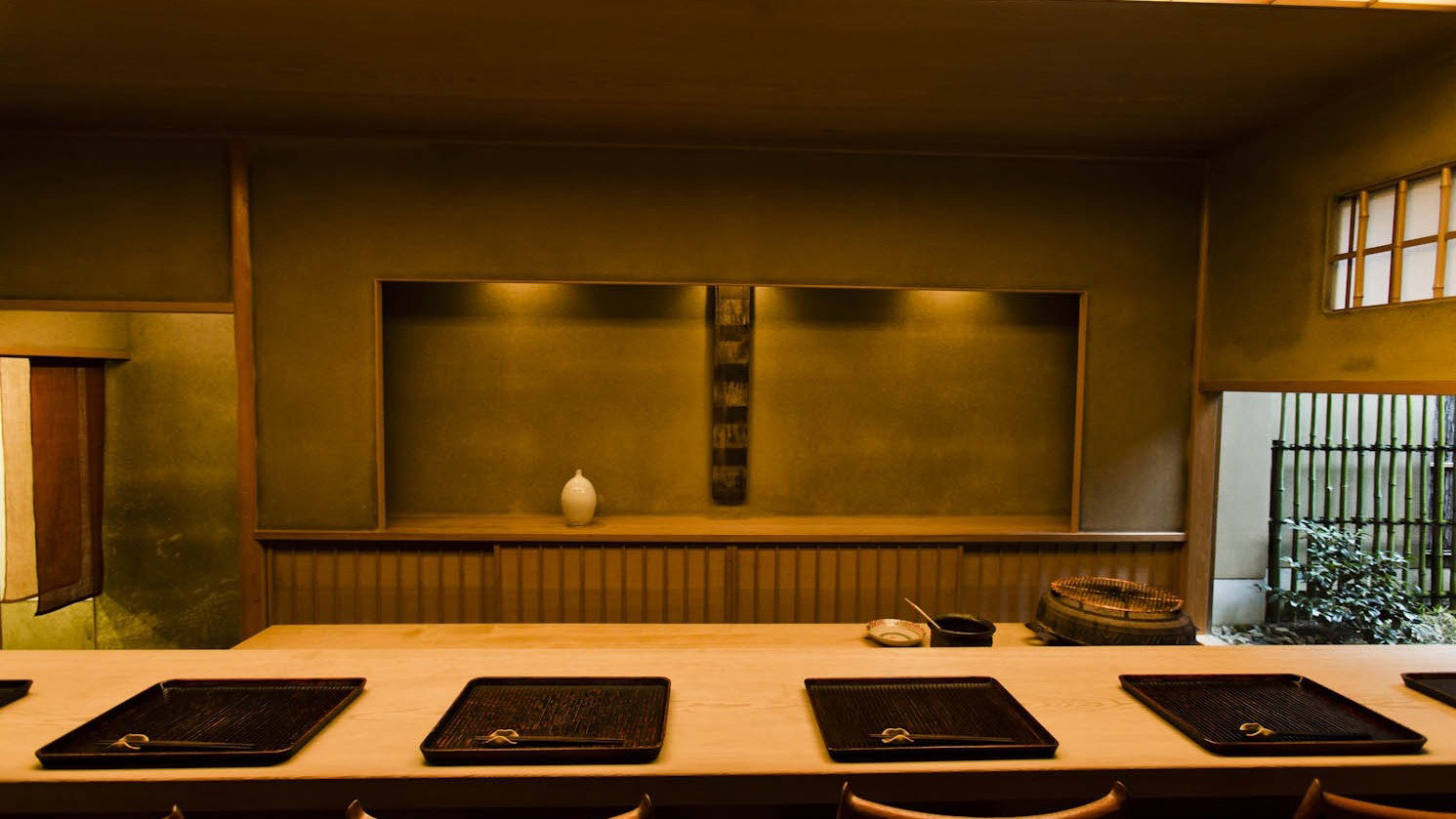
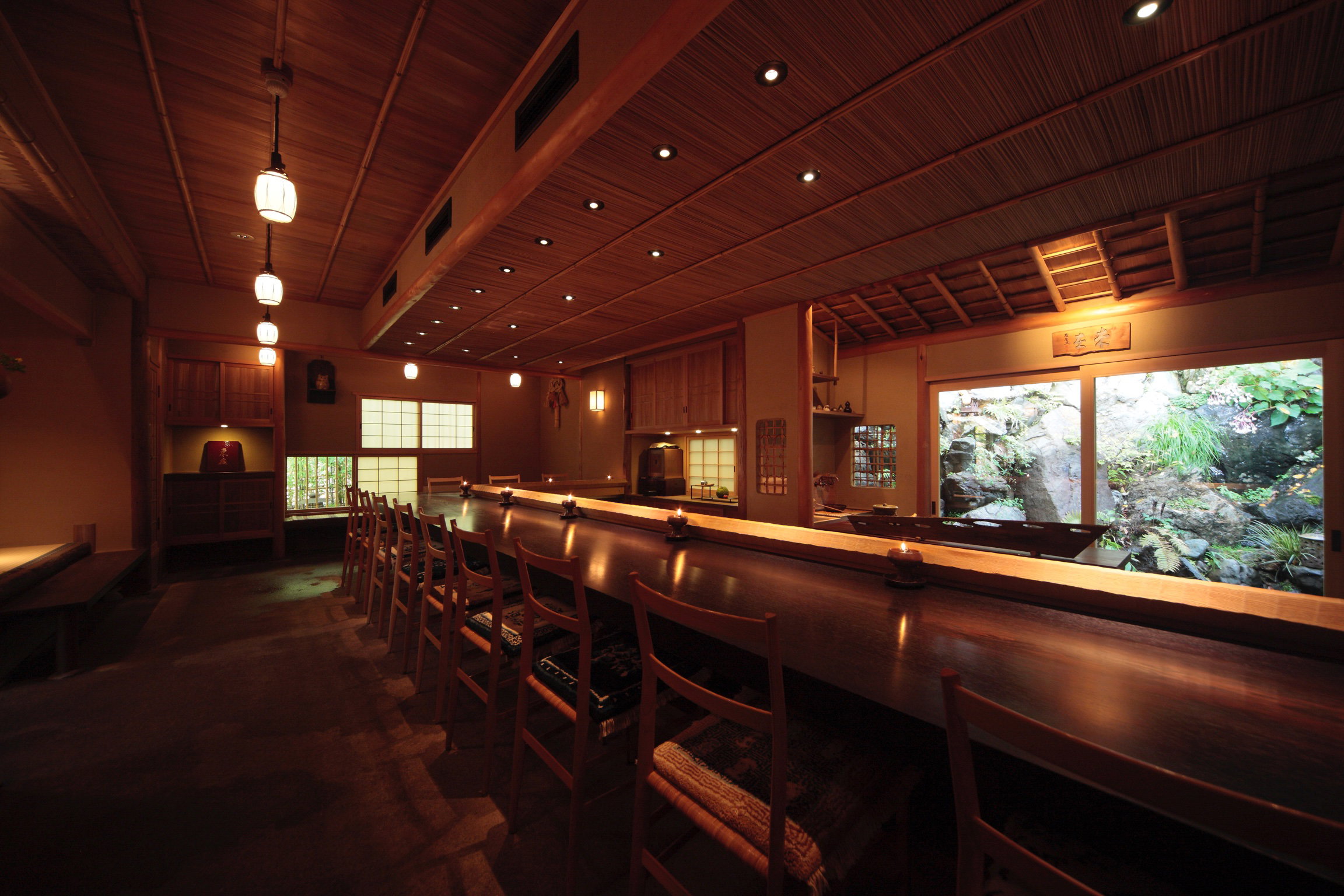
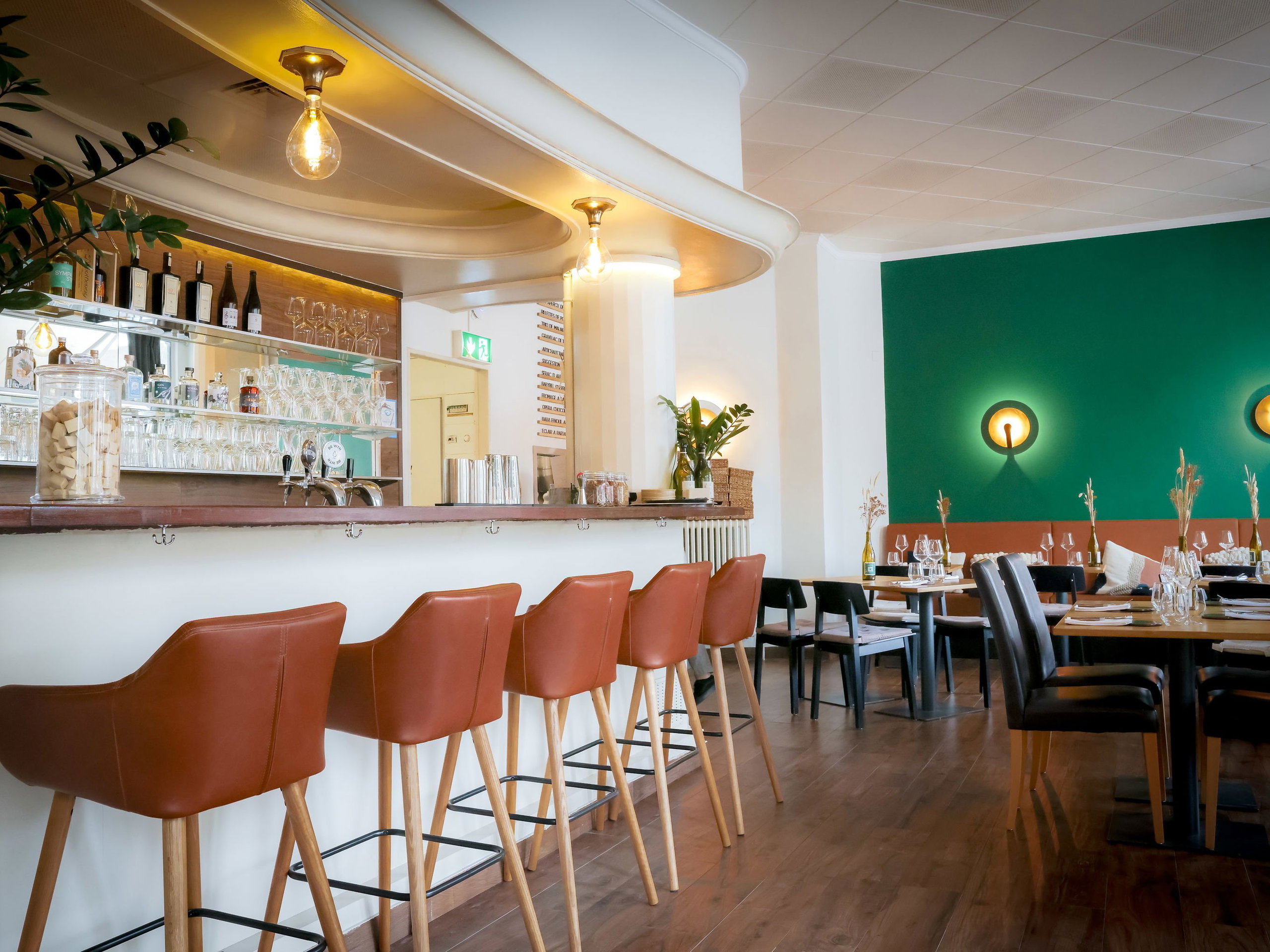
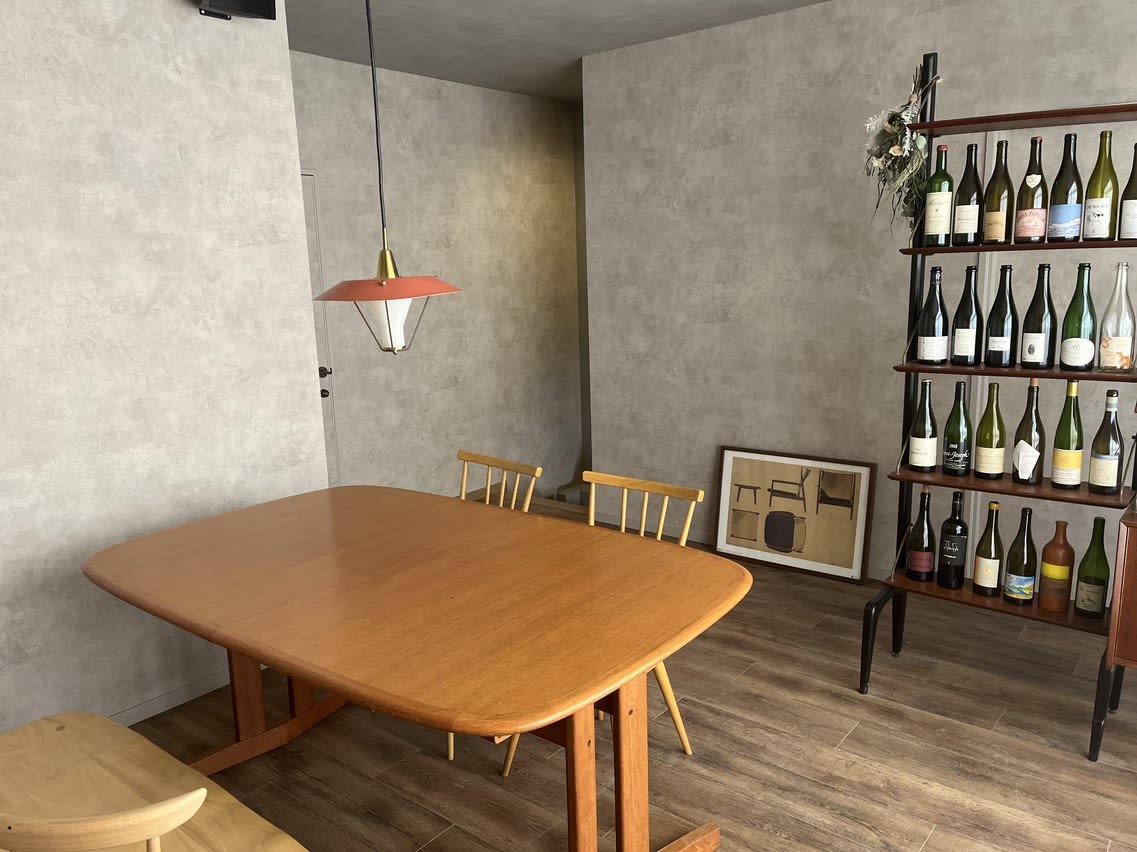
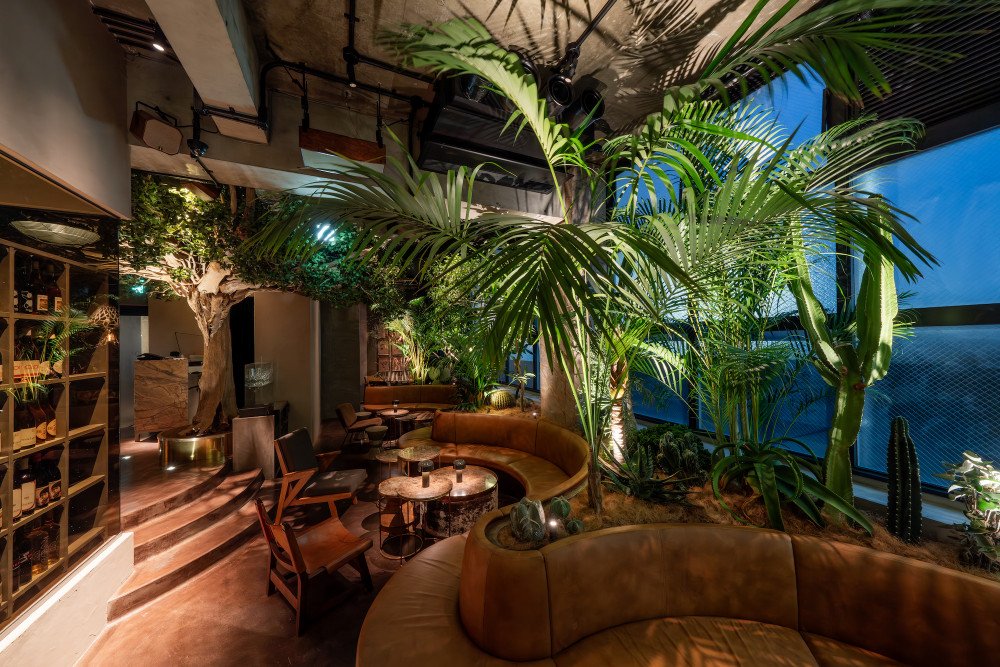
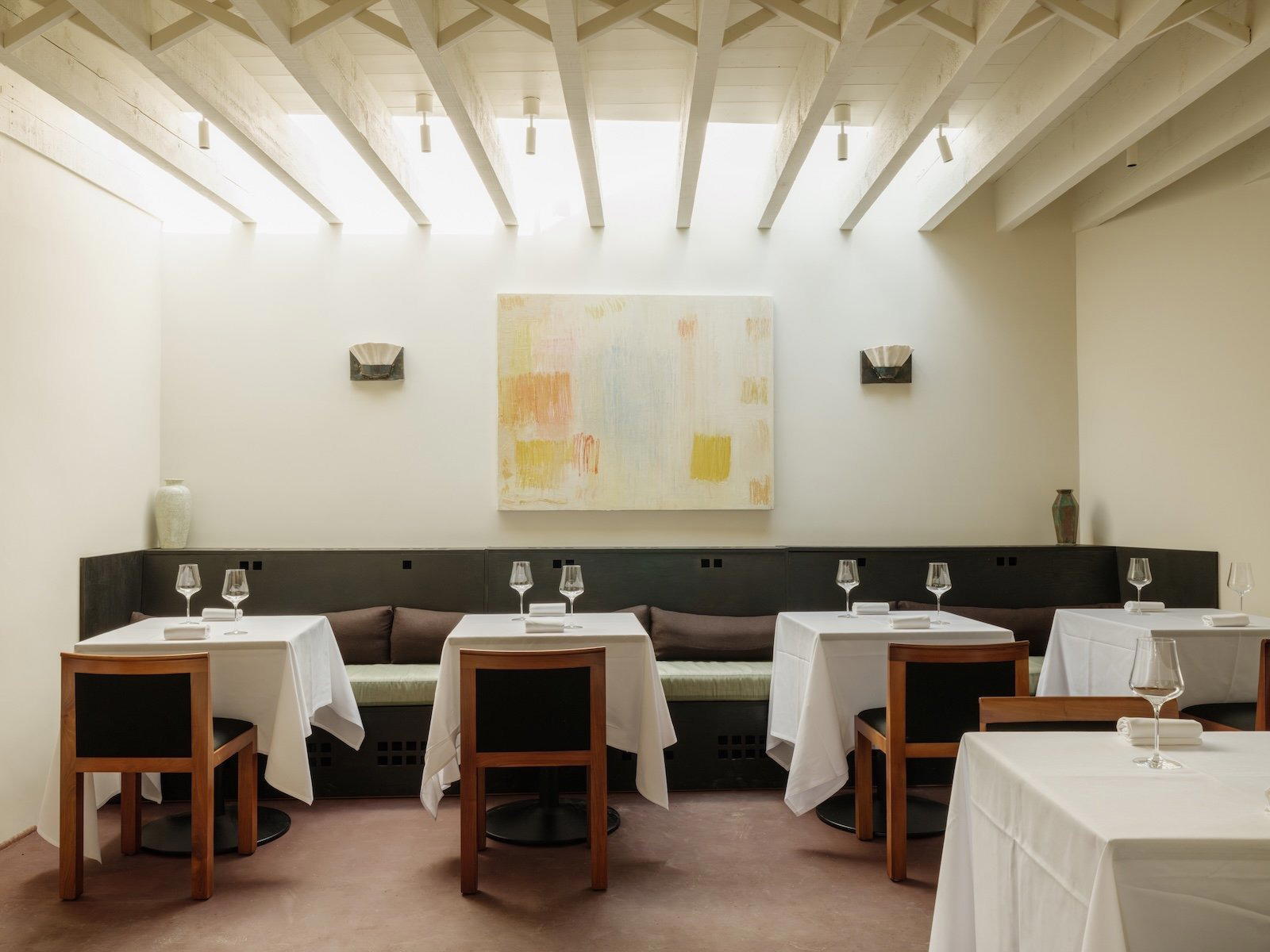
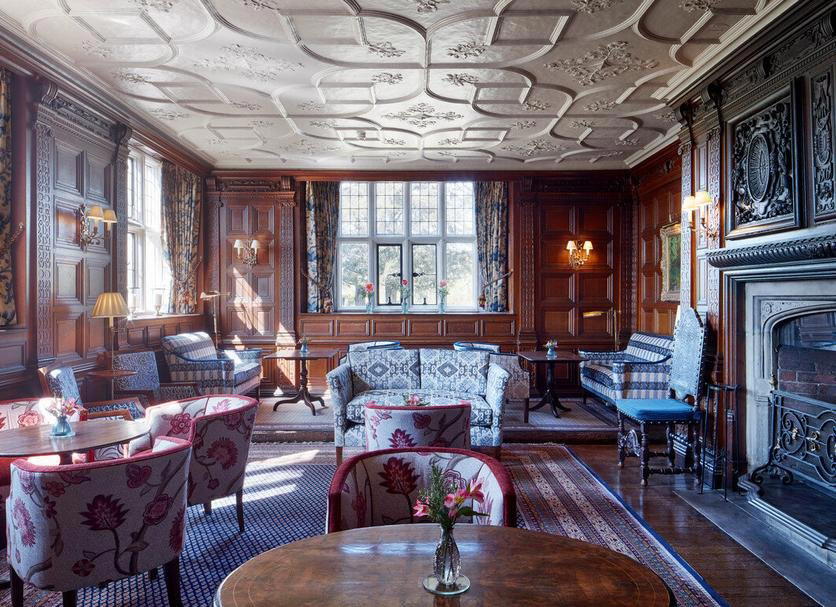
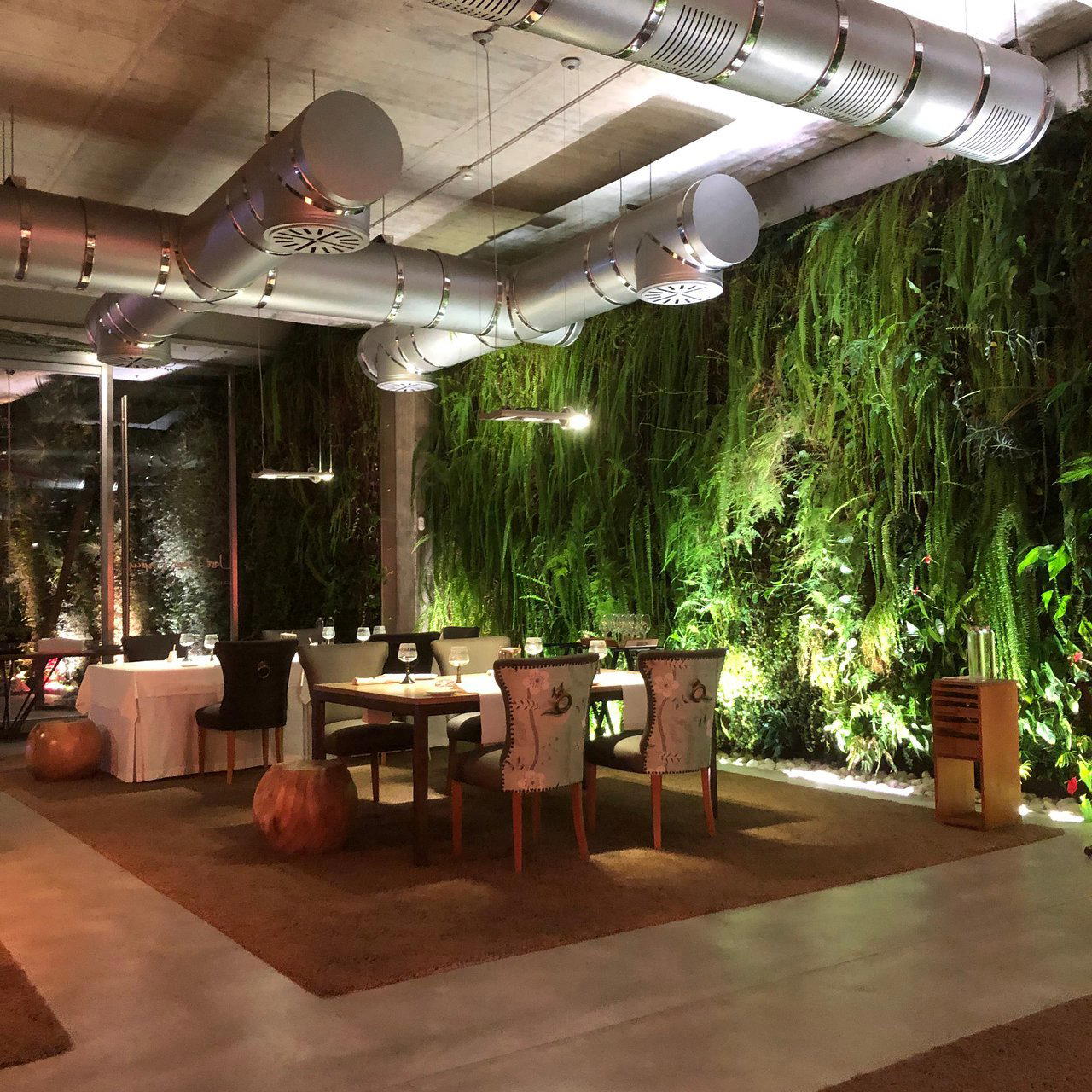
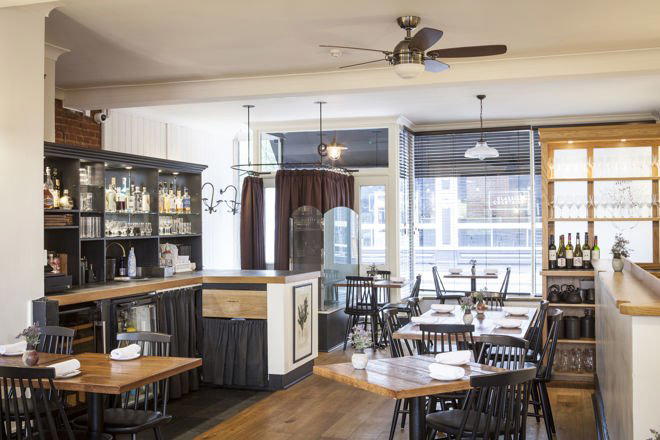
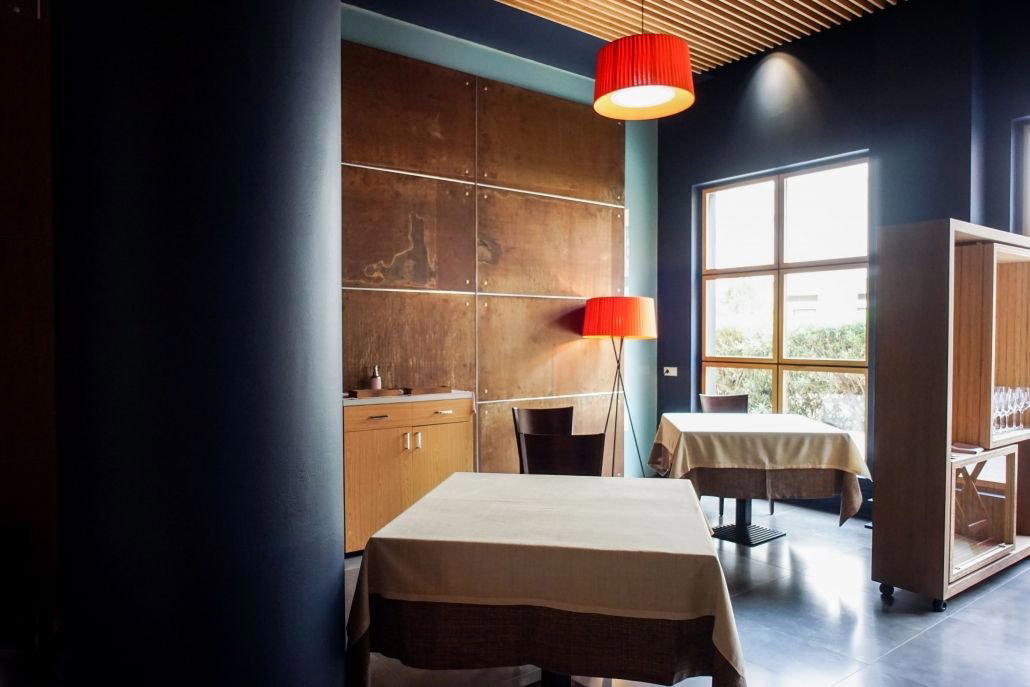
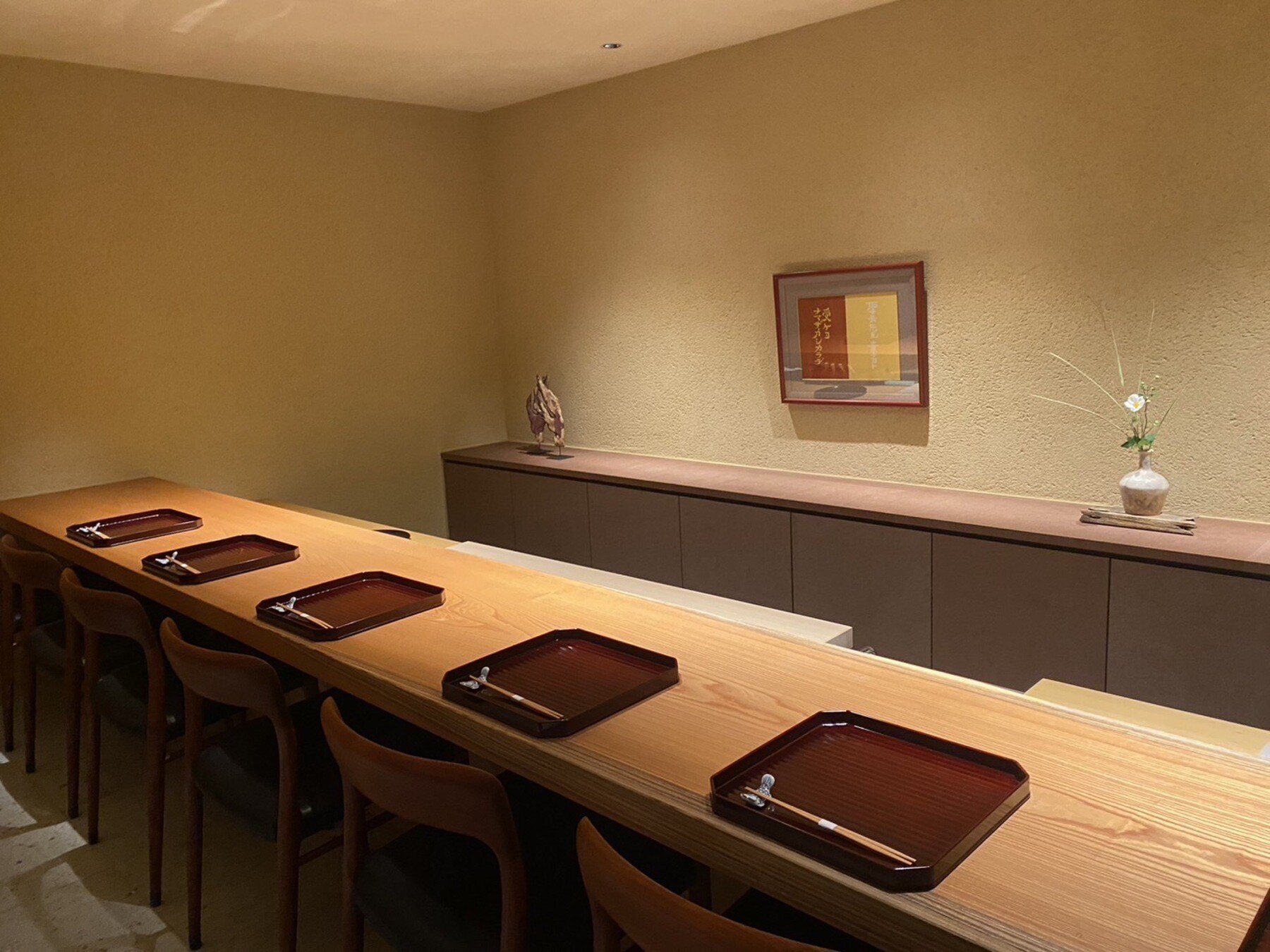
The dining room sets a clear intention from the moment you sit down. Japanese decor is paired with Scandinavian chairs, a combination that signals exactly the kind of cooking you will find on the plate: rooted in tradition, shaped by a contemporary sensibility. The atmosphere reads calm and considered rather than theatrical. Noise levels stay low, which makes this a strong choice for a conversation-led dinner, a business meal, a celebration where you actually want to hear each other, or any occasion where the room should not compete with the food.
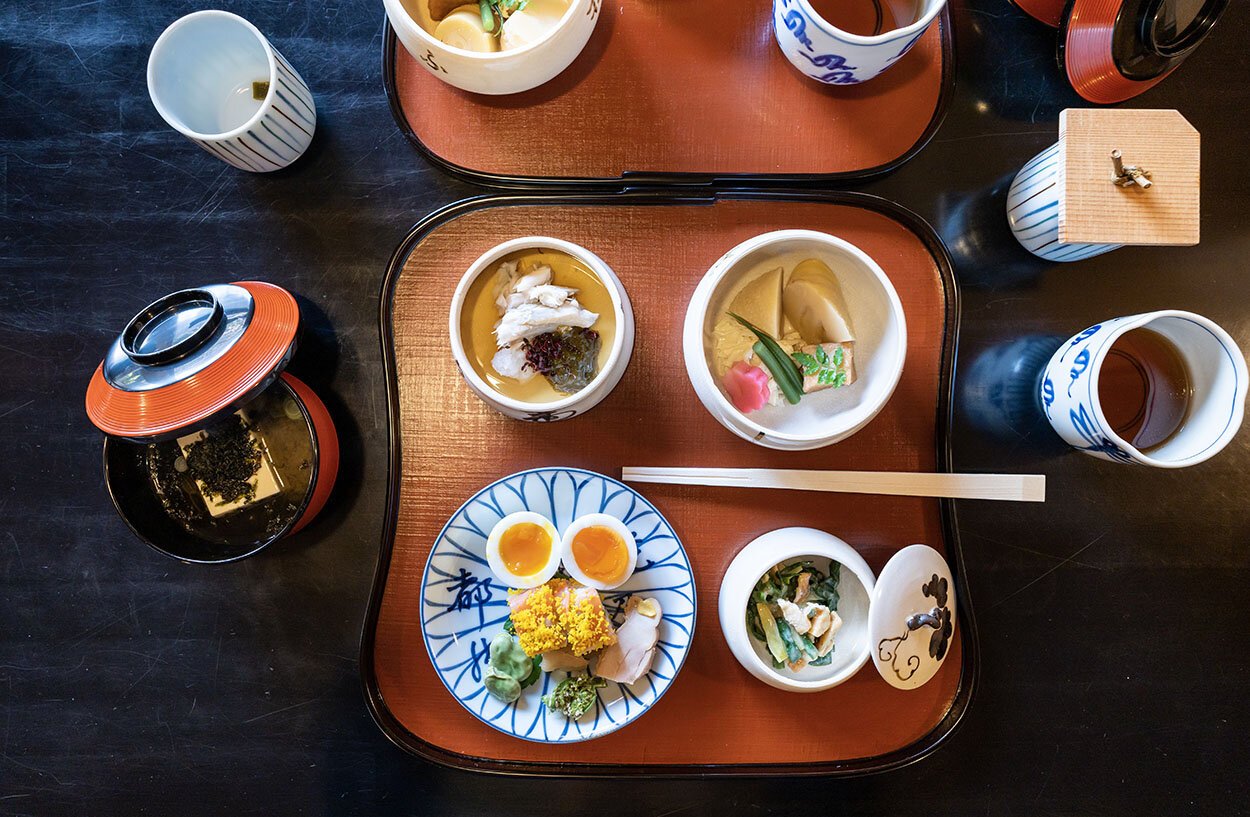
The cooking leans into umami enhancement rather than novelty for its own sake. Tsukuri, raw fish preparations, are dressed with salted kombu, a technique that draws out depth without masking the ingredient. Tofu skin, grated and worked into pureed soup, coaxes sweetness from a component that lesser kitchens treat as filler. Fish and vegetables are paired with fruit, adding a lightness that modern Japanese dining has made its own without abandoning the native logic of the ingredients. These are not gimmicks; they are evidence of a chef who understands why a technique works before applying it.
For food and travel enthusiasts who want context: Miyawaki is doing something meaningfully different from the formal kaiseki establishments that define Kyoto's dining reputation. Venues like Gion Sasaki, Hyotei, and Kikunoi Honten operate within the full formal kaiseki structure, with all the ceremony and multi-course sequencing that implies. Miyawaki applies creative touches over a Japanese framework that is less rigidly codified, closer in spirit to what Mizai does at a higher price tier, but with its own distinct approach. If you are visiting Kyoto specifically to eat kaiseki in its most traditional form, Isshisoden Nakamura or Hyotei are more direct answers to that question. If you want Japanese technique with a lighter, more inventive hand, Miyawaki makes a compelling case.
Private and Group Dining
Specific private dining room details are not confirmed in available data, but the restaurant's format and atmosphere, intimate, quiet, design-conscious, suggests it works well for small group occasions where discretion matters. The low ambient noise level is a practical asset for group dinners that need a room that feels special without being loud. For larger private event requirements, it is worth contacting the restaurant directly to confirm availability, since booking infrastructure is not publicly documented. Compare this to HAJIME in Osaka or Harutaka in Tokyo, both of which have more established booking systems if group logistics are a priority for your trip planning.
Timing Your Visit
Kyoto's dining rhythm is shaped by its seasons more than most cities. Spring (late March to early May) and autumn (October to November) bring the heaviest tourist concentration, which means reservation availability at well-regarded restaurants tightens significantly. For a venue like Miyawaki, where the cooking responds to seasonal Japanese ingredients, visiting during these windows makes the most culinary sense, but plan further in advance. Summer in Kyoto is hot and humid; the city's dining scene stays active, but some restaurants adjust hours or reduce service days. Winter visits offer the least competition for reservations and a different register of ingredients. If you are flexible, late autumn is the most reliable combination of ingredient quality and atmosphere. Check our full Kyoto restaurants guide for seasonal context across the city's broader dining scene.
Getting There and Around
Miyawaki is located in Nakagyo Ward, a central district of Kyoto that is walkable from many of the city's major transit points. The full address is 122-1 Shikiamicho, Nakagyo Ward, Kyoto. Nakagyo sits between the Gion district to the east and Nishiki Market to the south, making it easy to build a broader evening itinerary around a dinner here. For more on where to drink before or after, see our full Kyoto bars guide. If you are planning a longer stay, our full Kyoto hotels guide covers where to base yourself.
Explorers covering more of Japan's serious dining scene may also want to consider akordu in Nara (a short train ride from Kyoto), Goh in Fukuoka, and 6 in Okinawa as part of a broader Japan itinerary. For contrast with what technically rigorous tasting menus look like in a Western context, Le Bernardin in New York City and Lazy Bear in San Francisco offer useful reference points. Our full Kyoto experiences guide and full Kyoto wineries guide round out the picture for a complete trip. And if Yokohama is on the itinerary, 1000 in Yokohama is worth a look.
Quick reference: Nakagyo Ward, central Kyoto | Booking: contact directly | Atmosphere: quiet, design-forward | Leading for: intimate dinners, special occasions, food-focused groups of 2–4.
Planning details
- Location
- Japan, 〒604-8261 Kyoto, Nakagyo Ward, Shikiamicho, 122-1 1階 ビル
- Website
- instagram.com/shikiamichomiyawaki
- Phone
- +81 75-600-9242
The take
The Take
The Vibe
Miyawaki presents a restrained, quietly assertive room that channels Kyoto’s tradition of considered material and spatial restraint. The dining space reads spare and refined—Japanese structure and materials set the stage while a detail like Scandinavian chairs signals a discreet synthesis of influences. The overall effect is tranquil rather than ornamental: design choices underline craft and intention, and the restaurant feels deliberately inward-facing rather than performative. This is a place where restraint and attention to detail create an atmosphere of composure and calm, one that privileges the food’s logic over theatrical gestures.
Best For
This is a destination for diners who seek a disciplined, ingredient-led meal rather than casual footfall. Situated in Nakagyo Ward and described as operating “for people who came specifically,” Miyawaki suits guests who value the seasonal rigor and sequence of Kyoto-style fine dining. It aligns with special-occasion and date-night dining—an experience oriented around refined technique, provenance and restraint. Visitors who appreciate quiet formality, subtle design details, and a thoughtful progression of courses will find this restaurant rewarding; it caters to intentional outings rather than spontaneous drop-ins.
Ordering Tips
Expect a course-driven approach rooted in Kyoto practices: the kitchen works adjacent to kaiseki tradition, prioritizing seasonality, provenance and restraint. The description highlights the treatment of tsukuri (sliced raw fish) as an instructive example of how the kitchen honours technique while applying selective creative touches. Order with the expectation of a sequenced, ingredient-forward meal in which subtlety and precision matter; be prepared to engage with courses that foreground provenance and texture rather than loud flavour contrasts. Plan your visit as a focused dining occasion to experience the progression as intended.
Venue details
Ambiance
Harmonious modern Japanese interior blending Japanese decor with Scandinavian chairs, stylish and relaxing space.
Tags
Vibe
Best For
Experience
At the Table
- Dress Code
- Smart Casual
- Noise Level
- Quiet
- Service Style
- Upscale Casual
- Meal Pacing
- Leisurely
- Capacity
- Intimate
- Kitchen
- Modern
- Wine Program
- Curated
- Drinks Focus
- Sake
- Private Dining
- Available
Know before you go
Know Before You Go
- Getting there
- Japan, 〒604-8261 Kyoto, Nakagyo Ward, Shikiamicho, 122-1 1階 ビル
Planning details
Location
Japan, 〒604-8261 Kyoto, Nakagyo Ward, Shikiamicho, 122-1 1階 ビル · Directions
Recognition and awards
Also consider
Also Consider
- Gion Sasaki, Kaiseki, Japanese, ¥¥¥¥
- cenci, Italian, ¥¥¥
- Ifuki, Kaiseki, ¥¥¥¥
- Kyokaiseki Kichisen, Japanese, ¥¥¥¥
- SEN, French, Japanese, ¥¥¥¥
Restaurant context
Miyawaki sits in a different register from Kyoto's formal kaiseki powerhouses. Gion Sasaki and Kyokaiseki Kichisen both operate at the top of the ¥¥¥¥ tier with full traditional kaiseki sequencing, significant ceremony, and booking difficulty that is considerably higher than Miyawaki. If a formal, multi-course kaiseki experience is the specific goal, those two are the more appropriate answers, but they require more advance planning and carry a higher per-head cost. Ifuki is another ¥¥¥¥ kaiseki option worth comparing, with a strong reputation for ingredient quality.
For diners who want serious Japanese cooking without the full formality of kaiseki, Miyawaki is the better fit. Its modern sensibility, lighter pairings, creative umami technique, Scandinavian-inflected interior, appeals to guests who find traditional kaiseki venues either too ceremonially rigid or too difficult to access. cenci, operating at ¥¥¥ with an Italian framework informed by Japanese produce, is the closest alternative for someone who wants creative cooking in a calm, design-led room at a lower price point. SEN, which blends French and Japanese approaches at ¥¥¥¥, is worth considering if you want the Franco-Japanese fusion format that has become a Kyoto signature in its own right.
The practical verdict: Miyawaki is likely the easiest of this group to book and offers a creative-but-grounded Japanese experience that sits between cenci's lower price tier and the full kaiseki formality of Gion Sasaki or Ifuki. If you are splitting a Kyoto dining budget across two meals, Miyawaki pairs well with one of the traditional kaiseki venues, it gives you range without repetition.
Explore Kyoto
Around this place
Discover more on Pearl
Unlock the full Miyawaki guide in Pearl, including awards, comparisons, FAQs, planning details, and nearby places.
Compare Miyawaki
| Venue | Location | Cuisine | Awards | Price |
|---|---|---|---|---|
| Miyawaki | Kyoto | , | Michelin Guide Kyoto Osaka 20262026 Michelin 1 Star | , |
| Gion Sasaki | Kyoto | Kaiseki, Japanese | 2026 Tabelog Bronze · #3862026 OAD Top Restaurants in Japan RecommendedMichelin Guide Kyoto Osaka 20262026 La Liste Top RestaurantsTabelog 100 - Japanese cuisine - WEST - 2025 · #132025 OAD Top Restaurants in Japan Ranked · #2462025 Tabelog Silver2025 Michelin 3 Stars2025 La Liste Top Restaurants | ¥¥¥¥ |
| cenci | Kyoto | Italian | 2026 Tabelog Bronze · #442026 Asia's 50 Best Restaurants · #762026 OAD Top Restaurants in Japan Highly RecommendedMichelin Guide Kyoto Osaka 2026Tabelog 100 - Italian - WEST - 2025 · #632025 Asia's 50 Best Restaurants · #632025 OAD Top Restaurants in Japan Ranked · #1682025 Tabelog Bronze2024 OAD Top Restaurants in Japan Ranked · #135 | ¥¥¥ |
| Ifuki | Kyoto | Kaiseki | 2026 OAD Top Restaurants in Japan Ranked · #1222026 Tabelog Bronze · #128Michelin Guide Kyoto Osaka 20262026 La Liste Top RestaurantsTabelog 100 - Japanese cuisine - WEST - 2025 · #622025 OAD Top Restaurants in Japan Ranked · #1002025 La Liste Top Restaurants2025 Tabelog Bronze2025 Michelin 2 Stars | ¥¥¥¥ |
| Kyokaiseki Kichisen | Kyoto | Japanese | 2026 Tabelog Bronze · #1752026 OAD Top Restaurants in Japan Highly RecommendedMichelin Guide Kyoto Osaka 20262025 OAD Top Restaurants in Japan Ranked · #1862025 Michelin 2 Stars2025 La Liste Top Restaurants2024 OAD Top Restaurants in Japan Ranked · #1422024 Michelin 2 Stars2023 OAD Top Restaurants in Japan Ranked · #136 | ¥¥¥¥ |
| SEN | Kyoto | French, Japanese | 2026 Tabelog Bronze · #3952026 OAD Top Restaurants in Japan RecommendedMichelin Guide Kyoto Osaka 20262026 Michelin PlateTabelog 100 - Japanese cuisine - WEST - 2025 · #652025 Michelin Plate2025 Tabelog Bronze2024 OAD Top Restaurants in Japan Ranked · #3622024 Michelin Plate | ¥¥¥¥ |







.png?width=1200&quality=80)
How Miyawaki Kyoto compares with similar nearby venues.
FAQ
Frequently Asked Questions
How far ahead should I book Miyawaki?
Book at least three to four weeks in advance, and further out if your visit falls during spring cherry blossom season (late March to early May) or autumn foliage (October to November), when Kyoto restaurants at this level fill quickly. Miyawaki sits in Nakagyo Ward, a central location that attracts both local regulars and visiting diners, so last-minute availability is unlikely for sought-after slots.
Is Miyawaki good for a special occasion?
Yes, provided the format suits your group. The dining room pairs Japanese decor with Scandinavian chairs — a deliberate, quiet design choice that signals occasion without formality. The cooking is technically grounded and creative, with fruit-and-vegetable pairings and kombu-dressed tsukuri that reflect genuine culinary intent. For a celebration, smaller parties of two will find it more natural than larger groups.
What are alternatives to Miyawaki in Kyoto?
Gion Sasaki and Kyokaiseki Kichisen are the benchmarks for traditional kaiseki rigour in Kyoto, with Kichisen operating at the highest formal tier. Cenci and SEN lean toward creative and cross-cultural approaches respectively, making them closer in spirit to Miyawaki's modern sensibility. Ifuki is worth considering for a more accessible entry point into serious Japanese cooking in the city.
What should I wear to Miyawaki?
The room's design — Japanese aesthetic with Scandinavian chairs — points toward considered simplicity rather than black-tie formality. Neat, understated clothing fits the tone: nothing that would look out of place in a quiet, design-conscious Kyoto dining room. Confirm with the restaurant if you are unsure, as expectations at creative Japanese restaurants of this level vary.