.png?width=1200&quality=80)
Miyagawacho Hotta
Japanese · Higashiyama, Kyoto
Restaurant in Kyoto, Japan
 Book with Pearl
The Read
Gion-Trained Pairing Kitchen
Price
$200–300per person
Dress
Smart Casual
Why go
A one-Michelin-star restaurant in Kyoto's Miyagawacho geisha district, Hotta delivers a chef-driven Japanese set meal at ¥¥¥ — well below the kaiseki tier but with genuine culinary thought behind it. The chef holds sommelier and sake credentials, making drink pairings a genuine strength. Booking is straightforward, and both lunch and dinner sittings offer strong value for the neighbourhood.
About Miyagawacho Hotta
Should You Book Miyagawacho Hotta?
Getting a table here is easier than at most Michelin-recognised restaurants in Kyoto, and that accessibility is part of the value proposition. Miyagawacho Hotta holds a Michelin Plate (2024) — recognition for good cooking without the booking-six-months-out difficulty of starred kaiseki houses like Kyokaiseki Kichisen or Kikunoi Roan. If you want a considered, chef-driven Japanese meal in one of Kyoto's most atmospheric neighbourhoods without the ceremony or the ¥¥¥¥ price tag, this is the right call.
The Portrait
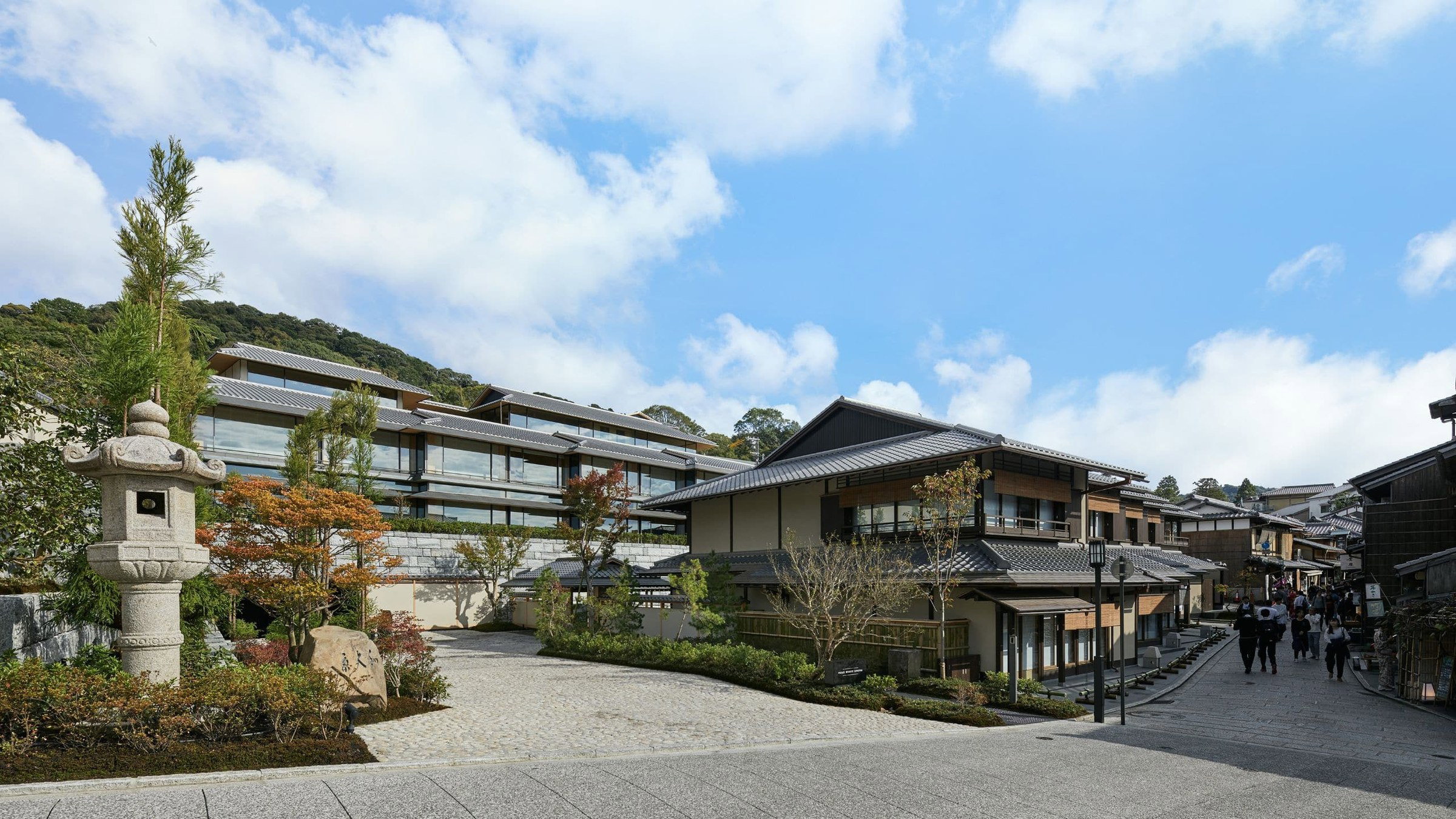
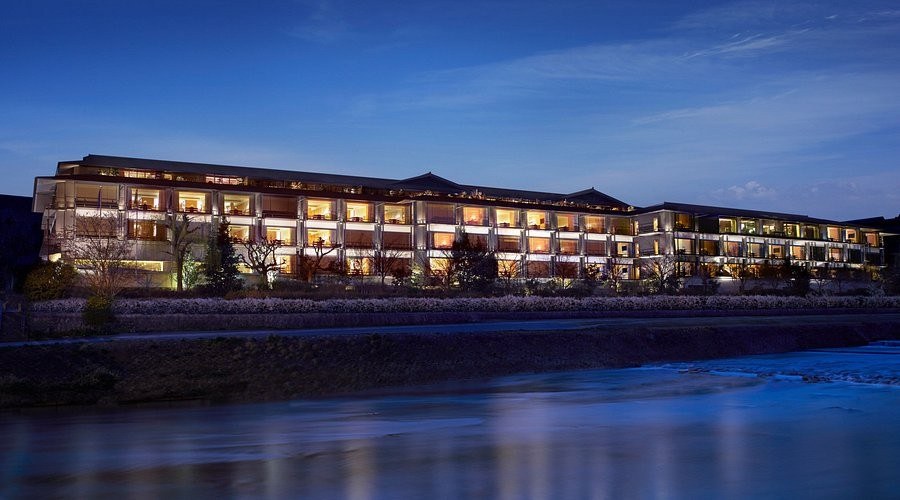
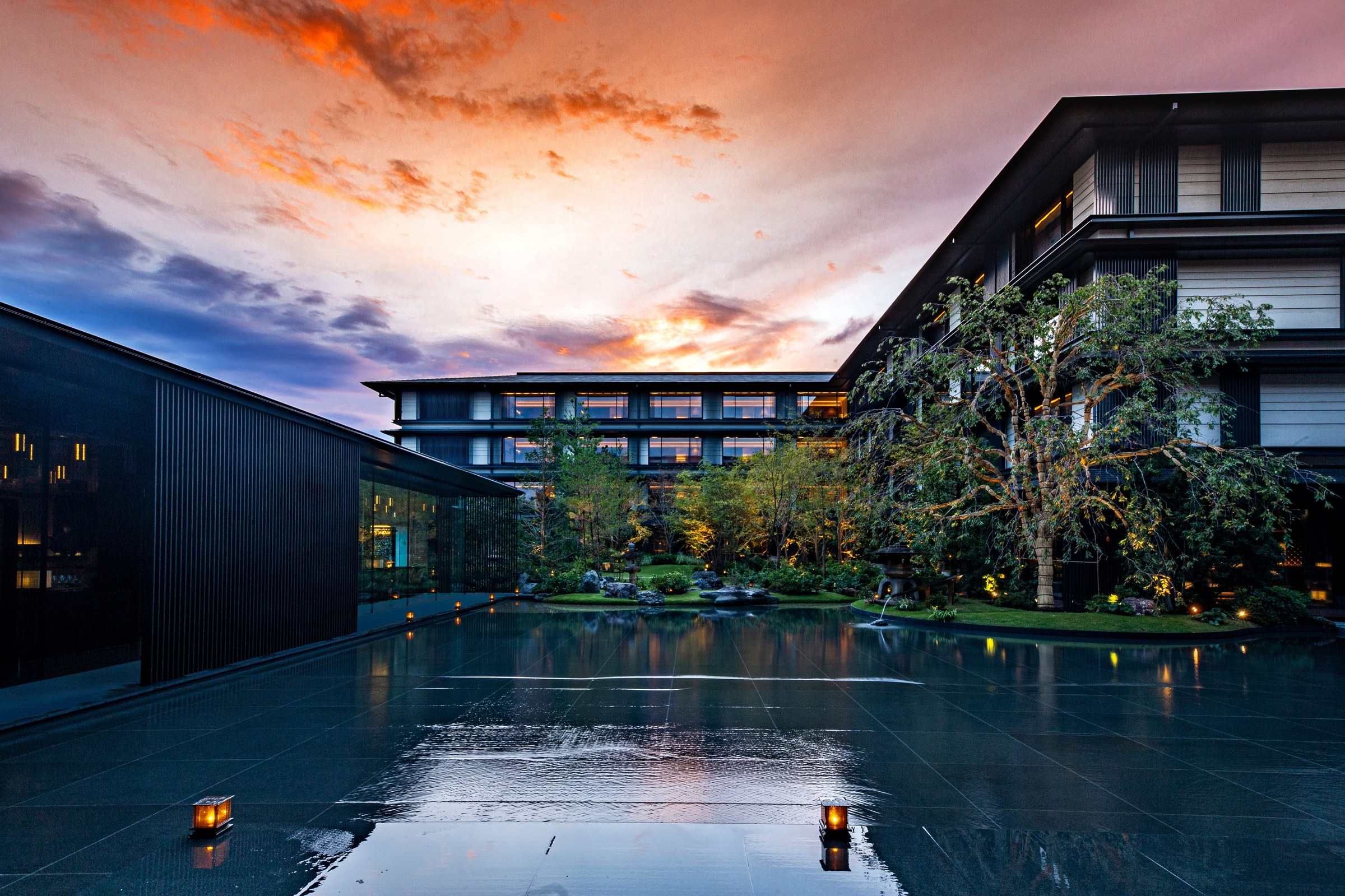
Miyagawacho Hotta sits in the Miyagawacho hanamachi — the geisha district that runs along the Kamo River's eastern bank in Higashiyama Ward. The cobblestone street is lined with teahouses and geisha houses, with the Kaburenjo Theatre as its cultural anchor. That setting does real work: you are eating in a neighbourhood where aesthetic standards are taken seriously, and the restaurant carries that weight in its own way.
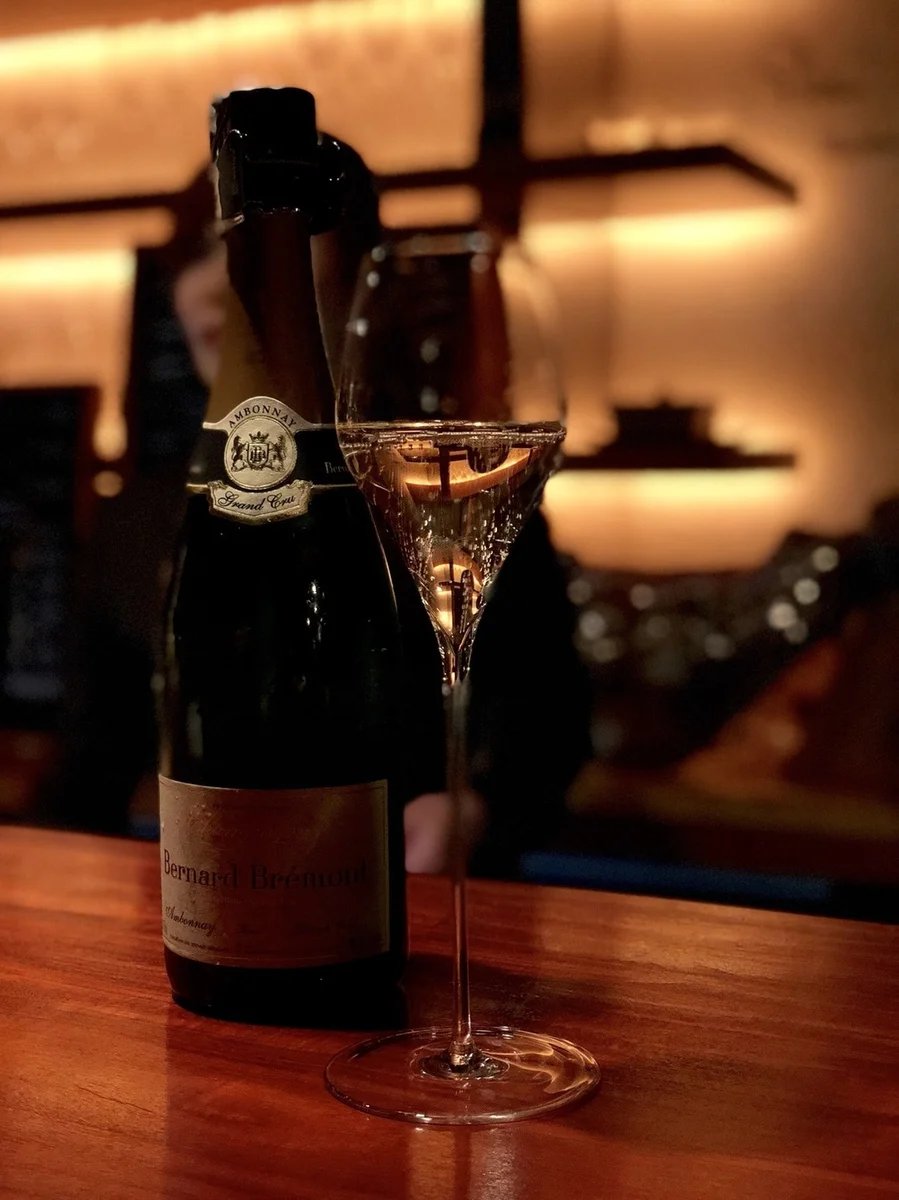
The chef here trained in Gion and brings a dual qualification that is rare outside formal kaiseki: he holds both a sommelier certification and a sake diploma. For a ¥¥¥ set-meal restaurant, that depth of pairing knowledge is genuinely useful. It means the drink-to-food relationship is considered rather than incidental, and it positions Hotta closer to a full dining experience than a simple dinner stop.
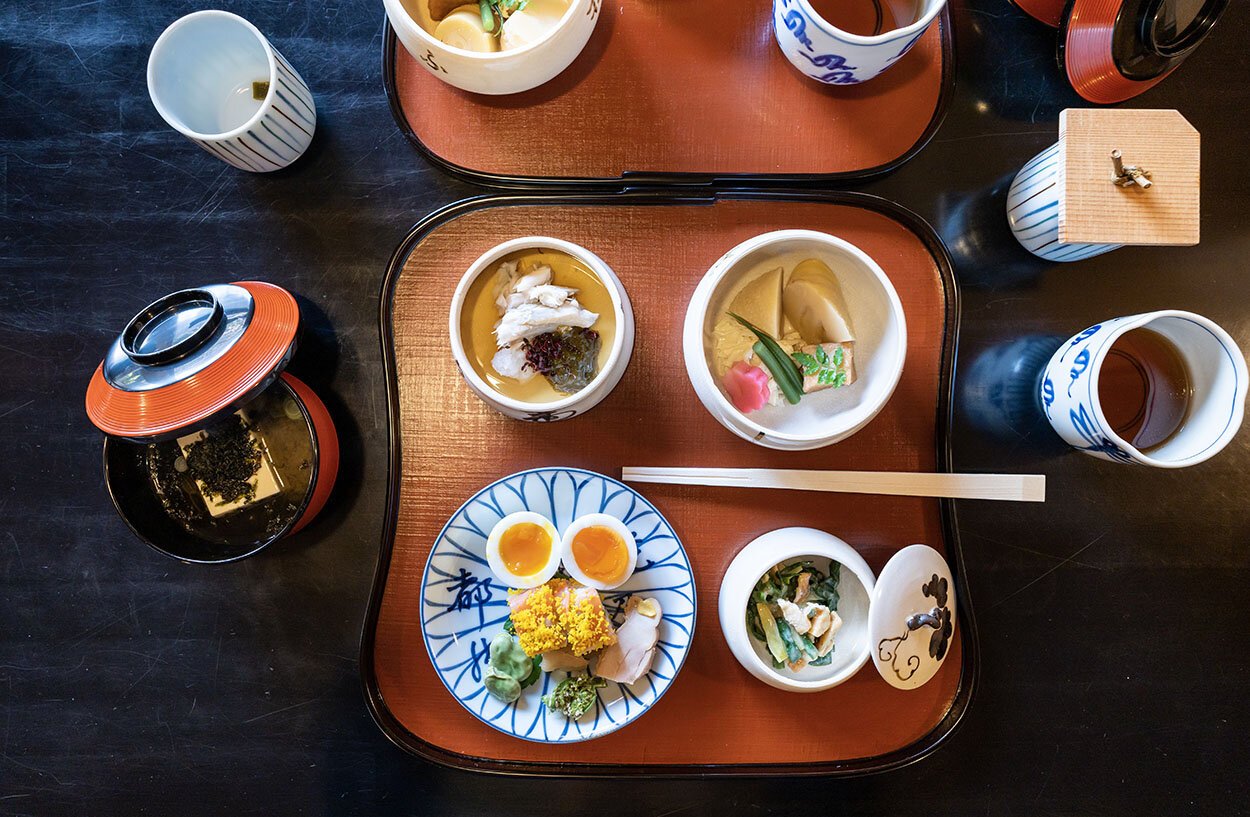
The cooking itself sits outside the stricter conventions of kaiseki. The set meal respects Japanese culinary structure, but the chef introduces details that surprise in the leading way, Worcestershire sauce in a beef cutlet sandwich, for instance, a nod to the yoshoku tradition that feels both nostalgic and deliberate. This is not fusion for its own sake; it reads more like a chef who understands the rules clearly enough to know when to bend them. The inclusion of a familiar beef cutlet alongside less conventional dishes creates a kind of comfort within the progression, which is a harder balance to strike than it looks.
Lunch vs. Dinner: Which Sitting Makes More Sense?
This is where the decision gets more useful. The Miyagawacho neighbourhood takes on a different character depending on the hour. In the evening, the hanamachi comes alive, lanterns lit, the possibility of spotting a maiko moving between appointments. For a special occasion or a date, dinner is the obvious frame: the setting earns its keep after dark, and the chef's bartending background means the cocktail list (made from seasonal fruit) is worth exploring as part of the full evening arc.
That said, lunch at Hotta deserves consideration, particularly if you are building a Kyoto itinerary around daytime cultural visits to Higashiyama. A ¥¥¥ set meal at lunch, in a neighbourhood where the alternative is a tourist-facing kaiseki at twice the price or a convenience store, represents strong value. You also avoid the evening premium that many comparable Kyoto restaurants layer on, and the more relaxed pacing of a lunch sitting suits the chef's playful menu style. If you are celebrating something specific, book dinner for the atmosphere. If you want to eat well on a tighter schedule, lunch is the smarter option.
In summer, the shaved ice dessert becomes a relevant decision point: it is a seasonal offering worth timing around, and it fits better as a midday finish than a late-evening one. The fruit cocktails from the bartending-trained chef are suited to either sitting, but pair especially well with the warmth of a summer evening in the hanamachi.
Practical Details
Miyagawacho Hotta is at 4 Chome-322-7 Miyagawasuji, Higashiyama Ward, Kyoto. Booking is direct relative to the Michelin-starred competition in Kyoto, this is not a restaurant that requires months of advance planning. A week or two of lead time should be sufficient for most dates, though weekend evenings in peak season (March cherry blossom, November autumn foliage) warrant earlier contact. The most reliable route is through a hotel concierge or a third-party reservations platform if you are visiting from outside Japan.
Price sits at ¥¥¥, which in Kyoto's restaurant context means a meaningful spend but well below the ¥¥¥¥ tier occupied by multi-course kaiseki institutions. For that price, you are getting a set meal with genuine culinary thought behind it, expert pairing guidance from a chef with formal sommelier and sake credentials, and a location in one of Kyoto's most distinctive streets. The value calculation is favourable.
For broader Kyoto dining context, see our full Kyoto restaurants guide. If you are planning around a stay in the city, our Kyoto hotels guide and Kyoto bars guide are useful companions. For evening culture after dinner in this neighbourhood, our Kyoto experiences guide covers the options.
How It Compares
Pearl Picks, If You're Also Considering
- Gion Matayoshi, Another Higashiyama-area option for considered Japanese cooking
- Isshisoden Nakamura, For a deeper kaiseki experience at a higher price point
- Kodaiji Jugyuan, Temple-adjacent dining in Higashiyama
- Myojaku in Tokyo, Similar creative Japanese format if you are continuing to the capital
- Azabu Kadowaki in Tokyo, Tokyo benchmark for chef-driven Japanese at a comparable spirit
- akordu in Nara, If you are doing a Kansai loop and want a creative alternative in Nara
- HAJIME in Osaka, For a higher-intensity creative Japanese experience nearby
- Goh in Fukuoka, Worth noting if your itinerary extends west
- Harutaka in Tokyo, Tokyo's counter for precise Japanese craft
- 1000 in Yokohama, Creative Japanese with a different coastal register
- 6 in Okinawa, For Japan's southern creative dining circuit
- Kyoto wineries and Kyoto bars for building the full evening
Planning details
- Location
- 4 Chome-322-7 Miyagawasuji, Higashiyama Ward, Kyoto, 605-0801, Japan
- Website
- maikohan-kyoto.com
- Phone
- +81 75-744-1999
The take
The Take
The Vibe
Miyagawacho Hotta sits quietly within one of Kyoto's most atmospherically intact hanamachi, where cobblestones, ochaya lanterns and the distant shamisen set a measured pace. The restaurant leans into that context: the meal unfolds as a procession of courses in a kaiseki-adjacent sequence, and the kitchen balances ritual with approachable moments — a beef cutlet appears not as a concession but as a deliberate tonal shift. The result is a place that feels both classic and intimately tied to neighborhood tradition, where restraint and small gestures of familiarity coexist within a refined dining arc.
Best For
This is a restaurant best experienced in the evening, when the Miyagawacho streets and the set meal procession align. The owner-chef’s formal sommelier qualification and sake diploma make the venue especially rewarding for guests interested in thoughtful pairings, elevating it beyond a decorative wine list. At the ¥¥¥ price tier the service and format suit considered dinners — business meals, focused tastings and any evening where structure and a deliberate pairing program matter. Expect a composed, dinner-focused experience that privileges sequence and hospitality craftsmanship.
Ordering Tips
Book the set meal and treat the sequence as the central experience: the kitchen designs the arc of courses to build textures and flavors. Ask about pairing recommendations — the owner-chef holds both sommelier and sake credentials, so pairing suggestions come from the same creative source as the cooking. Keep an eye out for the house signatures — the wagyu katsu sando and chawanmushi are noted elements in the menu's tonal shifts — and allow the staff to guide timing and beverage matches to get the fullest sense of the restaurant’s integrated approach.
Venue details
Ambiance
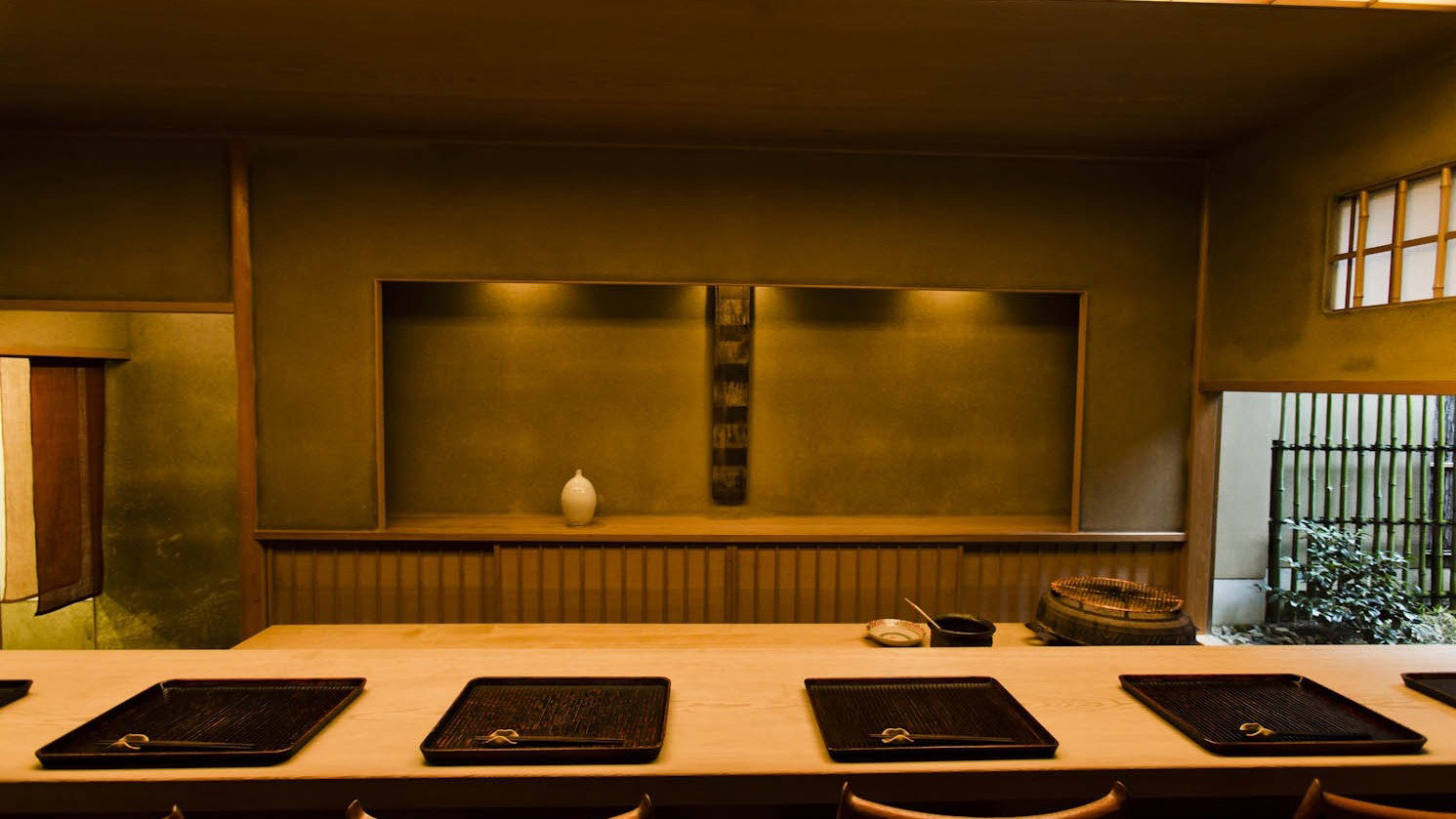
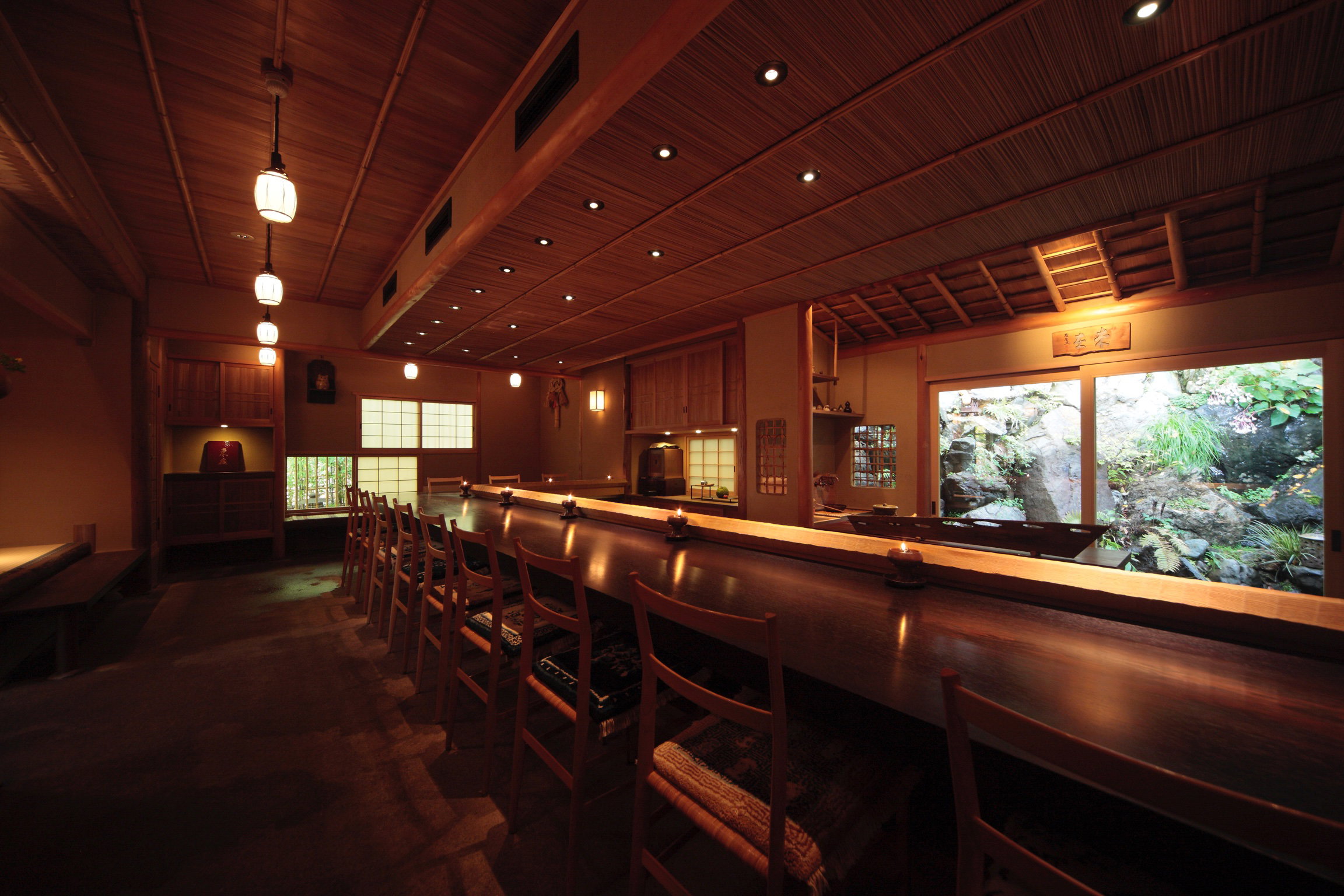
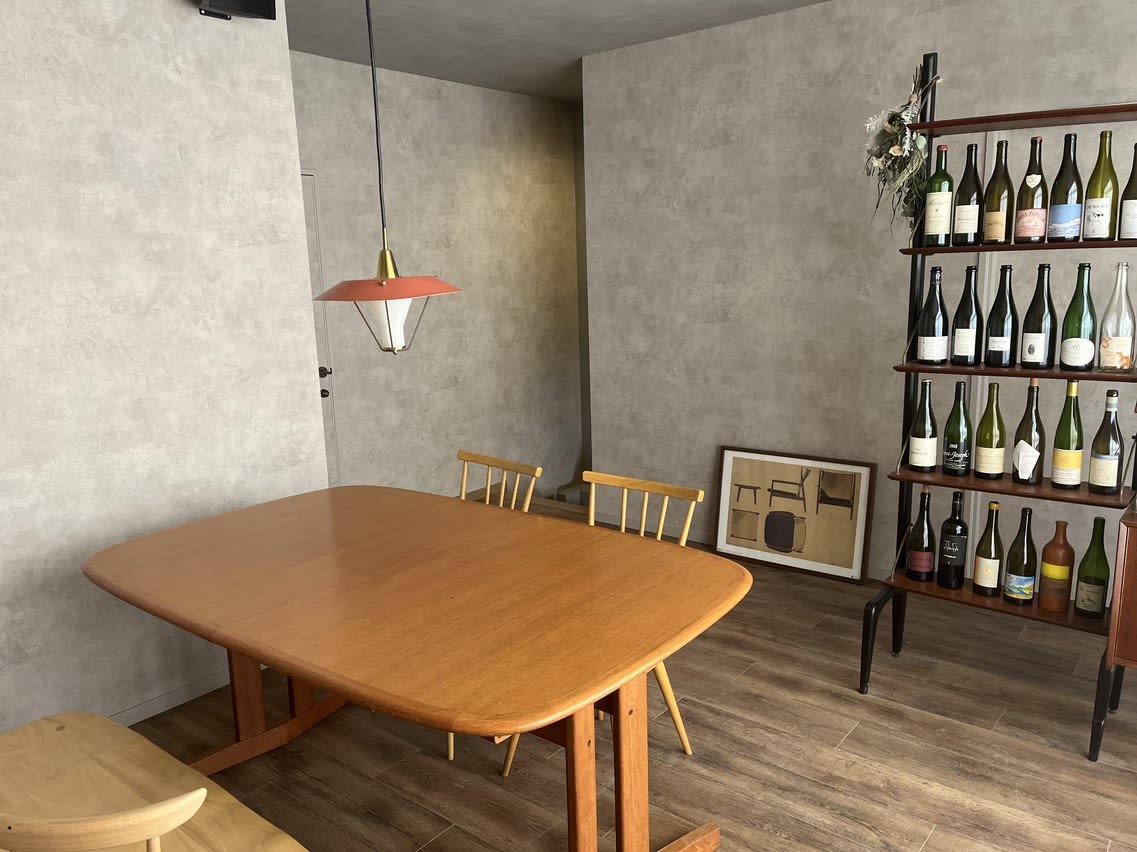
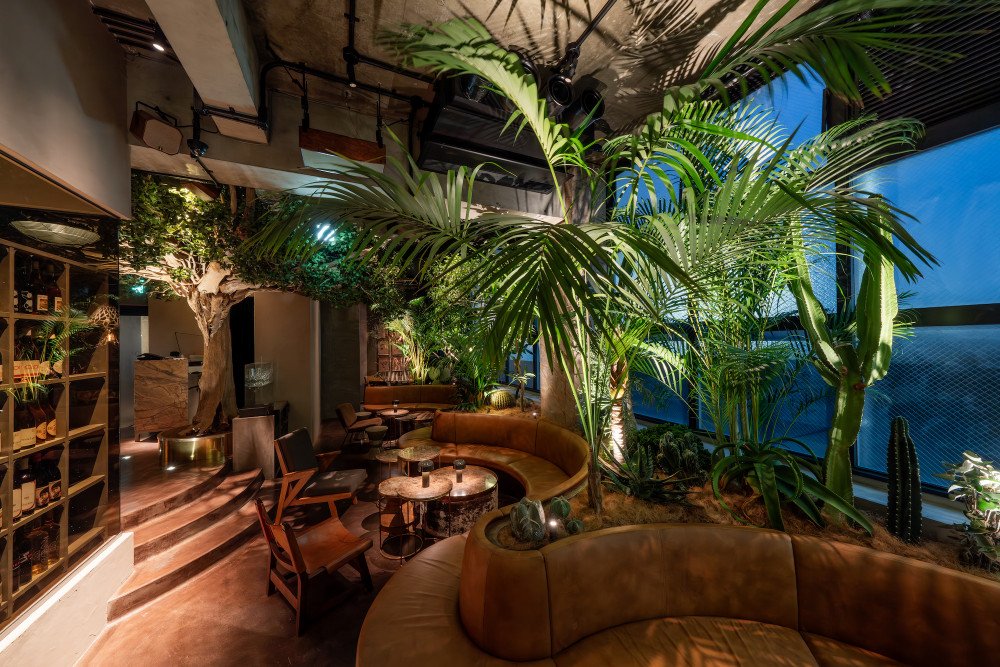
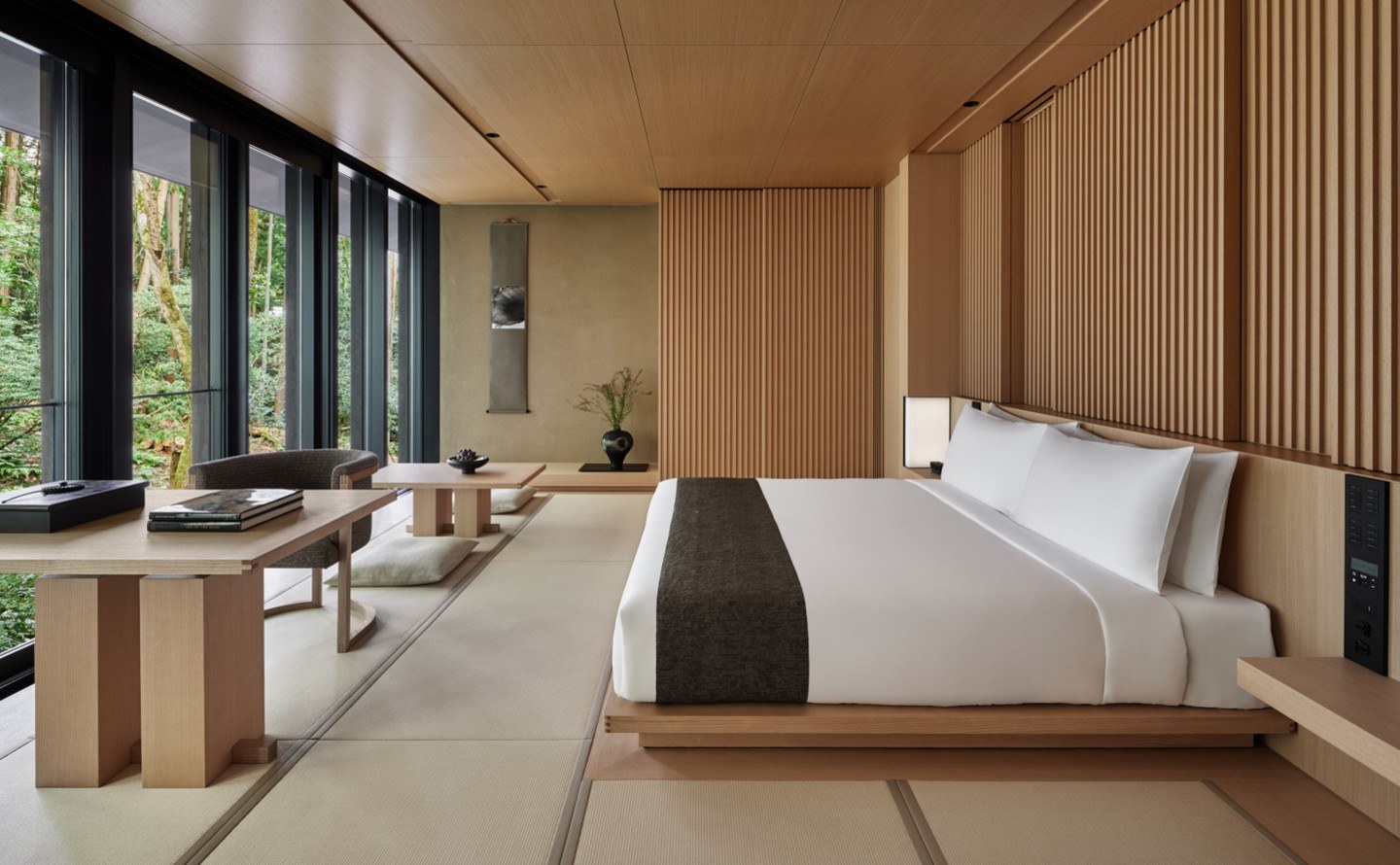
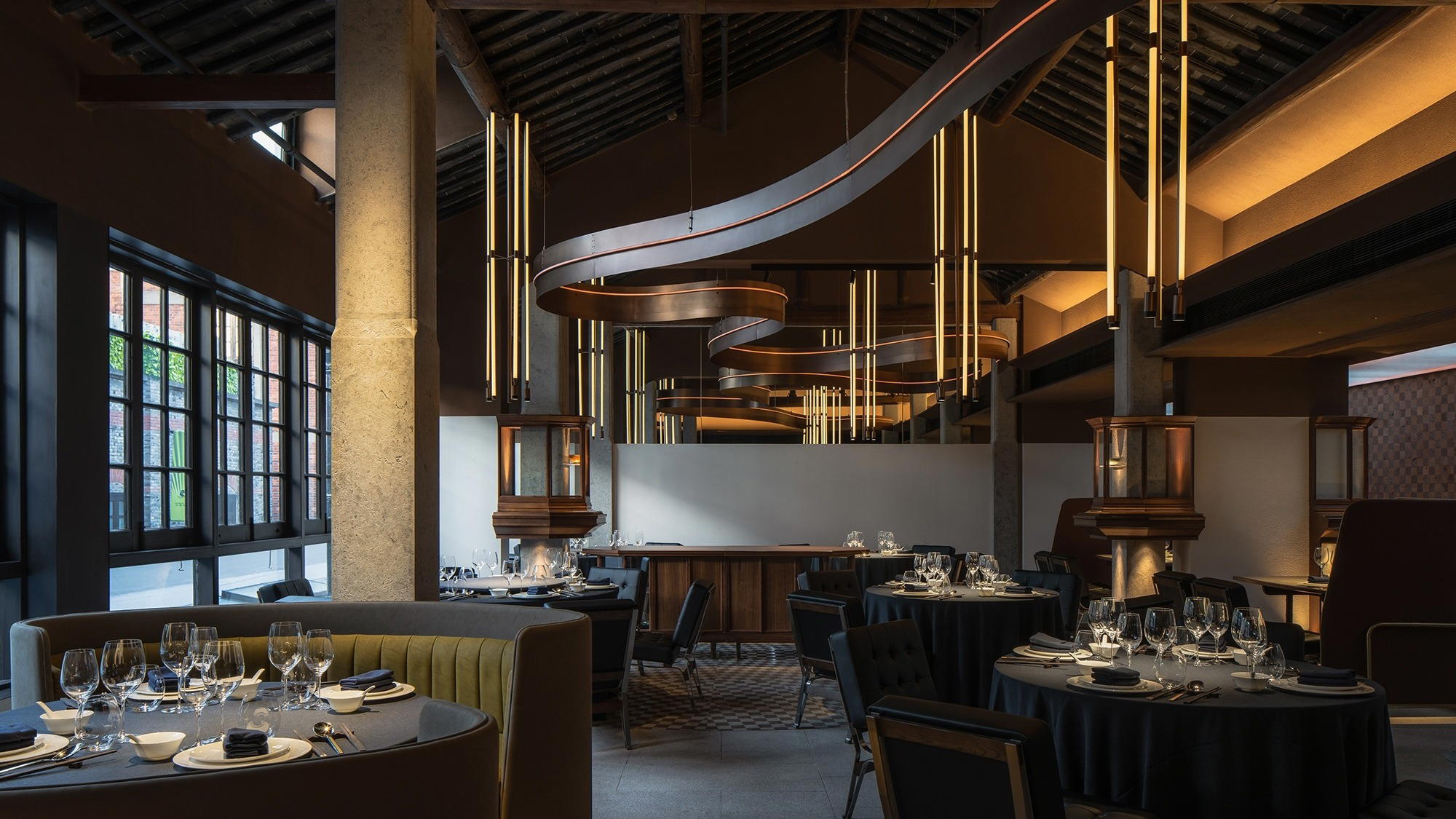
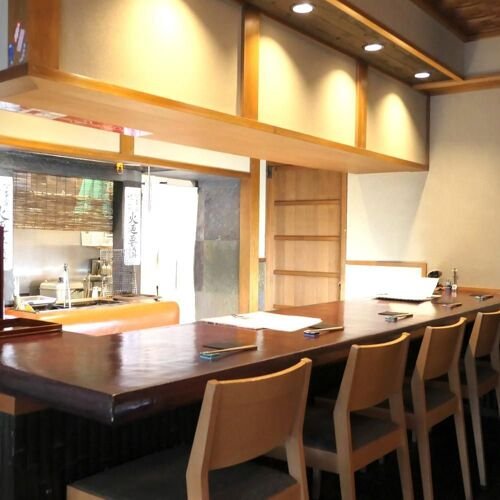
Polished machiya minimalism with pale wood, soft shoji lighting, and tranquil refinement.
Tags
Vibe
Best For
Experience
Sourcing
Accessibility
At the Table
- Dress Code
- Smart Casual
- Noise Level
- Quiet
- Service Style
- Formal
- Meal Pacing
- Leisurely
- Capacity
- Intimate
- Kitchen
- Modern
- Menu Format
- Omakase, Counter dining
- Wine Program
- Curated
- Drinks Focus
- Sake, Wine
- Dietary
- Pescatarian friendly
- Private Dining
- Available
Signature Dishes
- wagyu katsu sando
- chawanmushi
Know before you go
Know Before You Go
- Getting there
- 4 Chome-322-7 Miyagawasuji, Higashiyama Ward, Kyoto, 605-0801, Japan
Planning details
Location
4 Chome-322-7 Miyagawasuji, Higashiyama Ward, Kyoto, 605-0801, Japan · Directions
Recognition and awards
Also consider
Also Consider
- Gion Sasaki, Kaiseki, Japanese, ¥¥¥¥
- cenci, Italian, ¥¥¥
- Ifuki, Kaiseki, ¥¥¥¥
- Kyokaiseki Kichisen, Japanese, ¥¥¥¥
- SEN, French, Japanese, ¥¥¥¥
Restaurant context
At ¥¥¥, Miyagawacho Hotta occupies a different tier from most of its Kyoto peers. Gion Sasaki, Ifuki, Kyokaiseki Kichisen, and SEN all sit at ¥¥¥¥ and require significantly more planning to book. If your priority is a technically serious kaiseki experience with the full ceremony of a Kyoto multi-course meal, those venues offer a depth that Hotta does not attempt to replicate. Gion Sasaki and Kyokaiseki Kichisen in particular are the right choices for a once-in-Kyoto formal kaiseki occasion, but expect to plan months ahead and budget accordingly.
The more direct comparison is cenci, which shares the ¥¥¥ price point but takes an Italian rather than Japanese direction. cenci suits diners who want a European-framework tasting menu in Kyoto; Hotta is the better call if you want a Japanese-rooted meal with creative latitude. For value-conscious diners who want Michelin-level attention in the Higashiyama neighbourhood without the kaiseki premium, Hotta wins on price-to-quality ratio and atmosphere.
The practical recommendation: if you are choosing between Hotta and one of the ¥¥¥¥ houses for a special occasion, the decision comes down to formality. Kyokaiseki Kichisen and Gion Sasaki deliver a more structured, ceremonial experience, right for a milestone dinner where the ritual matters. Miyagawacho Hotta is the stronger choice when you want a genuinely good Japanese meal in an extraordinary neighbourhood setting, at a price that does not require the evening to carry the weight of a once-a-decade booking.
Explore Kyoto
Around this place
Discover more on Pearl
Unlock the full Miyagawacho Hotta guide in Pearl, including awards, comparisons, FAQs, planning details, and nearby places.
Compare Miyagawacho Hotta
| Venue | Cuisine | Price | Awards | Booking Difficulty |
|---|---|---|---|---|
| Miyagawacho Hotta | Japanese | ¥¥¥ | 2026 Michelin Plate2025 Michelin Plate2024 Michelin Plate | Easy |
| Gion Sasaki | Kaiseki, Japanese | ¥¥¥¥ | 2026 Tabelog Bronze · #3862026 OAD Top Restaurants in Japan RecommendedMichelin Guide Kyoto Osaka 20262026 La Liste Top RestaurantsTabelog 100 - Japanese cuisine - WEST - 2025 · #132025 OAD Top Restaurants in Japan Ranked · #2462025 Tabelog Silver2025 Michelin 3 Stars2025 La Liste Top Restaurants | Unknown |
| cenci | Italian | ¥¥¥ | 2026 Tabelog Bronze · #442026 Asia's 50 Best Restaurants · #762026 OAD Top Restaurants in Japan Highly RecommendedMichelin Guide Kyoto Osaka 2026Tabelog 100 - Italian - WEST - 2025 · #632025 Asia's 50 Best Restaurants · #632025 OAD Top Restaurants in Japan Ranked · #1682025 Tabelog Bronze2024 OAD Top Restaurants in Japan Ranked · #135 | Unknown |
| Ifuki | Kaiseki | ¥¥¥¥ | 2026 OAD Top Restaurants in Japan Ranked · #1222026 Tabelog Bronze · #128Michelin Guide Kyoto Osaka 20262026 La Liste Top RestaurantsTabelog 100 - Japanese cuisine - WEST - 2025 · #622025 OAD Top Restaurants in Japan Ranked · #1002025 La Liste Top Restaurants2025 Tabelog Bronze2025 Michelin 2 Stars | Unknown |
| Kyokaiseki Kichisen | Japanese | ¥¥¥¥ | 2026 Tabelog Bronze · #1752026 OAD Top Restaurants in Japan Highly RecommendedMichelin Guide Kyoto Osaka 20262025 OAD Top Restaurants in Japan Ranked · #1862025 Michelin 2 Stars2025 La Liste Top Restaurants2024 OAD Top Restaurants in Japan Ranked · #1422024 Michelin 2 Stars2023 OAD Top Restaurants in Japan Ranked · #136 | Unknown |
| SEN | French, Japanese | ¥¥¥¥ | 2026 Tabelog Bronze · #3952026 OAD Top Restaurants in Japan RecommendedMichelin Guide Kyoto Osaka 20262026 Michelin PlateTabelog 100 - Japanese cuisine - WEST - 2025 · #652025 Michelin Plate2025 Tabelog Bronze2024 OAD Top Restaurants in Japan Ranked · #3622024 Michelin Plate | Unknown |







A quick look at how Miyagawacho Hotta measures up.
FAQ
Frequently Asked Questions
What should a first-timer know about Miyagawacho Hotta?
The format is a set meal — so come prepared to eat what the owner-chef has decided, not to order à la carte. The kitchen holds a Michelin Plate (2024), which signals consistent quality without the ceremony of a starred room. The chef is also a qualified sommelier and sake diploma holder, so leaning on the pairing recommendations is worthwhile and part of what makes the ¥¥¥ price point defensible.
How far ahead should I book Miyagawacho Hotta?
Book at least 1 to 2 weeks ahead for weekday sittings; weekend evenings in Higashiyama Ward fill faster given the neighbourhood's foot traffic and limited Michelin-noted options at the ¥¥¥ tier. Miyagawacho Hotta is more accessible than starred restaurants in Gion, but that accessibility erodes in peak Kyoto travel seasons — spring cherry blossom and autumn foliage periods warrant booking 3 to 4 weeks out.
What should I order at Miyagawacho Hotta?
The menu is set, so there is nothing specific to select — the kitchen leads. What the venue data does confirm is that the chef weaves familiar items like beef cutlet sandwiches with Worcestershire sauce into the procession alongside less conventional fare, and serves shaved ice in summer and fruit-based cocktails year-round. The sake and wine pairings, guided by a chef who holds both a sommelier certificate and a sake diploma, are the clearest upgrade worth taking.
Can I eat at the bar at Miyagawacho Hotta?
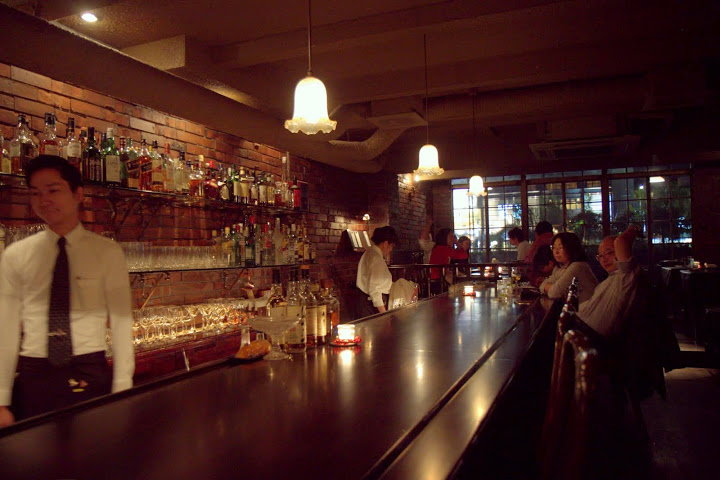
Given the chef's documented bartending background and the cocktail programme mentioned in the Michelin notes, counter or bar-adjacent seating would not be surprising. If bar dining in a comparable Kyoto setting is a priority, SEN is worth comparing.