
Luca
French · Nakagyō, Kyoto
Restaurant in Kyoto, Japan
 Book with Pearl
The Read
Compositional French Progression
Price
$100–150per person
Chef
Takuya Kuwahara
Dress
Smart Casual
Why go
A French restaurant occupying the second floor of a Nakagyo Ward building, Luca holds a 2025 Michelin Plate and. Chef Takuya Kuwahara constructs progressive menus where composition, aroma, and texture shift across courses. At the ¥¥¥ price tier, it occupies a considered middle ground in Kyoto's competitive Western-cuisine field.
About Luca
A 4.7-rated French table in Nakagyo Ward worth booking for the right occasion
The Michelin Plate recognition in 2025 confirms technical competence without placing Luca in the starred tier. Book it if you want considered French cooking in a city dominated by kaiseki, and go in knowing the experience is designed for deliberate, progressive eating rather than a quick dinner.
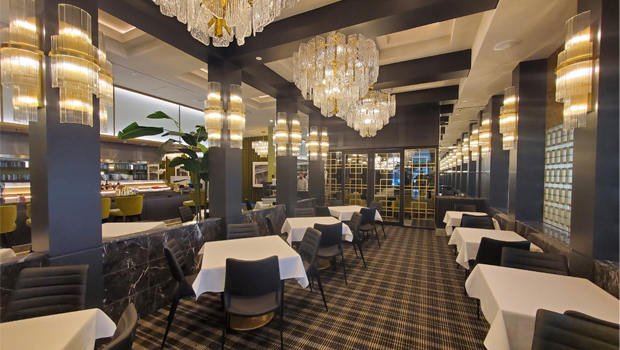
The Room and the Setting
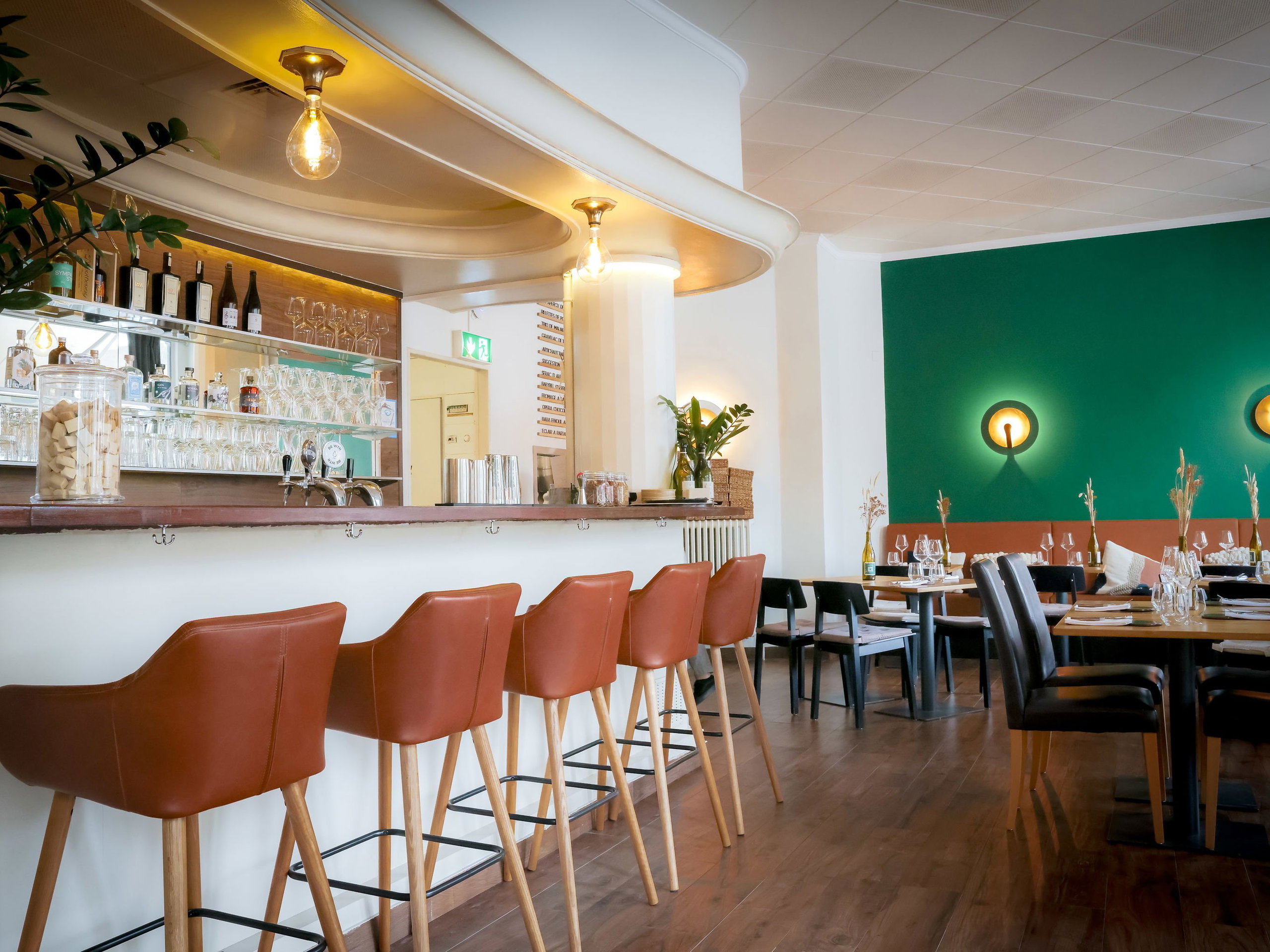
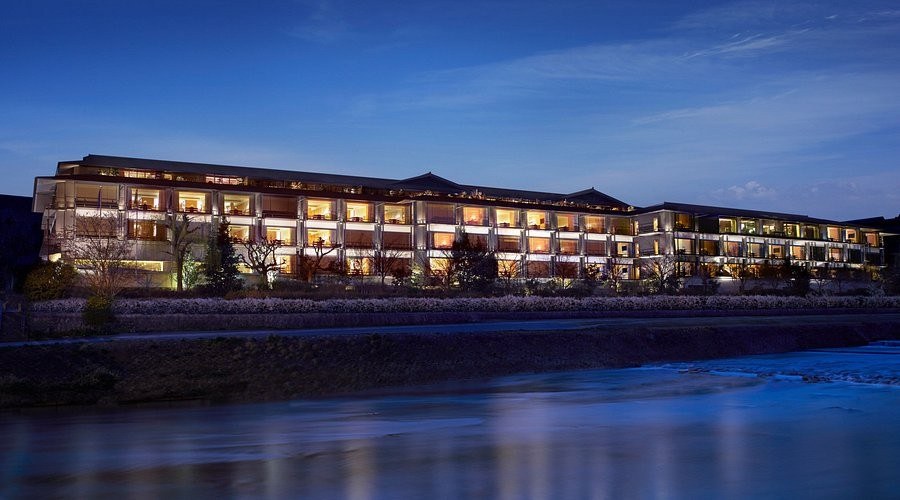
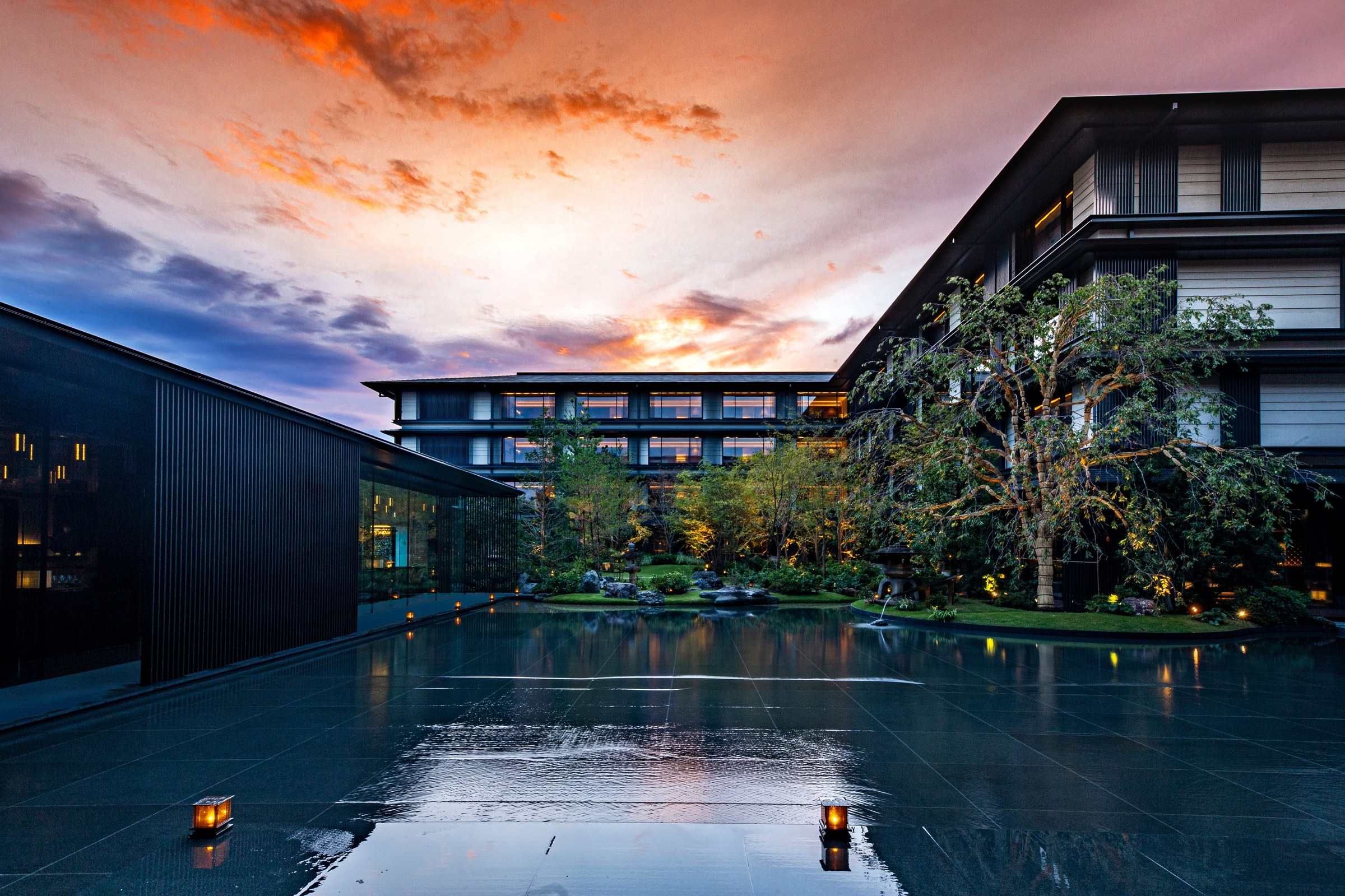
Luca occupies the second floor of the Wakaba Building at 585 Takamiyacho in Nakagyo Ward, a central Kyoto address that puts you within reach of the Karasuma and Shijo corridors without sitting directly on a tourist-heavy street. Second-floor French restaurants in Kyoto tend toward intimacy by default: the format separates diners from ground-level foot traffic and typically keeps seat counts low. Capacity data is not confirmed in the record, but the spatial context suggests a room scaled for focused, quiet dining rather than a large party setting. If the physical space matters to your decision, expect a composed, contained room rather than a sprawling floor. For a special-occasion dinner for two or a small group, the format fits; for a lively group celebration, you would want to confirm table availability and room configuration before committing.
The Food: French Technique with a Constructed Progression
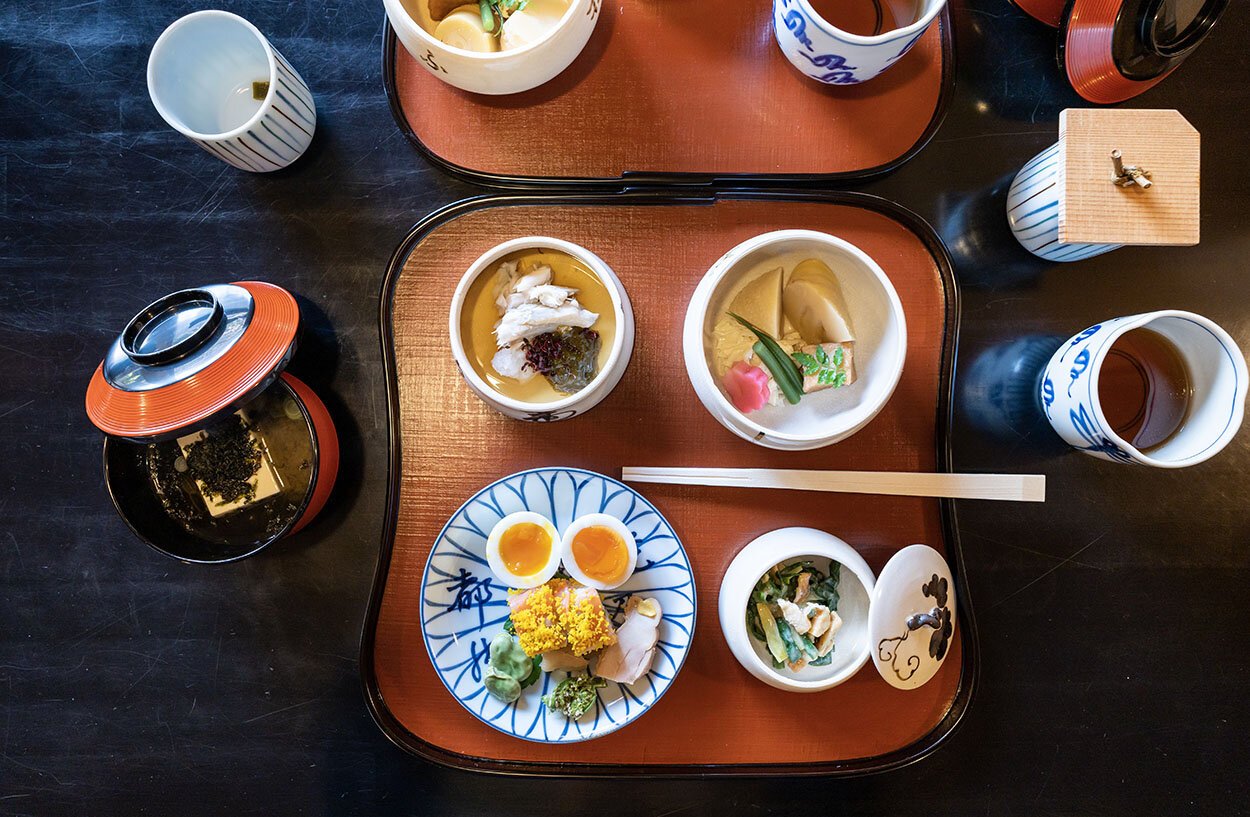
The kitchen's stated approach is one of arrangement and progression: each course modulates from the last in aroma, texture, and taste. This is French tasting-menu logic applied with care. The Michelin Plate, awarded in 2025, recognises cooking that meets a technical standard without reaching the starred tier. That distinction matters for how you price the experience in your head. A Michelin Plate venue at ¥¥¥ pricing in Kyoto is a credible spend if you are seeking serious French technique; it is not the same commitment as a one- or two-starred room, and the price tier reflects that. The name Luca derives from the Latin for 'bringer of light,' and the chef has carried that language into the plate presentation, with amuse-bouche described as sun-like arrangements. The symbolism is less important than what it tells you about the level of intention behind the cooking: this is not a casual bistro format.
Wine at Luca: What the Program Can Do for the Meal
Specific wine list data is not in the confirmed record, so no inventory or label claims can be made here. What the format does suggest is worth noting for wine-focused diners: a French kitchen running a structured tasting progression in Kyoto's higher-intent dining tier almost always curates a wine program designed to track the food's movement. French cuisine at this level depends on the pairing to complete the arc of a meal. If the wine list is the deciding factor in your booking, contact the restaurant directly before reserving. Comparable French restaurants in Japan at the ¥¥¥ tier, such as L'Effervescence in Tokyo, tend to run European-focused lists weighted toward natural and low-intervention producers. Whether Luca follows that pattern is unconfirmed, but it is the right question to ask. For a wine-first experience with a fully documented program, HAJIME in Osaka operates at a higher tier and comes with more public information on its beverage offer.
How It Compares
See the comparison table below for Luca's position against Kyoto peers.
Kyoto French and the Alternatives
Kyoto's dominant dining format is kaiseki, and most of the city's celebrated rooms operate in the Japanese tradition. Luca is one of a handful of French kitchens working at a serious level in the city, alongside Hiramatsu Kodaiji, la bûche, Droit, La Biographie, and anpeiji. If you are visiting Kyoto specifically to eat kaiseki, the city's flagship Japanese rooms at ¥¥¥¥ will dominate your itinerary. But if your preference runs to French technique, or if you are returning to Kyoto and want a different register, Luca at ¥¥¥ is a lower commitment than a ¥¥¥¥ kaiseki booking while offering comparable seriousness of intent. Diners travelling across Japan on a French-focused itinerary might consider pairing Luca with akordu in Nara or Hotel de Ville Crissier as a reference point for the European tradition at its apex. For other Japanese cities, 1000 in Yokohama, Goh in Fukuoka, Harutaka in Tokyo, and 6 in Okinawa round out a picture of what serious cooking looks like across the country at different price tiers and in different traditions.
Ideal time to visit
Kyoto dining is not heavily seasonal in the way that outdoor or garden-dependent venues are, but the city itself is. Visiting Luca during cherry blossom season (late March to early April) or autumn foliage season (mid-October to late November) means the city is at its most congested, and restaurant reservations across all categories become harder to secure. If timing is flexible, late May through August or February are lower-traffic windows when booking is easier and the city is quieter. For the food itself, a French tasting menu format does not change dramatically by season in the way kaiseki does, though the kitchen's use of fresh produce will reflect what is available. Spring and autumn are reasonable choices if you are visiting Kyoto for both the food and the city; winter visits keep competition for tables lower. See our full Kyoto restaurants guide for broader timing context, and check our full Kyoto hotels guide, bars guide, wineries guide, and experiences guide when planning your full itinerary.
Know Before You Go
- Cuisine: French
- Price tier: ¥¥¥
- Address: 585 Takamiyacho, Nakagyo Ward, Kyoto — second floor of the Wakaba Building
- Awards: Michelin Plate 2025
- Booking difficulty: Easy
- Booking method: Contact restaurant directly (no online booking data confirmed)
- Dress code: Not confirmed; smart casual is appropriate for a Michelin-recognised French room
- Hours: Not confirmed — verify directly before visiting
- Phone: Not listed publicly
Planning details
- Location
- Japan, 〒604-8056 Kyoto, Nakagyo Ward, Takamiyacho, 585 若葉ビル 2階
- Reservations
- Book on TableCheck
- Website
- luca-kyoto.com
- Phone
- +81 75-744-0981
The take
The Take
The Vibe
Luca occupies a restrained second-floor dining room that favors precision over theatricality. The kitchen pairs classical French technique with Kyoto's seasonal sensibility, producing a quietly refined experience rather than showmanship. Service leans into omotenashi—anticipatory, measured and attentive—so the room feels composed and intentionally low-key. The Michelin Plate nod underscores consistent execution without the fanfare of more ostentatious destinations. Overall, Luca reads as a serene, classic French table tucked into Nakagyo's central streetscape, offering a calm counterpoint to Kyoto's louder dining scenes.
Best For
This is primarily an evening destination best suited to focused dinners: intimate dates, special-occasion meals and calm business dinners all fit here. Its mid-tier ¥¥¥ positioning and Michelin Plate recognition attract diners who want refined technique and seasonal precision without the elaborate multi-room kaiseki formality. The limited seating and quiet service make Luca a strong choice when you want an uninterrupted meal where attention to detail and restrained presentation are central to the experience.
Ordering Tips
Expect a seasonally driven, course-oriented menu that emphasizes classical technique and restrained presentation; look for dishes that highlight Kyoto's seasonal produce. Because the dining room is intentionally small and quieter than flashier competitors, reserve ahead to secure a table. Given the restaurant's focus on consistency and thoughtfully composed plates, choose the kitchen's set courses or seasonal selections if available—these are most likely to showcase the restaurant's strengths and Michelin Plate-level execution.
Venue details
Ambiance
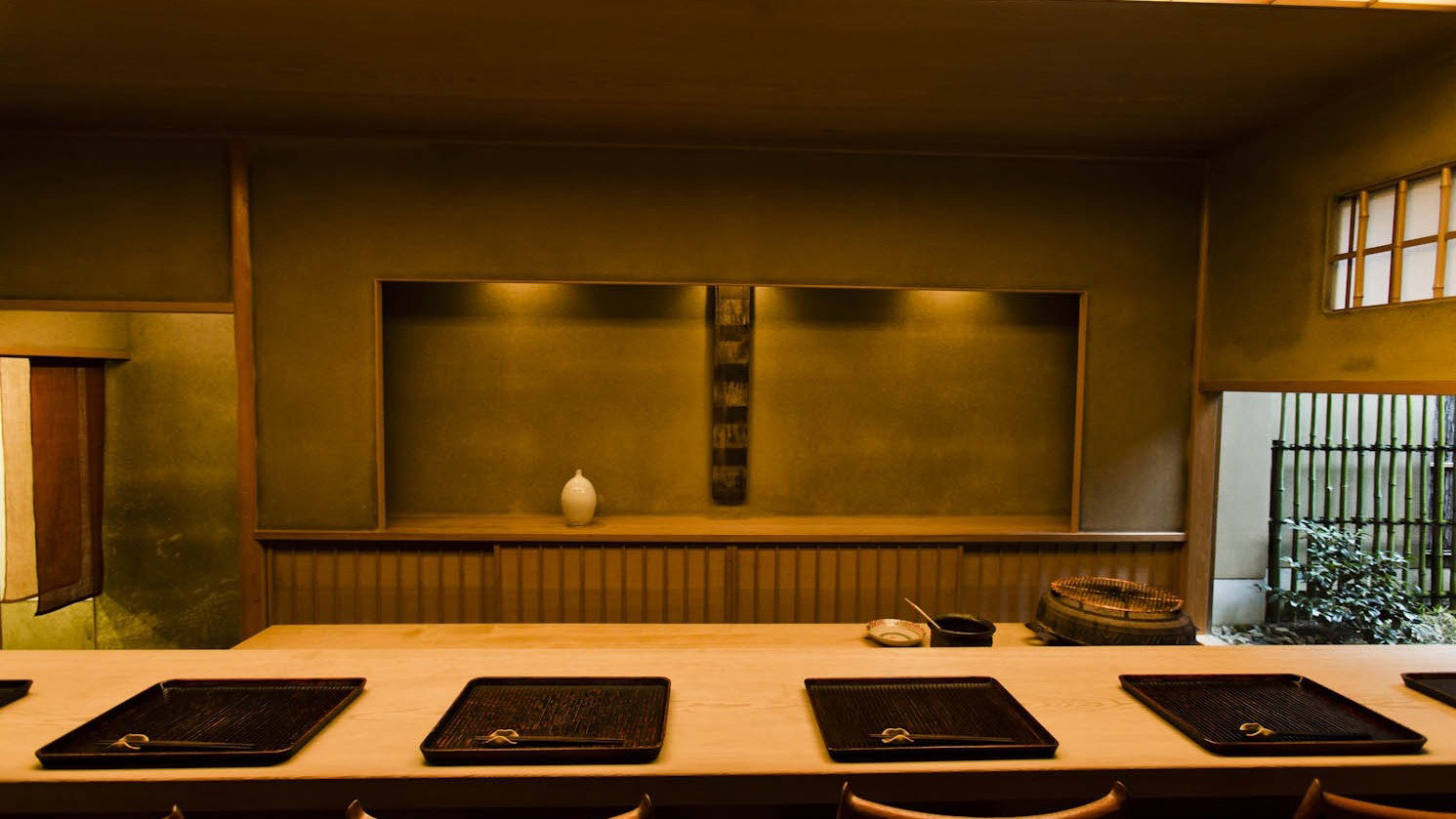
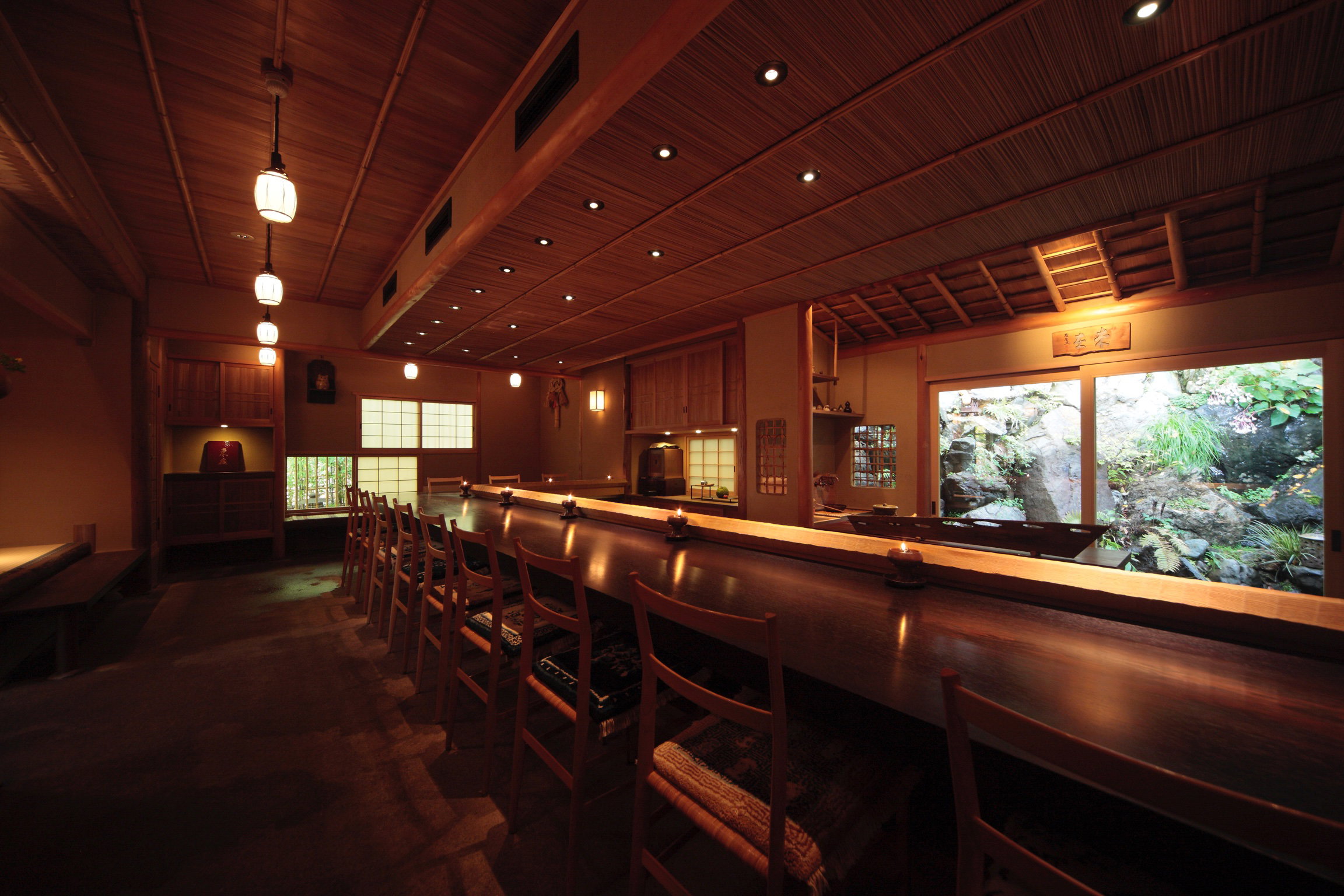
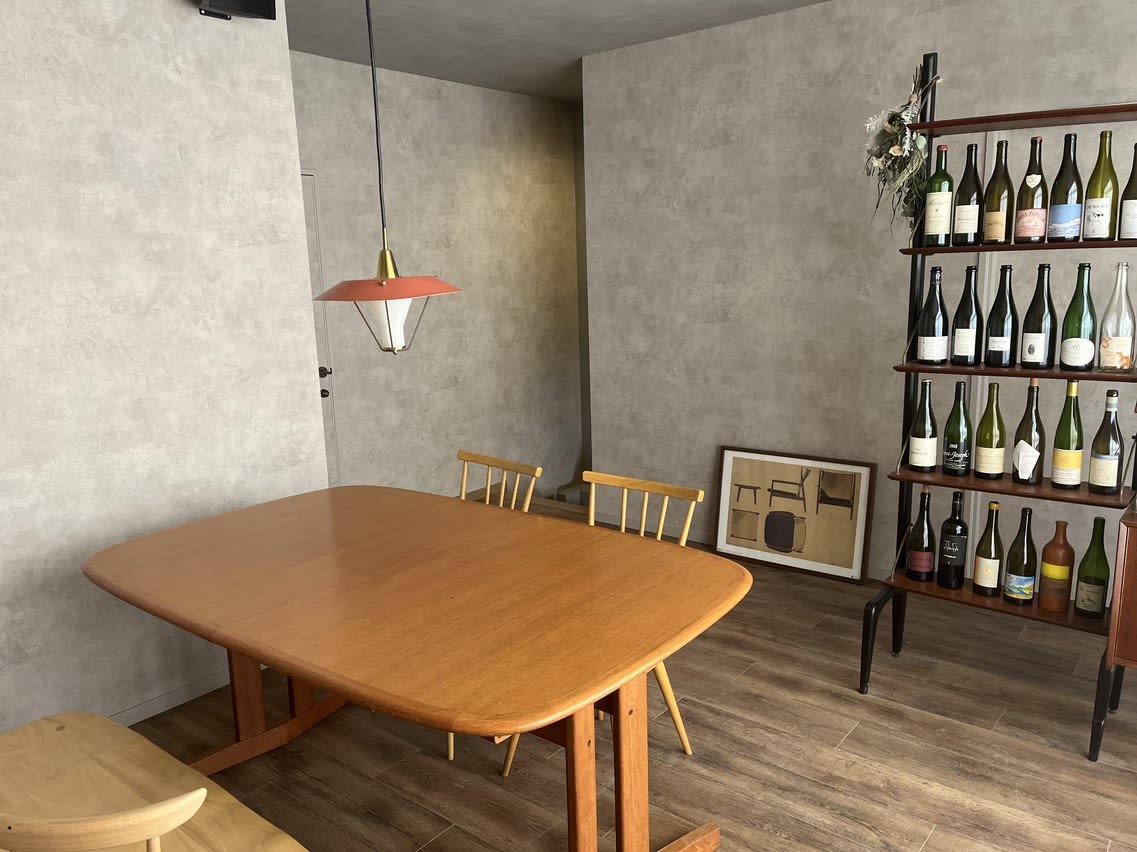
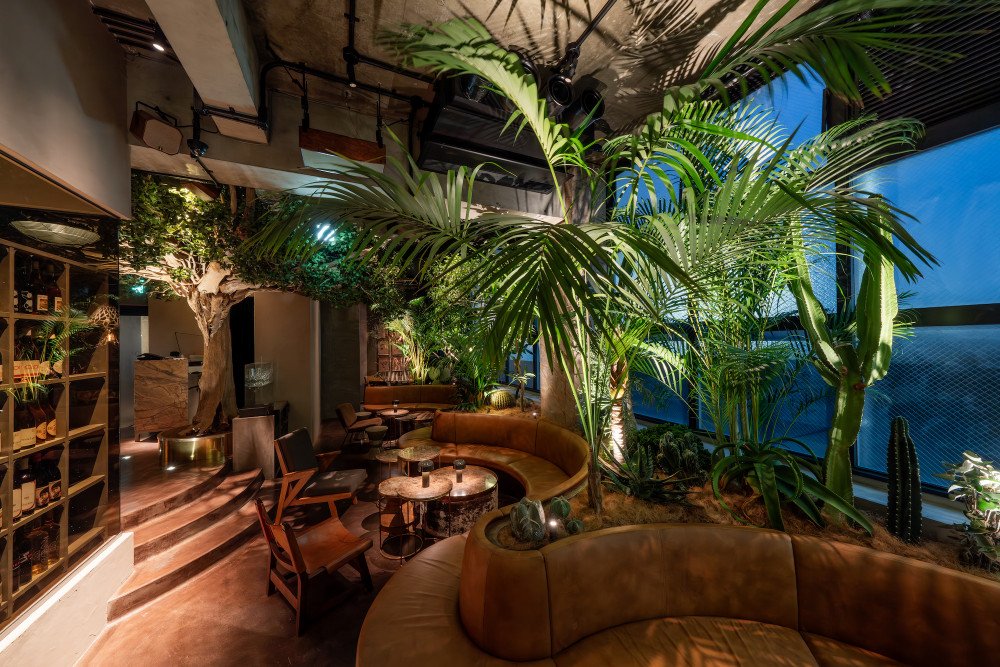
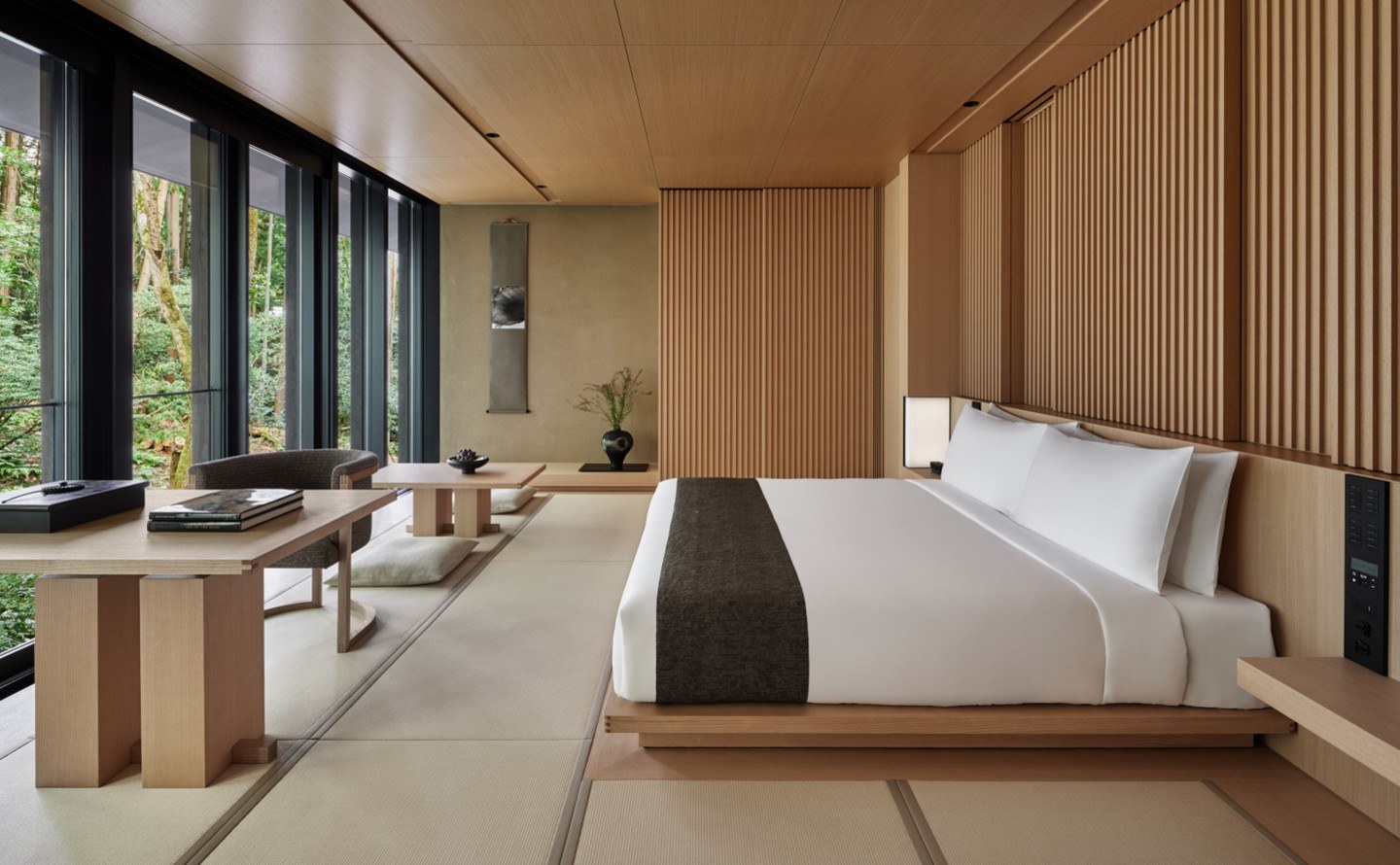
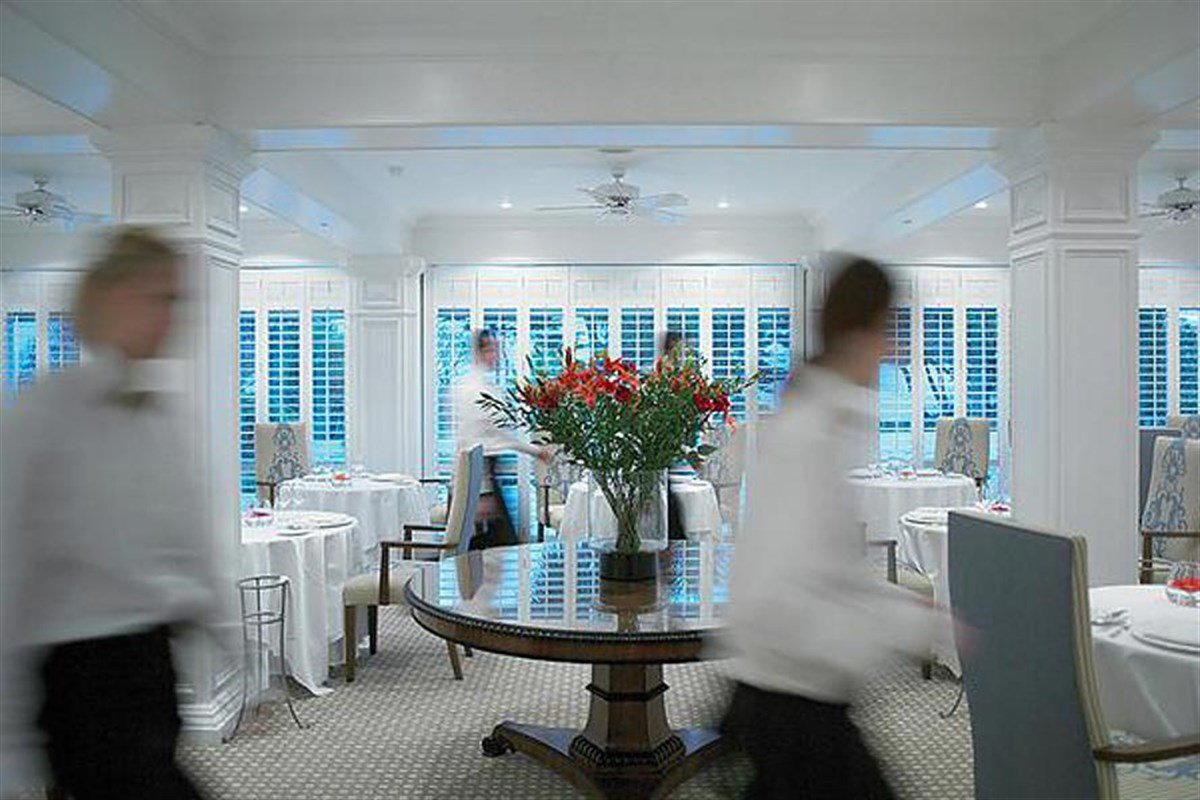
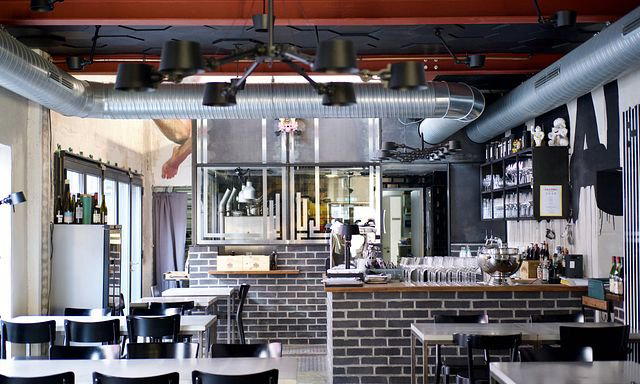
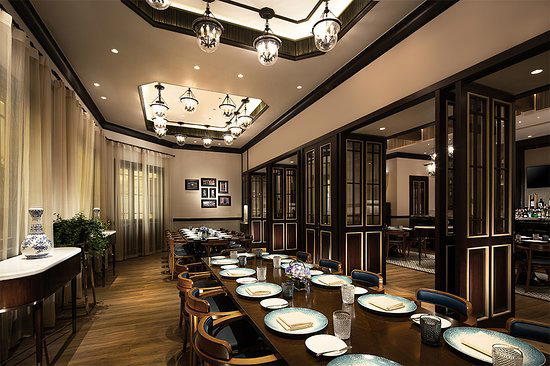
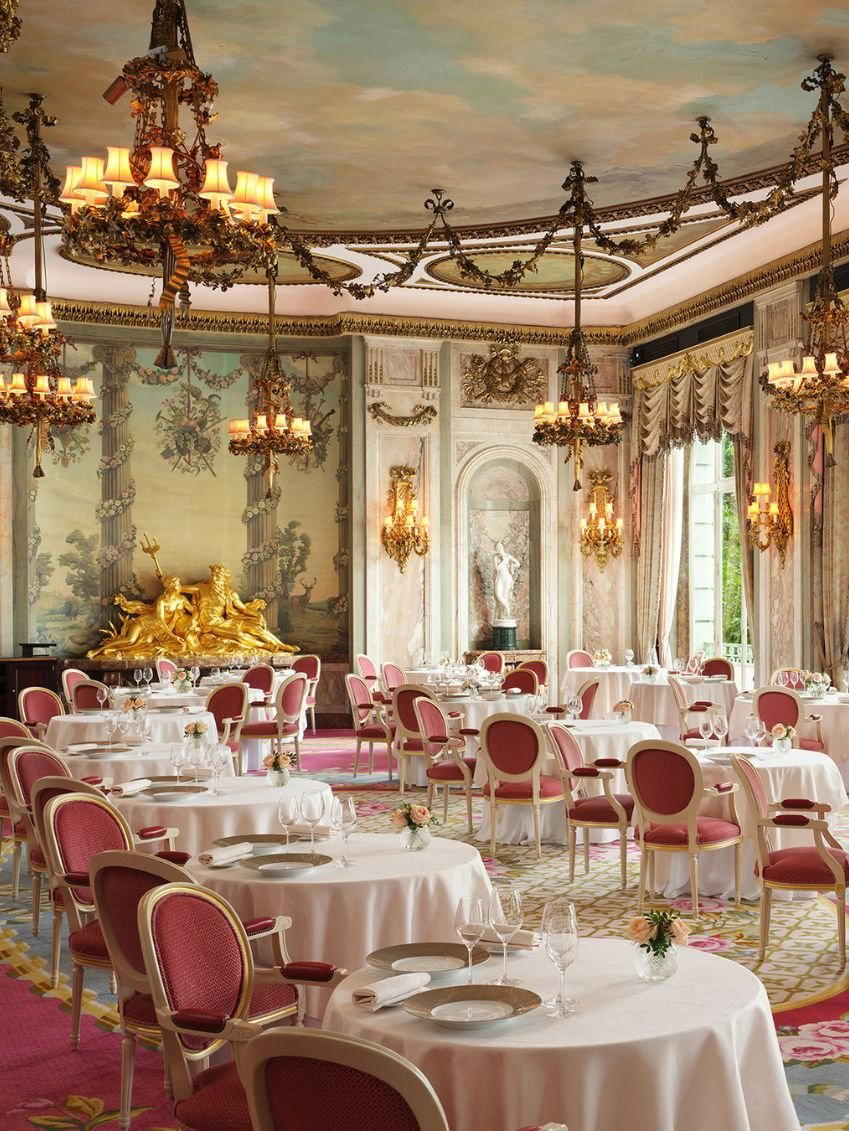
Calm, relaxing atmosphere with stylish high-ceilinged interior in light gray tones, well-spaced tables, and a hidden gem feel.
Tags
Vibe
Best For
Experience
Sourcing
At the Table
- Dress Code
- Smart Casual
- Noise Level
- Quiet
- Service Style
- Formal
- Meal Pacing
- Leisurely
- Capacity
- Intimate
- Kitchen
- Modern
- Menu Format
- Tasting menu
- Wine Program
- Curated
- Dietary
- Allergy accommodating
Know before you go
Know Before You Go
- Getting there
- Japan, 〒604-8056 Kyoto, Nakagyo Ward, Takamiyacho, 585 若葉ビル 2階
Planning details
Location
Japan, 〒604-8056 Kyoto, Nakagyo Ward, Takamiyacho, 585 若葉ビル 2階 · Directions
Recognition and awards
Also consider
Also Consider
- Gion Sasaki, Kaiseki, Japanese, ¥¥¥¥
- cenci, Italian, ¥¥¥
- Ifuki, Kaiseki, ¥¥¥¥
- Kyokaiseki Kichisen, Japanese, ¥¥¥¥
- Kyo Seika, Chinese, ¥¥¥
Restaurant context
Luca sits at ¥¥¥ in a city where the most-discussed restaurants operate at ¥¥¥¥. If your Kyoto dinner budget can stretch to Gion Sasaki, Ifuki, or Kyokaiseki Kichisen, you are entering the kaiseki tradition at its most accomplished level. Those rooms are harder to book, more expensive, and specifically suited to diners who want Kyoto's defining cuisine rather than a French tasting menu. If that is your priority, Luca is not the direct competition. But if you are looking for considered cooking at one tier below the kaiseki heavyweights, Luca's Michelin Plate recognition make it a more credible spend than a generic French bistro.
The most direct comparison within Kyoto's French and European category is cenci, an Italian kitchen at the same ¥¥¥ price tier. Cenci brings a different culinary tradition but operates at a similar level of seriousness. Choose Luca over cenci if you specifically want French technique and a structured plate-led progression; choose cenci if Italian-inflected seasonal cooking is a better fit for your table. Kyo Seika at ¥¥¥ is the Chinese option in this tier and serves a completely different purpose. None of these three compete directly with Luca on format.
For the easiest booking in Kyoto's ¥¥¥ range, Luca, cenci, and Kyo Seika all sit below the demand pressure of the ¥¥¥¥ kaiseki rooms, where wait times and exclusivity are part of the proposition. If you want a confident dinner reservation without extended lead time, any of the ¥¥¥ options are more accessible than Gion Sasaki or Kichisen. For a first visit to Kyoto on a kaiseki itinerary, the ¥¥¥¥ rooms should come first; Luca fits better for return visitors, French cuisine enthusiasts, or diners building a multi-city Japan trip who want variety across culinary traditions.
Explore Kyoto
Around this place
Discover more on Pearl
Unlock the full Luca guide in Pearl, including awards, comparisons, FAQs, planning details, and nearby places.
Compare Luca
| Venue | Cuisine | Awards | Booking Difficulty |
|---|---|---|---|
| Luca | French | Michelin Guide Kyoto Osaka 20262026 Michelin Plate2025 Michelin Plate | Easy |
| Gion Sasaki | Kaiseki, Japanese | 2026 Tabelog Bronze · #3862026 OAD Top Restaurants in Japan RecommendedMichelin Guide Kyoto Osaka 20262026 La Liste Top RestaurantsTabelog 100 - Japanese cuisine - WEST - 2025 · #132025 OAD Top Restaurants in Japan Ranked · #2462025 Tabelog Silver2025 Michelin 3 Stars2025 La Liste Top Restaurants | Unknown |
| cenci | Italian | 2026 Tabelog Bronze · #442026 Asia's 50 Best Restaurants · #762026 OAD Top Restaurants in Japan Highly RecommendedMichelin Guide Kyoto Osaka 2026Tabelog 100 - Italian - WEST - 2025 · #632025 Asia's 50 Best Restaurants · #632025 OAD Top Restaurants in Japan Ranked · #1682025 Tabelog Bronze2024 OAD Top Restaurants in Japan Ranked · #135 | Unknown |
| Ifuki | Kaiseki | 2026 OAD Top Restaurants in Japan Ranked · #1222026 Tabelog Bronze · #128Michelin Guide Kyoto Osaka 20262026 La Liste Top RestaurantsTabelog 100 - Japanese cuisine - WEST - 2025 · #622025 OAD Top Restaurants in Japan Ranked · #1002025 La Liste Top Restaurants2025 Tabelog Bronze2025 Michelin 2 Stars | Unknown |
| Kyokaiseki Kichisen | Japanese | 2026 Tabelog Bronze · #1752026 OAD Top Restaurants in Japan Highly RecommendedMichelin Guide Kyoto Osaka 20262025 OAD Top Restaurants in Japan Ranked · #1862025 Michelin 2 Stars2025 La Liste Top Restaurants2024 OAD Top Restaurants in Japan Ranked · #1422024 Michelin 2 Stars2023 OAD Top Restaurants in Japan Ranked · #136 | Unknown |
| Kyo Seika | Chinese | Tabelog 100 - Chinese cuisine - WEST - 2026 · #762026 Tabelog Bronze · #2162026 OAD Top Restaurants in Japan Recommended2026 Michelin 1 Star2025 OAD Top Restaurants in Japan Ranked · #3262025 Tabelog Bronze2024 OAD Top Restaurants in Japan Ranked · #3042024 Michelin Plate2024 Michelin 1 Star | Unknown |
.png?width=1200&quality=80)







How Luca stacks up against the competition.
FAQ
Frequently Asked Questions
How far ahead should I book Luca?
Book at least two to three weeks in advance, especially if your dates fall during Kyoto's cherry blossom or autumn foliage season when the entire city tightens up. Luca is a second-floor room in Nakagyo Ward with limited covers, so it fills faster than its low profile suggests. Contact directly through whatever reservation channel the restaurant is currently using.
Can I eat at the bar at Luca?
No bar seating is documented for Luca. The venue occupies the second floor of the Wakaba Building in Nakagyo Ward, and the format is a structured tasting progression rather than a drop-in counter experience. If you're looking for a more casual French entry point in Kyoto, cenci operates with a more flexible format.
What are alternatives to Luca in Kyoto?
For kaiseki in the same price bracket, Ifuki and Gion Sasaki are the natural comparisons — both carry stronger formal credentials. For French specifically, cenci is Luca's closest peer and holds firmer critical recognition. If budget is the priority, Kyo Seika offers a lighter entry into Kyoto tasting-menu dining. Kyokaiseki Kichisen operates at a significantly higher price point and is a different conversation altogether.
Is Luca good for a special occasion?
Yes, this is where Luca earns its booking. The Michelin Plate (2025) confirms a baseline of execution. For an anniversary or birthday dinner in Kyoto where you want French rather than kaiseki, Luca is a credible choice at the ¥¥¥ price range.
Is the tasting menu worth it at Luca?
At ¥¥¥ pricing with a Michelin Plate, Luca delivers structured French progression in a city where that format is genuinely rare. The kitchen's stated approach — modulating aroma, texture, and taste course by course — is the core of what you're paying for. If you want kaiseki technique at a similar price, Ifuki or Gion Sasaki will be stronger bets. If French tasting is the format you want in Kyoto, Luca justifies the spend.
Is Luca worth the price?
For what it is — a French tasting menu restaurant in Kyoto earning a 2025 Michelin Plate — yes, at ¥¥¥ the value holds. Kyoto's celebrated rooms mostly operate in the Japanese tradition, so Luca occupies a narrower niche with less direct competition. The comparison to make is with cenci, which sits at a similar level and may carry more editorial weight. If you're committed to French in Kyoto, Luca is a well-executed option at a fair price for the format.