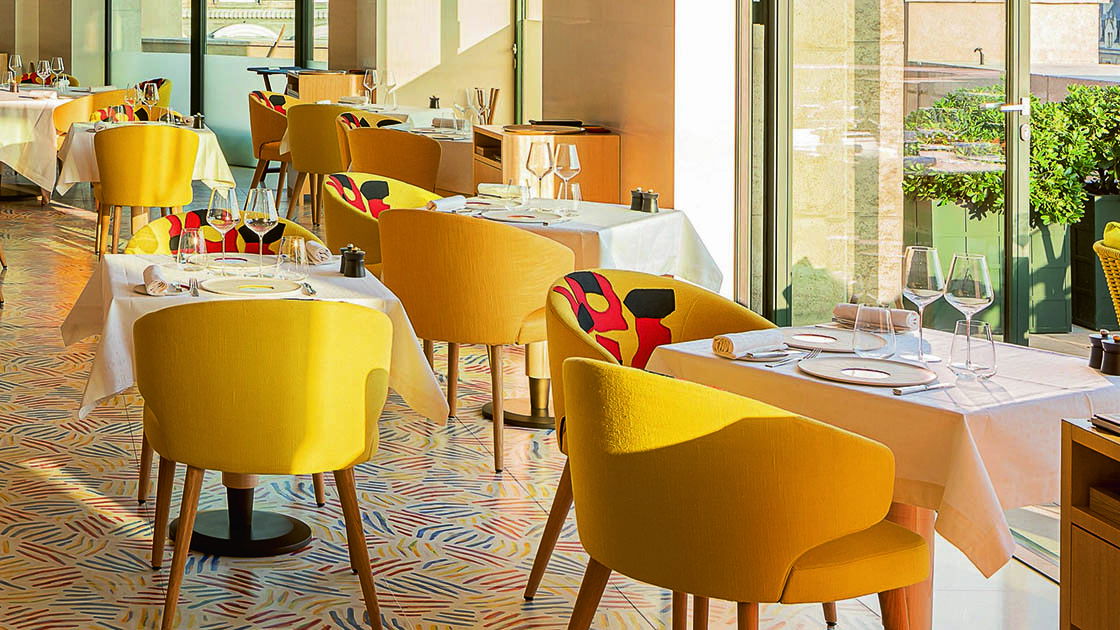

L'aparté
French · Shimogyō, Kyoto
Restaurant in Kyoto, Japan
 Book with Pearl
The Read
Artisan Franco-Japanese Atelier
Price
$100–150per person
Dress
Smart Casual
Why go
A Michelin Plate French atelier in Kyoto's Shimogyo Ward, run by a Ducasse-trained chef and his graphic designer wife. At ¥¥¥, it sits well below Kyoto's kaiseki tier while delivering serious French technique built around Japanese seasonal produce. Book ahead for autumn or spring service; this is a small room that fills quietly.
About L'aparté
Verdict: Book It — If You Can Find the Door
L'aparté is not the kind of place that courts attention. There is no prominent signage, no reservation system you will stumble across on a search engine, and no English-language booking page to reassure you mid-process. If you are in Kyoto for a special occasion and want French technique built around Japanese seasonal ingredients, this is close to the right answer at the ¥¥¥ price point. If you want kaiseki ceremony or a splashy tasting menu in a well-known address, look elsewhere.
What L'aparté Actually Is
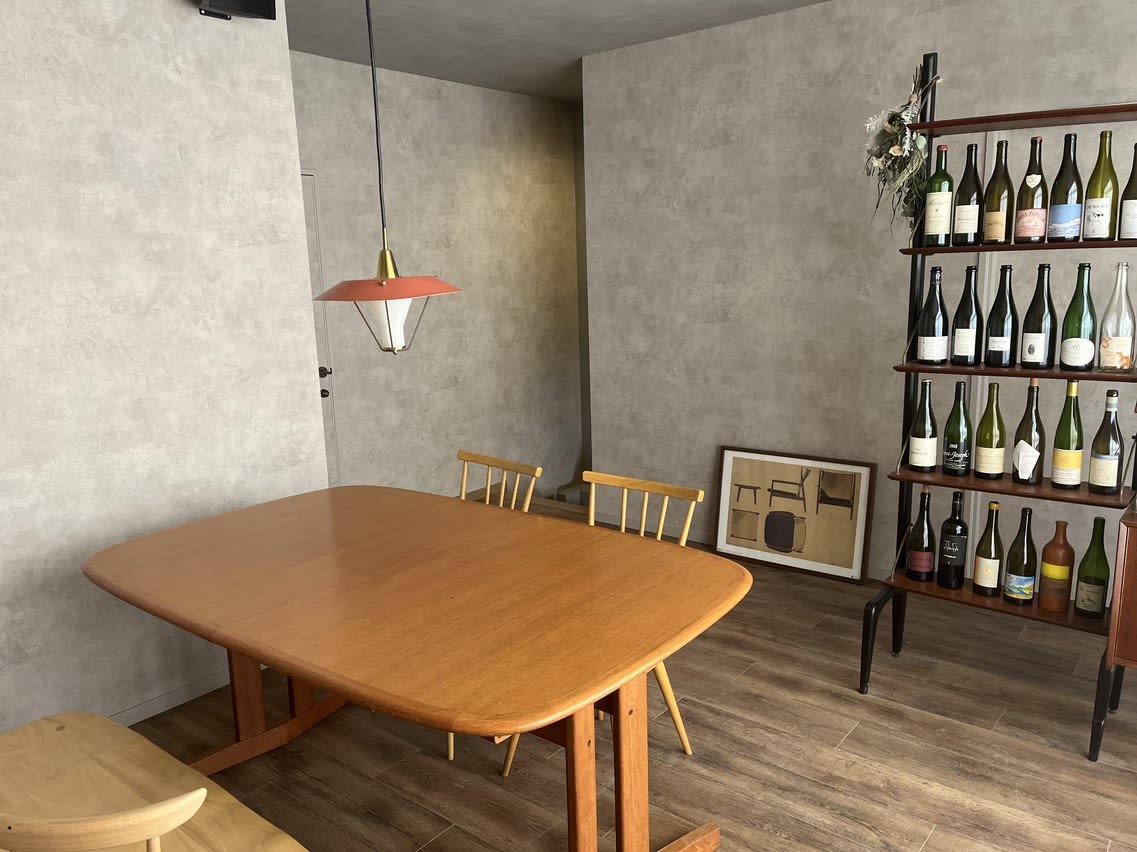
L'aparté sits in Shimogyo Ward at 247-3 Nishiwakamatsucho — a residential quarter of Kyoto that does not draw the tourist traffic of Gion or Higashiyama. The address alone tells you something about the dining philosophy here: this is not a restaurant that performs for passersby. The chef trained under Alain Ducasse, which places him in a specific tradition of French cooking, precise, product-led, and classically grounded without being rigid. His partner, a graphic designer by training, runs the front of house. The result is a room where the physical details are considered: menus and wine lists carry cartographic illustrations of France and Japan, and napkins are embroidered with the restaurant's logo. These are not flourishes for the sake of flourishes; they signal a couple who have built something they care about down to the smallest element.
The menu pivots with the seasons, leaning on Japanese produce filtered through a French culinary grammar. This is a format you will find at other Kyoto addresses, cenci does it from an Italian angle, and anpeiji approaches similar territory, but L'aparté's Ducasse lineage gives it a specific technical register that sets the cooking apart from the genre in general. For comparable French-Japanese dialogue in Japan's broader dining scene, L'Effervescence in Tokyo operates at a higher price tier and with greater international visibility; L'aparté is the quieter, more intimate version of that proposition.
Ideal time to visit
Kyoto's seasonal calendar matters here more than at most restaurants, because L'aparté's menu is explicitly built around what is in season. Spring (late March through May) and autumn (October through November) bring the city's most celebrated produce, mountain vegetables and early bamboo shoots in spring, matsutake mushrooms and root vegetables in autumn. If you are visiting during cherry blossom or autumn foliage season, book as far ahead as possible; the city fills quickly and a small room like this will be fully committed weeks out. Summer service, particularly during the Gion Matsuri period in July, is also worth targeting if you are already in the city, Kyoto summer produce, including Kamo eggplant and Manganji peppers, are the kind of local ingredients a kitchen like this handles well.
For the special occasion diner specifically: an evening booking during autumn is the optimal combination of seasonal menu depth and atmospheric timing. If your visit is fixed and you cannot influence the season, the principle still holds, book the earliest available slot once your travel is confirmed, not after you arrive.
The Brunch and Daytime Question
L'aparté's editorial angle lends itself to the question of what the daytime or weekend experience delivers relative to dinner. For hours, contact the restaurant directly before assuming lunch service exists. That said, the format of the space, intimate, husband-and-wife-run, built around a considered tasting structure, is more consistent with dinner service than a casual daytime drop-in. If lunch is available, it is likely to be a condensed version of the same seasonal menu philosophy, which at the ¥¥¥ price point makes it a strong value proposition relative to dinner. Among Kyoto's French addresses, Droit and La Biographie··· are worth checking if your timing is fixed around a midday meal and you need to ensure lunch availability. la bûche is another Kyoto French address that operates in a similar price register.
Practical Details
Reservations: Book directly with the restaurant; no third-party system is available, so email or phone outreach is the likely route. Booking difficulty is rated Easy relative to Kyoto's most competitive tables, but the small size of the room means availability moves quickly around peak seasons. Budget: ¥¥¥, positioning L'aparté at a mid-to-upper tier, accessible compared to the ¥¥¥¥ kaiseki houses, and in line with Hiramatsu Kodaiji for Kyoto French at similar price points. Dress: While there isn't a stated dress code, the tone of the room, embroidered napkins, hand-illustrated menus, Michelin recognition, points toward smart casual at minimum. Treat it the way you would any serious French atelier: no sportswear, and err on the side of overpreparation rather than under. Getting there: Shimogyo Ward is central and accessible from Kyoto Station, making it more practical than some of the city's more remote special-occasion destinations. Group size: The intimate format favours couples and small parties; large groups should confirm capacity before booking.
How It Fits Into a Kyoto Trip
If you are building a multi-day itinerary, L'aparté sits naturally as one evening anchor among a wider spread of Japanese formats. Kyoto's kaiseki tradition is what draws most serious diners to the city, addresses like Gion Sasaki and Kyokaiseki Kichisen represent that tradition at a higher price tier. L'aparté is the right counterpoint: French in technique, Japanese in ingredient, personal in scale. For broader context on where it sits in the city's dining options, see our full Kyoto restaurants guide. If you are building the trip around accommodation as well, our full Kyoto hotels guide is the place to start, and our full Kyoto bars guide has options for before or after. Beyond Kyoto, the Japan French-Japanese conversation plays out at different registers at HAJIME in Osaka and akordu in Nara, both worth knowing about if your itinerary extends.
Planning details
- Location
- 247-3 Nishiwakamatsucho, Shimogyo Ward, Kyoto, 600-8334, Japan
- Reservations
- Book on TableCheck
- Website
- laparte.net
- Phone
- +81 50-3183-7676
The take
The Take
The Vibe
L'aparté reads as a quietly exacting restaurant where material choices are part of the cuisine. The dining room is described as built 'down to the last stitch'—napkins are embroidered with the logo, menus and wine lists carry hand-drawn maps—so the room itself communicates the kitchen's meticulousness. The menu practice negotiates French technique with Kyoto seasonality, producing a contemporary but restrained experience. The result is intimate and cozy in scale, elegant in detail and composed with a sophisticated restraint that rewards close attention to both textiles and plates.
Best For
This small Michelin Plate–recognized address is well suited to date nights and special occasions that prize subtlety over spectacle. Located in Shimogyo Ward, away from the high-density kaiseki corridors, the restaurant leans into a quieter, more introspective tempo; it favors granular craft and seasonal discipline rather than grand ceremony. Guests looking for an evening of careful service, thoughtful plating and the interplay of French technique with Japanese ingredients will find this an apt setting for a focused and memorable dinner.
Ordering Tips
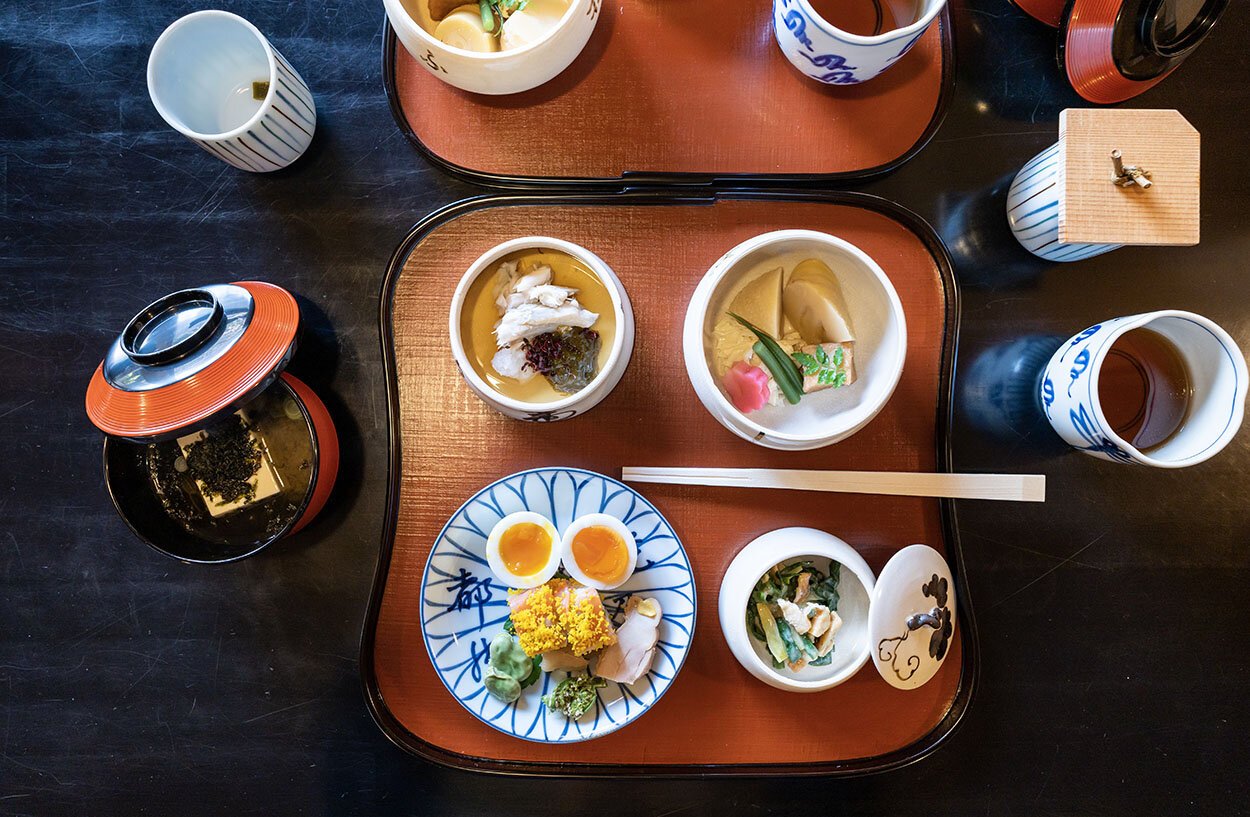
Menus are structured around Japanese ingredients rendered through French technique, so order with that framework in mind. The signature dishes—Tender Octopus with Beans and Shiso Soup, Roasted Omi Duck with Kyoto Leeks, and a Zucchini Roll with Mussels—illustrate the kitchen's seasonal translation and range from delicate to more robust. The wine list is presented alongside hand-drawn regional maps; ask staff to suggest pairings that follow the menu's seasonal logic and the restaurant's Franco-Japanese sensibility.
Venue details
Ambiance
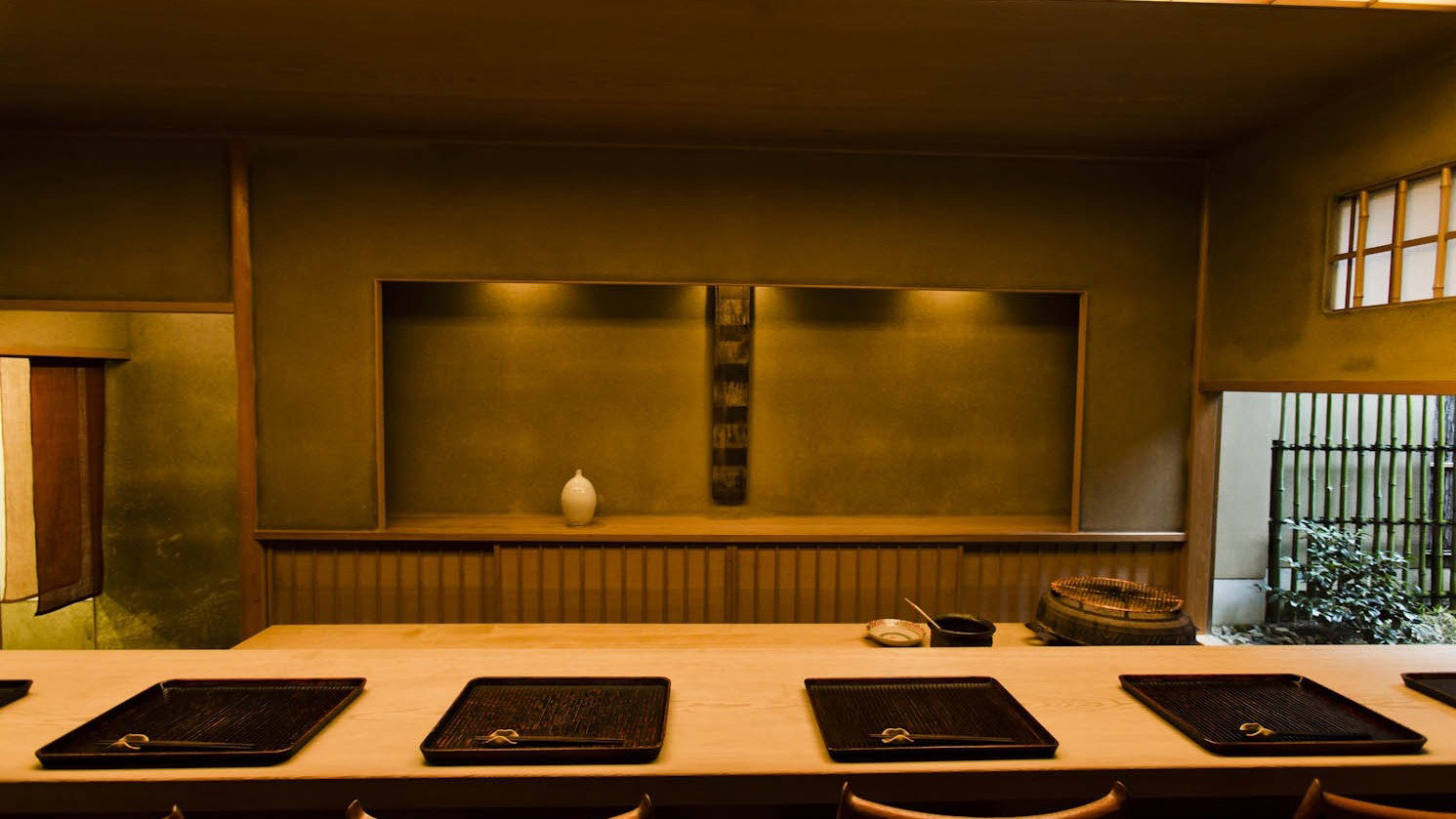
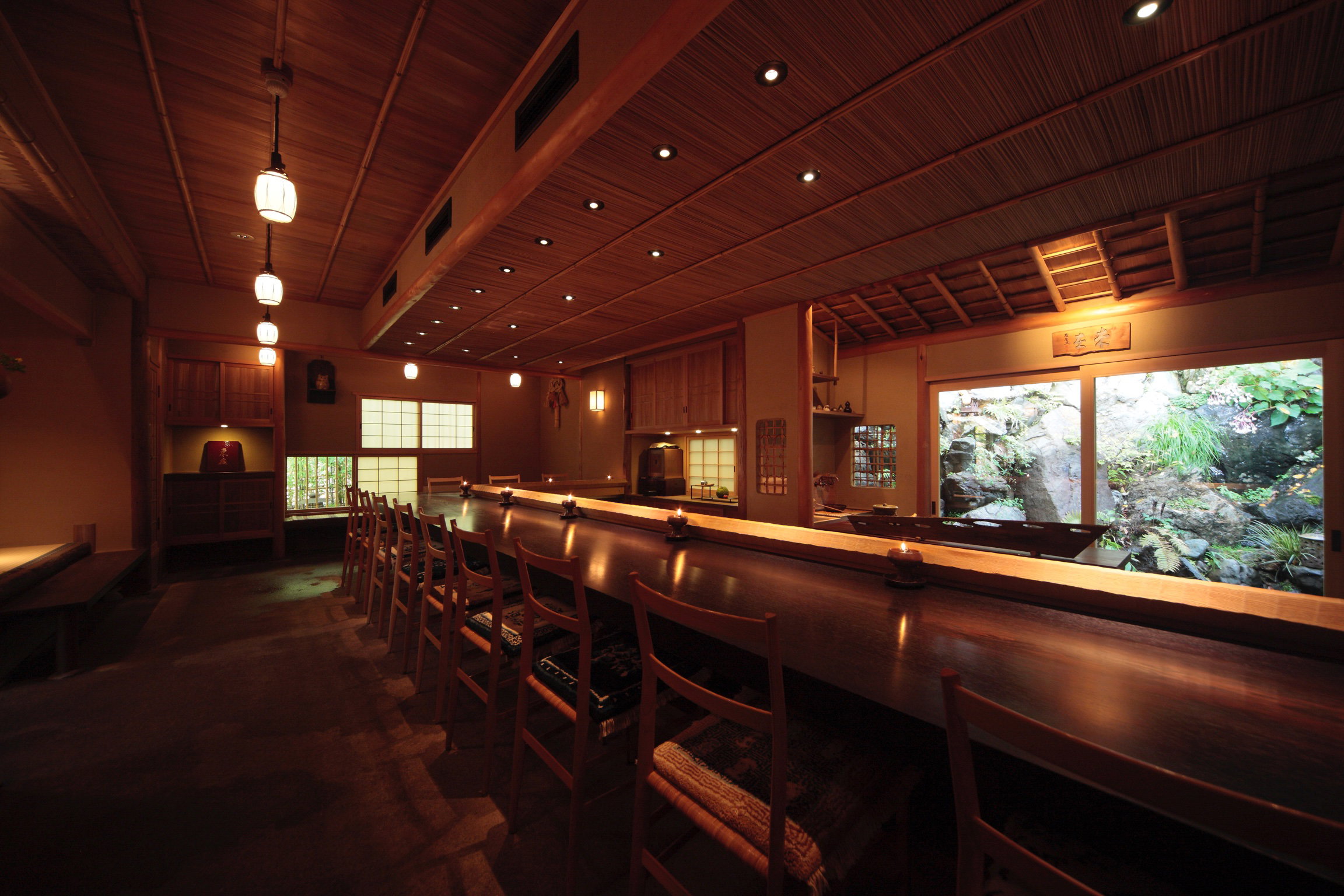
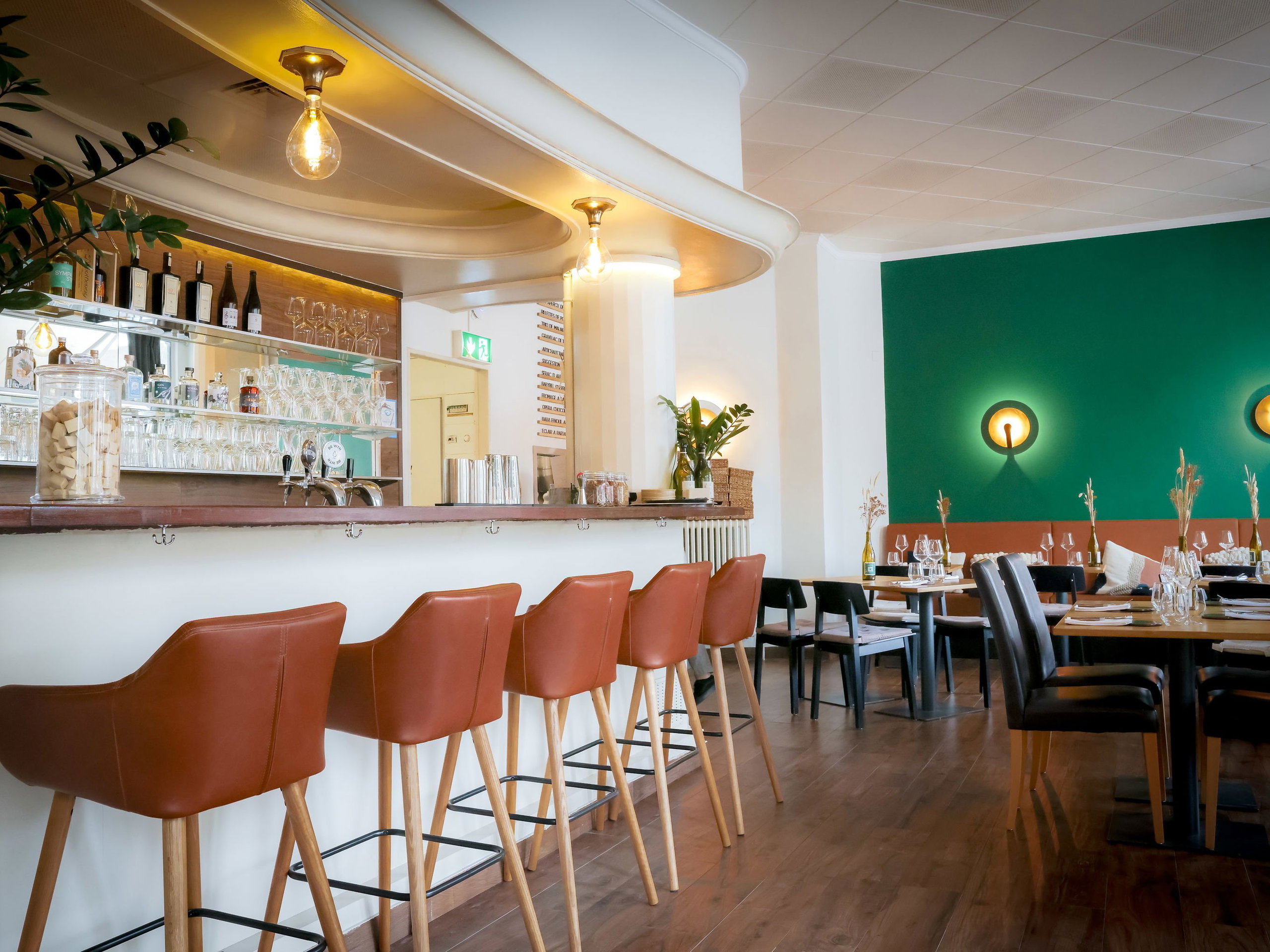
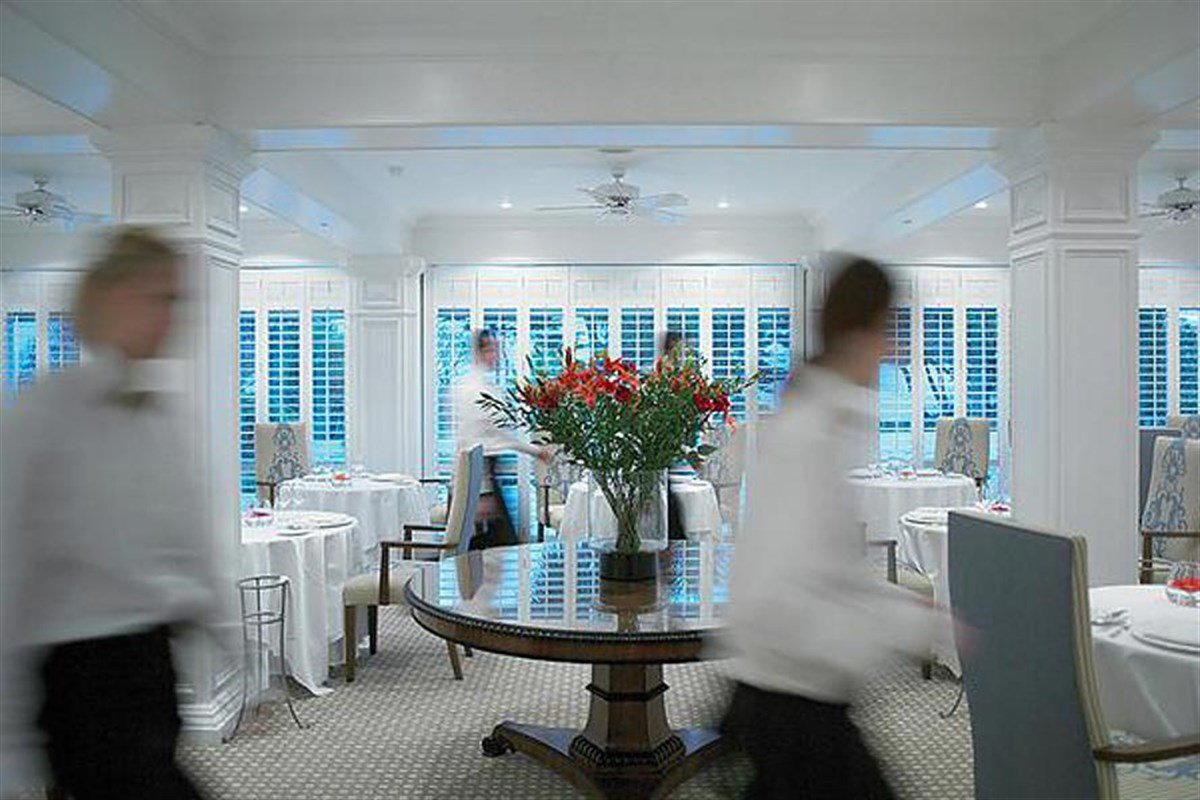
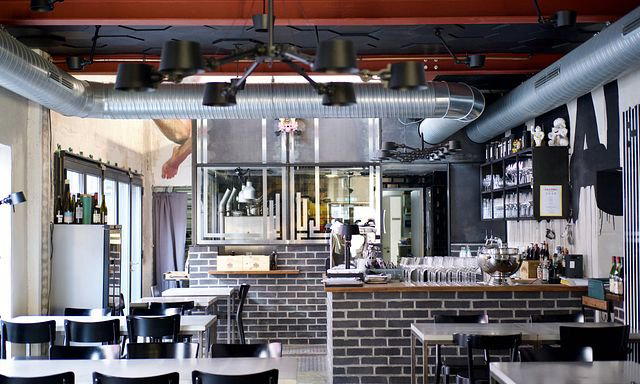
Sophisticated and relaxing with modern open kitchen, central fireplace lined with wine bottles, romantic counter seats overlooking a small back garden, and artistic touches.
Tags
Vibe
Best For
Experience
Sourcing
View
At the Table
- Dress Code
- Smart Casual
- Noise Level
- Quiet
- Service Style
- Formal
- Meal Pacing
- Leisurely
- Capacity
- Intimate
- Kitchen
- Modern
- Menu Format
- Tasting menu
- Wine Program
- Curated
- Drinks Focus
- Wine, Sake
- Dietary
- Vegetarian friendly, Allergy accommodating
Signature Dishes
- Tender Octopus with Beans and Shiso Soup
- Roasted Omi Duck with Kyoto Leeks
- Zucchini Roll with Mussels
Know before you go
Know Before You Go
- Getting there
- 247-3 Nishiwakamatsucho, Shimogyo Ward, Kyoto, 600-8334, Japan
Planning details
Location
247-3 Nishiwakamatsucho, Shimogyo Ward, Kyoto, 600-8334, Japan · Directions
Recognition and awards
Also consider
Also Consider
- Gion Sasaki, Kaiseki, Japanese, ¥¥¥¥
- cenci, Italian, ¥¥¥
- Ifuki, Kaiseki, ¥¥¥¥
- Kyokaiseki Kichisen, Japanese, ¥¥¥¥
- Kyo Seika, Chinese, ¥¥¥
Restaurant context
At ¥¥¥, L'aparté occupies a different price tier from most of Kyoto's celebrated dining addresses. Gion Sasaki, Ifuki, and Kyokaiseki Kichisen are all ¥¥¥¥ kaiseki houses with deeper booking lead times and a more formal ceremonial structure. If you want the full kaiseki experience, multiple courses, lacquerware, tea ceremony adjacency, those addresses deliver it; L'aparté does not try to compete on that axis. What L'aparté offers instead is French culinary rigour applied to Japanese seasonal ingredients, in a room small enough to feel genuinely personal. For special-occasion diners who already have one kaiseki dinner planned, L'aparté makes a strong second booking at a lower price point.
The closest peer in format is cenci, which does a similar French-Italian-Japanese hybrid at ¥¥¥ and holds its own Michelin recognition. Between the two, the choice comes down to culinary lineage: cenci leans Italian-French, L'aparté is more directly French in grammar. Both are easier to book than the top kaiseki houses, and both reward diners who are interested in European technique rather than traditional Japanese kaiseki structure. Kyo Seika at ¥¥¥ rounds out the mid-tier with a Chinese angle, a useful alternative if neither French nor kaiseki is the priority.
For value, L'aparté and cenci are the clearest recommendations at ¥¥¥ in Kyoto's upper-casual tier. For pure kaiseki prestige and you are prepared for the price and booking effort, Gion Sasaki is the benchmark. For a diner visiting Kyoto on a fixed schedule who wants one serious, non-kaiseki dinner in a room that feels considered from the napkins outward, L'aparté is the booking to make first.
Explore Kyoto
Around this place
Discover more on Pearl
Unlock the full L'aparté guide in Pearl, including awards, comparisons, FAQs, planning details, and nearby places.
Compare L'aparté
| Venue | Cuisine | Price | Booking Difficulty | Awards |
|---|---|---|---|---|
| L'aparté | French | ¥¥¥ | Easy | Michelin Guide Kyoto Osaka 20262026 Michelin Plate2025 Michelin Plate |
| Gion Sasaki | Kaiseki, Japanese | ¥¥¥¥ | Unknown | 2026 Tabelog Bronze · #3862026 OAD Top Restaurants in Japan RecommendedMichelin Guide Kyoto Osaka 20262026 La Liste Top RestaurantsTabelog 100 - Japanese cuisine - WEST - 2025 · #132025 OAD Top Restaurants in Japan Ranked · #2462025 Tabelog Silver2025 Michelin 3 Stars2025 La Liste Top Restaurants |
| cenci | Italian | ¥¥¥ | Unknown | 2026 Tabelog Bronze · #442026 Asia's 50 Best Restaurants · #762026 OAD Top Restaurants in Japan Highly RecommendedMichelin Guide Kyoto Osaka 2026Tabelog 100 - Italian - WEST - 2025 · #632025 Asia's 50 Best Restaurants · #632025 OAD Top Restaurants in Japan Ranked · #1682025 Tabelog Bronze2024 OAD Top Restaurants in Japan Ranked · #135 |
| Ifuki | Kaiseki | ¥¥¥¥ | Unknown | 2026 OAD Top Restaurants in Japan Ranked · #1222026 Tabelog Bronze · #128Michelin Guide Kyoto Osaka 20262026 La Liste Top RestaurantsTabelog 100 - Japanese cuisine - WEST - 2025 · #622025 OAD Top Restaurants in Japan Ranked · #1002025 La Liste Top Restaurants2025 Tabelog Bronze2025 Michelin 2 Stars |
| Kyokaiseki Kichisen | Japanese | ¥¥¥¥ | Unknown | 2026 Tabelog Bronze · #1752026 OAD Top Restaurants in Japan Highly RecommendedMichelin Guide Kyoto Osaka 20262025 OAD Top Restaurants in Japan Ranked · #1862025 Michelin 2 Stars2025 La Liste Top Restaurants2024 OAD Top Restaurants in Japan Ranked · #1422024 Michelin 2 Stars2023 OAD Top Restaurants in Japan Ranked · #136 |
| Kyo Seika | Chinese | ¥¥¥ | Unknown | Tabelog 100 - Chinese cuisine - WEST - 2026 · #762026 Tabelog Bronze · #2162026 OAD Top Restaurants in Japan Recommended2026 Michelin 1 Star2025 OAD Top Restaurants in Japan Ranked · #3262025 Tabelog Bronze2024 OAD Top Restaurants in Japan Ranked · #3042024 Michelin Plate2024 Michelin 1 Star |
.png?width=1200&quality=80)







A quick look at how L'aparté measures up.
FAQ
Frequently Asked Questions
Is L'aparté worth the price?
At ¥¥¥, L'aparté sits in a range where you are paying for craft as much as ingredients. The Michelin Plate recognition and a kitchen led by an Alain Ducasse-trained chef support that price point. Where comparable spend at a Kyoto kaiseki house buys you a codified tradition, L'aparté offers something more personal: a husband-and-wife operation where the menu, the wine list, and even the napkins are handmade. If that format resonates, the price is justified. If you want ceremony and scale, Kyokaiseki Kichisen will feel like better value for a special-occasion blowout.
Is L'aparté good for solo dining?
Solo diners should do well here. The atelier format and small scale of the room suits one person without the awkwardness of a large table for one. That said, hours are not publicly listed and direct outreach is needed to book, so confirm availability before assuming a solo seat is open on any given evening. For solo diners who want a counter experience with more visible kitchen theatre, cenci in Kyoto is worth comparing.
What should I wear to L'aparté?
The venue description reads as refined but personal rather than formal in the white-tablecloth sense — a French atelier run by a chef and a graphic designer, with handmade details throughout. Dress neatly: a smart casual standard fits the tone, leaning toward the tidier end if you are going for dinner. Avoid overly casual choices; the room is intimate enough that what you wear registers.
What should I order at L'aparté?
The menu is built around Japanese seasonal ingredients framed through French technique, and it changes with the season, so there is no fixed dish to target. The practical move is to go with whatever the current menu offers rather than arriving with specific requests. Spring and autumn are when Kyoto's produce calendar peaks, which likely means those are the seasons when the kitchen is working with the strongest raw material.