
Kyoryori Hachisei
Japanese · Shimogyō, Kyoto
Restaurant in Kyoto, Japan
 Book with Pearl
The Read
Market-Driven Kyoryori
Price
$100–150per person
Dress
Smart Casual
Why go
Kyoryori Hachisei is a Michelin Plate-recognised Japanese restaurant in Kyoto's Shimogyo Ward, serving market-driven seasonal cooking at ¥¥¥ — accessible by Kyoto fine dining standards. With a chef who sources daily from the central market, it is a strong choice for a special occasion meal without committing to a ¥¥¥¥ kaiseki reservation.
About Kyoryori Hachisei
Is Kyoryori Hachisei worth booking for a special occasion in Kyoto?
Yes — if you are looking for a seasonal Japanese meal at ¥¥¥ pricing in a city where the top tier runs ¥¥¥¥, Kyoryori Hachisei makes a strong case for itself. This is a chef-driven restaurant in Shimogyo Ward built around disciplined market sourcing and a menu that shifts with the season. It is not the place you book when you want formal kaiseki theatre at a legendary address. It is the place you book when you want cooking that takes its brief seriously, at a price point that leaves room to explore more of Kyoto.
The Restaurant
Kyoryori Hachisei sits in the Gojo Omiya area of Shimogyo Ward, a residential part of Kyoto that sits outside the concentrated tourist circuit of Gion and Higashiyama. The chef operates from his birthplace, which is less a romantic detail than a practical one: proximity to the central market shapes the cooking. He visits frequently and selects individual items in direct conversation with wholesalers, some of whom are former classmates. What reaches the table is the result of that daily editorial process, not a fixed menu filled with stock produce.
The philosophy here traces back to a mentor whose influence the chef keeps active in the kitchen through what the Michelin documentation describes as painstaking preparation. That framing matters for understanding what kind of meal this is. The menu is a seasonal snapshot — a sequence of dishes that reflect what was worth buying that day, treated with the care that takes time to develop. For a special occasion dinner, that is a meaningful promise: the progression of the meal has an internal logic tied to the season, not to a printed format designed months in advance.
For diners used to the full kaiseki format at venues like Kyokaiseki Kichisen or Isshisoden Nakamura, the approach at Hachisei will feel more direct and less ceremonially structured. That is not a weakness, it is a different register of Japanese dining, one that prioritises the ingredient over the ritual. If you are planning an anniversary dinner or a celebration meal where the quality of the food matters more than the formal presentation arc, this distinction works in Hachisei's favour at the ¥¥¥ price tier.
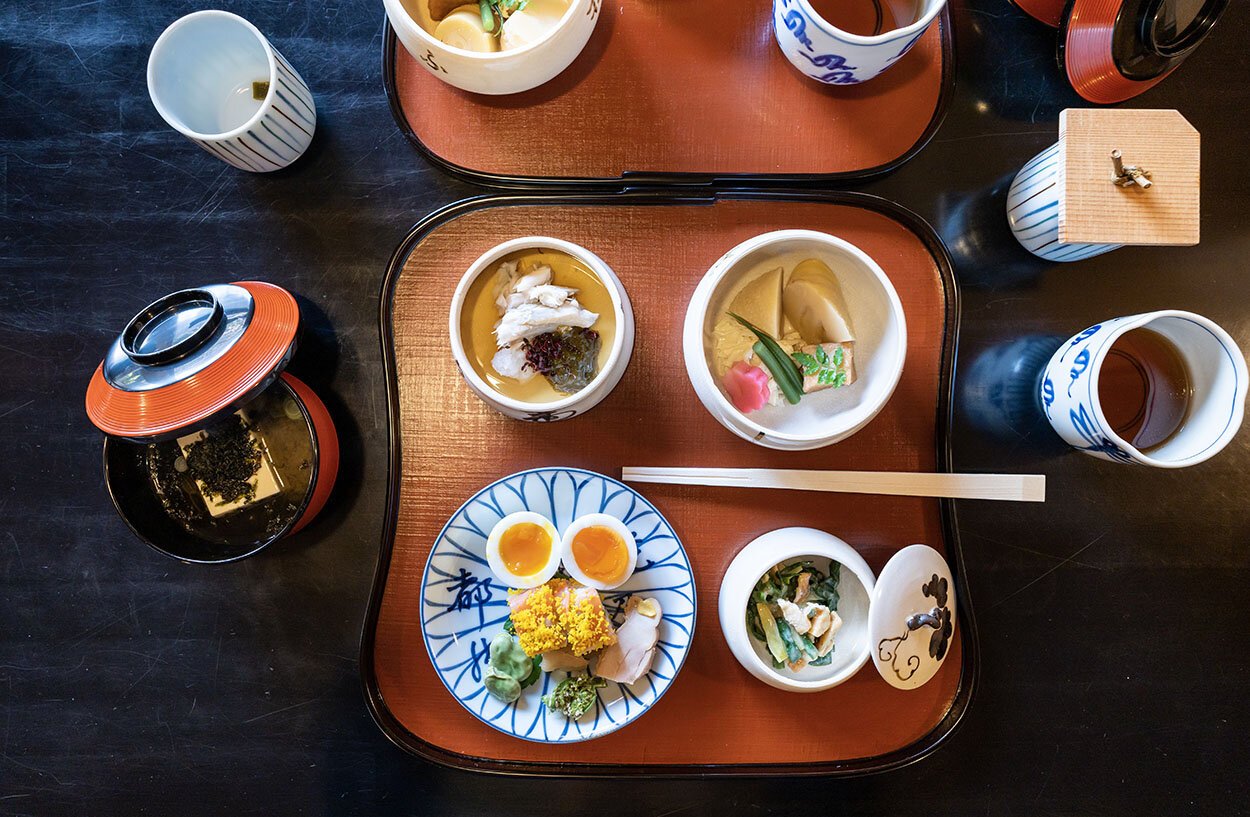
The meal's architecture follows the rhythm of kyoryori, Kyoto-style home cooking with a professional chef's precision behind it. Expect a sequence that moves through the season in courses, with each element chosen to reflect what is available at its peak. The progression is not as codified as a multi-course kaiseki, but it has its own considered arc: the chef's daily market decisions become the structure of your evening. For first-time visitors to this style of cooking, that is a more approachable entry point than a full kaiseki ceremony, without sacrificing the quality of ingredients or technique.
Shimogyo Ward is also practically useful for visitors staying in central Kyoto. It is accessible without requiring a trip to the northern or eastern reaches of the city, and the neighbourhood itself is quieter and less saturated with other dining options, which means the evening is shaped by the restaurant rather than by the surrounding activity. If you are pairing the meal with a night at one of Kyoto's better hotels, the location works logistically for a mid-evening dinner. For broader planning context, see our full Kyoto hotels guide and our full Kyoto restaurants guide.
For those travelling across Japan's dining circuit, Hachisei sits at a different register from urban fine dining destinations like HAJIME in Osaka or Harutaka in Tokyo, but the commitment to sourcing and seasonal discipline is comparable at the level that matters. If your trip includes stops in Nara or Fukuoka, akordu in Nara and Goh in Fukuoka are worth considering for the same reasons, chef-led, market-driven, and operating outside the most heavily trafficked reservation tier.
Know Before You Go
- Price tier: ¥¥¥, accessible by Kyoto fine dining standards
- Cuisine: Kyoryori (Kyoto-style Japanese seasonal cooking)
- Awards: Michelin Plate 2024, Michelin Plate 2025
- Location: 15-2 Chudojimae Dacho, Shimogyo Ward, Kyoto
- Booking difficulty: Easy relative to Kyoto's top-tier restaurants
- Leading for: Special occasions, date dinners, first-time visitors to kyoryori
- Not ideal for: Large groups expecting formal kaiseki ceremony
How It Compares
See the comparison section below for how Hachisei positions against Kyoto peers including Gion Matayoshi and Kikunoi Roan. For exploratory dining beyond Kyoto, Myojaku in Tokyo and Azabu Kadowaki in Tokyo offer useful comparison points for chef-led Japanese cooking at comparable or higher price tiers. You can also explore Kyoto bars, Kyoto wineries, and Kyoto experiences to build out a full itinerary, or check out 1000 in Yokohama and 6 in Okinawa for more chef-driven Japanese dining across the country.
Planning details
- Location
- 15-2 Chudojimae Dacho, Shimogyo Ward, Kyoto, 600-8804, Japan
- Website
- hatisei.com
- Phone
- +81 75-285-3645
The take
The Take
The Vibe
Kyoryori Hachisei reads like a quietly sophisticated neighborhood restaurant that prizes provenance over performance. It sits in a residential pocket of Shimogyo Ward, away from Gion’s spectacle, and cultivates an unassuming charm: polished cooking without the full ceremony of high-end kaiseki. The atmosphere asks for attention rather than fanfare, with an intimacy born of local relationships between chef and wholesaler. The result is refined, classic Kyoto cooking presented in a modest setting — inviting for diners who prefer subtlety and depth to overt showmanship.
Best For
This is a restaurant for diners who want a focused, seasonally driven meal rather than theatrical dining. It suits special occasions and business dinners where the quality of ingredients and the chef’s market connections matter, and it also makes a quiet, considered date-night choice. The neighbourhood setting means the emphasis is on the food and the moment: arrive expecting attentive, ingredient-led plates and a calm service rhythm that complements conversation and tasting rather than dominating it.
Ordering Tips
Treat the menu as a daily snapshot: Hachisei’s offerings follow what the chef sources at Kyoto’s central market, so the freshest items will change with the rhythm of the day. Ask the staff what arrived from the market that morning and let the seasonal highlights steer your choices. Because the kitchen foregrounds market relationships and immediacy, opt for the dishes presented as today’s specialties rather than looking for a fixed tasting progression; that approach reveals the restaurant’s strength—cooking that reflects the season and the city’s supply chain.
Venue details
Ambiance
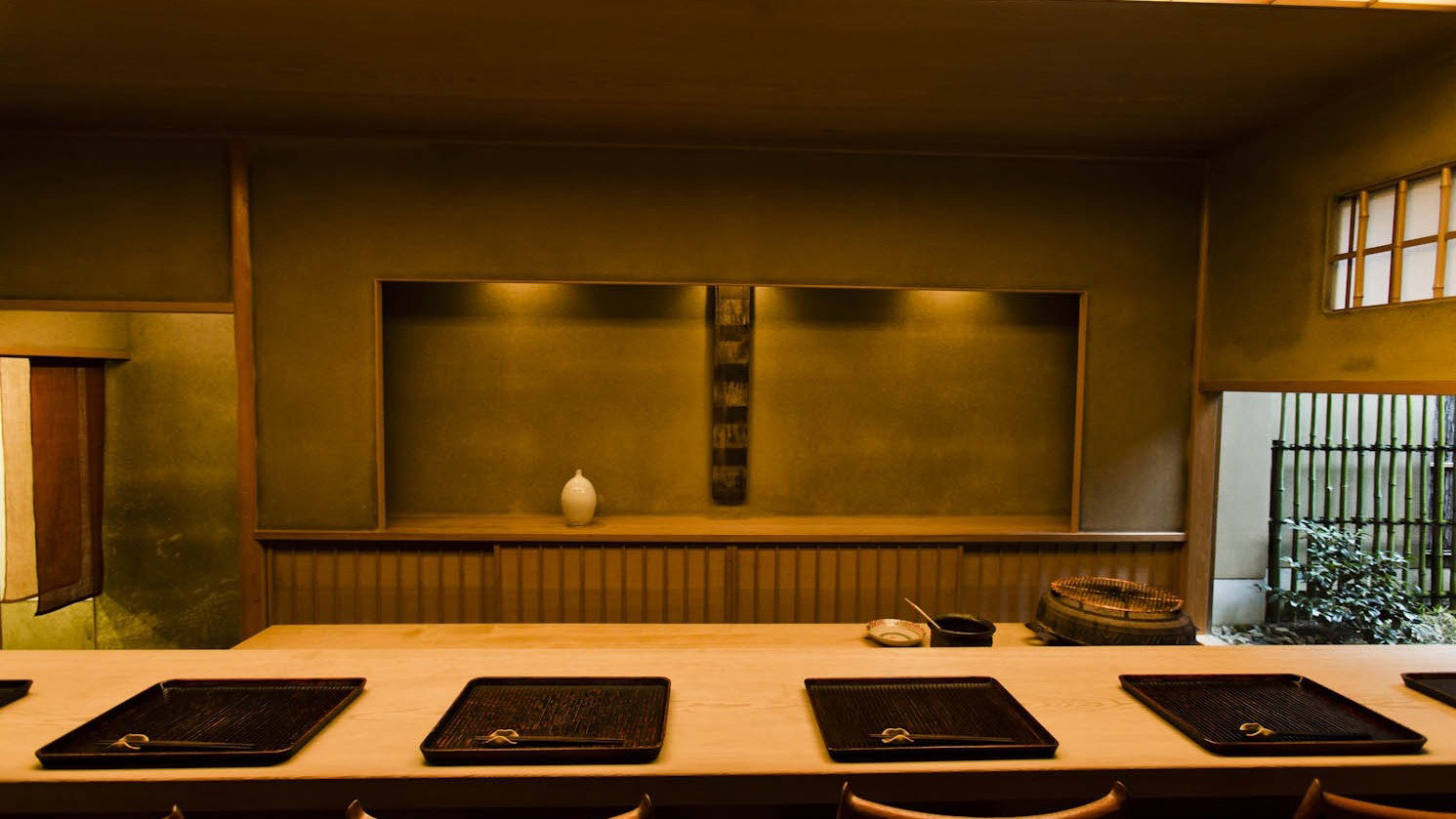
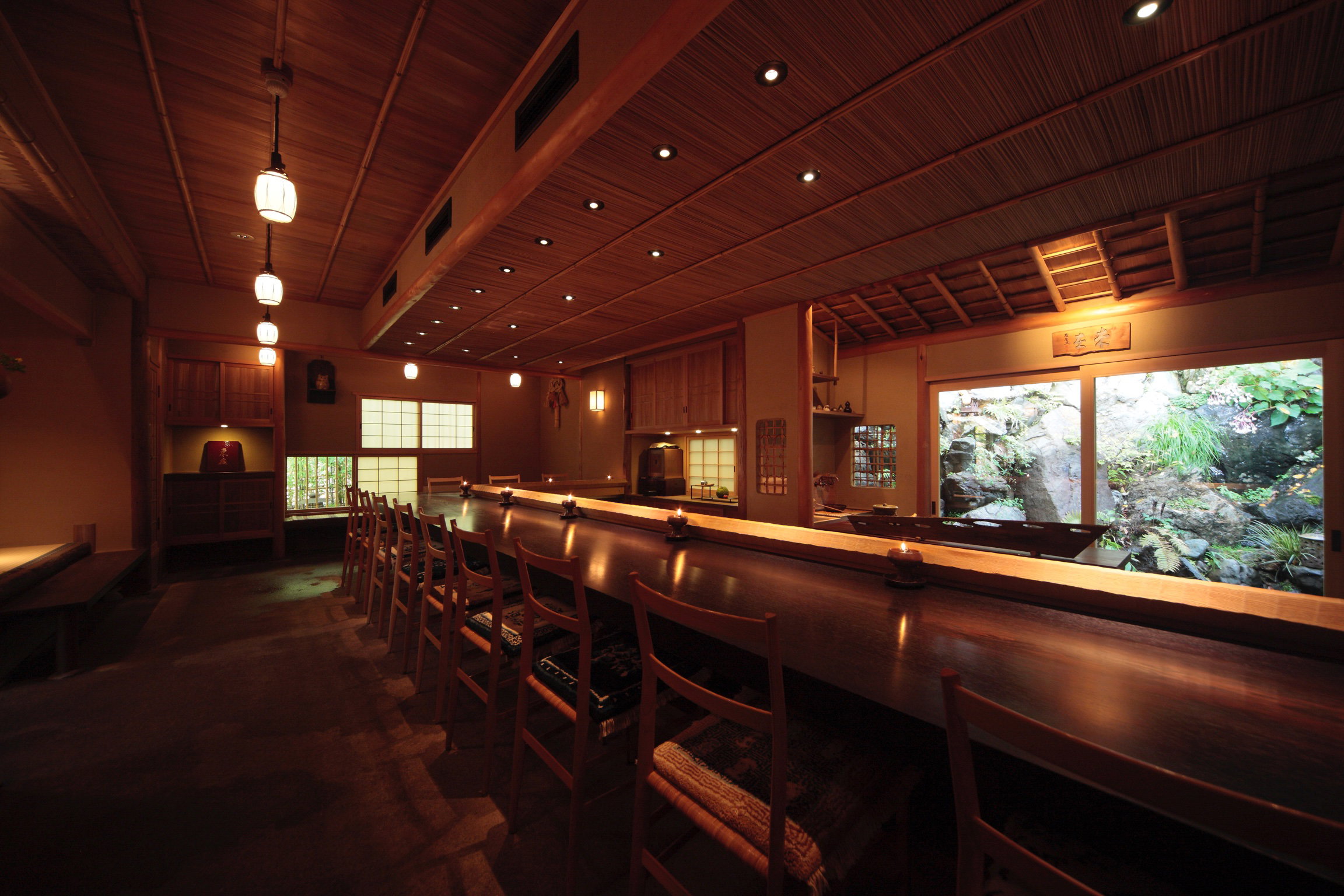
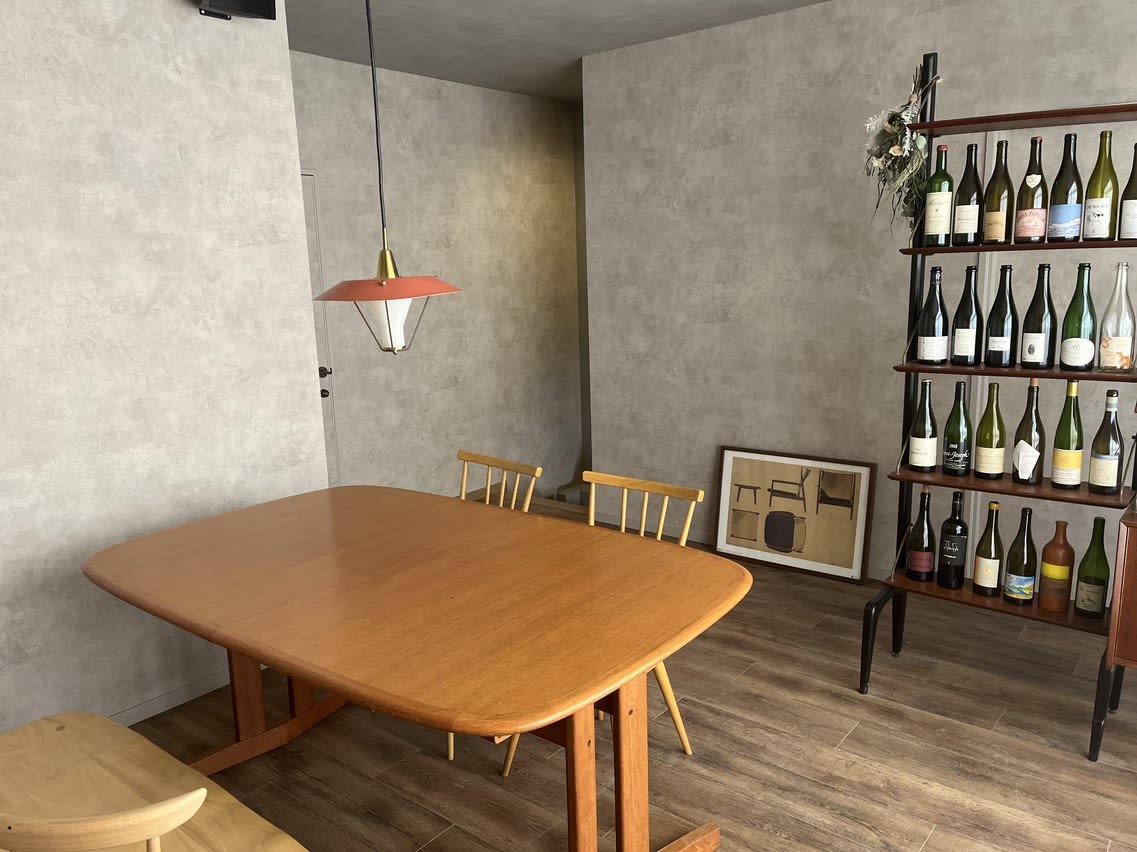
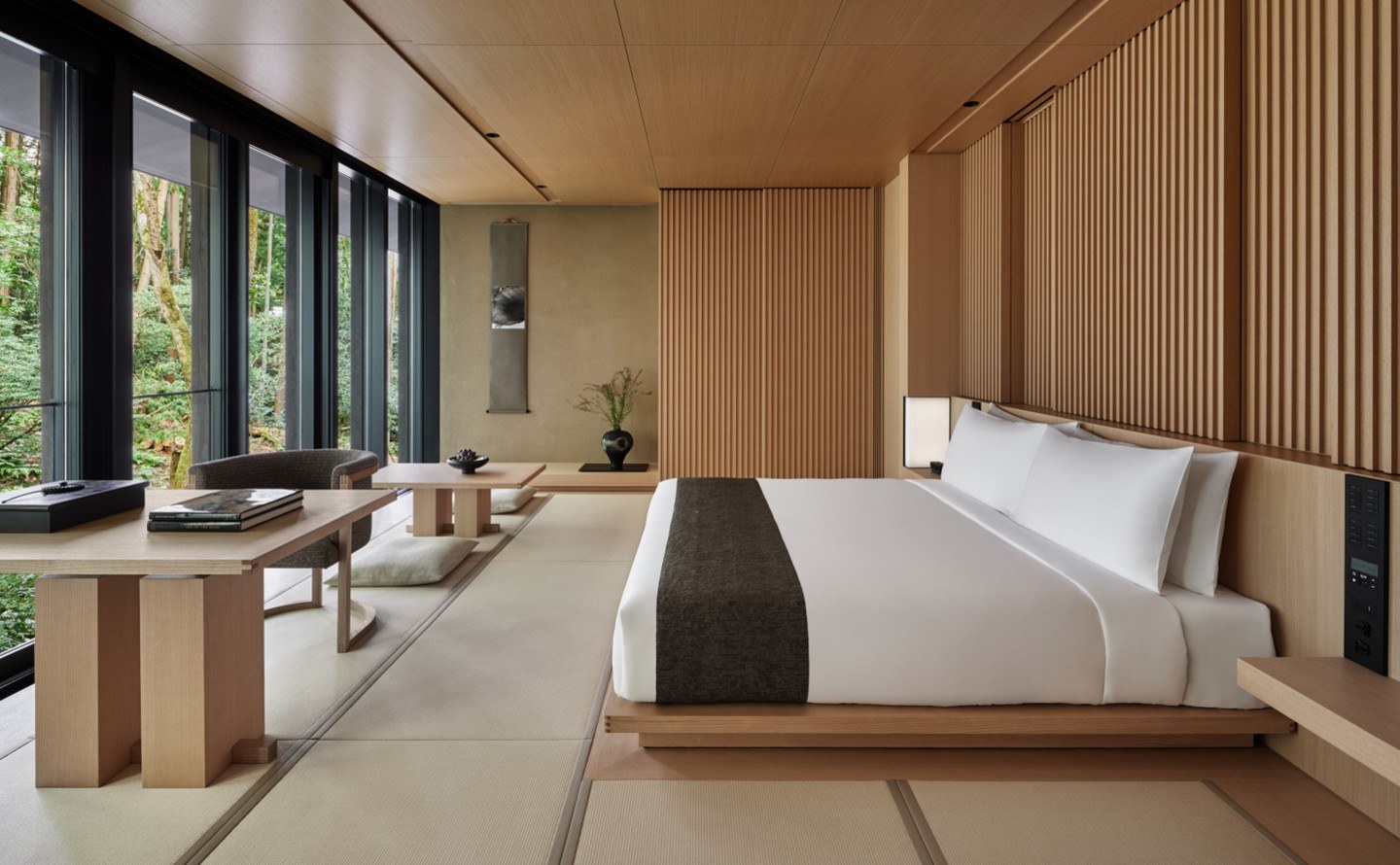
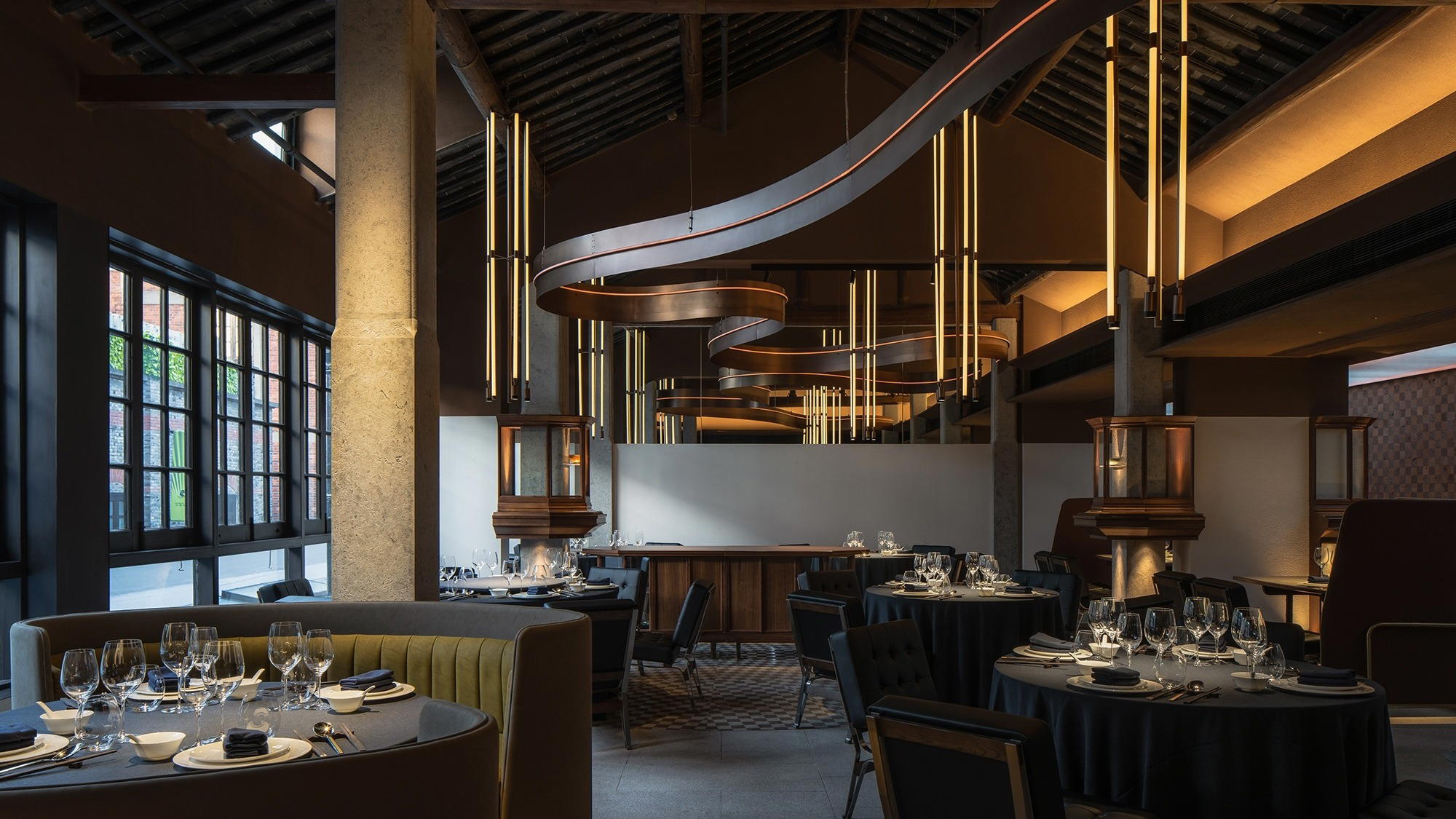
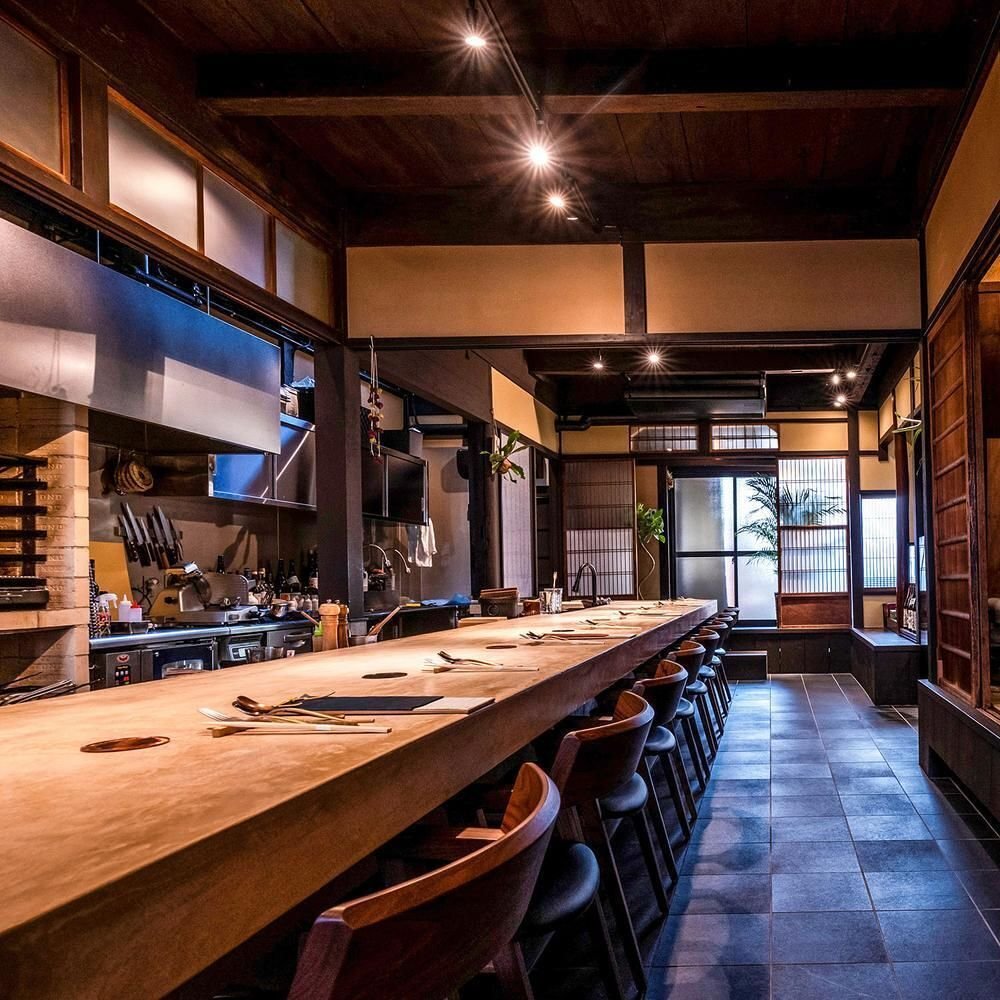
Serene and relaxing atmosphere with tatami rooms and hinoki wood counter seats, creating a comfortable and tranquil space.
Tags
Vibe
Best For
Experience
At the Table
- Dress Code
- Smart Casual
- Noise Level
- Quiet
- Service Style
- Formal
- Meal Pacing
- Leisurely
- Capacity
- Intimate
- Kitchen
- Traditional
- Menu Format
- Tasting menu, Set menu
- Wine Program
- Curated
- Private Dining
- Available
Know before you go
Know Before You Go
- Getting there
- 15-2 Chudojimae Dacho, Shimogyo Ward, Kyoto, 600-8804, Japan
Planning details
Location
Recognition and awards
Also consider
Also Consider
- Gion Sasaki, Kaiseki, Japanese, ¥¥¥¥
- cenci, Italian, ¥¥¥
- Ifuki, Kaiseki, ¥¥¥¥
- Kyokaiseki Kichisen, Japanese, ¥¥¥¥
- SEN, French, Japanese, ¥¥¥¥
Restaurant context
At ¥¥¥, Kyoryori Hachisei sits a full price tier below most of its named competition in Kyoto. Gion Sasaki, Ifuki, Kyokaiseki Kichisen, and SEN all operate at ¥¥¥¥ and offer more elaborately structured kaiseki or fusion experiences with correspondingly longer booking lead times. If your priority is the full formal kaiseki ceremony with lacquerware, multiple service staff, and the recognised prestige of Kyoto's highest-tier dining rooms, those venues deliver something Hachisei does not. But if the priority is serious, ingredient-led Japanese cooking in a more personal setting, Hachisei's ¥¥¥ positioning makes it the value argument in this comparison set, two consecutive Michelin Plates at that price tier is a meaningful signal.
On booking difficulty, Hachisei again has an advantage. Gion Sasaki and Kyokaiseki Kichisen require advance planning of weeks to months; Hachisei is rated easy, which matters significantly if you are building a Kyoto itinerary without months of lead time. The Italian-inflected cenci at ¥¥¥ is the closest pricing peer, but it serves a fundamentally different cuisine, if you are in Kyoto specifically to eat Japanese food rooted in local market culture, cenci is a different kind of choice rather than a direct alternative.
The clearest recommendation: book Hachisei if you want Michelin-recognised seasonal Japanese cooking at a lower spend and without the reservation anxiety that the ¥¥¥¥ venues require. Book Gion Sasaki or Kyokaiseki Kichisen if the formal kaiseki structure and the prestige of the room are part of what you are paying for. SEN is worth considering if you want a French-Japanese hybrid in the upper price tier. For a first Kyoto fine dining experience where you are not certain you want the full kaiseki commitment, Hachisei is the lower-risk, lower-cost entry point that still earns its Michelin recognition.
Explore Kyoto
Around this place
Discover more on Pearl
Unlock the full Kyoryori Hachisei guide in Pearl, including awards, comparisons, FAQs, planning details, and nearby places.
Compare Kyoryori Hachisei
| Venue | Cuisine | Price | Booking Difficulty | Awards |
|---|---|---|---|---|
| Kyoryori Hachisei | Japanese | ¥¥¥ | Easy | Michelin Guide Kyoto Osaka 20262026 Michelin Plate2025 Michelin Plate2024 Michelin Plate |
| Gion Sasaki | Kaiseki, Japanese | ¥¥¥¥ | Unknown | 2026 Tabelog Bronze · #3862026 OAD Top Restaurants in Japan RecommendedMichelin Guide Kyoto Osaka 20262026 La Liste Top RestaurantsTabelog 100 - Japanese cuisine - WEST - 2025 · #132025 OAD Top Restaurants in Japan Ranked · #2462025 Tabelog Silver2025 Michelin 3 Stars2025 La Liste Top Restaurants |
| cenci | Italian | ¥¥¥ | Unknown | 2026 Tabelog Bronze · #442026 Asia's 50 Best Restaurants · #762026 OAD Top Restaurants in Japan Highly RecommendedMichelin Guide Kyoto Osaka 2026Tabelog 100 - Italian - WEST - 2025 · #632025 Asia's 50 Best Restaurants · #632025 OAD Top Restaurants in Japan Ranked · #1682025 Tabelog Bronze2024 OAD Top Restaurants in Japan Ranked · #135 |
| Ifuki | Kaiseki | ¥¥¥¥ | Unknown | 2026 OAD Top Restaurants in Japan Ranked · #1222026 Tabelog Bronze · #128Michelin Guide Kyoto Osaka 20262026 La Liste Top RestaurantsTabelog 100 - Japanese cuisine - WEST - 2025 · #622025 OAD Top Restaurants in Japan Ranked · #1002025 La Liste Top Restaurants2025 Tabelog Bronze2025 Michelin 2 Stars |
| Kyokaiseki Kichisen | Japanese | ¥¥¥¥ | Unknown | 2026 Tabelog Bronze · #1752026 OAD Top Restaurants in Japan Highly RecommendedMichelin Guide Kyoto Osaka 20262025 OAD Top Restaurants in Japan Ranked · #1862025 Michelin 2 Stars2025 La Liste Top Restaurants2024 OAD Top Restaurants in Japan Ranked · #1422024 Michelin 2 Stars2023 OAD Top Restaurants in Japan Ranked · #136 |
| SEN | French, Japanese | ¥¥¥¥ | Unknown | 2026 Tabelog Bronze · #3952026 OAD Top Restaurants in Japan RecommendedMichelin Guide Kyoto Osaka 20262026 Michelin PlateTabelog 100 - Japanese cuisine - WEST - 2025 · #652025 Michelin Plate2025 Tabelog Bronze2024 OAD Top Restaurants in Japan Ranked · #3622024 Michelin Plate |
.png?width=1200&quality=80)






Comparing your options in Kyoto for this tier.
FAQ
Frequently Asked Questions
How far ahead should I book Kyoryori Hachisei?
Book at least 3 to 4 weeks out, especially for weekend evenings or if you're visiting during Kyoto's peak seasons in spring (cherry blossom) and autumn (foliage). A ¥¥¥ venue with a Michelin Plate in a city that draws international diners fills faster than its neighbourhood suggests. If you're travelling from overseas, lock in a date before you finalize flights.
What should a first-timer know about Kyoryori Hachisei?
The restaurant is in Gojo Omiya, a residential part of Shimogyo Ward that sits outside Kyoto's main tourist corridors — factor that into your travel time. The menu is market-driven and seasonal, shaped by the chef's regular visits to the central market and relationships with wholesalers, so expect the cooking to reflect what's at its peak the week you visit rather than a fixed card. At ¥¥¥, it's priced below the Kyoto kaiseki top tier, but the format is still a composed, sequenced meal rather than a casual dinner.
What should I wear to Kyoryori Hachisei?
Dress code is not specified in available venue data, but the context — a Michelin Plate kyoryori restaurant in Kyoto with a structured seasonal menu — points toward neat, considered clothing rather than formal attire. Think smart casual at minimum: avoid beachwear or athleisure. Erring toward restrained, understated dress fits the tone of this style of dining.
What should I order at Kyoryori Hachisei?
The menu is seasonal and market-driven, so specific dishes change with availability and the chef's market visits — there's no fixed a la carte to navigate. Commit to whatever the current menu offers rather than trying to steer it; the Michelin Plate recognition is tied to that approach. If you have dietary restrictions, communicate them at the time of booking.
Is Kyoryori Hachisei good for solo dining?
A structured seasonal menu at ¥¥¥ pricing is a reasonable solo investment in Kyoto, and the restaurant's residential Gojo Omiya location means a quieter, less performance-oriented atmosphere than Gion-area venues. Counter seating, if available, suits solo diners well. Confirm seating options when booking.