
Kyogoku Kaneyo
Unagi / Freshwater Eel · Nakagyō, Kyoto
Restaurant in Kyoto, Japan
 Book with Pearl
The Read
East-West Eel Synthesis
Price
$50–100per person
Dress
Casual
Why go
A seven-generation unagi restaurant in Nakagyo Ward, Kyoto, with back-to-back Michelin Bib Gourmand recognition in 2024 and 2025. The Kinshi Don, rice topped with Edo-style kabayaki eel and a Kyoto omelette in a sauce unchanged since opening, is the reason to visit. At the ¥ price tier, it is the most documented value-for-quality eel lunch in the city.
About Kyogoku Kaneyo
Who Should Book Kyogoku Kaneyo — and When
If you are in Kyoto for a long weekend and want one lunch that earns its place in the trip, Kyogoku Kaneyo is the clearest answer in its price tier. This is the restaurant for a returning visitor who has already done kaiseki and wants to eat something deeply local at a price that will not require advance financial planning. It is also the right call for anyone who has been once and ordered conservatively: the Kinshi Don is the reason to come back.
The occasion framing matters here. Kyogoku Kaneyo is not a dinner-reservation venue in the way that Kyoto's kaiseki houses are. The format is a daytime meal, the price is in the single-digit thousands of yen, and the setting is a working neighbourhood restaurant in Nakagyo Ward that has been feeding Kyoto residents since the Meiji period. Seven generations of continuous operation is a specific, verifiable credential, and the Michelin Bib Gourmand in both 2024 and 2025 confirms that the quality has not drifted. For a weekend lunch between temple visits, the combination of heritage, Michelin recognition, and ¥ pricing is hard to find elsewhere in the city at this level.
What the Kinshi Don Actually Delivers
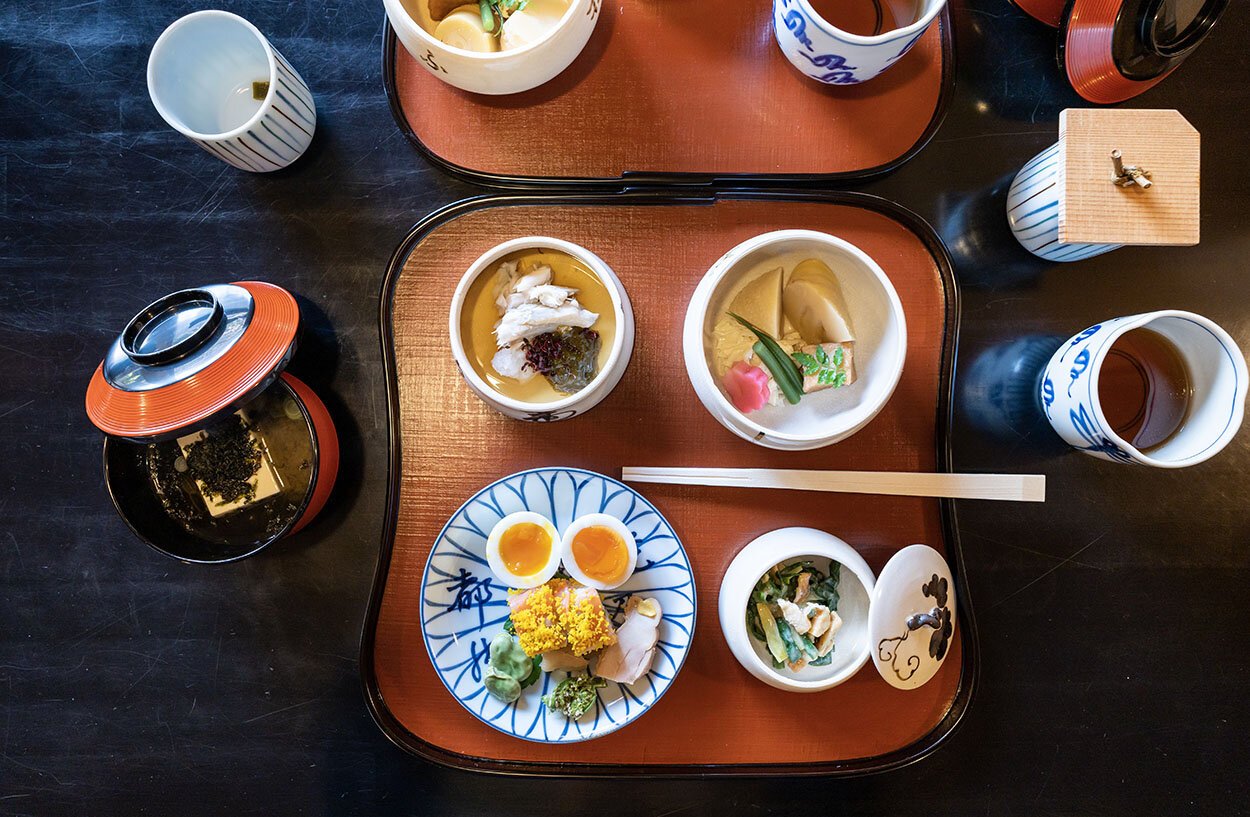
The dish to order is the Kinshi Don. Rice arrives topped with the restaurant's dipping sauce, Edo-style kabayaki eel, and a large Kyoto-style omelette. The dipping sauce is the constant: it has been in continuous use since the restaurant opened, refreshed daily but built on the same base. The flavour profile sits at the intersection of Kanto and Kansai tradition. The eel itself is prepared in the Kanto style, steamed before grilling, which produces a softer, more yielding texture than the direct-grilled approach common in western Japan. The omelette is the Kyoto contribution, and together the dish reads as a deliberate east-west conversation rather than an accident of geography.
If you have already eaten the Kinshi Don on a previous visit, the kabayaki preparation on its own merits attention. The steaming-then-grilling technique, which the founding generation imported by recruiting a cook from Tokyo, is what separates the eel here from most of what you will find in Kyoto's unagi options. That technique is the reason the texture is the story, not just the sauce.
How Kyogoku Kaneyo Sits in Kyoto's Dining Map
The honest comparison for Kyogoku Kaneyo is not with Gion Sasaki or Hyotei or Isshisoden Nakamura, all of which operate at ¥¥¥¥ and require more planning. Those are different decisions for different budgets and moods. Kyogoku Kaneyo competes with itself: it is the reference-point unagi lunch in Kyoto for the price tier, and there is no obvious substitute at the same combination of heritage, award recognition, and accessibility. Kanesho and Okuniya Mambei are worth knowing about as alternatives in the Kyoto unagi category, but Kaneyo's seven-generation history and two consecutive Bib Gourmand citations give it a documented track record that neither has matched in the same public way.
If your unagi interest extends beyond Kyoto, the obvious Tokyo benchmarks are Nodaiwa Azabu Iikura Honten and Ginza Yondaime TAKAHASHIYA, both of which represent the Kanto tradition that Kaneyo partially imports. Kaneyo's value is precisely that it brings that technique to Kyoto and layers the Kansai omelette on leading, producing something you cannot easily replicate by eating eel in either city alone.
Booking and Practical Logistics
Booking difficulty is rated Easy. The Michelin Bib Gourmand recognition means the restaurant is known, and the awards data confirms it draws crowds daily, but at the ¥ price point and daytime-only format the volume of seats turns over faster than an evening kaiseki counter. Arriving at opening, or timing lunch for mid-week rather than a Saturday or Sunday, reduces wait time. The address is 456-2 Matsugaecho, Nakagyo Ward, Kyoto 604-8034. No booking method is specified in the available data, so walk-in is the default assumption, but confirming directly with the restaurant before a visit is advisable during peak tourism seasons (cherry blossom in April, autumn foliage in November).
For the broader Kyoto trip, see our full Kyoto restaurants guide, hotels guide, bars guide, wineries guide, and experiences guide. If Kyoto is part of a wider Kansai trip, HAJIME in Osaka and akordu in Nara are worth the short rail journey. Further afield in Japan, Harutaka in Tokyo, Goh in Fukuoka, 1000 in Yokohama, and 6 in Okinawa each represent the range of what Japan's regional dining scene delivers at award level.
Quick reference: Kyogoku Kaneyo, 456-2 Matsugaecho, Nakagyo Ward, Kyoto. Cuisine: Unagi. Price: ¥. Awards: Michelin Bib Gourmand 2024 and 2025. Booking difficulty: Easy.
Ratings at a Glance
- Value for price: Among the strongest in Kyoto at this tier, given the Michelin recognition and seven-generation provenance.
- Booking difficulty: Easy. Walk-in first, confirm ahead during peak seasons.
- Awards: Michelin Bib Gourmand 2024 and 2025.
FAQ
Is the tasting menu worth it at Kyogoku Kaneyo?
- Kyogoku Kaneyo is not a tasting-menu restaurant. The format is a la carte, with the Kinshi Don as the headline dish. At the ¥ price tier, the question is whether the signature bowl justifies the visit, and the Michelin Bib Gourmand in two consecutive years indicates it does. For multi-course progression at kaiseki prices, Gion Sasaki or Ifuki are the right direction.
What are alternatives to Kyogoku Kaneyo in Kyoto?
- Within the unagi category at a similar price point, Kanesho and Okuniya Mambei are the closest alternatives. If you want to step up in format and budget, cenci at ¥¥¥ offers a different cuisine entirely but similar Michelin-recognition credibility. Kaiseki at ¥¥¥¥ via Kyokaiseki Kichisen or SEN is a different decision category altogether.
Is Kyogoku Kaneyo good for a special occasion?
- It depends on what you mean by special. For a milestone birthday dinner in a formal room, it is not the right fit. For a meaningful lunch with a long-time friend who wants something genuinely rooted in Kyoto's history, a seven-generation restaurant with a dish built on a century-old dipping sauce is a more honest celebration than a modern tasting menu. The ¥ price point also means you can follow it with a more expensive dinner the same evening if the occasion calls for it.
Is Kyogoku Kaneyo good for solo dining?
- Yes. A bowl-format daytime restaurant at the ¥ tier is well-suited to solo eating: no minimum cover, no multi-course pacing pressure, and a busy dining room that makes eating alone entirely unremarkable. If you are travelling solo through Kyoto and want one meal that delivers both quality and local character, this is a sensible pick.
Can I eat at the bar at Kyogoku Kaneyo?
- Seating configuration is not specified in the available data. Given the restaurant's age and format as a traditional unagi-ya, counter or communal table seating is plausible, but confirming directly before arrival is advisable if bar seating is a specific requirement.
How far ahead should I book Kyogoku Kaneyo?
- Booking difficulty is rated Easy. For a mid-week lunch outside peak season, same-day or next-day availability is likely realistic. During cherry blossom (late March to mid-April) or autumn foliage (late October to mid-November), the restaurant draws higher tourist volume, and arriving at opening will reduce any wait. The specific booking method is not confirmed in the available data, so checking directly with the restaurant is the safest approach.
Is Kyogoku Kaneyo worth the price?
- At the ¥ price tier with two consecutive Michelin Bib Gourmand citations and seven generations of continuous operation, the answer is yes. The Bib Gourmand designation specifically recognises good quality at a reasonable price, so the value judgement has already been made by an independent third party and confirmed two years running. There is very little in Kyoto at this price level with equivalent documented credibility.
Planning details
- Location
- 456-2 Matsugaecho, Nakagyo Ward, Kyoto, 604-8034, Japan
- Website
- kyogoku-kaneyo.co.jp
- Phone
- +81 75-221-0669
The take
The Take
The Vibe
Kyogoku Kaneyo presents itself as a time-tested unagi specialist rooted in Nakagyo's working arcade district. The place settles into a focused, locally famous identity: seven generations of unagi service, a dipping sauce that predates the twentieth century and a daily queue give it an unmistakeable continuity. The menu's east–west tension—Tokyo's steamed-then-grilled kabayaki transplanted into Kyoto—adds a quietly distinctive edge to a straightforward, affordable offering. Michelin's Bib Gourmand nods to its dependable value, while the narrow street-level setting and steady crowds keep the mood energetic and purposefully unvarnished.
Best For
This is a destination for people who want expertly prepared unagi without ceremony. It suits solo diners and local groups or families seeking a satisfying, affordable meal rather than a long, theatrical dining experience. The restaurant's high volume and consistent queue make it well suited to lunchtime trade and early evening dinners; expect brisk service and a communal rhythm rather than a leisurely tasting. Visitors who prize culinary lineage and straightforward, well-executed grilled eel will find the place especially rewarding, particularly given its Bib Gourmand recognition.
Ordering Tips
Stick to the house specialties: the Unagi Don and Kinshi-don are core reasons to visit, and the kitchen follows the Kanto kabayaki technique introduced in the founding generation—steamed before grilling for a softer, fattier texture. The restaurant's dipping sauce is historic, so tasting it with the eel is essential to understanding the place. Be prepared to queue at peak times; the daily line is part of the experience, so arrive early or allow time to wait. The atmosphere and menu reward focused, single-minded ordering rather than elaborate multi-course plans.
Venue details
Ambiance
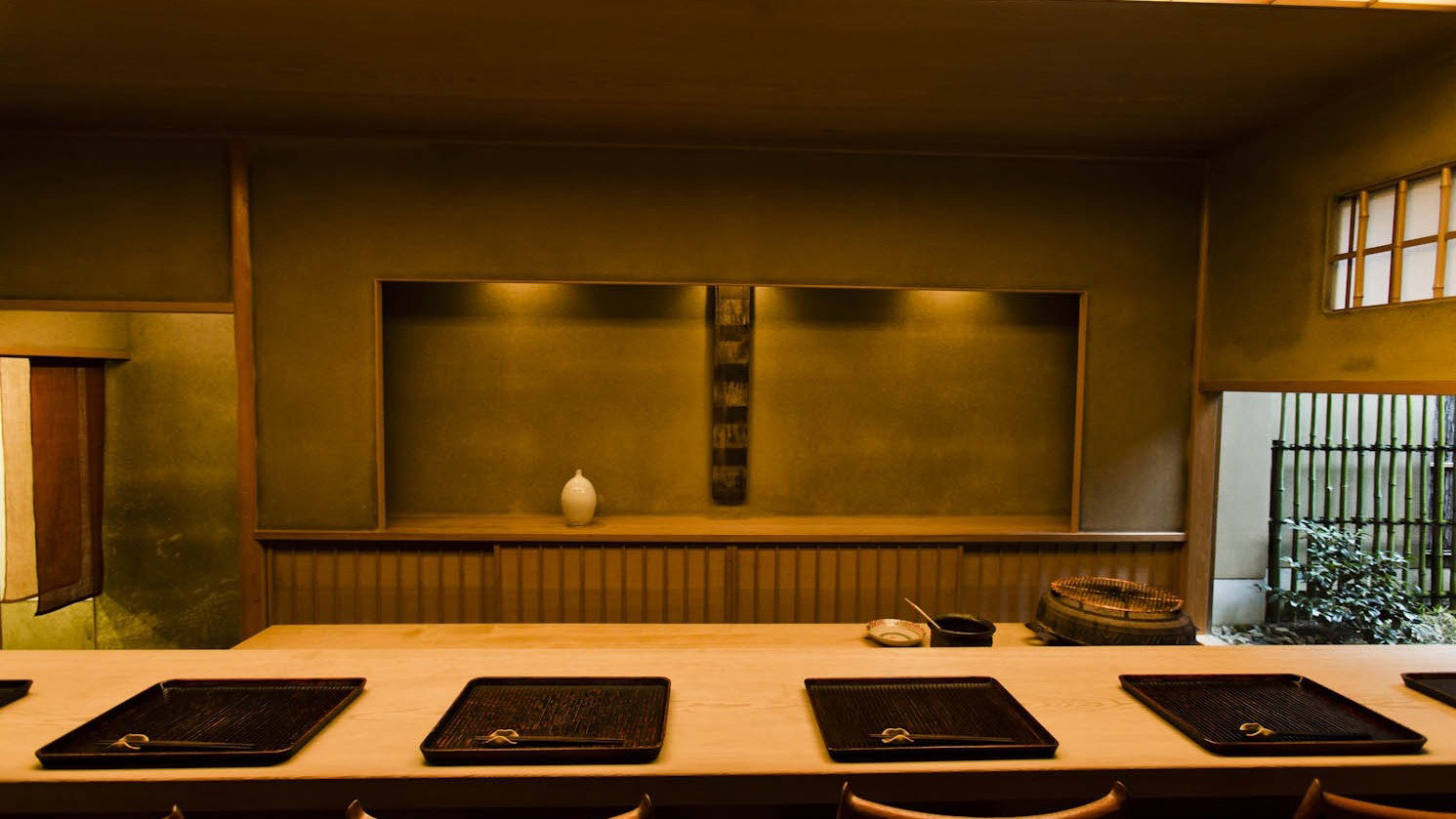
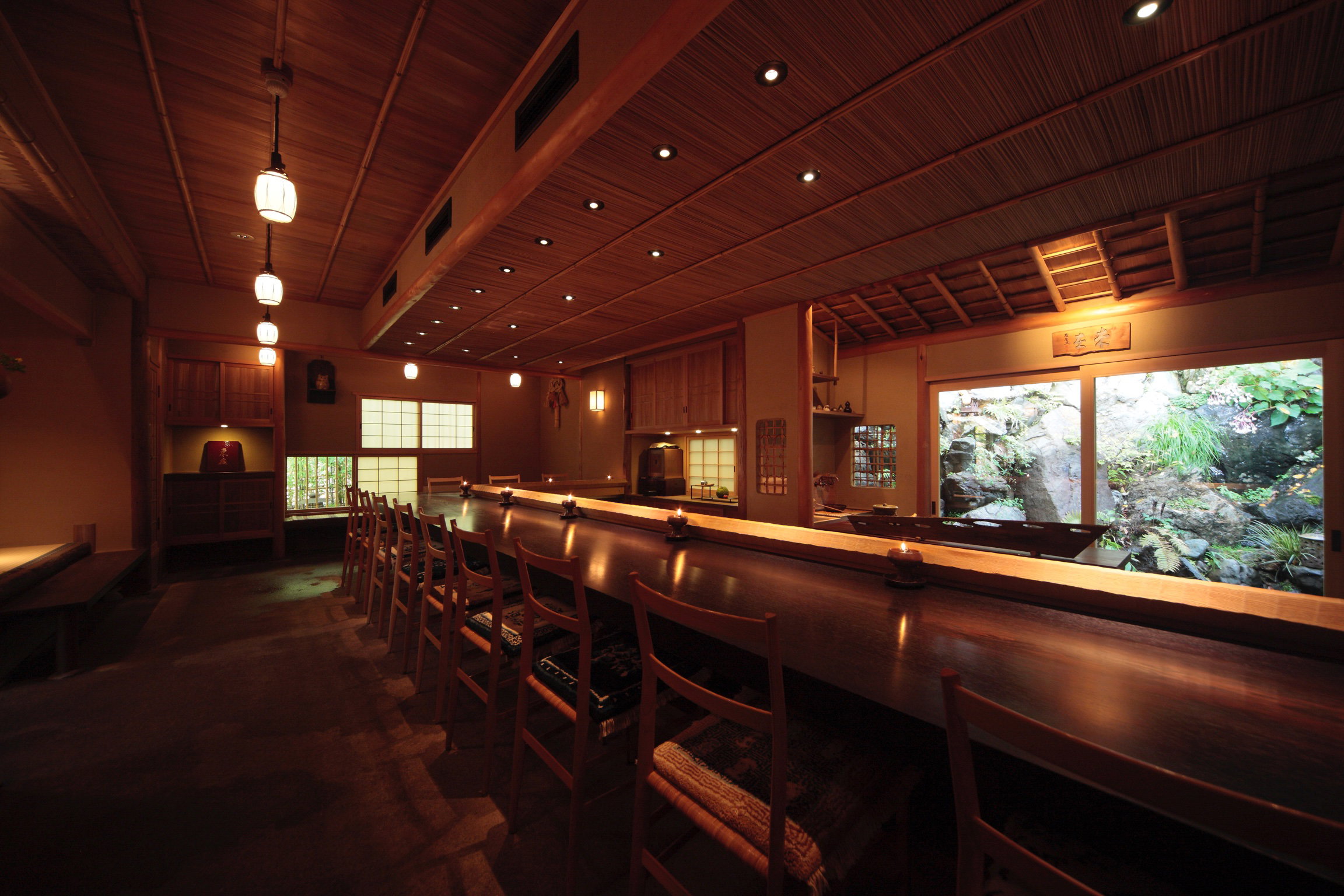
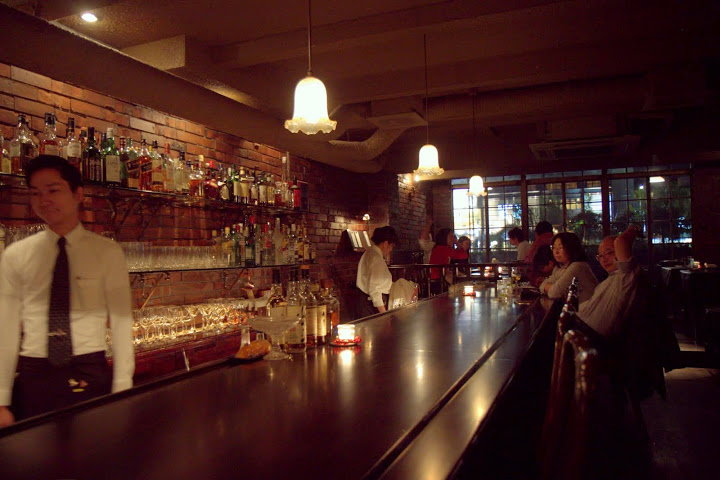
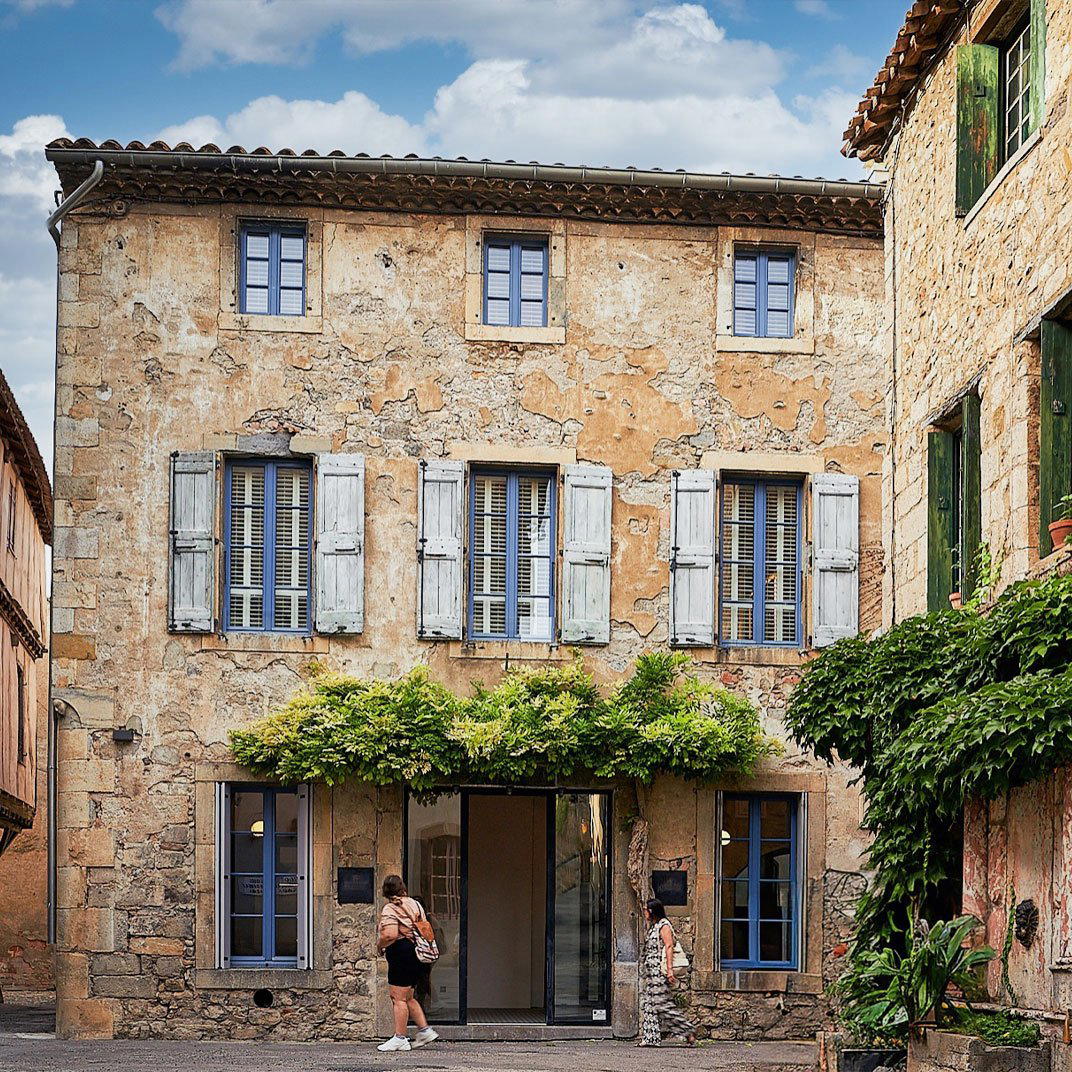
Traditional Japanese with retro wooden decor, tatami rooms upstairs, cozy atmosphere, and open kitchen view of grilling.
Tags
Vibe
Best For
Experience
At the Table
- Dress Code
- Casual
- Noise Level
- Quiet
- Service Style
- Upscale Casual
- Meal Pacing
- Standard
- Capacity
- Small
- Kitchen
- Traditional
- Menu Format
- A la carte
Signature Dishes
- Kinshi-don
- Unagi Don
Know before you go
Know Before You Go
- Getting there
- 456-2 Matsugaecho, Nakagyo Ward, Kyoto, 604-8034, Japan
Planning details
Location
456-2 Matsugaecho, Nakagyo Ward, Kyoto, 604-8034, Japan · Directions
Recognition and awards
Also consider
Also Consider
- Gion Sasaki, Kaiseki, Japanese, ¥¥¥¥
- cenci, Italian, ¥¥¥
- Ifuki, Kaiseki, ¥¥¥¥
- Kyokaiseki Kichisen, Japanese, ¥¥¥¥
- SEN, French, Japanese, ¥¥¥¥
Restaurant context
At the ¥ price point, Kyogoku Kaneyo has no direct competition among Kyoto's Michelin-recognised restaurants. The comparison venues in this city, Gion Sasaki, Ifuki, Kyokaiseki Kichisen, and SEN all sit at ¥¥¥¥ and deliver multi-course kaiseki or French-Japanese progression. Those are evening commitments with booking lead times and dress expectations that Kaneyo simply does not require. If your Kyoto trip has one slot for a high-investment dinner, Gion Sasaki or Ifuki are the better targets. If you want a Michelin-validated lunch that costs a fraction of either, Kaneyo is the clear answer.
cenci at ¥¥¥ sits between the two tiers: Italian-leaning, Michelin-recognised, and more accessible than the kaiseki heavyweights, but a different cuisine entirely. It is a better comparison for diners who want a sit-down lunch with some formality rather than a bowl of eel. For a Kyoto trip with multiple meals planned, a practical sequence is Kaneyo for weekday lunch and either Gion Sasaki or cenci for evening dining, depending on budget.
The honest summary: Kyogoku Kaneyo wins on value and accessibility, and loses on ceremony and breadth. If you are comparing venues purely on booking ease and price-to-recognition ratio, nothing in the ¥¥¥¥ tier can compete with a ¥ Bib Gourmand. But if the goal is a full kaiseki experience or a contemporary tasting menu, the comparison venues above are the right direction and Kaneyo is not a substitute for them.
Explore Kyoto
Around this place
Discover more on Pearl
Unlock the full Kyogoku Kaneyo guide in Pearl, including awards, comparisons, FAQs, planning details, and nearby places.
Compare Kyogoku Kaneyo
| Venue | Awards | Price |
|---|---|---|
| Kyogoku Kaneyo | Michelin Guide Kyoto Osaka 20262026 Bib Gourmand2025 Michelin Bib Gourmand2024 Michelin Bib Gourmand | ¥ |
| Gion Sasaki | 2026 Tabelog Bronze · #3862026 OAD Top Restaurants in Japan RecommendedMichelin Guide Kyoto Osaka 20262026 La Liste Top RestaurantsTabelog 100 - Japanese cuisine - WEST - 2025 · #132025 OAD Top Restaurants in Japan Ranked · #2462025 Tabelog Silver2025 Michelin 3 Stars2025 La Liste Top Restaurants | ¥¥¥¥ |
| cenci | 2026 Tabelog Bronze · #442026 Asia's 50 Best Restaurants · #762026 OAD Top Restaurants in Japan Highly RecommendedMichelin Guide Kyoto Osaka 2026Tabelog 100 - Italian - WEST - 2025 · #632025 Asia's 50 Best Restaurants · #632025 OAD Top Restaurants in Japan Ranked · #1682025 Tabelog Bronze2024 OAD Top Restaurants in Japan Ranked · #135 | ¥¥¥ |
| Ifuki | 2026 OAD Top Restaurants in Japan Ranked · #1222026 Tabelog Bronze · #128Michelin Guide Kyoto Osaka 20262026 La Liste Top RestaurantsTabelog 100 - Japanese cuisine - WEST - 2025 · #622025 OAD Top Restaurants in Japan Ranked · #1002025 La Liste Top Restaurants2025 Tabelog Bronze2025 Michelin 2 Stars | ¥¥¥¥ |
| Kyokaiseki Kichisen | 2026 Tabelog Bronze · #1752026 OAD Top Restaurants in Japan Highly RecommendedMichelin Guide Kyoto Osaka 20262025 OAD Top Restaurants in Japan Ranked · #1862025 Michelin 2 Stars2025 La Liste Top Restaurants2024 OAD Top Restaurants in Japan Ranked · #1422024 Michelin 2 Stars2023 OAD Top Restaurants in Japan Ranked · #136 | ¥¥¥¥ |
| SEN | 2026 Tabelog Bronze · #3952026 OAD Top Restaurants in Japan RecommendedMichelin Guide Kyoto Osaka 20262026 Michelin PlateTabelog 100 - Japanese cuisine - WEST - 2025 · #652025 Michelin Plate2025 Tabelog Bronze2024 OAD Top Restaurants in Japan Ranked · #3622024 Michelin Plate | ¥¥¥¥ |
.png?width=1200&quality=80)







.png?width=1200&quality=80)
Comparing your options in Kyoto for this tier.
FAQ
Frequently Asked Questions
Is the tasting menu worth it at Kyogoku Kaneyo?
Kyogoku Kaneyo is not a tasting menu venue. The format is single-dish focused, with the Kinshi Don as the signature order: rice, dipping sauce, Edo-style kabayaki eel, and a Kyoto omelette. At the ¥ price range, you are paying for a seven-generation recipe and two Michelin Bib Gourmand awards, not a multi-course progression.
What are alternatives to Kyogoku Kaneyo in Kyoto?
For a casual, affordable Kyoto lunch, Ifuki is the closest comparable in the Bib Gourmand tier. If you want to step up in formality and price, Gion Sasaki operates at a different level entirely — kaiseki rather than donburi. Kyogoku Kaneyo is the clearest pick if eel specifically is what you want; no other option in central Kyoto combines the east-west kabayaki technique with this price point and track record.
Is Kyogoku Kaneyo good for a special occasion?
It depends on what the occasion calls for. The restaurant has seven generations of history and two consecutive Michelin Bib Gourmand awards, which gives it real weight, but the ¥ price range and single-dish format mean it reads as a meaningful lunch rather than a celebratory dinner. For a milestone anniversary or formal celebration, Kyokaiseki Kichisen is a better fit. For a first trip to Kyoto or a solo cultural meal, Kyogoku Kaneyo carries enough significance to mark the occasion.
Is Kyogoku Kaneyo good for solo dining?
Yes. A focused single-dish restaurant at the ¥ price tier is well suited to solo diners — no shared plates to coordinate, no group minimum, and a quick-service format that keeps the experience comfortable. The Michelin Bib Gourmand recognition means the restaurant draws a regular crowd, so solo visitors are not out of place.
How far ahead should I book Kyogoku Kaneyo?
Booking difficulty is rated Easy, but the Michelin Bib Gourmand status and seven-generation reputation mean the shop draws consistent crowds. Arriving at or before opening time is the safest approach for a same-day visit. If you have a fixed schedule, booking a day or two ahead is a reasonable precaution, though specific reservation policies are not confirmed in available data.
Is Kyogoku Kaneyo worth the price?
At the ¥ price range, this is one of Kyoto's stronger value cases. Two consecutive Michelin Bib Gourmand awards confirm that independent judges agree the quality exceeds the price. The Kinshi Don combines a dipping sauce recipe unchanged since the Meiji era with a Kanto-style steaming and grilling technique brought from Tokyo, making it a dish with a documentable reason to exist at this specific address. For the price, the depth of craft is hard to match elsewhere in the city.