.png?width=1200&quality=80)
Kushi Tanaka
Kushiage · Nakagyō, Kyoto
Restaurant in Kyoto, Japan
 Book with Pearl
The Read
Single-Path Skewer Counter
Price
¥¥
Dress
Smart Casual
Why go
Kushi Tanaka holds Michelin Bib Gourmand recognition in both 2024 and 2025, making it one of Kyoto's clearest value cases in serious dining. The fixed-skewer format — called Ippo Tsuko, meaning "one way" — delivers an imaginative, chef-driven succession of preparations at a ¥¥ price point well below the city's kaiseki rooms. Best for solo diners and couples; counter seating makes large groups impractical.
About Kushi Tanaka
Who Should Book Kushi Tanaka — and When
If you are returning to Kyoto with one dinner slot to spend on something genuinely different from the kaiseki circuit, Kushi Tanaka is the booking to make. This is not a splurge venue — the ¥¥ price range puts it well below the four-symbol rooms that dominate serious dining in the city, but it earns its two consecutive Michelin Bib Gourmand recognitions (2024 and 2025) through a format that rewards curiosity over ceremony. The format suits solo diners and couples most naturally; the C-shaped counter and chef-driven pacing make it an awkward fit for large groups expecting a social meal. Come in autumn or early spring, when Kyoto's seasonal produce is at its most varied, and the skewer-by-skewer succession from chef Bertrand Bordenave will reflect that range directly on the plate.
The Format: What You Are Actually Signing Up For
Kushi Tanaka runs a prix fixe called Ippo Tsuko, which translates as "one way." Skewers arrive in front of you without consultation, there is no menu to study, no course you select. The kitchen decides the order and the content. That is either the appeal or the problem, depending on how you eat. If you prefer to negotiate a meal, this is not the right room. If you hand control to a chef comfortably, you will find the format efficient and the pacing unusually engaging.
What distinguishes the cooking here from standard kushiage is the scope of ingredients. Documented preparations include mushrooms with soy butter, steamed wheat gluten with yuzu miso, and bread filled with cream cheese, a range that moves between Japanese pantry staples and European-influenced combinations. The variety is not random; it reflects a kitchen that takes the single-skewer format seriously as a vehicle for contrast and progression. Bordenave brings a French culinary background to the counter, and that cross-cultural approach shows in the sequencing and the saucing rather than in any departure from the kushiage form.
Seasonal Timing: When to Go and What to Expect
Kushiage is not as rigidly seasonal as kaiseki, but the ingredient rotation at Kushi Tanaka means timing your visit does matter. Autumn is the most rewarding window: root vegetables, wild mushrooms, and the last of the summer citrus all appear in skewer form during October and November, and the cooler weather makes fried food more satisfying to eat through a long succession of courses. Early spring, late February through April, brings lighter, more delicate produce, and the yuzu miso preparations that appear in the documented menu tend to read differently when the kitchen is working with younger, more fragile ingredients.
Summer visits are perfectly fine, but deep-fried food in Kyoto's humid July and August is a commitment. If your trip is fixed to summer, aim for an early seating rather than a late one; the counter gets warmer as the evening progresses.
The Michelin Bib Gourmand recognition, held across two consecutive years, suggests a kitchen running consistently rather than seasonally peaking, so there is no "wrong" time of year in terms of quality, only better and more interesting windows for variety.
The Counter Experience
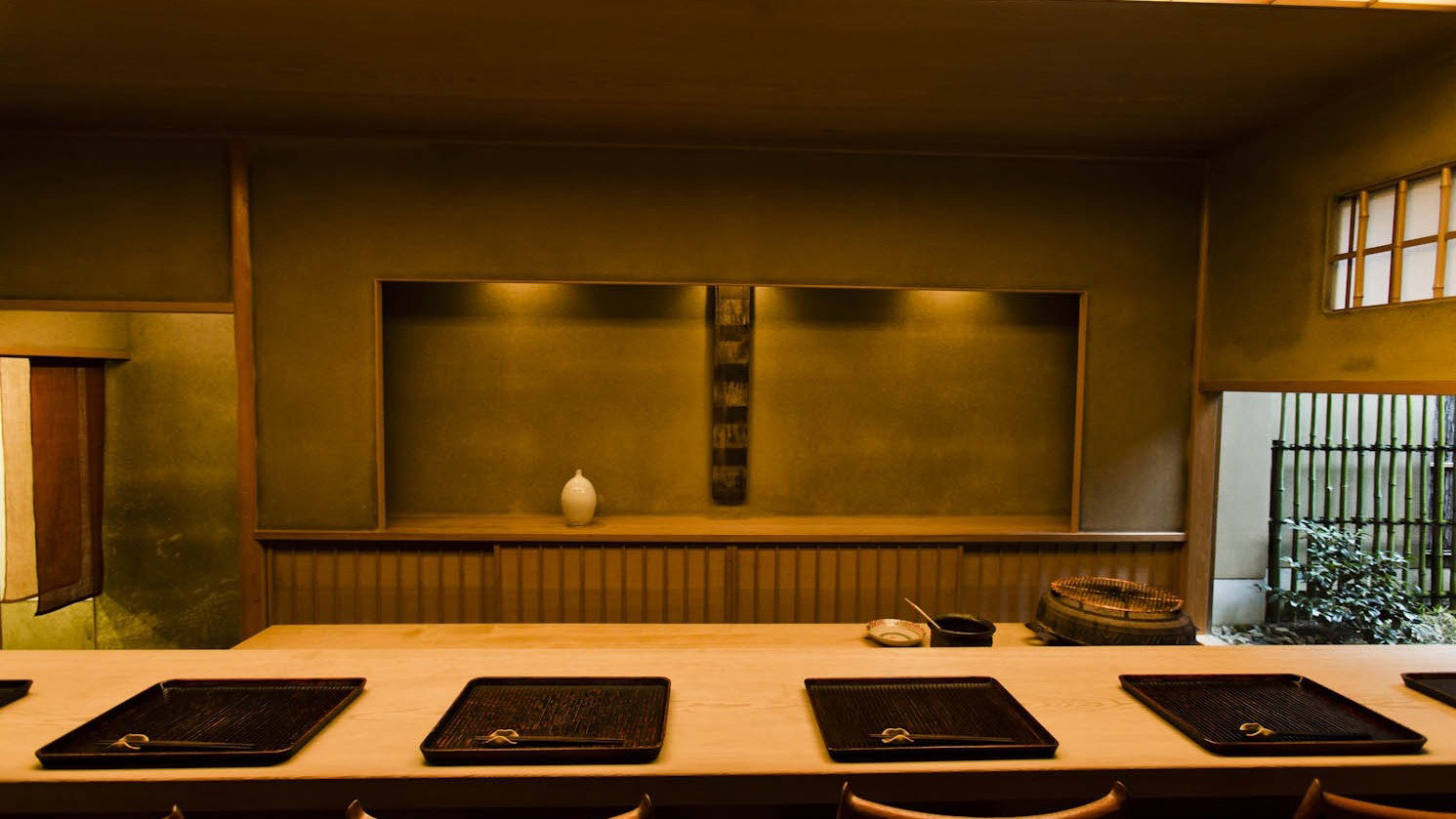
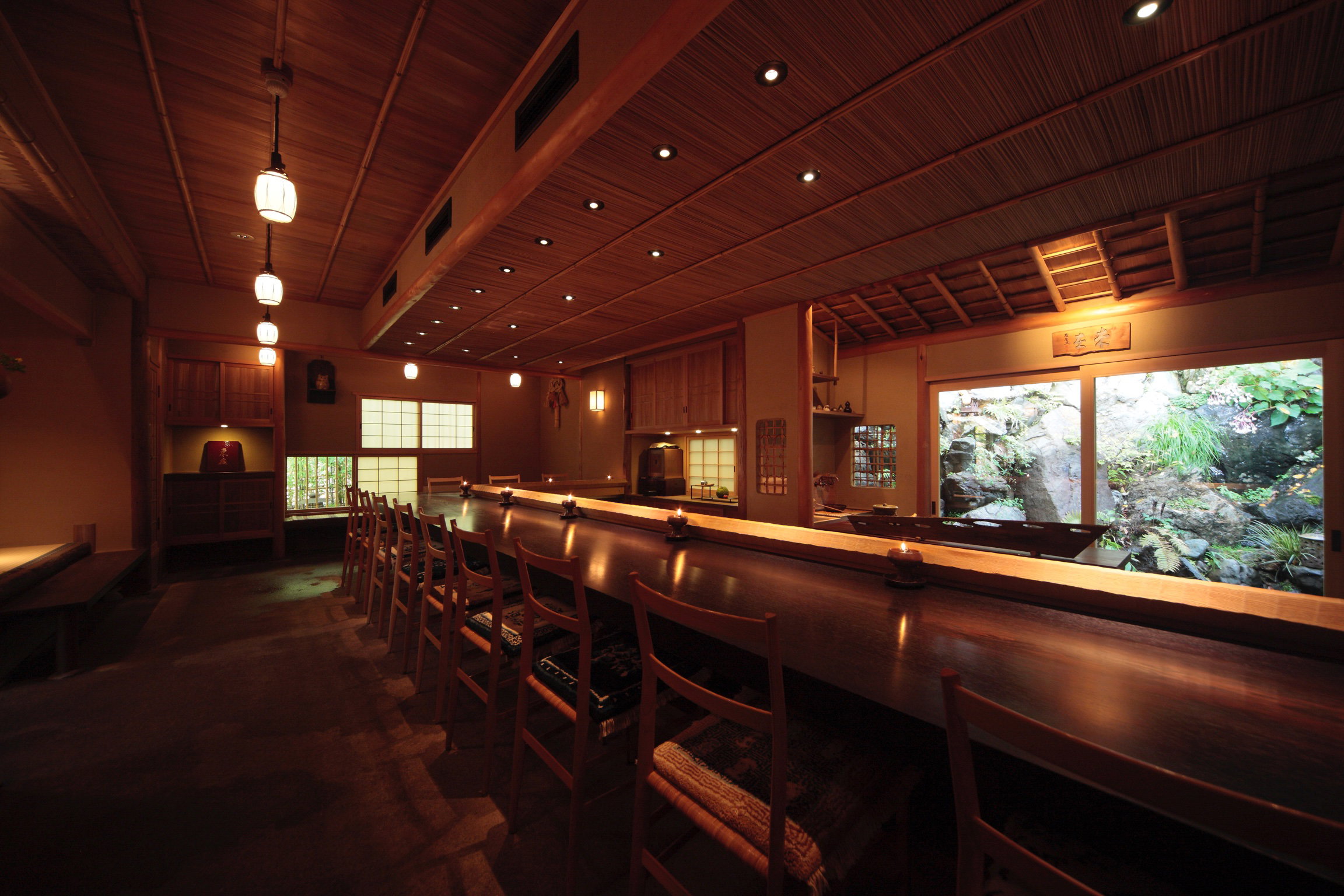
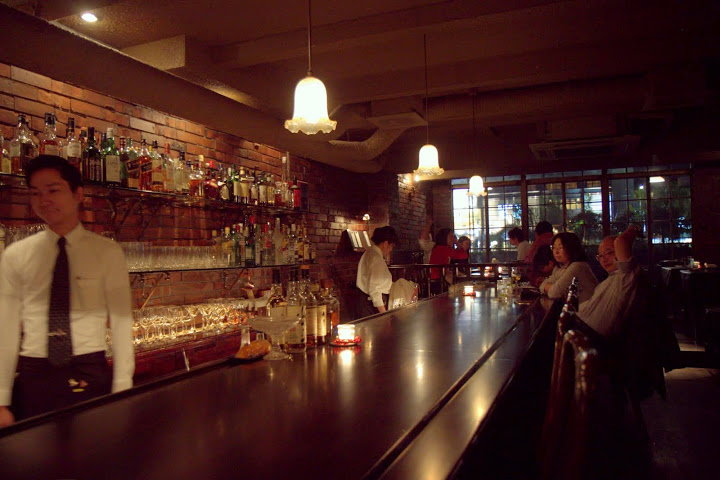
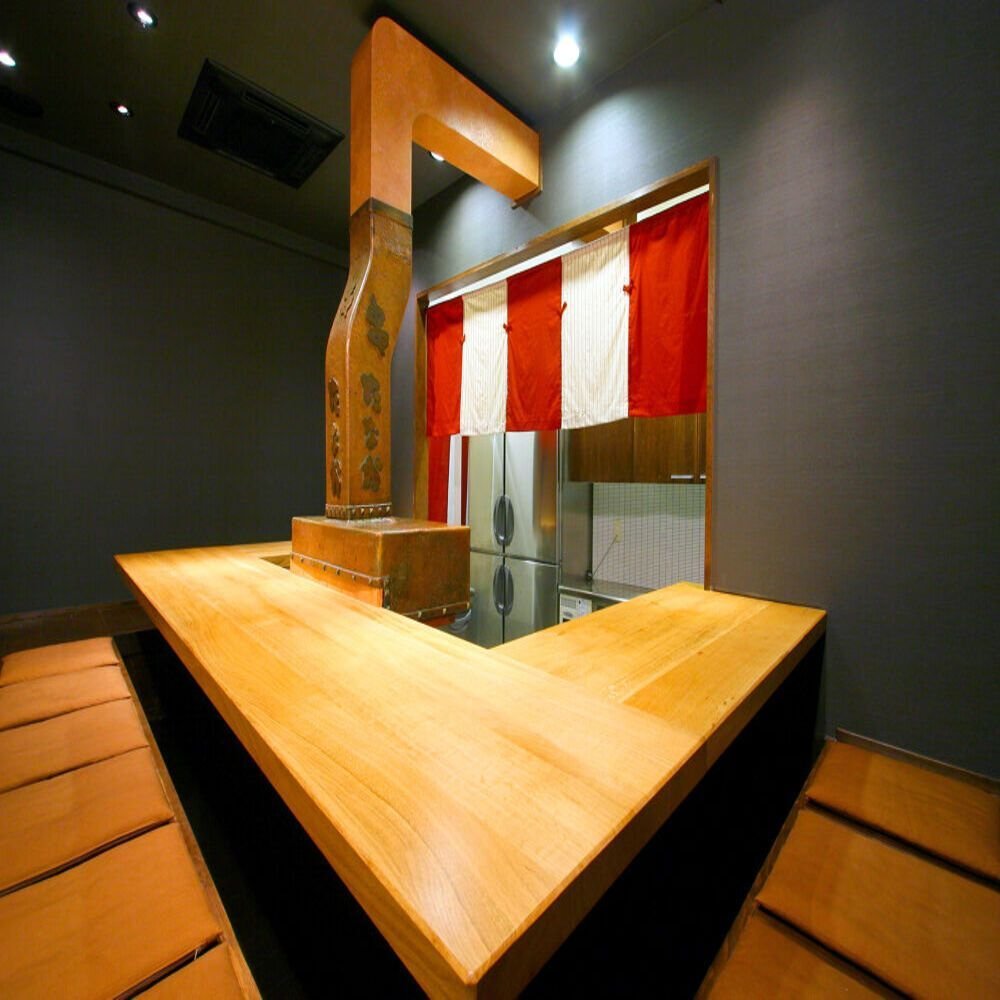
The room is built around a tight C-shaped counter that places every seat close to the chef. The proximity is deliberate: part of what you are paying for is the theatre of watching the preparation, and Bordenave is noted in Michelin's own documentation as someone who "never forgets to show modesty and humour." That matters in a format where the conversation between chef and guest is as much of the experience as the food itself. The counter layout also means this is a naturally good solo dining venue, you are never isolated at a table for one, and the shared counter format makes the meal feel social without requiring a companion.
. That score reflects consistent execution rather than occasional brilliance, which is exactly what you want from a fixed-format restaurant you are visiting for the first time, or returning to.
Practical Details
Budget: ¥¥, accessible by Kyoto dining standards, significantly below kaiseki pricing at comparable Michelin-recognised venues. Reservations: Booking difficulty is rated easy, but given the counter format and limited seat count typical of this style of room, booking in advance is still advisable, particularly on weekends and during peak autumn and spring travel periods. Dress: No formal dress code is documented; smart casual is appropriate for a counter restaurant at this level. Location: 310-10 Uradeyamacho, Nakagyo Ward, centrally placed within Kyoto, accessible from the main transit corridors. Getting there: Nakagyo Ward is well-served by the Kyoto city bus network and is walkable from Karasuma Oike subway station.
How It Compares
See the comparison section below for how Kushi Tanaka sits against Kyoto's wider dining field. For a broader view of where to eat, drink, and stay in the city, see our full Kyoto restaurants guide, our full Kyoto hotels guide, our full Kyoto bars guide, our full Kyoto wineries guide, and our full Kyoto experiences guide.
If you are building a wider Japan itinerary around serious eating, Pearl also covers HAJIME in Osaka, Harutaka in Tokyo, akordu in Nara, Goh in Fukuoka, 1000 in Yokohama, and 6 in Okinawa. For the kushiage format specifically, Kitashinchi Kushikatsu Bon in Osaka and Hidden Kitchen in Hong Kong are the closest regional comparisons worth considering.
Pearl Picks Nearby
Other Kyoto counter and Japanese dining options worth considering: Hyotei, Isshisoden Nakamura, Ahbon, and Kikunoi Honten.
Planning details
- Location
- 310-10 Uradeyamacho, Nakagyo Ward, Kyoto, 604-8155, Japan
- Website
- kushitanaka.com
- Phone
- +81 75-222-0054
The take
The Take
The Vibe
Kushi Tanaka feels like a focused, chef‑led counter where restraint and craft replace décor flourishes. The tight C‑shaped counter keeps the owner‑chef in full view, and the kitchen's technical approach compresses kaiseki‑level creativity into bite‑sized skewers. That contrast — rooted in the casual kushiage tradition but elevated by Michelin Bib Gourmand recognition — gives the place a refined but unpretentious energy. The neighbourhood location between tourist Gion and quieter residential streets reinforces a quietly confident, local character: precise, purposeful and quietly sophisticated rather than flashy or loud.
Best For
This is best for diners who want a direct, chef‑led experience: date nights that favor conversation across a counter, solo meals at the chef's station and anyone curious about an accelerated tasting of kushiage. The format is compact and personal — seating concentrates around the cook, and the prix fixe sequence keeps the focus on what arrives rather than on a la carte choices. It's not suited to large groups or those who prefer to customize every dish; instead it rewards attention to technique and pacing.
Ordering Tips
Embrace the restaurant's 'Ippo Tsuko' approach: there is no menu and skewers arrive in a kitchen‑determined sequence without consultation. Expect rapid, successive servings delivered straight to the counter and understand that there is no opportunity to reorder or redirect the lineup. Sit where you can see the chef if you enjoy watching the preparation, and be prepared to move at the meal's brisk tempo so you can appreciate the intended progression of flavors and textures.
Venue details
Ambiance
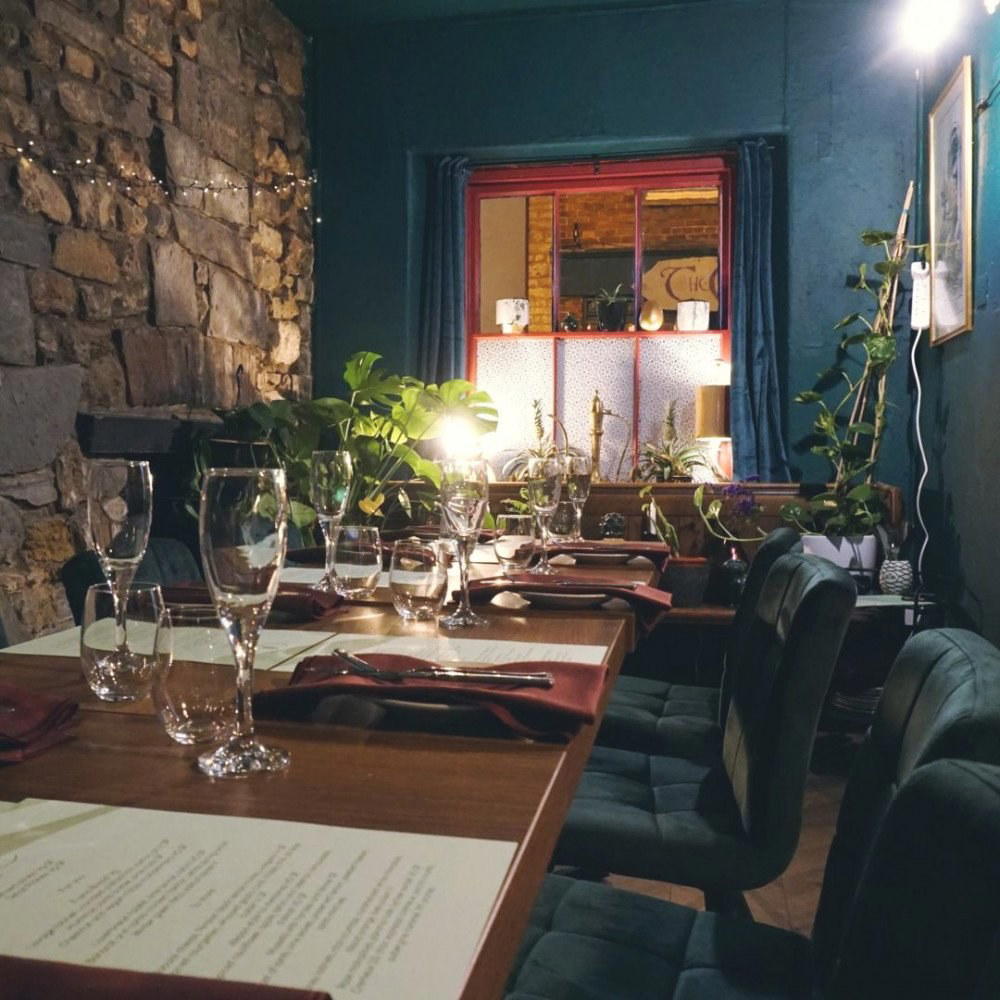
Warm and intimate setting with dim lighting, U-shaped counter surrounding the chef, and traditional tatami room upstairs.
Tags
Vibe
Best For
At the Table
- Dress Code
- Smart Casual
- Noise Level
- Quiet
- Service Style
- Counter Service
- Meal Pacing
- Leisurely
- Capacity
- Intimate
Know before you go
Know Before You Go
- Getting there
- 310-10 Uradeyamacho, Nakagyo Ward, Kyoto, 604-8155, Japan
Planning details
Location
310-10 Uradeyamacho, Nakagyo Ward, Kyoto, 604-8155, Japan · Directions
Recognition and awards
Also consider
Also Consider
- Gion Sasaki, Kaiseki, Japanese, ¥¥¥¥
- cenci, Italian, ¥¥¥
- Ifuki, Kaiseki, ¥¥¥¥
- Kyokaiseki Kichisen, Japanese, ¥¥¥¥
- Kyo Seika, Chinese, ¥¥¥
Restaurant context
Kushi Tanaka sits at ¥¥ while most of its Michelin-recognised peers in Kyoto operate at ¥¥¥¥. That price gap is the first thing to understand when comparing options. Gion Sasaki and Ifuki both offer kaiseki at the top of the city's price tier, technically accomplished, seasonally precise, and suitable for occasions where ceremony and course progression matter. Kyokaiseki Kichisen operates similarly. If you are planning a formal dinner or celebrating something significant, those rooms are built for it in a way that a counter kushiage restaurant is not. Kushi Tanaka is the right call when you want Michelin-backed quality without the ¥¥¥¥ commitment.
cenci occupies an interesting middle position at ¥¥¥, Italian-influenced, creative, and significantly easier on the wallet than the kaiseki establishment, but it serves a different purpose. If your trip to Kyoto includes multiple dinners and you want variety across formats and price points, pairing one kaiseki room with Kushi Tanaka and cenci covers a wide range without redundancy. For the single-dinner visitor on a tighter budget, Kushi Tanaka is the clearest choice: two consecutive Bib Gourmand awards at a ¥¥ price is a combination none of the ¥¥¥¥ peers can match on value terms.
On booking difficulty, Kushi Tanaka is rated easy, a practical advantage over the harder-to-secure kaiseki rooms, particularly during peak autumn and spring seasons when Kyoto reservations tighten considerably. If you are building a last-minute itinerary, Kushi Tanaka is a realistic option in a way that Gion Sasaki or Kyokaiseki Kichisen may not be. The trade-off is format flexibility: the fixed Ippo Tsuko menu means you are fully in the chef's hands, with no à la carte alternative. Diners who prefer to choose their own progression, or who are managing specific dietary requirements, will find the ¥¥¥¥ kaiseki rooms more accommodating of individual requests.
Explore Kyoto
Around this place
Discover more on Pearl
Unlock the full Kushi Tanaka guide in Pearl, including awards, comparisons, FAQs, planning details, and nearby places.
Compare Kushi Tanaka
| Venue | Cuisine | Price | Awards | Booking Difficulty |
|---|---|---|---|---|
| Kushi Tanaka | Kushiage | ¥¥ | 2026 Bib Gourmand2025 Michelin Bib Gourmand2024 Michelin Bib Gourmand | Easy |
| Gion Sasaki | Kaiseki, Japanese | ¥¥¥¥ | 2026 Tabelog Bronze · #3862026 OAD Top Restaurants in Japan RecommendedMichelin Guide Kyoto Osaka 20262026 La Liste Top RestaurantsTabelog 100 - Japanese cuisine - WEST - 2025 · #132025 OAD Top Restaurants in Japan Ranked · #2462025 Tabelog Silver2025 Michelin 3 Stars2025 La Liste Top Restaurants | Unknown |
| cenci | Italian | ¥¥¥ | 2026 Tabelog Bronze · #442026 Asia's 50 Best Restaurants · #762026 OAD Top Restaurants in Japan Highly RecommendedMichelin Guide Kyoto Osaka 2026Tabelog 100 - Italian - WEST - 2025 · #632025 Asia's 50 Best Restaurants · #632025 OAD Top Restaurants in Japan Ranked · #1682025 Tabelog Bronze2024 OAD Top Restaurants in Japan Ranked · #135 | Unknown |
| Ifuki | Kaiseki | ¥¥¥¥ | 2026 OAD Top Restaurants in Japan Ranked · #1222026 Tabelog Bronze · #128Michelin Guide Kyoto Osaka 20262026 La Liste Top RestaurantsTabelog 100 - Japanese cuisine - WEST - 2025 · #622025 OAD Top Restaurants in Japan Ranked · #1002025 La Liste Top Restaurants2025 Tabelog Bronze2025 Michelin 2 Stars | Unknown |
| Kyokaiseki Kichisen | Japanese | ¥¥¥¥ | 2026 Tabelog Bronze · #1752026 OAD Top Restaurants in Japan Highly RecommendedMichelin Guide Kyoto Osaka 20262025 OAD Top Restaurants in Japan Ranked · #1862025 Michelin 2 Stars2025 La Liste Top Restaurants2024 OAD Top Restaurants in Japan Ranked · #1422024 Michelin 2 Stars2023 OAD Top Restaurants in Japan Ranked · #136 | Unknown |
| Kyo Seika | Chinese | ¥¥¥ | Tabelog 100 - Chinese cuisine - WEST - 2026 · #762026 Tabelog Bronze · #2162026 OAD Top Restaurants in Japan Recommended2026 Michelin 1 Star2025 OAD Top Restaurants in Japan Ranked · #3262025 Tabelog Bronze2024 OAD Top Restaurants in Japan Ranked · #3042024 Michelin Plate2024 Michelin 1 Star | Unknown |









.png?width=1200&quality=80)
Key differences to consider before you reserve.
FAQ
Frequently Asked Questions
What should I wear to Kushi Tanaka?
Dress neatly but do not overthink it. Kushi Tanaka is a counter-format kushiage restaurant priced at ¥¥, well below the formal kaiseki tier where dress expectations are stricter. Clean, presentable clothing is appropriate. Avoid anything you would be upset to get lightly scented from the kitchen — counter seating puts you close to the chef.
Can Kushi Tanaka accommodate groups?
The tight C-shaped counter layout limits group capacity. This is a venue that works best for two people, and solo diners fit naturally. Larger groups should look at Kyoto restaurants with private dining rooms — Kikunoi Honten, for instance, has tatami rooms suited to parties of four or more.
Is Kushi Tanaka worth the price?
At ¥¥ pricing, yes — it is one of the stronger value cases among Michelin-recognised venues in Kyoto. Two consecutive Bib Gourmand awards (2024 and 2025) confirm quality without the kaiseki price tag. If you want a fixed-menu counter experience with chef presence and creative skewer cookery, the price-to-credential ratio is hard to beat in this city.
Is Kushi Tanaka good for solo dining?
This is one of the better solo dining options in Kyoto. The C-shaped counter places every guest close to chef Bertrand Bordenave, and the Ippo Tsuko format — skewers placed in front of you in sequence — is designed for individual pacing. Solo diners lose nothing by not being part of a larger table conversation.
How far ahead should I book Kushi Tanaka?
Book at least three to four weeks in advance, particularly for weekend evenings and peak Kyoto travel periods such as spring cherry blossom and autumn foliage seasons. The counter is small by design, which means availability disappears faster than the ¥¥ price point might suggest. Do not assume a Bib Gourmand-level restaurant in Kyoto is easy to walk into.