
Koryori Takaya
Japanese · Shimogyō, Kyoto
Restaurant in Kyoto, Japan
 Book with Pearl
The Read
Neighbourhood Kappo Precision
Price
¥¥¥
Dress
Smart Casual
Why go
A Michelin Plate kappo counter in Shimogyo, Kyoto, Koryori Takaya combines the craft of omakase with the ease of a neighbourhood eatery. At ¥¥¥, it is one of the more accessible routes into quality omakase dining in Kyoto. Book the evening service for the full chef-driven progression, closing with earthenware pot rice and a choice of accompaniments.
About Koryori Takaya
Verdict: A Michelin-Recognised Kappo Worth Booking for Its Omakase Evening
At the ¥¥¥ price point, Koryori Takaya is one of Kyoto's more approachable ways into kappo dining — a format that sits between the rigidity of formal kaiseki and the casualness of an izakaya. Two consecutive Michelin Plates (2024 and 2025) confirm it deserves serious attention. If you want omakase in Kyoto without the ¥¥¥¥ outlay of Kyokaiseki Kichisen or Kikunoi Roan, this is a strong alternative — provided you go in the evening when the chef's full range is on show.
What to Expect
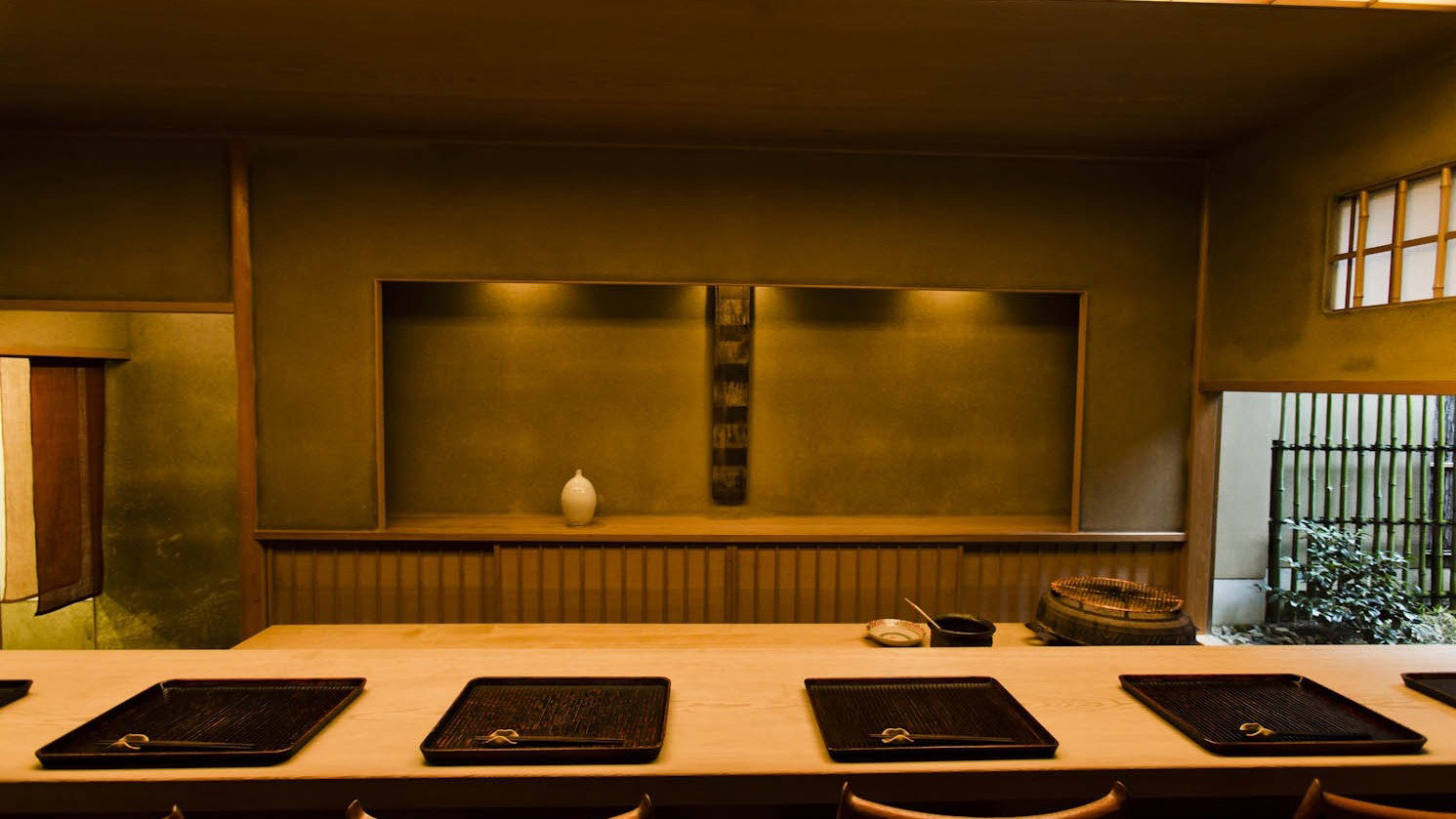
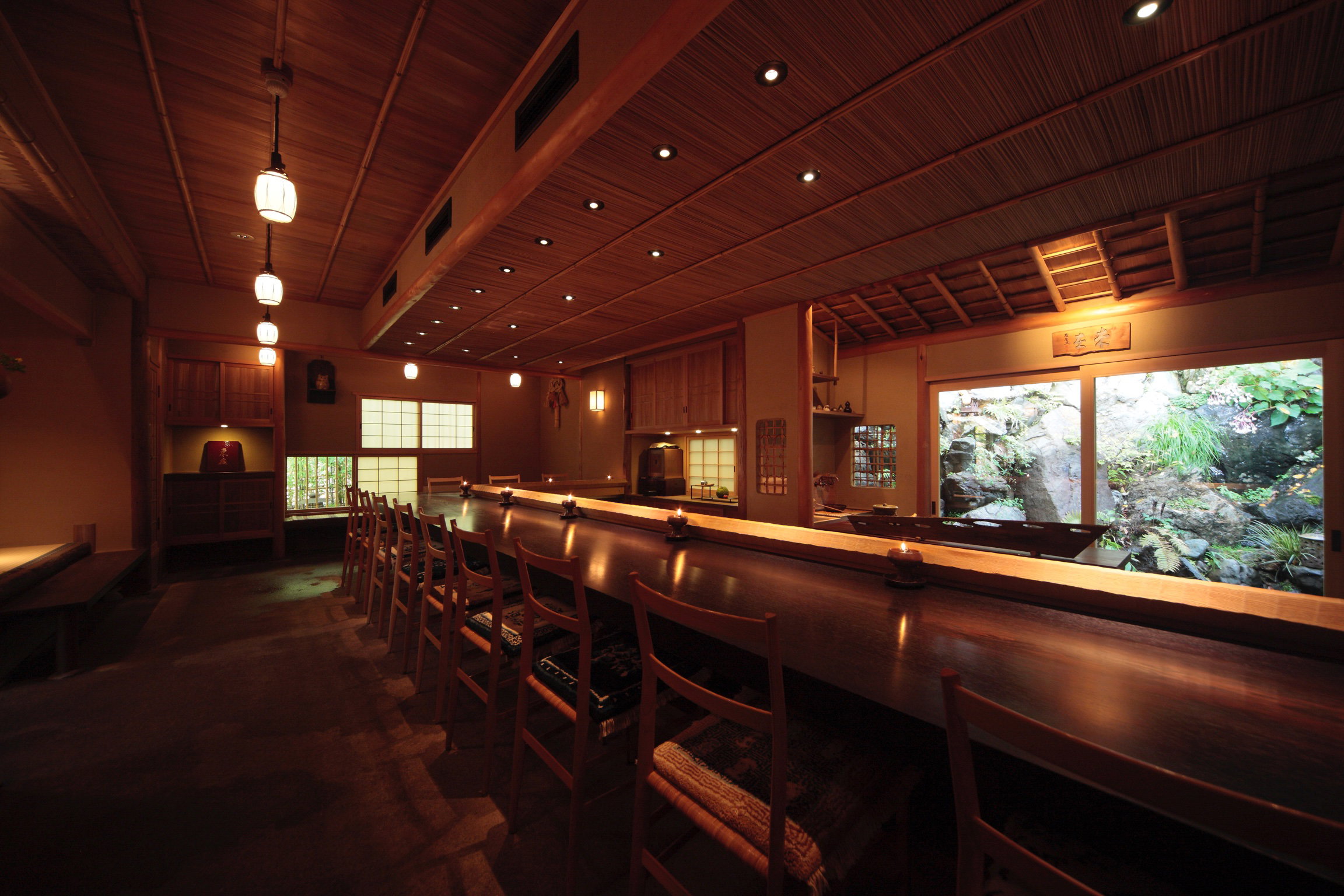
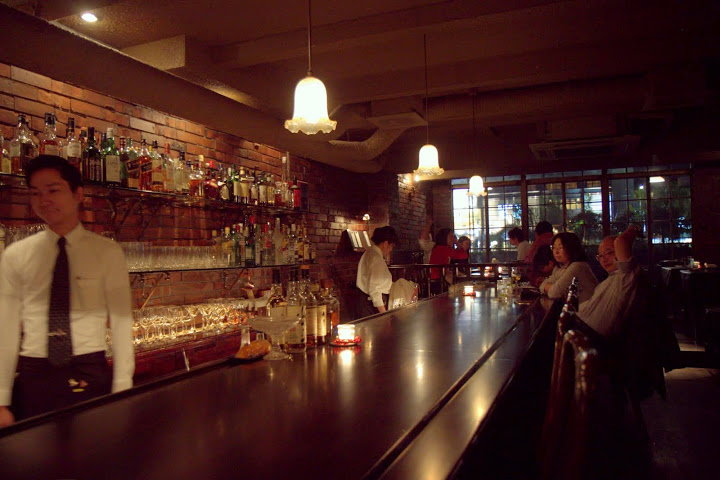
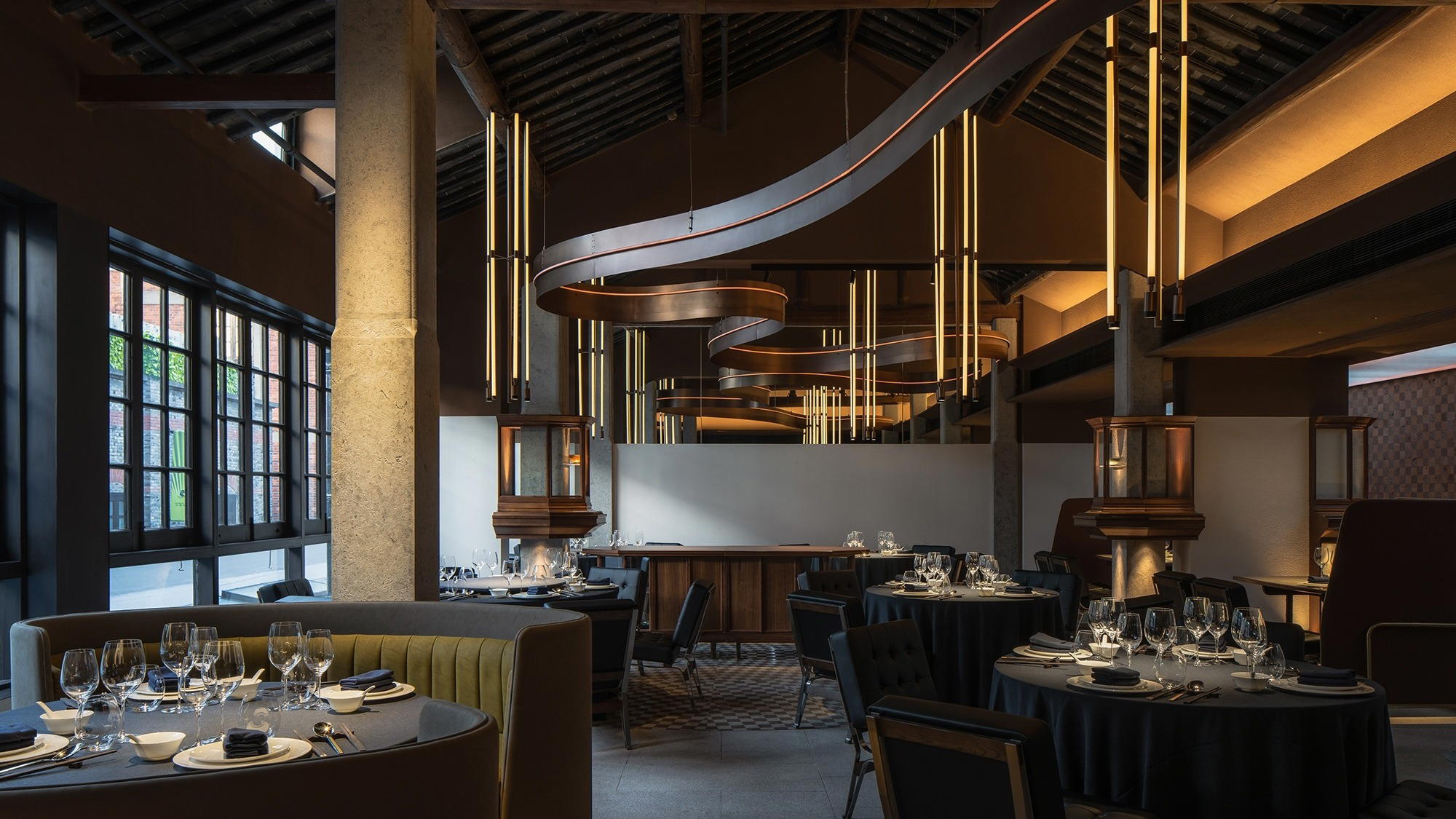
Koryori Takaya's identity is built on a deliberate tension: it operates as a kappo counter, where the chef cooks in front of you and the meal follows an omakase progression, but the mood reads more like a neighbourhood regular's favourite than a ceremonial dining room. The atmosphere is warm and conversational rather than hushed and formal. Expect a room that feels lived-in and genuinely welcoming, not staged for maximum awe.
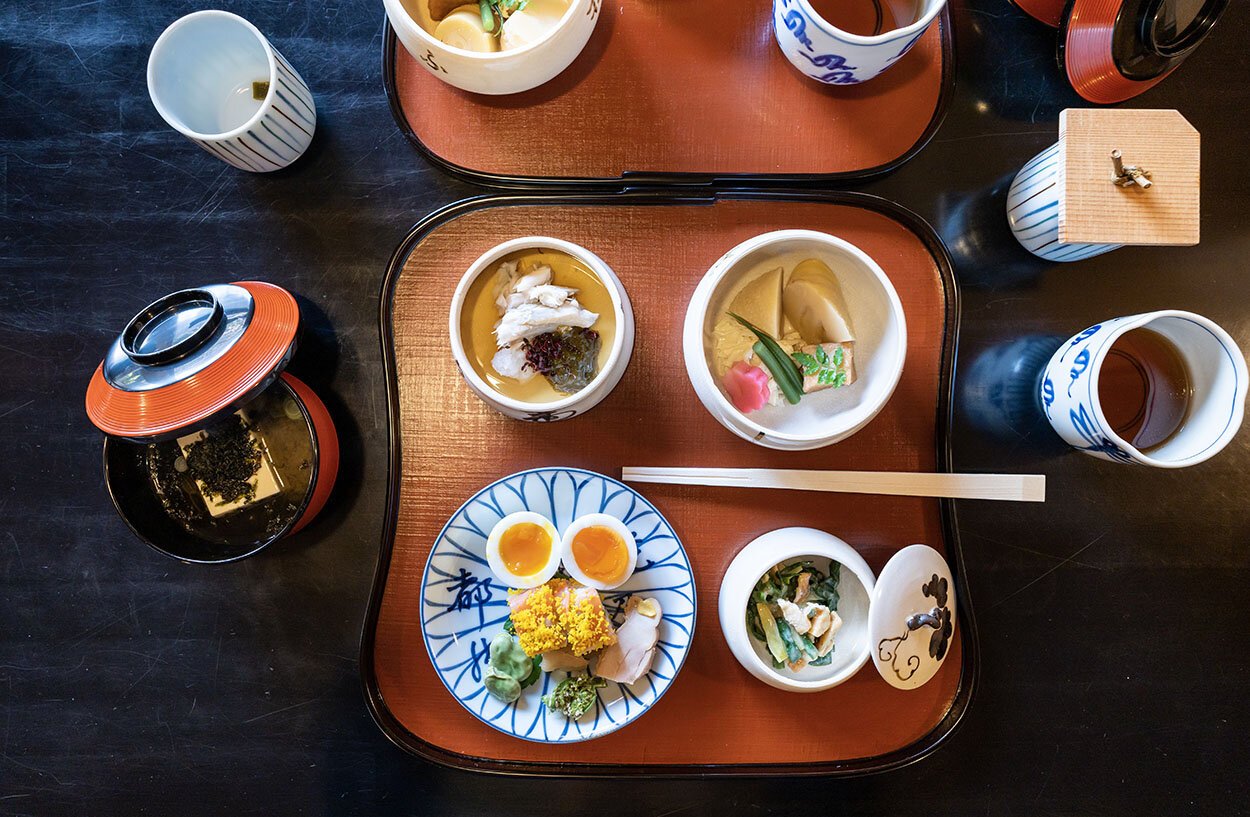
Lunch and dinner are structured differently, and that distinction matters when booking. At lunch, set meals with a variety of small side dishes make it an efficient and good-value midday stop. In the evening, the full omakase format comes into play, closing with rice cooked in earthenware pots, a deliberate, comforting finish. The choice of pickled tuna, grilled fish, or sukiyaki to end the meal gives the evening a relaxed, slightly festive quality that distinguishes Takaya from more austere omakase counters.
The address, Nishisakaicho, Shimogyo Ward, places it in the southern half of central Kyoto, within reasonable distance of Gion and Kawaramachi, and accessible without the trek required for some of Kyoto's more remote dining destinations. For context on the broader restaurant scene, see our full Kyoto restaurants guide.
Booking and Timing
Koryori Takaya is rated Easy to book relative to Kyoto's more in-demand counters. That's a meaningful advantage: venues like Gion Matayoshi or Isshisoden Nakamura require significantly more lead time. For Takaya, booking one to two weeks out is a reasonable target for most dates, though cherry blossom season (late March to mid-April) and autumn foliage season (November) are high-demand windows across all of Kyoto, add a week or two of buffer for those periods.
Evening slots, particularly the omakase service, will fill before lunch sittings. If the omakase is your priority, book that first; lunch is the easier fallback if evening is unavailable.
Groups and Private Dining
Seat count is not confirmed in available data, but the kappo format is typically built around a counter seating between 8 and 14, meaning this is not the right venue for large group celebrations. For parties of two to four, a kappo counter works well: the counter layout naturally facilitates conversation between diners and the chef, and the relaxed warmth of Takaya's room makes it feel less exposing than a more theatrical omakase setting.
For groups of six or more looking for a special occasion dinner in Kyoto, the private dining rooms at ¥¥¥¥-tier venues like Kodaiji Jugyuan or Kyokaiseki Kichisen are better suited. Takaya's value is in the counter intimacy, not private room capacity.
Pearl's Take
Book for the evening omakase if you want the complete picture. The combination of Michelin recognition, a ¥¥¥ price tier, genuine neighbourhood warmth, and a relaxed end-of-meal format makes Koryori Takaya one of the more honest value propositions in Kyoto's midrange kappo category. Pair it with a broader Kyoto itinerary, the Kyoto hotels guide, bars guide, and experiences guide are useful starting points. If you're travelling beyond Kyoto, HAJIME in Osaka, akordu in Nara, and Goh in Fukuoka round out a strong Kansai and Kyushu dining circuit.
Quick Comparison
| Venue | Cuisine | Price | Booking Difficulty | Leading For |
|---|---|---|---|---|
| Koryori Takaya | Kappo / Japanese | ¥¥¥ | Easy | Omakase counter, pairs & small groups |
| Gion Sasaki | Kaiseki | ¥¥¥¥ | Hard | Full kaiseki experience, special occasions |
| cenci | Italian | ¥¥¥ | Moderate | Non-Japanese tasting menu alternative |
| Ifuki | Kaiseki | ¥¥¥¥ | Hard | Traditional kaiseki, formal setting |
| Kyokaiseki Kichisen | Japanese | ¥¥¥¥ | Very Hard | Prestige kaiseki, milestone dinners |
Planning details
- Location
- Japan, 〒600-8218 Kyoto, Shimogyo Ward, Nishisakaicho, 165-1 165GEM7
- Website
- koryouritakaya.gorp.jp
- Phone
- +81 75-365-5159
The take
The Take
The Vibe
Koryori Takaya exemplifies a Kyoto kappo counter: restrained, attentive and quietly refined. The cook works in open view and the room favors a slowed tempo — the pacing lengthens and the counter becomes a place to settle rather than pass through. Rather than the lacquered formality of kaiseki or the briskness of teishoku, the experience sits in a middle register that feels both familiar and carefully calibrated. Michelin inspectors note its neighbourhood comfort; the overall impression is classic Kyoto restraint with a welcoming, intimate edge.
Best For
This kappo counter is well suited to evenings when conversation matters as much as the food. It works for date nights and special occasions where a measured, course-by-course progression lets the meal unfold, and for business dinners that value focused, seated conversation in a discreet neighbourhood room. Because the format centers on the counter and the chef’s rhythm, the setting rewards diners who want an attentive, chef-led experience rather than a fast, transactional meal.
Ordering Tips
Kappo at Takaya is shaped by the kitchen’s pacing: courses arrive as the cook dictates and the evening is equally about conversation and choreography. Opt for the counter if available — it’s where the format is clearest and where the chef’s rhythms matter most. Expect a gentler tempo than Tokyo omakase; the meal lengthens, so plan to go with the flow and let the kitchen set the sequence rather than trying to direct it.
Venue details
Ambiance
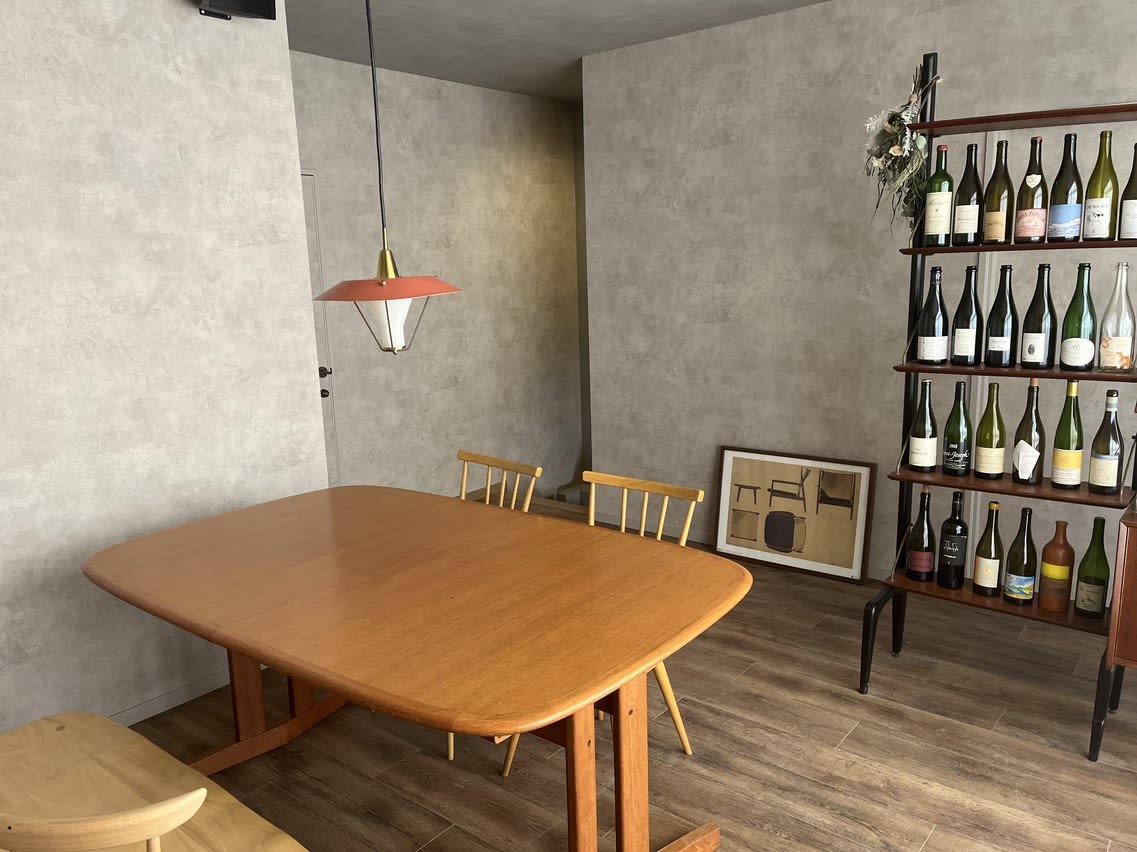
Cozy neighborhood eatery atmosphere with smiling conversation, comfortable familiarity, and relaxing counter seating.
Tags
Vibe
Best For
Experience
Sourcing
Accessibility
At the Table
- Dress Code
- Smart Casual
- Noise Level
- Quiet
- Service Style
- Upscale Casual
- Meal Pacing
- Leisurely
- Capacity
- Intimate
Know before you go
Know Before You Go
- Getting there
- Japan, 〒600-8218 Kyoto, Shimogyo Ward, Nishisakaicho, 165-1 165GEM7
Planning details
Location
Japan, 〒600-8218 Kyoto, Shimogyo Ward, Nishisakaicho, 165-1 165GEM7 · Directions
Recognition and awards
Also consider
Also Consider
- Gion Sasaki, Kaiseki, Japanese, ¥¥¥¥
- cenci, Italian, ¥¥¥
- Ifuki, Kaiseki, ¥¥¥¥
- Kyokaiseki Kichisen, Japanese, ¥¥¥¥
- SEN, French, Japanese, ¥¥¥¥
Restaurant context
At ¥¥¥, Koryori Takaya sits a full price tier below most of its serious competition in Kyoto. Gion Sasaki and Ifuki both operate at ¥¥¥¥ and deliver the full kaiseki format, multi-course, seasonal, highly ceremonial, but they demand both a higher spend and considerably more lead time to book. If your priority is Kyoto's most technically demanding kaiseki experience, Kyokaiseki Kichisen at ¥¥¥¥ is the reference point, though it is among the hardest restaurant reservations in Japan to secure.
For a diner who wants omakase craft without the kaiseki price or formality, Koryori Takaya is the cleaner pick. The kappo format, counter seating, chef cooking in front of you, warm rather than austere, suits food travellers who want engagement over ceremony. cenci at ¥¥¥ is the strongest alternative at the same price tier, but it offers an Italian tasting menu rather than Japanese, which is a meaningful difference if your goal is to eat well within Kyoto's culinary tradition.
SEN at ¥¥¥¥ occupies a different lane, French-Japanese, more ambitious in scope, and is worth considering if you want a cross-cultural tasting format and have the budget. For most visitors who want a genuine, well-priced omakase night in Kyoto without a weeks-long booking window, Koryori Takaya is the most practical choice in this peer set.
Explore Kyoto
Around this place
Discover more on Pearl
Unlock the full Koryori Takaya guide in Pearl, including awards, comparisons, FAQs, planning details, and nearby places.
Compare Koryori Takaya
| Venue | Awards | Price |
|---|---|---|
| Koryori Takaya | Michelin Guide Kyoto Osaka 20262026 Michelin Plate2025 Michelin Plate2024 Michelin Plate | ¥¥¥ |
| Gion Sasaki | 2026 Tabelog Bronze · #3862026 OAD Top Restaurants in Japan RecommendedMichelin Guide Kyoto Osaka 20262026 La Liste Top RestaurantsTabelog 100 - Japanese cuisine - WEST - 2025 · #132025 OAD Top Restaurants in Japan Ranked · #2462025 Tabelog Silver2025 Michelin 3 Stars2025 La Liste Top Restaurants | ¥¥¥¥ |
| cenci | 2026 Tabelog Bronze · #442026 Asia's 50 Best Restaurants · #762026 OAD Top Restaurants in Japan Highly RecommendedMichelin Guide Kyoto Osaka 2026Tabelog 100 - Italian - WEST - 2025 · #632025 Asia's 50 Best Restaurants · #632025 OAD Top Restaurants in Japan Ranked · #1682025 Tabelog Bronze2024 OAD Top Restaurants in Japan Ranked · #135 | ¥¥¥ |
| Ifuki | 2026 OAD Top Restaurants in Japan Ranked · #1222026 Tabelog Bronze · #128Michelin Guide Kyoto Osaka 20262026 La Liste Top RestaurantsTabelog 100 - Japanese cuisine - WEST - 2025 · #622025 OAD Top Restaurants in Japan Ranked · #1002025 La Liste Top Restaurants2025 Tabelog Bronze2025 Michelin 2 Stars | ¥¥¥¥ |
| Kyokaiseki Kichisen | 2026 Tabelog Bronze · #1752026 OAD Top Restaurants in Japan Highly RecommendedMichelin Guide Kyoto Osaka 20262025 OAD Top Restaurants in Japan Ranked · #1862025 Michelin 2 Stars2025 La Liste Top Restaurants2024 OAD Top Restaurants in Japan Ranked · #1422024 Michelin 2 Stars2023 OAD Top Restaurants in Japan Ranked · #136 | ¥¥¥¥ |
| SEN | 2026 Tabelog Bronze · #3952026 OAD Top Restaurants in Japan RecommendedMichelin Guide Kyoto Osaka 20262026 Michelin PlateTabelog 100 - Japanese cuisine - WEST - 2025 · #652025 Michelin Plate2025 Tabelog Bronze2024 OAD Top Restaurants in Japan Ranked · #3622024 Michelin Plate | ¥¥¥¥ |
.png?width=1200&quality=80)






A quick look at how Koryori Takaya measures up.
FAQ
Frequently Asked Questions
What should I wear to Koryori Takaya?
Dress neatly but not formally. Koryori Takaya positions itself as a neighbourhood kappo — Michelin-noted but deliberately approachable in atmosphere — so a jacket is respectful but a suit is unnecessary. Think tidy casual: clean trousers, a collared shirt or equivalent. Avoid anything too casual like trainers or shorts.
Can Koryori Takaya accommodate groups?
This is not a group venue. Kappo counters of this type typically seat 8 to 14, and the omakase format is designed around intimate, chef-facing dining. Parties of two or three are the sweet spot; larger groups should look at Kyoto restaurants with private dining rooms rather than counter-only kappo.
Is Koryori Takaya good for solo dining?
Yes, and it may be the strongest use case. The kappo counter format puts you directly in front of the chef, and the venue's known warmth — smiling conversation is part of the experience according to Michelin's notes — means solo diners are engaged rather than ignored. The ¥¥¥ price tier is easier to commit to solo than a full omakase group booking.
Is Koryori Takaya worth the price?
At ¥¥¥ with Michelin Plate recognition in both 2024 and 2025, it sits at a reasonable entry point for Kyoto kappo. The evening omakase closes with earthenware pot rice and a choice of accompaniments — pickled tuna, grilled fish, or sukiyaki — which suggests a complete and considered meal rather than a stripped-back menu. For the format and the credential, the price holds up.
What are alternatives to Koryori Takaya in Kyoto?
For a step up in prestige and price, Kyokaiseki Kichisen is Kyoto's kaiseki benchmark. Gion Sasaki is the counter to target if you want a more celebrated omakase at a higher tier. cenci and SEN offer different registers — cenci leans Italian-influenced, SEN is more contemporary. Koryori Takaya is the choice when you want genuine kappo warmth without the multi-month booking lead times of the top-tier counters.
Is the tasting menu worth it at Koryori Takaya?
The evening omakase is the main reason to come. The format runs through freshly cooked kappo dishes before finishing with earthenware pot rice and a choice of protein accompaniments, which is an unusual and interactive close to a tasting menu. Lunch offers set meals with small sides — solid value, but the omakase is where the chef's range shows.
Is Koryori Takaya good for a special occasion?
Yes, particularly for a low-key celebration where warmth matters more than ceremony. The Michelin Plate credential and omakase format give it occasion weight, but the neighbourhood-eatery atmosphere means it won't feel stiff. If you want formal kaiseki theatre for a milestone, Kyokaiseki Kichisen is the Kyoto answer; Koryori Takaya is better for an evening that feels meaningful without being rigid.