

KOGA
Kamigyō, Kyoto
Restaurant in Kyoto, Japan
 Book with Pearl
The Read
Aromatic French-Kyoto Composition
Price
$100–150per person
Dress
Smart Casual
Why go
Chef Koga Ryuji brings French technique and a perfumer's approach to flavour to a Kyoto setting, sourcing produce from the Takagamine district and building dishes around aroma and composition. If you want a special occasion dinner that steps outside Kyoto's kaiseki tradition without leaving its produce behind, this is one of the more considered options in the city. Booking is straightforward.
About KOGA
Who KOGA Is For, And When to Go
If you are planning a special occasion dinner in Kyoto and want French-influenced cooking grounded in local Kyoto produce, KOGA is worth your attention. This is the kind of restaurant that suits a milestone birthday, an anniversary, or a business dinner where the food needs to carry the evening. It is not a kaiseki house: if that is what you are after, Gion Sasaki or Hyotei are stronger choices. But if you want a room where French technique and Kyoto ingredients meet with genuine intent, KOGA makes a compelling case.
What the Kitchen Does
Chef Koga Ryuji trained in France under Christian Le Squer, one of the most technically rigorous chefs in the Paris dining circuit. That background shows in how the kitchen approaches flavour: the guiding principle is the interplay of aromas, treating each ingredient the way a perfumer considers a note. The result is cooking that is precise without being cold, and rooted in Kyoto without being bound by its kaiseki conventions.
The clearest expression of this approach is the Warm Salad, a dish built around vegetables sourced from the Takagamine district in Kyoto's Kita Ward. Each vegetable is cooked differently to draw out its individual character, and the dish works as a composition rather than a collection. It is the kind of technical thinking you find at HAJIME in Osaka or Le Bernardin in New York City, where the method serves the ingredient rather than the other way around.
The char-grilled meat courses use the same logic: sauces are built to interact with the smoke and char of the meat rather than simply accompany it. We're Smart, the vegetable-forward dining authority, has noted KOGA's commitment to natural flavours and has signalled interest in whether a plant-forward menu might be possible. That kind of external recognition from a produce-focused guide is a meaningful trust signal for a French-style kitchen.
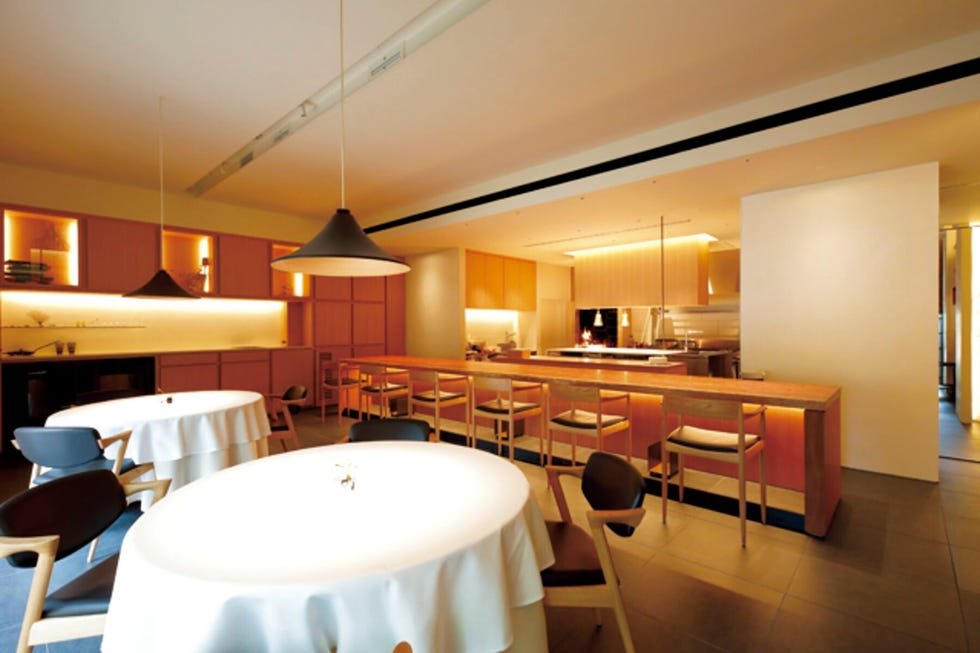
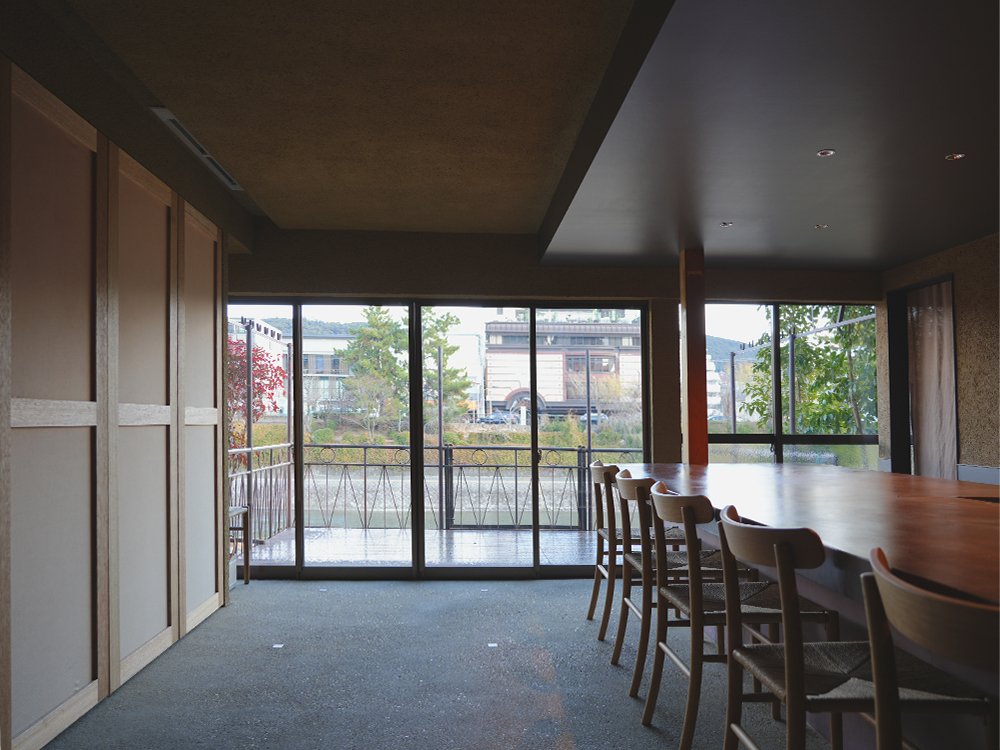
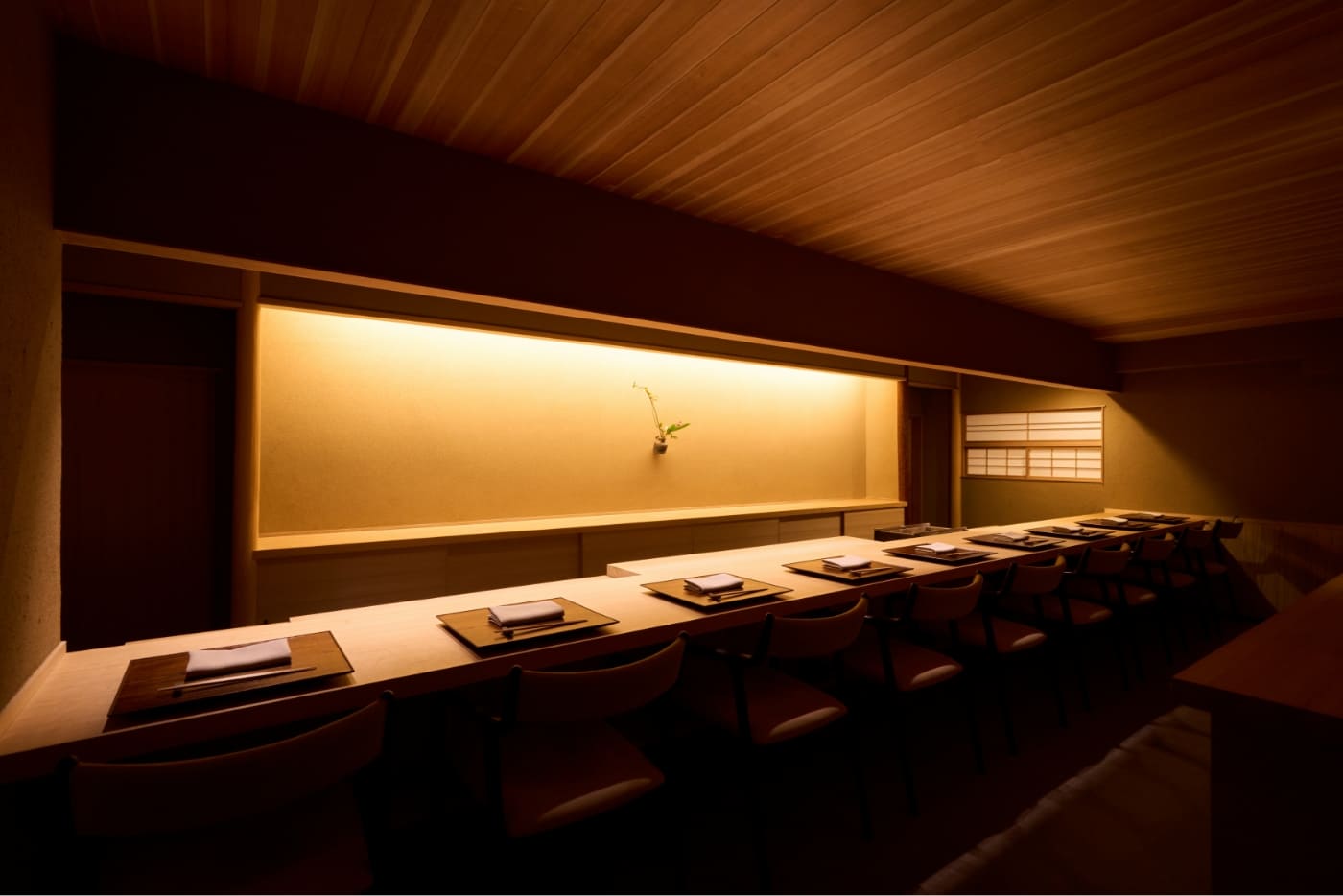
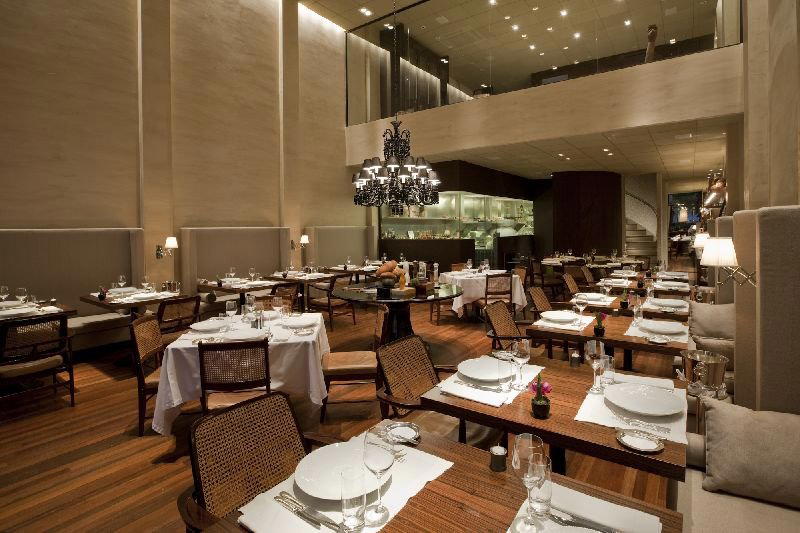
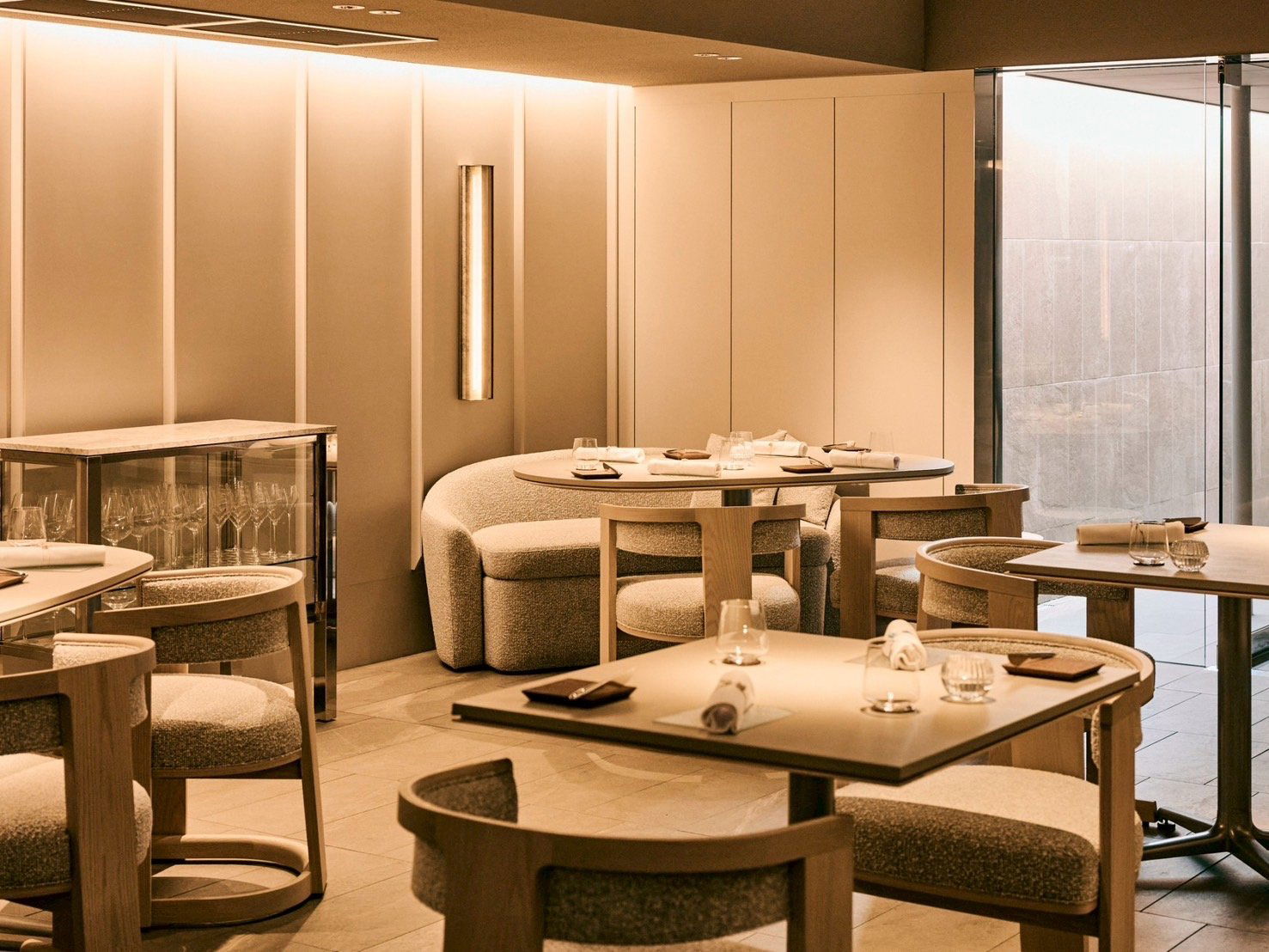
Space itself is designed to support the experience. KOGA's setting in Kamigyo Ward reflects the chef's stated goal of having every element flow together: the room, the food, and the service are meant to read as one. For a special occasion dinner, that coherence matters. You are not eating in a room that works against the food. The physical setting reinforces the intention of the kitchen, which is what you want when the occasion calls for it.
How It Compares to Kyoto's French and Kaiseki Options
Kyoto's dining scene at this level is dominated by kaiseki, so a French-influenced kitchen is a genuine alternative rather than a secondary option. Against Kikunoi Honten or Isshisoden Nakamura, KOGA offers a different structure and vocabulary. Against Mizai, which is one of the most technically demanding kaiseki experiences in the city, KOGA is likely an easier booking and a different kind of precision. For diners who find kaiseki's ritual unfamiliar, KOGA's French framework may be more readable while still delivering Kyoto-sourced produce at a serious level. Elsewhere in Japan, comparable French-Japanese crossover cooking exists at akordu in Nara and, at a different register, at Lazy Bear in San Francisco for those benchmarking across markets.
Know Before You Go
- Location: Nakaogawacho 230, Kamigyo Ward, Kyoto
- Booking difficulty: Easy, advance reservation recommended but not weeks-out essential
- Leading for: Special occasions, anniversary dinners, business meals where food quality carries weight
- Cuisine style: French-influenced, Kyoto-produce-forward, aroma-led composition
- Key produce source: Takagamine district, Kita Ward, Kyoto
- Recognition: Noted by We're Smart Green Guide for natural flavour approach and produce sourcing
- Chef training: Christian Le Squer, Paris
More to Explore in Kyoto and Beyond
KOGA sits within a city that rewards careful restaurant selection. For the full picture, see our full Kyoto restaurants guide, our Kyoto hotels guide, our Kyoto bars guide, our Kyoto wineries guide, and our Kyoto experiences guide. If you are building a Japan itinerary around serious cooking, Goh in Fukuoka, Harutaka in Tokyo, and 1000 in Yokohama are worth adding to your shortlist. For something closer in spirit and geography, 6 in Okinawa offers another angle on Japanese fine dining outside the kaiseki tradition.
Planning details
- Hours
- Monday: 12–3 PM, 6–10 PM · Tuesday: Closed
- Location
- Japan, 〒602-0053 Kyoto, Kamigyo Ward, Nakaogawacho, 230
- Website
- koga-kyoto.jp
- Phone
- +81 75-276-1771
The take
The Take
The Vibe
KOGA reads as a quietly refined Kyoto address where French classical craft meets the city’s seasonal restraint. The kitchen uses minimal intervention to reframe local produce through precise European technique. Situated in a residential slice of Kamigyo Ward north of the Imperial Palace, the restaurant favors a calmer, more contemplative pace than Kyoto’s busier dining corridors. The result is an understated, classic atmosphere that privileges ingredient clarity and compositional rigor over spectacle, appealing to diners who value technique and seasonal subtlety.
Best For
This is a place tailored to focused, special-occasion dining: business dinners, celebratory meals and other formal evenings feel appropriate here. The restaurant’s pedigree, a chef trained under Christian Le Squer, and the emphasis on seasonal discipline lend themselves to occasions that reward attentive tasting and conversation. Because KOGA sits in a quieter residential neighborhood and foregrounds restraint and precision, it’s best suited to diners seeking a composed, intimate evening rather than a boisterous night out.
Ordering Tips
Reserve in advance and plan for a composed, season-driven meal; the description stresses the kitchen’s restraint and its location off the main dining corridors, which implies limited walk-in availability. Embrace the restaurant’s seasonal logic, menus revolve around local produce and careful technique, and allow the kitchen’s compositional approach to guide choices. For business or celebratory evenings, book early and confirm timing to ensure a focused, uninterrupted dining experience.
Venue details
Ambiance
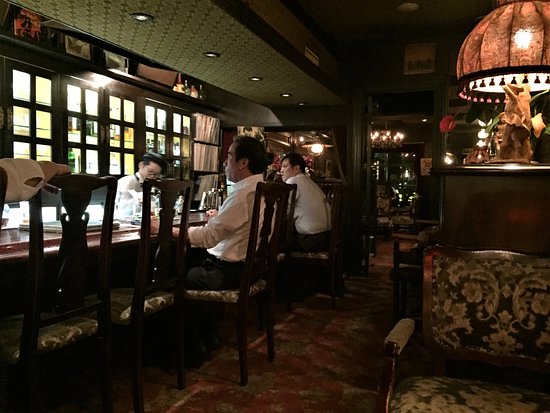
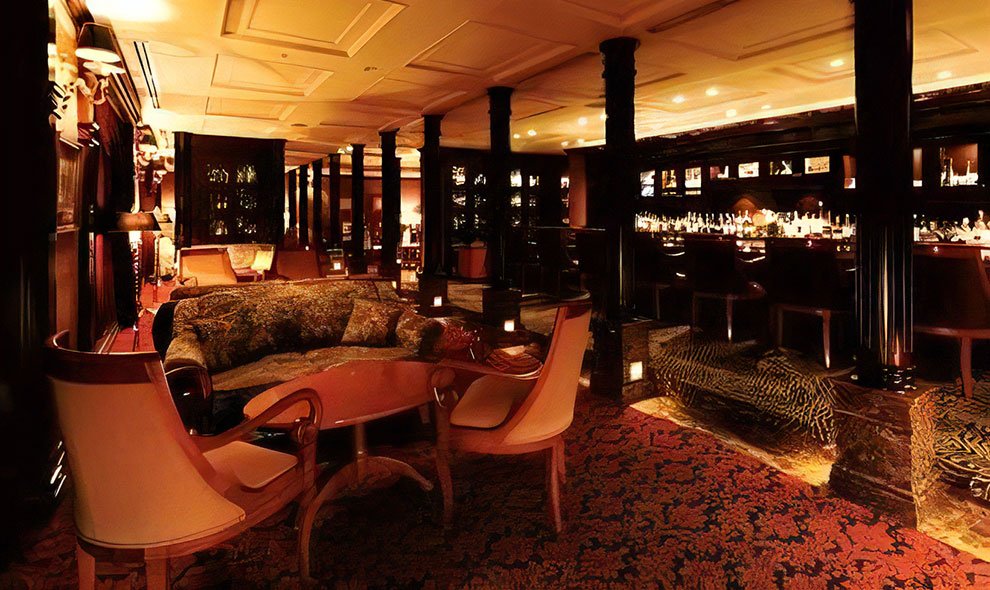
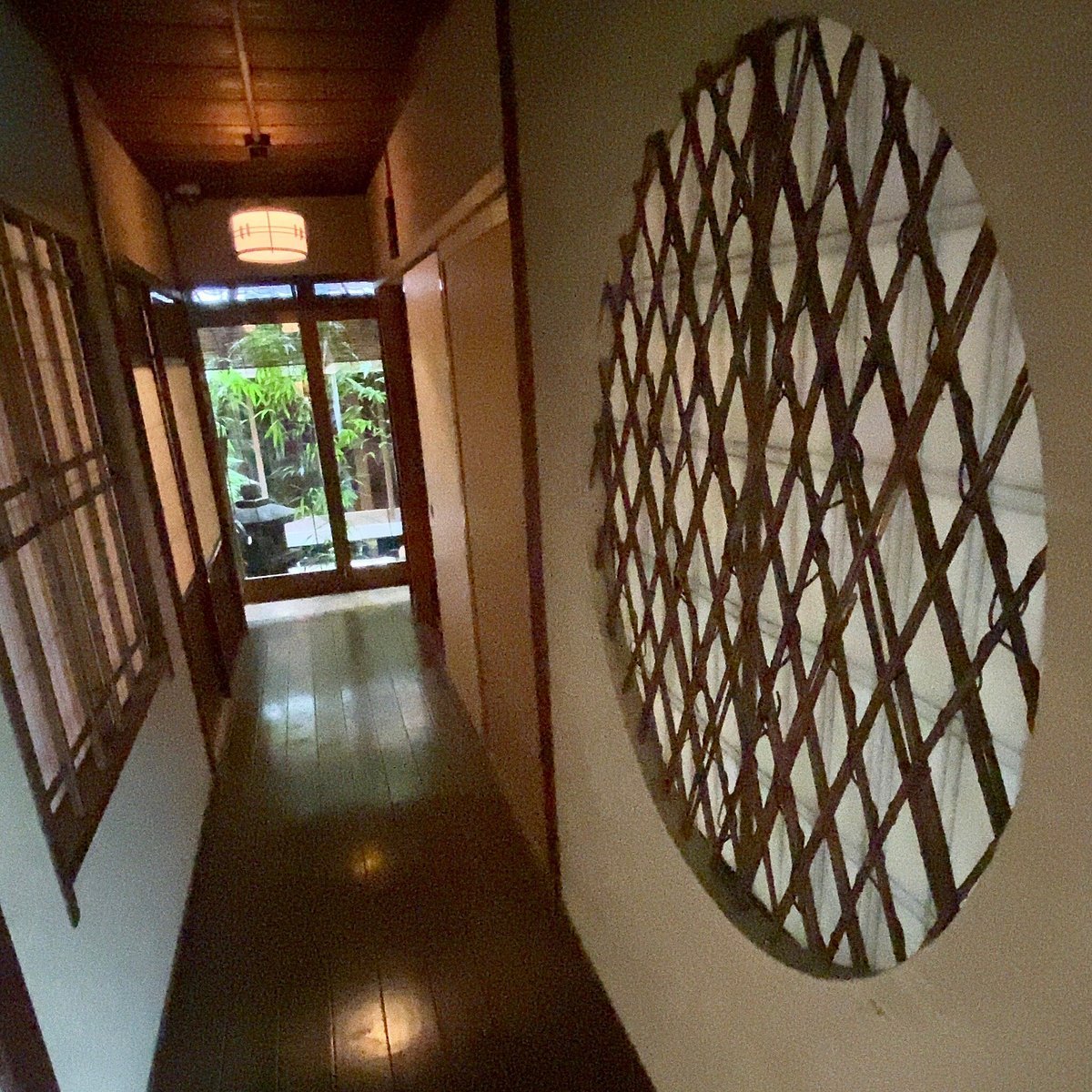
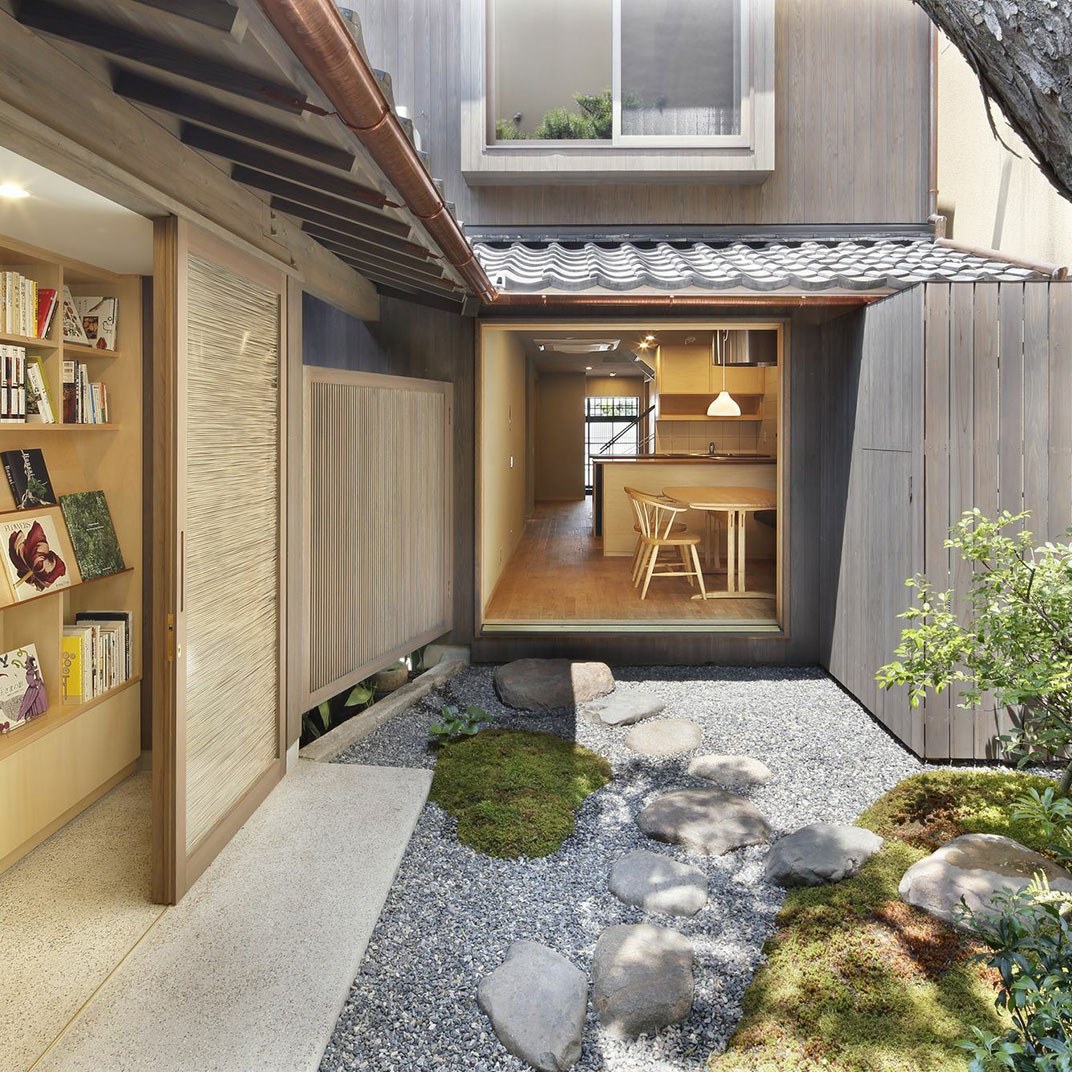
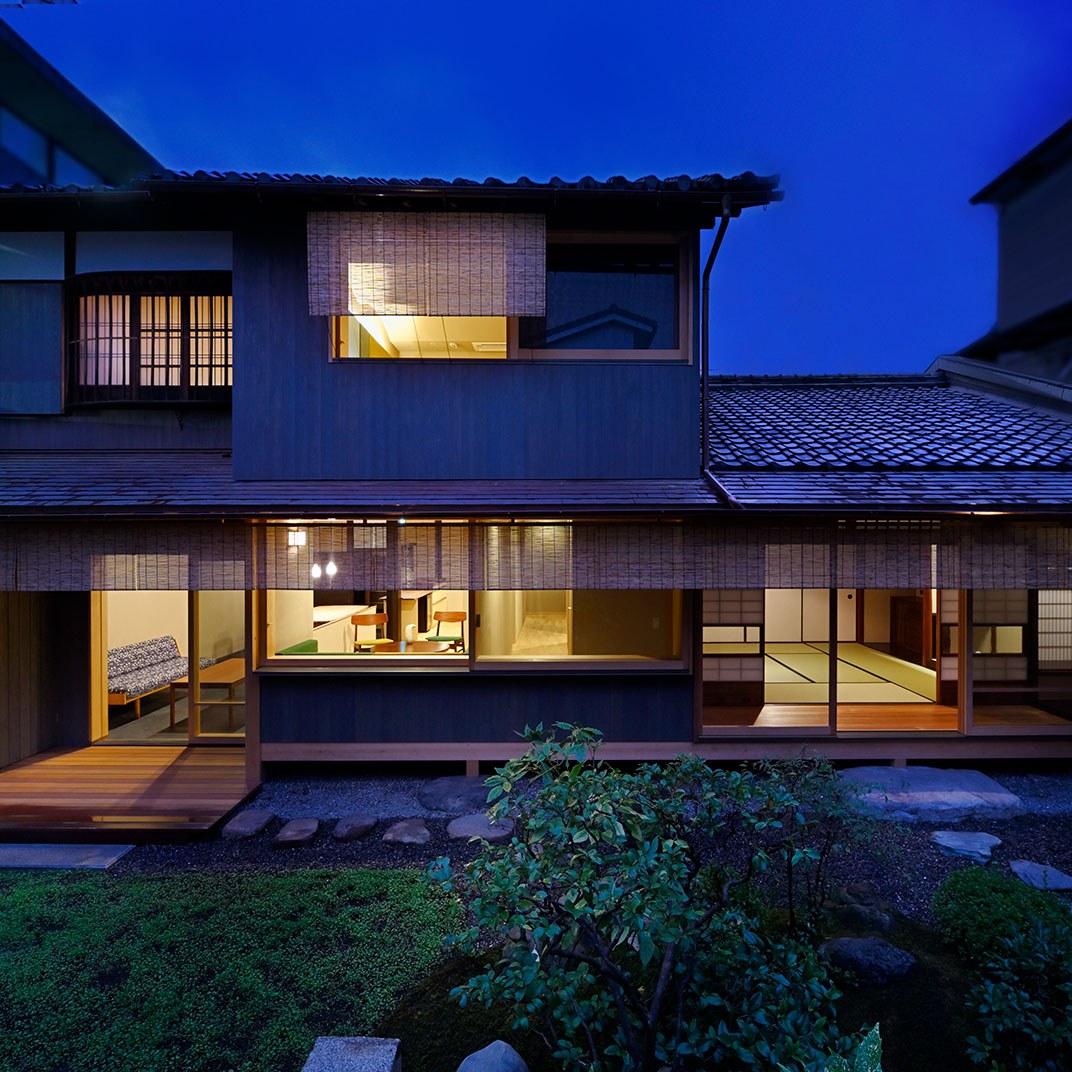
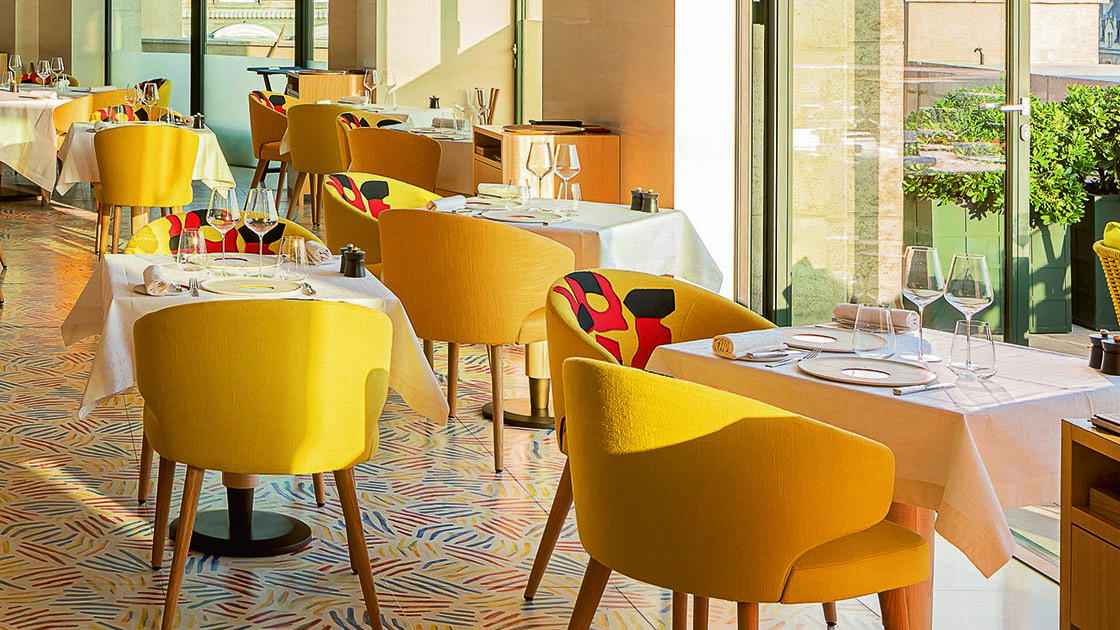
Relaxing designer space with table and sofa seating in a renovated historic townhouse.
Tags
Vibe
Best For
Experience
Sourcing
At the Table
- Dress Code
- Smart Casual
- Noise Level
- Quiet
- Service Style
- Formal
- Meal Pacing
- Extended Experience
- Capacity
- Small
- Kitchen
- Modern
- Menu Format
- Tasting menu, Omakase, Prix fixe
- Dietary
- Allergy accommodating
- Private Dining
- Available
Know before you go
Know Before You Go
- Getting there
- Japan, 〒602-0053 Kyoto, Kamigyo Ward, Nakaogawacho, 230
Planning details
Hours
- Monday
- 12–3 PM, 6–10 PM
- Tuesday
- Closed
- Wednesday
- Closed
- Thursday
- 12–3 PM, 6–10 PM
- Friday
- 12–3 PM, 6–10 PM
- Saturday
- 12–3 PM, 6–10 PM
- Sunday
- 12–3 PM, 6–10 PM
Location
Recognition and awards
Also consider
Also Consider
- Gion Sasaki: Kaiseki, Japanese, ¥¥¥¥
- cenci: Italian, ¥¥¥
- Ifuki: Kaiseki, ¥¥¥¥
- Kyokaiseki Kichisen: Japanese, ¥¥¥¥
- SEN: French, Japanese, ¥¥¥¥
Restaurant context
Against Kyoto's kaiseki heavyweights, KOGA occupies a different position entirely. Gion Sasaki and Ifuki are both ¥¥¥¥ kaiseki restaurants where the seasonal course structure and Japanese culinary vocabulary are the main draw. If that is what you are after, both outperform KOGA on that specific brief. Kyokaiseki Kichisen sits at the more formal, ceremonially precise end of the kaiseki spectrum: harder to book, more demanding in its expectations of the diner, and a different kind of experience altogether. KOGA, by contrast, is the choice if French technique and Kyoto produce matter more to you than kaiseki ritual.
The closest comparison in the group is SEN, which also operates at the French-Japanese intersection at ¥¥¥¥. Both restaurants draw on French training while using Japanese ingredients, so the decision between them comes down to chef philosophy and room feel. KOGA's aroma-led, perfumer-influenced approach is a distinguishing factor; SEN's positioning is less specifically documented on that axis. If the We're Smart recognition for natural flavours and produce sourcing matters to you, KOGA has the clearer credential there.
For value, cenci at ¥¥¥ is the most accessible option in this peer group: Italian rather than French, but similarly European-influenced and a tier below in price. If budget is a constraint and you are willing to trade French technique for Italian-inflected cooking, cenci is the practical alternative. For diners who want Kyoto's most serious tasting experience regardless of cuisine tradition, the kaiseki options above set the benchmark, and KOGA is the strongest French-tradition answer to that group.
Explore Kyoto
Around this place
Discover more on Pearl
Unlock the full KOGA guide in Pearl, including awards, comparisons, FAQs, planning details, and nearby places.
Compare KOGA
| Venue | Location | Cuisine | Awards | Price |
|---|---|---|---|---|
| KOGA | Kyoto | Michelin Guide Kyoto Osaka 20262026 Michelin PlateWe're Smart World Top Restaurants 2025 | ||
| Gion Sasaki | Kyoto | Kaiseki, Japanese | 2026 Tabelog Bronze · #3862026 OAD Top Restaurants in Japan RecommendedMichelin Guide Kyoto Osaka 20262026 La Liste Top RestaurantsTabelog 100 - Japanese cuisine - WEST - 2025 · #132025 OAD Top Restaurants in Japan Ranked · #2462025 Tabelog Silver2025 Michelin 3 Stars2025 La Liste Top Restaurants | ¥¥¥¥ |
| cenci | Kyoto | Italian | 2026 Tabelog Bronze · #442026 Asia's 50 Best Restaurants · #762026 OAD Top Restaurants in Japan Highly RecommendedMichelin Guide Kyoto Osaka 2026Tabelog 100 - Italian - WEST - 2025 · #632025 Asia's 50 Best Restaurants · #632025 OAD Top Restaurants in Japan Ranked · #1682025 Tabelog Bronze2024 OAD Top Restaurants in Japan Ranked · #135 | ¥¥¥ |
| Ifuki | Kyoto | Kaiseki | 2026 OAD Top Restaurants in Japan Ranked · #1222026 Tabelog Bronze · #128Michelin Guide Kyoto Osaka 20262026 La Liste Top RestaurantsTabelog 100 - Japanese cuisine - WEST - 2025 · #622025 OAD Top Restaurants in Japan Ranked · #1002025 La Liste Top Restaurants2025 Tabelog Bronze2025 Michelin 2 Stars | ¥¥¥¥ |
| Kyokaiseki Kichisen | Kyoto | Japanese | 2026 Tabelog Bronze · #1752026 OAD Top Restaurants in Japan Highly RecommendedMichelin Guide Kyoto Osaka 20262025 OAD Top Restaurants in Japan Ranked · #1862025 Michelin 2 Stars2025 La Liste Top Restaurants2024 OAD Top Restaurants in Japan Ranked · #1422024 Michelin 2 Stars2023 OAD Top Restaurants in Japan Ranked · #136 | ¥¥¥¥ |
| SEN | Kyoto | French, Japanese | 2026 Tabelog Bronze · #3952026 OAD Top Restaurants in Japan RecommendedMichelin Guide Kyoto Osaka 20262026 Michelin PlateTabelog 100 - Japanese cuisine - WEST - 2025 · #652025 Michelin Plate2025 Tabelog Bronze2024 OAD Top Restaurants in Japan Ranked · #3622024 Michelin Plate | ¥¥¥¥ |
.png?width=1200&quality=80)






How KOGA Kyoto compares with similar nearby venues.
FAQ
Frequently Asked Questions
What should a first-timer know about KOGA?
KOGA is a French-influenced kitchen in Kyoto's Kamigyo Ward, led by Chef Koga Ryuji, who trained under Christian Le Squer in Paris. The cooking centres on Kyoto produce from the Takagamine district, with technique drawn from French culinary traditions rather than kaiseki. Expect a considered, produce-led menu where aroma and flavour interplay are deliberate priorities. This is a special occasion restaurant, not a casual drop-in.
How far ahead should I book KOGA?
Book as early as possible, particularly for weekend evenings and if visiting during Kyoto's peak seasons in spring and autumn. Restaurants at this level in Kyoto fill quickly, and KOGA's reputation through coverage including We're Smart Green Guide means demand is genuine.
What should I wear to KOGA?
Dress code details are not published in available sources, but KOGA's positioning as a serious French-influenced tasting restaurant in Kyoto suggests neat, considered dress is appropriate. Think dinner-appropriate clothing you would wear to a comparable venue in Paris or Tokyo rather than casual daywear.
What should I order at KOGA?
The Warm Salad is specifically documented as a signature dish: vegetables from the Takagamine district of Kita Ward, cooked multiple ways to draw out individual flavours. The char-grilled meat dishes and their sauces are also highlighted for aromatic interplay. Beyond these, the menu is produce-driven and French in technique, so follow the chef's progression rather than ordering selectively.