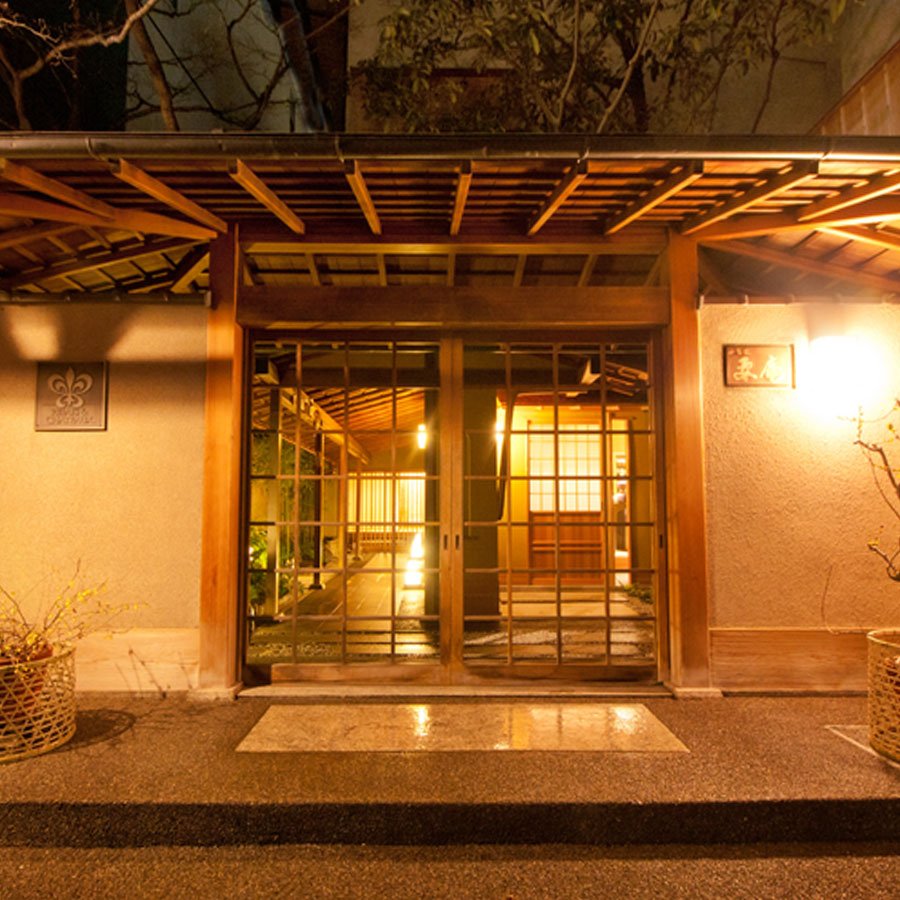

Kentan Horibe
Japanese · Nakagyō, Kyoto
Restaurant in Kyoto, Japan
 Book with Pearl
The Read
Lacquer-Counter Kaiseki
Price
$150–200per person
Dress
Business Casual
Why go
Kentan Horibe holds a 2024 Michelin star in Kyoto's Nakagyo Ward, delivering seasonal Japanese cuisine with modern technique at ¥¥¥: a full tier below the city's formal kaiseki houses. Book six to eight weeks out minimum; the small counter fills fast and there is no confirmed online reservation method. A sound choice for serious diners who want Michelin-level cooking without the ¥¥¥¥ price commitment.
About Kentan Horibe
Kentan Horibe, Kyoto: Pearl Verdict
If you assume Kentan Horibe is a conventional kaiseki house because it holds a Michelin star and sits in a tea-house style room in Nakagyo Ward, correct that assumption before you book. This is not a place where you cycle through a standard seasonal kaiseki procession and call it a night early. The ethos here, named directly in the restaurant's title kentan means “the deep pursuit of self-improvement” points toward a chef who treats every detail as a live question rather than a settled tradition. That shapes the experience from the lacquer counter to the last course.
Book this if you want Kyoto's food culture treated as a subject worth investigating rather than simply performed. At ¥¥¥, the price sits a full tier below Kyokaiseki Kichisen and the other ¥¥¥¥ kaiseki houses in the city, which makes it one of the more accessible entry points to serious Japanese cuisine in Kyoto without the softened ambition that sometimes comes with lower price points.
The Experience
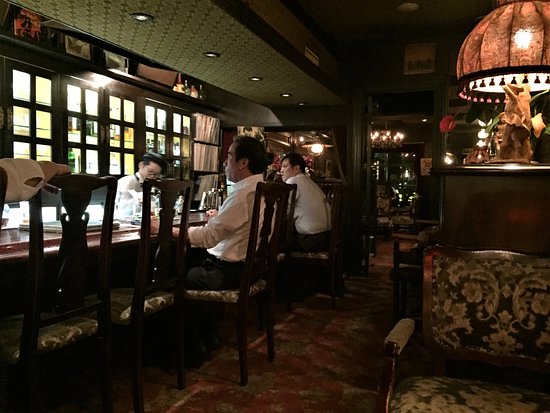
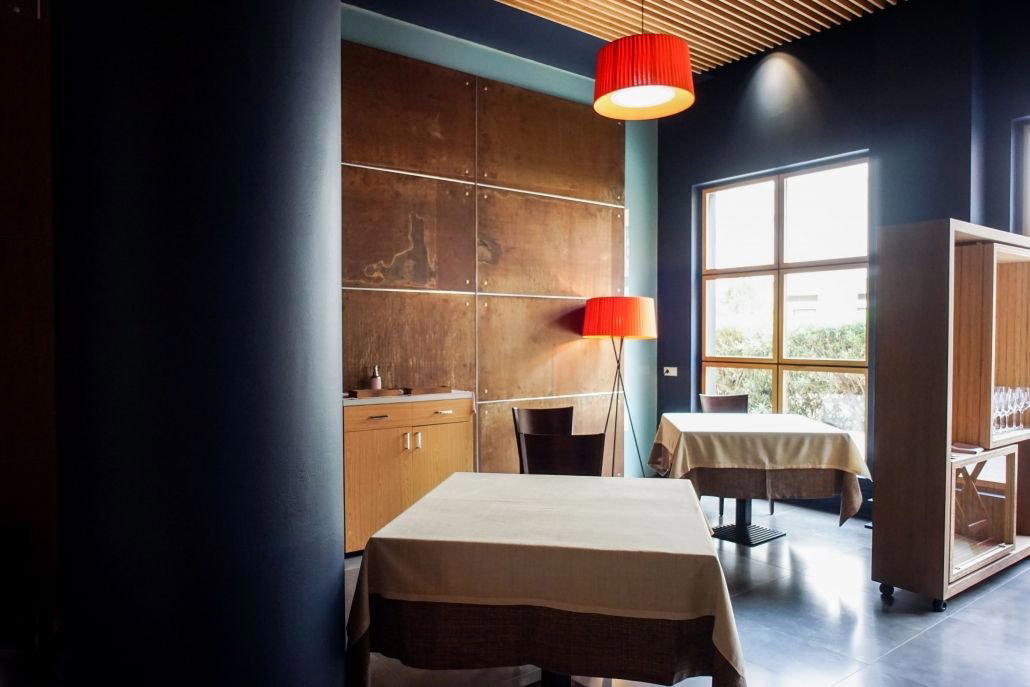
The room's most discussed detail is the lacquer counter, which the chef polished and coated himself. That detail is not incidental. It tells you something about how this place operates: the physical environment and the food are treated as continuous expressions of the same sensibility. The seasonal decoration and serving ware shift in step with the menu, so what you encounter in one visit will not be what a friend encountered three months earlier. If you have been once, return expecting the room to feel different before a dish is even placed in front of you.
On the cooking side, the approach blends traditional grounding with modern technique, grilling over low flame is one method cited specifically in the venue's own framing. That low-and-slow heat application tends to produce concentrated flavour with controlled texture, quite different from the high-temperature char common at robatayaki counters. For a returning guest, the practical implication is that dishes built around this technique reward attention to subtlety. The flavour profiles at Kentan Horibe are not built on intensity or drama; they are built on resolution, the kind of finish that makes sense five seconds after the first bite rather than immediately.
The kitchen explicitly positions itself around celebrating “the history and food culture of Kyoto,” but through a broader contextual lens rather than strict adherence to classical form. That framing gives the chef room to bring in contemporary technique without it feeling like a departure. For a guest returning for a second or third visit, this means the experience is unlikely to feel repetitive, the seasonal rotation and the chef's ongoing refinement mean each sitting covers different ground. Returning visitors from Isshisoden Nakamura or Gion Matayoshi will find the register here somewhat less formal, with more perceptible curiosity in the execution.
Booking Kentan Horibe
Treat this as a hard booking. Michelin recognition since 2024 has tightened availability, and this is a small counter-format room in a city where comparable tables at this price tier are already competitive. Book as far in advance as your travel plans allow, a minimum of four to six weeks out is a practical baseline, and eight weeks is safer for weekend sittings or peak Kyoto travel periods (cherry blossom season in late March to April, and autumn foliage in November). No website or phone number is listed in available records, which means you will likely need to book through a hotel concierge or a Japan restaurant reservation service. Build that lead time into your planning.
There is no confirmed late-night seating data for Kentan Horibe, and the counter format at this level of Japanese dining rarely runs past 9:30 or 10 PM in Kyoto. If you are hoping to use this as an after-theatre or late-evening option, treat that as unverified until confirmed at booking. For genuine late-night dining in the city, Kyoto's bar scene is better suited than its Michelin-tier restaurant counters. Plan Kentan Horibe as an early-to-mid-evening anchor and build your night around it.
For context across Japan's broader fine dining geography: HAJIME in Osaka and Harutaka in Tokyo represent what high-level commitment looks like in adjacent cities, while akordu in Nara offers a useful reference point for seasonal Japanese cuisine at a similar distance from Kyoto. Closer to home, Kikunoi Roan and Kodaiji Jugyuan are the most direct comparisons within the city at the same price tier. For those extending travel further, Goh in Fukuoka, 1000 in Yokohama, and 6 in Okinawa give a sense of how Kentan Horibe fits into Japan's wider regional dining picture. Tokyo equivalents in a similar mode include Myojaku and Azabu Kadowaki.
Use our full Kyoto restaurants guide to triangulate where Kentan Horibe fits against the city's full field. If you are planning beyond dinner, our Kyoto hotels guide, bars guide, wineries guide, and experiences guide cover the rest of the trip.
Quick reference:
Planning details
- Hours
- Monday: 11:30 AM–2 PM, 6–10 PM · Tuesday: Closed
- Location
- 273 Tenjinyamacho, Nakagyo Ward, Kyoto, 604-8221, Japan
- Reservations
- Book on TableCheck
- Website
- kyoto-horibe.com
- Phone
- +81 75-746-3111
The take
The Take
The Vibe
Kentan Horibe presents a tightly focused Kyoto aesthetic that lets its physical setting do much of the initial talking. The hand-polished lacquer counter, coated by the chef himself, anchors a tea-house interior of restrained materials and seasonal decoration. Serving ware is treated as an extension of the cuisine, and the room privileges sequence and quiet attention as part of the meal. Modern technique, most notably carefully applied low-flame grilling, appears as a measured counterpoint to tradition rather than a flashy interruption. The overall effect is intimate, pared-back and quietly disciplined, the kind of refined simplicity Kyoto does exceptionally well.
Best For
This one-star Michelin room sits within Kyoto’s kaiseki hierarchy as an accessible path to awarded cuisine without the top-tier price. Its restrained tea-house setting and emphasis on sequence make it especially well suited to diners who value ritual and craft: people celebrating a milestone, those seeking a considered date night, and travelers hoping for a quintessential Kyoto dining encounter. Because the kitchen integrates modern technique into a traditional progression, guests who appreciate subtle, seasonal tasting sequences and close attention to presentation will find this an especially rewarding dinner destination.
Ordering Tips
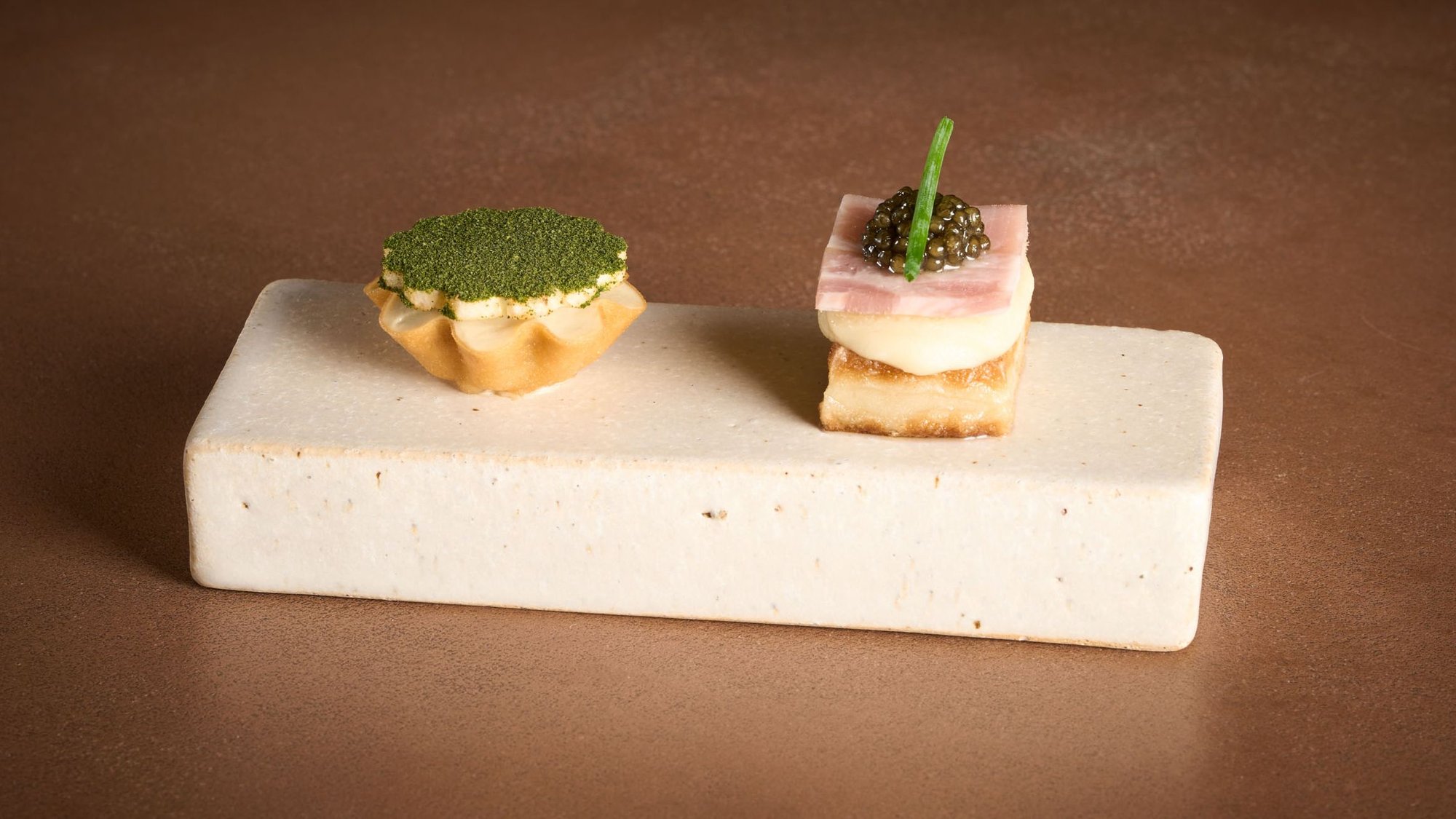
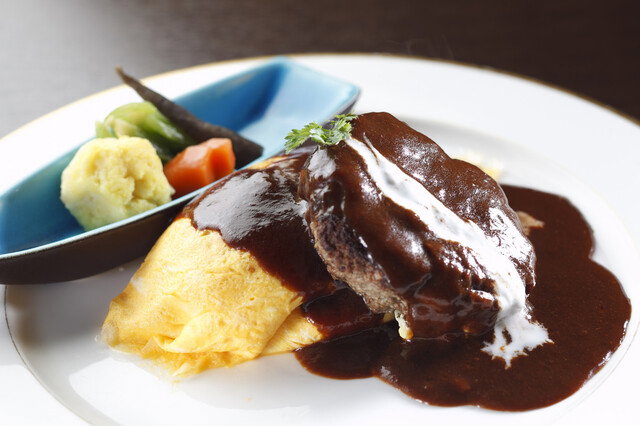
Approach the meal with an appreciation for sequence and seasonality: the menu operates within Kyoto’s kaiseki idiom, where each course and the chosen serving ware build meaning across the evening. Pay attention to moments of low-flame grilling when they appear: the kitchen uses that technique sparingly and deliberately. Highlight items mentioned among the venue’s signatures, such as the turnip surinagashi and the homemade sorbet with champagne, which exemplify the room’s balance of tradition and refinement. Given the intimate counter setting, arrive prepared for a focused, multi-course experience rather than casual grazing.
Venue details
Ambiance
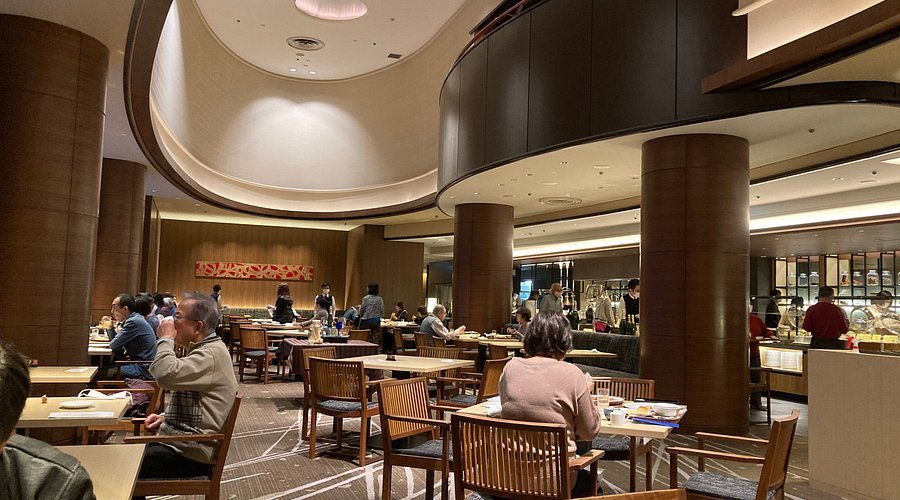
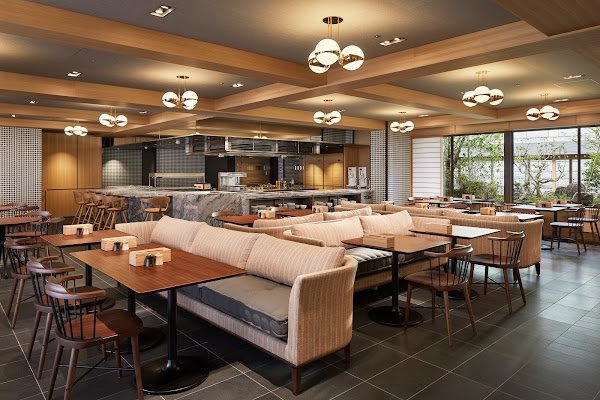
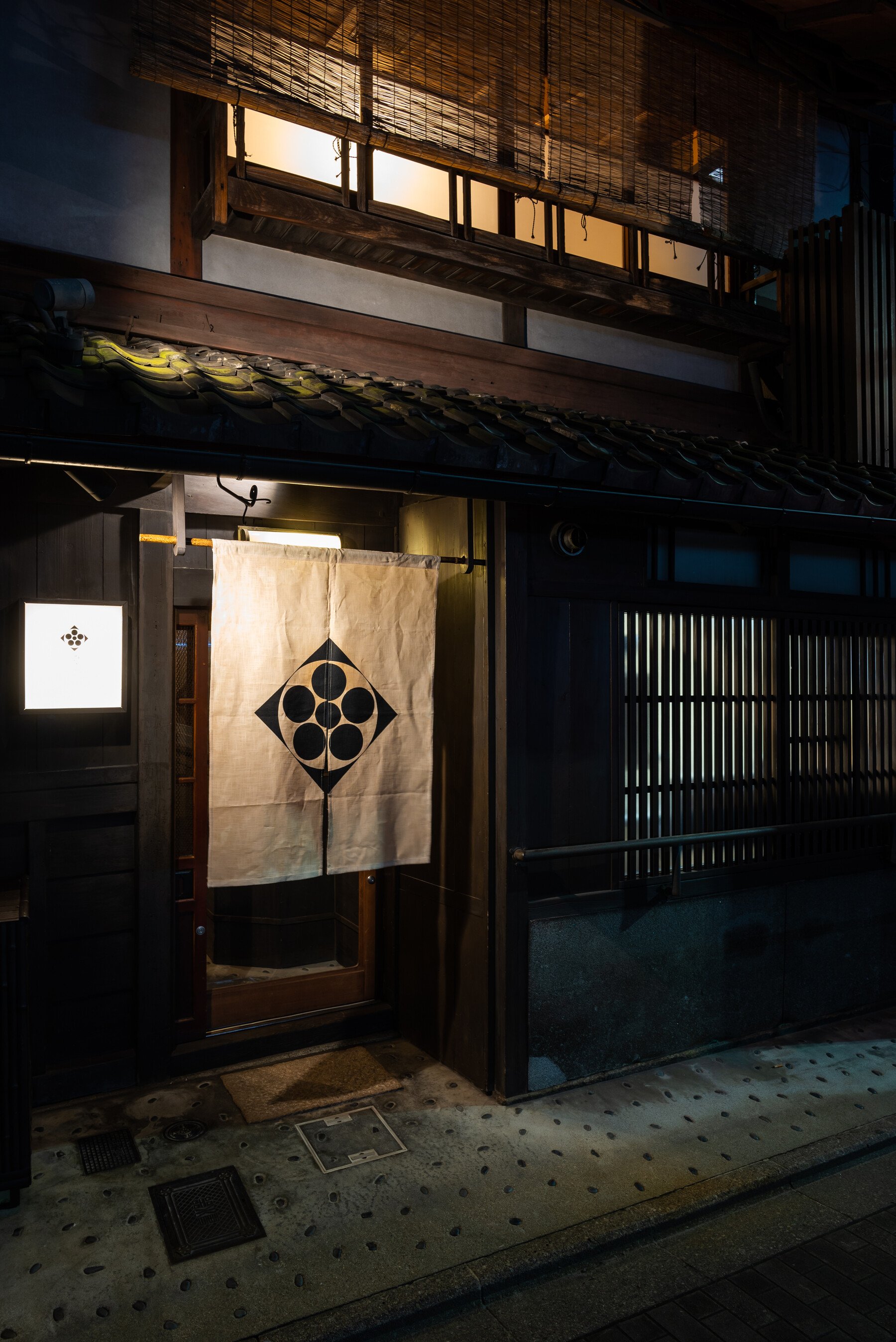
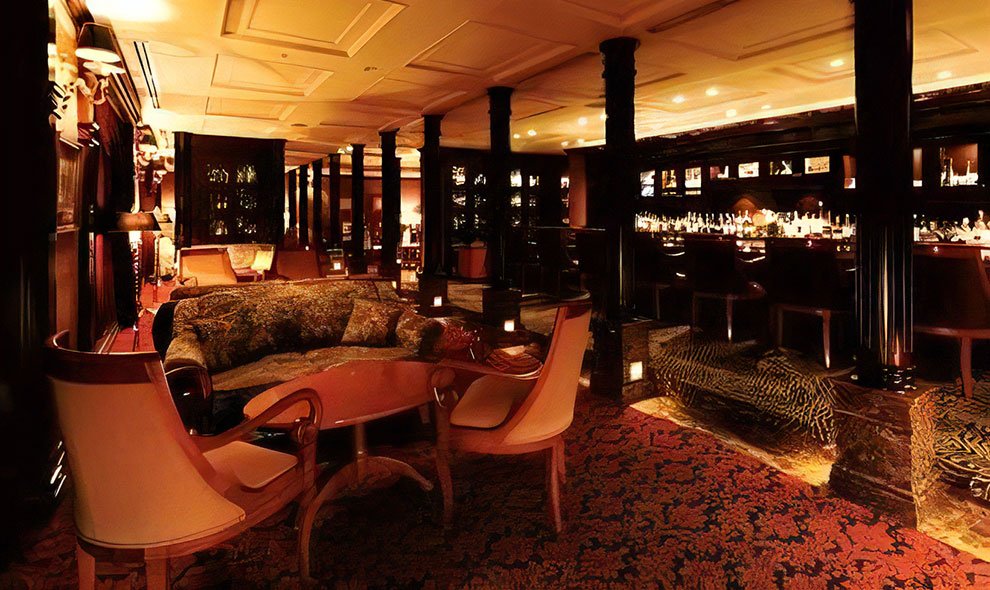
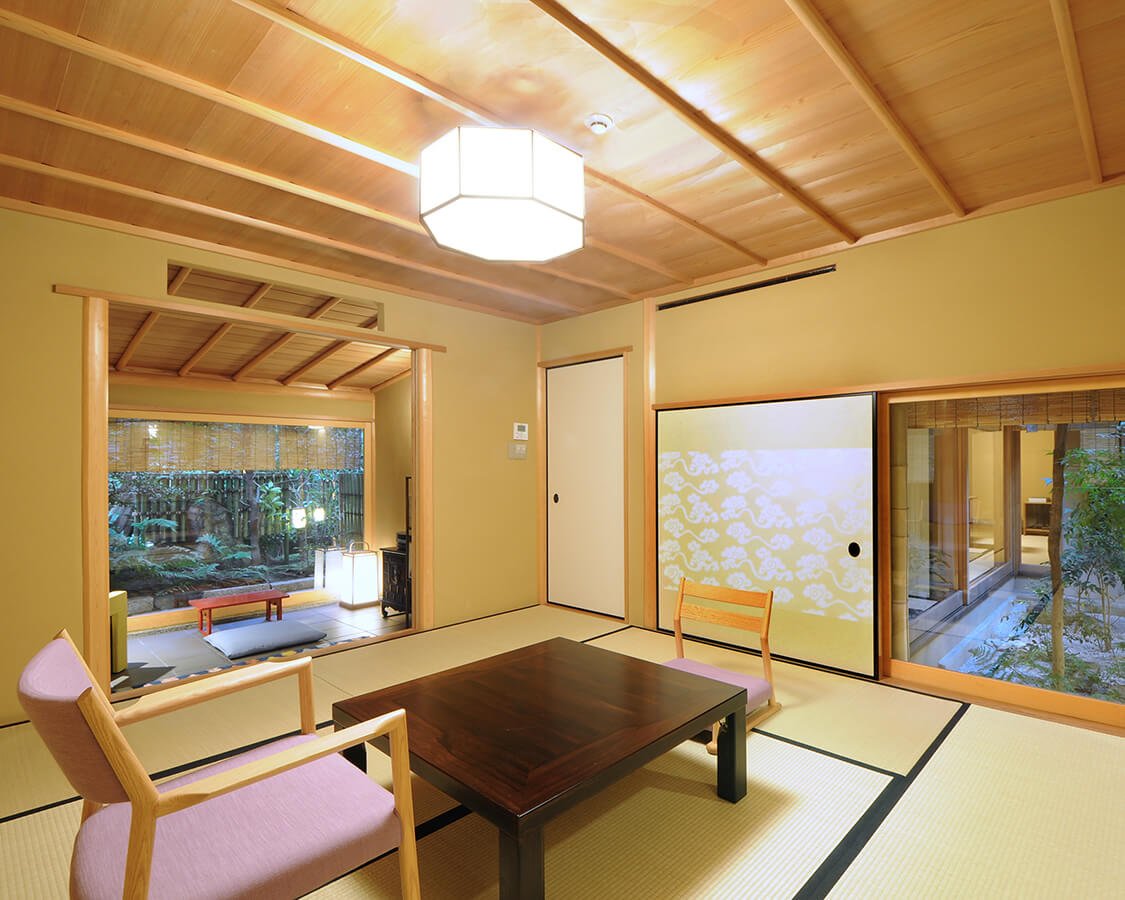
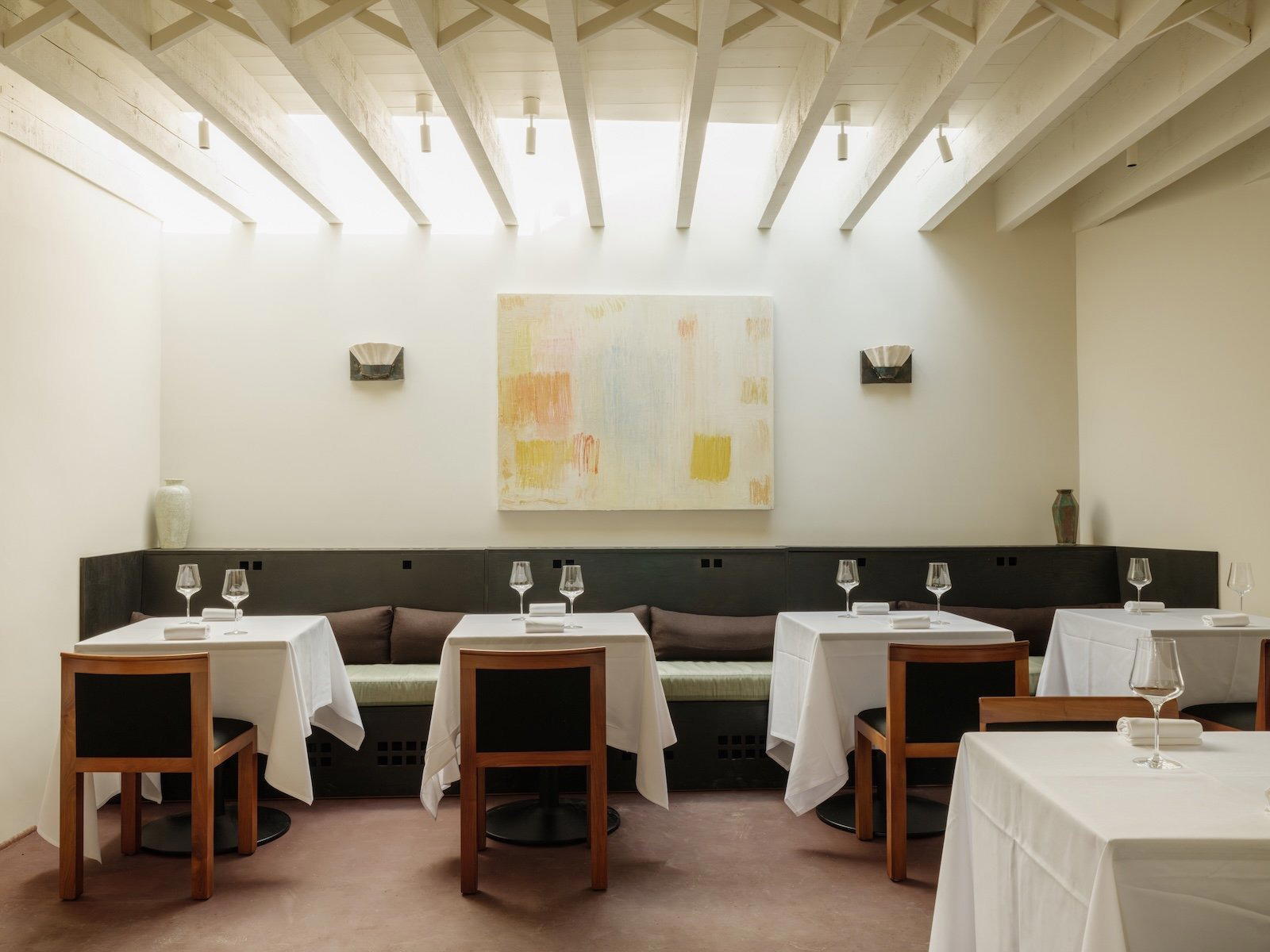
Tranquil tea-house style interior with minimalist Japanese aesthetics, lacquered counter, and sukiya design creating a serene and elegant atmosphere.
Tags
Vibe
Best For
Experience
Sourcing
View
At the Table
- Dress Code
- Business Casual
- Noise Level
- Quiet
- Service Style
- Formal
- Meal Pacing
- Leisurely
- Capacity
- Intimate
- Kitchen
- Traditional
- Menu Format
- Tasting menu
- Drinks Focus
- Sake
- Dietary
- Vegetarian friendly
- Private Dining
- Available
Signature Dishes
- turnip surinagashi
- homemade sorbet with champagne
Know before you go
Know Before You Go
- Getting there
- 273 Tenjinyamacho, Nakagyo Ward, Kyoto, 604-8221, Japan
Planning details
Hours
- Monday
- 11:30 AM–2 PM, 6–10 PM
- Tuesday
- Closed
- Wednesday
- 12–2 PM, 6–10 PM
- Thursday
- 11:30 AM–2 PM, 6–10 PM
- Friday
- 11:30 AM–2 PM, 6–10 PM
- Saturday
- 11:30 AM–2 PM, 6–10 PM
- Sunday
- 11:30 AM–2 PM, 6–10 PM
Location
273 Tenjinyamacho, Nakagyo Ward, Kyoto, 604-8221, Japan · Directions
Recognition and awards
Also consider
Also Consider
- Gion Sasaki: Kaiseki, Japanese, ¥¥¥¥
- cenci: Italian, ¥¥¥
- Ifuki: Kaiseki, ¥¥¥¥
- Kyokaiseki Kichisen: Japanese, ¥¥¥¥
- SEN: French, Japanese, ¥¥¥¥
Restaurant context
How Kentan Horibe Compares in Kyoto
At ¥¥¥, Kentan Horibe sits below the majority of its Michelin-starred peers in Kyoto on price. Gion Sasaki and Kyokaiseki Kichisen both operate at ¥¥¥¥ and deliver a more ceremonially structured kaiseki experience: more courses, more formal service rhythm, more cost. If you want kaiseki as a complete traditional discipline, those tables are the better match. If you want a Michelin-starred counter that treats Kyoto's food culture as a subject of ongoing investigation rather than faithful reproduction, Kentan Horibe earns its star in a different way and costs meaningfully less to find out.
Ifuki and SEN both sit at ¥¥¥¥ and represent the higher end of Kyoto's current fine dining field: SEN in particular blends French and Japanese influence in a way that gives it a different profile from Kentan Horibe's more Japan-rooted approach. cenci, also at ¥¥¥, offers Italian cuisine at the same price tier and is the most obvious alternative for diners who want a starred experience in Kyoto without a Japanese cuisine focus. For pure value on a Japanese-cuisine Michelin star in the city, Kentan Horibe is currently the stronger argument.
On booking difficulty, all five comparison venues are competitive and require advance planning. Kentan Horibe does not have an obvious online booking channel in current records, which makes the reservation process slightly more logistically demanding: factor that in. If ease of booking matters to you, cenci or SEN may offer clearer access routes. If you are optimising for value and counter-format engagement with serious Japanese cooking, Kentan Horibe is the table to prioritise.
Explore Kyoto
Around this place
Discover more on Pearl
Unlock the full Kentan Horibe guide in Pearl, including awards, comparisons, FAQs, planning details, and nearby places.
Compare Kentan Horibe
| Venue | Cuisine | Awards | Booking Difficulty |
|---|---|---|---|
| Kentan Horibe | Japanese | Michelin Guide Kyoto Osaka 20262026 Michelin 1 Star2024 Michelin 1 Star | Hard |
| Gion Sasaki | Kaiseki, Japanese | 2026 Tabelog Bronze · #3862026 OAD Top Restaurants in Japan RecommendedMichelin Guide Kyoto Osaka 20262026 La Liste Top RestaurantsTabelog 100 - Japanese cuisine - WEST - 2025 · #132025 OAD Top Restaurants in Japan Ranked · #2462025 Tabelog Silver2025 Michelin 3 Stars2025 La Liste Top Restaurants | Unknown |
| cenci | Italian | 2026 Tabelog Bronze · #442026 Asia's 50 Best Restaurants · #762026 OAD Top Restaurants in Japan Highly RecommendedMichelin Guide Kyoto Osaka 2026Tabelog 100 - Italian - WEST - 2025 · #632025 Asia's 50 Best Restaurants · #632025 OAD Top Restaurants in Japan Ranked · #1682025 Tabelog Bronze2024 OAD Top Restaurants in Japan Ranked · #135 | Unknown |
| Ifuki | Kaiseki | 2026 OAD Top Restaurants in Japan Ranked · #1222026 Tabelog Bronze · #128Michelin Guide Kyoto Osaka 20262026 La Liste Top RestaurantsTabelog 100 - Japanese cuisine - WEST - 2025 · #622025 OAD Top Restaurants in Japan Ranked · #1002025 La Liste Top Restaurants2025 Tabelog Bronze2025 Michelin 2 Stars | Unknown |
| Kyokaiseki Kichisen | Japanese | 2026 Tabelog Bronze · #1752026 OAD Top Restaurants in Japan Highly RecommendedMichelin Guide Kyoto Osaka 20262025 OAD Top Restaurants in Japan Ranked · #1862025 Michelin 2 Stars2025 La Liste Top Restaurants2024 OAD Top Restaurants in Japan Ranked · #1422024 Michelin 2 Stars2023 OAD Top Restaurants in Japan Ranked · #136 | Unknown |
| SEN | French, Japanese | 2026 Tabelog Bronze · #3952026 OAD Top Restaurants in Japan RecommendedMichelin Guide Kyoto Osaka 20262026 Michelin PlateTabelog 100 - Japanese cuisine - WEST - 2025 · #652025 Michelin Plate2025 Tabelog Bronze2024 OAD Top Restaurants in Japan Ranked · #3622024 Michelin Plate | Unknown |







.png?width=1200&quality=80)
Key differences to consider before you reserve.
FAQ
Frequently Asked Questions
Is the tasting menu worth it at Kentan Horibe?
Yes, if you are eating for the philosophy rather than just the food. Kentan Horibe's Michelin recognition reflects a kitchen where seasonal decoration, serving ware, and cuisine are treated as a unified statement about Kyoto's food culture. At ¥¥¥ pricing, it sits in the same bracket as serious kaiseki in the city, and delivers something more considered than a straightforward prestige meal. If you want a purely ingredient-forward experience without the conceptual layer, Ifuki may suit you better.
What should I order at Kentan Horibe?
Kentan Horibe operates a seasonal format built around Kyoto food culture, so the menu is dictated by the kitchen, not the guest. Expect a set progression of courses rather than à la carte choice. The kitchen uses modern techniques alongside traditional ones, including low-flame grilling, within a framework that changes with the season. Come with an open brief rather than specific dish expectations.
Is Kentan Horibe good for solo dining?
One of the stronger solo dining options in this price bracket in Kyoto. The lacquer counter format, which the chef polished and coated himself, is designed for counter service, meaning solo diners get a natural view of the kitchen and a seat that makes sense for one. Michelin-starred counter restaurants in Japan routinely accommodate singles well, and the intimate scale here works in your favour.
What are alternatives to Kentan Horibe in Kyoto?
For a more celebrated seasonal kaiseki with deeper name recognition, Kyokaiseki Kichisen is the reference point, though at a significantly higher price point and with more formal booking requirements. Gion Sasaki offers a counter-driven format with strong seasonal credibility. cenci takes a more European-inflected approach to Kyoto ingredients. Ifuki and SEN are worth considering if you want a slightly less intense introduction to Kyoto's formal dining tier at comparable or lower spend.
Is Kentan Horibe worth the price?
At ¥¥¥, it is priced in the serious-but-not-stratospheric range for Kyoto kaiseki. A Michelin star earned in 2024 gives it verifiable external validation, and the kitchen's stated philosophy, 'kentan' translating as 'the deep pursuit of self-improvement', is backed by details like a hand-lacquered counter the chef prepared himself. For that price, you are buying a considered, philosophically coherent meal, not just technical execution. If budget is the primary concern, SEN or cenci offer credible alternatives at a lower entry point.
What should a first-timer know about Kentan Horibe?
Book well in advance: Michelin recognition since 2024 has made availability tighter in an already competitive Kyoto dining market. The venue is a small, counter-format room in a tea-house style interior in Nakagyo Ward, so group sizes are limited and walk-in access is unlikely. The experience is structured around seasonal Kyoto food culture with a conceptual framing, so first-timers should arrive knowing this is not a freestyle order-what-you-want format. If you are new to formal Japanese counter dining, this is a considered entry point at ¥¥¥.