
Kappo Umetsu
Japanese · Higashiyama, Kyoto
Restaurant in Kyoto, Japan
 Book with Pearl
The Read
À La Carte Kappo
Price
$100–150per person
Dress
Smart Casual
Why go
Kappo Umetsu is a Michelin Plate-recognised kappo restaurant in Kyoto's Gion district. At the ¥¥¥ tier, it offers an à la carte format with flexible preparation methods and a house-made apricot soy sauce that anchors dishes like pike conger and beef cutlets. Booking is straightforward relative to the city's top-tier venues, making it a practical choice for first-timers exploring serious Japanese dining in Kyoto.
About Kappo Umetsu
Kappo Umetsu: A First-Timer's Guide to Booking and What to Expect
At the ¥¥¥ price tier, Kappo Umetsu sits in a comfortable middle ground in Kyoto's dining hierarchy: more affordable than the kaiseki heavyweights at ¥¥¥¥, and more considered than a casual izakaya. For a first visit to kappo-style dining in Gion, this is a practical, well-regarded entry point. The question is not whether it is worth the spend at this price level — it is — but whether the format suits what you are looking for on this particular trip.
What Kappo Umetsu Actually Is
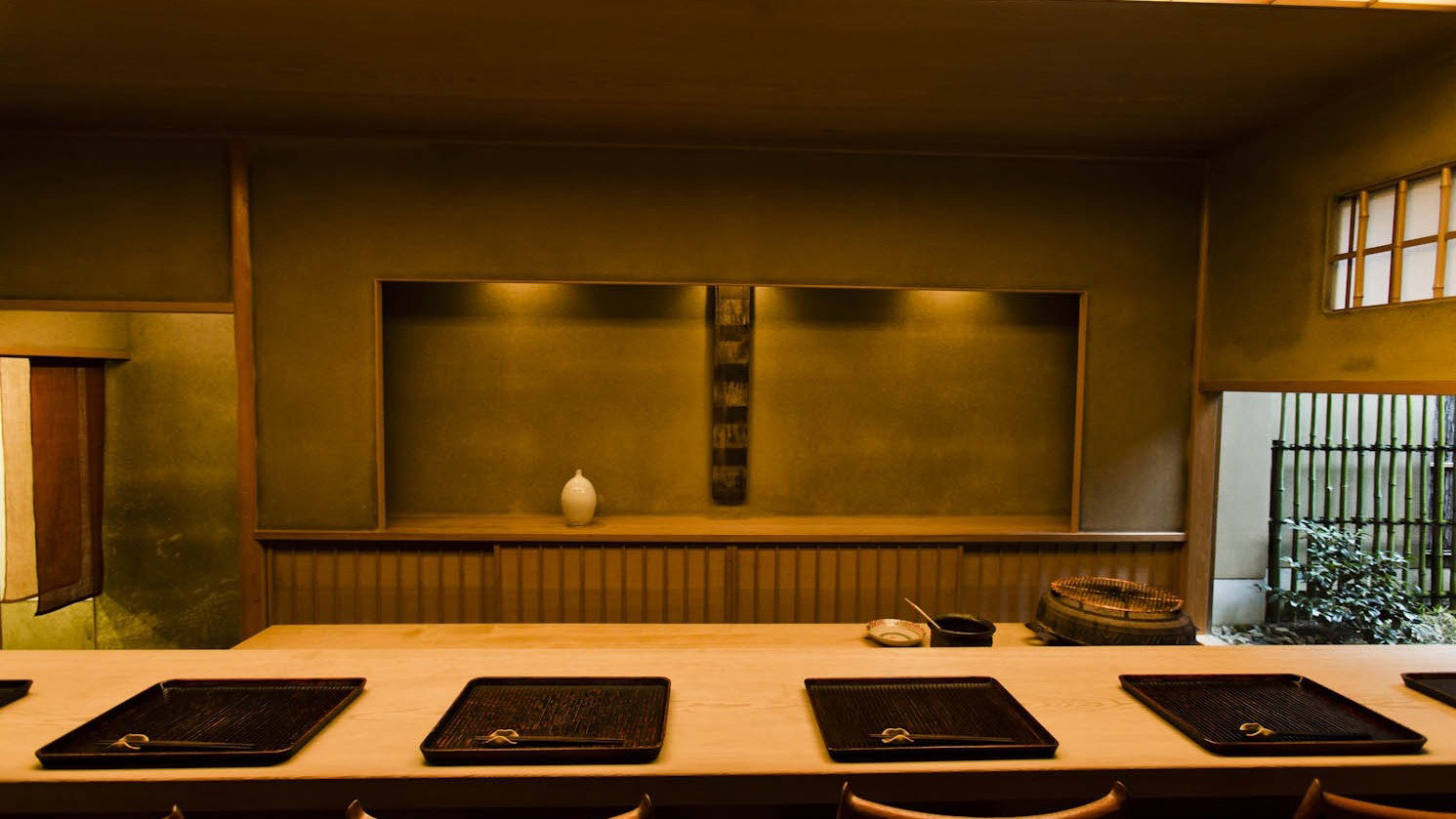
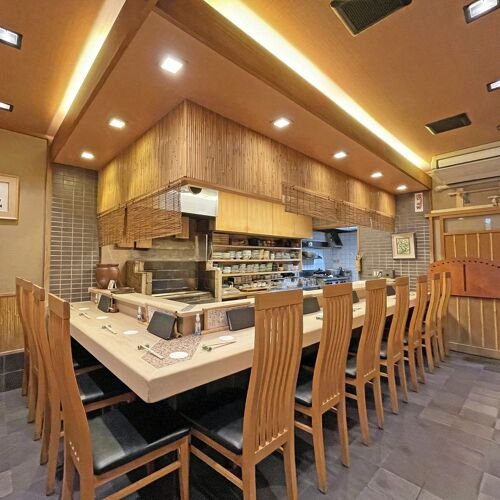
Kappo is a style of Japanese dining that sits between the formality of kaiseki and the informality of an izakaya. The word combines the characters for "cut" and "cook," and the format typically involves chefs preparing dishes at a counter in front of guests. At Kappo Umetsu, the menu is built around an extensive à la carte selection, which is less common in this style and genuinely useful for first-timers who want to control their spend or avoid dishes that do not suit them. You are not locked into a set progression, you can order what appeals and skip what does not.
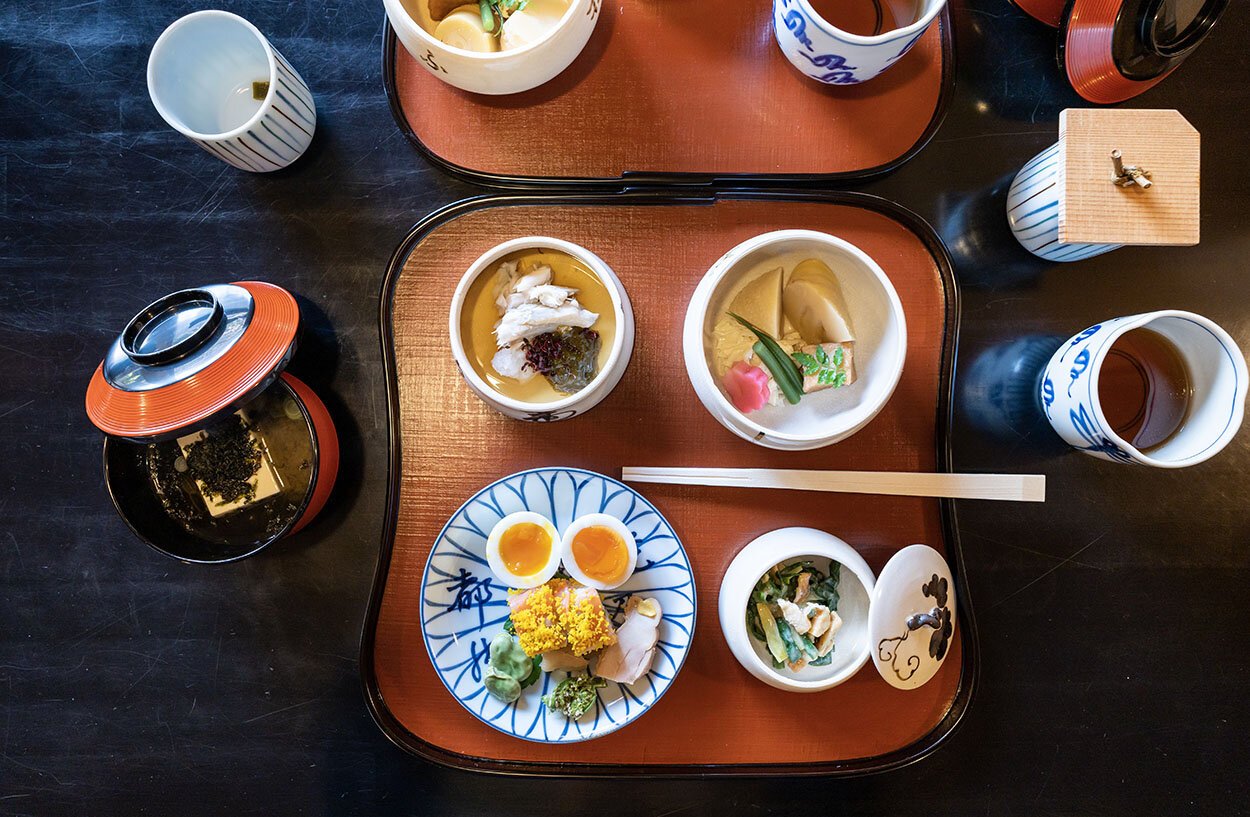
The kitchen offers multiple preparation methods across the same ingredients: grilled, simmered, fried, and more. This flexibility is one of the more practical things about Kappo Umetsu and distinguishes it from venues where the chef's fixed sequence is the entire point. If you are the kind of diner who wants agency over your meal rather than total submission to a tasting format, this is the right room for you.
The Ingredient That Defines the Menu
The name Umetsu is the proprietor's family name, but the inclusion of ume, Japanese for plum, is not incidental. The kitchen marinates sour pickled apricots to produce an apricot soy sauce, which is applied to specific dishes including parboiled pike conger (hamo) and beef cutlets. This is a house-made condiment that anchors at least part of the menu's identity. Pike conger is a Kyoto summer staple, and pairing it with a house-fermented fruit soy rather than standard ponzu or salt is a sourcing and preparation choice that requires time and intention. For a first-timer, this is the detail that separates Kappo Umetsu from a generic kappo restaurant: the kitchen has built a signature around a specific fermented ingredient it produces in-house. Order the hamo if it is available, it is the clearest expression of what makes this kitchen distinct.
The Room and the Service
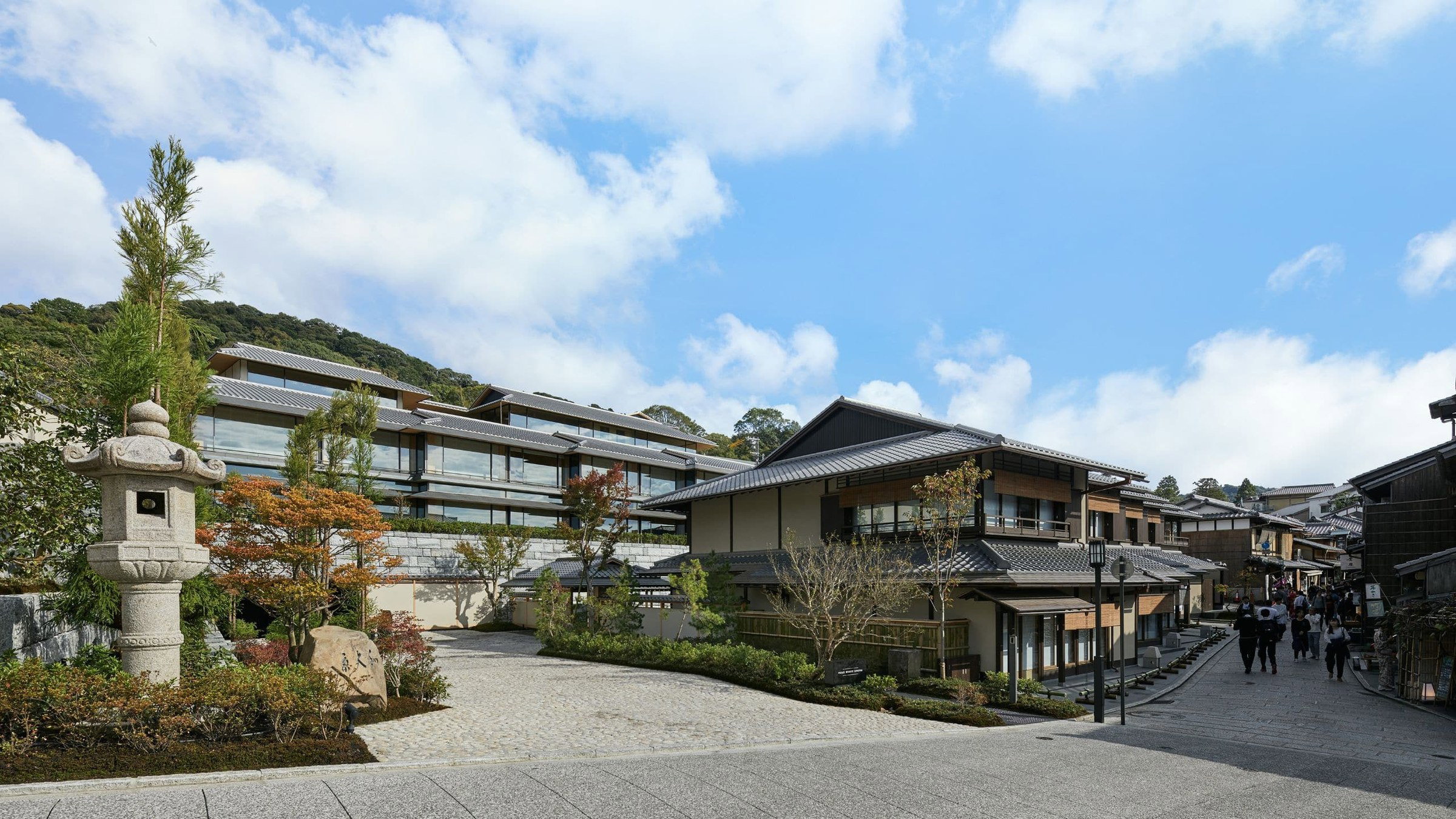
Kappo Umetsu is in Gionmachi Kitagawa, Higashiyama Ward, the eastern side of Kyoto that includes the Gion district. The address puts it in one of the city's most concentrated areas for serious dining, with venues like Gion Matayoshi and Kikunoi Roan in the same general neighbourhood. The service style here is described as warm and domestic rather than formal: the proprietress wears an apron, the coordination between staff is attentive, and the overall atmosphere is closer to being a guest in a well-run family kitchen than to sitting through a ceremonial multi-course ritual. For first-timers who find the formality of kaiseki venues intimidating, this is a genuine advantage.
Kappo Umetsu holds a Michelin Plate recognition for both 2024 and 2025. A Michelin Plate indicates that the inspectors found the food good and the kitchen competent, without reaching the one-star threshold. At the ¥¥¥ price tier, Michelin Plate recognition is a reliable signal that the kitchen is operating above the baseline for the neighbourhood.
Practical Details for Your Visit
Booking at Kappo Umetsu is rated as easy relative to the broader Kyoto dining market. In a city where venues like Kyokaiseki Kichisen and Isshisoden Nakamura can require months of lead time, Kappo Umetsu's relative accessibility is a meaningful practical advantage. That said, Gion is a high-traffic dining district for both domestic and international visitors, and evenings on weekends will fill faster than midweek slots. A week's notice is a reasonable baseline; two weeks gives you more flexibility on timing. No phone number or direct booking link is currently published in our database, so approach via a hotel concierge or a reservation service if you do not have direct contacts in Kyoto.
Hours are not confirmed in our current data, so verify before you go. Dress code is also not formally specified, but the ¥¥¥ price tier and Gion location suggest smart casual is appropriate. The domestic warmth of the room means you do not need to dress for a formal kaiseki experience, but turning up in athletic wear would be out of step with the neighbourhood.
For more options across the city, see our full Kyoto restaurants guide. If you are planning a broader trip, our Kyoto hotels guide, bars guide, and experiences guide cover the rest of the city. Outside Kyoto, comparable serious Japanese dining can be found at HAJIME in Osaka, Harutaka in Tokyo, and akordu in Nara. For kappo-adjacent counter dining in Tokyo, Myojaku and Azabu Kadowaki are both worth considering if you want to compare the format across cities. Further afield, Goh in Fukuoka, 1000 in Yokohama, and 6 in Okinawa round out regional options for travellers moving across Japan.
The Verdict
Book Kappo Umetsu if you want a grounded, ingredient-focused kappo meal in Gion at a price that does not require the same commitment as a top-tier kaiseki dinner. The house apricot soy sauce applied to hamo and beef cutlets signals a kitchen that thinks carefully about its ingredients, and the à la carte format means you control the pace and the spend. It is a better first introduction to kappo dining than a more austere counter-only format, and the warm service removes the anxiety that can come with a first visit to a formal Japanese dining room. For special occasions or maximum prestige, look at the ¥¥¥¥ tier venues in the comparison section. For a well-executed, accessible kappo dinner in one of Kyoto's leading dining districts, Kappo Umetsu delivers consistently.
Planning details
- Location
- 347-93 Gionmachi Kitagawa, Higashiyama Ward, Kyoto, 605-0073, Japan
- Website
- kappo-umetsu.com
- Phone
- +81 75-531-0929
The take
The Take
The Vibe
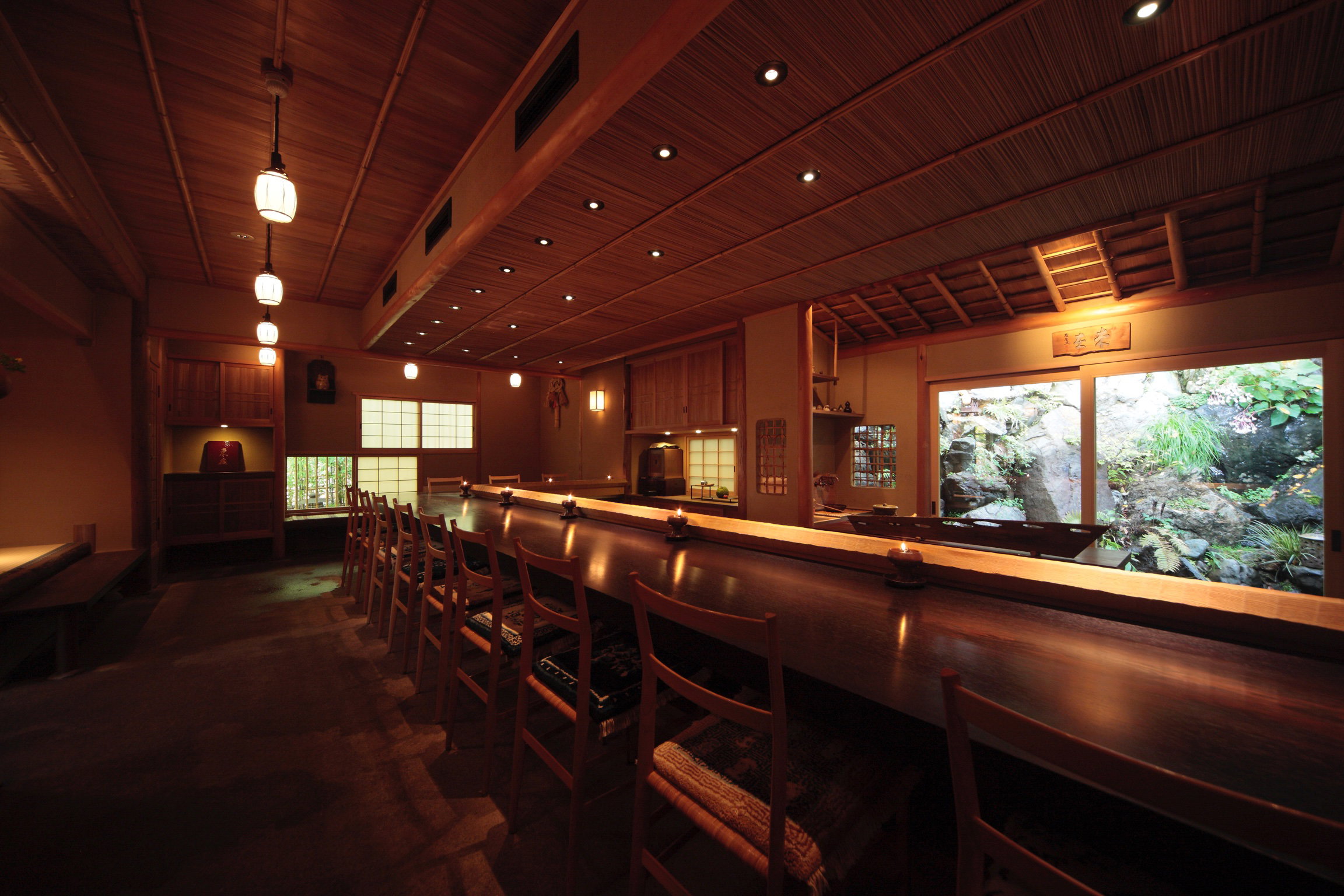
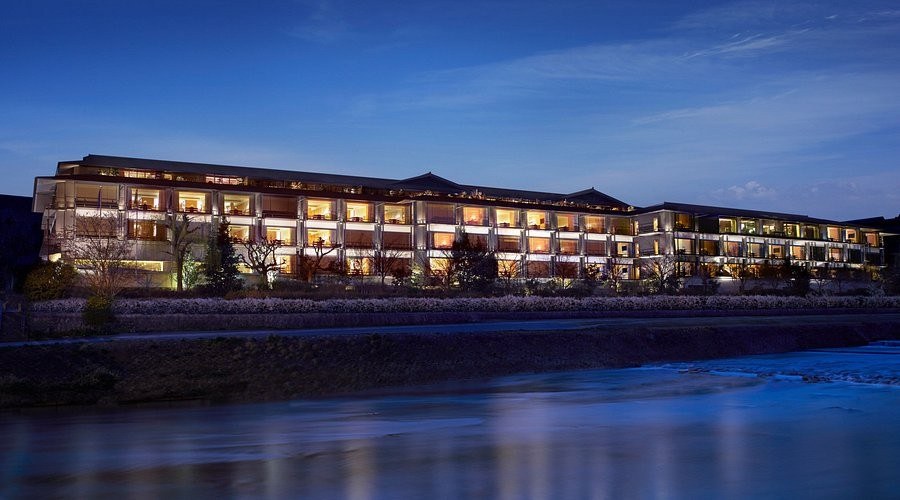
Kappo Umetsu sits quietly on a canal-flanked lane in Higashiyama, trading theatrical presentation for a lived-in Kyoto intimacy. The streets of machiya and cedar-scented timber frame an experience that feels rooted rather than staged: lanterns and a proprietress in an apron set a modest, charming tone. Service is precise without grand gestures, which allows the kitchen–front counter relationship to be the focus. That understated confidence, coupled with a respect for regional dining traditions, produces a classic, historic atmosphere that rewards diners who value restraint, craft and low-key hospitality over spectacle.
Best For
The kappo counter format makes this an ideal destination for focused evening dining: solo guests who want direct interaction with the kitchen, business diners seeking attentive yet unobtrusive service, and couples looking for a composed date-night experience. Unlike fixed-sequence kaiseki, the à la carte, responsive nature of kappo suits people who prefer to shape their meal and pace. Parties that expect formal pomp should look elsewhere; instead, come when you want thoughtful, calibrated hospitality in a historic Gion setting that privileges conversation and the rhythm between chef and guest.
Ordering Tips
Order à la carte and treat the meal as a conversation with the kitchen: the staff explicitly accommodate preferred preparation methods across grilled, simmered and fried techniques, and the kappo model invites adjustments for appetite and pace. Signal dislikes and desired cooking styles up front, and lean on the counter team for sequencing if you prefer guidance. Expect responsiveness rather than a fixed progression—this is the place to build a meal piece by piece, asking for timing and portion adjustments as you go rather than adhering to a preset menu.
Venue details
Ambiance
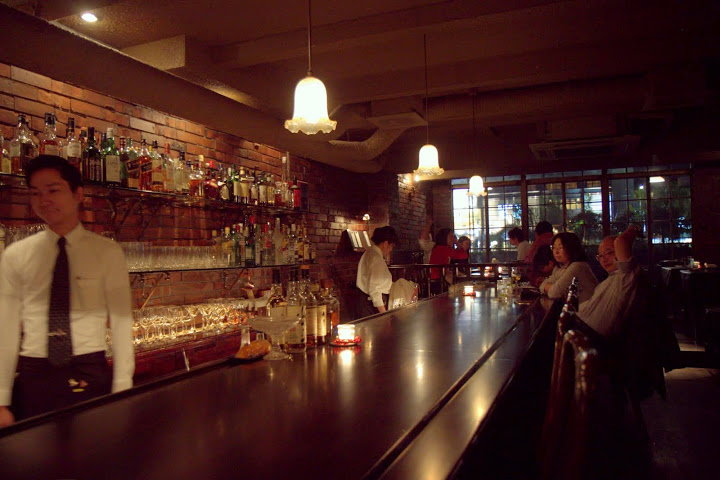
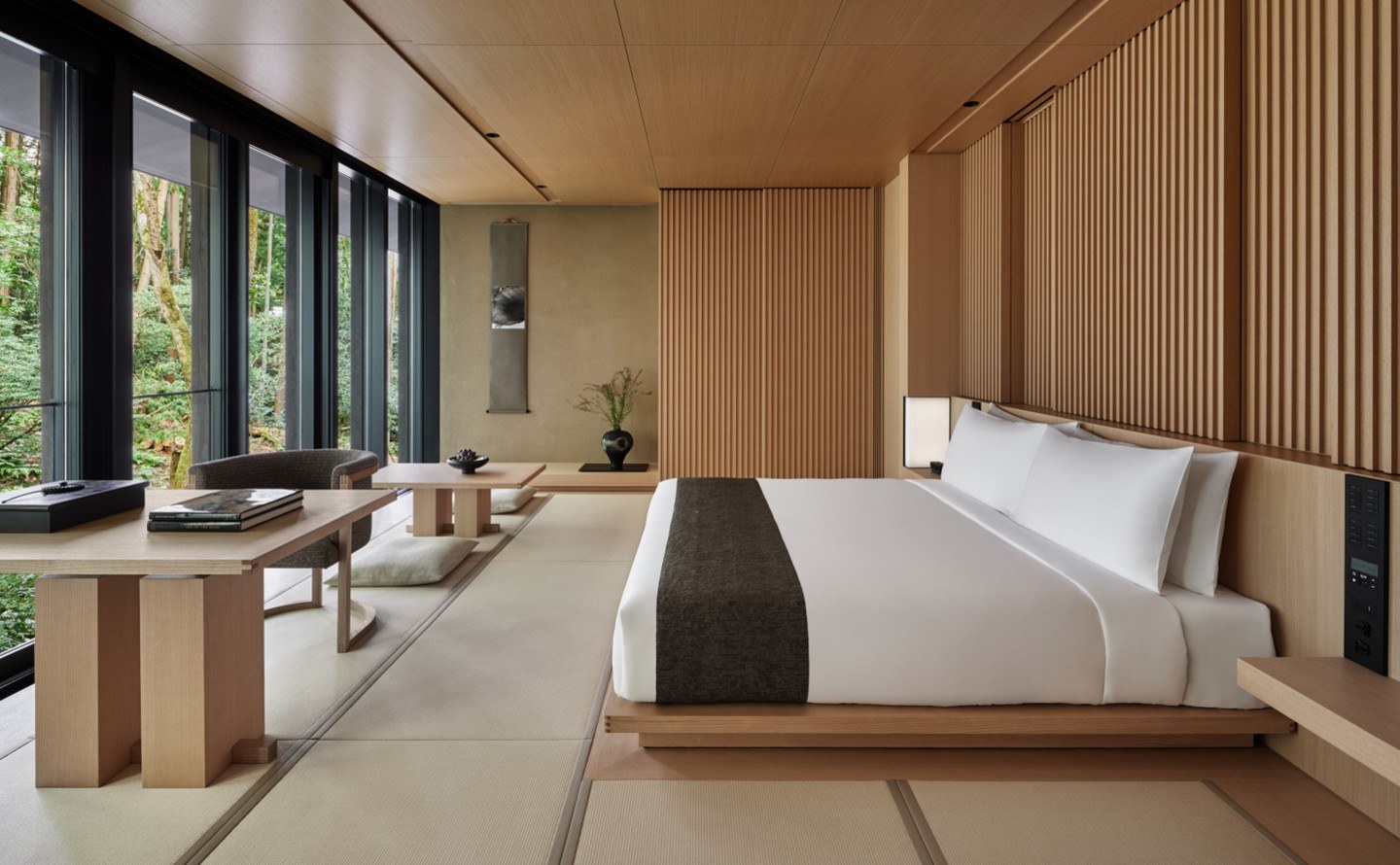
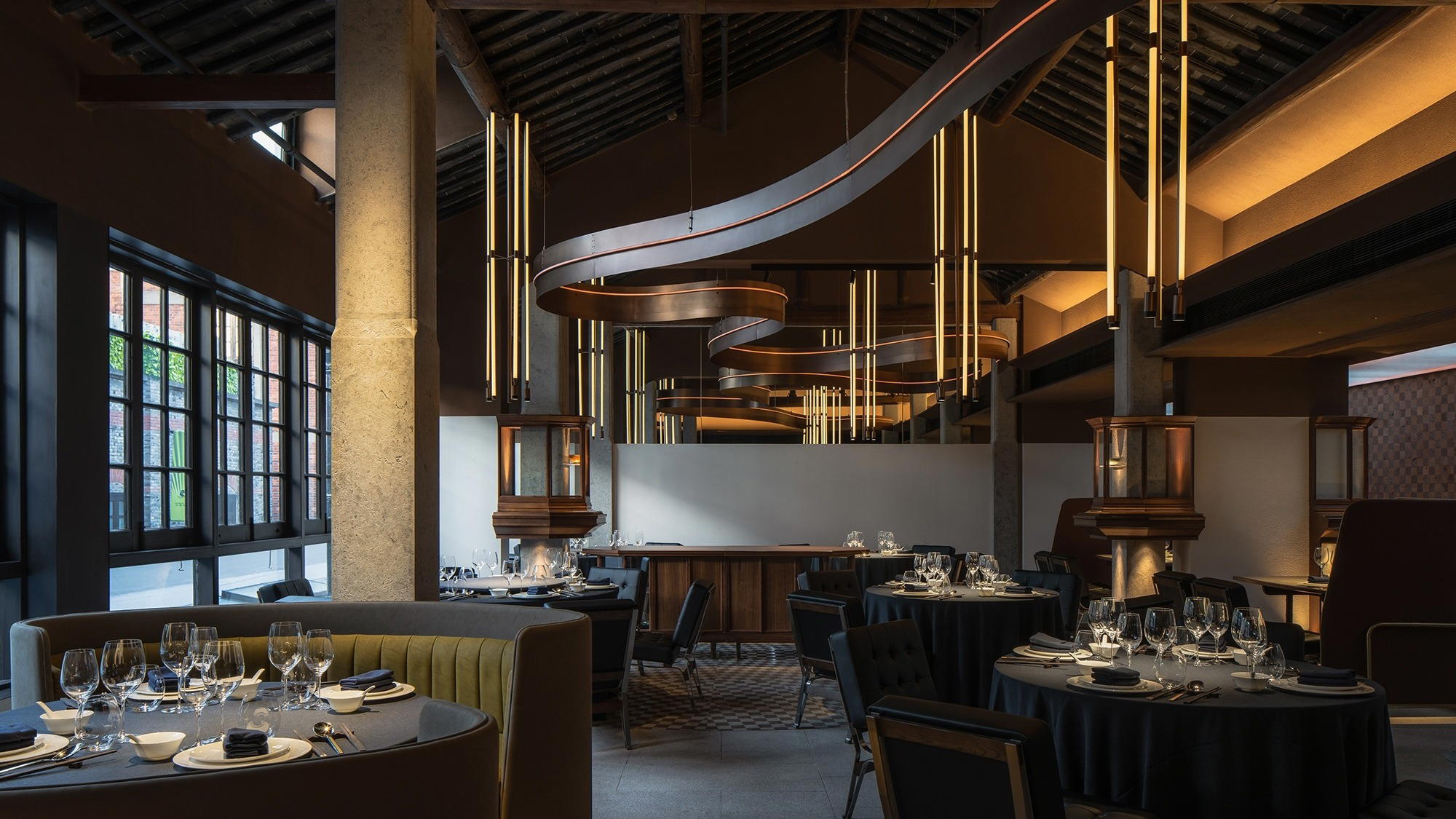
Warm and relaxed traditional Japanese atmosphere with the scent of charcoal from the hearth, counter seating, and private tatami rooms creating a homey feel.
Tags
Vibe
Best For
Experience
At the Table
- Dress Code
- Smart Casual
- Noise Level
- Quiet
- Service Style
- Upscale Casual
- Meal Pacing
- Leisurely
- Capacity
- Intimate
- Kitchen
- Traditional
- Menu Format
- A la carte, Counter dining
- Wine Program
- Curated
- Drinks Focus
- Sake
- Private Dining
- Available
Know before you go
Know Before You Go
- Getting there
- 347-93 Gionmachi Kitagawa, Higashiyama Ward, Kyoto, 605-0073, Japan
Planning details
Location
347-93 Gionmachi Kitagawa, Higashiyama Ward, Kyoto, 605-0073, Japan · Directions
Recognition and awards
Also consider
Also Consider
- Gion Sasaki, Kaiseki, Japanese, ¥¥¥¥
- cenci, Italian, ¥¥¥
- Ifuki, Kaiseki, ¥¥¥¥
- Kyokaiseki Kichisen, Japanese, ¥¥¥¥
- SEN, French, Japanese, ¥¥¥¥
Restaurant context
Kappo Umetsu sits clearly below the ¥¥¥¥ tier that dominates serious dining recommendations in Kyoto, and that price gap is the most practical reason to choose it over alternatives. Gion Sasaki and Kyokaiseki Kichisen are both kaiseki experiences at the ¥¥¥¥ level, with the formality, booking difficulty, and ceremony that comes with that territory. If you are specifically seeking the kaiseki progression, the seasonal arc of courses, the lacquerware, the ritual pacing, neither Kappo Umetsu's à la carte format nor its price point will replicate that. But if you want serious Japanese cooking in Gion without booking months ahead or spending at the top of your budget, Kappo Umetsu is the more accessible choice.
Ifuki and SEN both operate at ¥¥¥¥, with Ifuki a kaiseki specialist and SEN running a French-Japanese hybrid format. For a first visit to Kyoto with no strong format preference, SEN is worth comparing directly against Kappo Umetsu: the cross-cultural approach at SEN may be more immediately legible to international diners, while Kappo Umetsu's à la carte kappo format will suit those specifically interested in traditional Japanese technique. cenci sits at ¥¥¥ and runs Italian cuisine, which makes it a lateral alternative if your group includes diners less drawn to Japanese cooking, it is not a direct competitor, but it is worth knowing exists at the same price tier.
For most first-timers who want to eat well in Gion without the pressure of a fully fixed kaiseki format, Kappo Umetsu is the most practical booking in this peer set. The ¥¥¥¥ venues here are appropriate for a dedicated occasion or a second visit when you know what you want from Kyoto dining. Also consider Kodaiji Jugyuan if you are open to alternatives in the Higashiyama area at a comparable price point.
Explore Kyoto
Around this place
Discover more on Pearl
Unlock the full Kappo Umetsu guide in Pearl, including awards, comparisons, FAQs, planning details, and nearby places.
Compare Kappo Umetsu
| Venue | Awards | Price |
|---|---|---|
| Kappo Umetsu | Michelin Guide Kyoto Osaka 20262026 Michelin Plate2025 Michelin Plate2024 Michelin Plate | ¥¥¥ |
| Gion Sasaki | 2026 Tabelog Bronze · #3862026 OAD Top Restaurants in Japan RecommendedMichelin Guide Kyoto Osaka 20262026 La Liste Top RestaurantsTabelog 100 - Japanese cuisine - WEST - 2025 · #132025 OAD Top Restaurants in Japan Ranked · #2462025 Tabelog Silver2025 Michelin 3 Stars2025 La Liste Top Restaurants | ¥¥¥¥ |
| cenci | 2026 Tabelog Bronze · #442026 Asia's 50 Best Restaurants · #762026 OAD Top Restaurants in Japan Highly RecommendedMichelin Guide Kyoto Osaka 2026Tabelog 100 - Italian - WEST - 2025 · #632025 Asia's 50 Best Restaurants · #632025 OAD Top Restaurants in Japan Ranked · #1682025 Tabelog Bronze2024 OAD Top Restaurants in Japan Ranked · #135 | ¥¥¥ |
| Ifuki | 2026 OAD Top Restaurants in Japan Ranked · #1222026 Tabelog Bronze · #128Michelin Guide Kyoto Osaka 20262026 La Liste Top RestaurantsTabelog 100 - Japanese cuisine - WEST - 2025 · #622025 OAD Top Restaurants in Japan Ranked · #1002025 La Liste Top Restaurants2025 Tabelog Bronze2025 Michelin 2 Stars | ¥¥¥¥ |
| Kyokaiseki Kichisen | 2026 Tabelog Bronze · #1752026 OAD Top Restaurants in Japan Highly RecommendedMichelin Guide Kyoto Osaka 20262025 OAD Top Restaurants in Japan Ranked · #1862025 Michelin 2 Stars2025 La Liste Top Restaurants2024 OAD Top Restaurants in Japan Ranked · #1422024 Michelin 2 Stars2023 OAD Top Restaurants in Japan Ranked · #136 | ¥¥¥¥ |
| SEN | 2026 Tabelog Bronze · #3952026 OAD Top Restaurants in Japan RecommendedMichelin Guide Kyoto Osaka 20262026 Michelin PlateTabelog 100 - Japanese cuisine - WEST - 2025 · #652025 Michelin Plate2025 Tabelog Bronze2024 OAD Top Restaurants in Japan Ranked · #3622024 Michelin Plate | ¥¥¥¥ |
.png?width=1200&quality=80)






Side-by-side comparison to help you decide where to book.
FAQ
Frequently Asked Questions
How far ahead should I book Kappo Umetsu?
Booking is rated as relatively straightforward by Kyoto standards, so two to three weeks in advance is generally sufficient. This is a meaningful advantage in a city where top kaiseki rooms like Kyokaiseki Kichisen require months of lead time. If your travel dates are fixed, book as soon as they are confirmed to avoid the risk of missing out during peak seasons like cherry blossom or autumn foliage.
What are alternatives to Kappo Umetsu in Kyoto?
For a step up in formality and price, Gion Sasaki or Kyokaiseki Kichisen offer kaiseki at a higher tier, but require far more advance planning and a larger budget. Ifuki and SEN are worth considering if you want a more contemporary or intimate setting. Cenci is a good alternative if you prefer a European-influenced approach to Kyoto produce at a similar price point.
What should a first-timer know about Kappo Umetsu?
Kappo Umetsu is à la carte, which means you are not locked into a fixed tasting sequence — useful if you want to pace the meal yourself or test a few dishes. The kitchen's signature is its house-made apricot soy sauce, used to dress parboiled pike conger and beef cutlets, and the preparation style (grilled, simmered, fried) can be tailored to your preference. The Michelin Plate recognition (2024 and 2025) signals consistent quality without the price premium of a starred room.
Is Kappo Umetsu worth the price?
At ¥¥¥, it sits below the commitment level of Kyoto's top kaiseki venues while offering ingredient-focused cooking with a Michelin Plate in both 2024 and 2025. The à la carte format means you control the spend. If you want a serious Japanese meal in Gion without the four-figure per-head outlay of a starred kaiseki room, Kappo Umetsu delivers good value for the category.
Is Kappo Umetsu good for a special occasion?
Yes, for occasions where intimacy and cooking quality matter more than formal ceremony. The service, described as warmly coordinated with the proprietress central to the room, creates a personal atmosphere that suits a birthday or a meaningful dinner. If you need a grander, more ceremonial setting, a starred kaiseki venue like Gion Sasaki would be the better call.
Is the tasting menu worth it at Kappo Umetsu?
Kappo Umetsu's format is à la carte rather than a fixed tasting menu, which is part of its appeal. You build the meal around what interests you rather than following a prescribed sequence. This suits diners who prefer control over pacing and spend, and it distinguishes Kappo Umetsu from the kaiseki format where the kitchen dictates the entire progression.