
Kappo Takohachi
Japanese · Nakagyō, Kyoto
Restaurant in Kyoto, Japan
 Book with Pearl
The Read
Ingredient-Led Counter Cooking
Price
$50–100per person
Dress
Casual
Why go
A Michelin Plate-recognised neighbourhood kappo on Takoyakushi Street, Kappo Takohachi delivers market-driven Japanese cooking at ¥¥ — one of Kyoto's most accessible serious dining options. The counter format is intimate and chef-directed: arrive ready to ask for the day's recommendation. Easy to book, genuinely worth the effort.
About Kappo Takohachi
Should You Book Kappo Takohachi?
Getting a seat at Kappo Takohachi is refreshingly direct by Kyoto standards — no months-long waitlist, no convoluted reservation system. The difficulty is not booking it; it is knowing it exists. This is a small, family-run counter on Takoyakushi Street in Nakagyo Ward, Michelin Plate-recognised in both 2024 and 2025, and priced at ¥¥ — which puts it among the most accessible serious Japanese dining in the city. If you are visiting Kyoto for the first time and want to understand what a neighbourhood kappo feels like without spending ¥¥¥¥ on kaiseki, this is where to go.
The Space
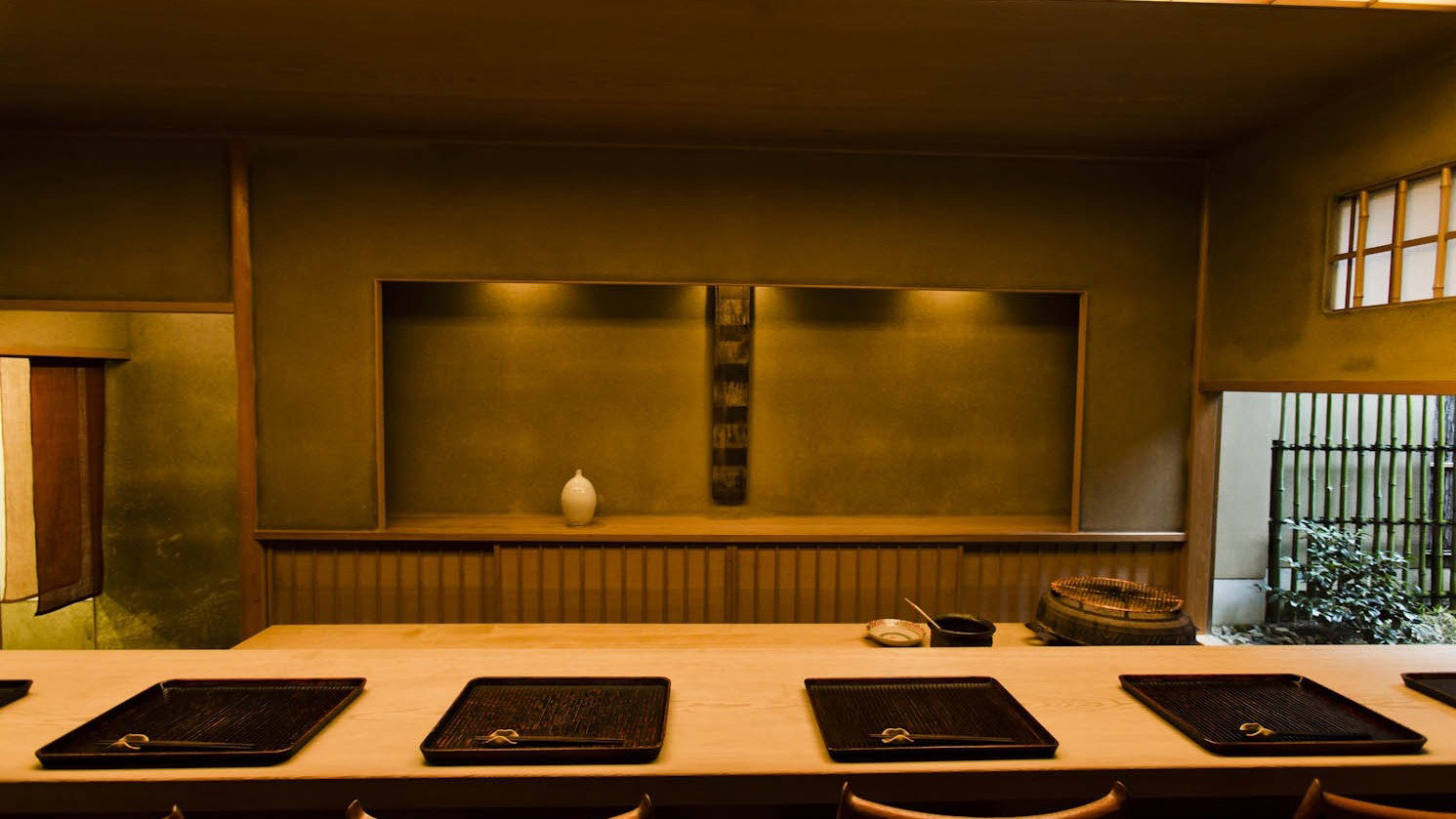
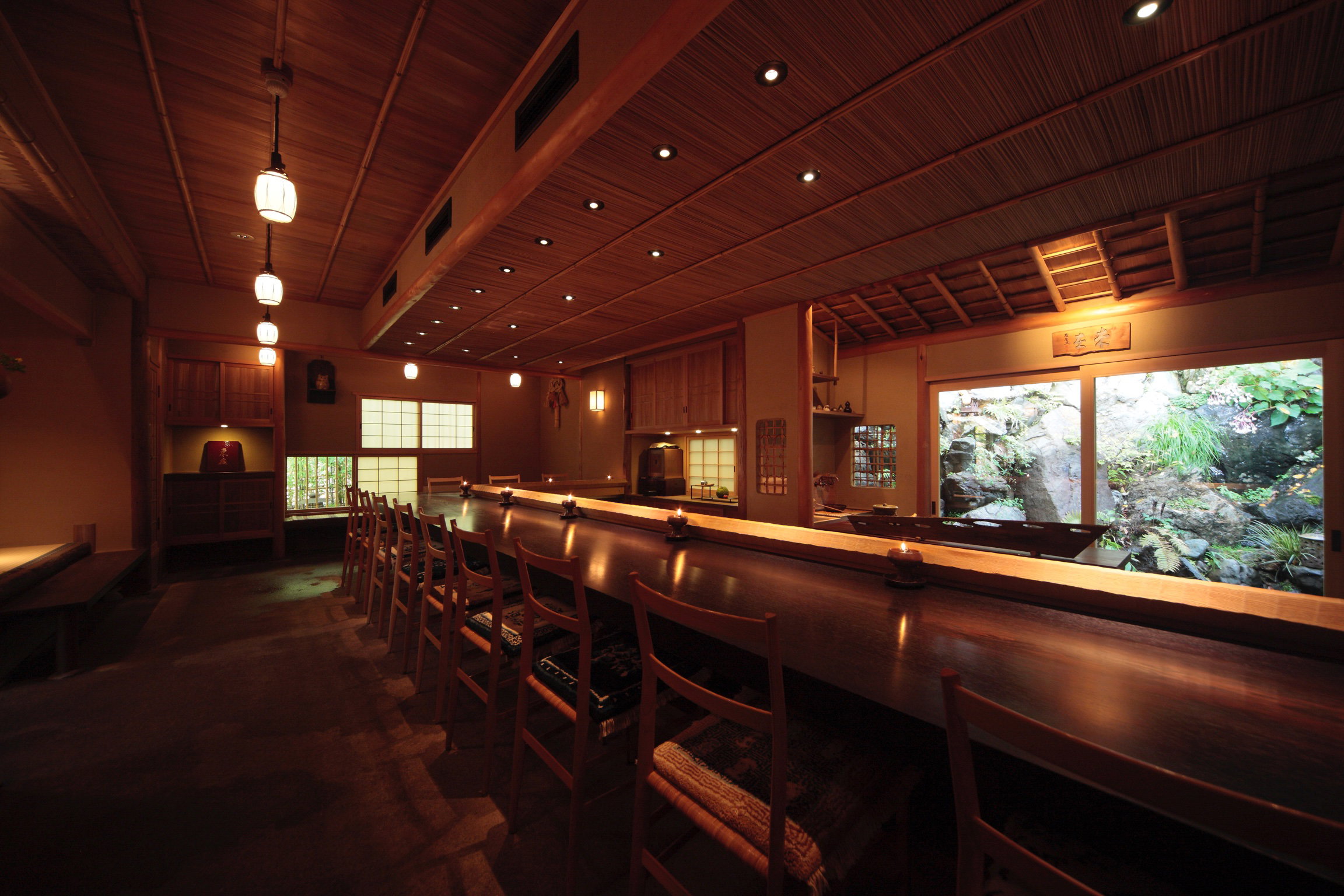
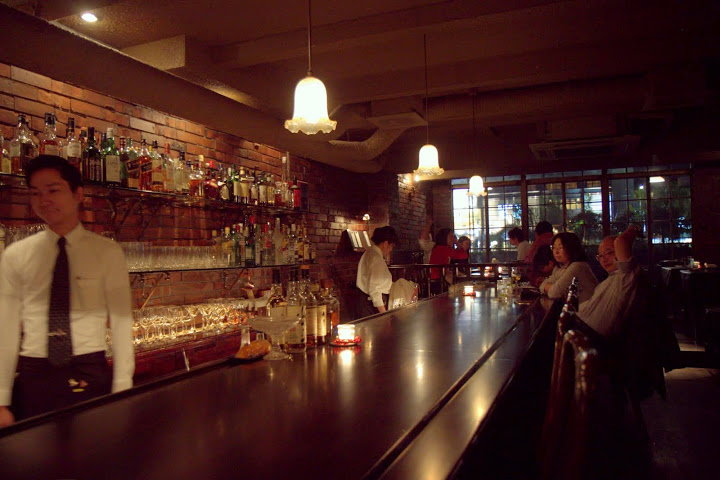
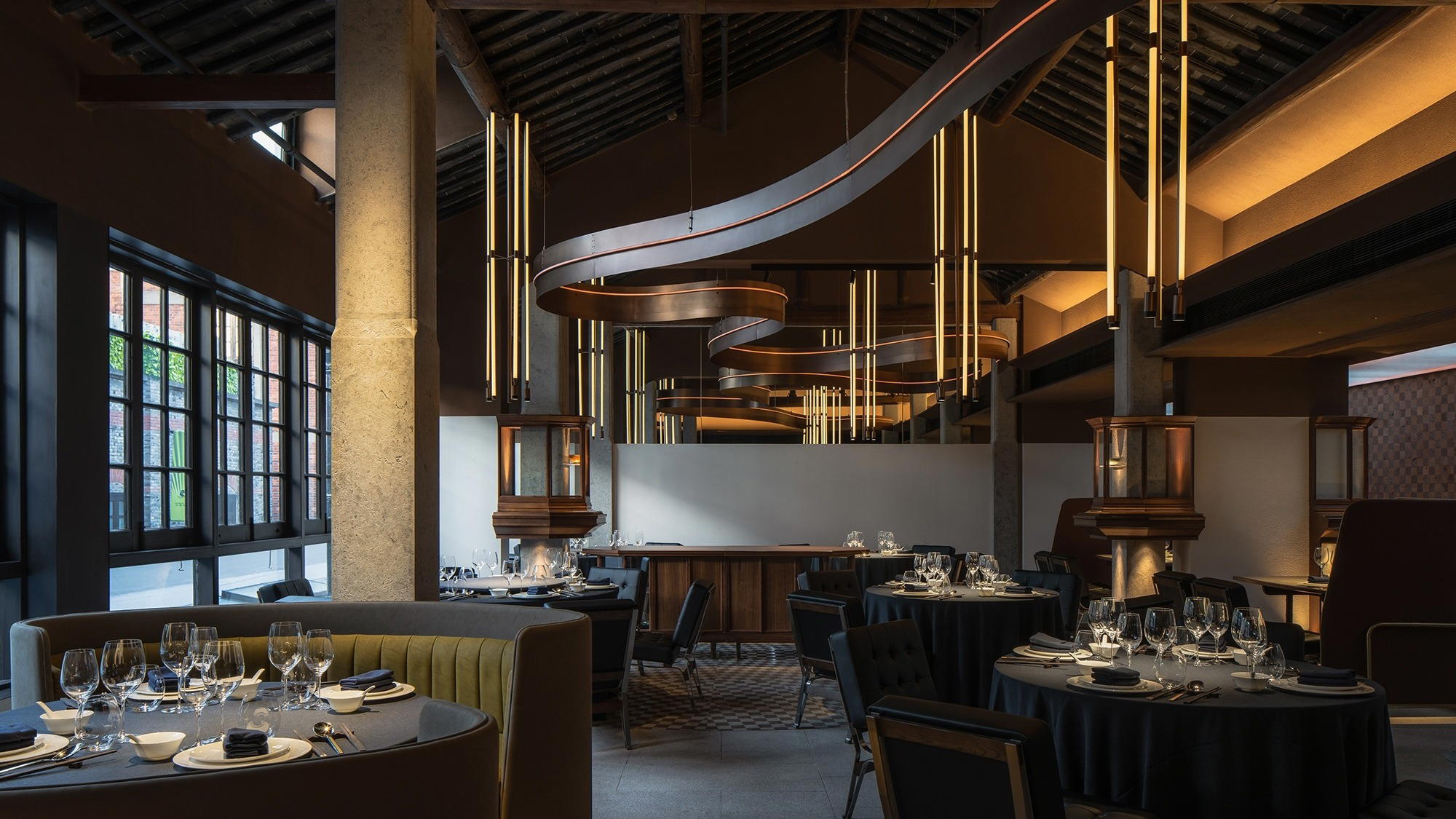
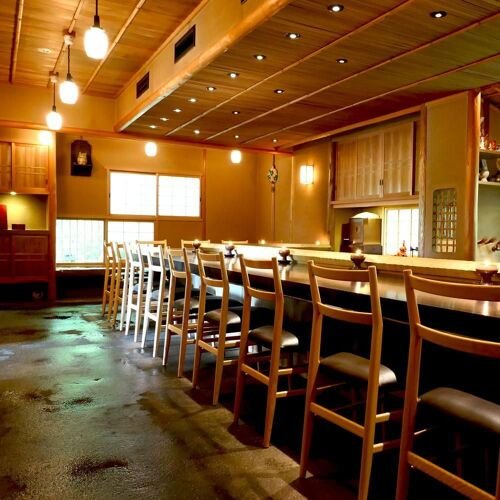
The room is the experience here. Takoyakushi Street retains the atmosphere of mid-20th-century Kyoto, low signage, worn shopfronts, a pace that has not caught up with the tourist corridors a few streets over. Inside Kappo Takohachi, the counter seating places you shoulder to shoulder with other diners in a format that collapses the usual distance between strangers. There is nothing theatrical about the layout, no open flames for effect, no dramatic plating counter, just a compact workspace where the owner couple operate in close coordination. For a first-timer, this spatial intimacy can feel unfamiliar, but that is precisely the point. Kappo, as a format, is built around proximity: you watch the cooking, you read the room, you settle into a rhythm that is collective rather than private. The Michelin description frames it as a space that enfolds everyone present in a harmonious mood, which is accurate without being sentimental.
How the Meal Works
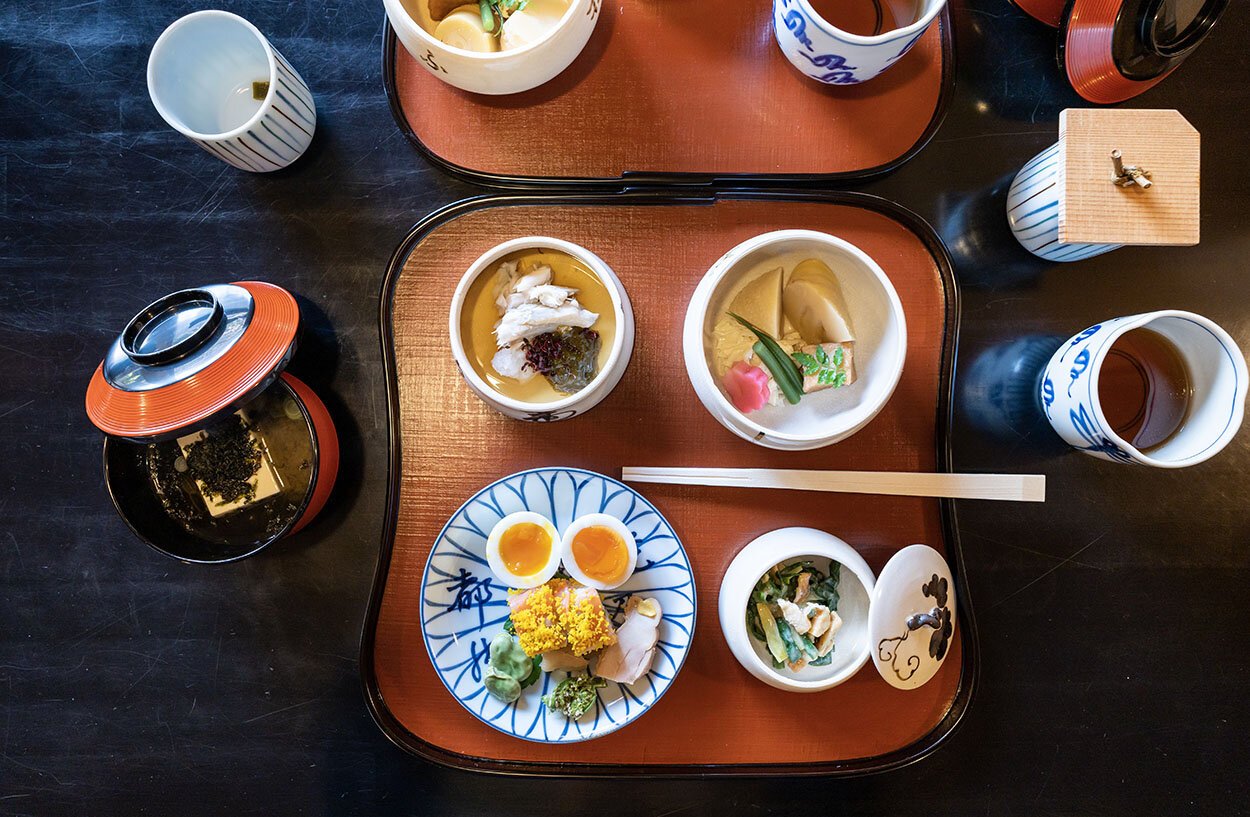
Kappo Takohachi does not hand you a written tasting menu with course titles and ingredient poetry. The menu lists only the raw ingredients, sea bream, squid, octopus, and the progression of the meal is built around what has arrived that day. This is not a gap in information; it is the format. The arc of the meal depends on the season, the market, and the judgment of the chef. For a first-timer, the correct move is to ask the chef for the day's recommendation when you arrive. That interaction is not an afterthought; it is the intended starting point. The Michelin recognition specifically flags this as part of the experience, not a workaround for a sparse menu.
What this means practically: you are not choosing between set courses at different price points, as you would at a kaiseki counter like Kikunoi Roan or Isshisoden Nakamura. You are handing a degree of control to the kitchen, which is standard kappo practice but worth knowing before you arrive. The cooking draws on a generational recipe, the current chef inherited the approach from his father, so the nostalgia embedded in the dishes is not a marketing angle; it is the actual culinary lineage of the place.
Who This Is For
Kappo Takohachi makes most sense for a first-time visitor to Kyoto who wants genuine local dining at a price that does not require a special-occasion budget. The ¥¥ price range makes it accessible on a night when you are not committing to a full kaiseki experience. It also works for travellers who have already done the formal kaiseki circuit, Kyokaiseki Kichisen, Kodaiji Jugyuan, or Gion Matayoshi, and want to contrast the formal with something more immediate and neighbourhood-scaled.
It is not the right choice if you need a menu in advance to manage dietary restrictions, if you require English-language communication with the kitchen, or if you are planning a large group dinner. The counter format rewards flexibility and a willingness to go with the flow of the meal as it develops. Solo diners and pairs will get the most from this setting.
Ratings and Recognition
The Michelin Plate in 2024 and 2025 confirms consistent cooking quality without the pressure of star expectations. Pearl rates Michelin Plate recognition as Tier A trust signal: it reflects quality standards assessed by named inspectors, not aggregated crowd opinion. For a ¥¥ neighbourhood kappo, two consecutive Plate recognitions represent meaningful external validation.
Booking and Logistics
Booking is easy relative to most Kyoto venues of this calibre. No phone number or website is listed in available records, which suggests walk-in or direct reservation through local channels may be the primary access route. If you are staying at a Kyoto hotel with a concierge, ask them to assist with the booking, this is standard practice for smaller neighbourhood restaurants that do not maintain English-language online reservation systems. Arrive on time; the counter format means late arrivals disrupt the rhythm of the room for everyone present. For broader planning, see our full Kyoto restaurants guide, our full Kyoto hotels guide, and our full Kyoto bars guide.
Beyond Kyoto
If you are building a Japan itinerary around serious Japanese cooking, Kappo Takohachi sits well alongside other regional destinations: HAJIME in Osaka for a completely different register of precision cooking, Harutaka in Tokyo for comparable counter intimacy at a higher price point, akordu in Nara for a cross-cultural contrast nearby, or Goh in Fukuoka if your route takes you south. For Tokyo-based Japanese counter dining, Myojaku and Azabu Kadowaki offer useful points of comparison. Further afield, 1000 in Yokohama and 6 in Okinawa round out Japan's range of intimate dining formats worth considering alongside a Kyoto visit. You can also explore our full Kyoto wineries guide and our full Kyoto experiences guide for planning context.
Planning details
- Location
- Japan, 〒604-8046 Kyoto, Nakagyo Ward, Higashigawacho, 498 新京極西入ル, 蛸薬師通
- Phone
- +81 75-231-2995
The take
The Take
The Vibe
Kappo Takohachi feels like a preserved corner of Kyoto’s everyday dining life. There is no theatrical arrival or architectural flourish — instead you step into a small room where the cook and diner are in close, unhurried dialogue. The writing emphasizes an older kappo tradition that operates as it did in the mid-20th century: ingredient-first, modest in presentation and quietly assured. The space reads as a neighbourhood counter rather than a destination stage, which lends it a historic, hidden-gem quality: intimate, deliberate and quietly charming without any need for spectacle.
Best For
This is an ideal stop for solo diners and anyone who seeks a direct chef-to-guest experience. The kappo counter format collapses the distance between cook and customer, so it suits visitors who enjoy watching preparations unfold and trusting the cook’s judgment. It also appeals to diners curious about ingredient-led Japanese cooking outside the formality of kaiseki — a place for focused, slow dining rather than loud social gatherings. Small parties who appreciate conversational service at a counter will find this setting especially rewarding.
Ordering Tips
The menu lists ingredients only — sea bream, squid, octopus — and the cook decides the preparation based on what arrived at market that morning. Expect to be served dishes as the chefs see fit rather than choosing detailed preparations, and approach the meal with openness to whatever is in season. Signature items to watch for include shimesaba sushi, salt-grilled guji and hamo. Because the format is direct and ingredient-led, rely on the chefs’ judgment and consider letting them guide the sequence of dishes.
Venue details
Ambiance
Nostalgic mid-20th-century Japanese atmosphere with warm, intimate lighting and cozy counter seating; the open kitchen allows guests to observe the owner couple working in perfect synchronization.
Tags
Vibe
Best For
Experience
Sourcing
At the Table
- Dress Code
- Casual
- Noise Level
- Conversational
- Service Style
- Counter Service
- Meal Pacing
- Leisurely
- Capacity
- Intimate
- Kitchen
- Traditional
- Menu Format
- Counter dining, Omakase
- Drinks Focus
- Sake, Shochu
Signature Dishes
- shimesaba sushi
- salt-grilled guji
- hamo
Know before you go
Know Before You Go
- Getting there
- Japan, 〒604-8046 Kyoto, Nakagyo Ward, Higashigawacho, 498 新京極西入ル, 蛸薬師通
Planning details
Location
Japan, 〒604-8046 Kyoto, Nakagyo Ward, Higashigawacho, 498 新京極西入ル, 蛸薬師通 · Directions
Recognition and awards
Also consider
Also Consider
- Gion Sasaki, Kaiseki, Japanese, ¥¥¥¥
- cenci, Italian, ¥¥¥
- Ifuki, Kaiseki, ¥¥¥¥
- Kyokaiseki Kichisen, Japanese, ¥¥¥¥
- SEN, French, Japanese, ¥¥¥¥
Restaurant context
Kappo Takohachi sits in a different tier from most of its Kyoto peers by design. At ¥¥, it is priced well below the kaiseki circuit, Gion Sasaki, Ifuki, Kyokaiseki Kichisen, and SEN all operate at ¥¥¥¥. That price gap is not a quality gap; it reflects a different format. Kappo Takohachi is not trying to compete with multi-course kaiseki. It is a neighbourhood counter with a generational cooking lineage and two consecutive Michelin Plate recognitions. If value for serious Japanese cooking is your priority, it wins on price by a wide margin against every other recognised venue in its category in Kyoto.
For booking ease, Kappo Takohachi is the most accessible option here. The ¥¥¥¥ kaiseki venues, particularly Kyokaiseki Kichisen and Gion Sasaki, require advance planning and, in some cases, an introduction or hotel concierge assistance even to get a reservation. cenci at ¥¥¥ offers Italian cooking with a tasting menu structure and is a reasonable alternative if you want a written multi-course format at a mid-range price point, but it does not replicate the Japanese counter experience. If the kappo format specifically appeals, close seating, chef interaction, market-driven progression, Kappo Takohachi has no direct competitor in this price range in Kyoto.
The honest comparison for experienced Japan travellers is this: if you have already done a kaiseki meal at Kyokaiseki Kichisen or Gion Sasaki, Kappo Takohachi offers a worthwhile contrast, less ceremony, more immediacy, and a price that lets you eat well without committing your entire dining budget to one night. If this is your only serious Japanese meal in Kyoto and you want the full formal kaiseki architecture, Ifuki or Gion Sasaki will deliver a more structured experience, though at significantly higher cost and with more complex booking logistics.
Explore Kyoto
Around this place
Discover more on Pearl
Unlock the full Kappo Takohachi guide in Pearl, including awards, comparisons, FAQs, planning details, and nearby places.
Compare Kappo Takohachi
| Venue | Price | Awards |
|---|---|---|
| Kappo Takohachi | ¥¥ | Michelin Guide Kyoto Osaka 20262026 Michelin Plate2025 Michelin Plate2024 Michelin Plate |
| Gion Sasaki | ¥¥¥¥ | 2026 Tabelog Bronze · #3862026 OAD Top Restaurants in Japan RecommendedMichelin Guide Kyoto Osaka 20262026 La Liste Top RestaurantsTabelog 100 - Japanese cuisine - WEST - 2025 · #132025 OAD Top Restaurants in Japan Ranked · #2462025 Tabelog Silver2025 Michelin 3 Stars2025 La Liste Top Restaurants |
| cenci | ¥¥¥ | 2026 Tabelog Bronze · #442026 Asia's 50 Best Restaurants · #762026 OAD Top Restaurants in Japan Highly RecommendedMichelin Guide Kyoto Osaka 2026Tabelog 100 - Italian - WEST - 2025 · #632025 Asia's 50 Best Restaurants · #632025 OAD Top Restaurants in Japan Ranked · #1682025 Tabelog Bronze2024 OAD Top Restaurants in Japan Ranked · #135 |
| Ifuki | ¥¥¥¥ | 2026 OAD Top Restaurants in Japan Ranked · #1222026 Tabelog Bronze · #128Michelin Guide Kyoto Osaka 20262026 La Liste Top RestaurantsTabelog 100 - Japanese cuisine - WEST - 2025 · #622025 OAD Top Restaurants in Japan Ranked · #1002025 La Liste Top Restaurants2025 Tabelog Bronze2025 Michelin 2 Stars |
| Kyokaiseki Kichisen | ¥¥¥¥ | 2026 Tabelog Bronze · #1752026 OAD Top Restaurants in Japan Highly RecommendedMichelin Guide Kyoto Osaka 20262025 OAD Top Restaurants in Japan Ranked · #1862025 Michelin 2 Stars2025 La Liste Top Restaurants2024 OAD Top Restaurants in Japan Ranked · #1422024 Michelin 2 Stars2023 OAD Top Restaurants in Japan Ranked · #136 |
| SEN | ¥¥¥¥ | 2026 Tabelog Bronze · #3952026 OAD Top Restaurants in Japan RecommendedMichelin Guide Kyoto Osaka 20262026 Michelin PlateTabelog 100 - Japanese cuisine - WEST - 2025 · #652025 Michelin Plate2025 Tabelog Bronze2024 OAD Top Restaurants in Japan Ranked · #3622024 Michelin Plate |
.png?width=1200&quality=80)






Comparing your options in Kyoto for this tier.
FAQ
Frequently Asked Questions
Does Kappo Takohachi handle dietary restrictions?
The menu is built around daily seafood — sea bream, squid, and octopus are the documented staples — so this is a poor fit for anyone avoiding fish or shellfish. The ingredient-only menu format and the owner-couple running a small counter leave little room for substitutions. If you have specific dietary needs, this format is likely not the right call.
What should I order at Kappo Takohachi?
At Kappo Takohachi, the menu lists only raw ingredients — sea bream, squid, octopus — with no dish titles or course structure. Ask the chef what to have that day; that interaction is part of how the meal works, and daily recommendations reflect what is freshest. Treating the chef as your guide, rather than scanning a fixed menu, is the right approach here.
What are alternatives to Kappo Takohachi in Kyoto?
For a step up in formality and prestige, Gion Sasaki and Kyokaiseki Kichisen are the Kyoto benchmarks, but both require serious forward planning and a much higher spend. Ifuki and cenci offer mid-range alternatives with more structured menus if you want courses spelled out. SEN is worth considering if you want something with a cleaner booking path and a more contemporary format.
How far ahead should I book Kappo Takohachi?
No website or phone number is listed in available records, which points toward walk-in or direct contact as the booking route. The counter is small and fills quickly, so showing up early or confirming locally on the day is the safest approach. This is one of the easier Kyoto venues to access compared to peers like Gion Sasaki, but do not assume a seat is guaranteed.
Is Kappo Takohachi good for a special occasion?
It depends on what the occasion calls for. The intimate, shoulder-to-shoulder counter and the mid-20th-century atmosphere of Takoyakushi Street make it genuinely memorable, and the Michelin Plate recognition (2024 and 2025) confirms the cooking is serious. But the format is casual and communal, not ceremony-appropriate — for a milestone dinner with private space or a formal atmosphere, Kyokaiseki Kichisen is the more suitable choice.
Is Kappo Takohachi worth the price?
At ¥¥, Kappo Takohachi is one of the more accessible ways to eat Michelin-recognised kappo cooking in Kyoto. The value case is strong if you want a genuine local experience without the expense of kaiseki. If you are comparing on price alone, it delivers well above what the spend suggests — Kyoto peers at a similar price point rarely carry the same cooking pedigree or neighbourhood character.
Is the tasting menu worth it at Kappo Takohachi?
There is no formal tasting menu here. The menu lists only ingredients, and the meal takes shape through conversation with the chef — a format closer to traditional kappo than a set omakase progression. If you need a structured, course-by-course experience, this is not the right fit. If you are comfortable with an open, chef-led format, the ¥¥ price point makes it a low-risk way to try one of Kyoto's more distinctive dining styles.