
Kappo Harada
Japanese · Nakagyō, Kyoto
Restaurant in Kyoto, Japan
 Book with Pearl
The Read
First-Draught Dashi Counter
Dress
Smart Casual
Why go
A Michelin Plate kappo in Kyoto's Nakagyo Ward that offers both omakase and à la carte at ¥¥¥ — well below the price of the city's kaiseki rooms. Bookings are easy to secure, the dashi-forward cooking is technically careful, and summer visits offer salt-grilled ayu sourced by the proprietor. A practical choice for a special occasion without the months-long wait.
About Kappo Harada
Tucked into a residential pocket of Nakagyo Ward — a neighbourhood more likely to turn up on a locals' dinner rotation than an international travel itinerary — this kappo operates with the low profile of a place that doesn't need to advertise. Two consecutive Michelin Plates (2024 and 2025) confirm it has earned independent recognition, but it remains genuinely easy to book by Kyoto standards. If you want serious Japanese cooking without the months-long wait that shadows Kyoto's higher-profile kaiseki rooms, Kappo Harada is worth knowing about.
What to Expect
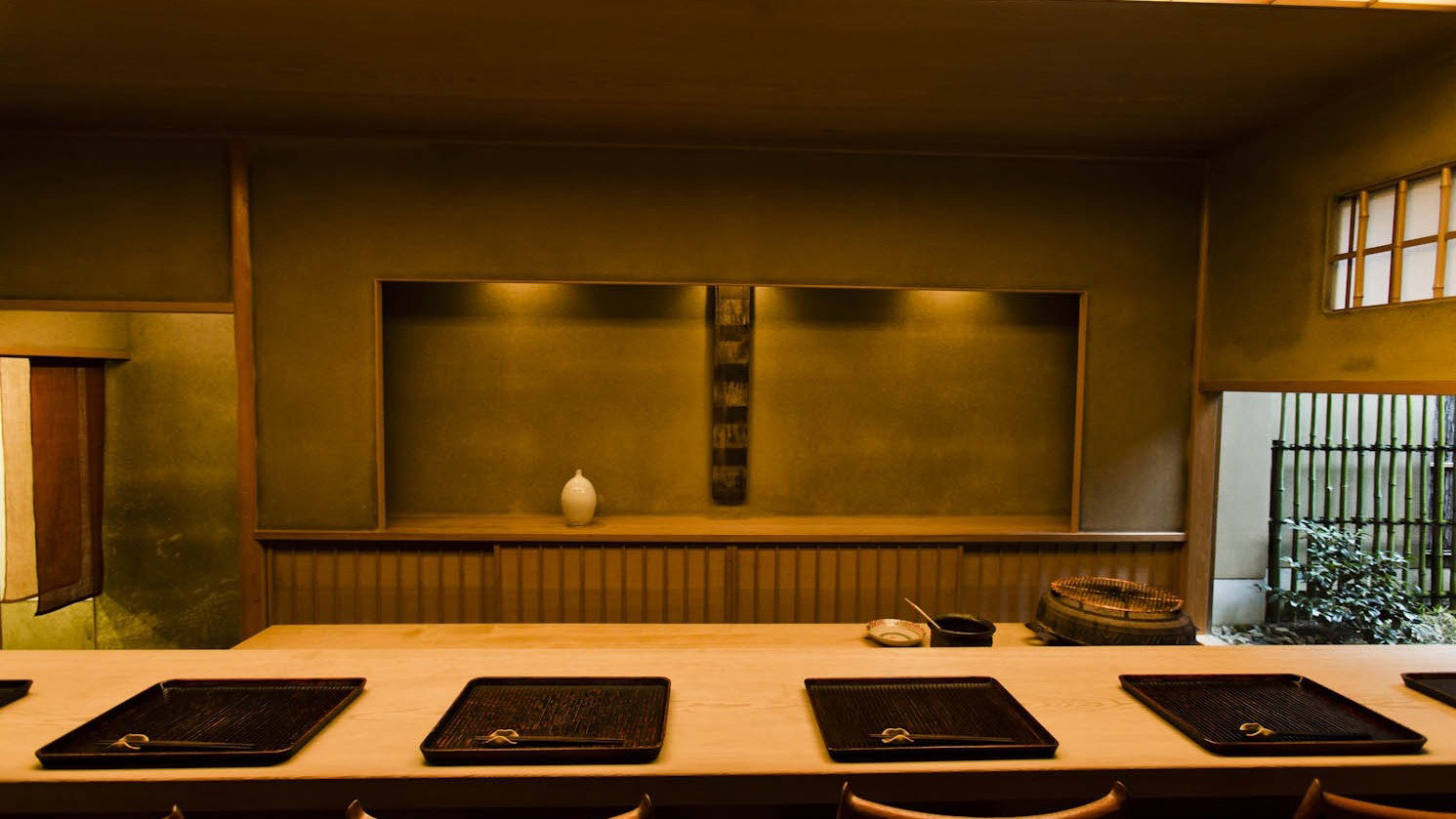
Kappo, as a format, sits between the formality of kaiseki and the informality of an izakaya. The kitchen is partially open, the progression is chef-led but responsive, and the evening tends to build rather than follow a rigid script. At Kappo Harada, that responsiveness is literal: the menu accommodates both omakase and à la carte, so you can either hand the evening to the kitchen or direct it yourself. For a special occasion, the omakase path makes more sense, it lets the kitchen show you what it does leading in a given season rather than asking you to navigate a menu in a second language under low lighting.
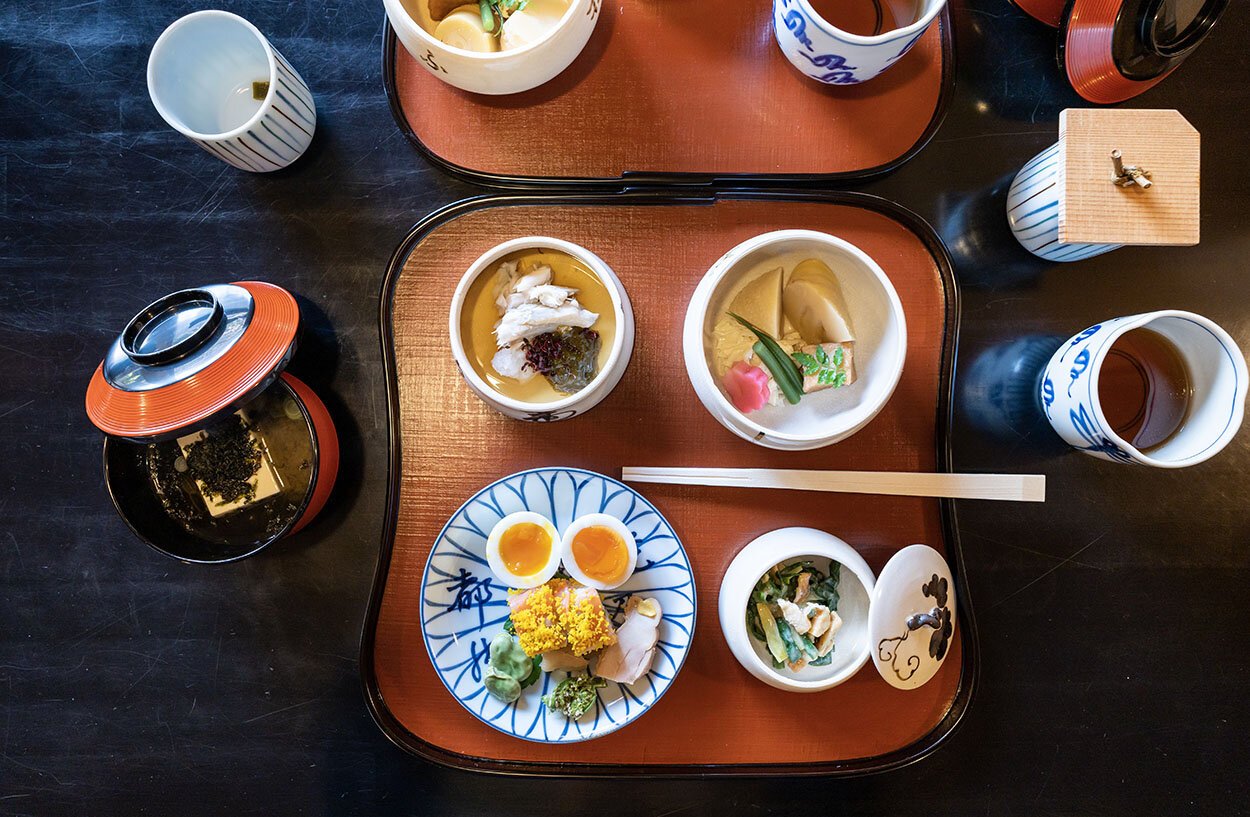
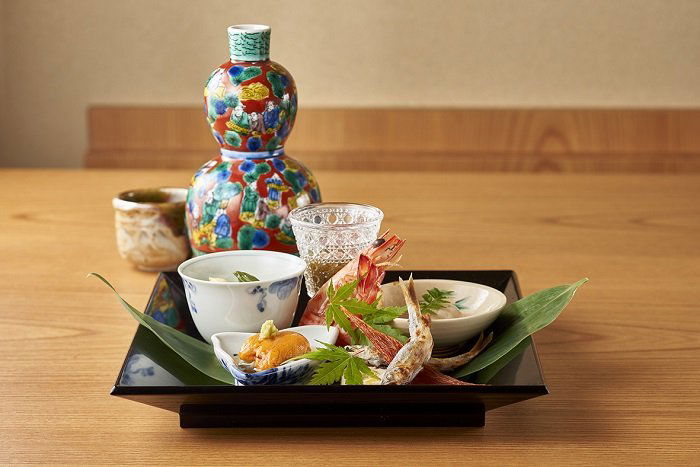
The opening sequence arrives as a selection of appetisers, which in kappo tradition signal the kitchen's range before the more substantial courses arrive. The drinking snacks here are reportedly a point of pride, a wide variety, shifting with the season, which makes Kappo Harada a reasonable choice if your evening involves sake or shochu rather than a wine pairing. The wanmono course, a clear soup that is a standard marker of technical skill in Japanese cooking, centres on first-draught dashi: the kind that carries fragrance before flavour, and whose lightness is the point rather than an absence of intensity.
One detail worth knowing for summer visits: the proprietor fishes for ayu (sweetfish) personally, and those fish appear on the menu grilled in salt when the season allows. Salt-grilled ayu is a warm-weather fixture across Kyoto's better restaurants, but sourcing them yourself rather than through a wholesaler is less common. It doesn't change the dish category, but it does say something about how the kitchen approaches seasonal ingredients. For a summer dinner, anniversary, business meal, or a first serious Japanese dining experience, this is the kind of detail that makes a meal feel considered rather than transactional.
After-Dinner Hours and Timing
Kappo Harada does not have confirmed late-night hours in the public record, and the venue's operating hours are not listed. What the kappo format does allow, in general, is a more flexible and social rhythm than kaiseki. Because the kitchen responds to the room rather than to a fixed tasting clock, an evening here can extend or compress depending on how the table is eating and drinking. If a late finish matters to you, either because you're arriving from elsewhere in Kyoto or because dinner is only part of the evening, it is worth contacting the restaurant directly to confirm last seating and expected finish times before you book. The address (Hokodencho 290, Nakagyo Ward) places the restaurant within reach of Kyoto's central bar and nightlife corridors, which makes it a workable anchor for an evening that continues elsewhere. For Kyoto bars and late options, see our full Kyoto bars guide.
Who Should Book
Kappo Harada works well for: a date or anniversary where you want the experience to feel personal rather than choreographed; a business dinner where you want to signal taste without the theatre of a full kaiseki room; or a first visit to serious Japanese cooking in Kyoto where you'd rather not feel locked into a rigid progression. It also suits travellers who have already done the kaiseki circuit at places like Kikunoi Roan or Kodaiji Jugyuan and want something less formal on a second or third trip to Kyoto.
If you're comparing Kyoto kappo against Japanese cooking elsewhere in the country, the format has parallels at places like Azabu Kadowaki in Tokyo and Myojaku in Tokyo, both of which operate in a similar register. But Kyoto's seasonal ingredient access, ayu in summer, matsutake in autumn, Kyoto vegetables year-round, gives a Kyoto kappo a geographic argument that Tokyo equivalents can't replicate. For broader context on where Kappo Harada sits in the city's dining picture, see our full Kyoto restaurants guide.
For visitors planning a wider Kyoto trip, related guides: our full Kyoto hotels guide, our full Kyoto wineries guide, and our full Kyoto experiences guide. For high-end Japanese dining beyond Kyoto, see HAJIME in Osaka, Harutaka in Tokyo, Goh in Fukuoka, akordu in Nara, 1000 in Yokohama, and 6 in Okinawa.
Practical Details
Reservations: Easy by Kyoto standards, contact directly, ideally a week or two ahead for weekends. Price tier: ¥¥¥, making it a step below the ¥¥¥¥ kaiseki rooms. Format: Omakase or à la carte, both available. Location: Hokodencho 290, Nakagyo Ward, Kyoto, residential area, not a tourist-facing block. Awards: Michelin Plate 2024 and 2025. Leading for: Special occasions, date nights, first-time kappo diners, summer visits for ayu season. Hours: Not publicly listed, confirm directly before booking.
Also Worth Considering in Kyoto
Other Kyoto restaurants worth knowing for different occasions: Isshisoden Nakamura, Gion Matayoshi, and Kyokaiseki Kichisen.
Planning details
- Location
- Japan, 〒604-0902 Kyoto, Nakagyo Ward, Hokodencho, 290
- Phone
- +81 75-213-5890
The take
The Take
The Vibe
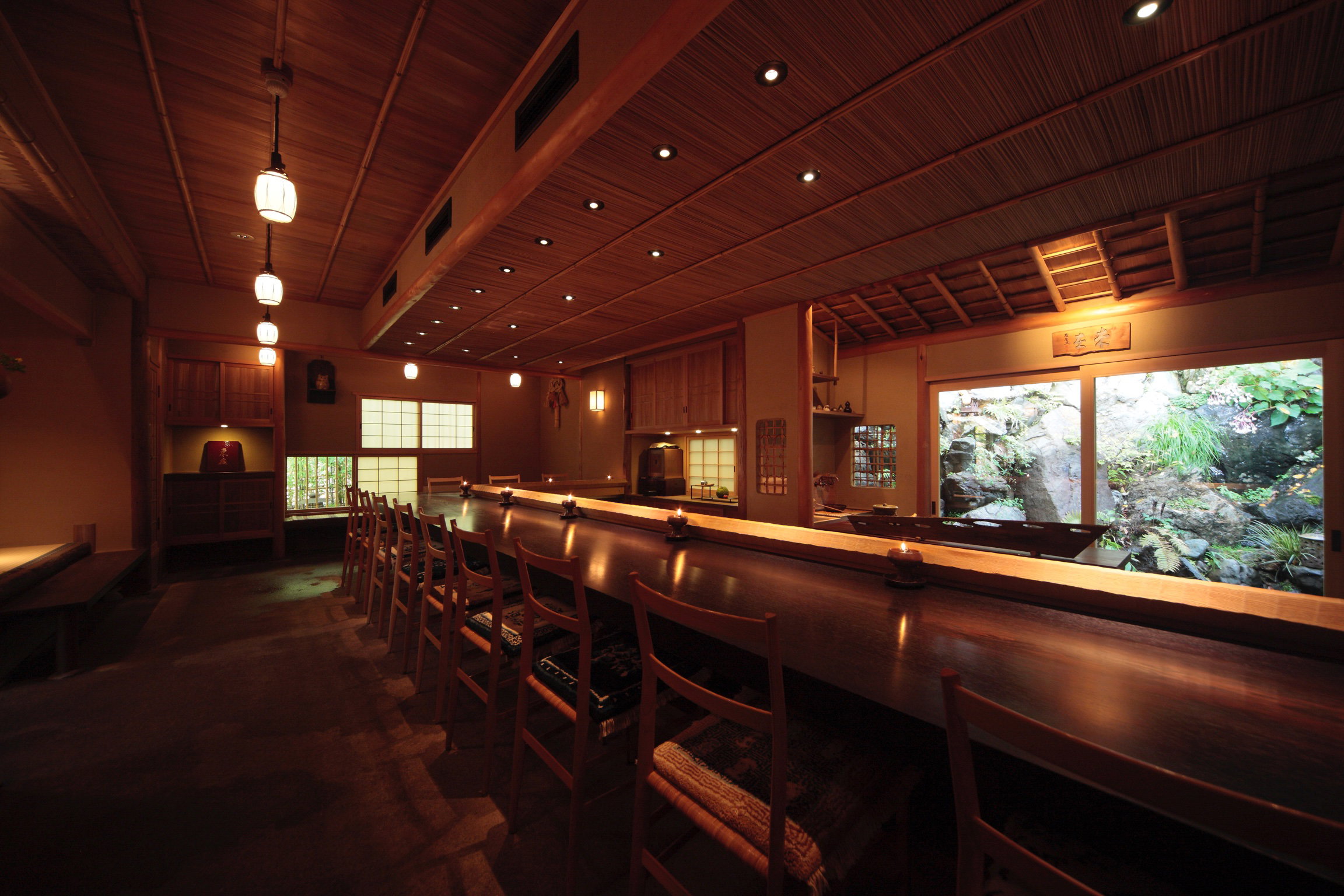
Kappo Harada lives in the quiet register of Kyoto's residential streets. The restaurant foregrounds the hands-on craft of kappo—the knife work, the ladling of dashi, the calibration of heat—performed directly in front of guests at the counter. It deliberately avoids theatrical showmanship in favor of precise, responsive cooking, and its modest entrance and off-the-beaten-path location reinforce that restraint. The mood is focused and considered: diners watch preparation unfold like a small, exacting performance rather than a spectacle, and the overall effect is a discreet, highly attentive dining environment that rewards concentration on technique and seasonality.
Best For
This is a place for diners who want an introspective, chef-led meal rather than a noisy night out. Its counter-focused service and availability of omakase make it well suited to date nights and quiet special occasions when the company and the cuisine are the priorities. The setting—embedded in a residential ward and away from tourist routes—also appeals to guests seeking an authentic local experience. While groups may appreciate the food, the counter format rewards solo diners and small parties who want to follow the meal’s pacing and to engage directly with the chef.
Ordering Tips
Reserve a counter seat if you want to experience the preparation up close; the text emphasizes the counter as the place to read the cooking. Kappo Harada offers both omakase and à la carte, so opt for omakase if you want the chef to shape the sequence according to seasonal arrivals, or choose à la carte if you prefer more control. Signal dietary preferences at booking or on arrival—the kappo format explicitly responds to diner signals. Be sure to try signature items such as Karasumi Gohan and Renkon Manju, which reflect the kitchen’s focused approach to ingredient and technique.
Venue details
Ambiance
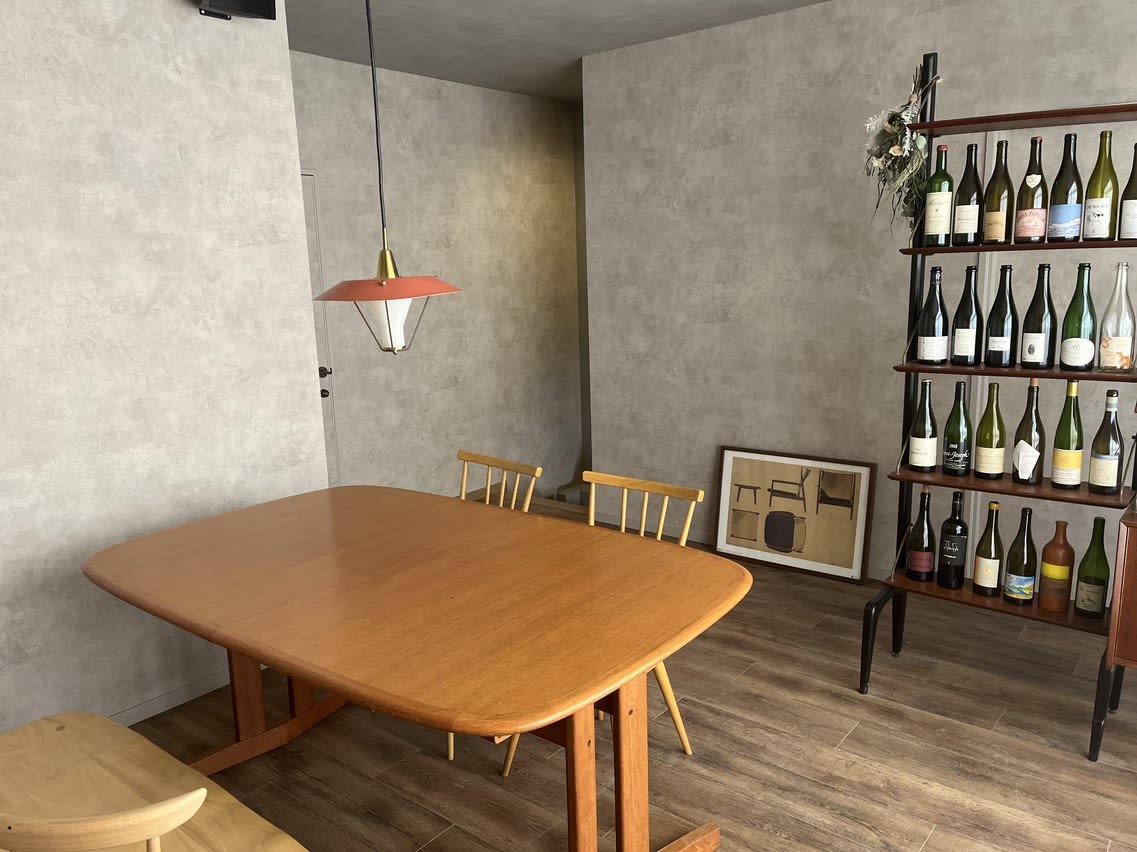
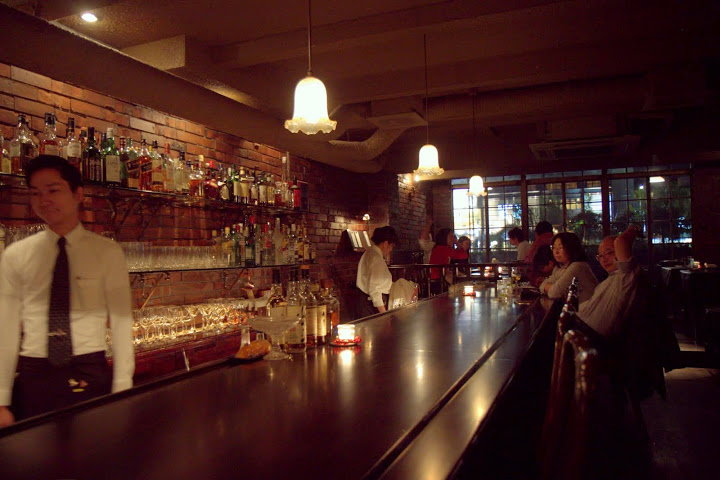
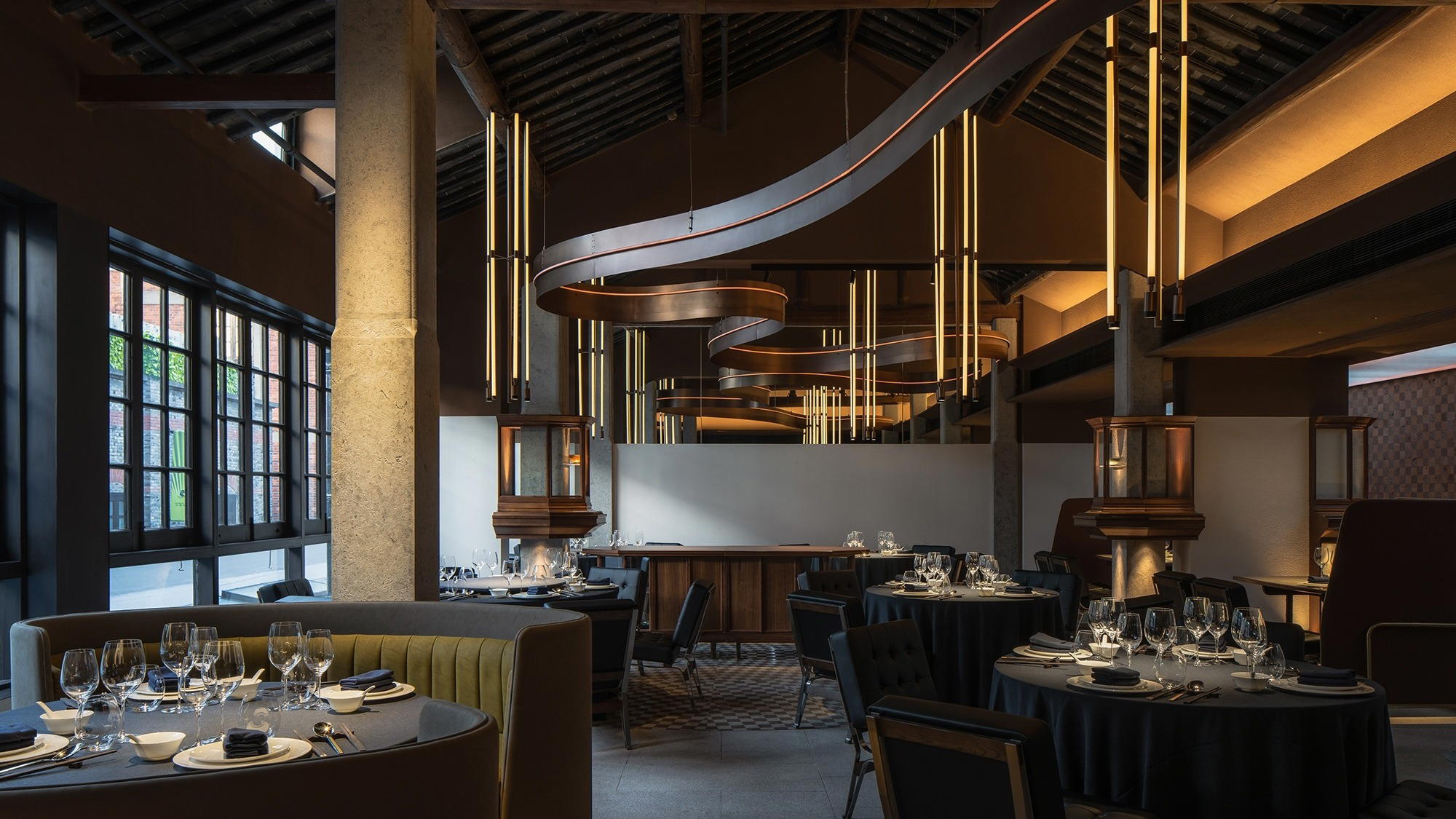
Cozy and intimate Kyo-Machiya atmosphere with counter seating, emphasizing traditional elegance and meticulous preparation.
Tags
Vibe
Best For
Experience
Sourcing
At the Table
- Dress Code
- Smart Casual
- Noise Level
- Quiet
- Service Style
- Upscale Casual
- Meal Pacing
- Leisurely
- Capacity
- Intimate
- Kitchen
- Traditional
- Menu Format
- Omakase, A la carte, Counter dining
- Wine Program
- Curated
Signature Dishes
- Karasumi Gohan
- Renkon Manju
Know before you go
Know Before You Go
- Getting there
- Japan, 〒604-0902 Kyoto, Nakagyo Ward, Hokodencho, 290
Planning details
Location
Japan, 〒604-0902 Kyoto, Nakagyo Ward, Hokodencho, 290 · Directions
Recognition and awards
Also consider
Also Consider
- Gion Sasaki, Kaiseki, Japanese, ¥¥¥¥
- cenci, Italian, ¥¥¥
- Ifuki, Kaiseki, ¥¥¥¥
- Kyokaiseki Kichisen, Japanese, ¥¥¥¥
- SEN, French, Japanese, ¥¥¥¥
Restaurant context
At ¥¥¥, Kappo Harada sits a full price tier below most of its Michelin-recognised competition in Kyoto. If you're weighing it against Gion Sasaki, Ifuki, or Kyokaiseki Kichisen, all ¥¥¥¥ kaiseki rooms with considerably more booking pressure, Kappo Harada offers a meaningful value argument. You give up some of the ceremony and the multi-course rigidity of kaiseki, but the seasonal ingredient focus and the dashi-led cooking are in the same register. For a diner whose priority is ingredient quality and technical precision rather than a formal kaiseki procession, Kappo Harada is the easier and cheaper booking without a significant drop in cooking standard.
If format flexibility matters, being able to order à la carte, steer the evening, or extend dinner into a more social occasion, Kappo Harada has an edge over its kaiseki-only peers. Gion Sasaki and Ifuki are fixed-progression rooms where the kitchen dictates pace and content. Kappo Harada responds to the table, which suits business dinners or dates where the conversation matters as much as the food. For pure kaiseki craft at ¥¥¥¥, Kyokaiseki Kichisen is the reference point in Kyoto; for something more experimental at the same price, SEN offers a French-Japanese approach that will feel more contemporary.
cenci is the only direct price-tier peer in this comparison group, also at ¥¥¥, but its Italian kitchen operates in a different category entirely, useful if your group is split on Japanese cuisine, less useful for direct comparison. For most special-occasion dinners in Kyoto where you want serious cooking, a personal atmosphere, and no months-long wait, Kappo Harada is the most accessible entry point in this peer set.
Explore Kyoto
Around this place
Discover more on Pearl
Unlock the full Kappo Harada guide in Pearl, including awards, comparisons, FAQs, planning details, and nearby places.
Compare Kappo Harada
| Venue | Price | Booking Difficulty | Awards |
|---|---|---|---|
| Kappo Harada | ¥¥¥ | Easy | Michelin Guide Kyoto Osaka 20262026 Michelin Plate2025 Michelin Plate2024 Michelin Plate |
| Gion Sasaki | ¥¥¥¥ | Unknown | 2026 Tabelog Bronze · #3862026 OAD Top Restaurants in Japan RecommendedMichelin Guide Kyoto Osaka 20262026 La Liste Top RestaurantsTabelog 100 - Japanese cuisine - WEST - 2025 · #132025 OAD Top Restaurants in Japan Ranked · #2462025 Tabelog Silver2025 Michelin 3 Stars2025 La Liste Top Restaurants |
| cenci | ¥¥¥ | Unknown | 2026 Tabelog Bronze · #442026 Asia's 50 Best Restaurants · #762026 OAD Top Restaurants in Japan Highly RecommendedMichelin Guide Kyoto Osaka 2026Tabelog 100 - Italian - WEST - 2025 · #632025 Asia's 50 Best Restaurants · #632025 OAD Top Restaurants in Japan Ranked · #1682025 Tabelog Bronze2024 OAD Top Restaurants in Japan Ranked · #135 |
| Ifuki | ¥¥¥¥ | Unknown | 2026 OAD Top Restaurants in Japan Ranked · #1222026 Tabelog Bronze · #128Michelin Guide Kyoto Osaka 20262026 La Liste Top RestaurantsTabelog 100 - Japanese cuisine - WEST - 2025 · #622025 OAD Top Restaurants in Japan Ranked · #1002025 La Liste Top Restaurants2025 Tabelog Bronze2025 Michelin 2 Stars |
| Kyokaiseki Kichisen | ¥¥¥¥ | Unknown | 2026 Tabelog Bronze · #1752026 OAD Top Restaurants in Japan Highly RecommendedMichelin Guide Kyoto Osaka 20262025 OAD Top Restaurants in Japan Ranked · #1862025 Michelin 2 Stars2025 La Liste Top Restaurants2024 OAD Top Restaurants in Japan Ranked · #1422024 Michelin 2 Stars2023 OAD Top Restaurants in Japan Ranked · #136 |
| SEN | ¥¥¥¥ | Unknown | 2026 Tabelog Bronze · #3952026 OAD Top Restaurants in Japan RecommendedMichelin Guide Kyoto Osaka 20262026 Michelin PlateTabelog 100 - Japanese cuisine - WEST - 2025 · #652025 Michelin Plate2025 Tabelog Bronze2024 OAD Top Restaurants in Japan Ranked · #3622024 Michelin Plate |
.png?width=1200&quality=80)






Comparing your options in Kyoto for this tier.
FAQ
Frequently Asked Questions
Can I eat at the bar at Kappo Harada?
Yes — the kappo format is built around a partially open kitchen and counter seating, so eating at the bar is the intended experience here, not an afterthought. The counter is where you get the most interaction with the kitchen and the best view of how dishes come together. If you prefer a table, the à la carte option gives you some flexibility, but the counter is the format this style of restaurant is designed around.
What should a first-timer know about Kappo Harada?
Kappo Harada holds a Michelin Plate (2024 and 2025) and operates in a residential district of Nakagyo Ward — finding it is part of the deal, so confirm the address (Hokodencho 290) before you go. The format sits between formal kaiseki and relaxed izakaya: the kitchen is open, pacing is chef-led, and the meal begins with appetisers before moving through seasonal courses. Both omakase and à la carte are available, which is relatively flexible for this price tier — so if you're not ready to commit to a full tasting menu, you have options.
What should I order at Kappo Harada?
The menu rotates seasonally, so specific dishes aren't fixed, but the kitchen's known anchors are the wanmono course — a soup built around first-draught dashi that the venue explicitly prioritises for its fresh, light aroma — and the drinking snacks (sakana), which receive unusually careful attention for a ¥¥¥ venue. In summer, salt-grilled sweetfish sourced from the proprietor's own fishing is served; if you're visiting between June and August, that's the dish to anchor around. Omakase is the format that lets the kitchen show its range, but à la carte is available if you want to build your own progression.