.png?width=1200&quality=80)
Kamoryori Tabuchi
Duck Specialities · Kita, Kyoto
Restaurant in Kyoto, Japan
 Book with Pearl
The Read
Single-Subject Duck Discipline
Price
$150–200per person
Dress
Smart Casual
Why go
A Michelin Plate duck specialist in Kyoto's quieter Kita Ward, Kamoryori Tabuchi offers two consecutive years of Michelin recognition at ¥¥¥ — well below the city's kaiseki heavyweights. Easy to book and well-suited to special occasion dinners where a focused, single-ingredient menu is the point rather than the broad seasonal sweep of a traditional kaiseki sitting.
About Kamoryori Tabuchi
Verdict
Kamoryori Tabuchi is not the Kyoto dining name that first comes up in international travel circles, and that is precisely the point. This Kita Ward specialist has earned back-to-back Michelin Plate recognition (2024 and 2025) for its focused duck cookery, making it one of the more purposeful dining decisions you can make in a city where sprawling kaiseki menus dominate the conversation. If you want a concentrated, single-subject tasting experience at ¥¥¥ pricing rather than the ¥¥¥¥ outlay that the city's kaiseki heavyweights demand, Tabuchi is worth booking.
Portrait
The most common misconception about Kamoryori Tabuchi is that a restaurant built around duck in Kyoto must be a novelty act, a one-trick proposition for tourists who have already done kaiseki and want something different. The reality is the opposite. Duck cookery — kamoryori — has a long history in the Kyoto food tradition, and a restaurant that commits entirely to that discipline is making a statement of seriousness, not a concession to novelty. Tabuchi sits in Kita Ward, the quieter, more residential northern quarter of the city, rather than in the tourist-dense corridors of Gion or Higashiyama. That address tells you something about the audience it primarily serves: local regulars and purposeful visitors, not walk-in crowds on their way between temple visits.
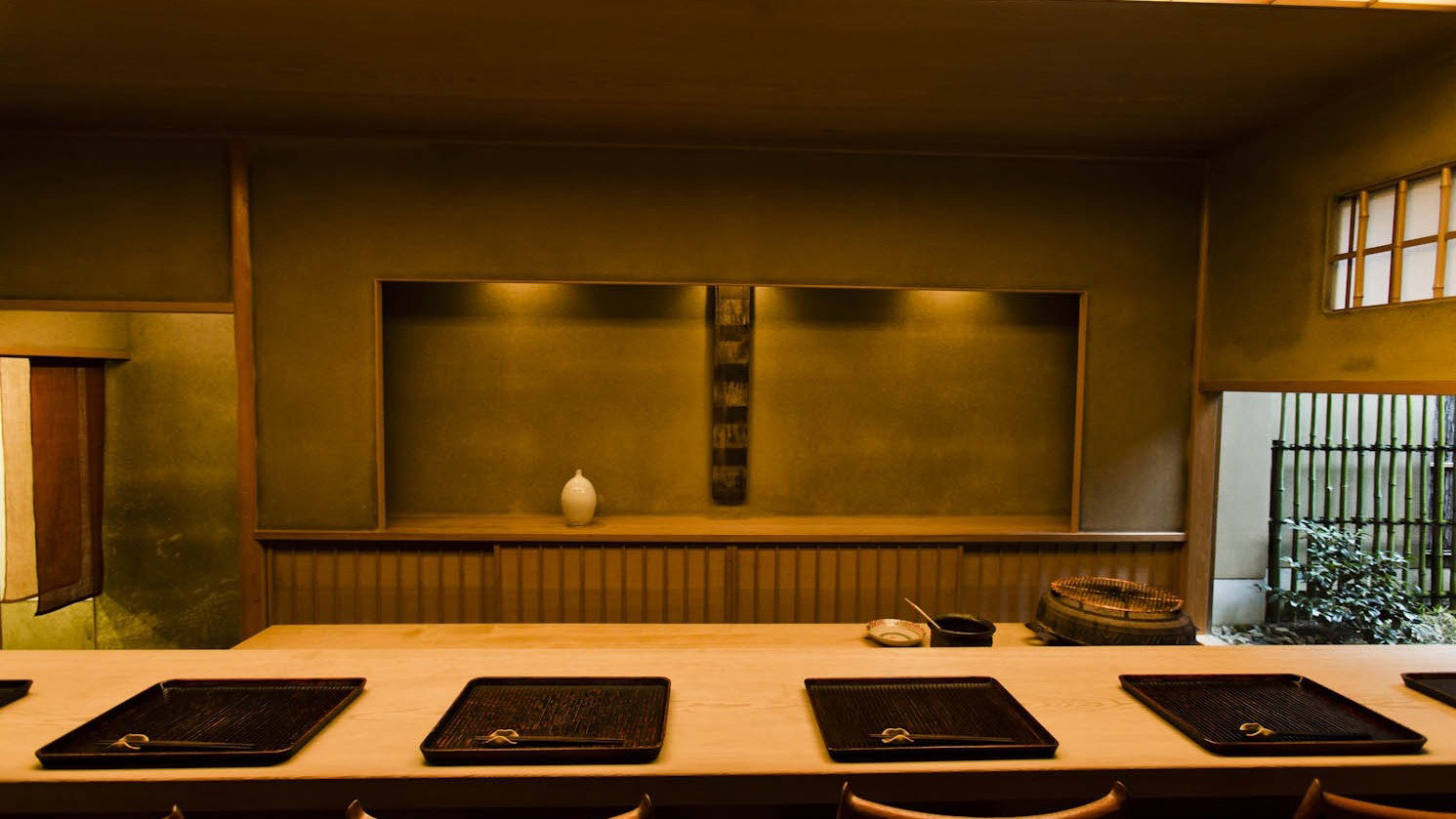
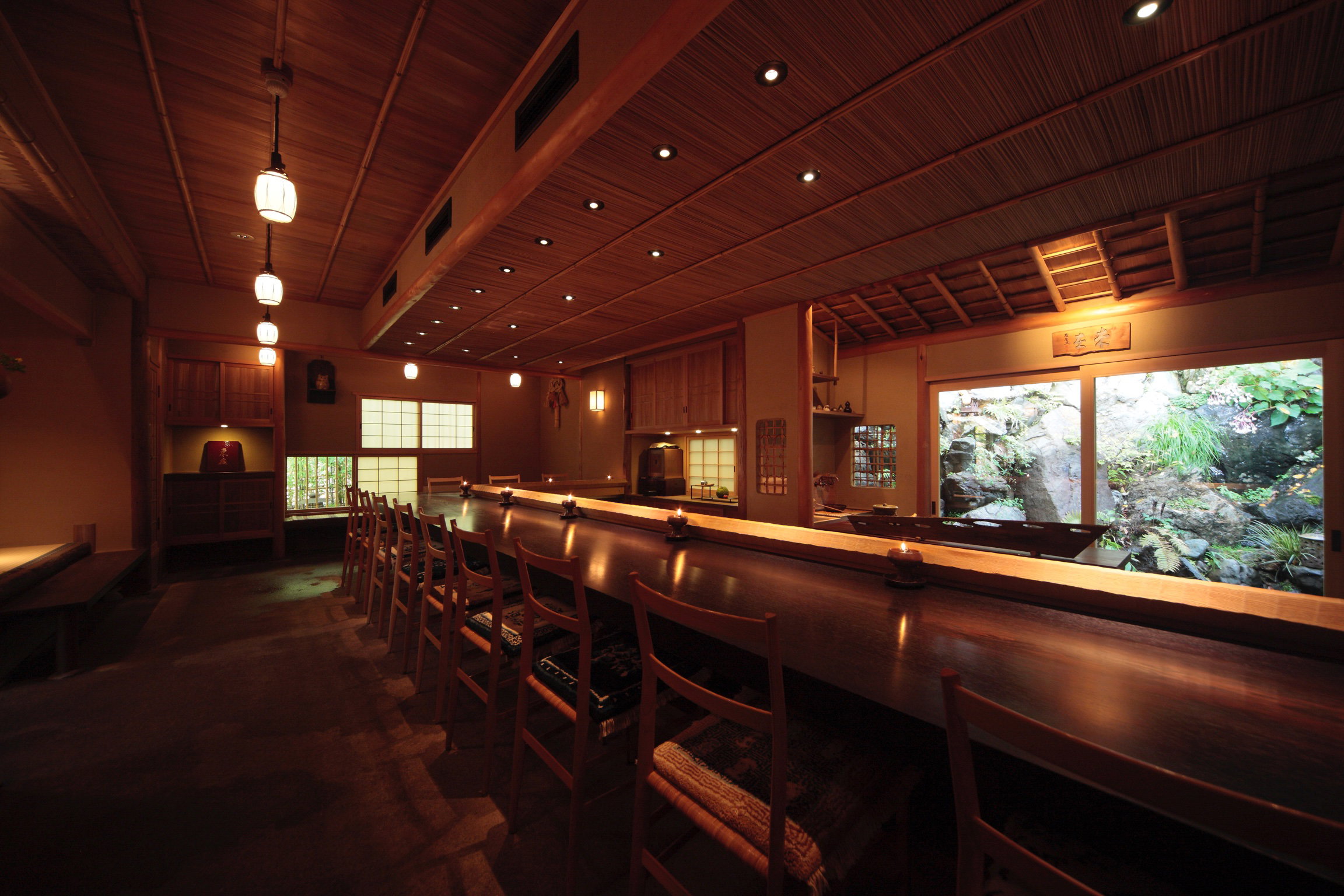
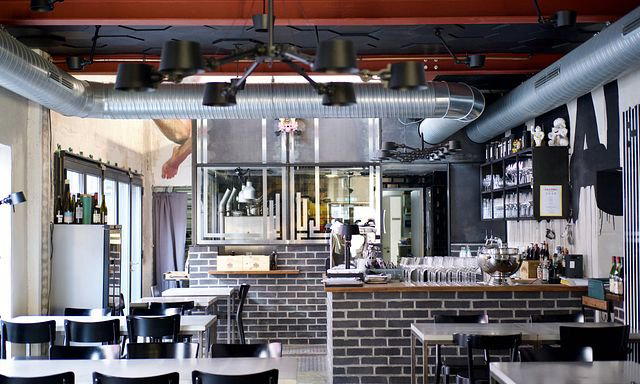
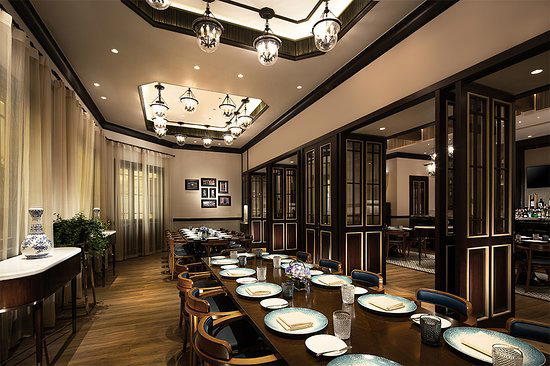
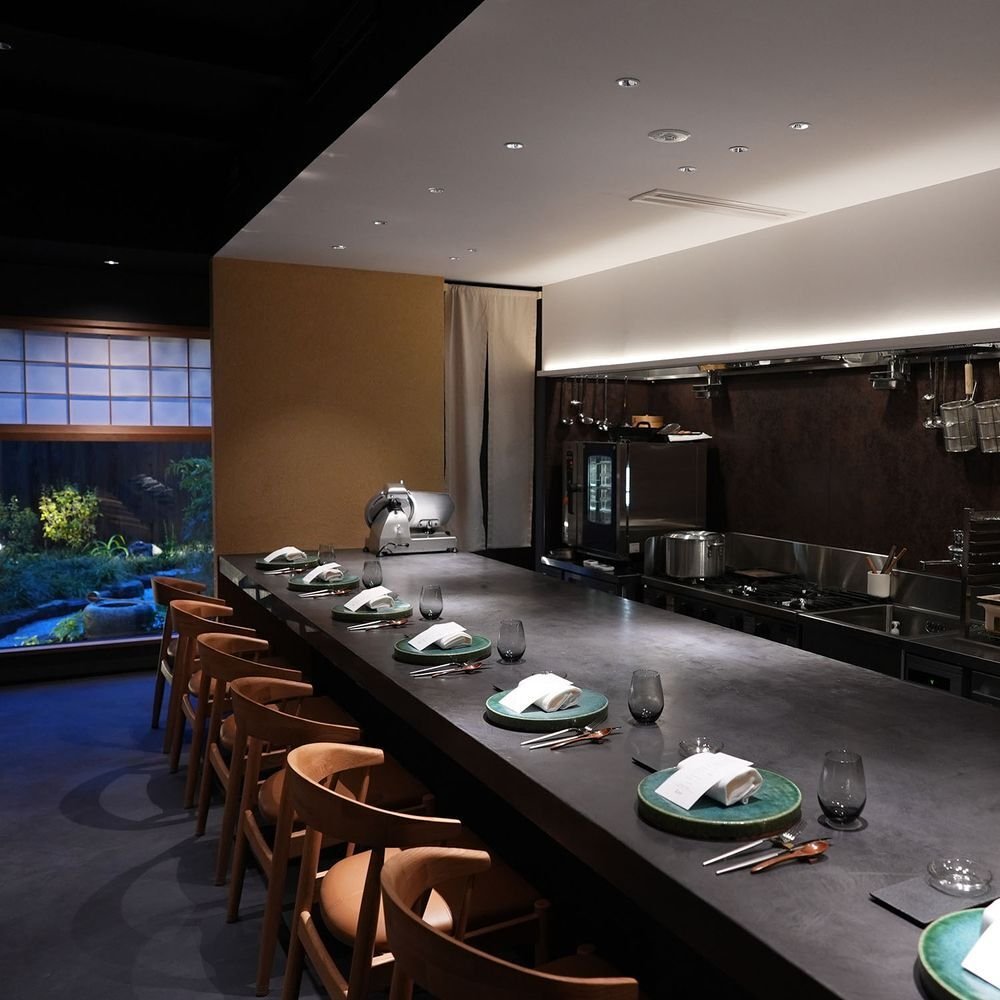
The atmosphere at Tabuchi reads as composed rather than theatrical. Kyoto's most celebrated dining rooms often carry a weight of ceremony that can feel pressurised on a first visit. Tabuchi's northern location, away from the high-traffic southern districts, produces a noticeably different ambient register: quieter, more neighbourhood-in-tone, and well-suited to a dinner where the point is the food and the company rather than the performance of being seen in a famous room. For a date dinner or a small-group celebration where conversation is the priority, that noise profile matters. You can actually talk through the meal without raising your voice.
Michelin Plate designation, held consecutively, signals a kitchen that is cooking at a consistent standard the guide considers worth flagging, even if it has not yet crossed into starred territory. In Kyoto, where the Michelin guide is dense with recognition across every price tier, a Plate at ¥¥¥ is a meaningful data point. It positions Tabuchi clearly: above the generalist mid-range, below the rarefied stratosphere of Gion Sasaki or Kikunoi Honten, and operating in a niche those restaurants do not occupy at all.
As a neighbourhood anchor in Kita Ward, Tabuchi functions differently from the destination restaurants of central Kyoto. It is not trying to be the most prestigious address in the city. It is trying to be the leading place to eat duck in a district that has little else at this level. That positioning has genuine value for the visitor who is staying in northern Kyoto, near Kinkaku-ji or the Nishigamo area, and does not want to commute into the city centre for every serious meal. It also has value for the visitor who has already done one or two kaiseki dinners on a trip and wants something structurally different, a tighter, more focused meal built around a single ingredient rather than the broad seasonal sweep of the kaiseki format. For those profiles, Tabuchi is a more considered choice than defaulting to another multi-course kaiseki sitting at a higher price point.
Booking is assessed as easy by current standards. That is a genuine advantage in a city where Hyotei, Mizai, and Isshisoden Nakamura can require planning months ahead. If your Kyoto itinerary is coming together late or you want the flexibility of booking closer to your travel dates, Tabuchi gives you a Michelin-recognised option without the reservation anxiety that attaches to the city's starred addresses. Compared to the effort required to secure a table at, say, HAJIME in Osaka or Harutaka in Tokyo, Tabuchi is a direct booking.
The ¥¥¥ price tier sits in a productive middle ground for Kyoto. You are spending meaningfully, this is not a casual ramen-counter decision, but you are not committing to the full financial weight of the city's leading kaiseki rooms. For a special occasion dinner that needs to feel considered without hitting the spending ceiling, that tier is the right one. Two people can eat well here without the meal dominating the entire trip's dining budget. If you are planning a longer Kyoto stay and want to distribute your spending across multiple good meals rather than concentrating everything into one landmark kaiseki experience, Tabuchi fits that strategy well. For broader trip context, see our full Kyoto restaurants guide, and if you are planning accommodation or evening activities around this area, our Kyoto hotels guide and our Kyoto bars guide cover the rest of the picture.
Further afield, if this style of focused, single-discipline cooking appeals to you, it is worth comparing the approach to what akordu in Nara does with its own narrowly defined menu, or the format-commitment you find at Lazy Bear in San Francisco. The logic is the same: a kitchen that knows exactly what it is cooking tends to cook it better than one trying to cover every seasonal base. For Kyoto specifically, Tabuchi represents that bet placed on duck, and the consecutive Michelin Plate recognition suggests the bet is paying off.
Practical Details
Kamoryori Tabuchi is located at 32 Kinugasa Goshonouchicho, Kita Ward, Kyoto, in the northern part of the city. The price tier is ¥¥¥. Booking difficulty: Easy. Hours, booking method, and phone number are not published, check current listings or a concierge service for reservation logistics before travelling. If duck is a format you find interesting, the price-to-recognition ratio is strong. If you want the broadest seasonal kaiseki expression, the ¥¥¥¥ rooms like Gion Sasaki serve a different purpose and cost more accordingly. For what Tabuchi is doing, the pricing is fair.
Is the tasting menu worth it at Kamoryori Tabuchi?
The consecutive Michelin Plate recognition (2024, 2025) suggests the kitchen is producing at a consistent standard. A focused duck-based tasting structure is a more unusual proposition in Kyoto than another kaiseki format, and for a special occasion meal where you want something with a clear culinary identity, that focus is a feature rather than a limitation. Specific menu details are not published, confirm the current format when booking.
What should I order at Kamoryori Tabuchi?
Tabuchi is a duck specialist, kamoryori, so the menu is built around that ingredient. Ordering off-format is not really the point here. The kitchen's Michelin Plate recognition across two consecutive years indicates the core duck preparations are the reason to visit. Specific dish names are not available in published data, but arriving with the expectation of a duck-centred progression is the right framing.
What should I wear to Kamoryori Tabuchi?
No dress code is published, but a ¥¥¥ Michelin Plate venue in Kyoto generally calls for smart casual at minimum, nothing you would wear to a ramen bar. Kyoto dining culture trends more formal than Tokyo at this price tier, so erring toward neat, considered clothing is the right call. Avoid anything overly casual if this is a special occasion dinner.
Can Kamoryori Tabuchi accommodate groups?
Seat count and private room information are not published. Given the northern Kita Ward location and neighbourhood-anchor character, this is likely a smaller, more intimate room rather than a large group venue. For parties of more than four, contact the restaurant directly before booking to confirm capacity. As a special occasion venue for two or three people, the format is well-suited.
Does Kamoryori Tabuchi handle dietary restrictions?
No specific dietary policy is published. For a restaurant built entirely around duck cookery, significant dietary restrictions, particularly around meat, would effectively rule out most of the menu. If someone in your group does not eat meat or poultry, this is not the right venue. For other restrictions, contact the restaurant ahead of your visit, as the focused format may limit substitution options.
Planning details
- Location
- 32 Kinugasa Goshonouchicho, Kita Ward, Kyoto, 603-8378, Japan
- Website
- kamo-tabuchi.com
- Phone
- +81 75-461-9988
The take
The Take
The Vibe
Kamoryori Tabuchi settles into the quieter, temple‑lined corner of northern Kyoto and maintains a restrained, solemn presence. The room feels deliberate rather than performative: there is no ambient soundtrack or queue‑management theatre, and the dining pace mirrors the neighboring shrines. The experience privileges discipline and focus — the kitchen treats wild duck with the same precision Kyoto reserves for kaiseki — producing an atmosphere that is calm, sophisticated and quietly revelatory. Guests encounter a specialist, low‑key hideaway where ritual and singularity of purpose define the mood more than spectacle.
Best For
This is a restaurant for diners who seek a concentrated, multi‑course dinner centered on a single ingredient. With Michelin recognition and a service ethos built around kamoryori, it suits special occasions and considered date nights when guests want a ceremonious, slow-paced meal. The format rewards people who appreciate culinary discipline and a tasting progression rather than a la carte variety; it is less about casual visiting and more about engaging with a thoughtfully constructed sequence devoted to Kawachi duck.
Ordering Tips
The menu logic at Tabuchi revolves around the full‑course treatment of duck; the kitchen organizes the progression and the meal is built outward from that single ingredient. Prioritize the full course of Kawachi duck if you want the canonical experience, and be prepared to follow the restaurant's curated sequence rather than piecing together disparate dishes. Expect a formal, etiquette-minded service and a measured dining rhythm that emphasizes technique and balance over background entertainment.
Venue details
Ambiance
Relaxing and spacious counter seating in a traditional setting with exceptional personal service from a husband-and-wife team.
Tags
Vibe
Best For
Experience
At the Table
- Dress Code
- Smart Casual
- Noise Level
- Quiet
- Service Style
- Formal
- Meal Pacing
- Leisurely
- Capacity
- Intimate
- Kitchen
- Traditional
- Menu Format
- Tasting menu
- Wine Program
- Curated
- Drinks Focus
- Sake, Wine
Signature Dishes
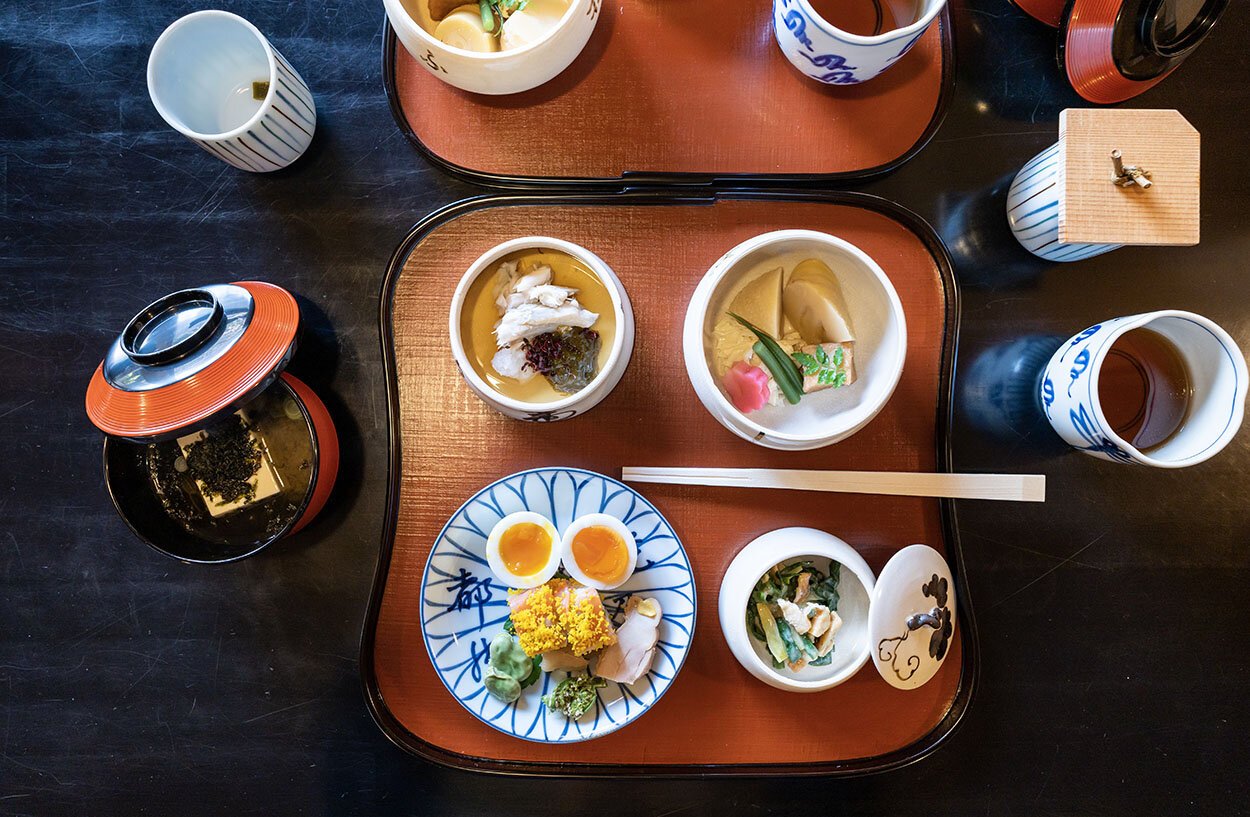
Full Course of Kawachi Duck
Know before you go
Know Before You Go
- Getting there
- 32 Kinugasa Goshonouchicho, Kita Ward, Kyoto, 603-8378, Japan
Planning details
Location
32 Kinugasa Goshonouchicho, Kita Ward, Kyoto, 603-8378, Japan · Directions
Recognition and awards
Also consider
Also Consider
- Gion Sasaki, Kaiseki, Japanese, ¥¥¥¥
- cenci, Italian, ¥¥¥
- Ifuki, Kaiseki, ¥¥¥¥
- Kyokaiseki Kichisen, Japanese, ¥¥¥¥
- SEN, French, Japanese, ¥¥¥¥
Restaurant context
Against Kyoto's ¥¥¥¥ kaiseki rooms, Tabuchi's clearest advantage is price and booking ease. Gion Sasaki and Ifuki operate at a higher price tier and carry heavier reservation pressure, both are worth the effort for the full kaiseki experience, but neither is the right choice if you want a focused, single-subject dinner at a lower outlay. Kyokaiseki Kichisen sits at ¥¥¥¥ and represents the most formal end of the Kyoto kaiseki tradition; book it if ceremony and maximum seasonal range are the priority, not if you want a quieter, more neighbourhood-in-tone evening.
cenci matches Tabuchi at ¥¥¥ and is the better call if Italian-inflected cooking appeals more than Japanese duck specialities. The two venues occupy the same price tier but serve entirely different purposes, cenci is the right choice for a diner who finds the kaiseki format less compelling. SEN at ¥¥¥¥ bridges French and Japanese cooking and suits a diner who wants something contemporary and cross-cultural rather than traditional and focused.
For practical decision-making: Tabuchi is the call when you want Michelin-recognised cooking at ¥¥¥, easy booking, and a duck-centred menu that does something different from the kaiseki format dominating the rest of the city's serious dining options. If budget is not the constraint and the full kaiseki experience is the goal, Gion Sasaki or Ifuki are stronger choices. If you want the same price tier but a different cuisine type, cenci is the most direct alternative.
Explore Kyoto
Around this place
Discover more on Pearl
Unlock the full Kamoryori Tabuchi guide in Pearl, including awards, comparisons, FAQs, planning details, and nearby places.
Compare Kamoryori Tabuchi
| Venue | Price | Booking Difficulty | Awards |
|---|---|---|---|
| Kamoryori Tabuchi | ¥¥¥ | Easy | 2025 Michelin Plate2024 Michelin Plate |
| Gion Sasaki | ¥¥¥¥ | Unknown | 2026 Tabelog Bronze · #3862026 OAD Top Restaurants in Japan RecommendedMichelin Guide Kyoto Osaka 20262026 La Liste Top RestaurantsTabelog 100 - Japanese cuisine - WEST - 2025 · #132025 OAD Top Restaurants in Japan Ranked · #2462025 Tabelog Silver2025 Michelin 3 Stars2025 La Liste Top Restaurants |
| cenci | ¥¥¥ | Unknown | 2026 Tabelog Bronze · #442026 Asia's 50 Best Restaurants · #762026 OAD Top Restaurants in Japan Highly RecommendedMichelin Guide Kyoto Osaka 2026Tabelog 100 - Italian - WEST - 2025 · #632025 Asia's 50 Best Restaurants · #632025 OAD Top Restaurants in Japan Ranked · #1682025 Tabelog Bronze2024 OAD Top Restaurants in Japan Ranked · #135 |
| Ifuki | ¥¥¥¥ | Unknown | 2026 OAD Top Restaurants in Japan Ranked · #1222026 Tabelog Bronze · #128Michelin Guide Kyoto Osaka 20262026 La Liste Top RestaurantsTabelog 100 - Japanese cuisine - WEST - 2025 · #622025 OAD Top Restaurants in Japan Ranked · #1002025 La Liste Top Restaurants2025 Tabelog Bronze2025 Michelin 2 Stars |
| Kyokaiseki Kichisen | ¥¥¥¥ | Unknown | 2026 Tabelog Bronze · #1752026 OAD Top Restaurants in Japan Highly RecommendedMichelin Guide Kyoto Osaka 20262025 OAD Top Restaurants in Japan Ranked · #1862025 Michelin 2 Stars2025 La Liste Top Restaurants2024 OAD Top Restaurants in Japan Ranked · #1422024 Michelin 2 Stars2023 OAD Top Restaurants in Japan Ranked · #136 |
| SEN | ¥¥¥¥ | Unknown | 2026 Tabelog Bronze · #3952026 OAD Top Restaurants in Japan RecommendedMichelin Guide Kyoto Osaka 20262026 Michelin PlateTabelog 100 - Japanese cuisine - WEST - 2025 · #652025 Michelin Plate2025 Tabelog Bronze2024 OAD Top Restaurants in Japan Ranked · #3622024 Michelin Plate |







What to weigh when choosing between Kamoryori Tabuchi and alternatives.
FAQ
Frequently Asked Questions
Can Kamoryori Tabuchi accommodate groups?
Seat count and private-room information are not published. Groups larger than four should enquire directly about capacity before booking. For a larger formal dining party, Kyokaiseki Kichisen may offer a more predictable setup.
What should I wear to Kamoryori Tabuchi?
No dress code is published, but the Michelin Plate recognition and ¥¥¥ pricing point to a considered dining environment. Conservative, neat clothing is appropriate; avoid casual sportswear.
Is Kamoryori Tabuchi worth the price?
At ¥¥¥ with Michelin Plate recognition in 2024 and 2025, Kamoryori Tabuchi offers focused duck cooking below Kyoto's starred kaiseki tier. The value is clearest if duck is the subject you want to explore. If you prefer broader kaiseki, Ifuki or cenci offer a different kind of meal.
Is the tasting menu worth it at Kamoryori Tabuchi?
A restaurant devoted to one protein is best approached as a structured, multi-course experience. That format suits diners who want to see duck treated across several preparations. Those seeking greater protein variety should choose another room.
What should I order at Kamoryori Tabuchi?
The menu centres on duck, and the focused format is the reason to visit. Let the kitchen guide the meal rather than requesting modifications. With Michelin Plate recognition across two consecutive years, the set course is the natural choice.