
Jikon Hiratate
Japanese · Nakagyō, Kyoto
Restaurant in Kyoto, Japan
 Book with Pearl
The Read
Guest-Directed Seasonal Japanese
Price
$150–200per person
Dress
Smart Casual
Why go
Jikon Hiratate holds a Michelin Plate for 2024 and 2025, offering seasonal Japanese cooking in Kyoto's Nakagyo Ward at ¥¥¥ — a full tier below the city's formal kaiseki rooms. The proprietor opens each meal with seasonal recommendations before guests order, making it a strong choice for a date night or special occasion that wants warmth and intention without kaiseki formality.
About Jikon Hiratate
Is Jikon Hiratate worth booking for a special occasion in Kyoto?
Yes — and particularly if you want a Japanese dining experience that feels personal rather than ceremonial. Jikon Hiratate holds a Michelin Plate for 2024 and 2025, which signals consistent kitchen quality without the pressure-cooker formality of a starred kaiseki room. At ¥¥¥ pricing, it sits a full tier below Gion Sasaki or Kyokaiseki Kichisen, making it the sensible answer when you want something considered and seasonal without committing to a multi-hour, multi-course kaiseki marathon at ¥¥¥¥ prices.
The Experience
The restaurant's name gives you the operating philosophy in two syllables: jikon means "live with all your heart in this moment." That is not marketing language — it describes exactly how the meal is structured. The proprietor opens by presenting a selection of seasonal recommendations, grounding the visit in whatever the current season has produced. Right now, in the current season, that means the kitchen is working with ingredients at a specific seasonal peak, and the menu shifts accordingly. You are not ordering from a fixed list; you are having a conversation about what is good today.
After hearing the seasonal recommendations, guests order the items they want. This format sits between a free-form izakaya and a structured omakase, you get editorial guidance from the house, but you retain agency over the meal's shape. For a special occasion, that balance works well: the proprietor's opening presentation gives the evening a sense of occasion and ritual without locking you into a sequence you did not choose.
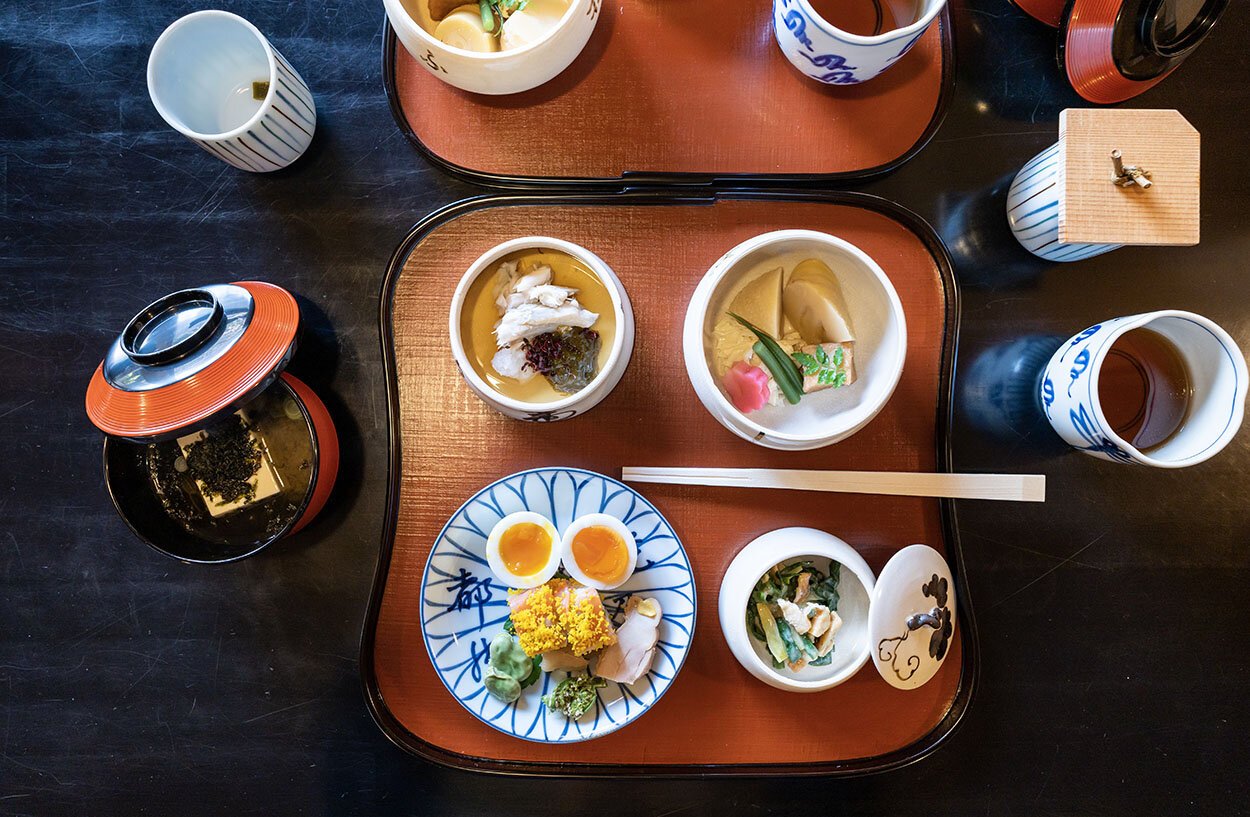
The kitchen's creative signature comes through in its combinations rather than in individual showpiece dishes. Fruits dressed with white sesame seeds, tofu and miso pairings, these are not radical reinventions but evidence of a chef thinking carefully about how flavours and textures interact. The philosophy, as the house describes it, is to stay grounded in the basics while finding creativity in the combinations. For a date or a celebration dinner, this produces a meal that has genuine things to talk about without demanding that conversation compete with theatrical plating.
The address places it in Nakagyo Ward, a central Kyoto district that is walkable from major sightseeing areas and well-served by the city's subway network, practical if you are arriving from a hotel rather than navigating from outside the city. The ground-floor location in the Raft Goshonan building keeps things accessible. Booking is rated easy, which is a meaningful advantage in a city where the most in-demand rooms (see Isshisoden Nakamura or Kikunoi Roan) can require planning weeks or months in advance.
Who Should Book
Jikon Hiratate is a strong choice for couples on a date night or small groups celebrating something specific. The interactive opening, where the proprietor presents seasonal recommendations before you order, gives the meal a natural arc and a shared starting point, which is useful when you want the dinner itself to feel like part of the occasion. It is also a good option if one person in your group is less familiar with Japanese cuisine: the guided recommendation format is welcoming rather than intimidating.
Solo diners will find the format accommodating. The interactive, conversation-driven structure suits a single diner engaging directly with the proprietor more naturally than a large tasting menu eaten in silence. For solo travel in Kyoto, it is a more personal experience than a busy izakaya and less solitary than a formal kaiseki counter.
If your priority is Kyoto's highest-prestige kaiseki experience at any price, look at Gion Matayoshi or Kodaiji Jugyuan instead. If you want Japanese creative cooking outside Kyoto, HAJIME in Osaka and Myojaku in Tokyo represent the broader regional category at comparable or higher ambition levels.
How It Compares
See the full comparison section below for how Jikon Hiratate sits against Kyoto peers. For the wider Japan picture, Harutaka in Tokyo, akordu in Nara, Goh in Fukuoka, Azabu Kadowaki in Tokyo, 1000 in Yokohama, and 6 in Okinawa each represent distinct approaches to Japanese fine dining worth considering depending on your itinerary.
For a full picture of Kyoto dining, see our full Kyoto restaurants guide. Planning the wider trip: Kyoto hotels, Kyoto bars, Kyoto wineries, and Kyoto experiences are all covered.
Planning details
- Location
- Japan, 〒604-0873 Kyoto, Nakagyo Ward, Shoshoiotabicho, 352-1 ラフト御所南 1F
- Website
- tabelog.com/kyoto/A2601/A260202/26037491
- Phone
- +81 75-221-2288
The take
The Take
The Vibe
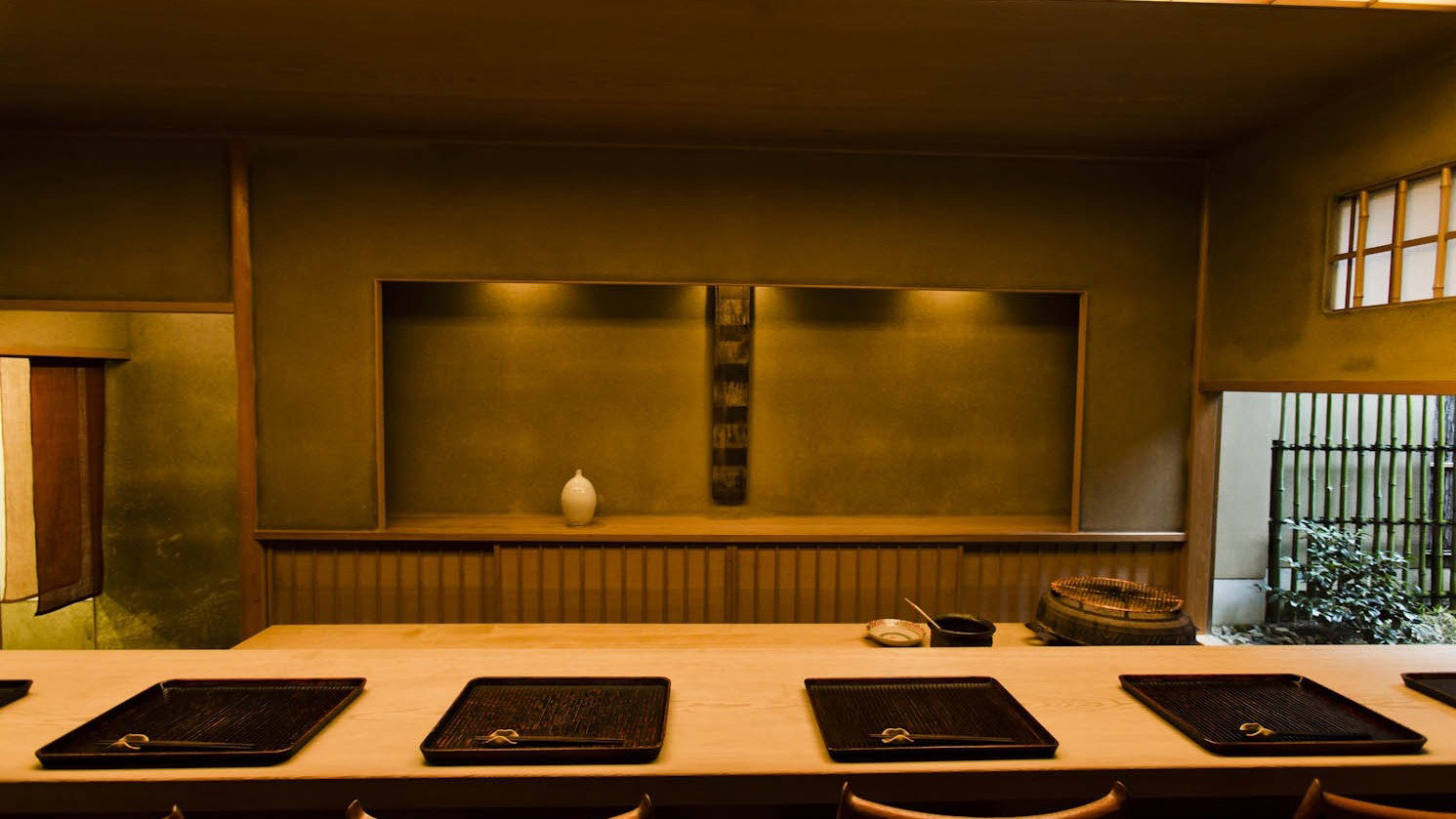
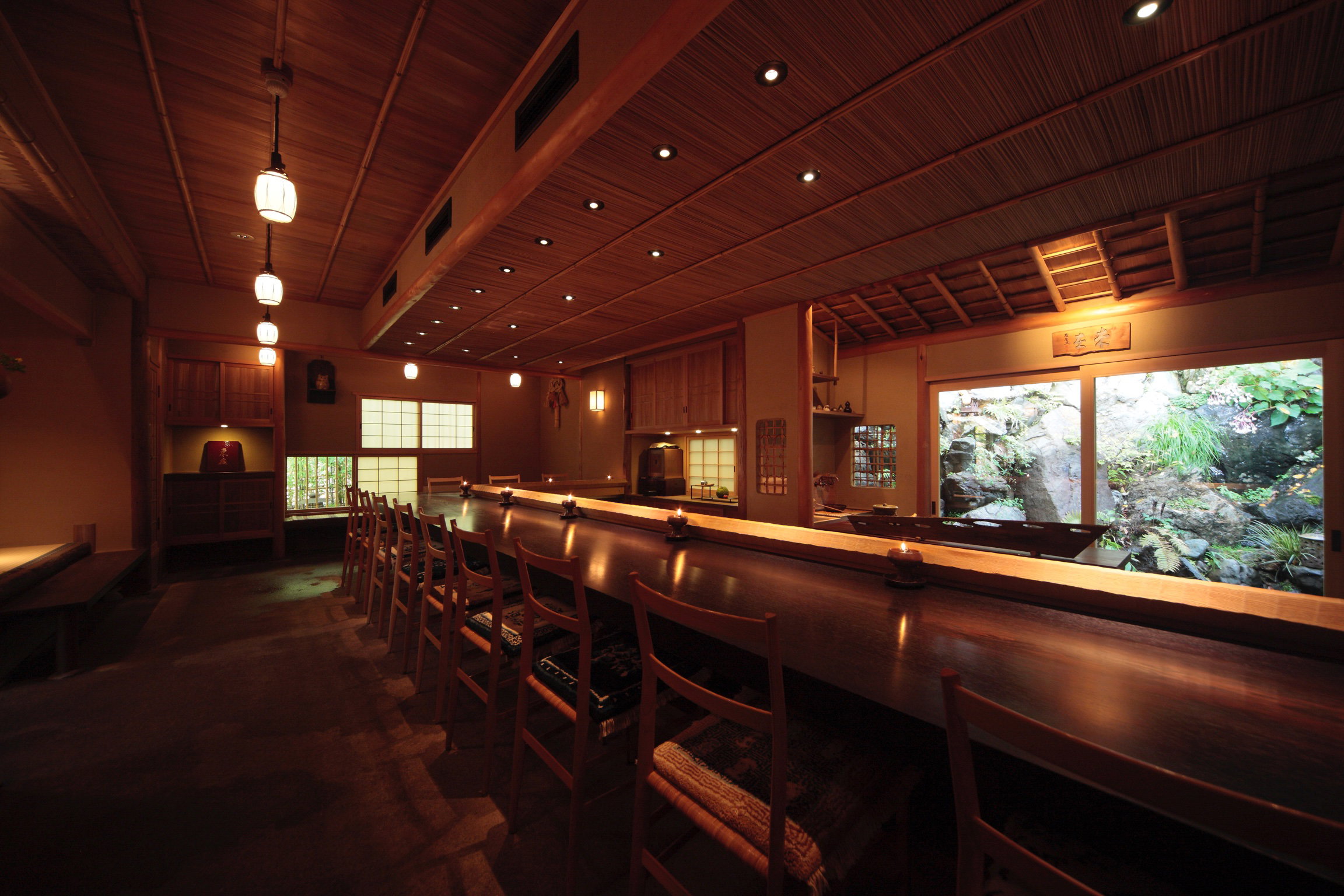
Jikon Hiratate cultivates a quietly deliberate atmosphere rooted in Kyoto’s classical dining logic. The room favors attentive restraint over theatrics: the proprietor opens the encounter, names the season and lays out what’s been sourced before guests settle on choices. That choreography and the low-slung storefront setting produce a serene, old‑school elegance that feels both intentional and welcoming. Rather than leaning on ceremony for its own sake, the restaurant channels traditional Japanese principles into a measured, charming experience where focus and presence matter more than showmanship.
Best For
This is a place for diners who value thoughtful pacing and ingredient-led service. The proprietor-driven format rewards guests who are engaged and receptive to guidance about seasonality and sourcing, making it especially well suited to quiet dinners and focused, small-group meals. With a ¥¥¥ price tier and clear ties to Kyoto’s kaiseki lineage—albeit in a less formal register—Jikon Hiratate fits couples and diners seeking a refined, contemplative evening rather than a loud or casual outing.
Ordering Tips
Expect the proprietor to take the lead: the meal begins with a presentation of seasonal recommendations and an explanation of why particular ingredients are worth eating now. The format isn’t strict omakase nor fully à la carte, so listen to those opening notes and ask questions about sourcing. If you want to anchor the meal, consider the restaurant’s signatures such as shiraae, grilled eel and scallop clay pot rice. Be prepared to follow the proprietor’s steer — the menu is structured so the guest’s engagement shapes the sequence and experience.
Venue details
Ambiance
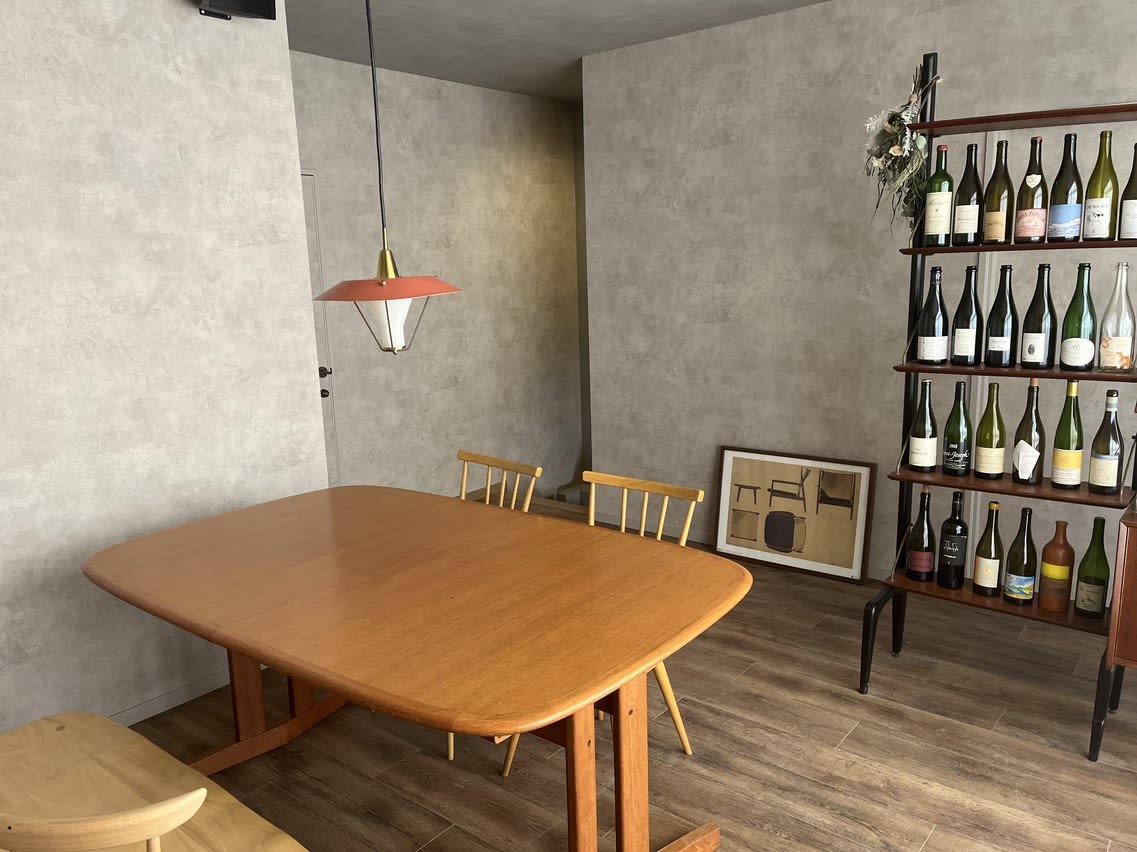
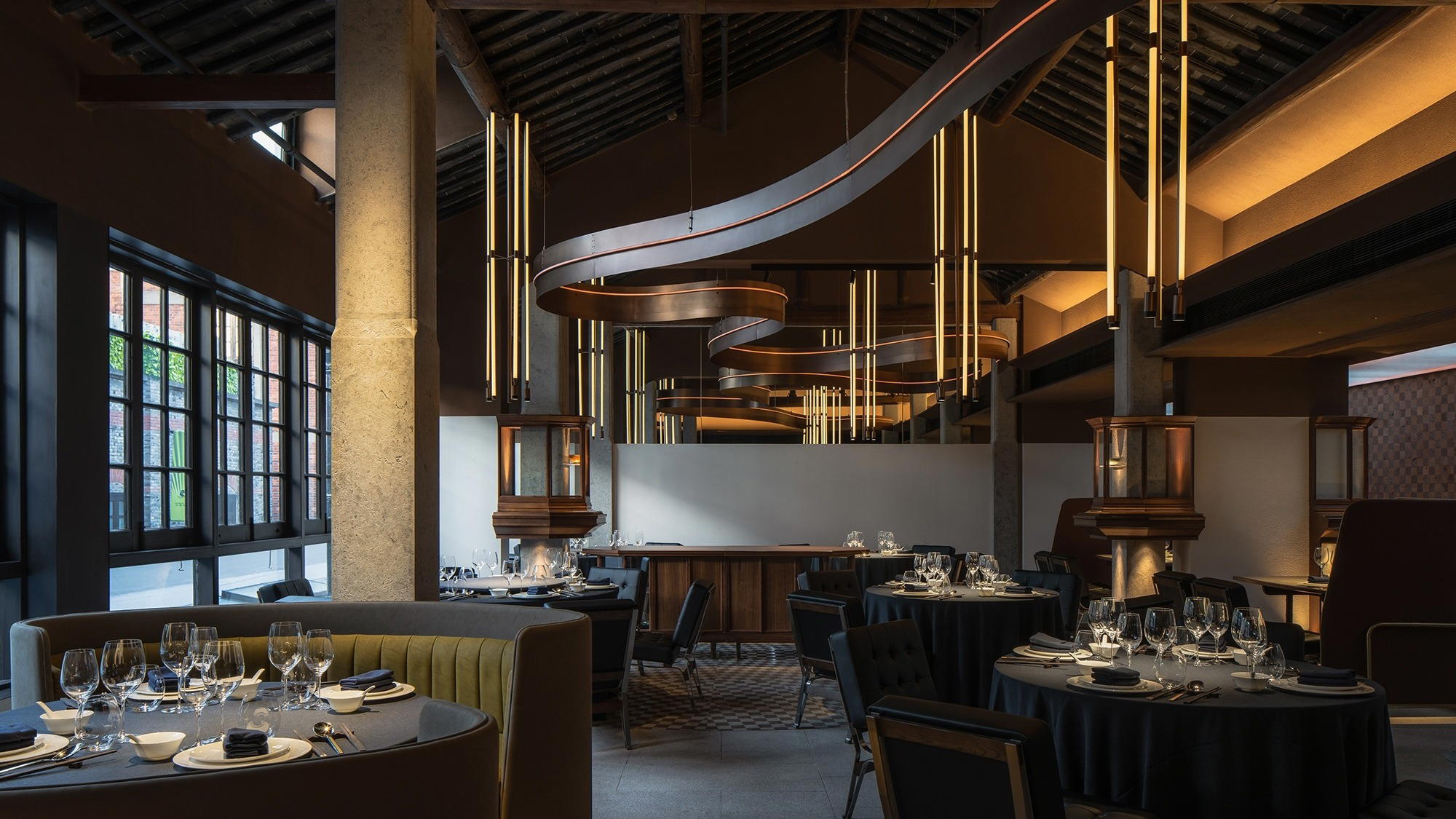
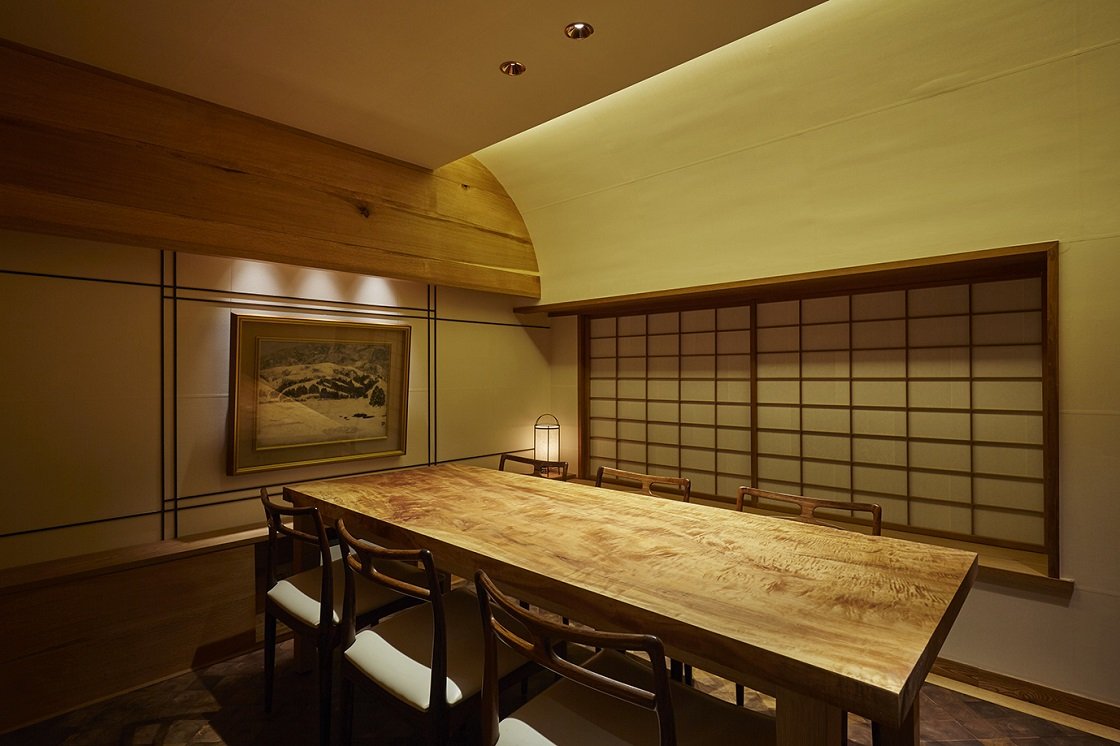
Calm and relaxed atmosphere in a quiet residential area with shoes removed at entrance, cozy counter seating, and semi-private options.
Tags
Vibe
Best For
Experience
At the Table
- Dress Code
- Smart Casual
- Noise Level
- Quiet
- Service Style
- Upscale Casual
- Meal Pacing
- Leisurely
- Capacity
- Intimate
- Kitchen
- Modern
- Menu Format
- A la carte, Omakase, Set menu
- Wine Program
- Curated
- Drinks Focus
- Sake
- Private Dining
- Available
Signature Dishes
- shiraae
- grilled eel
- scallop clay pot rice
Know before you go
Know Before You Go
- Getting there
- Japan, 〒604-0873 Kyoto, Nakagyo Ward, Shoshoiotabicho, 352-1 ラフト御所南 1F
Planning details
Location
Japan, 〒604-0873 Kyoto, Nakagyo Ward, Shoshoiotabicho, 352-1 ラフト御所南 1F · Directions
Recognition and awards
Also consider
Also Consider
- Gion Sasaki, Kaiseki, Japanese, ¥¥¥¥
- cenci, Italian, ¥¥¥
- Ifuki, Kaiseki, ¥¥¥¥
- Kyokaiseki Kichisen, Japanese, ¥¥¥¥
- SEN, French, Japanese, ¥¥¥¥
Restaurant context
At ¥¥¥, Jikon Hiratate is the most accessible of the options worth considering for a considered dinner in Kyoto. Gion Sasaki, Ifuki, Kyokaiseki Kichisen, and SEN all operate at ¥¥¥¥, meaning you will pay meaningfully more for the formal kaiseki or Franco-Japanese tasting menu formats those rooms offer. If prestige, heritage, and a highly structured multi-course progression are your priorities, those venues justify the premium. If you want seasonal Japanese cooking with genuine craft at a lower commitment, Jikon Hiratate is the practical answer.
For diners choosing between Jikon Hiratate and cenci, the one ¥¥¥ peer in this set, the decision is essentially cuisine: cenci offers Italian cooking in Kyoto, while Jikon Hiratate is grounded in Japanese seasonal ingredients and combinations. Both are Michelin-recognised. If you are eating Italian elsewhere on your trip, Jikon Hiratate is the more Kyoto-specific choice and avoids repetition.
On booking difficulty, Jikon Hiratate rates easy, a real advantage over the top-tier kaiseki rooms, where demand from both local and international diners can require considerable advance planning. If your trip itinerary is coming together late, Jikon Hiratate is the most realistic option in this tier. For a first-time Kyoto visit where you want one Japanese meal that feels intentional but not overwhelming, it delivers that more reliably than a formal kaiseki room where the format itself can feel demanding.
Explore Kyoto
Around this place
Discover more on Pearl
Unlock the full Jikon Hiratate guide in Pearl, including awards, comparisons, FAQs, planning details, and nearby places.
Compare Jikon Hiratate
| Venue | Awards | Price |
|---|---|---|
| Jikon Hiratate | Michelin Guide Kyoto Osaka 20262026 Michelin Plate2025 Michelin Plate2024 Michelin Plate | ¥¥¥ |
| Gion Sasaki | 2026 Tabelog Bronze · #3862026 OAD Top Restaurants in Japan RecommendedMichelin Guide Kyoto Osaka 20262026 La Liste Top RestaurantsTabelog 100 - Japanese cuisine - WEST - 2025 · #132025 OAD Top Restaurants in Japan Ranked · #2462025 Tabelog Silver2025 Michelin 3 Stars2025 La Liste Top Restaurants | ¥¥¥¥ |
| cenci | 2026 Tabelog Bronze · #442026 Asia's 50 Best Restaurants · #762026 OAD Top Restaurants in Japan Highly RecommendedMichelin Guide Kyoto Osaka 2026Tabelog 100 - Italian - WEST - 2025 · #632025 Asia's 50 Best Restaurants · #632025 OAD Top Restaurants in Japan Ranked · #1682025 Tabelog Bronze2024 OAD Top Restaurants in Japan Ranked · #135 | ¥¥¥ |
| Ifuki | 2026 OAD Top Restaurants in Japan Ranked · #1222026 Tabelog Bronze · #128Michelin Guide Kyoto Osaka 20262026 La Liste Top RestaurantsTabelog 100 - Japanese cuisine - WEST - 2025 · #622025 OAD Top Restaurants in Japan Ranked · #1002025 La Liste Top Restaurants2025 Tabelog Bronze2025 Michelin 2 Stars | ¥¥¥¥ |
| Kyokaiseki Kichisen | 2026 Tabelog Bronze · #1752026 OAD Top Restaurants in Japan Highly RecommendedMichelin Guide Kyoto Osaka 20262025 OAD Top Restaurants in Japan Ranked · #1862025 Michelin 2 Stars2025 La Liste Top Restaurants2024 OAD Top Restaurants in Japan Ranked · #1422024 Michelin 2 Stars2023 OAD Top Restaurants in Japan Ranked · #136 | ¥¥¥¥ |
| SEN | 2026 Tabelog Bronze · #3952026 OAD Top Restaurants in Japan RecommendedMichelin Guide Kyoto Osaka 20262026 Michelin PlateTabelog 100 - Japanese cuisine - WEST - 2025 · #652025 Michelin Plate2025 Tabelog Bronze2024 OAD Top Restaurants in Japan Ranked · #3622024 Michelin Plate | ¥¥¥¥ |
.png?width=1200&quality=80)






How Jikon Hiratate stacks up against the competition.
FAQ
Frequently Asked Questions
What are alternatives to Jikon Hiratate in Kyoto?
Gion Sasaki is the prestige benchmark in Kyoto — more formal, harder to book, and priced accordingly. cenci offers a more contemporary European-Japanese direction if you want something less traditional. Ifuki and SEN are closer in register to Jikon Hiratate for intimate seasonal Japanese, while Kyokaiseki Kichisen is the choice if full kaiseki ceremony is the goal. Jikon Hiratate suits those who want Michelin-recognised quality without the rigidity of a locked tasting format.
Is Jikon Hiratate good for solo dining?
The interactive opening — where the proprietor presents seasonal recommendations before you order — works particularly well for solo diners. You get direct engagement with the kitchen's philosophy rather than the social buffer of a group. At the ¥¥¥ price point, solo dining here is a considered spend, but the format is built around individual attention, which supports it.
Is the tasting menu worth it at Jikon Hiratate?
Jikon Hiratate does not lock you into a fixed tasting menu in the conventional sense — the proprietor presents seasonal options and guests order from those recommendations. That flexibility makes the format more accessible than a strict omakase, while still delivering the curated seasonal intent. For guests who want editorial control alongside kitchen guidance, this structure is the point. Two consecutive Michelin Plates (2024 and 2025) support the kitchen's ¥¥¥ pricing.
Can Jikon Hiratate accommodate groups?
The venue's intimate scale and the personal, conversational service style suggest it is better suited to small parties — couples or groups of three or four — than to large bookings. Groups larger than that may overwhelm the format, where the proprietor's individual engagement with guests is central to the experience. Ask about group capacity directly when reserving.
Is Jikon Hiratate good for a special occasion?
Yes, particularly for couples or small groups who want an occasion that feels personal rather than theatrical. The format — proprietor-led seasonal recommendations followed by guest ordering — creates a natural moment of connection at the start of the meal, which suits celebratory dinners. Two Michelin Plates give the booking credibility as a special occasion choice without the ceremony overhead of a full kaiseki house like Kyokaiseki Kichisen.
Is Jikon Hiratate worth the price?
At ¥¥¥, Jikon Hiratate sits in Kyoto's mid-to-upper range, backed by Michelin Plates in both 2024 and 2025. The value case is strongest if you want seasonal Japanese cooking with genuine kitchen attention rather than a tourist-facing kaiseki experience. If budget is the primary concern, there are Michelin-recognised options in Kyoto at a lower price tier. If you want this specific combination of personal service, ingredient-led creativity, and Michelin recognition, the price holds up.