.png?width=1200&quality=80)
Ichihana
Japanese · Nakagyō, Kyoto
Restaurant in Kyoto, Japan
 Book with Pearl
The Read
Seasonal Kamameshi Counter
Price
¥¥
Why go
A two-time Michelin Bib Gourmand kamameshi specialist in central Kyoto, Ichihana delivers a genuinely seasonal, ingredient-driven meal at ¥¥ pricing. Dinner, with individual iron-pot rice preparation and rotating seasonal ingredients, is the format to book. Easy to reserve by Kyoto standards, and one of the clearest value propositions in the city for a food-focused traveller.
About Ichihana
Verdict: Kyoto's most accessible Bib Gourmand kamameshi, and worth booking on that basis alone
Getting a table at Ichihana is easier than at most Michelin-recognised restaurants in Kyoto, and that accessibility is part of the value proposition. This is a ¥¥ kamameshi specialist in Nakagyo Ward that has held the Michelin Bib Gourmand in both 2024 and 2025, meaning inspectors have twice confirmed it delivers food that exceeds its price point. If you are a food traveller looking for a meaningful, ingredient-led meal in Kyoto without the multi-month wait or the four-figure bill, Ichihana belongs on your shortlist. The caveat: kamameshi is a specific format, and this is not the place for a broad kaiseki experience. Know what you are booking before you commit.
The Experience: Kamameshi, Kyoto Seasons, and a Service Format That Earns Its Price
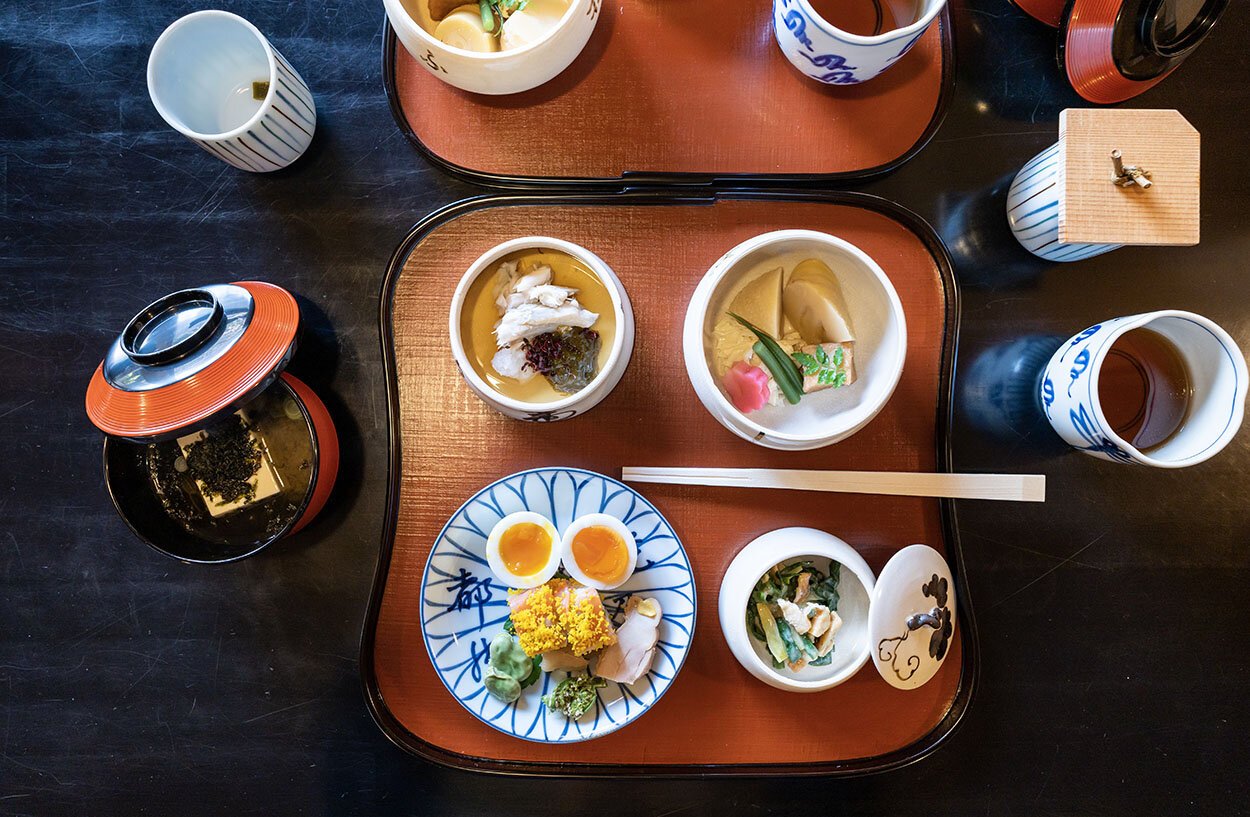
Kamameshi is rice cooked in an individual iron pot, and at Ichihana the format drives everything, from how the room is paced to how the service unfolds. The meal is structured around the rice preparation: while the kama works, the kitchen sends out Kyoto-accented small plates, including preparations like steamed wheat gluten with sweet miso sauce (fu dengaku) and steamed tilefish. These are not filler courses. They are properly regional, reflecting a Kyoto kitchen sensibility that runs through the full meal.
The restaurant always holds ten ingredients available for the kamameshi, with gomoku (five ingredients) and wild plants among the permanent options. The seasonal rotation is genuine: bamboo shoots in spring, sweetfish in summer, mushrooms in autumn, oysters in winter. For a food traveller, this is exactly the kind of structure that rewards attention. You are not just eating rice; you are eating a specific argument about what Kyoto's seasons taste like, expressed through a format that most visitors will not encounter at the more formal kaiseki houses like Kyokaiseki Kichisen or Isshisoden Nakamura.
Lunch and dinner operate at different registers. Lunch is a tighter offering: sashimi and small bowl dishes, suited to a focused midday meal. Dinner is the full expression, with a complete sashimi selection and the kamameshi cooked individually for each guest. If you have one visit, go at dinner. The individual preparation is the point, and it changes the rhythm of the meal in a way that lunch does not replicate.
The service philosophy here is worth addressing directly, because it connects to the question of whether a Bib Gourmand price band can deliver a genuinely considered dining experience. At many ¥¥ restaurants in Kyoto, the trade-off for affordability is a transactional feel: orders taken quickly, dishes cleared fast, no sense of hospitality as a craft. Ichihana's Michelin recognition suggests the kitchen and floor are working in alignment rather than against each other. The individual kamameshi preparation is inherently a service act: it requires timing, attention, and a willingness to pace the meal around the guest rather than around throughput. That is a meaningful signal at this price point, and it is one reason the Bib Gourmand designation carries weight here.
The address places Ichihana in Nakagyo Ward, on Nijo-abura-koji, in a part of central Kyoto that sits between the tourist-heavy Nishiki Market corridor and the quieter streets around Nijo Castle. It is a workable location for visitors staying across the central wards, accessible without being in the thick of Gion's concentrated dining scene. For broader context on where this fits in the city, see our full Kyoto restaurants guide.
This is not a restaurant that has been flooded by social media tourism. It has a measured, returning clientele, and the review base reflects that.
If Kyoto forms part of a broader Japan itinerary, the kamameshi format here offers a useful counterpoint to the sushi-led menus at venues like Harutaka in Tokyo or the haute-kaiseki approach at HAJIME in Osaka. For a meal that sits at a different price tier but in a related Japanese culinary tradition, Gion Matayoshi and Kikunoi Roan are both worth comparing directly. And if you are extending your trip into neighbouring prefectures, akordu in Nara and Goh in Fukuoka represent further points of reference for the serious food traveller.
On booking: the difficulty rating here is easy, which sets Ichihana apart from the majority of Michelin-recognised restaurants in this city. You do not need to plan months in advance or hold a Japanese phone number to secure a table. That should not lower your expectations of the meal. It should raise your confidence that you can actually eat here. At a ¥¥ price point with two consecutive Bib Gourmand years behind it, this is as close to a low-risk, high-return booking as Kyoto's dining scene currently offers at this tier.
For hotels and further Kyoto planning, see our full Kyoto hotels guide, our full Kyoto bars guide, and our full Kyoto experiences guide.
Ratings at a Glance
- Michelin Bib Gourmand: 2024, 2025
- Price Range: ¥¥
- Booking Difficulty: Easy
Practical Details
Ichihana is located in Nakagyo Ward, Kyoto, at 264-1 Nijo-abura-koji-cho, Nakagyo. Dinner is the recommended meal for the full kamameshi experience, with individual pot cooking and the complete menu. Lunch is available but operates at a reduced format. Booking is direct by Kyoto standards, and advance reservation is still advisable given the restaurant's Michelin profile. No phone or website is listed in available records, so booking channels should be confirmed through third-party reservation platforms or your hotel concierge.
FAQs
What should I wear to Ichihana?
- Smart casual is appropriate. At ¥¥ pricing, Ichihana does not impose a formal dress code, and the Kyoto context does not demand one either. Clean, neat clothes that you would wear to a good neighbourhood restaurant are fine. Compared to the ¥¥¥¥ kaiseki houses like Kodaiji Jugyuan, there is considerably less formality expected here.
What are alternatives to Ichihana in Kyoto?
- For a higher-budget kaiseki experience, Gion Matayoshi and Kikunoi Roan are the most direct comparisons in terms of seasonal Japanese cooking, though both operate at a significantly higher price tier. If you want to stay at ¥¥ and explore different cuisines in Kyoto, check our full Kyoto restaurants guide for current options. For Japanese cooking at a similar disciplined level in Tokyo, Myojaku and Azabu Kadowaki are worth considering on a broader itinerary.
Does Ichihana handle dietary restrictions?
- No specific dietary restriction policy is documented for Ichihana. The menu is structured around rice, sashimi, and seasonal Japanese ingredients, with fish central to the offering. Guests with dietary requirements should contact the restaurant directly before booking. No phone or website is available in current records, so enquiries are leading routed through your hotel concierge or a booking platform with messaging capability.
What should I order at Ichihana?
- The kamameshi is the reason to come. At dinner, the individual pot preparation is the full experience, so choose a seasonal ingredient for your kamameshi rather than defaulting to the fixed gomoku option if you want to engage with what Kyoto's current season is producing. Bamboo shoots, sweetfish, mushrooms, and oysters are the recurring seasonal markers. The small plates served while the rice cooks are not optional extras; they are part of the meal's structure and reflect the kitchen's approach to Kyoto flavours.
Is the tasting menu worth it at Ichihana?
- At ¥¥ pricing, the dinner format at Ichihana represents strong value for a Michelin Bib Gourmand meal in Kyoto. The structured progression, individual kamameshi preparation, and seasonal ingredient selection give dinner the feel of a considered tasting experience without the outlay of a full kaiseki. If you are comparing this against a ¥¥¥¥ kaiseki at Isshisoden Nakamura or similar, the gap in format complexity is real but so is the gap in price. For what Ichihana is, the value argument is clear.
Is Ichihana worth the price?
- Yes, at ¥¥, and doubly so given two consecutive Bib Gourmand years. Michelin's Bib Gourmand designation specifically identifies restaurants where quality exceeds price expectation. Two consecutive years of that recognition in Kyoto, a city with dense competition at every tier, makes the value case without needing further qualification. The question is not whether it is worth the price, but whether kamameshi is the format you want for this meal.
Is Ichihana good for a special occasion?
- It works for a special occasion if you align expectations with the format. The individual kamameshi preparation, the seasonal ingredient focus, and the Michelin pedigree all support a meaningful meal. What Ichihana does not offer is the theatrical ceremony of a full kaiseki progression or the private room options you would find at ¥¥¥¥ venues. For a birthday or anniversary where the setting and formality are as important as the food, Kodaiji Jugyuan or Kyokaiseki Kichisen are stronger choices. For a special occasion where the food itself is the event and value matters, Ichihana delivers.
More from Pearl in Japan
- 1000 in Yokohama
- 6 in Okinawa
- Our full Kyoto wineries guide
Planning details
- Location
- Japan, 〒604-0051 Kyoto, 京都市中京区Nakagyo Ward, 押小路油小路西入る二条油小路町264-1
- Website
- nijo-ichihana.com
- Phone
- +81 75-754-8827
The take
The Take
The Vibe
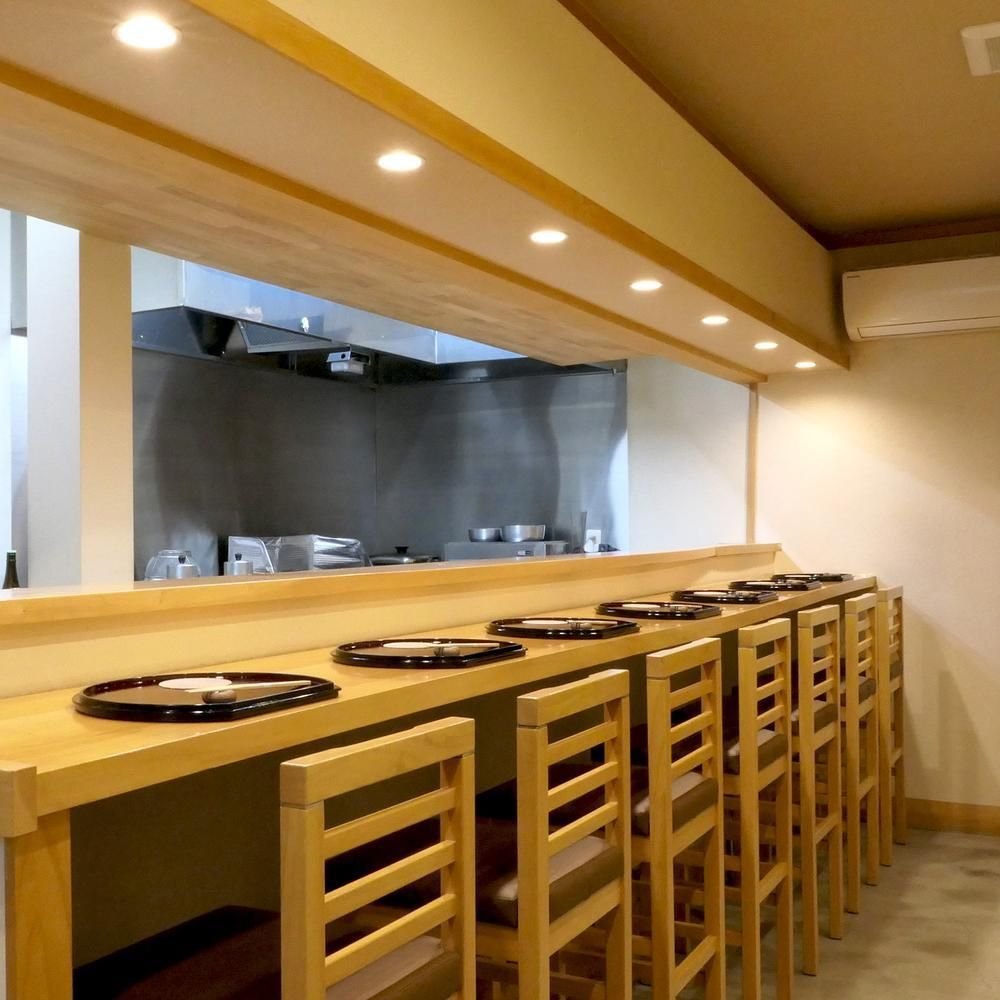
Ichihana foregrounds a quietly rigorous approach to traditional Japanese cooking, centring kamameshi—rice cooked with ingredients in a small iron pot—at a counter where the pot itself becomes the stage. The writing highlights the restaurant’s unshowy, ingredient-led aesthetic and its place in Kyoto’s culinary landscape, noting Michelin Bib Gourmand recognition in 2024 and 2025. The counter-cooking format and focus on timing and sourcing give service an intimate, disciplined feel: craftsmanship is visible, ceremony is understated, and the result reads as classic and quietly refined rather than theatrical.
Best For
Ichihana suits diners seeking a focused, ingredient-forward experience: solo guests and couples enjoy the counter format, where watching the kamameshi cook is part of the meal, and the intimate scale supports quiet special-occasion dinners. The Bib Gourmand status signals well-executed cooking at a more accessible price point than multi-course kaiseki rooms, so it also appeals to diners who want thoughtful seasonal cuisine without the full kaiseki ceremony. Service centers on the counter rhythm, making the meal feel deliberate and attentive.
Ordering Tips
Prioritize the kamameshi—it is presented as the house specialty and is prepared live in small iron pots at the counter, so order it with the expectation of a measured, unhurried cook. Complement that centrepiece with seasonal sashimi or other listed specialties such as Nasu Dengaku and Kyo kaiseki items if available; the menu rewards attention to seasonality and sourcing. Note the Bib Gourmand positioning: you’re getting ingredient-led refinement at a modest price point, so plan for a focused tasting around the kamameshi rather than a sprawling, multi-act feast.
Venue details
Ambiance
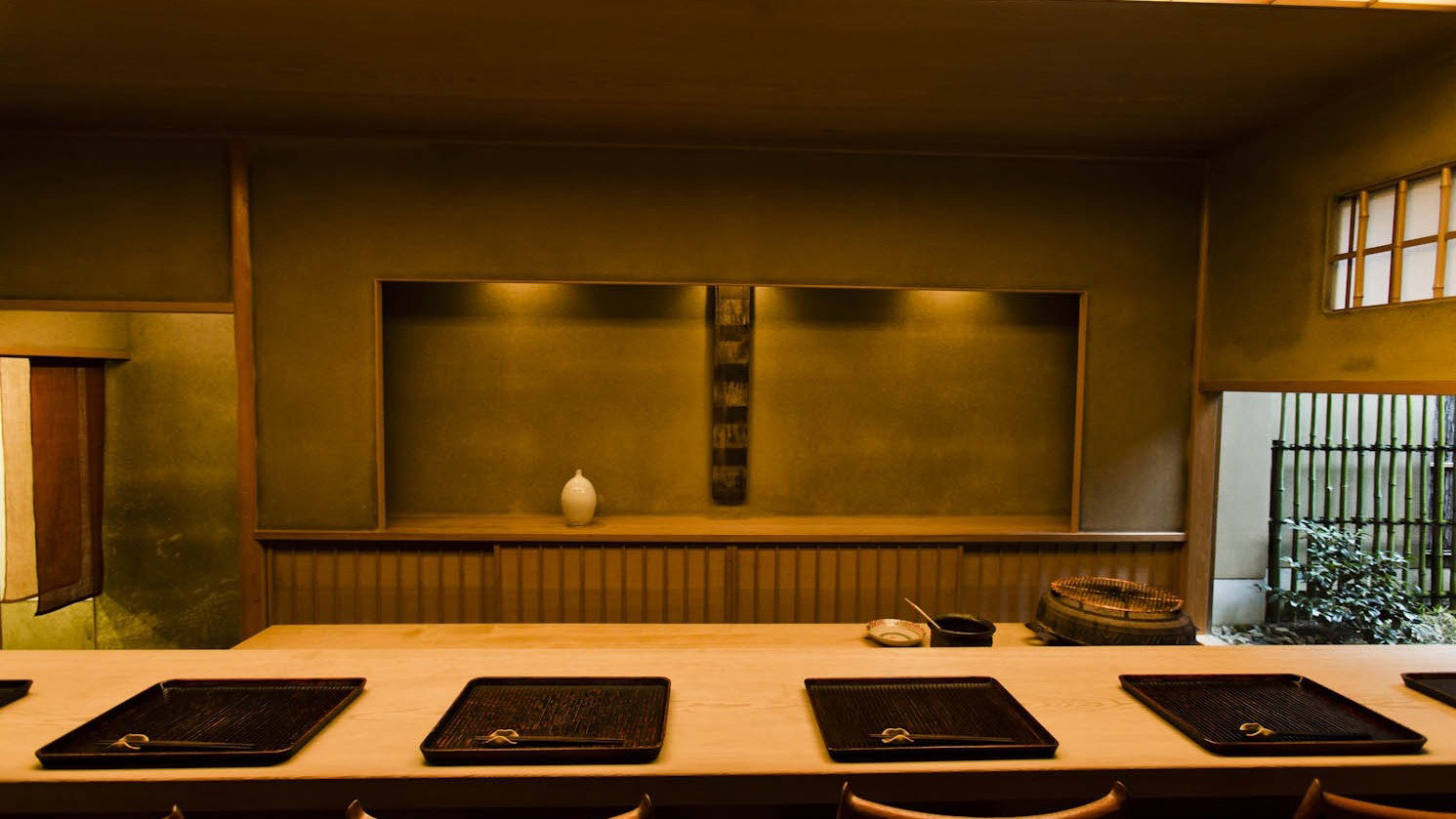
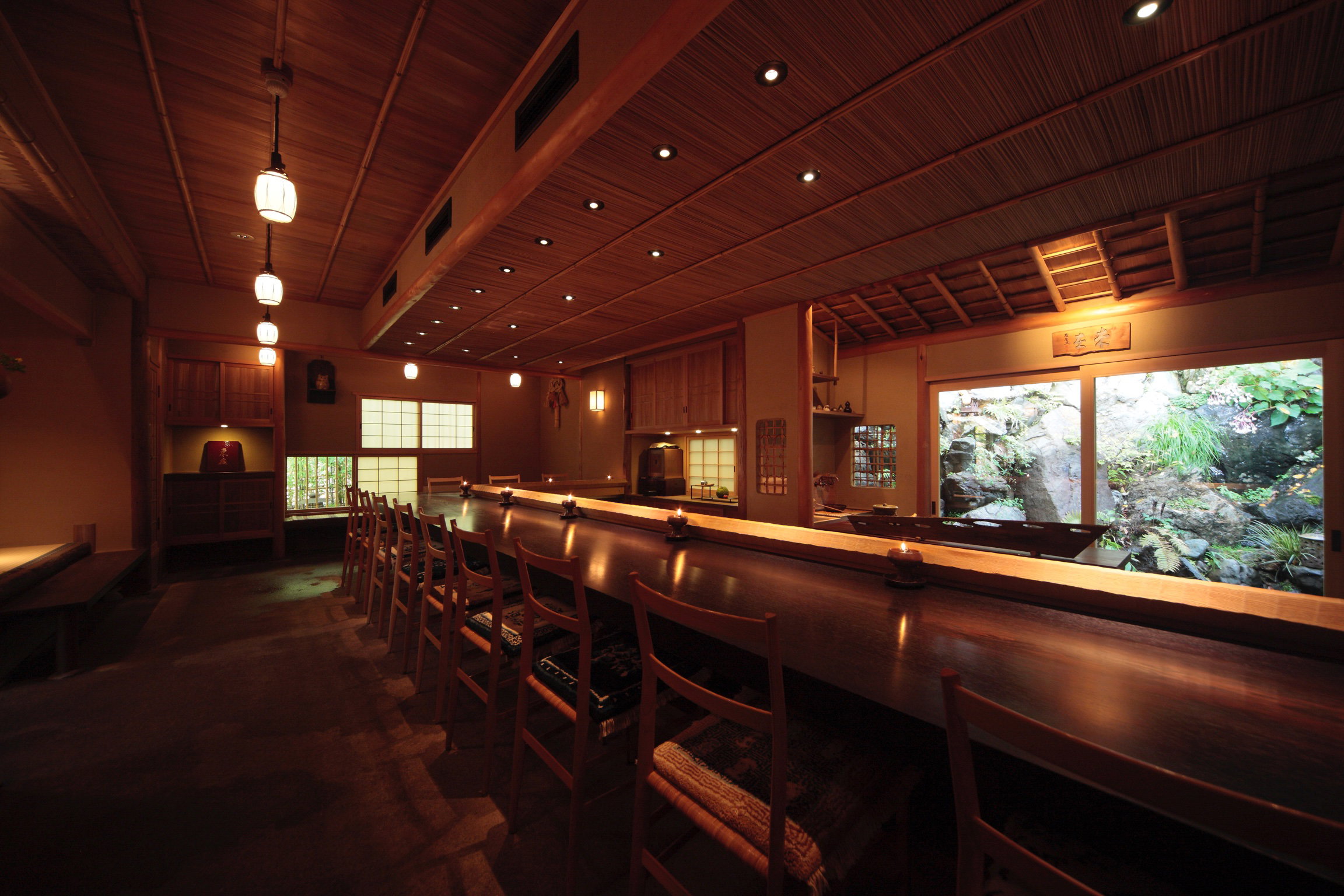
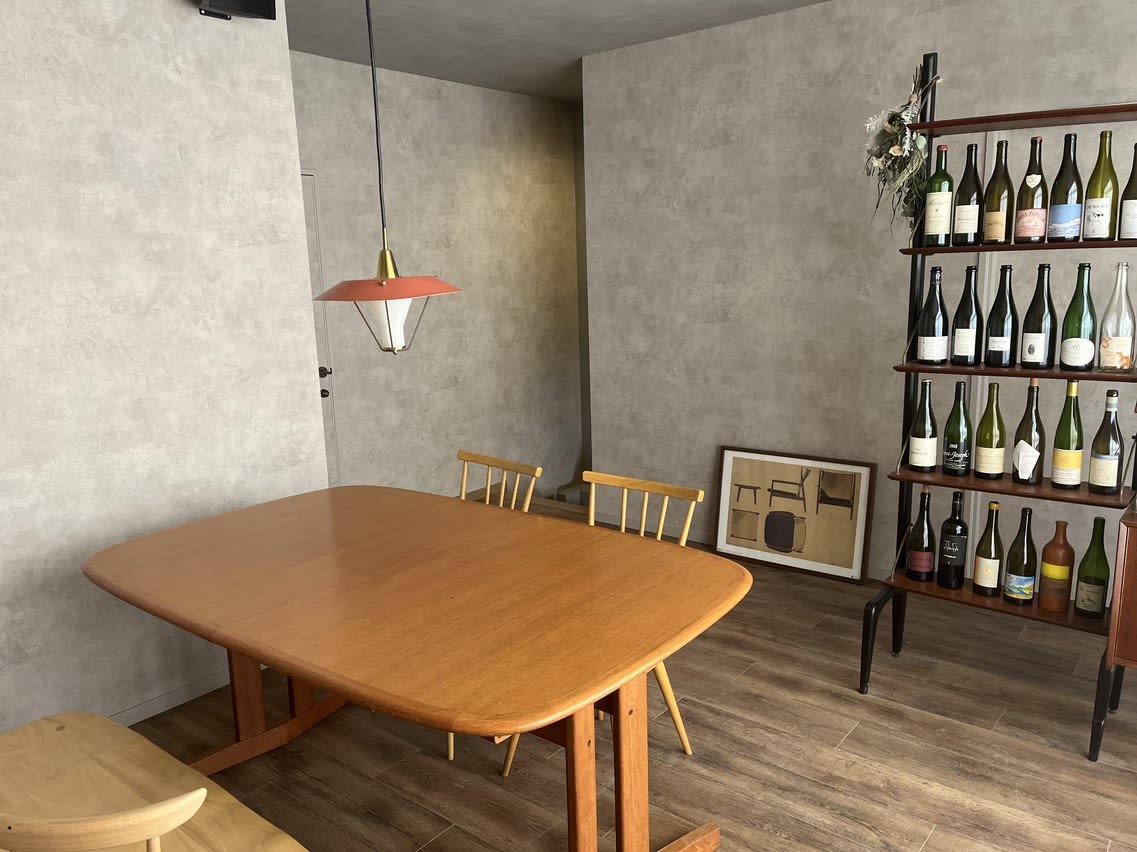
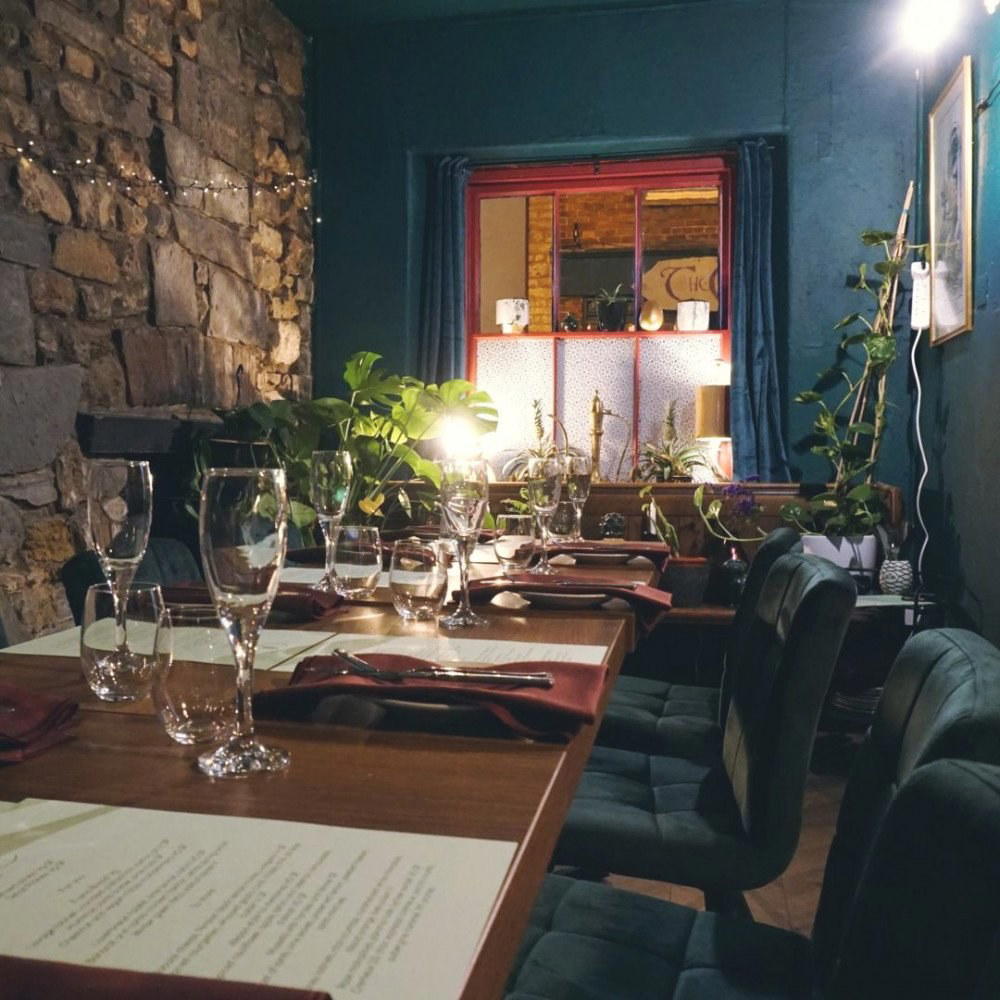
Cozy and refined minimalist atmosphere with hinoki counters, soft lighting, and an open kitchen fostering personal interaction between chefs and guests.
Tags
Vibe
Best For
Experience
Sourcing
At the Table
- Noise Level
- Quiet
- Service Style
- Upscale Casual
- Meal Pacing
- Leisurely
- Capacity
- Intimate
Signature Dishes
- Kamameshi
- Seasonal Sashimi
- Nasu Dengaku
- Kyo Kaiseki
Know before you go
Know Before You Go
- Getting there
- Japan, 〒604-0051 Kyoto, 京都市中京区Nakagyo Ward, 押小路油小路西入る二条油小路町264-1
Planning details
Location
Japan, 〒604-0051 Kyoto, 京都市中京区Nakagyo Ward, 押小路油小路西入る二条油小路町264-1 · Directions
Recognition and awards
Also consider
Also Consider
- Gion Sasaki, Kaiseki, Japanese, ¥¥¥¥
- cenci, Italian, ¥¥¥
- Ifuki, Kaiseki, ¥¥¥¥
- Kyokaiseki Kichisen, Japanese, ¥¥¥¥
- Kyo Seika, Chinese, ¥¥¥
Restaurant context
Ichihana sits in a different bracket from most of its Michelin-recognised peers in Kyoto. At ¥¥, it competes on value in a city where serious Japanese cooking usually starts at ¥¥¥¥. The direct comparisons within the kaiseki tier, Gion Sasaki and Ifuki, both operate at ¥¥¥¥ with the booking difficulty and formality that comes with that positioning. Kyokaiseki Kichisen is at the upper end of the ¥¥¥¥ tier and requires significant advance planning. If your priority is the full kaiseki ceremony with multiple courses and private room options, those venues are the right choice. If your priority is a focused, technically considered Japanese meal at a price that does not require a special-occasion budget, Ichihana is the stronger booking.
cenci at ¥¥¥ offers an interesting counter-point: Italian-influenced cooking with a Kyoto sensibility, Michelin-starred, and aimed at a diner who wants something outside the kaiseki tradition. Kyo Seika at ¥¥¥ provides a Chinese-influenced alternative at a mid-tier price. Neither competes directly with Ichihana's kamameshi format, but both are relevant if you are building a multi-meal Kyoto itinerary and want range across cuisines and price points.
The clearest verdict: book Ichihana if you want a Michelin-recognised Japanese meal at ¥¥ with no booking anxiety. Book Gion Sasaki or Ifuki if budget is secondary and you want the full kaiseki arc. Book cenci if you want Michelin-level cooking in a non-Japanese format at a mid-tier price. For most food travellers spending several days in Kyoto, Ichihana belongs in the rotation alongside, not instead of, the higher-tier options.
Explore Kyoto
Around this place
Discover more on Pearl
Unlock the full Ichihana guide in Pearl, including awards, comparisons, FAQs, planning details, and nearby places.
Compare Ichihana
| Venue | Awards | Price |
|---|---|---|
| Ichihana | 2026 Bib Gourmand2025 Michelin Bib Gourmand2024 Michelin Bib Gourmand | ¥¥ |
| Gion Sasaki | 2026 Tabelog Bronze · #3862026 OAD Top Restaurants in Japan RecommendedMichelin Guide Kyoto Osaka 20262026 La Liste Top RestaurantsTabelog 100 - Japanese cuisine - WEST - 2025 · #132025 OAD Top Restaurants in Japan Ranked · #2462025 Tabelog Silver2025 Michelin 3 Stars2025 La Liste Top Restaurants | ¥¥¥¥ |
| cenci | 2026 Tabelog Bronze · #442026 Asia's 50 Best Restaurants · #762026 OAD Top Restaurants in Japan Highly RecommendedMichelin Guide Kyoto Osaka 2026Tabelog 100 - Italian - WEST - 2025 · #632025 Asia's 50 Best Restaurants · #632025 OAD Top Restaurants in Japan Ranked · #1682025 Tabelog Bronze2024 OAD Top Restaurants in Japan Ranked · #135 | ¥¥¥ |
| Ifuki | 2026 OAD Top Restaurants in Japan Ranked · #1222026 Tabelog Bronze · #128Michelin Guide Kyoto Osaka 20262026 La Liste Top RestaurantsTabelog 100 - Japanese cuisine - WEST - 2025 · #622025 OAD Top Restaurants in Japan Ranked · #1002025 La Liste Top Restaurants2025 Tabelog Bronze2025 Michelin 2 Stars | ¥¥¥¥ |
| Kyokaiseki Kichisen | 2026 Tabelog Bronze · #1752026 OAD Top Restaurants in Japan Highly RecommendedMichelin Guide Kyoto Osaka 20262025 OAD Top Restaurants in Japan Ranked · #1862025 Michelin 2 Stars2025 La Liste Top Restaurants2024 OAD Top Restaurants in Japan Ranked · #1422024 Michelin 2 Stars2023 OAD Top Restaurants in Japan Ranked · #136 | ¥¥¥¥ |
| Kyo Seika | Tabelog 100 - Chinese cuisine - WEST - 2026 · #762026 Tabelog Bronze · #2162026 OAD Top Restaurants in Japan Recommended2026 Michelin 1 Star2025 OAD Top Restaurants in Japan Ranked · #3262025 Tabelog Bronze2024 OAD Top Restaurants in Japan Ranked · #3042024 Michelin Plate2024 Michelin 1 Star | ¥¥¥ |









.png?width=1200&quality=80)
How Ichihana stacks up against the competition.
FAQ
Frequently Asked Questions
What should I wear to Ichihana?
Neat, casual clothing is appropriate. Ichihana is a Bib Gourmand-awarded restaurant at ¥¥ pricing, which signals accessible rather than formal dining. There is no documented dress code, so clean, presentable clothes are sufficient — no jacket or tie required.
What are alternatives to Ichihana in Kyoto?
For a step up in formality and price, Gion Sasaki and Kyokaiseki Kichisen both offer kaiseki at significantly higher price points with commensurate ceremony. Ifuki and cenci sit closer to Ichihana's register and are worth considering if you want variety beyond the kamameshi format. Kyo Seika is an option if you want lighter or more snack-focused Kyoto flavours.
What should I order at Ichihana?
At dinner, the full kamameshi is the reason to visit: rice cooked individually in an iron pot with seasonal ingredients, with ten options always available. Gomoku (five-ingredient) and wild plant varieties are perennial fixtures. While the rice cooks, the kitchen serves Kyoto flavours including steamed wheat gluten with sweet miso sauce and steamed tilefish — so dinner is the recommended meal, not lunch.
Is the tasting menu worth it at Ichihana?
Ichihana's format at dinner functions as a structured seasonal meal rather than a classic tasting menu, but the sequencing — Kyoto appetisers while the kamameshi cooks, then the rice course itself — delivers a complete experience. At ¥¥ pricing with two consecutive Bib Gourmand awards (2024 and 2025), the value-to-experience ratio is favourable for what you get.
Is Ichihana worth the price?
Yes, at ¥¥ pricing with back-to-back Michelin Bib Gourmand recognition in 2024 and 2025, Ichihana delivers well above what its price bracket typically yields in Kyoto. If you want Michelin-recognised cooking without the ¥¥¥¥ outlay of kaiseki restaurants like Kyokaiseki Kichisen, this is one of the more defensible bookings in the city.
Is Ichihana good for a special occasion?
It works for a low-key special occasion — the individual iron-pot format and seasonal Kyoto ingredients give the meal a considered, personal quality. That said, if the occasion calls for a full kaiseki setting with private rooms and elaborate ceremony, Gion Sasaki or Kyokaiseki Kichisen would be more appropriate. Ichihana is the right call when the occasion matters but the budget does not stretch to high-end kaiseki.