

Honke Tankuma Honten
Japanese · Shimogyō, Kyoto
Restaurant in Kyoto, Japan
 Book with Pearl
The Read
Kiyamachi Izakaya Tradition
Price
$200–300per person
Dress
Smart Casual
Why go
A kaiseki address on Kyoto's Kiyamachi Street, Honke Tankuma Honten delivers structured, seasonal Japanese fine dining at ¥¥¥ pricing — well below the three-star houses in the city. Book it for a special occasion dinner with the option to extend your evening into the surrounding bar district. Reserve at least three weeks ahead; four to six during peak travel seasons.
About Honke Tankuma Honten
Who Should Book Honke Tankuma Honten — and When
If you are planning a formal special occasion dinner in Kyoto and want Michelin-validated kaiseki without paying four-symbol prices, Honke Tankuma Honten is the strongest case in the ¥¥¥ tier. It holds a Michelin 1 Star (2024) and sits on Kiyamachi Street, a stretch of central Kyoto where serious restaurants trade at a range of price points. Book here for an anniversary, a business dinner where the setting needs to do some work, or a solo evening where you want structured, high-craft Japanese dining without committing to the full expenditure of a ¥¥¥¥ kaiseki house. It is not the right call if you want a casual, drop-in experience — the format and the address both signal intentionality.
The Space
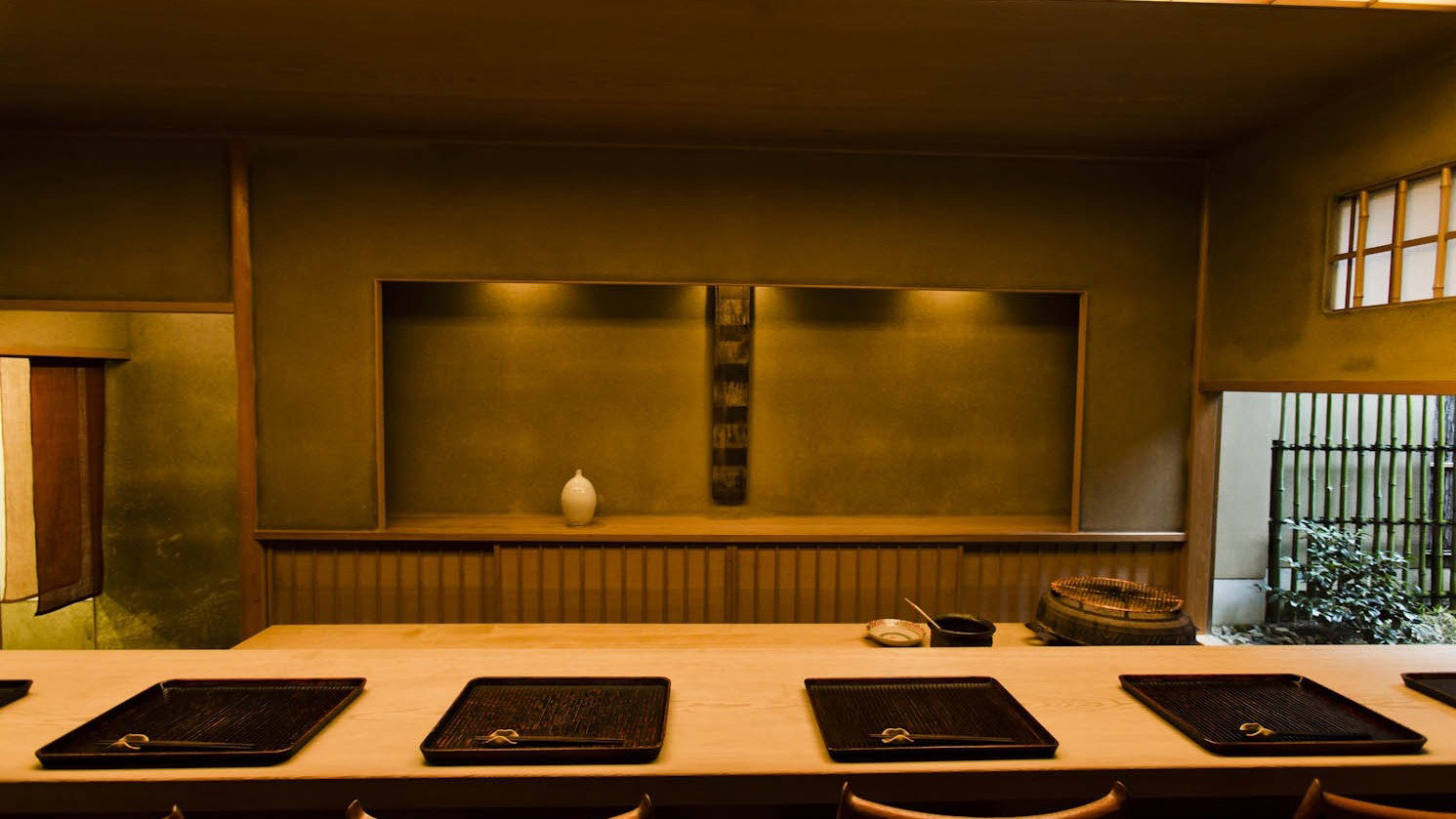
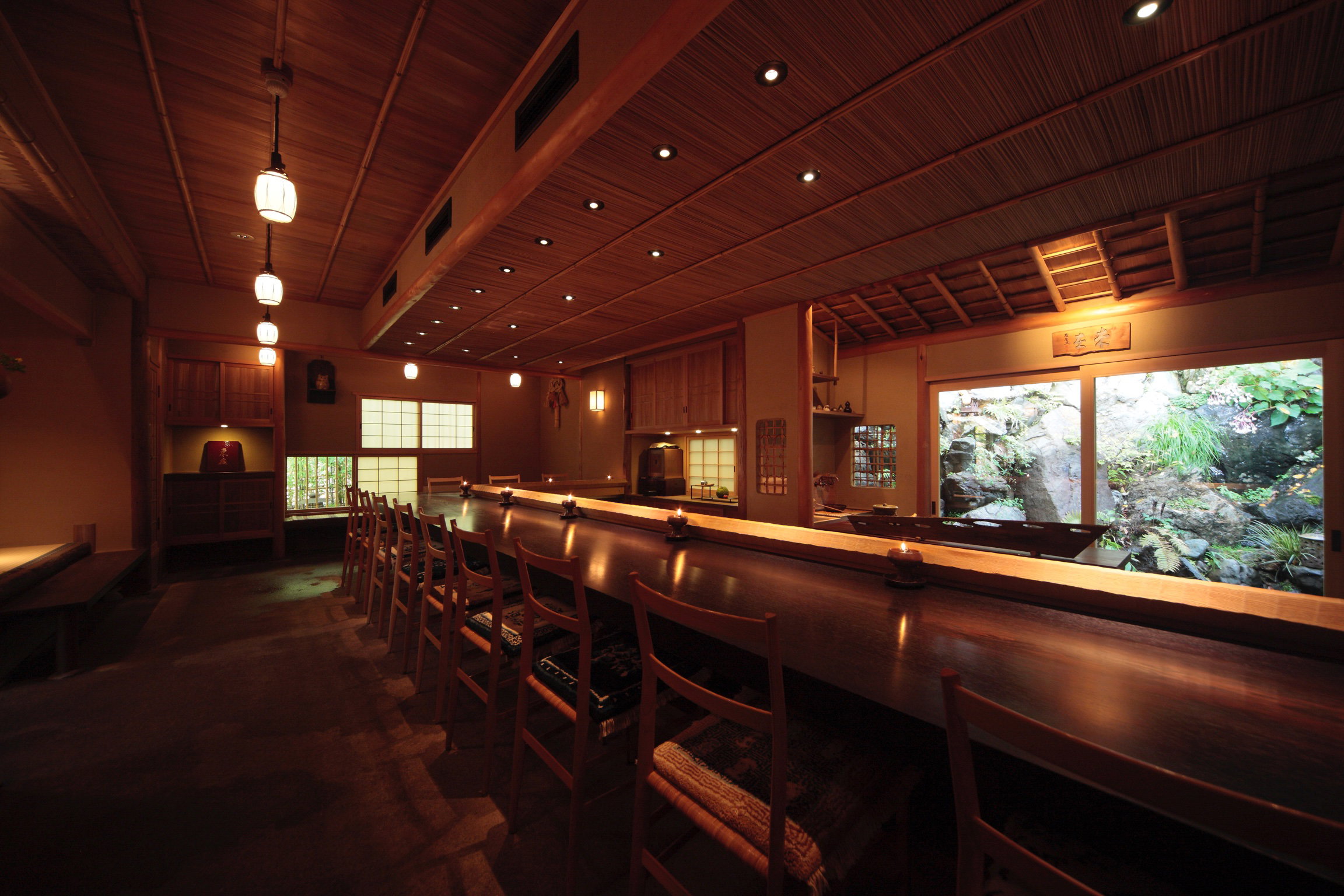
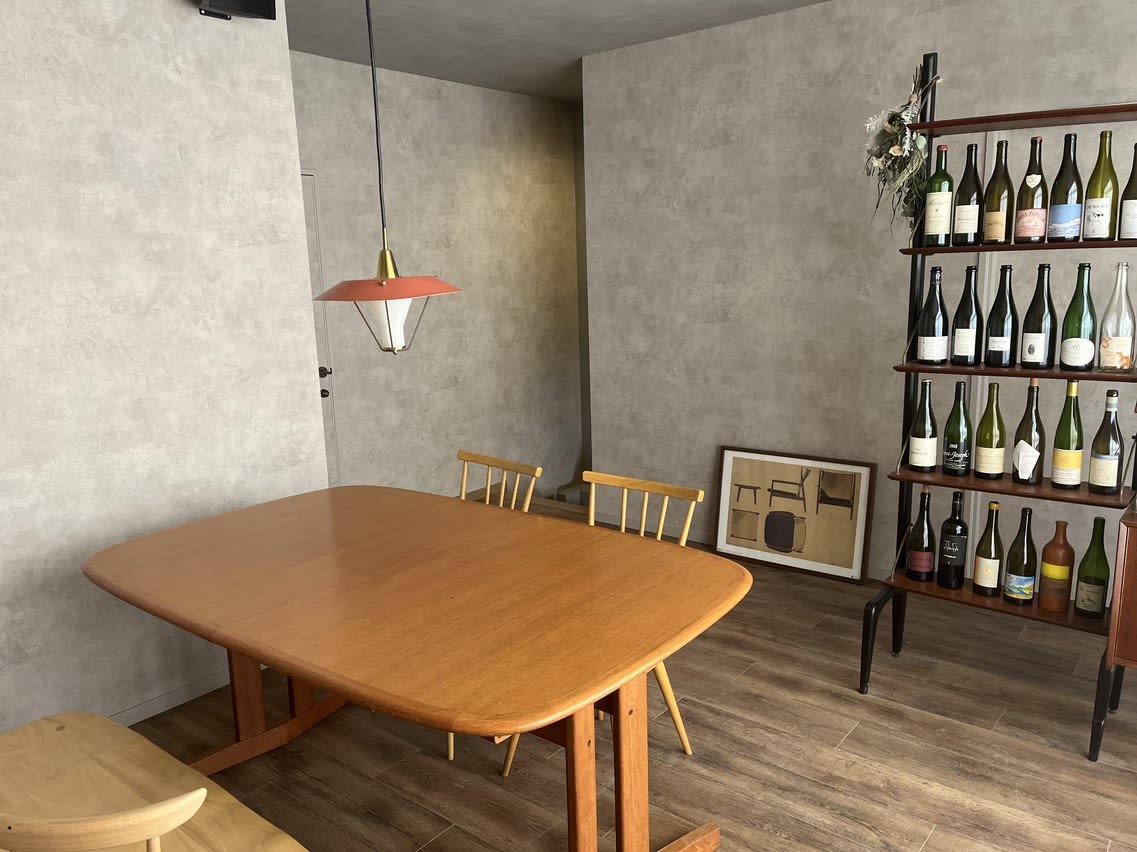
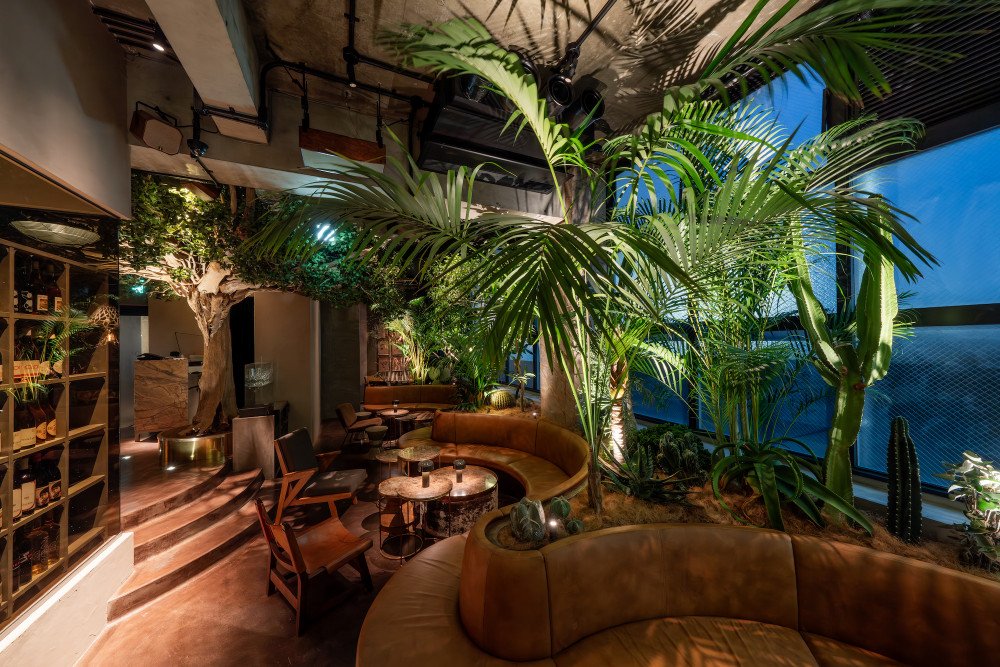
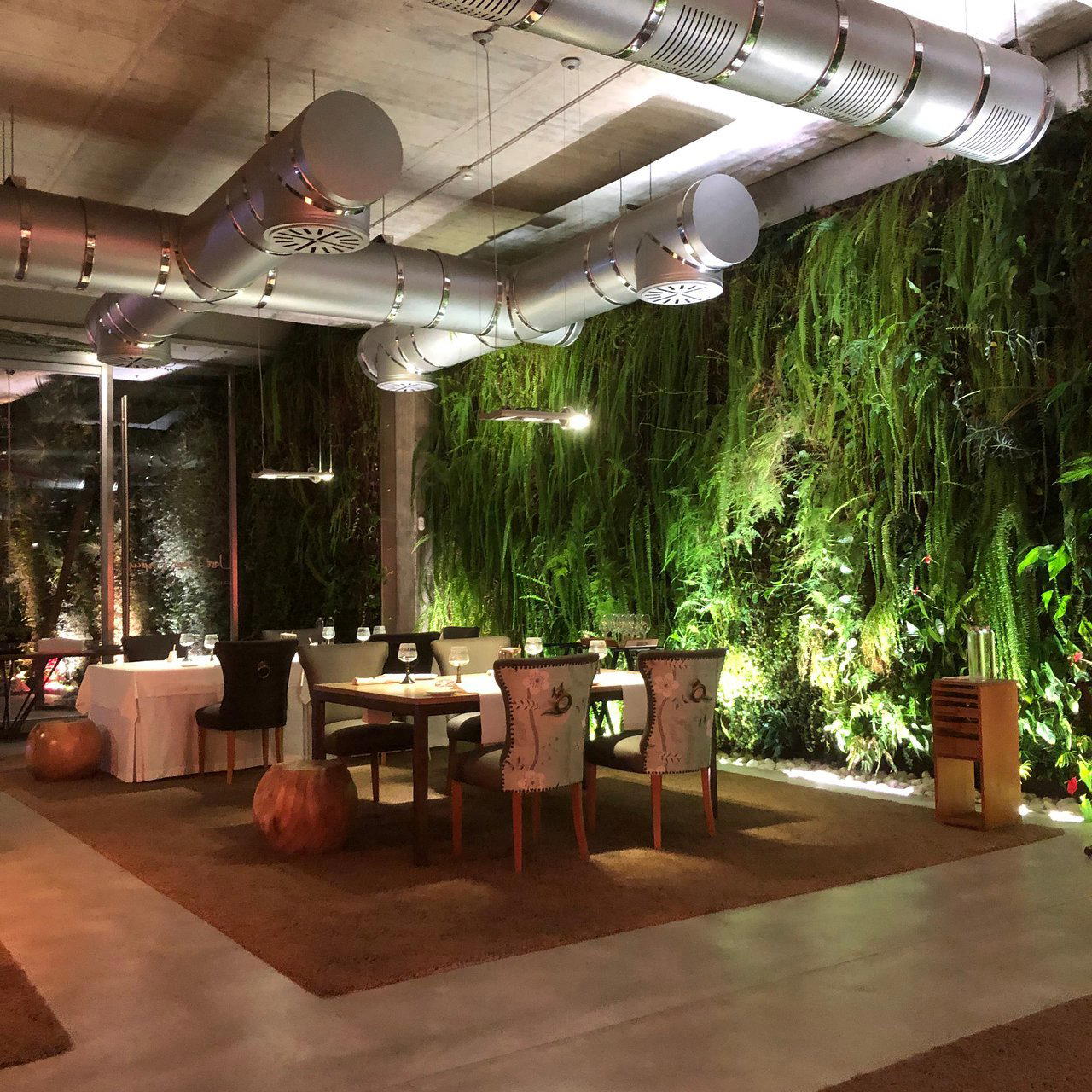
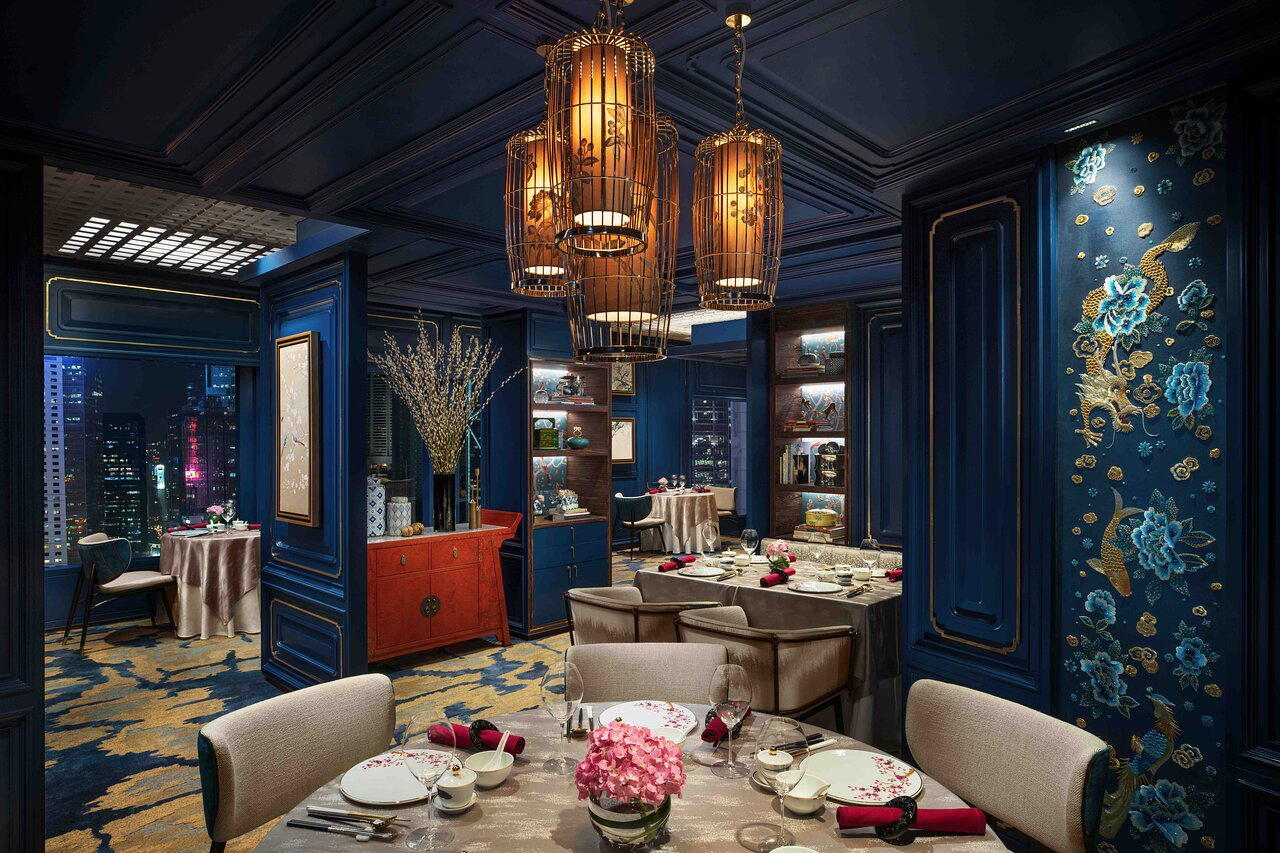
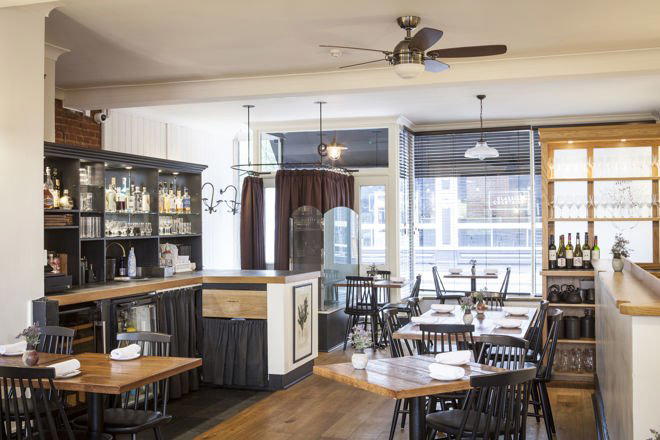
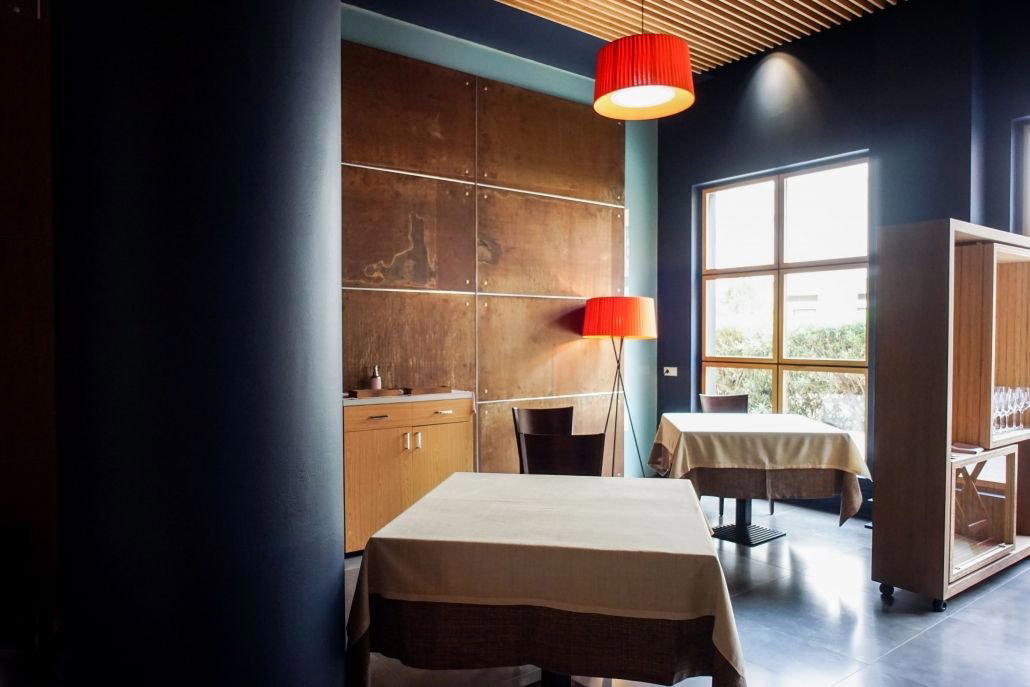
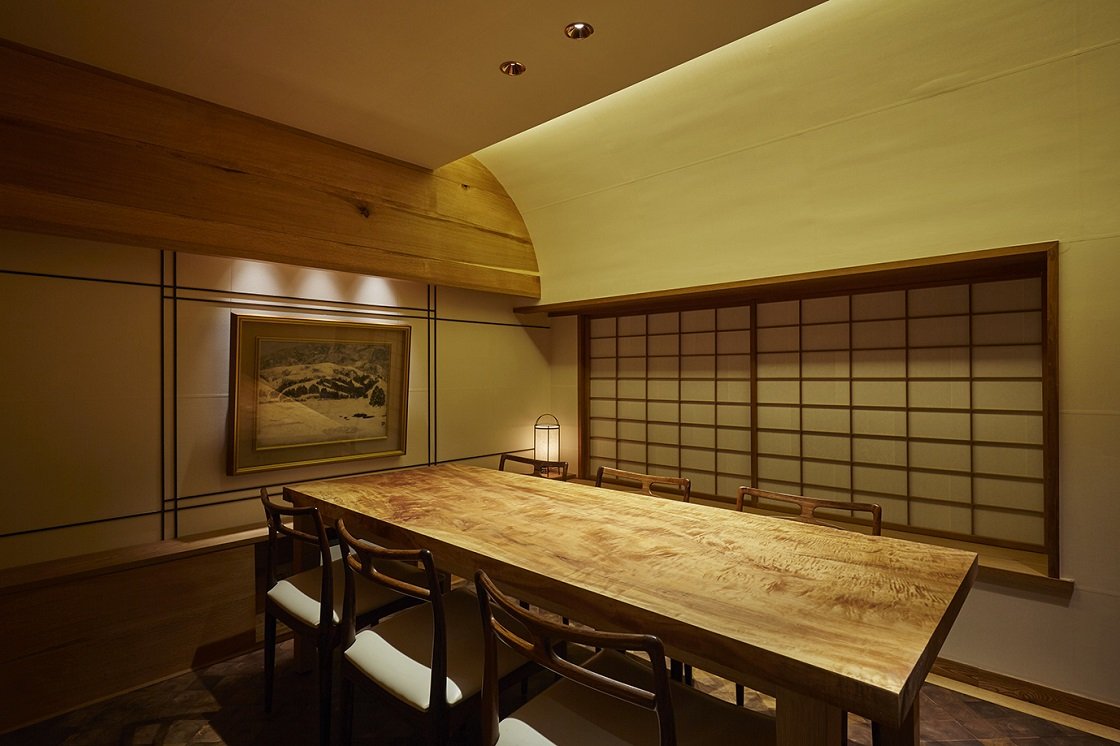
Kiyamachi Street positions Honke Tankuma Honten among a dense run of small, considered restaurants rather than in a garden estate or a converted machiya set back from foot traffic. That context matters for managing expectations: this is an intimate, room-scale dining environment, not a sprawling ryotei with private garden views at every seat. The physical setting rewards guests who read closely, the detail is in the service rhythm and the sequencing of the meal rather than in grand spatial drama. For a date or a two-person celebration, that intimacy is a genuine asset. For large groups expecting ceremonial space, it may feel constrained.
The Food and Format
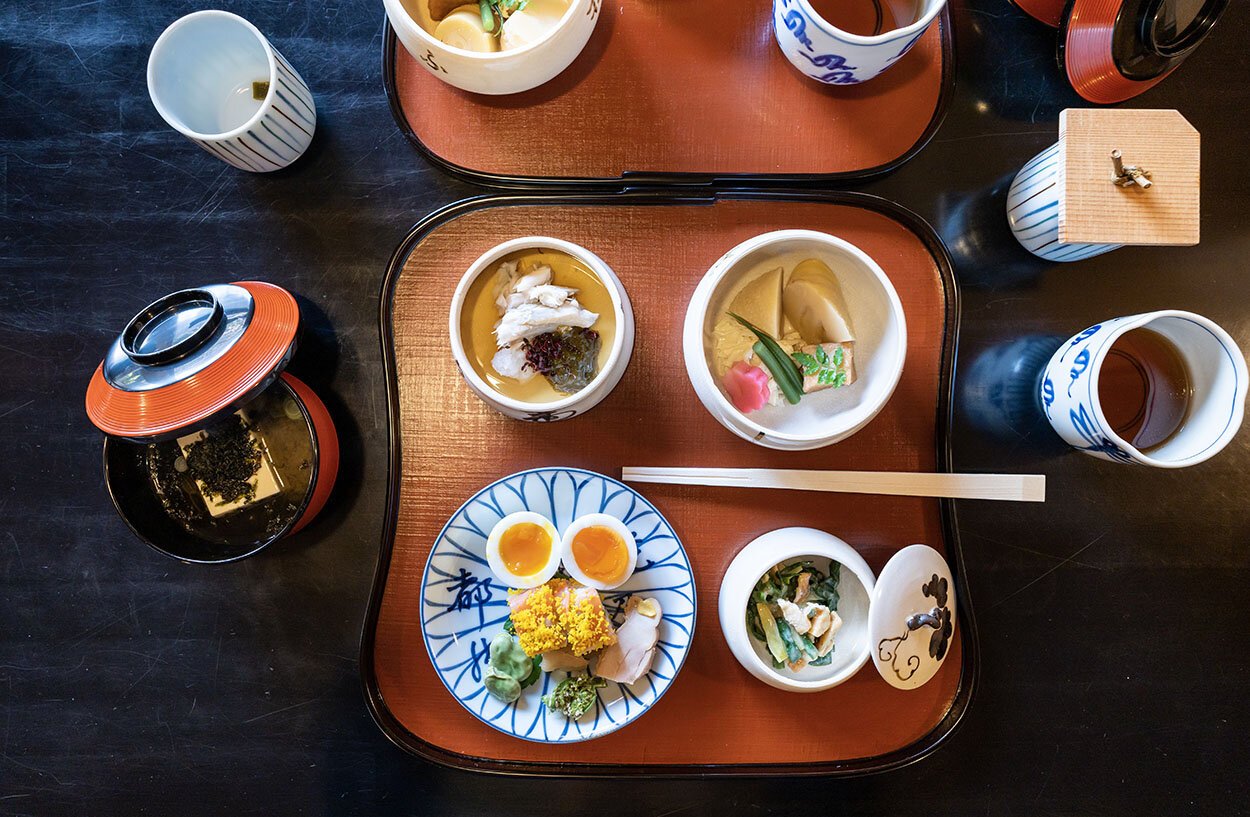
Honke Tankuma Honten serves Japanese cuisine with a kaiseki lineage, meaning the meal is structured, seasonal, and built around a progression of small courses rather than à la carte choice. A Michelin 1 Star at the ¥¥¥ price tier is a meaningful signal: the inspectors have confirmed technical execution worth recognising at a price point that stops short of the city's top-tier houses. For context, Kyoto's ¥¥¥¥ kaiseki addresses, including Kyokaiseki Kichisen, carry three Michelin stars and price accordingly. Honke Tankuma Honten gives you the kaiseki format and Michelin credibility at a more accessible cost. If this is your introduction to formal Japanese kaiseki, it is a well-calibrated entry point. If you are a repeat kaiseki diner with a budget ceiling, it holds up on craft.
Disappointed guests at this price point tend to leave reviews; the score holding above 4.0 with over 150 data points is a reasonable confidence signal.
After Dinner: The Kiyamachi Advantage
One underappreciated practical argument for Honke Tankuma Honten is its location. Kiyamachi runs parallel to the Kamo River and is one of Kyoto's most active evening streets, bars, small drinking spots, and late-serving venues are within walking distance. If your evening does not end at the restaurant, you do not need to plan transport to find a next stop. That is not a trivial consideration in Kyoto, where many of the most acclaimed dining addresses are in quieter neighbourhoods that go dark after 9 PM. For a date night or a group celebration where the meal is the anchor but not the whole evening, Honke Tankuma Honten's address gives you options that a garden-district kaiseki house simply does not. Check our full Kyoto bars guide for specific recommendations within walking range.
Booking and Practical Details
Securing a table here requires lead time. Michelin-starred kaiseki in Kyoto at the ¥¥¥ price tier is a limited category, and demand from both international visitors and domestic diners is steady year-round. This is a hard booking at peak travel periods, cherry blossom season (late March to mid-April) and autumn foliage (mid-November) are when competition for tables intensifies most sharply. If your travel dates fall in those windows, treat this as a three-to-four-week advance booking minimum; outside peak season, two weeks may suffice, but earlier is always better. There is no published online booking interface in our data, so pursue reservations through your hotel concierge or a Japan-specialist booking service.
Reservations: Book at minimum 2–3 weeks ahead; 4+ weeks during cherry blossom and autumn foliage seasons. Concierge or specialist booking service recommended. Dress: Smart casual at minimum, a Michelin-starred kaiseki setting warrants considered dress; overly casual attire would be out of place. Budget: ¥¥¥ tier; expect a meaningful per-head spend for a multi-course kaiseki meal, well below the ¥¥¥¥ houses but not an inexpensive evening. Group size: Well suited to parties of two to four given the intimate room scale; larger groups should confirm capacity at the time of booking.
How Honke Tankuma Honten Fits the Wider Kyoto Picture
Kyoto has the deepest concentration of kaiseki dining in Japan, which means you have genuine options across price points and styles. For broader planning, see our full Kyoto restaurants guide. Other Michelin-recognised addresses in the city worth comparing include Isshisoden Nakamura, Gion Matayoshi, Kikunoi Roan, and Kodaiji Jugyuan. If your Japan trip extends beyond Kyoto, the same quality tier includes HAJIME in Osaka, Harutaka in Tokyo, akordu in Nara, Goh in Fukuoka, 1000 in Yokohama, and 6 in Okinawa. For formal Japanese dining in Tokyo specifically, Myojaku and Azabu Kadowaki are credible comparisons on format and register. For hotels and other experiences around your visit, see our Kyoto hotels guide, wineries, and experiences.
The Verdict
Book Honke Tankuma Honten if you want Michelin-credentialed kaiseki in a central Kyoto location without stepping up to three-star pricing. The Kiyamachi address makes it the most practical choice for diners who want the formal meal to anchor a longer evening rather than conclude it. Secure your table well in advance, particularly if your trip falls in spring or autumn, and let the concierge handle the reservation logistics.
How far ahead should I book Honke Tankuma Honten?
Book at least 3 weeks ahead for standard travel periods. During cherry blossom season (late March to mid-April) and autumn foliage (mid-November), push that to 4–6 weeks minimum. This is a Michelin 1 Star venue at the ¥¥¥ tier in Kyoto, a combination that keeps demand consistent year-round. Use a hotel concierge or Japan-specialist booking service rather than attempting to call directly.
What should I order at Honke Tankuma Honten?
The format is kaiseki, so there is no à la carte menu to select from, you are booking into a structured multi-course progression. Confirm at the time of reservation whether there are menu variations or dietary accommodation options. Seasonal ingredients drive the content of each meal, so what you eat will reflect the time of year you visit, which is part of the intended experience.
Is Honke Tankuma Honten good for solo dining?
Yes, solo dining works here. Kaiseki counter seats, common at Japanese restaurants in this format, suit solo guests well, and the structured meal removes the need to navigate a menu. At ¥¥¥ pricing, a solo kaiseki dinner in Kyoto is a meaningful spend, but if formal Japanese dining is your priority, this is a well-rated option. Confirm seating arrangements when booking.
Is the tasting menu worth it at Honke Tankuma Honten?
At ¥¥¥ pricing with a Michelin 1 Star, the value proposition is solid relative to Kyoto's ¥¥¥¥ kaiseki houses. You are getting inspected, structured Japanese fine dining at a price point that stops short of the three-star tier. If kaiseki is the format you want, multi-course, seasonal, craft-focused, this delivers it without the full financial commitment of addresses like Kyokaiseki Kichisen. If you are uncertain about the kaiseki format, a less formal Japanese dinner may be a better first step.
What are alternatives to Honke Tankuma Honten in Kyoto?
For more formal kaiseki at higher price points, Kyokaiseki Kichisen (three Michelin stars, ¥¥¥¥) is the benchmark. For Michelin-recognised kaiseki at comparable or nearby price tiers, Kikunoi Roan and Gion Matayoshi are worth comparing. If you want to step outside the kaiseki format entirely, Isshisoden Nakamura offers a different angle on Kyoto's formal dining scene.
Is Honke Tankuma Honten good for a special occasion?
Yes. The Michelin 1 Star validates the experience quality, the kaiseki format provides natural ceremony and pacing for a celebration meal, and the Kiyamachi location means you can extend the evening without planning transport to a separate bar district. For an anniversary or significant birthday dinner, this hits the right register without requiring the ¥¥¥¥ spend of the city's top-tier houses. Book the leading available seating option when reserving.
Is Honke Tankuma Honten worth the price?
You are paying for structured, technically considered kaiseki in a credentialed room, that is what the price delivers. If your benchmark is casual Japanese dining, the gap will feel large. If your benchmark is ¥¥¥¥ kaiseki, this is the more accessible route to the same format.
Can Honke Tankuma Honten accommodate groups?
The venue sits on Kiyamachi Street in what the available data describes as an intimate room, well suited to parties of two to four. For groups of six or more, confirm capacity directly when booking and ask about private or semi-private seating arrangements. A Michelin kaiseki room at this scale is unlikely to accommodate large groups in the same seated format as a standard restaurant, so confirm specifics before assuming flexibility.
Planning details
- Location
- 168 Izumiyacho, Shimogyo Ward, Kyoto, 600-8014, Japan
- Website
- tankuma.jp
- Phone
- +81 50-3628-1645
The take
The Take
The Vibe
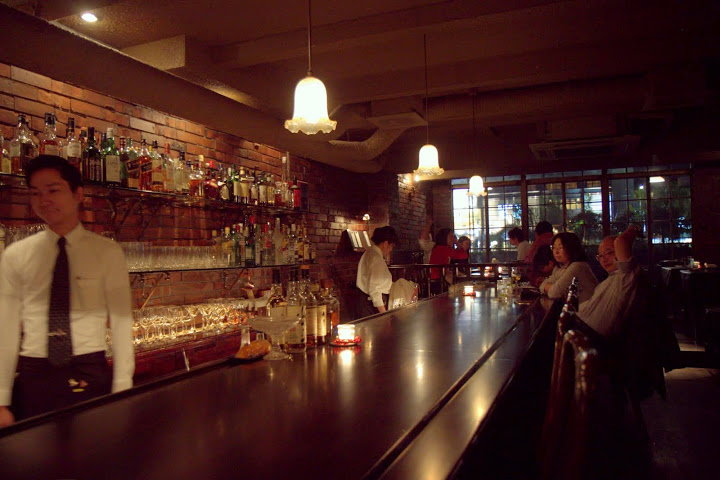
Honke Tankuma Honten reads like a neighborhood institution on Kiyamachi-dori: small, closely spaced, and comfortably embedded in the street’s architecture. It marries Kyoto craftsmanship with an izakaya’s convivial spirit, so the room feels cozy and charming while retaining a quietly historic, refined undercurrent. The Michelin one-star acknowledgment highlights the kitchen’s seriousness, but the service tone resists ceremonious formality. Instead, the restaurant cultivates a relaxed, intimate pace that rewards lingering conversation and multiple, staggered courses rather than a rigid, single-track progression.
Best For
This is a dinner destination that suits after-work gatherings, date nights, and small celebratory evenings where guests want to linger. The piece emphasizes long evenings and an izakaya-style social architecture, so it’s ideal for diners who appreciate craft cooking without the strict ritual of full kaiseki service. Michelin recognition signals a high level of culinary refinement, but the overall tenor remains approachable and neighborhood-oriented—best experienced at a measured, unhurried tempo that favors shared plates and conversation.
Ordering Tips
Ordering follows the izakaya tradition: dishes arrive as they’re ready rather than in a fixed sequence, so plan to share and pace your meal. Look for kitchen-driven highlights and seasonal recommendations—signature items such as the soft-shelled turtle hotpot and halal wagyu beef are worth seeking out when available. Because the restaurant prizes the long evening and caters to regulars, embrace a flexible approach to ordering rather than expecting a formal multi-course progression; let the staff guide timing and pace.
Venue details
Ambiance
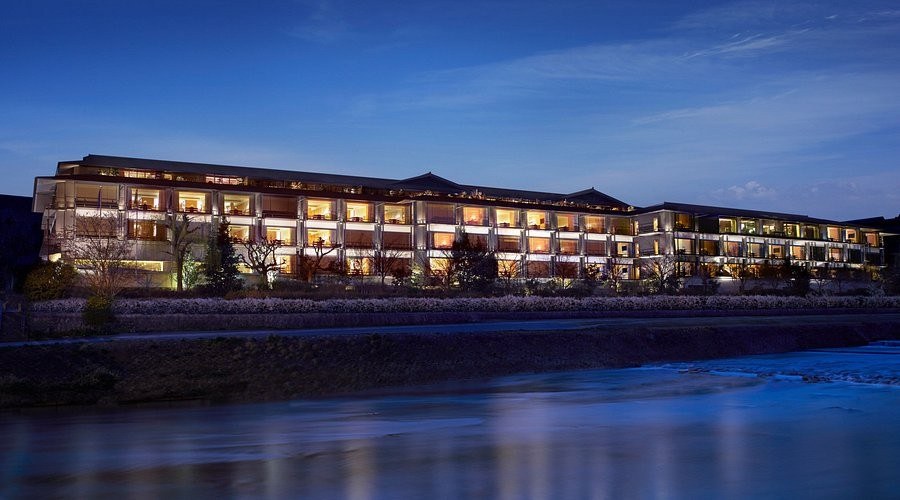
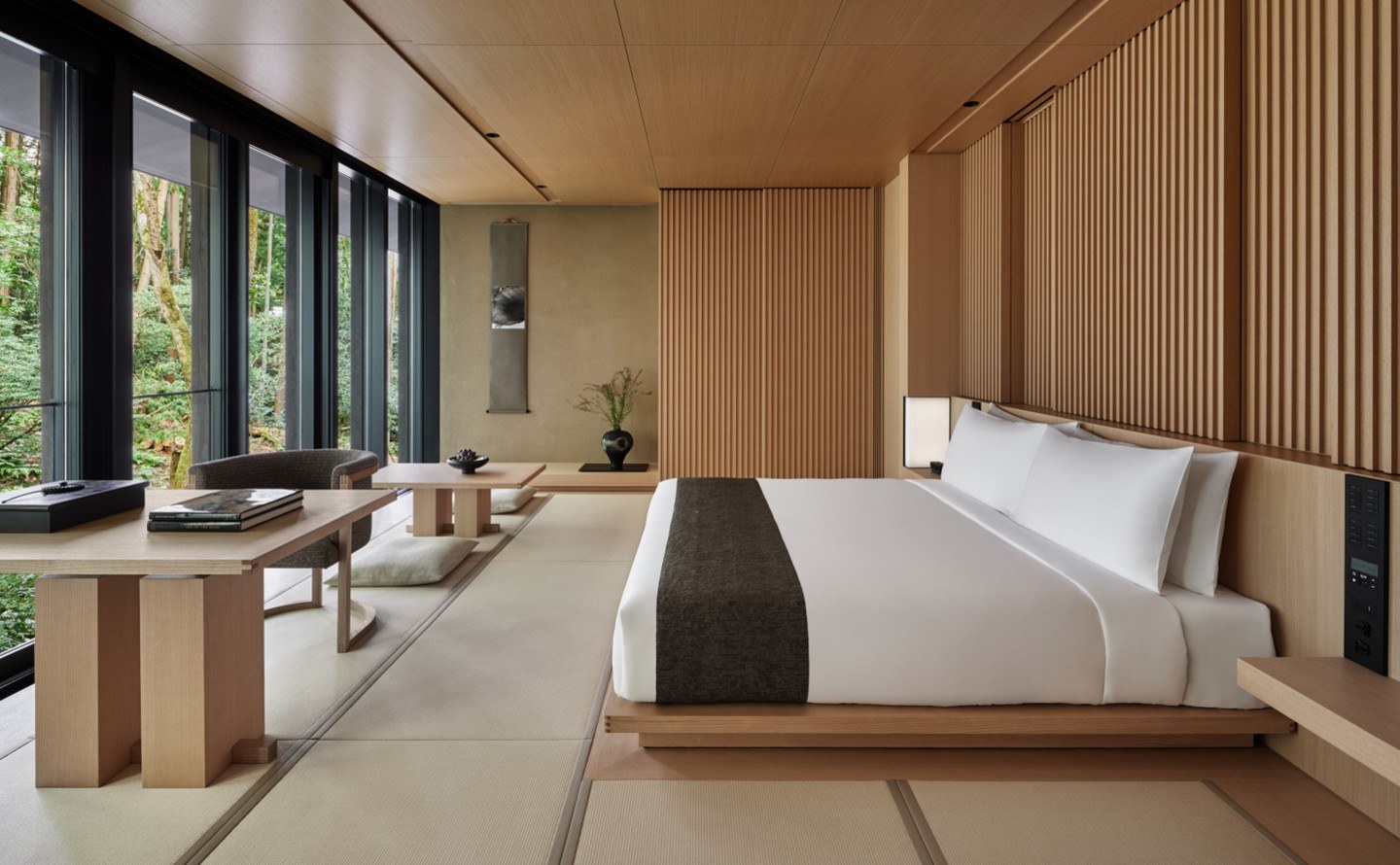
Refined traditional tatami private rooms with serene Kamo River views, daily changing art and decor, and a serene elegant atmosphere.
Tags
Vibe
Best For
Experience
Sourcing
View
Accessibility
At the Table
- Dress Code
- Smart Casual
- Noise Level
- Quiet
- Service Style
- Formal
- Meal Pacing
- Leisurely
- Capacity
- Small
- Kitchen
- Traditional
- Menu Format
- Tasting menu, Set menu
- Wine Program
- Curated
- Drinks Focus
- Sake
- Dietary
- Vegetarian friendly, Vegan options, Halal
- Private Dining
- Available
- Outdoor Seating
- Yes
Signature Dishes
- soft-shelled turtle hotpot
- halal wagyu beef
Know before you go
Know Before You Go
- Getting there
- 168 Izumiyacho, Shimogyo Ward, Kyoto, 600-8014, Japan
Planning details
Location
Recognition and awards

Also consider
Also Consider
- Gion Sasaki, Kaiseki, Japanese, ¥¥¥¥
- cenci, Italian, ¥¥¥
- Ifuki, Kaiseki, ¥¥¥¥
- Kyokaiseki Kichisen, Japanese, ¥¥¥¥
- Kyo Seika, Chinese, ¥¥¥
Restaurant context
How Honke Tankuma Honten Compares
Within Kyoto's formal dining tier, the clearest decision is price versus prestige. If budget is not a constraint and you want the definitive kaiseki experience, Kyokaiseki Kichisen (¥¥¥¥, three Michelin stars) and Ifuki (¥¥¥¥) operate at a higher price point and a correspondingly higher level of ceremony. Gion Sasaki (¥¥¥¥) is another ¥¥¥¥ kaiseki address with strong recognition. For diners whose ceiling is ¥¥¥, Honke Tankuma Honten's Michelin 1 Star makes it the most credentialed option in that tier for formal Japanese dining.
If you are open to stepping outside the kaiseki format at the same price tier, cenci (¥¥¥, Italian) offers a contrasting experience, chef-driven Italian with local ingredient focus, and tends to be a slightly easier booking. Kyo Seika (¥¥¥, Chinese) provides a different cuisine angle at the same spend level. Neither carries a Michelin star, so if the credential matters to your decision, Honke Tankuma Honten is the stronger call within the ¥¥¥ tier.
For booking difficulty, expect all Michelin-starred kaiseki addresses in Kyoto to be competitive, particularly during spring and autumn. Honke Tankuma Honten's central Kiyamachi location gives it a practical edge for evening flexibility that garden-district kaiseki houses cannot match, a real differentiator if your itinerary runs late or you want to continue after dinner without planning additional transport.
Explore Kyoto
Around this place
Discover more on Pearl
Unlock the full Honke Tankuma Honten guide in Pearl, including awards, comparisons, FAQs, planning details, and nearby places.
Compare Honke Tankuma Honten
| Venue | Price | Awards |
|---|---|---|
| Honke Tankuma Honten | ¥¥¥ | Star Wine Lists 20262024 Michelin 1 Star |
| Gion Sasaki | ¥¥¥¥ | 2026 Tabelog Bronze · #3862026 OAD Top Restaurants in Japan RecommendedMichelin Guide Kyoto Osaka 20262026 La Liste Top RestaurantsTabelog 100 - Japanese cuisine - WEST - 2025 · #132025 OAD Top Restaurants in Japan Ranked · #2462025 Tabelog Silver2025 Michelin 3 Stars2025 La Liste Top Restaurants |
| cenci | ¥¥¥ | 2026 Tabelog Bronze · #442026 Asia's 50 Best Restaurants · #762026 OAD Top Restaurants in Japan Highly RecommendedMichelin Guide Kyoto Osaka 2026Tabelog 100 - Italian - WEST - 2025 · #632025 Asia's 50 Best Restaurants · #632025 OAD Top Restaurants in Japan Ranked · #1682025 Tabelog Bronze2024 OAD Top Restaurants in Japan Ranked · #135 |
| Ifuki | ¥¥¥¥ | 2026 OAD Top Restaurants in Japan Ranked · #1222026 Tabelog Bronze · #128Michelin Guide Kyoto Osaka 20262026 La Liste Top RestaurantsTabelog 100 - Japanese cuisine - WEST - 2025 · #622025 OAD Top Restaurants in Japan Ranked · #1002025 La Liste Top Restaurants2025 Tabelog Bronze2025 Michelin 2 Stars |
| Kyokaiseki Kichisen | ¥¥¥¥ | 2026 Tabelog Bronze · #1752026 OAD Top Restaurants in Japan Highly RecommendedMichelin Guide Kyoto Osaka 20262025 OAD Top Restaurants in Japan Ranked · #1862025 Michelin 2 Stars2025 La Liste Top Restaurants2024 OAD Top Restaurants in Japan Ranked · #1422024 Michelin 2 Stars2023 OAD Top Restaurants in Japan Ranked · #136 |
| Kyo Seika | ¥¥¥ | Tabelog 100 - Chinese cuisine - WEST - 2026 · #762026 Tabelog Bronze · #2162026 OAD Top Restaurants in Japan Recommended2026 Michelin 1 Star2025 OAD Top Restaurants in Japan Ranked · #3262025 Tabelog Bronze2024 OAD Top Restaurants in Japan Ranked · #3042024 Michelin Plate2024 Michelin 1 Star |







.png?width=1200&quality=80)
Side-by-side comparison to help you decide where to book.
FAQ
Frequently Asked Questions
How far ahead should I book Honke Tankuma Honten?
Aim for at least 3 to 4 weeks in advance, and longer during peak Kyoto travel periods like cherry blossom season and autumn foliage. Michelin 1-star kaiseki at the ¥¥¥ price tier fills quickly because it sits in a narrow category: affordable enough for international visitors on tighter budgets, credentialed enough to attract serious diners. Book earlier than you think you need to.
What should I order at Honke Tankuma Honten?
Kaiseki is a set-progression format, so the menu is not à la carte in the conventional sense. The kitchen structures the meal around seasonal courses, which means you are committing to the full sequence rather than selecting individual dishes. If you want to direct your own meal course by course, a kaiseki venue is not the right fit — consider a more flexible Japanese dining format instead.
Is Honke Tankuma Honten good for solo dining?
A Michelin-starred kaiseki setting on Kiyamachi Street is a reasonable solo option if you are comfortable with formal, multi-course Japanese dining alone. The structured format means conversation is not required to anchor the experience. That said, confirm when booking whether solo seating at the counter or a table is available, as smaller venues in this category sometimes prioritise paired or group covers.
Is the tasting menu worth it at Honke Tankuma Honten?
For a Michelin 1-star kaiseki in Kyoto at ¥¥¥ pricing, yes — this is close to the floor for credentialed kaiseki in the city. If you want the seasonal, structured kaiseki format with external validation and do not want to pay four-symbol prices, Honke Tankuma Honten is one of the cleaner value arguments in that category. If kaiseki's rigid progression is not your preference, the format will not change regardless of price tier.
What are alternatives to Honke Tankuma Honten in Kyoto?
For a step up in prestige and price, Kyokaiseki Kichisen is at the top of Kyoto kaiseki. Gion Sasaki offers a more creative, contemporary approach within a Michelin-starred frame. Ifuki and Kyo Seika are worth considering if you want a similar price tier with a different neighbourhood or style. cenci sits in an interesting middle ground if you want kaiseki-influenced structure with more modern technique.
Is Honke Tankuma Honten good for a special occasion?
Yes, and the Kiyamachi Street location adds a practical bonus: the area along the Kamo River is one of Kyoto's more animated evening strips, so the occasion extends naturally beyond the meal. For a formal milestone dinner where Michelin validation matters to your group but the budget does not stretch to three-star pricing, this is a strong fit. Confirm your occasion when booking so the kitchen and front-of-house can accommodate accordingly.
Is Honke Tankuma Honten worth the price?
At ¥¥¥, it is among the more accessible entries into Michelin-starred kaiseki in Kyoto, which is the city with the deepest concentration of that format in Japan. The 2024 Michelin 1-star rating is the clearest external anchor for what you are paying for. If you are comparing against non-starred kaiseki options, the price premium is real; if you are comparing against higher-starred kaiseki, it is a measurable step down in cost for a credentialed experience.