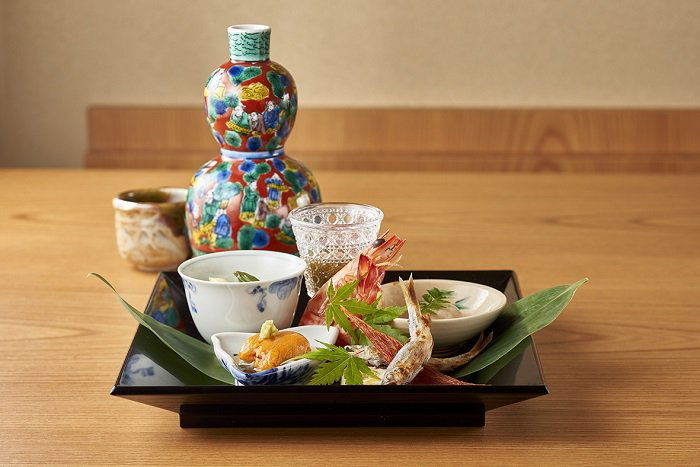
.png?width=1200&quality=80)
Gion Yamagishi
Japanese · Higashiyama, Kyoto
Restaurant in Kyoto, Japan
 Book with Pearl
The Read
Gion Kaiseki Precision
Price
$150–200per person
Chef
Makoto Hinenoya
Dress
Smart Casual
Why go
A Japanese restaurant on Gionmachi Minamigawa, Gion Yamagishi offers one of the more accessible serious dining experiences in Kyoto's most competitive neighbourhood. At ¥¥¥, it sits below the price ceiling of most Gion peers while carrying consecutive Michelin recognition (2024 and 2025). Booking is easier than neighbouring ¥¥¥¥ houses, making it a practical choice for a special occasion meal.
About Gion Yamagishi
Verdict: Worth Booking for a Considered Japanese Meal in Gion
Gion Yamagishi earns two consecutive Michelin Plates (2024 and 2025) without reaching Michelin-star territory, which tells you exactly where it sits: credible, consistent, and well-priced by Gion standards. At the ¥¥¥ price point, it is one of the more accessible serious Japanese restaurants in a neighbourhood where ¥¥¥¥ is the norm. If you are planning a special occasion meal in Kyoto and want a room that feels deliberately chosen rather than merely convenient, this is a sound booking. If you need a full kaiseki spectacle with decade-long booking queues to justify the occasion, look at Gion Sasaki or Kyokaiseki Kichisen instead.
The Space
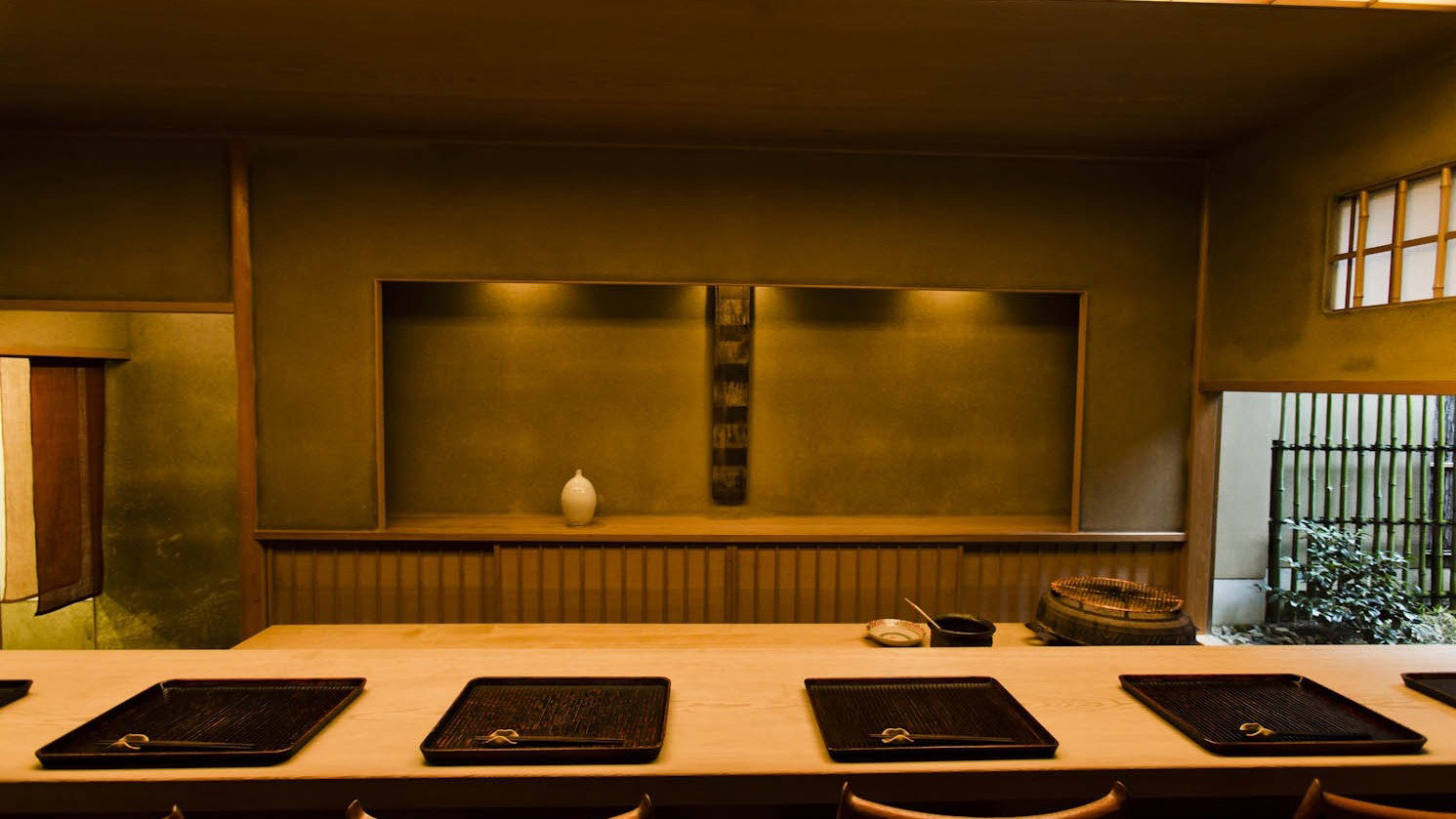
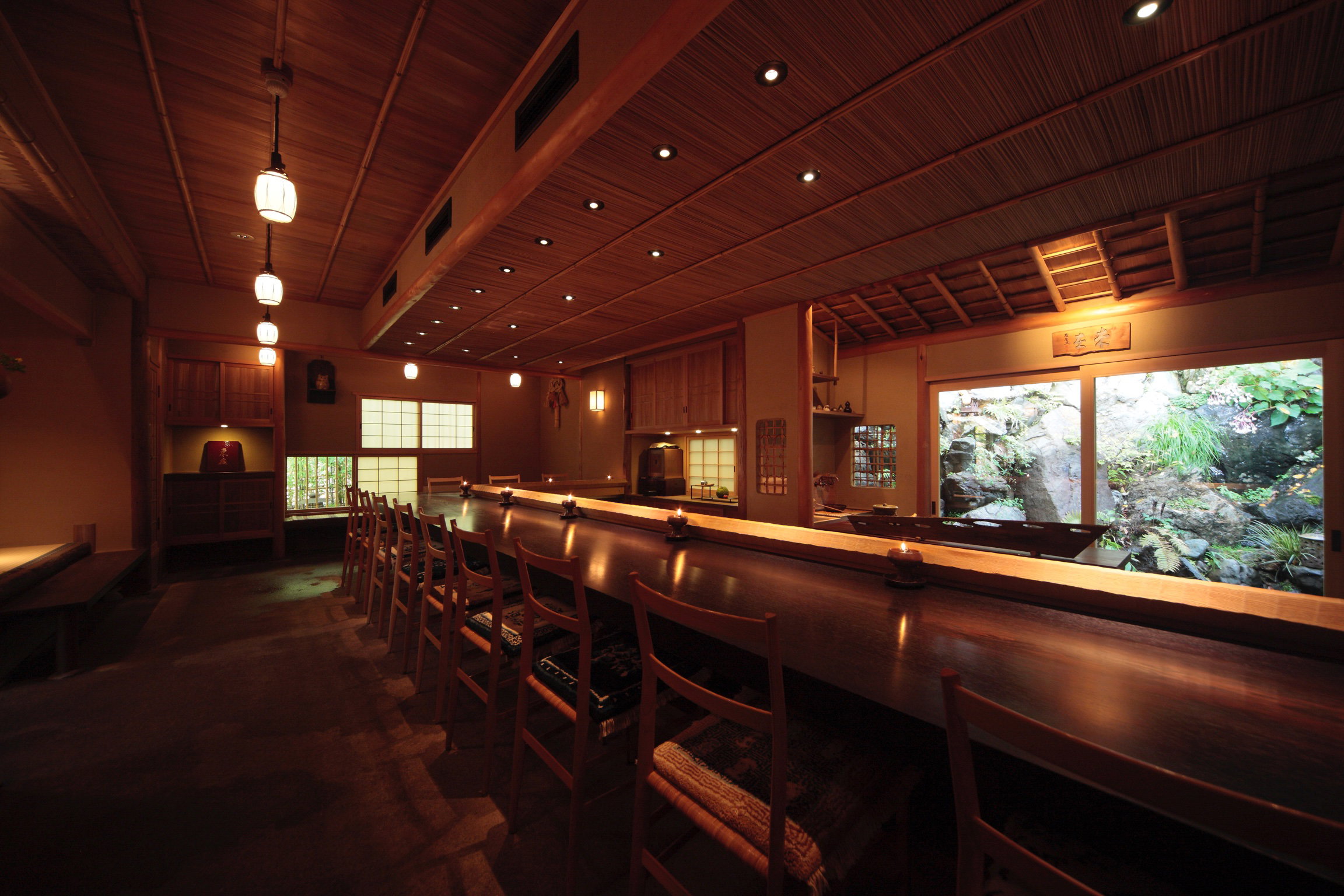
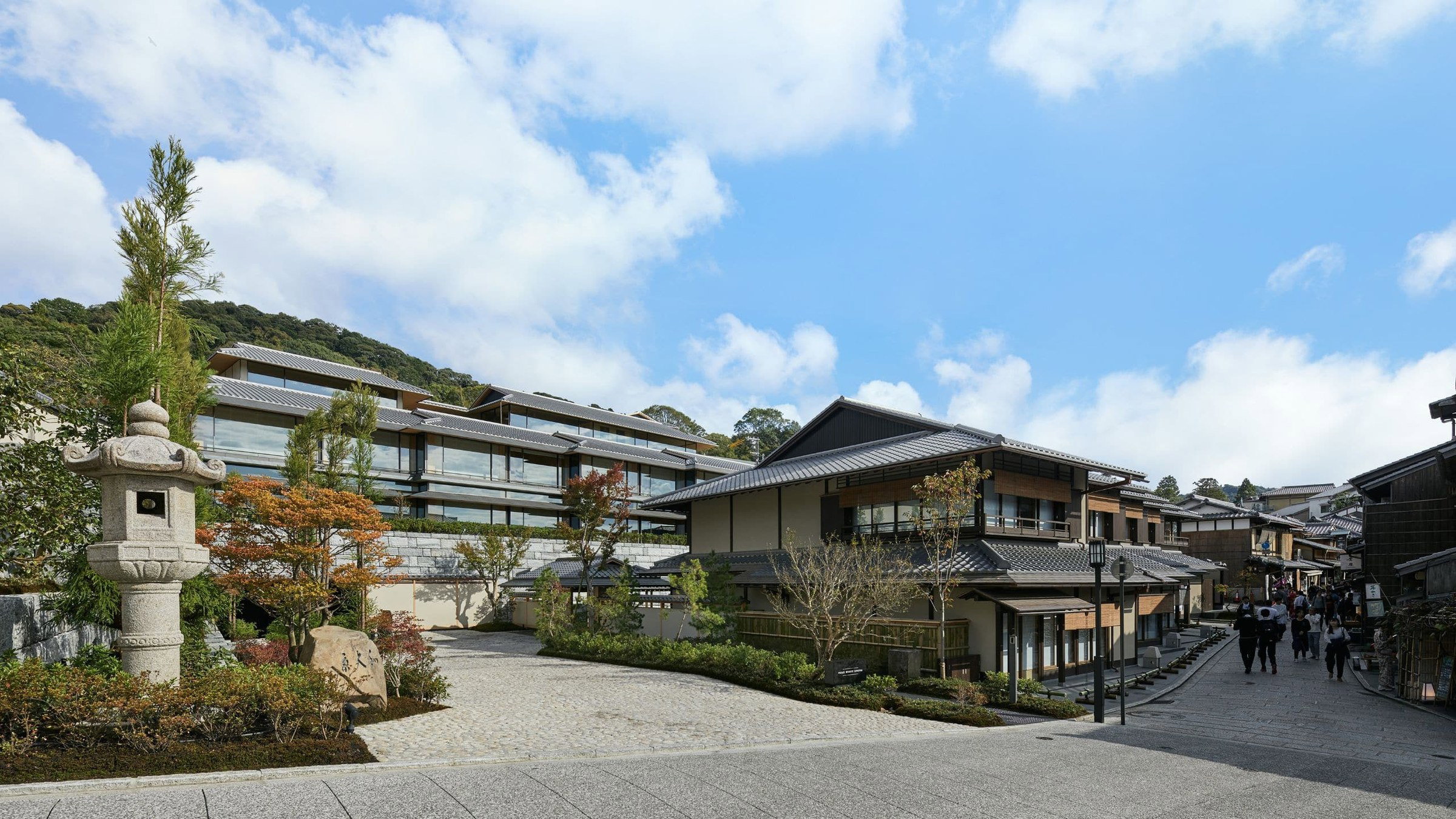
The address on Gionmachi Minamigawa places Gion Yamagishi in the southern stretch of the Gion preservation district, where machiya townhouse facades line the street and the density of serious dining rooms per block is higher than almost anywhere else in Japan. The physical setting carries weight before you step inside. That neighbourhood context matters for occasion planning: Gion is walkable to Yasaka Shrine, Maruyama Park, and the preserved stone paths of Ninenzaka, which makes pre- or post-dinner logistics genuinely easy for visitors staying in central Kyoto. For a complete picture of what the area offers, see our full Kyoto restaurants guide and our full Kyoto hotels guide.
Seat count is not publicly listed in our data. In Gion, that is almost always the right call for a date or a milestone dinner: the intimacy of a compact Japanese dining room, where sightlines are managed and noise does not accumulate, is a significant part of what you are paying for. If you come back a second time, the spatial experience is unlikely to surprise you afresh, but that steadiness is also the point. Rooms like this work precisely because they do not reinvent themselves seasonally.
Service Philosophy and What It Means for the Price
Chef Makoto Hinenoya runs the kitchen. Beyond that, the data available to us does not detail the specific service structure, tasting menu format, or team size. What the Michelin Plate designation signals, awarded twice consecutively, is consistent kitchen execution at a level the Michelin inspectors considered worth flagging to travellers, even without a formal star recommendation. That distinction matters when you are calibrating expectations: a Plate venue is not a casual lunch spot, but it is also not operating under the full-service formalism of a starred house. The service experience is more likely to feel personable and chef-led than to involve the layered ritual of a three-star kaiseki room.
At ¥¥¥, the price tier is meaningfully lower than the ¥¥¥¥ houses across Gion. That gap usually reflects either a shorter menu, a smaller team, or a less elaborate ingredient list. It does not signal lower care. For a special occasion where the conversation and the company matter as much as the technical spectacle of the food, a ¥¥¥ room can actually serve you better than a ¥¥¥¥ room where the service choreography dominates the room's energy. The value proposition here is genuine: you get a Michelin-recognised Japanese restaurant in the heart of Gion without the price ceiling of its immediate neighbours.
Comparable meals at this tier in other Japanese cities give useful context. Myojaku in Tokyo and Azabu Kadowaki in Tokyo operate in a similar register of serious Japanese cooking with personal service. Outside Kyoto, Goh in Fukuoka and HAJIME in Osaka represent what the upper tier of regional Japanese cooking looks like when ambition and service depth combine. Gion Yamagishi sits comfortably below that ceiling in price and likely in formality, which for many diners is the correct trade-off.
Booking and Timing
Booking difficulty at Gion Yamagishi is rated Easy. That is a genuine advantage in a neighbourhood where tables at Gion Matayoshi or Isshisoden Nakamura require planning weeks or months in advance. For Kyoto travel, where itineraries are often built around restaurant availability, securing Gion Yamagishi should be possible with a shorter booking window than most Gion alternatives. That said, Kyoto high seasons, specifically late March to early May (cherry blossom) and mid-October to mid-November (autumn foliage), compress availability across every serious restaurant in the city. If your visit falls in either window, book as soon as your travel dates are confirmed. Phone and website details are not listed in our current data, so approach through a hotel concierge or a reservation service if direct contact proves difficult.
For broader Kyoto planning beyond this restaurant, our Kyoto bars guide, Kyoto wineries guide, and Kyoto experiences guide cover the full picture. Elsewhere in the Kansai region, akordu in Nara is worth adding to the itinerary if you are day-tripping east. Those planning longer routes through Japan should also consider 1000 in Yokohama and 6 in Okinawa for contrast.
Know Before You Go
- Cuisine: Japanese
- Price tier: ¥¥¥
- Awards: Michelin Plate 2024, Michelin Plate 2025
- Chef: Makoto Hinenoya
- Address: 570-154 Gionmachi Minamigawa, Higashiyama Ward, Kyoto
- Booking difficulty: Easy
- Leading for: Special occasions, date nights, considered solo dining
- Dress code: Not formally listed; smart casual at minimum is appropriate for this address and price tier
- Dietary restrictions: Contact in advance; specific accommodation policy not confirmed in our data
- Phone / website: Not listed in current data; book via hotel concierge or reservation platform
FAQ
What should I wear to Gion Yamagishi?
- No formal dress code is listed in our data, but the address, price tier, and Michelin recognition set a clear expectation. Smart casual is the floor. For a special occasion dinner in Gion, lean toward smart rather than casual: well-fitted clothing without logos. The neighbourhood itself, with its preserved machiya streets, rewards dressing deliberately.
Does Gion Yamagishi handle dietary restrictions?
- We do not have confirmed information on dietary accommodation policy. For a Japanese restaurant at this level, advance notice is always the right approach, but whether specific restrictions (vegetarian, gluten-free, severe allergies) can be fully accommodated is not something we can confirm without data. Contact the restaurant directly before booking if this is a material concern. Phone and website details are not in our current record; a hotel concierge with Japanese-language capability is the most reliable route.
Can Gion Yamagishi accommodate groups?
- Seat count is not listed. Given the Gion address and the nature of small Japanese dining rooms at this price tier, assume a compact room where large groups (6+) may be difficult to seat comfortably without a private arrangement. For groups of 4 or fewer, availability should not be a structural problem. For larger parties, confirm directly before planning around this venue. Alternatives with known private room capacity include Kikunoi Roan and Kodaiji Jugyuan.
Is Gion Yamagishi good for a special occasion?
- Yes, with the right expectations. It is not a maximalist kaiseki production; it is a focused, well-regarded Japanese restaurant in one of Kyoto's most considered dining addresses. For the price tier, that is a strong offer.
What are alternatives to Gion Yamagishi in Kyoto?
- At the same ¥¥¥ tier, Gion Matayoshi and Isshisoden Nakamura are the closest comparisons, though booking difficulty is higher. If you want to step up to ¥¥¥¥ for a more elaborate kaiseki experience, Gion Sasaki and Kyokaiseki Kichisen are the benchmark options. For something outside the traditional kaiseki format entirely, Kodaiji Jugyuan offers a different angle on Kyoto dining at a similar price ceiling.
Is Gion Yamagishi worth the price?
- At ¥¥¥ in Gion, yes. You are getting a Michelin Plate restaurant in one of Japan's most serious dining neighbourhoods at a price below most of its immediate neighbours. The trade-off is that this is not the grand-gesture kaiseki experience that the ¥¥¥¥ houses provide. If you want that, pay for it at Gion Sasaki. If you want a well-executed Japanese meal in a considered Gion room without the top-tier price, Gion Yamagishi delivers on that clearly.
Planning details
- Location
- 570ー154 Gionmachi Minamigawa, Higashiyama Ward, Kyoto, 605-0074, Japan
- Reservations
- Book on Omakase
- Website
- tominokoji-yamagishi.com/shoplist/gionyamagishi
- Phone
- +81 75-551-0701
The take
The Take
The Vibe
Gion Yamagishi sits firmly within the evocative streets of southern Gion, where cobbled lanes, paper lanterns and machiya townhouses shape the arrival. The room reads as quietly atmospheric rather than theatrical: the setting does much of the work, anchoring the meal in Kyoto’s built history. Culinary credibility is evident too — consecutive Michelin Plate recognition places the cooking in a focused, attentive register. Overall the restaurant feels like a classic Gion address: historic and charming, with a reserved, place-specific atmosphere that emphasizes tradition and the subtleties of refined Japanese dining rather than flash.
Best For
This is a dinner destination for diners who want to encounter Kyoto’s culinary conversation rather than a quick meal. Placed among celebrated kaiseki tables, the restaurant suits evenings that lean toward special occasions, date-night dining and any visit framed around exploring traditional Kyoto flavors. The Michelin Plate recognition underscores the restaurant’s seriousness about technique and ingredients, so it appeals to guests seeking thoughtful, elevated Japanese cooking in an atmospheric Gion setting. It is less about casual daytime grazing and more about attentive evening dining.
Ordering Tips
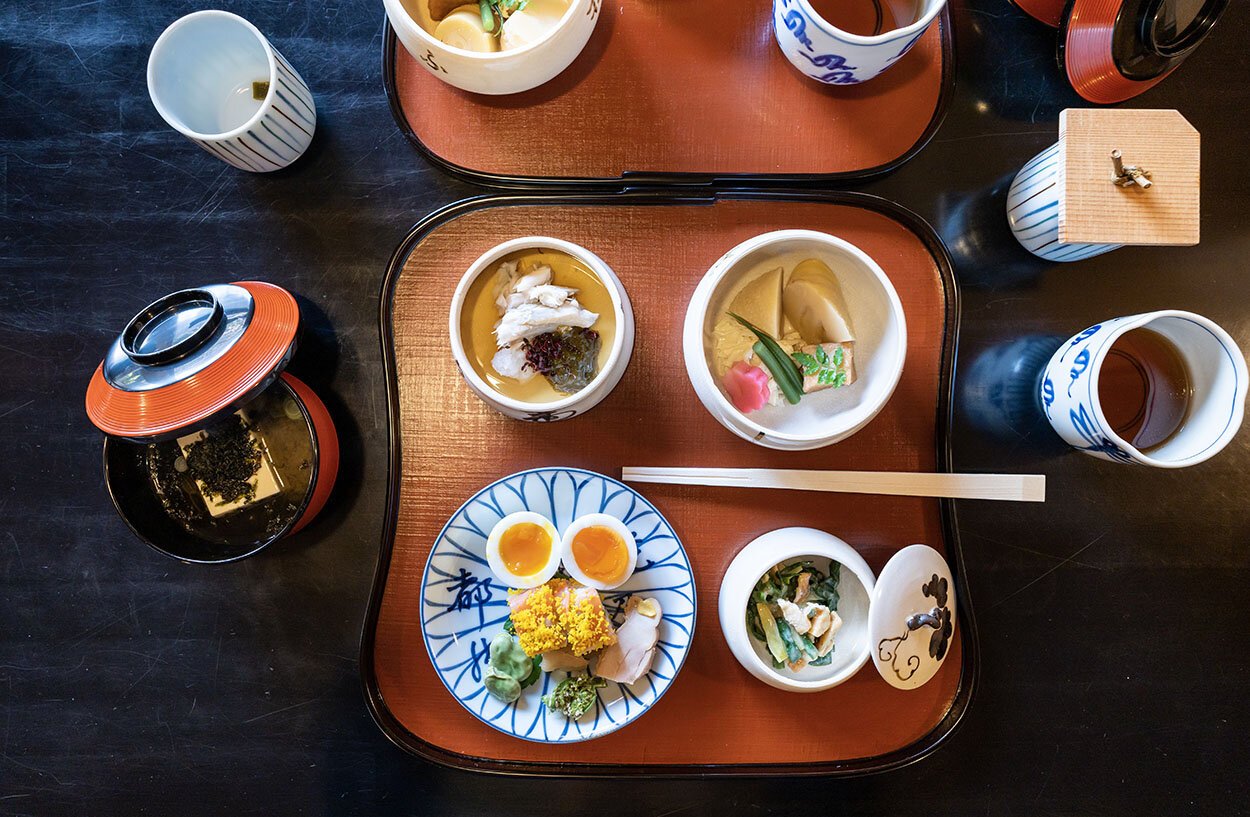
Focus on the house signatures mentioned: the karasumi seafood risotto, the sea urchin roll, grilled eel and the miso soup are highlighted as notable dishes. The write-up’s emphasis on the restaurant’s place within Kyoto’s kaiseki culture and its Michelin Plate recognition suggests you’ll want to sample those signature items to get a sense of the kitchen’s strengths. Keep the experience centered on taste and context — these specific dishes are the clearest clues in the text to what the kitchen is proud of.
Venue details
Ambiance
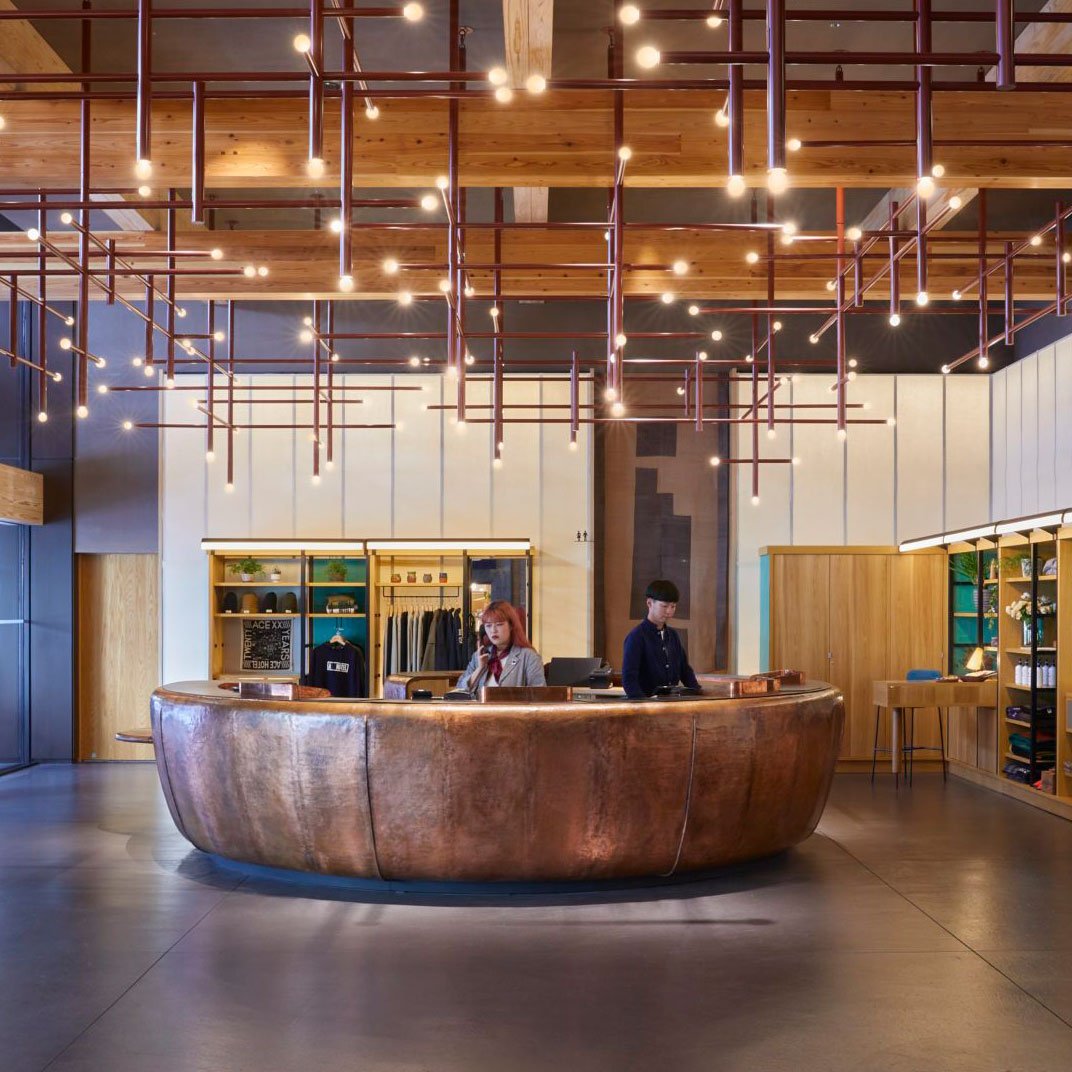
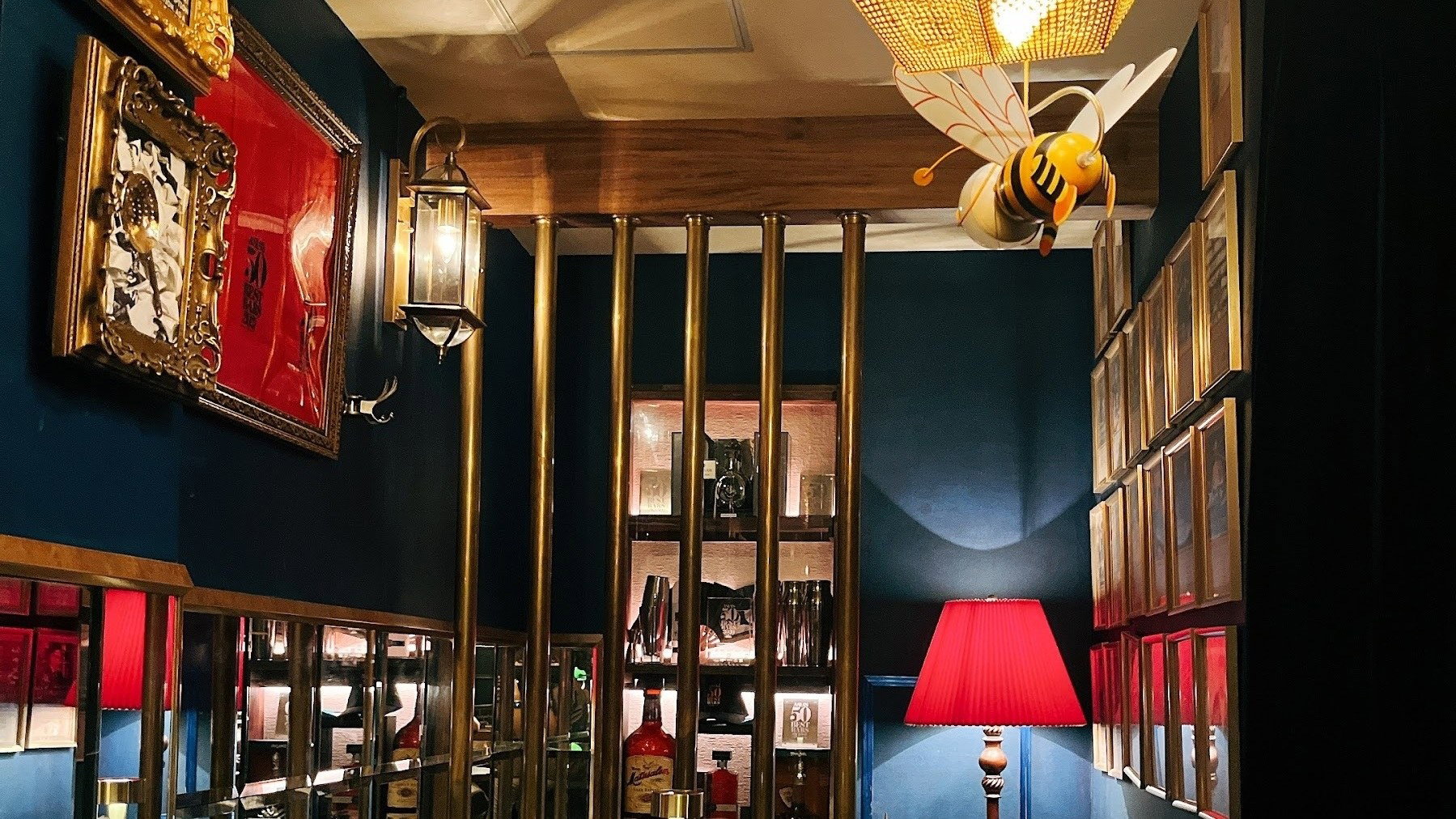
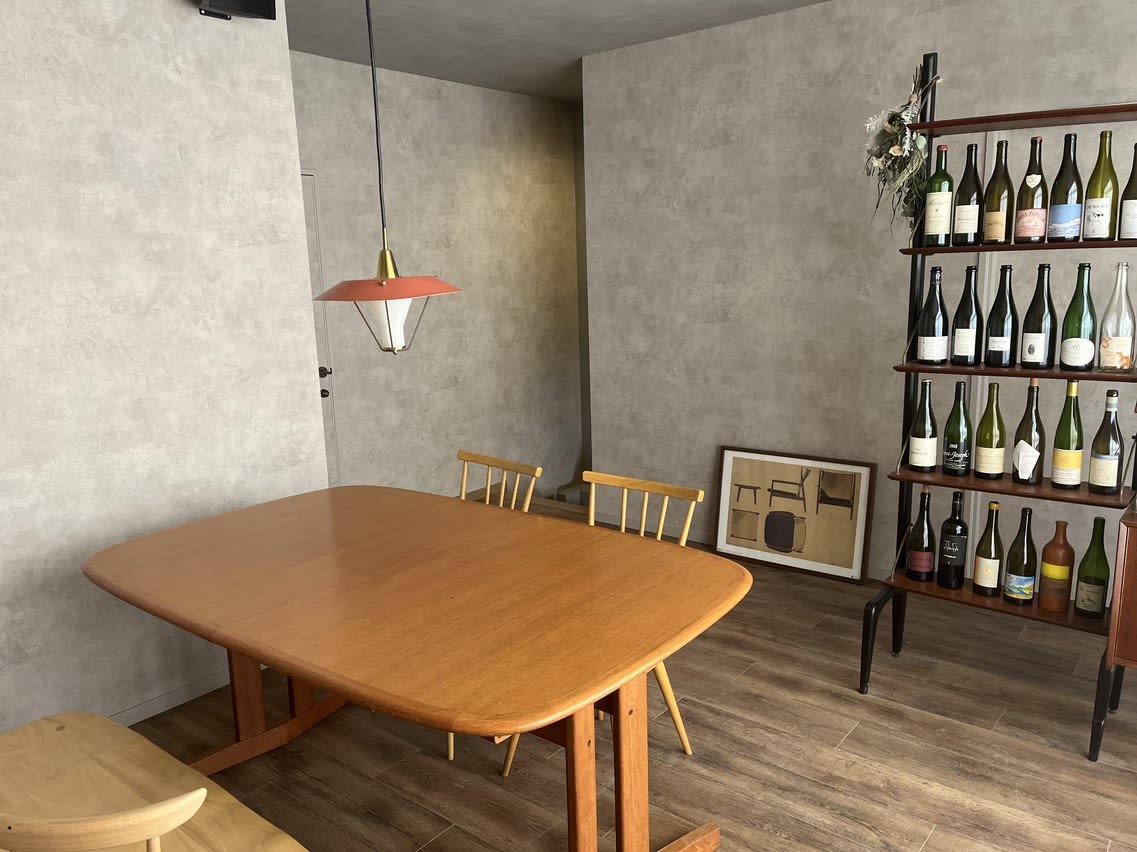
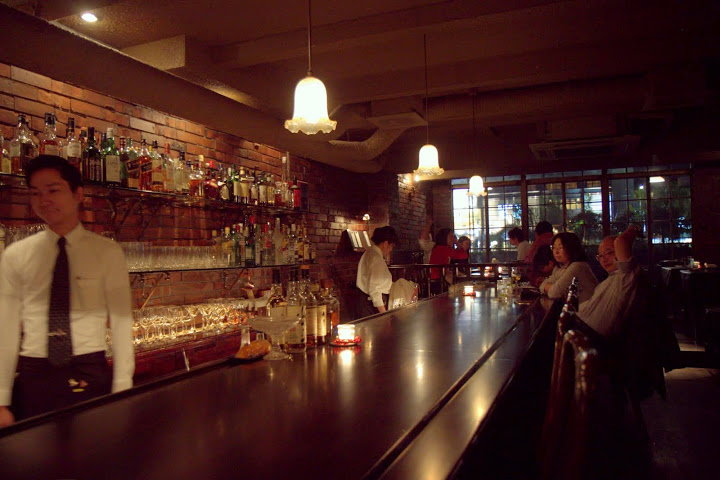
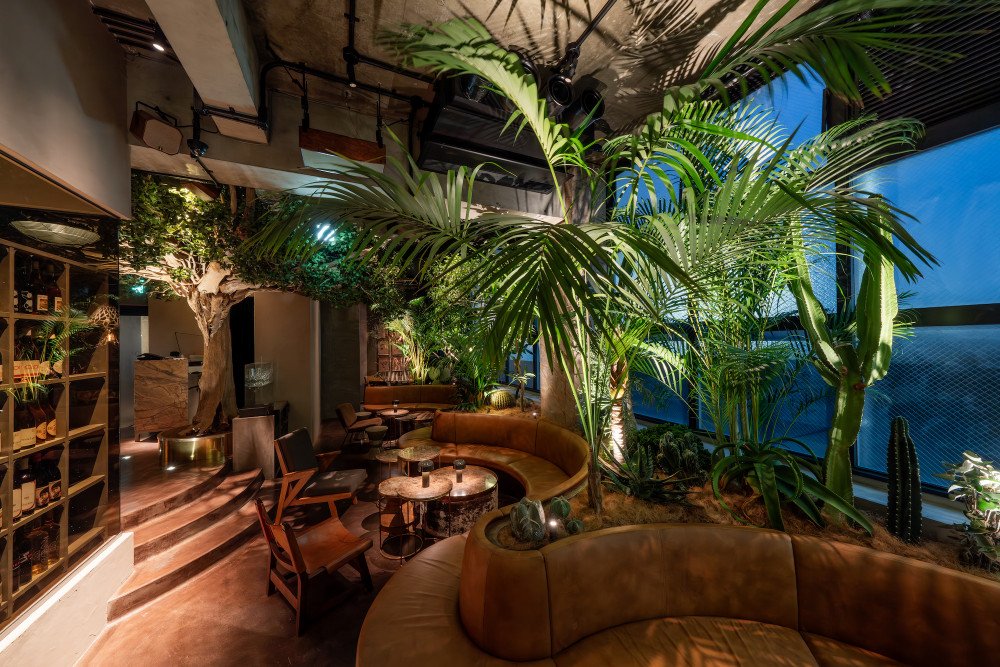
Serene, zen-like intimate dining room with elegant interior in Kyoto's historic Gion district; warm, attentive service enhances the refined atmosphere.
Tags
Vibe
Best For
Experience
Sourcing
At the Table
- Dress Code
- Smart Casual
- Noise Level
- Quiet
- Service Style
- Omakase Bar
- Meal Pacing
- Extended Experience
- Capacity
- Intimate
- Kitchen
- Seasonal
- Menu Format
- Omakase, A la carte, Tasting menu
- Wine Program
- Curated
- Drinks Focus
- Sake, Wine pairings
- Dietary
- Pescatarian friendly
- Private Dining
- Available
Signature Dishes
- karasumi seafood risotto
- miso soup
- sea urchin roll
- grilled eel
Know before you go
Know Before You Go
- Getting there
- 570ー154 Gionmachi Minamigawa, Higashiyama Ward, Kyoto, 605-0074, Japan
Planning details
Location
570ー154 Gionmachi Minamigawa, Higashiyama Ward, Kyoto, 605-0074, Japan · Directions
Recognition and awards
Also consider
Also Consider
- Gion Sasaki, Kaiseki, Japanese, ¥¥¥¥
- cenci, Italian, ¥¥¥
- Ifuki, Kaiseki, ¥¥¥¥
- Kyokaiseki Kichisen, Japanese, ¥¥¥¥
- SEN, French, Japanese, ¥¥¥¥
Restaurant context
Gion Yamagishi at ¥¥¥ is the clearest value option among Gion's recognised Japanese restaurants. The ¥¥¥¥ houses, specifically Gion Sasaki and Kyokaiseki Kichisen, offer a more elaborate kaiseki progression and deeper service formalism, but you will pay significantly more and book significantly further out. If the occasion demands maximum spectacle and you have the lead time to secure a table, those are the right choices. If you want a Michelin-flagged Japanese restaurant in Gion without that ceiling, Gion Yamagishi is the practical answer.
Ifuki and SEN both operate at ¥¥¥¥ and offer distinct profiles: Ifuki is kaiseki-focused, while SEN blends French and Japanese technique. Both represent a step up in formality and price from Gion Yamagishi. For diners who specifically want that French-Japanese crossover rather than a purely Japanese room, SEN is the stronger choice. For pure kaiseki at the top of the Kyoto market, Ifuki competes directly with Gion Sasaki. Neither displaces Gion Yamagishi at its price tier.
cenci at ¥¥¥ is the closest price match among the peers listed, but it is an Italian restaurant, which means it serves an entirely different decision. If your group is split between Japanese and European cuisine for a Kyoto dinner, cenci is a credible alternative. For anyone specifically seeking Japanese cooking in Gion, Gion Yamagishi is the more directly relevant booking. The bottom line: book Gion Yamagishi when you want a considered Japanese meal at a Gion address without the ¥¥¥¥ commitment; step up to Gion Sasaki or Kyokaiseki Kichisen when the occasion justifies the full investment.
Explore Kyoto
Around this place
Discover more on Pearl
Unlock the full Gion Yamagishi guide in Pearl, including awards, comparisons, FAQs, planning details, and nearby places.
Compare Gion Yamagishi
| Venue | Price | Booking Difficulty | Awards |
|---|---|---|---|
| Gion Yamagishi | ¥¥¥ | Easy | 2025 Michelin Plate2024 Michelin Plate |
| Gion Sasaki | ¥¥¥¥ | Unknown | 2026 Tabelog Bronze · #3862026 OAD Top Restaurants in Japan RecommendedMichelin Guide Kyoto Osaka 20262026 La Liste Top RestaurantsTabelog 100 - Japanese cuisine - WEST - 2025 · #132025 OAD Top Restaurants in Japan Ranked · #2462025 Tabelog Silver2025 Michelin 3 Stars2025 La Liste Top Restaurants |
| cenci | ¥¥¥ | Unknown | 2026 Tabelog Bronze · #442026 Asia's 50 Best Restaurants · #762026 OAD Top Restaurants in Japan Highly RecommendedMichelin Guide Kyoto Osaka 2026Tabelog 100 - Italian - WEST - 2025 · #632025 Asia's 50 Best Restaurants · #632025 OAD Top Restaurants in Japan Ranked · #1682025 Tabelog Bronze2024 OAD Top Restaurants in Japan Ranked · #135 |
| Ifuki | ¥¥¥¥ | Unknown | 2026 OAD Top Restaurants in Japan Ranked · #1222026 Tabelog Bronze · #128Michelin Guide Kyoto Osaka 20262026 La Liste Top RestaurantsTabelog 100 - Japanese cuisine - WEST - 2025 · #622025 OAD Top Restaurants in Japan Ranked · #1002025 La Liste Top Restaurants2025 Tabelog Bronze2025 Michelin 2 Stars |
| Kyokaiseki Kichisen | ¥¥¥¥ | Unknown | 2026 Tabelog Bronze · #1752026 OAD Top Restaurants in Japan Highly RecommendedMichelin Guide Kyoto Osaka 20262025 OAD Top Restaurants in Japan Ranked · #1862025 Michelin 2 Stars2025 La Liste Top Restaurants2024 OAD Top Restaurants in Japan Ranked · #1422024 Michelin 2 Stars2023 OAD Top Restaurants in Japan Ranked · #136 |
| SEN | ¥¥¥¥ | Unknown | 2026 Tabelog Bronze · #3952026 OAD Top Restaurants in Japan RecommendedMichelin Guide Kyoto Osaka 20262026 Michelin PlateTabelog 100 - Japanese cuisine - WEST - 2025 · #652025 Michelin Plate2025 Tabelog Bronze2024 OAD Top Restaurants in Japan Ranked · #3622024 Michelin Plate |







Side-by-side comparison to help you decide where to book.
FAQ
Frequently Asked Questions
What should I wear to Gion Yamagishi?
Treat this as a proper sit-down Japanese meal in a preservation district address, so dress respectfully: neat, covered, and subdued. Gion Yamagishi holds two consecutive Michelin Plates, which signals a serious kitchen without the ceremonial formality of a starred room. Trainers and shorts are out of place; a clean collared shirt or simple dress is appropriate.
Is Gion Yamagishi good for a special occasion?
Yes, with the right expectations. Two consecutive Michelin Plates (2024 and 2025) confirm consistent quality, and the Gion setting adds occasion weight on its own. It is not a splashy celebratory room in the way a starred venue might be, but for a considered, lower-pressure special meal at ¥¥¥ pricing, it works well. Pairs naturally with an evening walk through the Gion district.
What are alternatives to Gion Yamagishi in Kyoto?
Gion Sasaki and Kyokaiseki Kichisen sit above Gion Yamagishi in prestige and price, suited to diners who want a more ceremonial experience. Ifuki and SEN are closer comparisons in format and approachability. cenci offers a different direction entirely, leaning toward Italian-influenced Kyoto cuisine for diners who want contrast rather than a traditional Japanese meal.
Is Gion Yamagishi worth the price?
At ¥¥¥ in Gion with two straight Michelin Plates, yes — it occupies a practical sweet spot. You are getting Michelin-recognised quality at a price point that sits below the starred rooms in the same neighbourhood. Booking difficulty is rated Easy, which is a real advantage in a district where comparable tables are hard to secure. If you want Gion calibre without the months-out reservation window, this is a sensible choice.