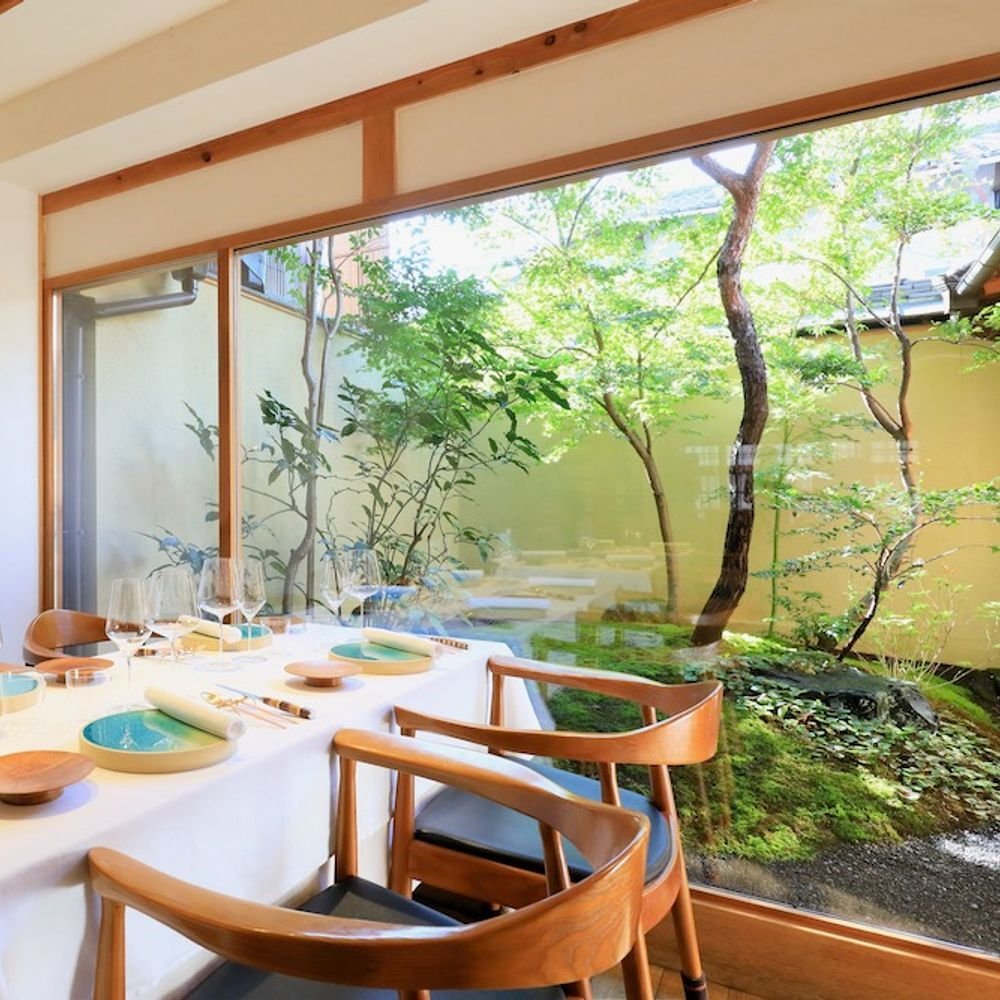

Gion Kajisho
Japanese · Higashiyama, Kyoto
Restaurant in Kyoto, Japan
 Book with Pearl
The Read
Accessible Kappo Precision
Why go
A Michelin-starred kappo restaurant in Kyoto's Higashiyama Ward at the ¥¥¥ tier, making it the most accessible starred Japanese option in one of the city's most competitive dining corridors. The Nagasaki seafood sourcing and kappo counter format reward repeat visits. Book two to three months out minimum.
About Gion Kajisho
Should you book Gion Kajisho? Yes — and sooner than you think.
If you are searching for a Michelin-starred kappo restaurant in Kyoto's Higashiyama Ward that won't price you out of the ¥¥¥¥ tier, Gion Kajisho is one of the most considered answers in the city. Holding a Michelin 1 Star (2024) and a Michelin Plate (2025), it sits at the ¥¥¥ price tier — meaningfully cheaper than the kaiseki institutions around it while still operating at a level the Guide has formally recognised. Two months ahead is a reasonable floor; three is safer.
What Gion Kajisho Is
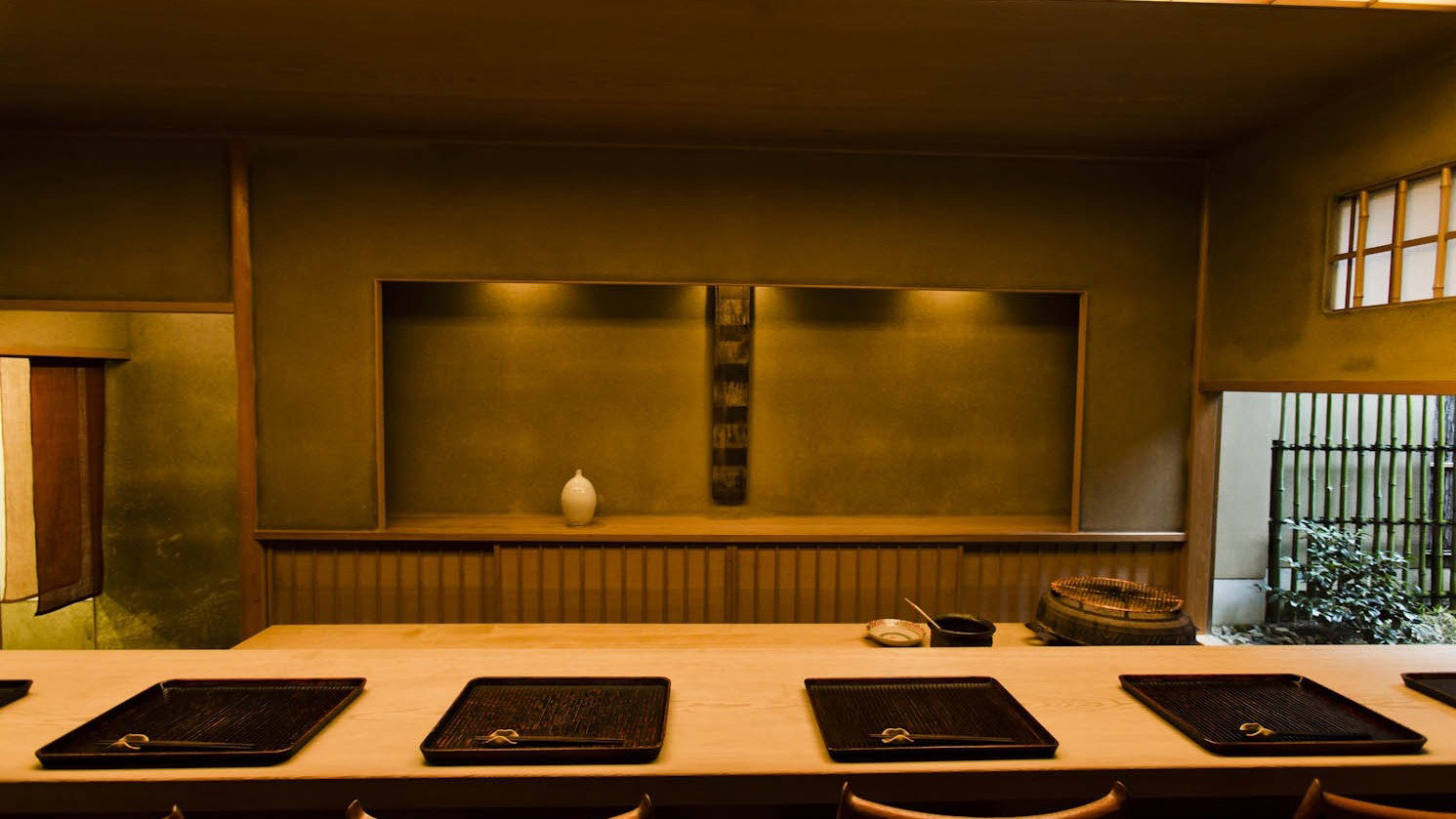
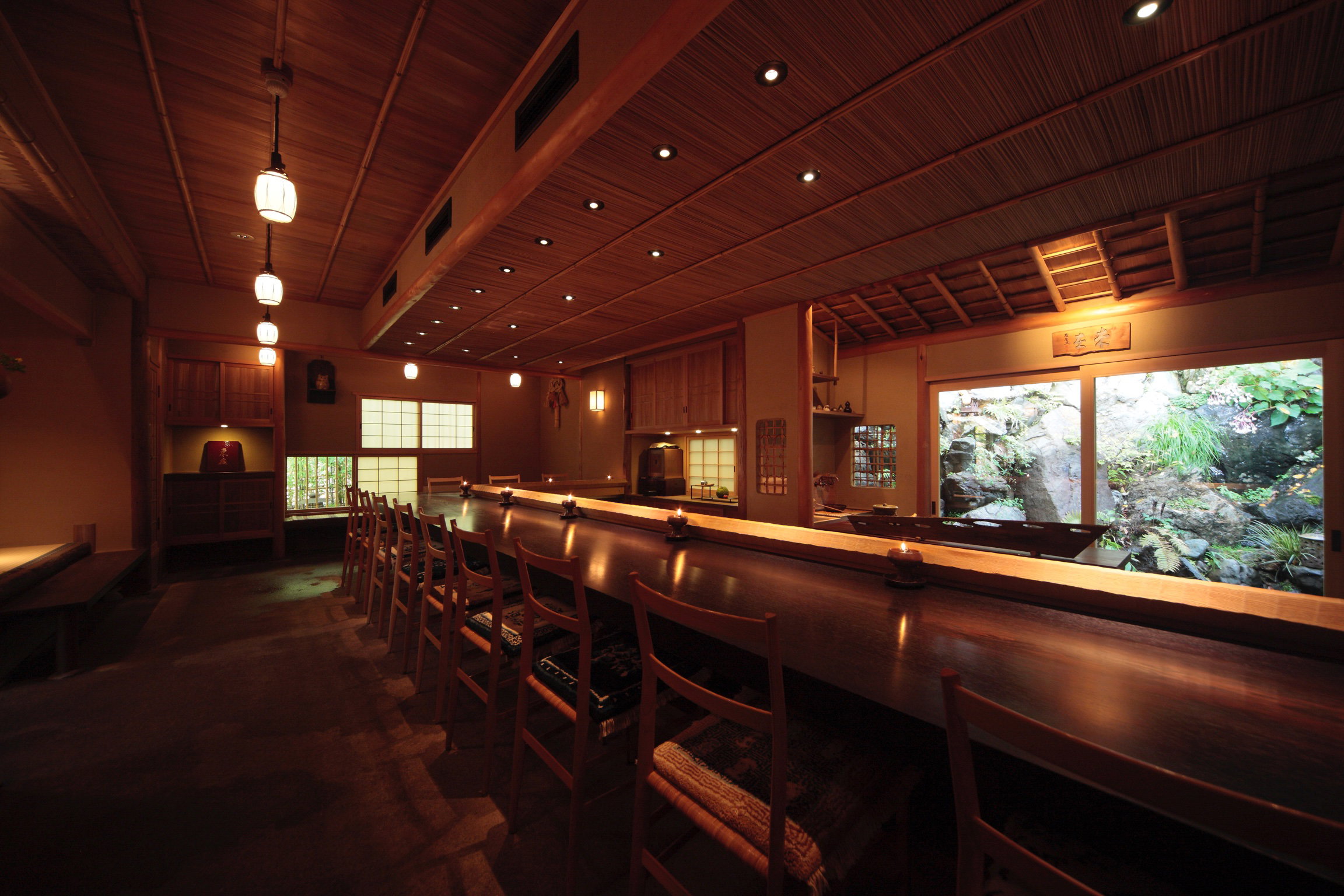
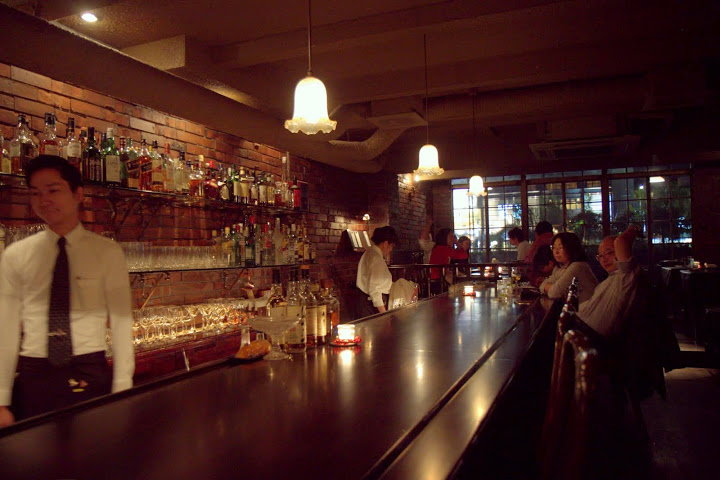
Gion Kajisho is a kappo restaurant in Higashiyama Ward, at 371-2 Kiyomotocho, a quiet address a short walk from the preserved machiya streetscapes of Gion. Kappo, as a format, sits between the formal ceremony of kaiseki and the spontaneity of an izakaya: the chef works at a counter in front of guests, and the menu moves between prepared courses and à la carte options rather than following a locked sequence. That spatial dynamic matters here. The counter is the room's organising element, and the intimacy it creates is central to the experience, this is not a large dining room where you watch service from a distance. You are in the kitchen's radius, which is the point.
The name itself is worth knowing: 'Kajisho' combines the husband's surname with his wife's maiden name, marking their marriage and their joint proprietorship. The couple's roots in Nagasaki inform the sourcing, seafood comes from Nagasaki's waters, and Goto-udon noodles from the same region appear on the menu, giving the food a regional specificity that Kyoto-only menus often lack. The rolled omelette on the menu carries its own logic: it preserves a style developed during the chef's apprenticeship, when tamagoyaki was a delivery staple and a benchmark of precision. Those kinds of continuities, between biography and menu, between region and sourcing, are what make a second visit to Gion Kajisho more rewarding than the first.
A Multi-Visit Strategy
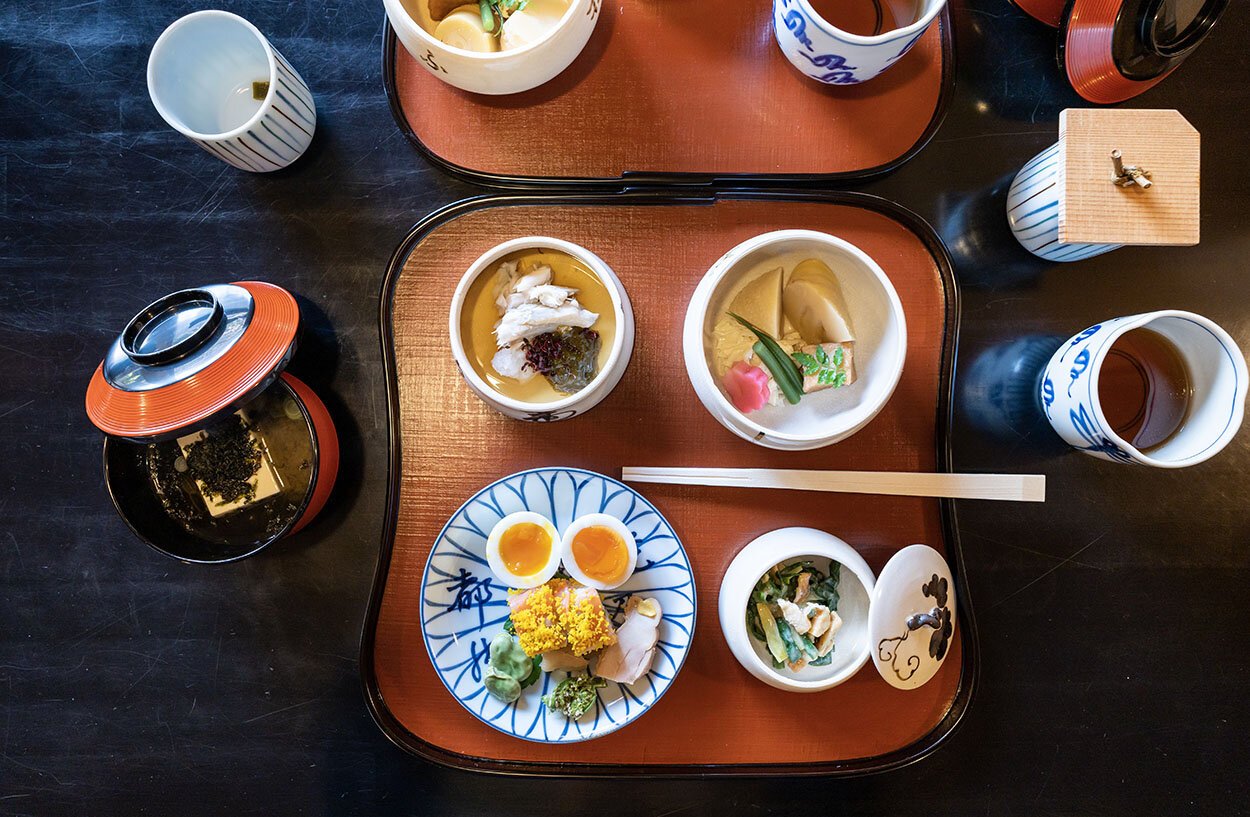
Gion Kajisho is structured in a way that genuinely rewards returning. The evening format includes à la carte options, braised pork, chawanmushi, and others, alongside whatever the kitchen is running as courses. On a first visit, the instinct is to let the kitchen lead and order broadly. On a second visit, you know which à la carte items to anchor around, and you can be more deliberate. The Goto-udon, the tamagoyaki, and the Nagasaki seafood are the through-lines worth tracking across visits; they are the elements most tied to the restaurant's specific identity rather than the seasonal rotation that any good kappo will run.
If you are in Kyoto for four or more nights, Gion Kajisho is one of the few ¥¥¥ starred venues where two bookings on different evenings is a reasonable plan rather than an one. The format supports it, the price tier allows it, and the à la carte structure means the two meals will not feel redundant. For visitors on a single trip, one dinner is the standard move, but if your schedule allows, the second visit pays off.
For context on how this compares to the broader Kyoto dining picture, see our full Kyoto restaurants guide. If you are building a multi-city Japan itinerary, HAJIME in Osaka, Harutaka in Tokyo, and Goh in Fukuoka are worth mapping alongside this booking. For Japanese cuisine at a similar register in Tokyo, Myojaku and Azabu Kadowaki are credible comparisons. Elsewhere in the Kansai region, akordu in Nara makes a useful day-trip pairing.
Practical Details
The address is 371-2 Kiyomotocho, Higashiyama Ward, Kyoto, walkable from the main Gion corridors and well within the cluster of serious restaurants that runs through this part of the city. Venues like Gion Matayoshi, Kikunoi Roan, and Isshisoden Nakamura are all in the same neighbourhood, making it possible to cluster a Kyoto dining itinerary around this part of Higashiyama. Kodaiji Jugyuan is also nearby for a different format on a separate evening.
Hours and specific booking method are not confirmed in available data, verify directly before planning. The price tier of ¥¥¥ positions this below the ¥¥¥¥ kaiseki restaurants in the same neighbourhood, which at comparable Michelin levels typically run significantly higher per head. Dietary restrictions: contact the restaurant directly and as early as possible, kappo kitchens of this size generally have limited substitution flexibility compared to larger kaiseki operations, but the à la carte component does give more room to adjust than a fixed-course-only format would. For planning beyond restaurants, our Kyoto hotels guide, bars guide, and experiences guide cover the rest of the trip. Kyoto wineries are a niche addition worth knowing about if your visit extends into the surrounding prefectures.
The Verdict
Gion Kajisho is the most accessible Michelin-starred kappo option in Higashiyama at this price tier, with a menu that carries genuine regional identity through its Nagasaki sourcing and a format that genuinely improves on repeat visits. Book it. Book it early. If your Kyoto schedule allows two evenings here, the second one is worth planning for.
Is the tasting menu worth it at Gion Kajisho?
Yes, at the ¥¥¥ price tier with a Michelin 1 Star behind it, the value is strong relative to the kaiseki competition in Kyoto. Compared to ¥¥¥¥ options like Kyokaiseki Kichisen or Gion Sasaki, you are paying less for a format that is less ceremonial but equally ingredient-focused. The kappo structure, with à la carte options alongside courses, also means you are not locked into a single fixed progression, which adds flexibility that a strict tasting menu does not offer.
What are alternatives to Gion Kajisho in Kyoto?
For kaiseki at the ¥¥¥¥ tier, Gion Matayoshi and Kikunoi Roan are the most direct comparisons in the same neighbourhood. If you want to stay at ¥¥¥ and try a different cuisine register, akordu in Nara is worth the short trip. For the full picture across Kyoto's dining options, see our Kyoto restaurants guide.
Can I eat at the bar at Gion Kajisho?
Kappo restaurants are counter-oriented by format, so counter seating is the standard arrangement rather than a special option. Whether walk-in counter seats are available or all seating requires a reservation is not confirmed, contact the restaurant directly.
Does Gion Kajisho handle dietary restrictions?
Contact the restaurant as early as possible, ideally at the time of booking. Kappo kitchens at this scale typically have less substitution capacity than larger operations, but the à la carte component in the evening menu does provide more flexibility than a rigid fixed-course format. No specific dietary accommodation policy is confirmed in available data.
Is Gion Kajisho worth the price?
At ¥¥¥, it is the most accessible price point among Michelin-starred Japanese restaurants in Higashiyama. The comparison that matters: ¥¥¥¥ kaiseki institutions in the same neighbourhood deliver more ceremony and more courses, but Gion Kajisho's regional sourcing, the Nagasaki seafood, and the tamagoyaki legacy give it a distinct identity that justifies the booking on its own terms. For a Michelin-starred meal in Kyoto below the leading price tier, it is a clear yes.
Can Gion Kajisho accommodate groups?
Seat count is not confirmed in available data. Kappo restaurants in Kyoto's Higashiyama district tend to be intimate, counter-focused rooms with limited total capacity. For groups of four or more, contact the restaurant well in advance to confirm whether a full table can be accommodated. Larger groups may find the ¥¥¥¥ kaiseki restaurants, which sometimes have private room options, a more practical choice.
Is Gion Kajisho good for a special occasion?
Yes. The Michelin 1 Star, the counter intimacy of the kappo format, and the ¥¥¥ pricing make it a strong choice for a significant dinner that does not require the full financial commitment of a ¥¥¥¥ kaiseki evening. The restaurant's origin story, a husband and wife combining their names in the restaurant's name, gives it a warmth that more institutionalised kaiseki venues sometimes lack. Book the evening service for the full à la carte access.
How far ahead should I book Gion Kajisho?
Two months minimum; three months is more reliable. For peak travel periods, cherry blossom season in late March to early April, and autumn foliage in November, push to four months out. Do not approach this as a same-week booking.
Planning details
- Location
- 371-2 Kiyomotocho, Higashiyama Ward, Kyoto, 605-0084, Japan
- Reservations
- Book on TableCheck
- Website
- gion-shizuka.jp
- Phone
- +81 75-746-2442
The take
The Take
The Vibe
Gion Kajisho presents a tightly focused kappo experience in Higashiyama, trading grand ceremonial kaiseki for a more immediate, counter-driven encounter. The room is compact and counter-led, so the kitchen is always in view and the chef is part of the dining conversation. The setting leans into Kyoto’s atmospheric machiya streetscapes, which give the visit a quietly historic backdrop even as the cooking reads contemporary and exacting. Michelin recognition underscores the seriousness of the food, but the overall tone remains approachable: refined, concentrated, and quietly intimate rather than ostentatious.
Best For
This is best for diners who want a focused, chef-facing meal where the cooking process matters as much as the plates. The counter format makes it ideal for solo diners, couples, or very small parties who appreciate direct interaction with the chef and a paced, conversational service. It’s less suited to large groups or boisterous celebrations; the compact room and counter seating prioritize craft and attention over crowd-style dining. Travelers exploring Kyoto’s traditional neighborhoods who want concentrated, thoughtful cuisine will find it especially rewarding.
Ordering Tips
Embrace the kappo format: the experience is built around the counter and the chef-to-guest exchange, so choose seating that lets you watch the preparation and engage with the team. Expect a measured, conversational pace rather than formal ceremony; meals unfold through interaction and visible technique. Because the kitchen operates in open view, allow the chefs to guide the sequence of dishes and savour the transitions between courses. The write-up frames the room as intentionally approachable, so lean into the conversational rhythm and the chef-driven focus of the service.
Venue details
Ambiance
An intimate, refined Kyoto dining room suited to formal Japanese dining.
Tags
Vibe
Best For
Experience
At the Table
- Service Style
- Formal
- Meal Pacing
- Extended Experience
- Capacity
- Intimate
- Kitchen
- Traditional
- Menu Format
- Set menu
Signature Dishes
Dashimaki Tamago
Know before you go
Know Before You Go
- Getting there
- 371-2 Kiyomotocho, Higashiyama Ward, Kyoto, 605-0084, Japan
Planning details
Location
371-2 Kiyomotocho, Higashiyama Ward, Kyoto, 605-0084, Japan · Directions
Recognition and awards
Also consider
Also Consider
- Gion Sasaki, Kaiseki, Japanese, ¥¥¥¥
- cenci, Italian, ¥¥¥
- Ifuki, Kaiseki, ¥¥¥¥
- Kyokaiseki Kichisen, Japanese, ¥¥¥¥
- Kyo Seika, Chinese, ¥¥¥
Restaurant context
Gion Kajisho sits at ¥¥¥ in a neighbourhood dominated by ¥¥¥¥ kaiseki institutions, which is its clearest competitive advantage. Gion Sasaki and Ifuki both operate at the higher price tier with kaiseki formats that are more ceremonial and more course-heavy. If the full kaiseki ritual, the lacquerware progression, the seasonal course structure, is what you are after, those are the right bookings. But if you want Michelin-level precision in a counter format where the chef is visible and the evening is less scripted, Gion Kajisho is the better fit and a significantly lower investment per head.
Kyokaiseki Kichisen is the most formal and most expensive comparison in this set, a ¥¥¥¥ kaiseki address with deep institutional history, best suited to diners for whom the full ceremonial experience is the primary goal. Kyo Seika is the easiest booking at ¥¥¥ and offers Chinese cuisine rather than Japanese, making it a different category entirely, useful if you want to balance your Kyoto dining across cuisines rather than doubling up on Japanese formats. cenci at ¥¥¥ takes a different angle again with Italian cuisine, and is the pick if you want a break from Japanese formats mid-trip.
For a food-focused traveller building a multi-night Kyoto dining plan: open with Gion Kajisho on night one to calibrate your expectations for the city's cooking standards, then move to one of the ¥¥¥¥ kaiseki options on a subsequent evening if budget allows. Gion Kajisho is also the most repeat-visit-friendly of this comparison set, given the à la carte evening structure, a distinction none of the kaiseki alternatives share.
Explore Kyoto
Around this place
Discover more on Pearl
Unlock the full Gion Kajisho guide in Pearl, including awards, comparisons, FAQs, planning details, and nearby places.
Compare Gion Kajisho
| Venue | Cuisine | Price | Booking Difficulty | Awards |
|---|---|---|---|---|
| Gion Kajisho | Japanese | ¥¥¥ | Hard | 2026 Michelin Plate2025 Michelin Plate2024 Michelin 1 Star |
| Gion Sasaki | Kaiseki, Japanese | ¥¥¥¥ | Unknown | 2026 Tabelog Bronze · #3862026 OAD Top Restaurants in Japan RecommendedMichelin Guide Kyoto Osaka 20262026 La Liste Top RestaurantsTabelog 100 - Japanese cuisine - WEST - 2025 · #132025 OAD Top Restaurants in Japan Ranked · #2462025 Tabelog Silver2025 Michelin 3 Stars2025 La Liste Top Restaurants |
| cenci | Italian | ¥¥¥ | Unknown | 2026 Tabelog Bronze · #442026 Asia's 50 Best Restaurants · #762026 OAD Top Restaurants in Japan Highly RecommendedMichelin Guide Kyoto Osaka 2026Tabelog 100 - Italian - WEST - 2025 · #632025 Asia's 50 Best Restaurants · #632025 OAD Top Restaurants in Japan Ranked · #1682025 Tabelog Bronze2024 OAD Top Restaurants in Japan Ranked · #135 |
| Ifuki | Kaiseki | ¥¥¥¥ | Unknown | 2026 OAD Top Restaurants in Japan Ranked · #1222026 Tabelog Bronze · #128Michelin Guide Kyoto Osaka 20262026 La Liste Top RestaurantsTabelog 100 - Japanese cuisine - WEST - 2025 · #622025 OAD Top Restaurants in Japan Ranked · #1002025 La Liste Top Restaurants2025 Tabelog Bronze2025 Michelin 2 Stars |
| Kyokaiseki Kichisen | Japanese | ¥¥¥¥ | Unknown | 2026 Tabelog Bronze · #1752026 OAD Top Restaurants in Japan Highly RecommendedMichelin Guide Kyoto Osaka 20262025 OAD Top Restaurants in Japan Ranked · #1862025 Michelin 2 Stars2025 La Liste Top Restaurants2024 OAD Top Restaurants in Japan Ranked · #1422024 Michelin 2 Stars2023 OAD Top Restaurants in Japan Ranked · #136 |
| Kyo Seika | Chinese | ¥¥¥ | Unknown | Tabelog 100 - Chinese cuisine - WEST - 2026 · #762026 Tabelog Bronze · #2162026 OAD Top Restaurants in Japan Recommended2026 Michelin 1 Star2025 OAD Top Restaurants in Japan Ranked · #3262025 Tabelog Bronze2024 OAD Top Restaurants in Japan Ranked · #3042024 Michelin Plate2024 Michelin 1 Star |
.png?width=1200&quality=80)







Key differences to consider before you reserve.
FAQ
Frequently Asked Questions
Is the tasting menu worth it at Gion Kajisho?
Yes, particularly given the Michelin 1 Star (2024) recognition at the ¥¥¥ price tier — a combination that is genuinely hard to find in Higashiyama. The menu draws on the chef's apprentice-era repertoire and regional Nagasaki ingredients, so there is real identity behind the dishes rather than generic kaiseki convention. If you want a more improvisational evening, the à la carte format available at dinner — braised pork, chawanmushi — gives you flexibility that a locked-in tasting menu format would not.
What are alternatives to Gion Kajisho in Kyoto?
For a grander kaiseki experience with deeper ceremony, Kyokaiseki Kichisen operates at the top of the Kyoto fine-dining tier, though the price difference is significant. Gion Sasaki is the closest peer in terms of neighbourhood and prestige, but sits at a higher price point. Ifuki and cenci are worth considering if you want a slightly more contemporary approach, while Kyo Seika offers a different format altogether. Gion Kajisho is the clearest choice if Michelin-recognised kappo at ¥¥¥ is your specific target.
Can I eat at the bar at Gion Kajisho?
Gion Kajisho operates in the kappo format, which by definition centres on counter dining where the kitchen is open to guests — so eating at the counter is the intended experience, not a secondary option. This makes it a good fit for solo diners or pairs who want proximity to the cooking rather than a formal table-service setup.
Is Gion Kajisho worth the price?
At ¥¥¥, Gion Kajisho holds a Michelin 1 Star (2024) — that ratio of cost to recognition is among the more practical propositions in Higashiyama, where starred restaurants more commonly sit at ¥¥¥¥. The menu has a defined identity rooted in the chef's hometown flavours and apprentice-era cooking, which adds substance to the value case. If you are comparing it to kaiseki venues at the ¥¥¥¥ tier, Gion Kajisho wins on accessibility without giving up credibility.
Can Gion Kajisho accommodate groups?
Kappo restaurants are typically built around counter seating with limited capacity, which means large group bookings are generally not the format's strength. Gion Kajisho is better suited to parties of two to four. If you are planning a larger group dinner in Kyoto, a restaurant with dedicated private dining rooms would be a more practical choice.
Is Gion Kajisho good for a special occasion?
Yes — the combination of Michelin 1 Star recognition, a counter format that creates genuine engagement with the kitchen, and a menu built around the personal story of the chef and proprietress gives the meal more occasion weight than a generic fine-dining room would. The ¥¥¥ pricing means you can direct remaining budget toward sake or a longer evening rather than absorbing a ¥¥¥¥ cover charge.