
Germoglio
Italian · Shimogyō, Kyoto
Restaurant in Kyoto, Japan
 Book with Pearl
The Read
Piedmontese Kyoto Synthesis
Price
¥¥¥
Dress
Smart Casual
Why go
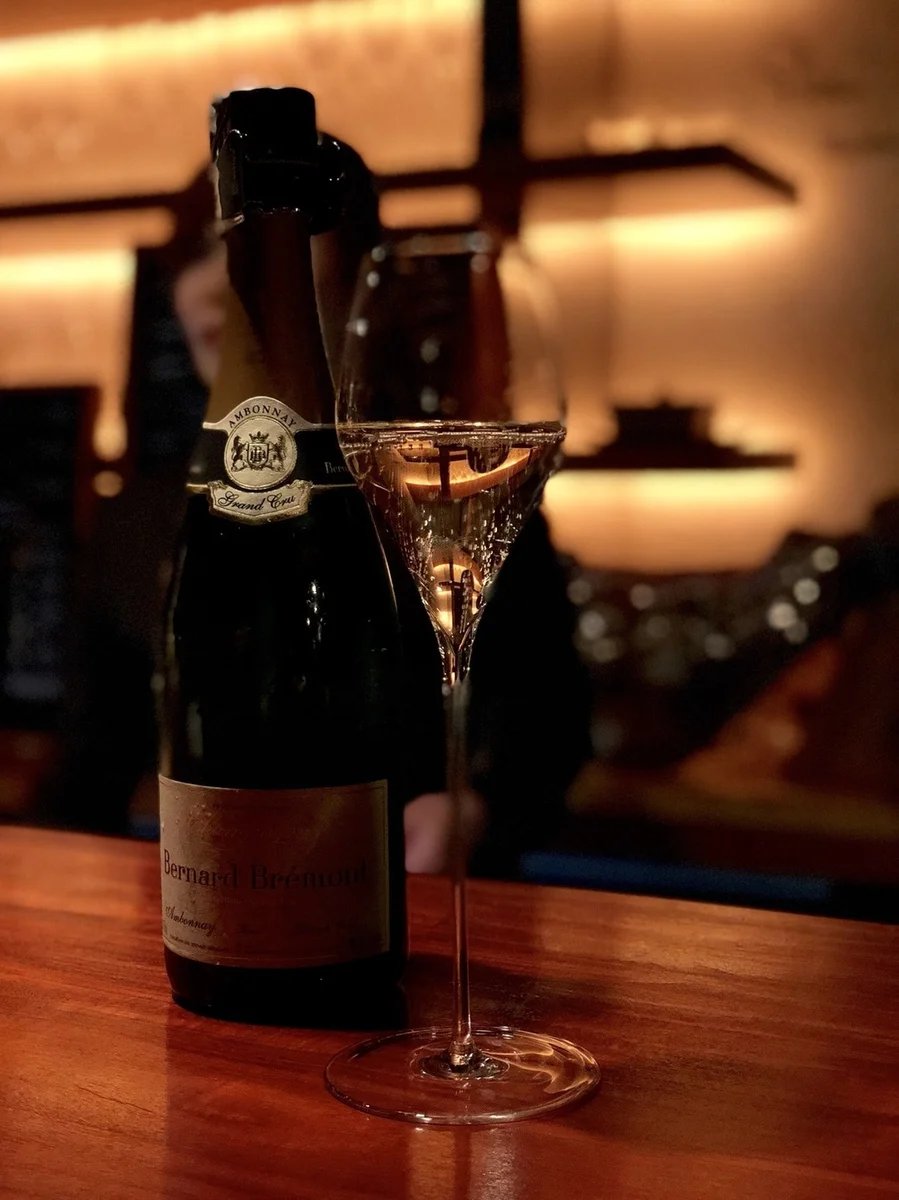
Germoglio is a chef-driven Italian restaurant in Kyoto's Shimogyo Ward built around Piedmontese pasta technique and locally sourced ingredients; Ohara vegetables, Kameoka duck; at the ¥¥¥ price point. Handmade tajarin and tagliolini adjusted daily for the season's conditions are the reason to book. easy booking logistics make this one of the more straightforward good-value decisions in the city.
About Germoglio
A 4.7-rated Italian restaurant in Kyoto that earns every point
It sits on the second floor of a building in Shimogyo Ward, away from the obvious tourist circuits, it does not advertise itself loudly. What it does instead is cook Piedmontese-influenced Italian food using Kyoto ingredients with enough precision that diners return and recommend it to others. At the ¥¥¥ price point, that combination is worth taking seriously.
What kind of restaurant is this?
Germoglio is a focused, chef-driven Italian restaurant where the kitchen's approach is clearly defined: northern Italian technique, specifically the pasta traditions of the Piedmont region, applied to produce sourced from Kyoto's agricultural hinterland. Vegetables come from Ohara. Duck comes from Kameoka. Handmade pastas; tajarin and tagliolini among them, are prepared daily, with the chef adjusting the dough to account for humidity, temperature, the condition of each day's ingredients. That level of attentiveness to craft is more commonly associated with restaurants in the tier above.
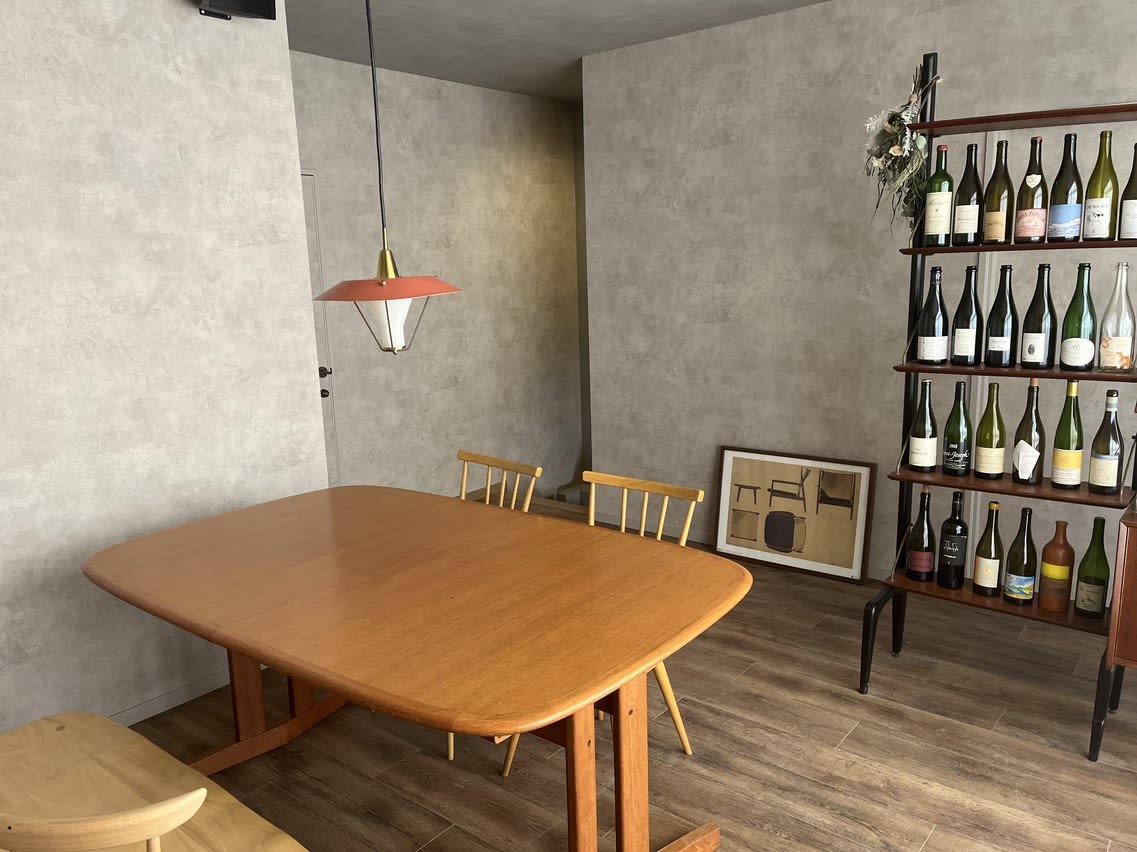
The name means 'bud' in Italian, which gestures at growth and becoming rather than arrival. The physical space reflects that same restraint: a second-floor room that prioritises intimacy over spectacle. This is not a large, scene-driven dining room. It is a small, quiet space where the food is the primary event, which makes it a strong choice for a date dinner, a celebratory meal, or any occasion where conversation and focus matter more than atmosphere and energy.
The food logic here
Understanding what Germoglio is actually doing in the kitchen helps calibrate your expectations correctly. The chef trained in northern Italy and has brought back a specific regional sensibility, not the garlic-forward, tomato-rich cooking of the south, but the more restrained, butter-and-egg pasta tradition of Piedmont. Garlic is used sparingly, which is a deliberate choice to let the native flavours of Kyoto ingredients register clearly. When you are using duck from Kameoka or vegetables grown in Ohara, masking those flavours with aggressive seasoning would defeat the purpose.
This is a kitchen that treats the intersection of Italian technique and Japanese ingredient as a genuine creative proposition rather than a novelty concept. The four seasons of Kyoto become the structural logic of the menu, which means what you eat in autumn will be substantively different from what you eat in spring. Right now, as the season shifts, that means produce at a particular point in its cycle, Ohara vegetables moving from summer abundance toward the earthier, more concentrated flavours of the cooler months, the kitchen adjusting accordingly. If you are deciding when to visit, current-season timing matters here more than at most Western-influenced restaurants in the city.
Who should book Germoglio?
Book here if you want a special occasion dinner that does not require you to spend at the ¥¥¥¥ level to feel like the meal was worth the occasion. At ¥¥¥, Germoglio delivers a level of craft and intentionality that justifies a celebration. The handmade pasta alone, made fresh each day with the kind of environmental sensitivity that most home cooks never think about, is a reason to visit. For a date dinner or a quiet anniversary meal, the intimacy of the space works in your favour.
Solo diners should note that the space and format suit individual dining reasonably well. The focus on the food rather than a social scene means eating alone here is a comfortable experience rather than an awkward one. For groups larger than four, check capacity before booking, this is not a restaurant built for large parties, the intimate room size means availability for bigger groups may be limited.
If you are coming to Kyoto specifically to eat well and are building a dining itinerary, Germoglio slots in as a reliable, lower-pressure night compared to the kaiseki calendar. Booking a table here does not require the same advance planning as securing a seat at the city's leading kaiseki counters, which means it works well as a confirmed anchor around which you can attempt harder reservations elsewhere. For Italian in Kyoto specifically, it competes most directly with cenci, both operate at ¥¥¥, both are chef-driven, the choice between them comes down to whether you want Piedmontese pasta focus (Germoglio) or a broader Italian-Japanese fusion approach (cenci).
Practical details
Germoglio is located at 東境町172, Shimogyo Ward, Kyoto, second floor of the Neo Hills Building. Phone and website details are not publicly listed in standard directories, so reservation logistics are leading handled through a hotel concierge if you are staying at a larger property, or via a third-party booking platform that covers Kyoto's smaller restaurants. Booking difficulty is rated easy relative to the wider Kyoto dining market, which means you are unlikely to need weeks of lead time, but confirming a reservation before arrival is still the sensible approach for a special occasion dinner.
Dress code is not formally specified. Given the price tier, smart casual is appropriate and consistent with how most guests will arrive. The neighbourhood setting and second-floor location give the restaurant a relaxed register, but this is not a casual izakaya, the cooking warrants a degree of care in how you show up.
For broader Kyoto planning: our full Kyoto restaurants guide covers the wider dining field, our Kyoto hotels guide, bars guide, and experiences guide cover the rest of your trip. If Italian cooking in Japan interests you beyond Kyoto, akordu in Nara takes a similarly thoughtful approach to European cooking with Japanese ingredients. For Italian at a higher price point in the region, 8½ Otto e Mezzo Bombana in Hong Kong and Frasca Food & Wine in Boulder both offer points of comparison for what serious Italian cooking looks like at the top of the category internationally. Within Japan's broader fine dining picture, HAJIME in Osaka shows what the ¥¥¥¥ tier looks like when the ambition is at its highest.
Quick reference: Germoglio, Shimogyo Ward, Kyoto, Italian/Piedmontese, ¥¥¥, second floor, easy to book, smart casual.
Planning details
- Location
- Japan, 〒600-8217 Kyoto, 京都府Kyoto, Shimogyo Ward, 東境町172 ネオヒルズビル 2F
- Website
- germogliokyoto.com
- Phone
- +81 75-343-0690
The take
The Take
The Vibe
Germoglio occupies a discreet second-floor room and presents an inward, restrained sensibility that foregrounds ingredient quality over theatrical service. The dining room’s modest scale and contained layout keeps attention tight on the food, producing a calm, quietly confident atmosphere. The kitchen’s Piedmontese lineage — where butter, egg yolk and delicate seasoning predominate — dovetails with Kyoto’s ethos of coaxing flavor rather than imposing it, so the room feels composed and measured. Guests encounter a refined, serene experience rather than loud or flashy presentation, which makes the place feel like a thoughtful, kept secret in Shimogyo.
Best For
This is a restaurant for deliberate meals: intimate evenings, milestone dinners and composed business meals that benefit from a low-key, focused room. The cooking’s restraint and reliance on seasonal local produce reward attentive dining rather than casual grazing, so plans that center on conversation and tasting — date nights, anniversaries or any special-occasion dinner — are particularly well matched. The contained scale and quiet register make it suitable for parties that want discretion and an unhurried pace rather than bustling, high-energy dining.
Ordering Tips
Lean into the restaurant’s pasta-driven approach and regional focus when ordering. The menu privileges handmade pasta and Piedmontese technique, so selections such as the tajarin al burro e parmigiano showcase the kitchen’s control of texture and seasoning, while heartier options like pappardelle with lamb demonstrate how local proteins marry Italian tradition. Seasonal preparations — for example the winter pumpkin risotto when offered — reflect the emphasis on produce, so choose dishes that highlight vegetable and regional ingredient quality rather than heavy, overtly sauced preparations.
Venue details
Ambiance
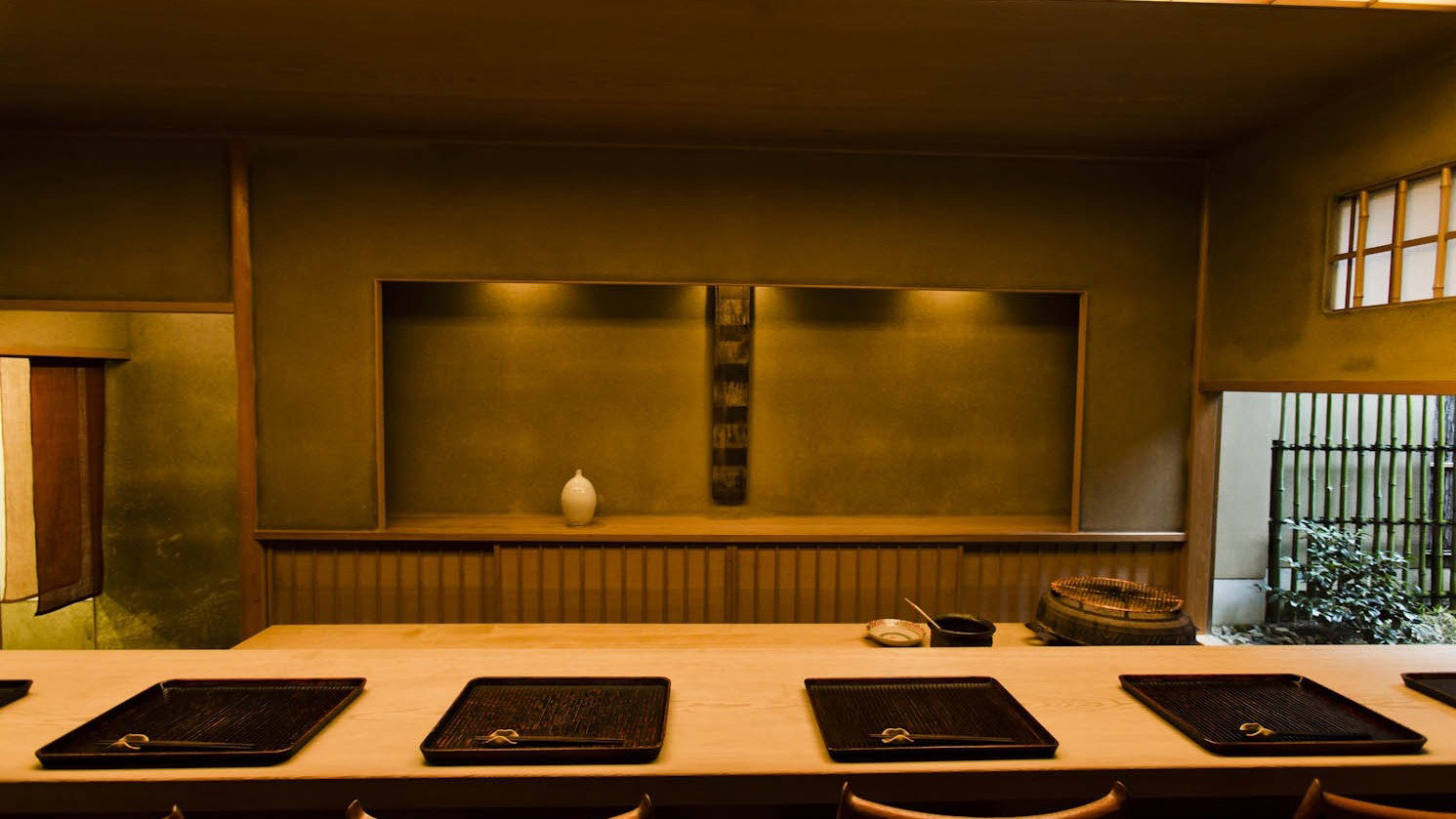
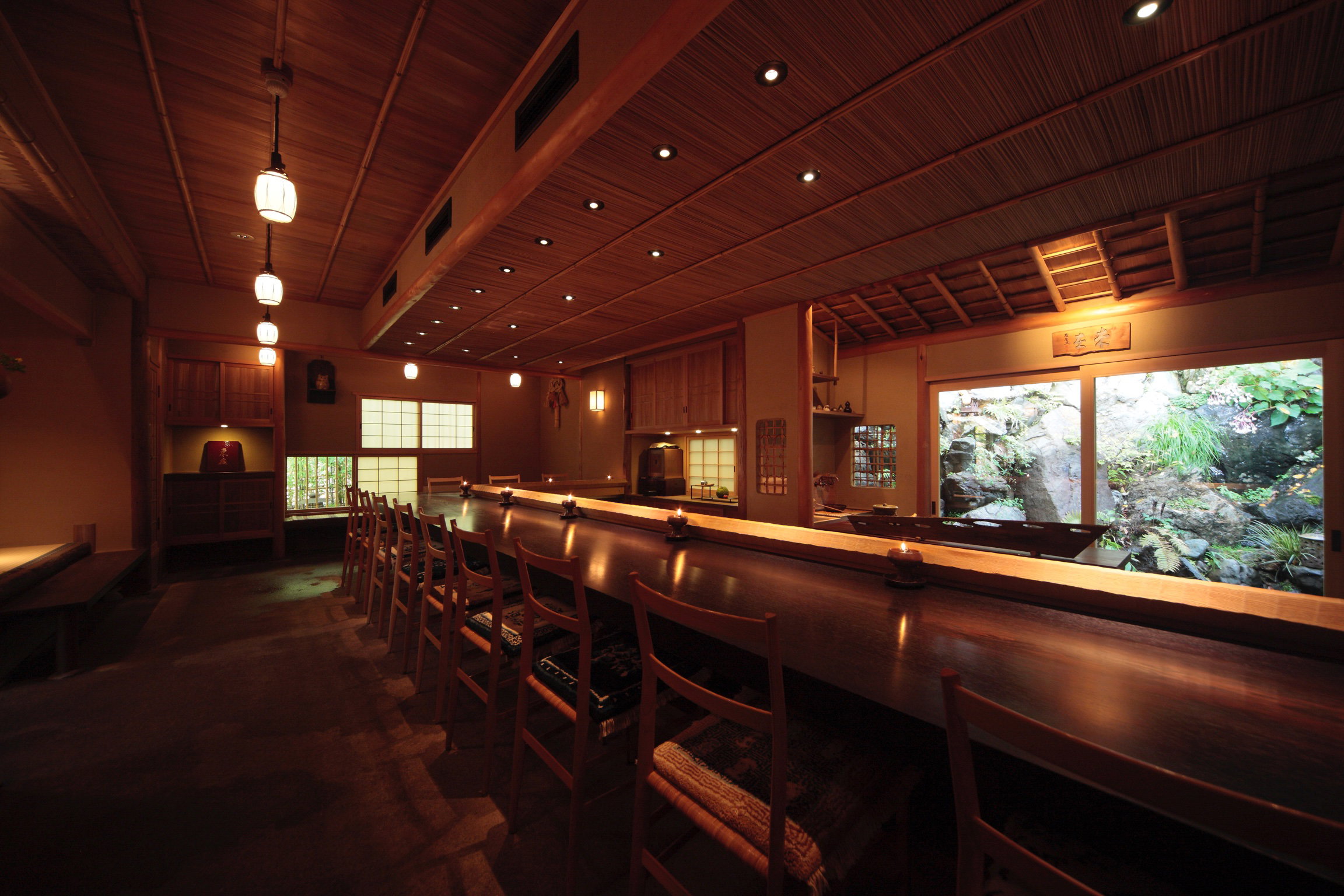
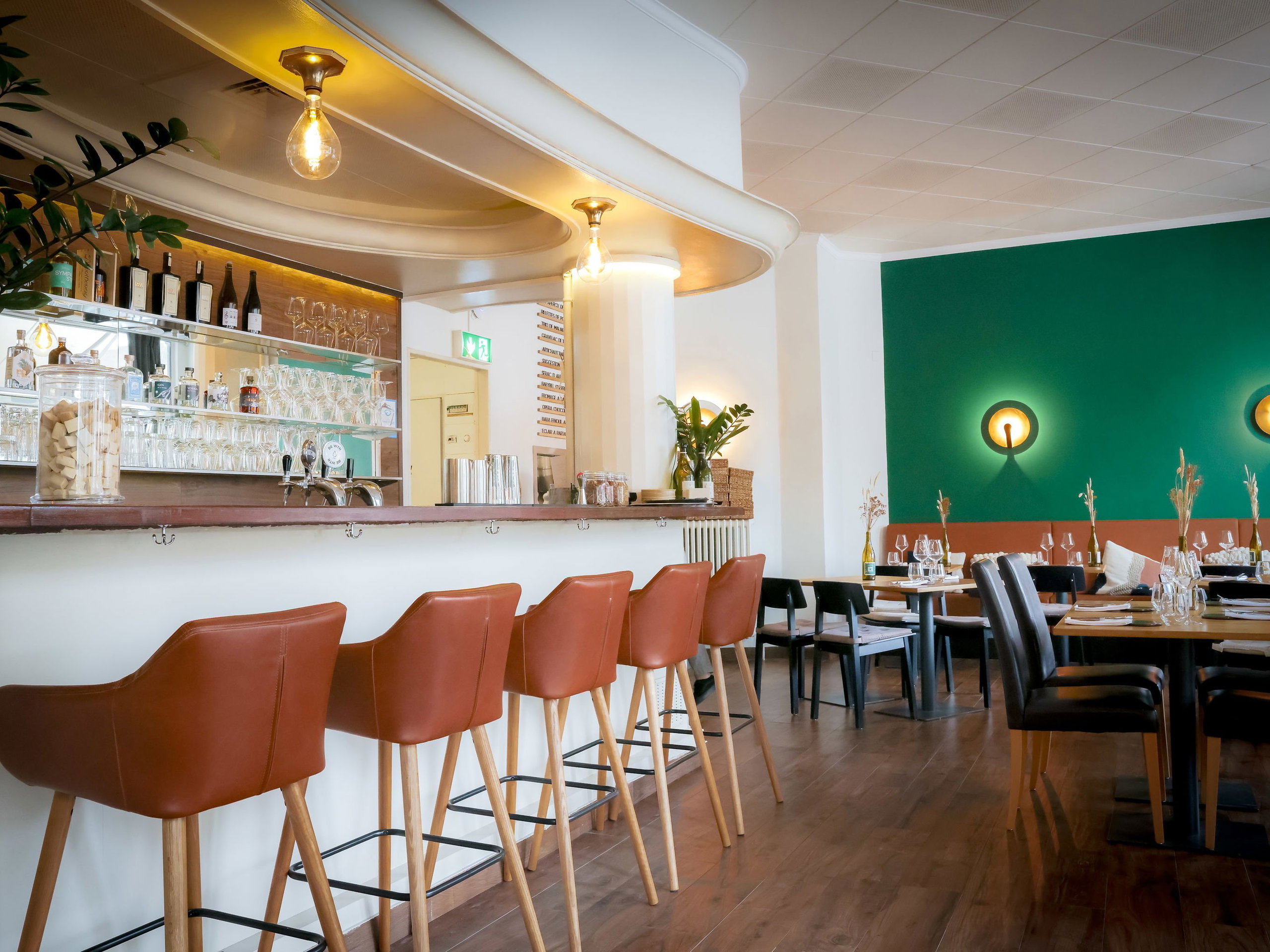
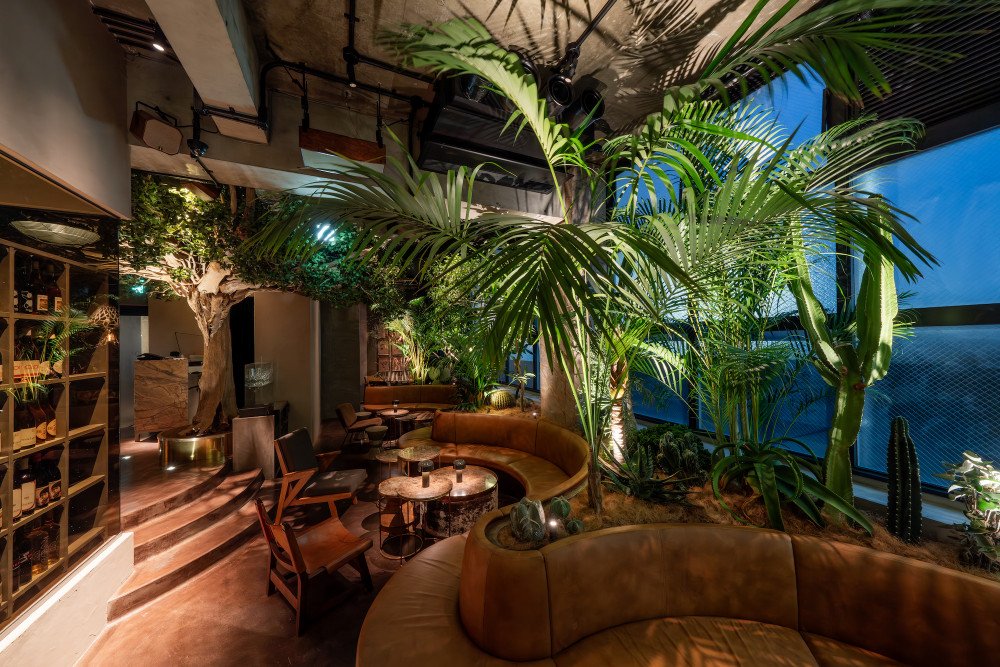
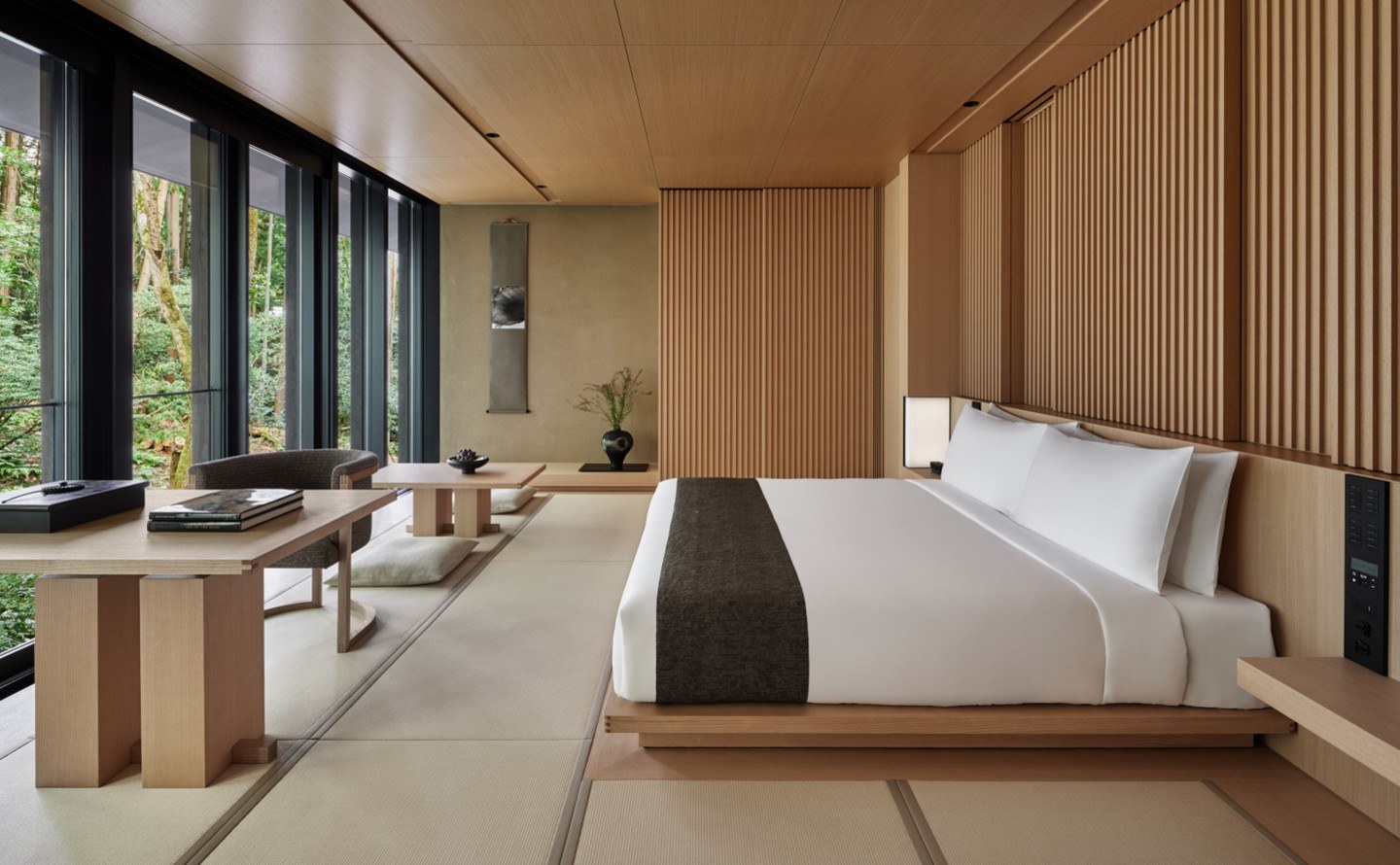
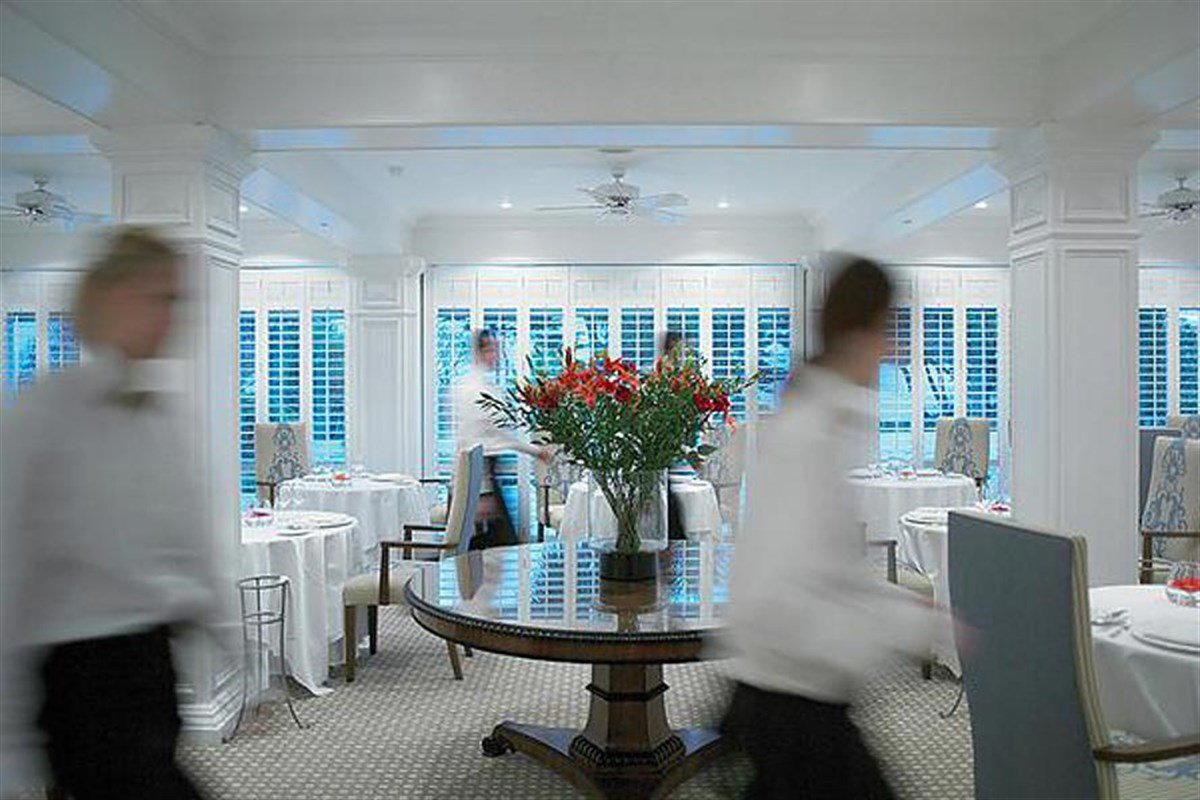
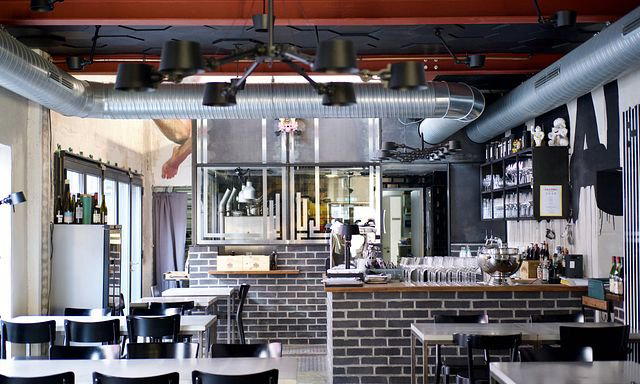
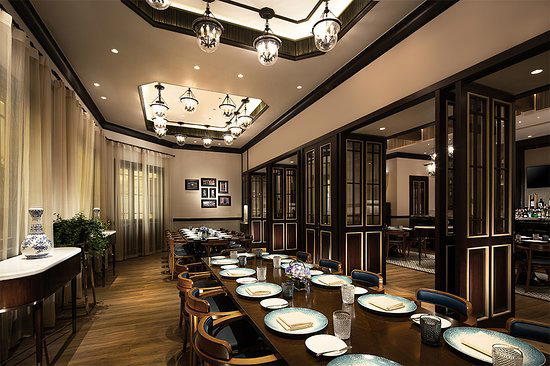
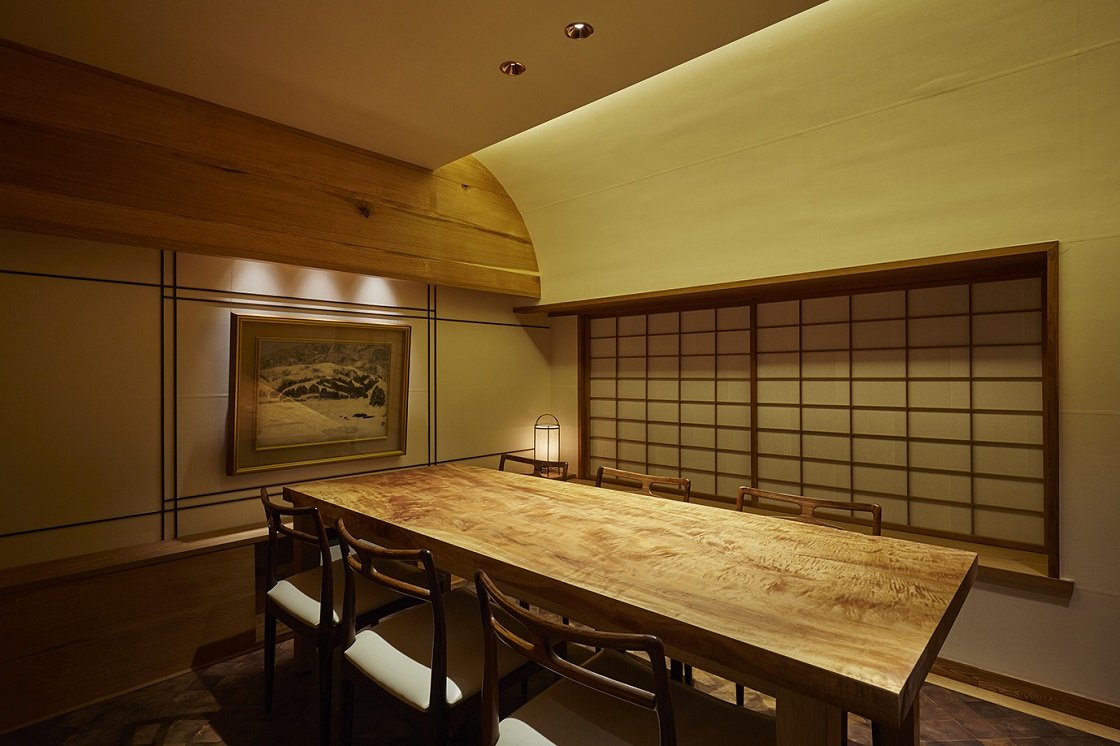
Cozy and elegant with classic wooden interiors, natural woods, clean minimalist lines, calm lighting, and a warm sophisticated atmosphere.
Tags
Vibe
Best For
Experience
Sourcing
Accessibility
At the Table
- Dress Code
- Smart Casual
- Noise Level
- Quiet
- Service Style
- Upscale Casual
- Meal Pacing
- Leisurely
- Capacity
- Intimate
Signature Dishes
- winter_pumpkin_risotto
- pappardelle_with_lamb
- tajarin_al_burro_e_parmigiano
Planning details
Location
Japan, 〒600-8217 Kyoto, 京都府Kyoto, Shimogyo Ward, 東境町172 ネオヒルズビル 2F · Directions
Recognition and awards
Also consider
Also Consider
- Gion Sasaki; Kaiseki, Japanese, ¥¥¥¥
- cenci; Italian, ¥¥¥
- Ifuki; Kaiseki, ¥¥¥¥
- Kyokaiseki Kichisen; Japanese, ¥¥¥¥
- SEN; French, Japanese, ¥¥¥¥
Restaurant context
At the ¥¥¥ price point, Germoglio's closest direct competitor is cenci; the only other Italian restaurant in Kyoto operating at the same tier with a comparable level of kitchen seriousness. The choice between them is genuinely about style preference: Germoglio is tighter and more focused, built around Piedmontese pasta traditions with Kyoto ingredients as the seasonal variable; cenci takes a broader Italian-Japanese fusion approach. If handmade pasta is why you are booking, Germoglio is the call. If you want a wider Italian range with more overt Japan-meets-Europe framing, cenci serves that better. Both are easy to book relative to the wider Kyoto market.
Step up to ¥¥¥¥ and the competitive set changes entirely. Gion Sasaki, Ifuki, and Kyokaiseki Kichisen are kaiseki houses operating at a higher price and with considerably more booking difficulty. SEN blends French and Japanese at ¥¥¥¥. None of these are direct alternatives to Germoglio; they are different formats at a higher price. If your occasion demands maximum ceremony and a full kaiseki progression, those are the rooms. If you want a focused, genuinely skilled dinner without the kaiseki commitment or price, Germoglio delivers more value per yen than anything in the tier above it.
For diners building a multi-night Kyoto itinerary, the practical recommendation is to treat Germoglio as the reliable confirmed booking; easy to secure, high craft-to-price ratio; and use the flexibility it provides to attempt harder reservations at the kaiseki tier for other nights. It is a different kind of meal than any of the Japanese-format alternatives, which also makes it a useful contrast night if you are eating kaiseki elsewhere during the same trip.
Explore Kyoto
Around this place
Discover more on Pearl
Unlock the full Germoglio guide in Pearl, including awards, comparisons, FAQs, planning details, and nearby places.
Compare Germoglio
| Venue | Price | Awards |
|---|---|---|
| Germoglio | ¥¥¥ | Michelin Guide Kyoto Osaka 20262026 Michelin Plate2025 Michelin Plate2024 Michelin Plate |
| Gion Sasaki | ¥¥¥¥ | 2026 Tabelog Bronze · #3862026 OAD Top Restaurants in Japan RecommendedMichelin Guide Kyoto Osaka 20262026 La Liste Top RestaurantsTabelog 100 - Japanese cuisine - WEST - 2025 · #132025 OAD Top Restaurants in Japan Ranked · #2462025 Tabelog Silver2025 Michelin 3 Stars2025 La Liste Top Restaurants |
| cenci | ¥¥¥ | 2026 Tabelog Bronze · #442026 Asia's 50 Best Restaurants · #762026 OAD Top Restaurants in Japan Highly RecommendedMichelin Guide Kyoto Osaka 2026Tabelog 100 - Italian - WEST - 2025 · #632025 Asia's 50 Best Restaurants · #632025 OAD Top Restaurants in Japan Ranked · #1682025 Tabelog Bronze2024 OAD Top Restaurants in Japan Ranked · #135 |
| Ifuki | ¥¥¥¥ | 2026 OAD Top Restaurants in Japan Ranked · #1222026 Tabelog Bronze · #128Michelin Guide Kyoto Osaka 20262026 La Liste Top RestaurantsTabelog 100 - Japanese cuisine - WEST - 2025 · #622025 OAD Top Restaurants in Japan Ranked · #1002025 La Liste Top Restaurants2025 Tabelog Bronze2025 Michelin 2 Stars |
| Kyokaiseki Kichisen | ¥¥¥¥ | 2026 Tabelog Bronze · #1752026 OAD Top Restaurants in Japan Highly RecommendedMichelin Guide Kyoto Osaka 20262025 OAD Top Restaurants in Japan Ranked · #1862025 Michelin 2 Stars2025 La Liste Top Restaurants2024 OAD Top Restaurants in Japan Ranked · #1422024 Michelin 2 Stars2023 OAD Top Restaurants in Japan Ranked · #136 |
| SEN | ¥¥¥¥ | 2026 Tabelog Bronze · #3952026 OAD Top Restaurants in Japan RecommendedMichelin Guide Kyoto Osaka 20262026 Michelin PlateTabelog 100 - Japanese cuisine - WEST - 2025 · #652025 Michelin Plate2025 Tabelog Bronze2024 OAD Top Restaurants in Japan Ranked · #3622024 Michelin Plate |
.png?width=1200&quality=80)






How Germoglio stacks up against the competition.
FAQ
Frequently Asked Questions
Is the tasting menu worth it at Germoglio?
Based on the kitchen's approach, yes; if handmade Piedmontese pasta is the format you want. The chef adjusts pasta preparation to daily weather and ingredient condition, which is the kind of craft detail that justifies a tasting format over ordering à la carte. At ¥¥¥, you are not paying ¥¥¥¥ Kyoto kaiseki prices for a comparable level of intention.
Is Germoglio good for solo dining?
Chef-driven rooms of this type tend to work well for solo diners, particularly if there is counter seating where you can watch pasta being made to order. The focused, single-chef format means service is attentive without being table-turnover driven. Confirm seating options when booking.
Is Germoglio good for a special occasion?
Yes; this is a strong special occasion pick at the ¥¥¥ price point. The kitchen uses Kyoto-sourced ingredients like Ohara vegetables and Kameoka duck with northern Italian technique, which gives the meal a sense of occasion without requiring the ¥¥¥¥ commitment of Kyoto's kaiseki tier. Dinner for two feels considered rather than formulaic.
What are alternatives to Germoglio in Kyoto?
For Kyoto-ingredient-driven cooking at a comparable price, cenci is the closest Italian-adjacent alternative with a more contemporary European angle. If you want to stay in the Italian format but prefer a larger menu, SEN offers a different price-to-format ratio. For full kaiseki with Kyoto produce as the centrepiece, Ifuki or Gion Sasaki are the logical step up in spend and formality.
Is Germoglio worth the price?
At ¥¥¥, Germoglio sits below the top tier of Kyoto dining spend and delivers chef-crafted handmade pasta using Ohara vegetables and Kameoka duck; locally sourced ingredients that would cost more in a kaiseki context.