.png?width=1200&quality=80)
Etto
Italian · Kamigyō, Kyoto
Restaurant in Kyoto, Japan
 Book with Pearl
The Read
Kaiseki-Framed Italian Counter
Price
$100–150per person
Dress
Casual
Why go
Etto is a Michelin Plate Italian counter in Kyoto's Kamigyo Ward where the food follows Japan's seasonal logic and the small-dish sequence is built to drive wine. At ¥¥¥, it is the best-value entry point for serious Italian-Japanese cooking in Kyoto, and the counter format makes it a strong choice for solo diners or couples. Book one to two weeks out; availability is generally good.
About Etto
Verdict
Etto is the right call if you want Italian cooking shaped by Kyoto's seasonal calendar in a counter setting intimate enough that you feel part of the kitchen. At ¥¥¥, it sits at a price point that rewards curiosity without demanding the commitment of a ¥¥¥¥ kaiseki evening. It holds a Michelin Plate in both 2024 and 2025, which signals consistent quality without the booking pressure that a star creates. For solo diners or couples who want a genuinely engaged meal rather than a formal procession of courses, Etto is worth booking. Groups of four or more will find the format less suited to them.
Portrait
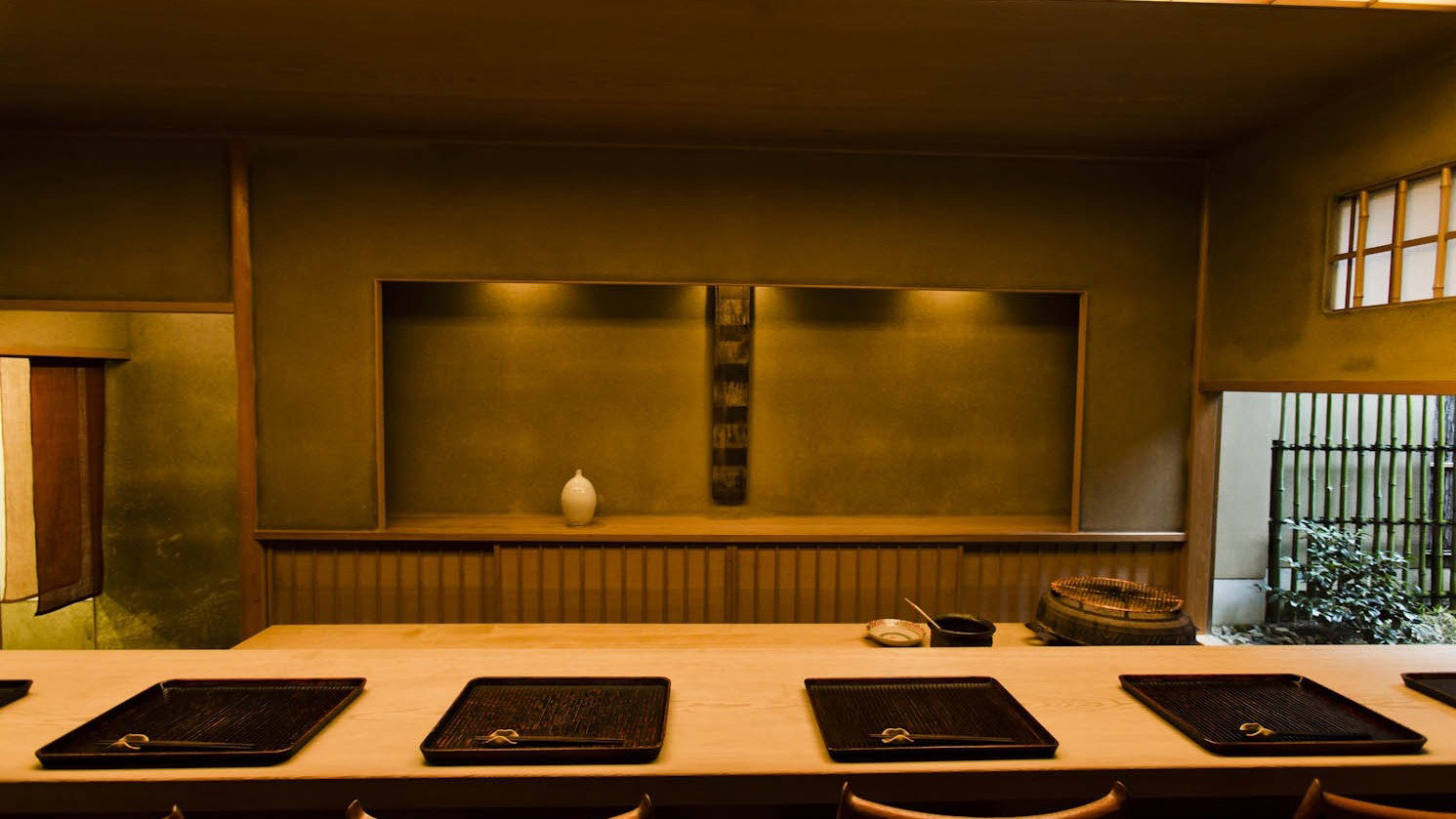
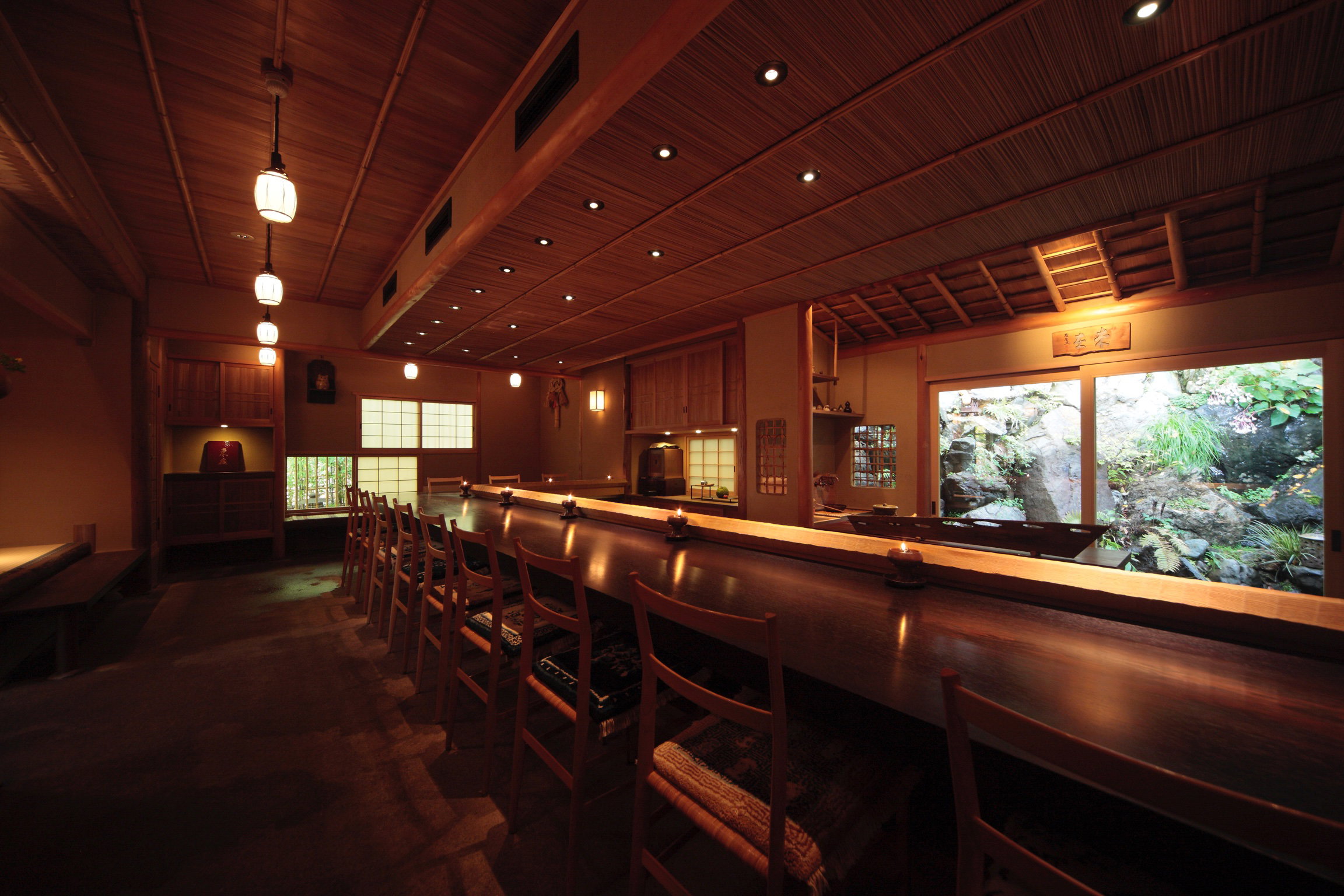
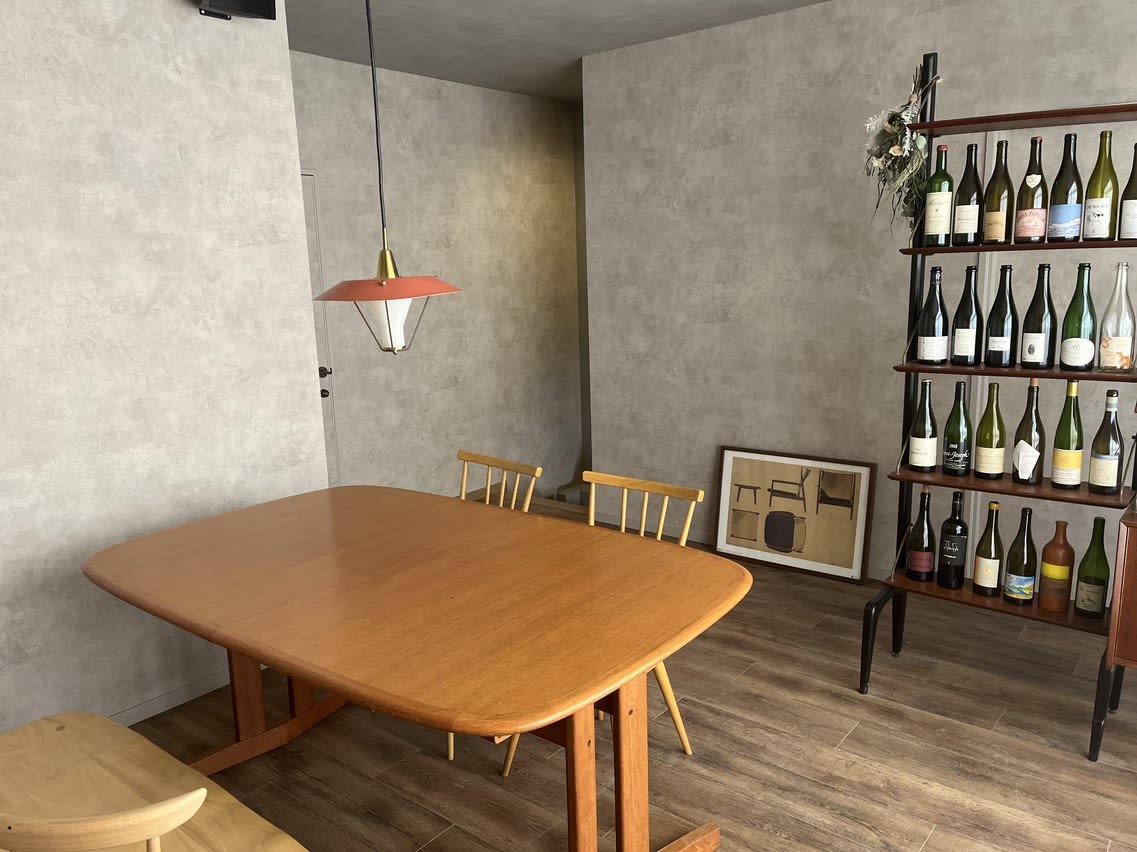
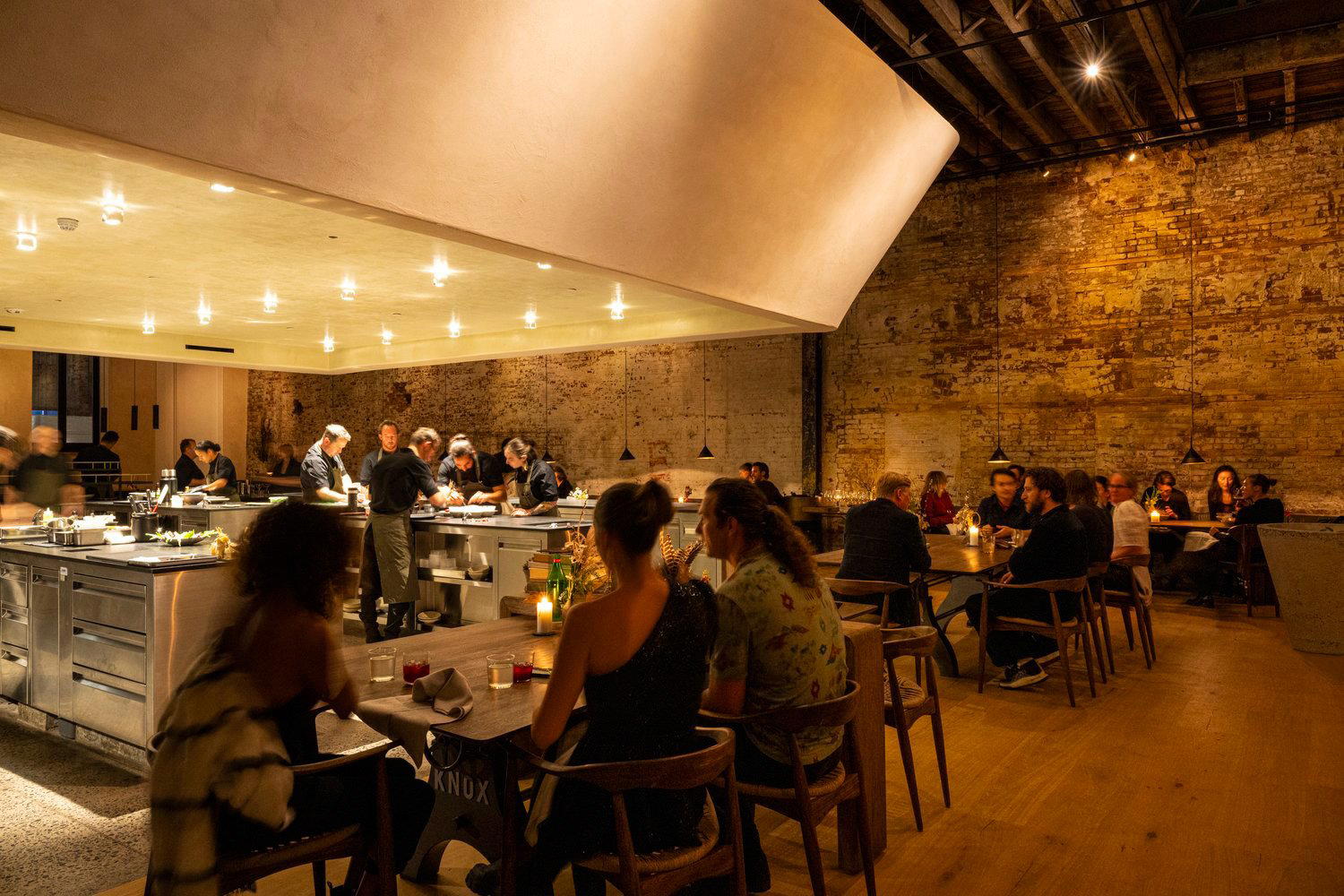
The name gives you the concept plainly: etto means intimacy in Italian. At this counter in Kyoto's Kamigyo Ward, the distinction between kitchen and dining room barely exists. The chef works in open view, and guests at the counter are close enough to the preparation that the meal becomes something collaborative rather than transactional. That physical arrangement is not incidental — it is the whole point of the experience, and it shapes everything from pacing to conversation.
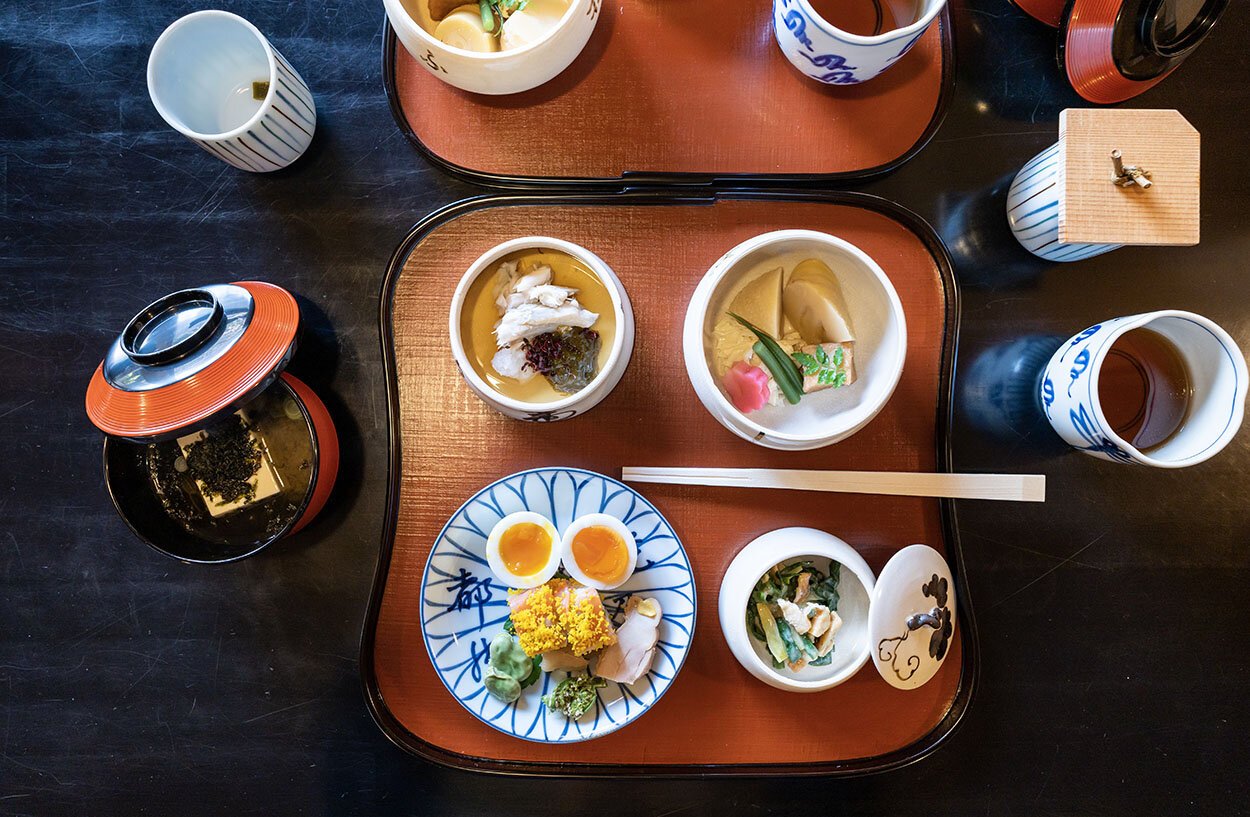
The cooking is Italian, but the ingredient logic is Japanese. Antipasto misto arrives on a Kiyomizu-yaki platter, one of Kyoto's most recognised ceramic traditions, and is scattered with leaves that reflect whichever season you happen to be eating in. The effect is what the Japanese call hassun sensibility: a composed opening that sets the seasonal tone before the meal properly begins. Italian antipasto treated with the visual grammar of a kaiseki appetiser course is an unusual move, and it works because both traditions are genuinely concerned with produce and timing rather than novelty for its own sake.
Five small salty and sour dishes follow with the explicit purpose of keeping wine moving — a structurally smart sequence that any serious wine drinker will appreciate. This is where Etto's editorial angle becomes clear. The food is built to accompany wine, not to tolerate it. The sequence of flavours, the salt, the acidity, the light bitterness of seasonal greens, these are the kinds of flavours that make a glass of something European feel necessary rather than optional. For the explorer who arrives with a bottle in mind or who wants to trust the pairing logic of a kitchen, this is the format that pays off most. Diners with a serious interest in wine should pay close attention to what is being poured alongside the salty-sour courses, since that sequence appears to be where the wine program is most deliberately engaged.
Kyoto already has a well-established vocabulary for this kind of Italian-Japanese dialogue. cenci works in similar territory at the same price tier, as does Bini for a more casual register. Vena and BOCCA del VINO are worth knowing if you want to extend an Italian-focused itinerary through the city. TAKAYAMA operates at a different register entirely. What distinguishes Etto within this set is the counter format and the explicit pairing orientation of the food structure. It is not trying to be kaiseki; it is trying to be Italian in a way that makes sense here, in this season, at this counter.
The address places Etto in Kamigyo Ward, the northern residential ward that sits above the main tourist corridors. This is not a restaurant that trades on foot traffic or tourist proximity. Getting there requires intention, which also means the room skews toward diners who have sought it out rather than stumbled in. That tends to produce a quieter, more focused atmosphere at the counter.
For comparison across Japan, diners interested in the Italian-Japanese crossover format might also consider akordu in Nara, which explores a related set of questions with Spanish-Japanese framing, or look further afield to 8½ Otto e Mezzo Bombana in Hong Kong for a sense of how Italian cooking in Asia operates at a higher price point. Frasca Food & Wine in Boulder is a useful reference point for how seriously a non-Italian kitchen can engage with Italian wine and food structure when the commitment is genuine rather than gestural.
The Michelin Plate across two consecutive years confirms that the guide's inspectors regard the kitchen as performing at a reliable level. Neither signal puts Etto in the category of difficult or speculative; both suggest you are unlikely to be disappointed if the format is what you are looking for.
Ratings & Recognition
- Michelin Plate, 2025
- Michelin Plate, 2024
Booking
Booking difficulty is rated Easy. The Michelin Plate recognition brings some attention but does not generate the waitlist pressure of a starred restaurant. Booking a week or two in advance should be sufficient for most dates. The counter format means total covers are limited, so earlier is better for specific date requirements. No phone or website is listed in the available data, book through whichever reservation platform serves the Kyoto market, or contact the venue directly on arrival at the address in Kamigyo Ward.
Practical Details
| Detail | Etto | cenci | Gion Sasaki |
|---|---|---|---|
| Cuisine | Italian (Japan-accented) | Italian | Kaiseki |
| Price tier | ¥¥¥ | ¥¥¥ | ¥¥¥¥ |
| Booking difficulty | Easy | Moderate | Hard |
| Format | Counter / open kitchen | Counter / open kitchen | Private rooms |
| Michelin recognition | Plate (2024, 2025) | 1 Star | 2 Stars |
| Leading for | Solo, couples, wine focus | Couples, wine focus | Special occasions |
See our full Kyoto restaurants guide, Kyoto hotels guide, Kyoto bars guide, Kyoto wineries guide, and Kyoto experiences guide for more.
Pearl Picks Nearby
- cenci, Italian, ¥¥¥, Kyoto
- Bini, Kyoto
- Vena, Kyoto
- BOCCA del VINO, Kyoto
- TAKAYAMA, Kyoto
- HAJIME in Osaka
- akordu in Nara
- Goh in Fukuoka
- Harutaka in Tokyo
- 1000 in Yokohama
- 6 in Okinawa
Planning details
- Location
- Japan, 〒602-8055 Kyoto, Kamigyo Ward, Daikokuyacho, 602 47番地
- Reservations
- Book on TableCheck
- Website
- e-tto.com
- Phone
- +81 50-1721-7448
The take
The Take
The Vibe
Etto foregrounds intimacy through architecture: the counter and open kitchen are arranged so diners sit within the kitchen’s working envelope rather than observing it from afar. The result is a quietly intense dining room where preparation and service merge into a single theatrical act. The menu pairs Italian technique with seasonal Japanese sourcing and careful presentation — antipasto plated on Kiyomizu-yaki and leaves of the season are explicit examples — and Michelin Plate recognition in consecutive years underscores the kitchen’s exacting, refined approach. The place feels focused, attentive and quietly sophisticated without ostentation.
Best For
This is a restaurant built for close-up dining moments — think dinner for two or a small celebration where the performance of the kitchen matters as much as the food. Its mid-to-upper tier positioning and back-to-back Michelin Plate nods make it a go-to for special evenings in Kyoto, especially for visitors seeking an Italian program interpreted through seasonal Japanese logic. The counter seating places guests in the middle of service, making it ideal for diners who want to watch technique, pacing and plating unfold course by course.
Ordering Tips
Reserve counter seats if you want the full experience: the layout intentionally blurs the line between preparation and dining, so sitting at the counter delivers the best sense of the kitchen’s work. Share the antipasto misto — it arrives on a Kiyomizu-yaki platter and embodies the kitchen’s seasonal sensibility — and sample the signature wagyu grilled over charcoal and the pasta with squid noodles to see the Italian technique married to local ingredients. Expect a tasting-driven, dinner-focused service; follow staff recommendations for the most seasonally relevant choices.
Venue details
Ambiance
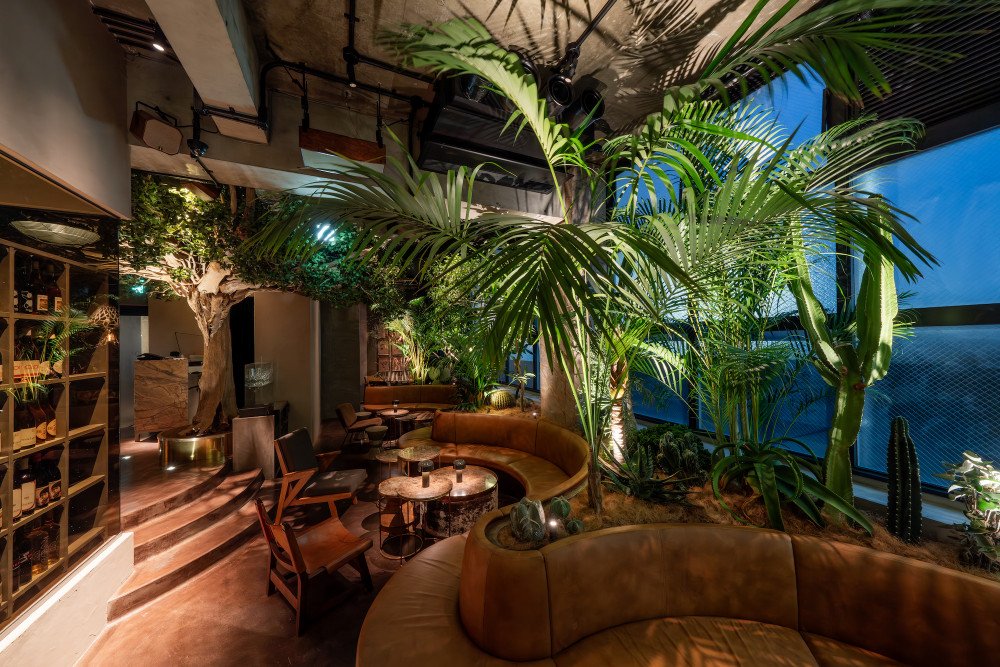
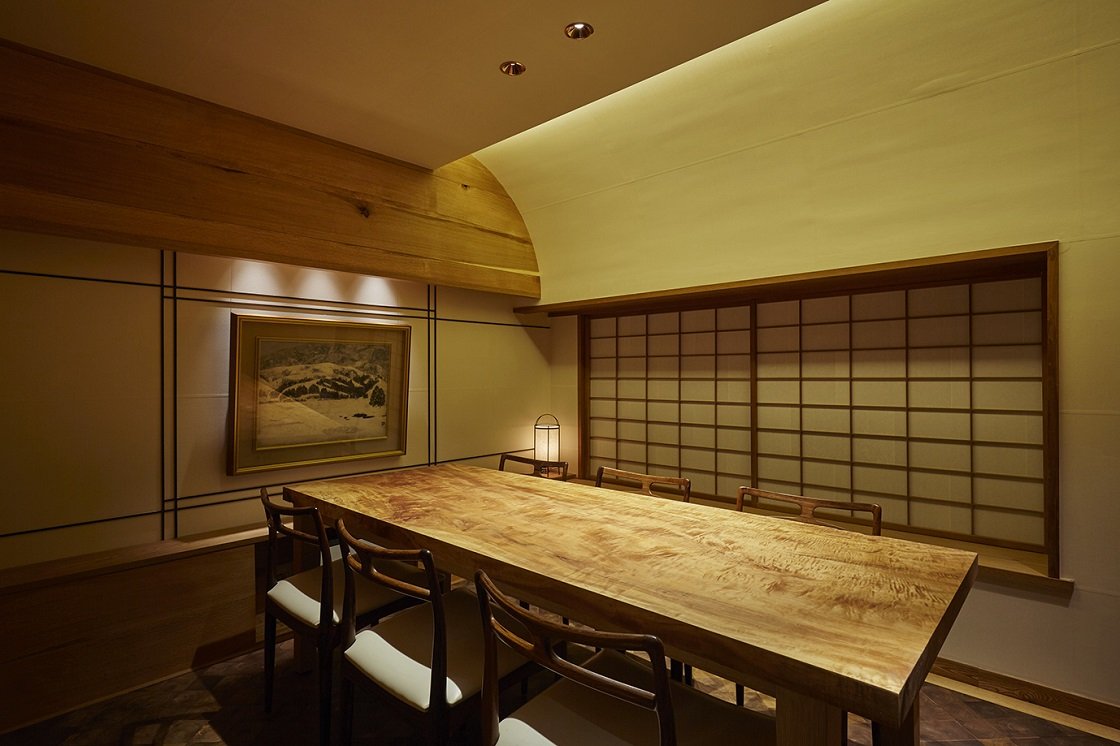
Relaxing atmosphere with traditional Japanese decor, open kitchen, and view of Japanese-style garden.
Tags
Vibe
Best For
Experience
Sourcing
View
At the Table
- Dress Code
- Casual
- Noise Level
- Conversational
- Service Style
- Upscale Casual
- Meal Pacing
- Leisurely
- Capacity
- Intimate
- Kitchen
- Fusion
- Menu Format
- Omakase, Counter dining
- Wine Program
- Curated
- Drinks Focus
- Wine
- Dietary
- Vegetarian friendly
- Private Dining
- Available
Signature Dishes
- wagyu beef grilled over charcoal
- pasta with squid noodles
- antipasto misto
Know before you go
Know Before You Go
- Getting there
- Japan, 〒602-8055 Kyoto, Kamigyo Ward, Daikokuyacho, 602 47番地
Planning details
Location
Japan, 〒602-8055 Kyoto, Kamigyo Ward, Daikokuyacho, 602 47番地 · Directions
Recognition and awards
Also consider
Also Consider
- Gion Sasaki, Kaiseki, Japanese, ¥¥¥¥
- cenci, Italian, ¥¥¥
- Ifuki, Kaiseki, ¥¥¥¥
- Kyokaiseki Kichisen, Japanese, ¥¥¥¥
- SEN, French, Japanese, ¥¥¥¥
Restaurant context
At ¥¥¥, Etto and cenci occupy the same price tier and share a counter format and Italian-Japanese sensibility, but cenci holds a Michelin star against Etto's Plate, which means cenci is the higher-recognition option and carries proportionally more booking pressure. If you are choosing between the two, pick cenci when the cooking credential matters most; pick Etto when you want a slightly more relaxed counter experience without the waitlist friction of a starred room.
The ¥¥¥¥ options, Gion Sasaki, Ifuki, Kyokaiseki Kichisen, and SEN, operate in kaiseki or French-Japanese formats and require a different kind of commitment: higher spend, more formal pacing, and in several cases significantly harder booking. If your evening calls for a procession of courses in a private room setting with full kaiseki ceremony, those are the right choices. Etto is not trying to compete there. It is a more personal, wine-oriented meal at a lower price point.
For diners building a Kyoto itinerary across multiple nights, a practical split is: Etto or cenci for your Italian night at ¥¥¥, and one of the ¥¥¥¥ kaiseki venues for the occasion dinner. Etto is the easier booking of the Italian pair and the more wine-forward experience of the two, which makes it the default recommendation for anyone whose priority is the food-and-wine pairing dynamic over Michelin star count.
Explore Kyoto
Around this place
Discover more on Pearl
Unlock the full Etto guide in Pearl, including awards, comparisons, FAQs, planning details, and nearby places.
Compare Etto
| Venue | Price | Booking Difficulty | Awards |
|---|---|---|---|
| Etto | ¥¥¥ | Easy | 2026 Michelin Plate2025 Michelin Plate2024 Michelin Plate |
| Gion Sasaki | ¥¥¥¥ | Unknown | 2026 Tabelog Bronze · #3862026 OAD Top Restaurants in Japan RecommendedMichelin Guide Kyoto Osaka 20262026 La Liste Top RestaurantsTabelog 100 - Japanese cuisine - WEST - 2025 · #132025 OAD Top Restaurants in Japan Ranked · #2462025 Tabelog Silver2025 Michelin 3 Stars2025 La Liste Top Restaurants |
| cenci | ¥¥¥ | Unknown | 2026 Tabelog Bronze · #442026 Asia's 50 Best Restaurants · #762026 OAD Top Restaurants in Japan Highly RecommendedMichelin Guide Kyoto Osaka 2026Tabelog 100 - Italian - WEST - 2025 · #632025 Asia's 50 Best Restaurants · #632025 OAD Top Restaurants in Japan Ranked · #1682025 Tabelog Bronze2024 OAD Top Restaurants in Japan Ranked · #135 |
| Ifuki | ¥¥¥¥ | Unknown | 2026 OAD Top Restaurants in Japan Ranked · #1222026 Tabelog Bronze · #128Michelin Guide Kyoto Osaka 20262026 La Liste Top RestaurantsTabelog 100 - Japanese cuisine - WEST - 2025 · #622025 OAD Top Restaurants in Japan Ranked · #1002025 La Liste Top Restaurants2025 Tabelog Bronze2025 Michelin 2 Stars |
| Kyokaiseki Kichisen | ¥¥¥¥ | Unknown | 2026 Tabelog Bronze · #1752026 OAD Top Restaurants in Japan Highly RecommendedMichelin Guide Kyoto Osaka 20262025 OAD Top Restaurants in Japan Ranked · #1862025 Michelin 2 Stars2025 La Liste Top Restaurants2024 OAD Top Restaurants in Japan Ranked · #1422024 Michelin 2 Stars2023 OAD Top Restaurants in Japan Ranked · #136 |
| SEN | ¥¥¥¥ | Unknown | 2026 Tabelog Bronze · #3952026 OAD Top Restaurants in Japan RecommendedMichelin Guide Kyoto Osaka 20262026 Michelin PlateTabelog 100 - Japanese cuisine - WEST - 2025 · #652025 Michelin Plate2025 Tabelog Bronze2024 OAD Top Restaurants in Japan Ranked · #3622024 Michelin Plate |







Comparing your options in Kyoto for this tier.
FAQ
Frequently Asked Questions
Is Etto good for solo dining?
Yes — the counter format is purpose-built for solo diners. The kitchen is open and the chef is close, so eating alone here feels participatory rather than isolating. At ¥¥¥ pricing, it delivers genuine value for a solo seat compared to private-room kaiseki houses like Kyokaiseki Kichisen where solo covers can feel underutilised.
What should a first-timer know about Etto?
The concept is Italian cooking driven by Kyoto's four seasons, served at a counter in Kamigyo Ward where the kitchen and dining space are effectively one room. The antipasto misto is served on Kiyomizu-yaki ware, which signals how seriously Japanese craft runs through the experience. Michelin Plate recognition in both 2024 and 2025 confirms consistency, but this is not a starred tasting-menu operation — the format is more informal than that.
Can I eat at the bar at Etto?
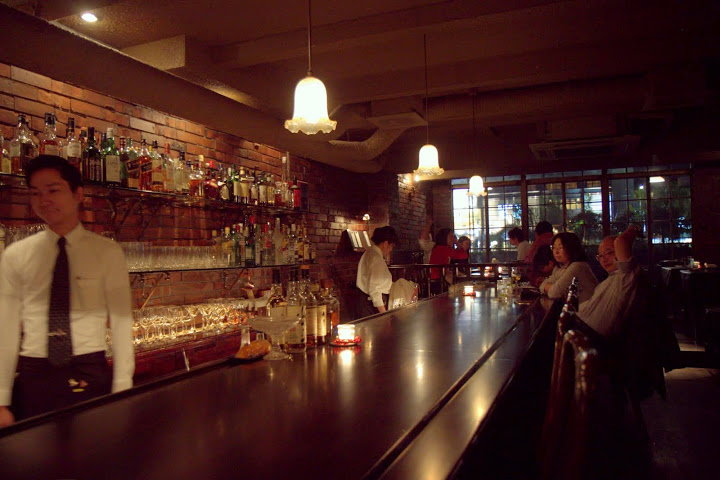
The counter IS the restaurant. There is no separate bar — the counter runs directly into the open kitchen, so every seat is a front-row view of service. This is a feature, not a compromise.
Can Etto accommodate groups?
Groups are a poor fit here. The counter format and explicitly intimate scale mean that larger parties will disrupt the dynamic that makes Etto work. Parties of two are the practical sweet spot; for four or more, SEN or cenci in Kyoto offer more flexible configurations.
How far ahead should I book Etto?
Booking difficulty is rated Easy, and the Michelin Plate recognition does not generate the waitlist pressure of a starred restaurant. A week or two ahead is typically sufficient, though booking earlier is sensible during peak Kyoto travel windows — cherry blossom and autumn foliage seasons fill up the whole city.
Does Etto handle dietary restrictions?
No specific dietary policy is documented in available data. Given the counter format and seasonal Italian menu structure, communicate restrictions directly when booking — a kitchen this close to its guests is better positioned than most to adjust, but confirmation in advance is essential rather than assumed.
What should I wear to Etto?
The setting is intimate and the food is considered, but the counter format and Italian-casual ethos point toward neat, composed dressing rather than formal attire. Think what you would wear to a serious neighbourhood trattoria — presentable but not ceremonial.