.png?width=1200&quality=80)
Aoikonshin Yamada
Japanese · Higashiyama, Kyoto
Restaurant in Kyoto, Japan
 Book with Pearl
The Read
Seasonal Tableau Kaiseki
Price
¥¥¥
Dress
Smart Casual
Why go
A Michelin Plate (2025) chef-owner restaurant in Higashiyama Ward, Aoikonshin Yamada delivers visually elaborate seasonal Japanese cooking at ¥¥¥ — a tier below Kyoto's starred houses. The seasonal tasting menu, anchored by a hassun appetiser and celebrated for its theatrical platter presentations, is best suited to returning Kyoto visitors who want serious craft without the top-tier price commitment.
About Aoikonshin Yamada
Who Should Book Aoikonshin Yamada — and When
If you are planning a meal in Kyoto that centres on the visual theatre of Japanese cuisine rather than pure Michelin prestige, Aoikonshin Yamada in Higashiyama Ward earns serious consideration. This is a restaurant built for diners who have already done the kaiseki circuit at the top-tier houses and are now asking what else the city holds. At ¥¥¥ pricing, it sits a tier below the ¥¥¥¥ flagships, which makes it a sensible next step for a returning visitor who wants seasonal Japanese cooking with genuine craft but without the full financial commitment of, say, Kyokaiseki Kichisen or Isshisoden Nakamura. The Michelin Plate recognition in 2025 is a useful signal: it means the guide's inspectors found the cooking worthy of attention without awarding a star, which places this squarely in the category of places that deliver above their price point.
What the Cooking Looks Like
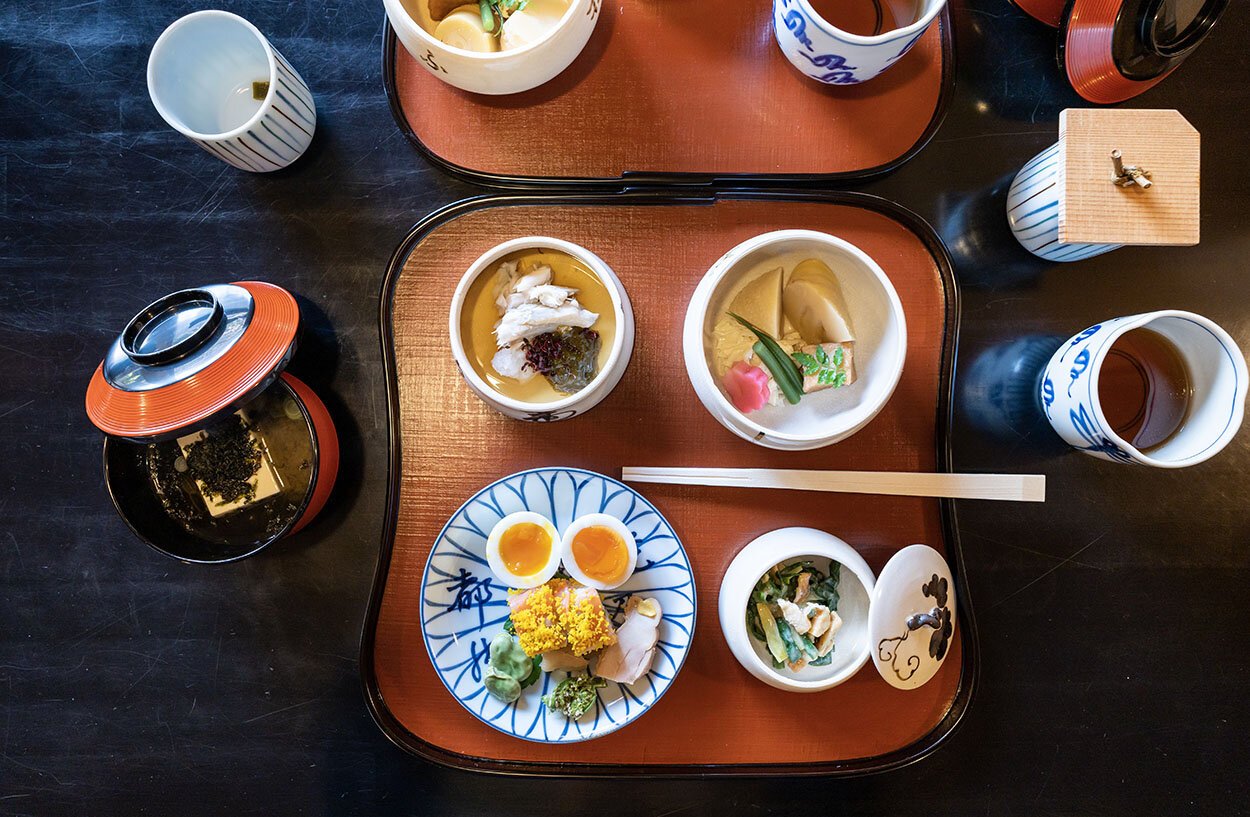
The Michelin entry on Aoikonshin Yamada is unusually descriptive, and the detail it offers is the clearest guide to what you are booking. The owner-chef leads with elaborate visual presentations, and the menu opens with a hassun appetiser — the seasonal tray course that anchors any serious Japanese meal. The most-cited example from the record is the sweetfish platter served during ayu season (roughly early summer through early autumn): a black lacquer panel with a clear stream and waterfall rendered in salt, the fish arranged as though swimming upstream, mist rising around the composition. Whether or not you arrive during sweetfish season, the intent of the kitchen is plain, this is cooking where what you see is inseparable from what you eat, and the chef approaches each platter as a constructed scene rather than a direct arrangement of ingredients.
That visual emphasis matters for how you decide to book. If you are someone who photographs food and wants each course to generate a response before you taste it, the format here is well-suited to you. If you are after the kind of meal where the intellectual complexity of the preparation carries the experience more than the aesthetics, the ¥¥¥¥ houses in the city will serve you better. For returning visitors who have already eaten at Gion Matayoshi or Kikunoi Roan and want a different register of the same tradition, Aoikonshin Yamada offers something worth trying.
On Takeout and Off-Premise Dining
The editorial angle worth addressing directly: Aoikonshin Yamada is not a restaurant built for takeout, and the cooking described in the Michelin record makes that clear. The entire premise of the sweetfish platter, the salt-drawn stream, the lacquer panel, the mist, is contingent on being at the table when it is set in front of you. These are presentations that exist in a moment and a context. A kaiseki-adjacent tasting menu built around visual theatre and seasonal composition does not travel. If you are looking for Japanese food to eat off-premise in Kyoto, the options that make sense are category-different: bento shops, tofu specialists, or prepared pickles from Nishiki Market. Aoikonshin Yamada is a sit-down commitment, and the experience is entirely at the table.
Location and Getting There
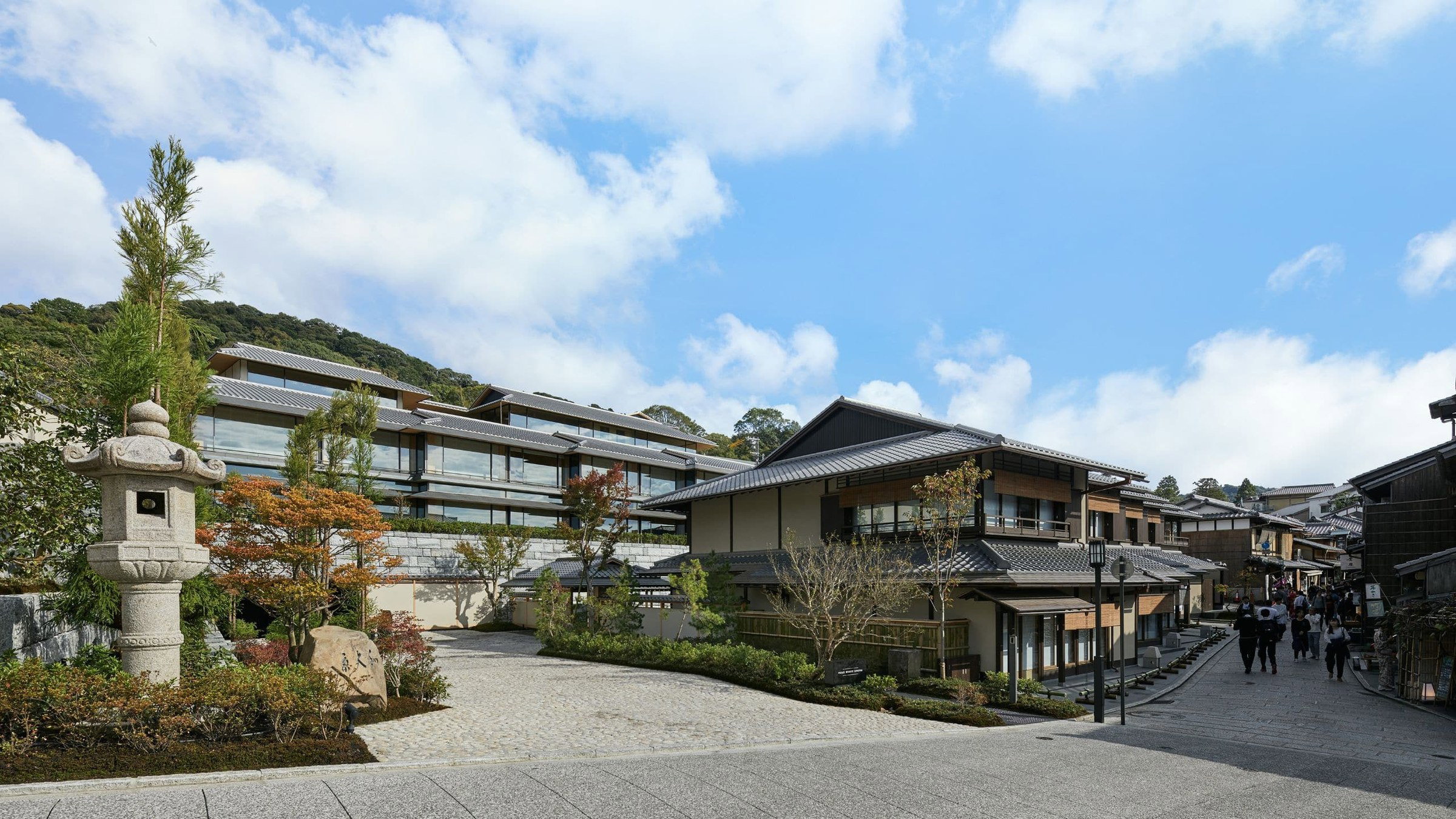
The address is 14-5 Sennyuji Goyonotsujicho in Higashiyama Ward, near Sennyuji temple in the quieter southern stretch of the ward. This puts it away from the more tourist-heavy parts of Higashiyama, which is consistent with the kind of neighbourhood that supports a chef-owner restaurant at this price point. For visitors staying closer to Gion or central Kyoto, this requires a taxi or a deliberate journey, factor that into your evening plan. For the full picture of what else is nearby and how to build a day in the area, see our full Kyoto restaurants guide and our full Kyoto hotels guide. If you are extending your trip to other cities, HAJIME in Osaka and akordu in Nara are worth the short rail journey. For Tokyo comparisons at a similar register, Myojaku and Azabu Kadowaki are relevant reference points.
Ratings and Recognition
- Michelin Plate (2025), Recognised for quality cooking worthy of attention
Practical Details
Reservations: Booking difficulty is rated Easy, you do not need to plan months ahead, but calling or booking as soon as your travel dates are confirmed is still advisable for a restaurant of this type. No booking method is listed in our data; contact via the restaurant directly. Dress: No formal dress code is listed, but at ¥¥¥ with Michelin recognition, smart casual is the right call, avoid athletic wear. Budget: ¥¥¥ price range, which in Kyoto kaiseki terms sits meaningfully below the city's top-tier houses and represents good value for the level of craft described. Address: 14-5 Sennyuji Goyonotsujicho, Higashiyama Ward, Kyoto 605-0974. Explore more: Kyoto bars, Kyoto wineries, Kyoto experiences.
Planning details
- Location
- 14-5 Sennyuji Goyonotsujicho, Higashiyama Ward, Kyoto, 605-0974, Japan
- Website
- aoikonshinyamada.com
- Phone
- +81 75-606-5729
The take
The Take
The Vibe
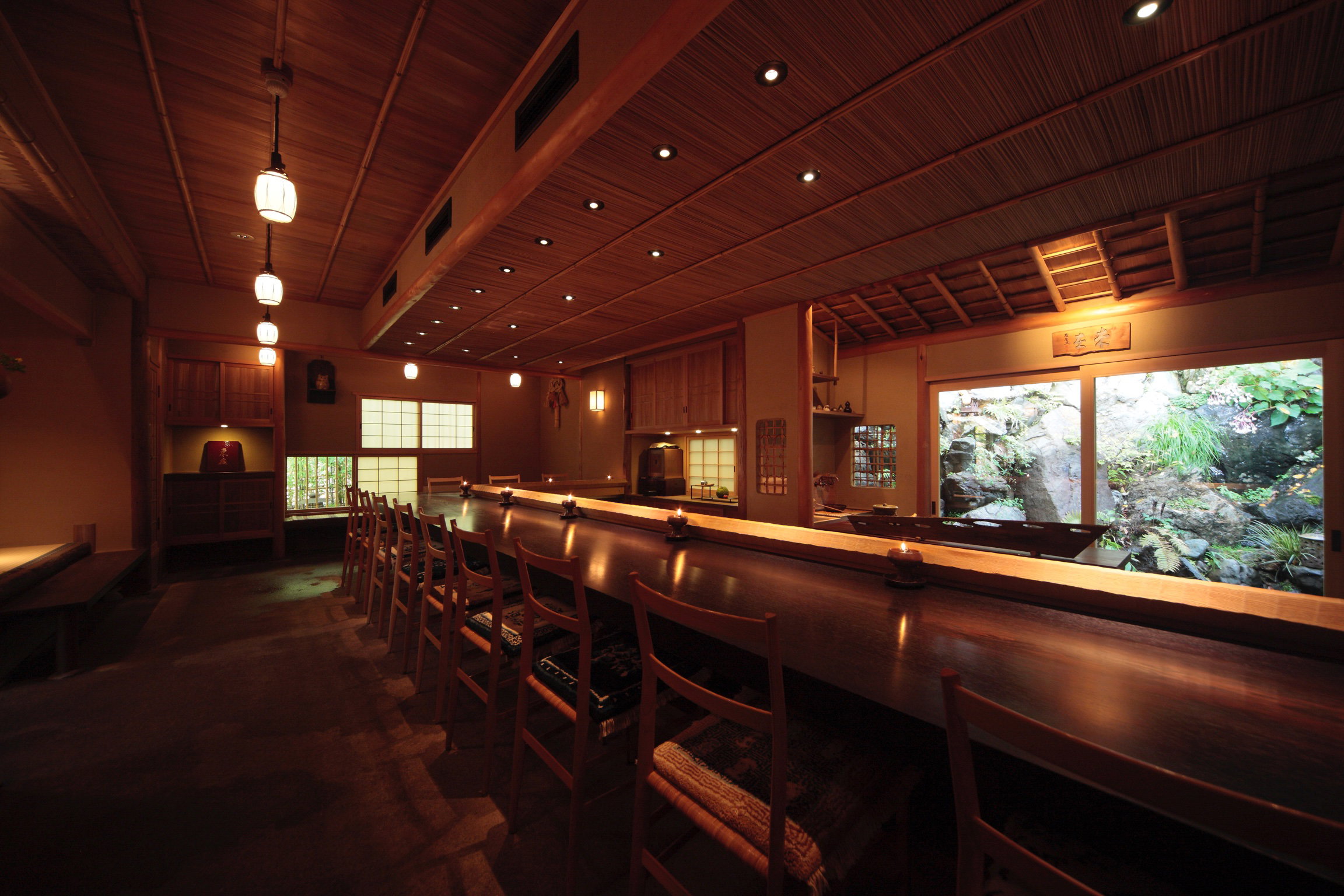
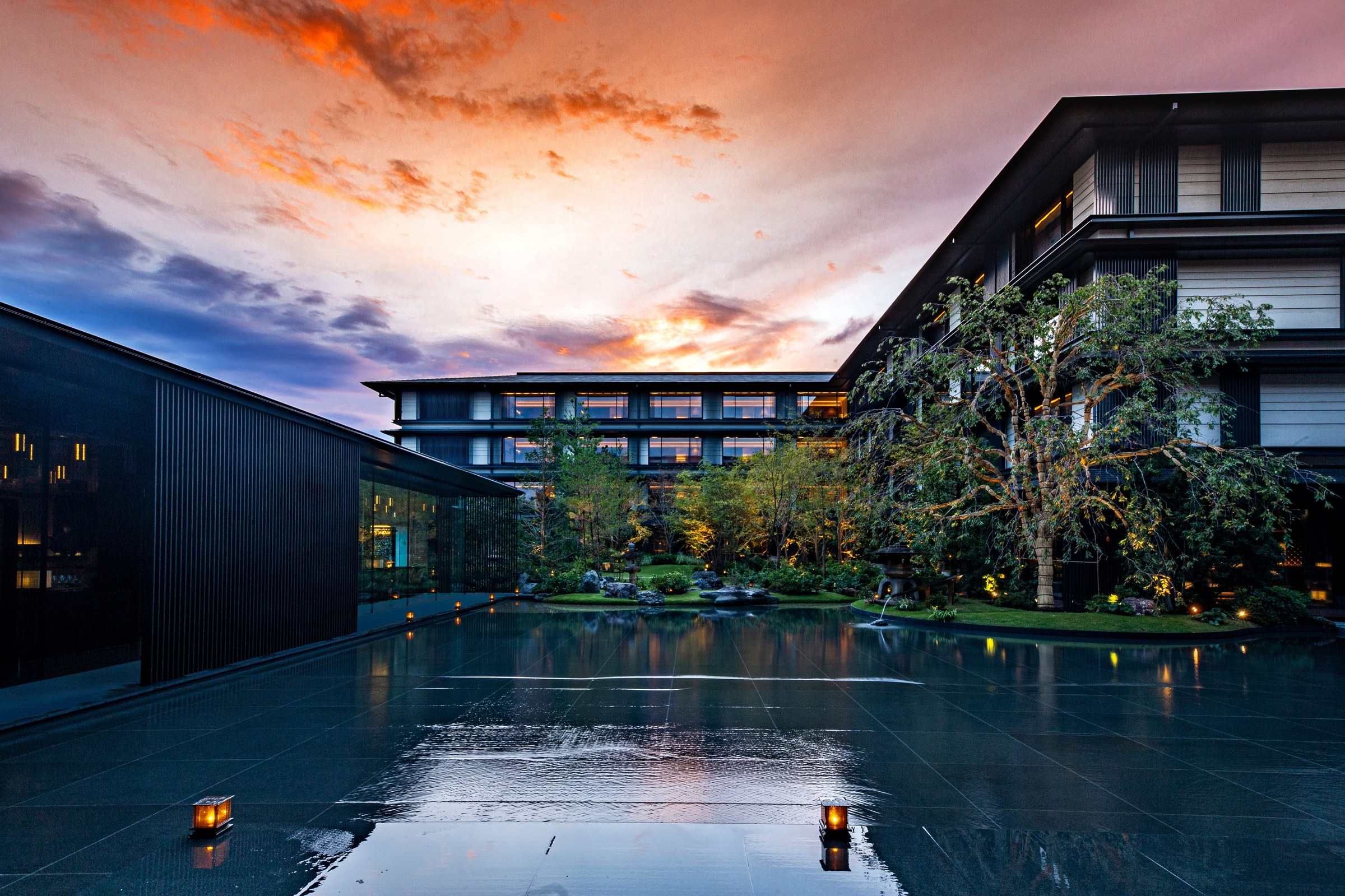
Aoikonshin Yamada sits at the quiet fringe of Higashiyama, where temple precincts and stone walls give the neighbourhood an almost hushed, historic feel. The restaurant’s approach and address set expectations for a restrained, classical kaiseki experience rooted in place: cooking that reads the season and the surrounding sacred geography. The writing underlines the stillness and local calm that frame the meal, making the dining room feel like an extension of the nearby temple district. That composed context supports a serene, classic kaiseki conversation rather than a bustling dining scene.
Best For
This is a meal for those looking to experience Kyoto’s kaiseki tradition without entering the highest star-tier price bracket. Framed as a mid-range ¥¥¥ house within the city’s kaiseki spectrum, Aoikonshin Yamada suits travellers and locals planning multiple nights of Kyoto dining who want meticulously structured, seasonally led courses. The restaurant’s emphasis on hassun and the seasonal narrative of the meal makes it especially appropriate for a deliberate evening tasting—think focused dinners and special-night reservations rather than quick stops or casual drop-ins.
Ordering Tips
The menu at Aoikonshin Yamada follows traditional kaiseki logic, beginning with the hassun course that sets the season’s theme and the chef’s intent. Expect a curated sequence rather than à la carte flexibility: the hassun functions as a guidepost for what follows, so let the sequence unfold. The signature items referenced, such as the hassun appetiser and the rock garden ayu platter, appear to be illustrative of the kitchen’s seasonal focus; choosing the full kaiseki progression is the clearest way to sample the chef’s seasonal storytelling.
Venue details
Ambiance
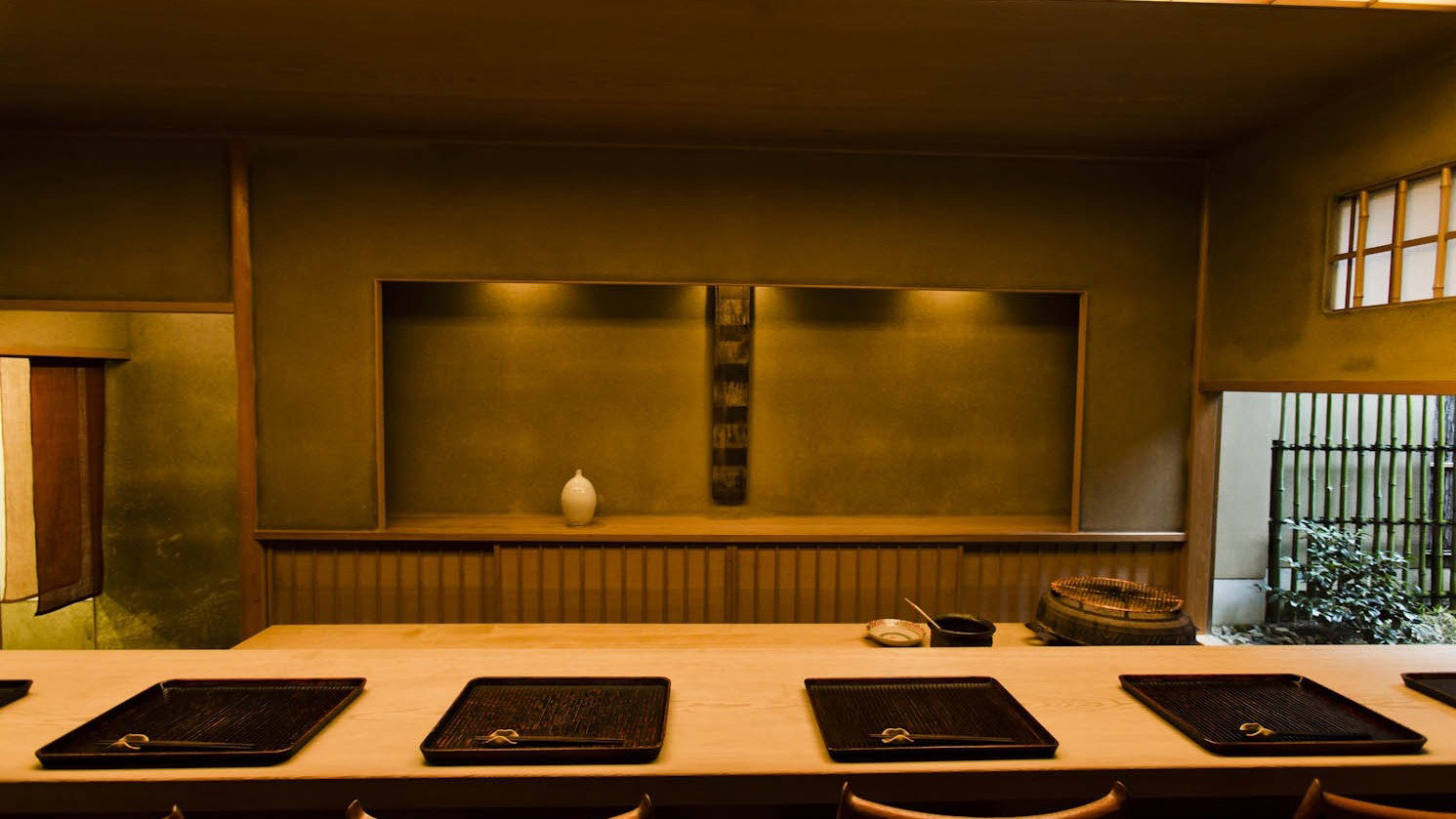
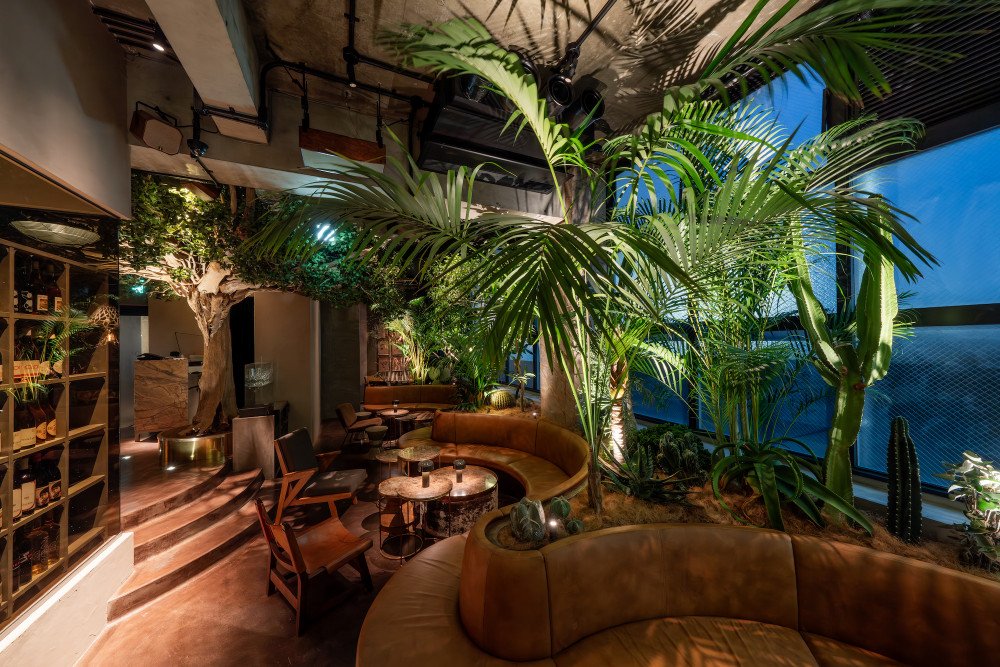
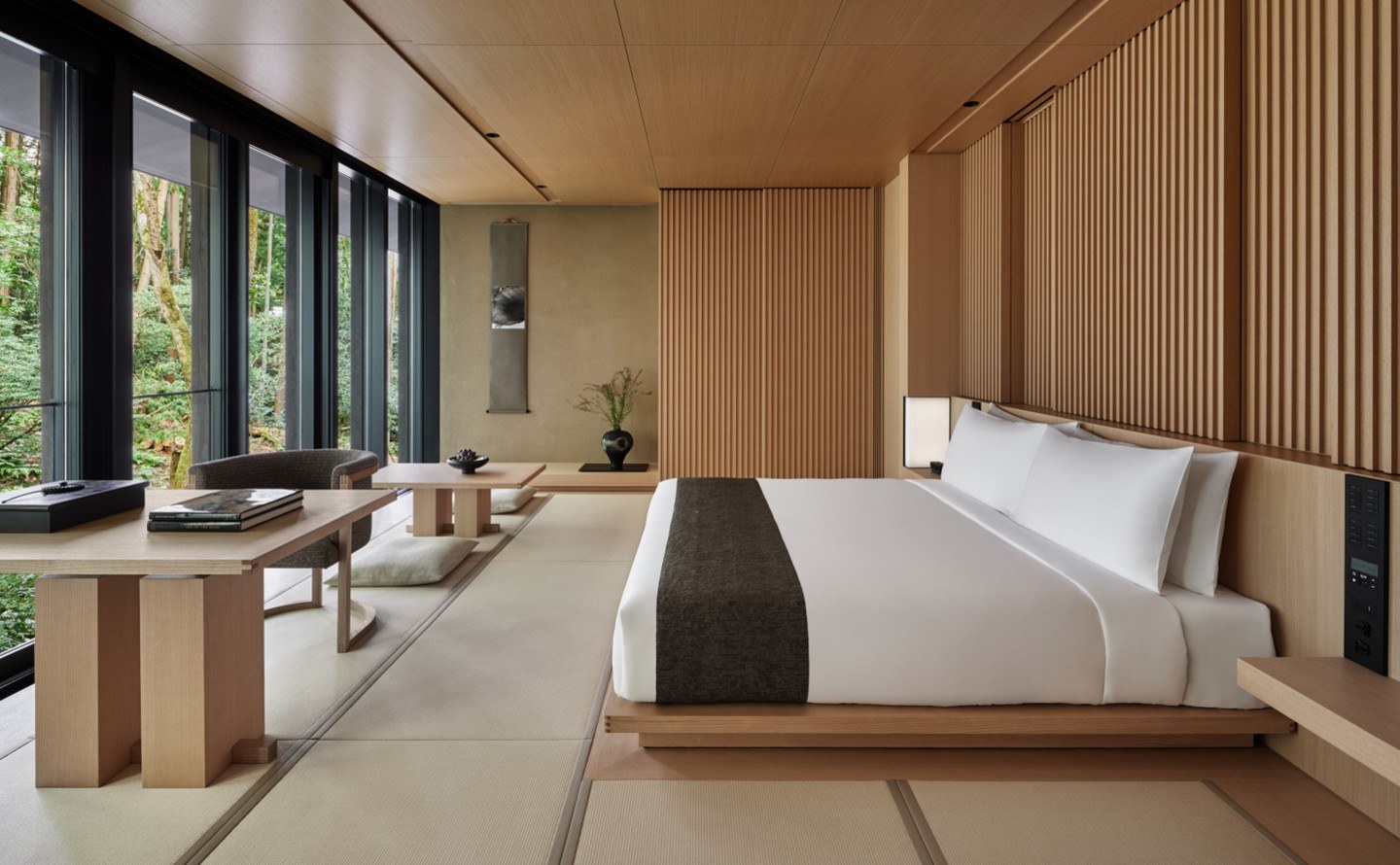
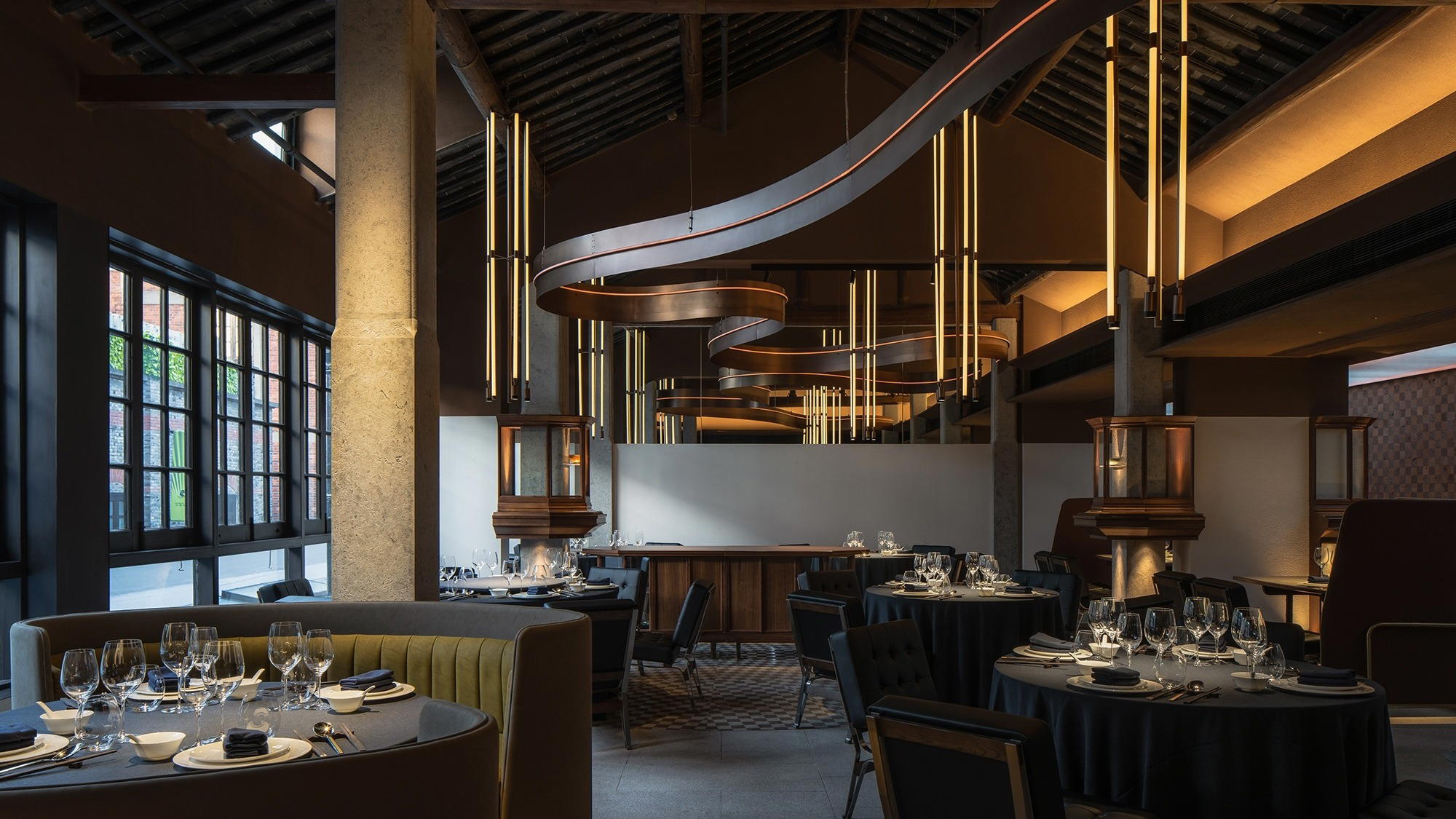
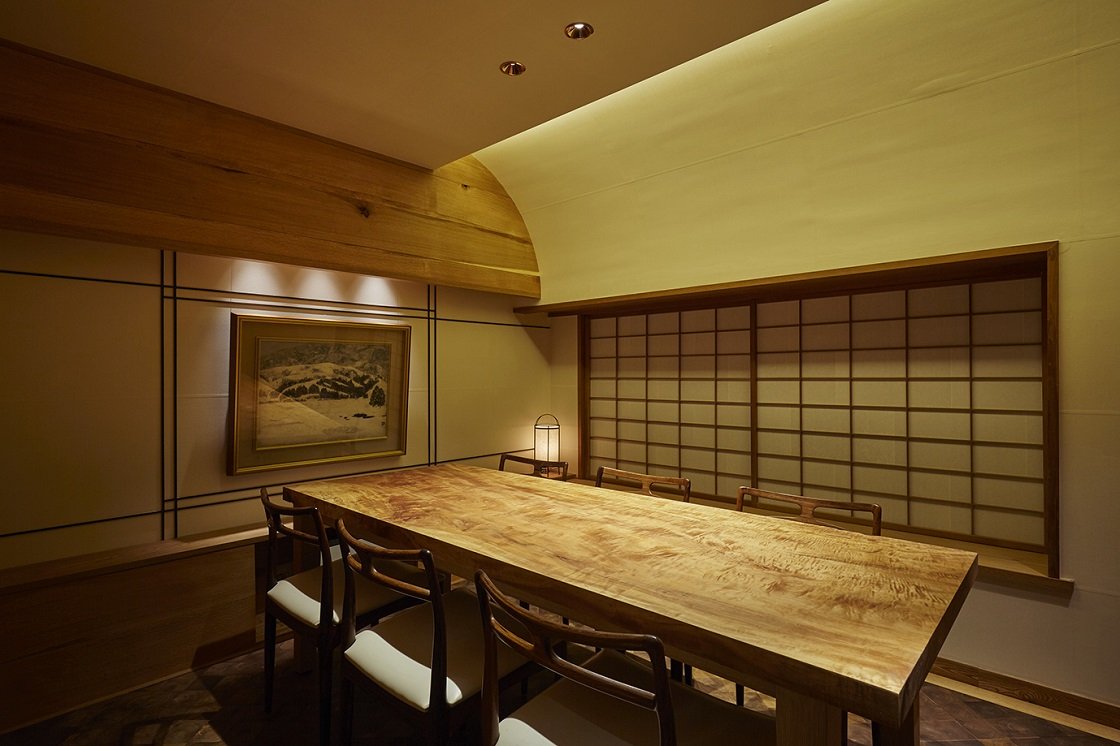
Refined and contemplative with meticulous attention to detail: lacquer surfaces that catch light like still water, carefully selected ceramics, and a service cadence that creates ceremony around each course.
Tags
Vibe
Best For
Experience
Sourcing
At the Table
- Dress Code
- Smart Casual
- Noise Level
- Quiet
- Service Style
- Formal
- Meal Pacing
- Extended Experience
- Capacity
- Intimate
Signature Dishes
- rock garden ayu platter
- hassun appetiser
Know before you go
Know Before You Go
- Getting there
- 14-5 Sennyuji Goyonotsujicho, Higashiyama Ward, Kyoto, 605-0974, Japan
Planning details
Location
14-5 Sennyuji Goyonotsujicho, Higashiyama Ward, Kyoto, 605-0974, Japan · Directions
Recognition and awards
Also consider
Also Consider
- Gion Sasaki, Kaiseki, Japanese, ¥¥¥¥
- cenci, Italian, ¥¥¥
- Ifuki, Kaiseki, ¥¥¥¥
- Kyokaiseki Kichisen, Japanese, ¥¥¥¥
- SEN, French, Japanese, ¥¥¥¥
Restaurant context
How Aoikonshin Yamada Compares in Kyoto
The clearest advantage Aoikonshin Yamada holds over its Kyoto peers is price positioning. At ¥¥¥, it sits a full tier below Kyokaiseki Kichisen, Gion Sasaki, and Ifuki, all of which operate at ¥¥¥¥. If your budget does not stretch to the top tier but you want Michelin-recognised seasonal Japanese cooking, Aoikonshin Yamada is the more accessible route in. The trade-off is depth: the ¥¥¥¥ houses generally offer more layers of technique, longer menus, and greater service formality. If you are weighing a single special dinner in Kyoto and budget is flexible, Kyokaiseki Kichisen or Gion Sasaki will deliver more prestige and more complex kaiseki. But if you have already been to one of those and want a return visit at a different price point, Aoikonshin Yamada makes a strong case.
Against cenci at ¥¥¥, the comparison is about format rather than quality tier. Cenci brings an Italian approach to Kyoto ingredients, which suits diners who want a break from Japanese formats. Aoikonshin Yamada is firmly within the Japanese seasonal tradition, and the theatrical platter presentations are specific to that tradition, if that visual and cultural dimension matters to your decision, Aoikonshin Yamada is the right choice over cenci. For something that blends French and Japanese at ¥¥¥¥, SEN is the relevant alternative, though at a higher cost.
On booking difficulty, Aoikonshin Yamada is rated Easy, which gives it a practical advantage over restaurants in the ¥¥¥¥ tier that require reservations months in advance. Ifuki in particular is harder to secure. If you are planning a Kyoto trip with limited lead time and want a serious dinner without the booking anxiety, Aoikonshin Yamada is the most accessible option in this comparison set while still carrying external recognition from Michelin's 2025 guide.
Explore Kyoto
Around this place
Discover more on Pearl
Unlock the full Aoikonshin Yamada guide in Pearl, including awards, comparisons, FAQs, planning details, and nearby places.
Compare Aoikonshin Yamada
| Venue | Awards | Price |
|---|---|---|
| Aoikonshin Yamada | 2026 Michelin Plate2025 Michelin Plate2024 Michelin Plate | ¥¥¥ |
| Gion Sasaki | 2026 Tabelog Bronze · #3862026 OAD Top Restaurants in Japan RecommendedMichelin Guide Kyoto Osaka 20262026 La Liste Top RestaurantsTabelog 100 - Japanese cuisine - WEST - 2025 · #132025 OAD Top Restaurants in Japan Ranked · #2462025 Tabelog Silver2025 Michelin 3 Stars2025 La Liste Top Restaurants | ¥¥¥¥ |
| cenci | 2026 Tabelog Bronze · #442026 Asia's 50 Best Restaurants · #762026 OAD Top Restaurants in Japan Highly RecommendedMichelin Guide Kyoto Osaka 2026Tabelog 100 - Italian - WEST - 2025 · #632025 Asia's 50 Best Restaurants · #632025 OAD Top Restaurants in Japan Ranked · #1682025 Tabelog Bronze2024 OAD Top Restaurants in Japan Ranked · #135 | ¥¥¥ |
| Ifuki | 2026 OAD Top Restaurants in Japan Ranked · #1222026 Tabelog Bronze · #128Michelin Guide Kyoto Osaka 20262026 La Liste Top RestaurantsTabelog 100 - Japanese cuisine - WEST - 2025 · #622025 OAD Top Restaurants in Japan Ranked · #1002025 La Liste Top Restaurants2025 Tabelog Bronze2025 Michelin 2 Stars | ¥¥¥¥ |
| Kyokaiseki Kichisen | 2026 Tabelog Bronze · #1752026 OAD Top Restaurants in Japan Highly RecommendedMichelin Guide Kyoto Osaka 20262025 OAD Top Restaurants in Japan Ranked · #1862025 Michelin 2 Stars2025 La Liste Top Restaurants2024 OAD Top Restaurants in Japan Ranked · #1422024 Michelin 2 Stars2023 OAD Top Restaurants in Japan Ranked · #136 | ¥¥¥¥ |
| SEN | 2026 Tabelog Bronze · #3952026 OAD Top Restaurants in Japan RecommendedMichelin Guide Kyoto Osaka 20262026 Michelin PlateTabelog 100 - Japanese cuisine - WEST - 2025 · #652025 Michelin Plate2025 Tabelog Bronze2024 OAD Top Restaurants in Japan Ranked · #3622024 Michelin Plate | ¥¥¥¥ |







Side-by-side comparison to help you decide where to book.
FAQ
Frequently Asked Questions
Is Aoikonshin Yamada good for a special occasion?
Yes, with the right expectations. The Michelin recognition specifically calls out the owner-chef's elaborate presentations and seasonal plating — the kind of theatre that makes a meal feel like an event. It works best for two people who appreciate visual craft over pure Michelin-star prestige. If you want the full ceremonial weight of Kyoto kaiseki, Kyokaiseki Kichisen operates at a higher register, but Aoikonshin Yamada is considerably easier to book and delivers genuine seasonal intention at ¥¥¥ pricing.
What are alternatives to Aoikonshin Yamada in Kyoto?
Gion Sasaki is the comparison to make if you want starrier Michelin credentials and are willing to plan further ahead. cenci offers a more contemporary, Italian-influenced approach if strict kaiseki format is not your priority. Ifuki and SEN sit closer to Aoikonshin Yamada's accessible-booking tier for traditional Japanese cooking. Kyokaiseki Kichisen is the prestige ceiling in Kyoto kaiseki but operates at a different price and planning commitment altogether.
What should a first-timer know about Aoikonshin Yamada?
The format begins with a hassun appetiser and follows the kaiseki progression, so this is not a la carte dining. The restaurant sits in the quieter southern stretch of Higashiyama Ward near Sennyuji temple, away from the tourist-heavy centre, so factor that into your travel time. Booking difficulty is rated Easy relative to the Kyoto kaiseki category, but confirm your reservation as soon as your travel dates are fixed — seats are limited by the nature of the format.
Is Aoikonshin Yamada worth the price?
At ¥¥¥ pricing with a Michelin Plate (2025), it sits in a fair-value position for Kyoto kaiseki — you are paying for seasonal craft and plating artistry, not Michelin stars. The sweetfish platter described in the Michelin entry, with the salt-drawn stream and positioned fish, is the kind of presentation that justifies a premium meal on its own terms. If your priority is star count per yen, book Gion Sasaki instead; if you want seasonal visual theatre at a more accessible booking difficulty, Aoikonshin Yamada makes sense.
Is the tasting menu worth it at Aoikonshin Yamada?
The Michelin entry describes a menu structured around seasonal love — starting with a hassun and building through elaborately presented courses — which is the core case for booking. The sweetfish season platter in particular is documented as a standout: a rock garden scene drawn in salt on black lacquer with the fish posed as if swimming upstream. If that level of presentation-as-storytelling appeals to you, the tasting menu format here is the right vehicle. If you want flexibility to order selectively, this is not the format for you.