aoi
Sakyō, Kyoto
Restaurant in Kyoto, Japan
 Book with Pearl
The Read
Price
$10–20per person
Dress
Casual
Why go
aoi operates lunch-only hours in Kyoto's quieter Shimogamo district, drawing locals and repeat visitors seeking a low-key midday break near the Kamo River. With no published menu, phone, or website, it reads as a walk-in experiment rather than a planned booking: better suited to neighborhood exploration than destination dining.
About aoi
aoi is a Kyoto venue open daily from 12 PM to 4 PM and lists a casual dress code. Beyond those basics, public details are limited, so visitors should avoid assuming a specific cuisine, menu format, seating style, price point, or reservation process. The most reliable way to frame aoi is as a daytime Kyoto option to consider alongside other names like Kamo Mitarashi Chaya or Nakagawa Komugiten.
The Daytime Format and What It Signals
aoi's hours are 12–4 PM every day. That makes the timing straightforward for travelers planning a midday stop. With no cuisine type, chef credentials, awards, website, phone number, or menu information available here, the safest expectation is a casual Kyoto visit rather than a highly documented destination meal. In that sense, aoi can be considered naturally with Cafe Verdi or Housen Dou Honten as another option to research before you go.
Counter Seating and Atmosphere
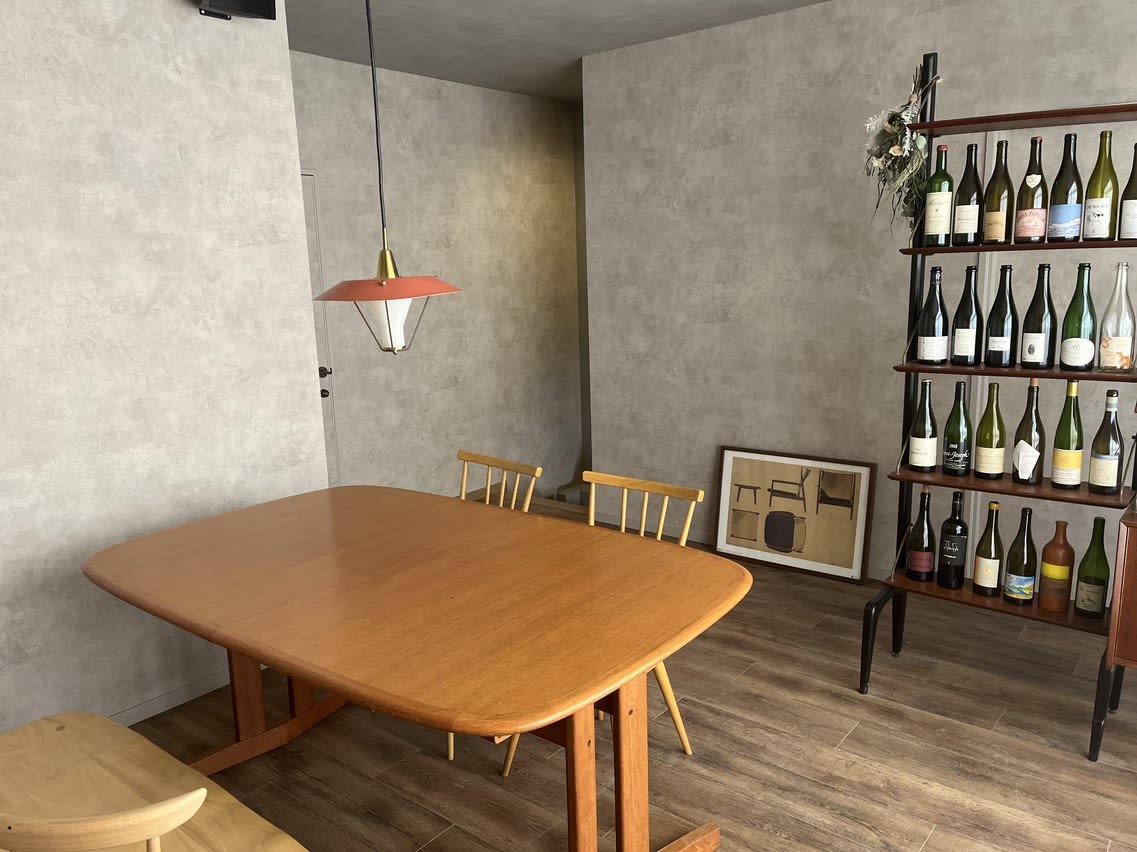
There is no seating layout, room description, or service format for aoi. Travelers should not assume counter seating, private rooms, a tasting menu, or a particular atmosphere unless they confirm directly. The dress code is casual, which supports a relaxed approach to what to wear, but the rest of the experience should be treated as unknown.
How It Compares
Compared with other options, aoi is defined mainly by its limited public information and consistent daytime hours. Kamo Mitarashi Chaya, Nakagawa Komugiten, Cafe Verdi, Housen Dou Honten, and Saruya may be useful names to consider when building an itinerary, but aoi itself should be evaluated on basics only: Kyoto location, daily 12–4 PM hours, and casual dress. Specific claims about price, menu, reservations, seating, or specialties should be checked directly with the venue.
For visitors building a full Kyoto itinerary, aoi is best treated as a flexible daytime possibility rather than a centerpiece planned around detailed published information. If you need confirmed cuisine, allergy guidance, reservation rules, or a specific format, verify those details before going or compare other options with clearer public information. For broader Kyoto dining context, consult our full Kyoto restaurants guide.
Planning details
- Location
- 52-1 Shimogamo Matsunokicho, Sakyo Ward, Kyoto, 606-0816, Japan
- Reservations
- Book on the venue's website
- Website
- hitosara.com/0006122666
- Phone
- +81757441873
The take
The Take
The Vibe
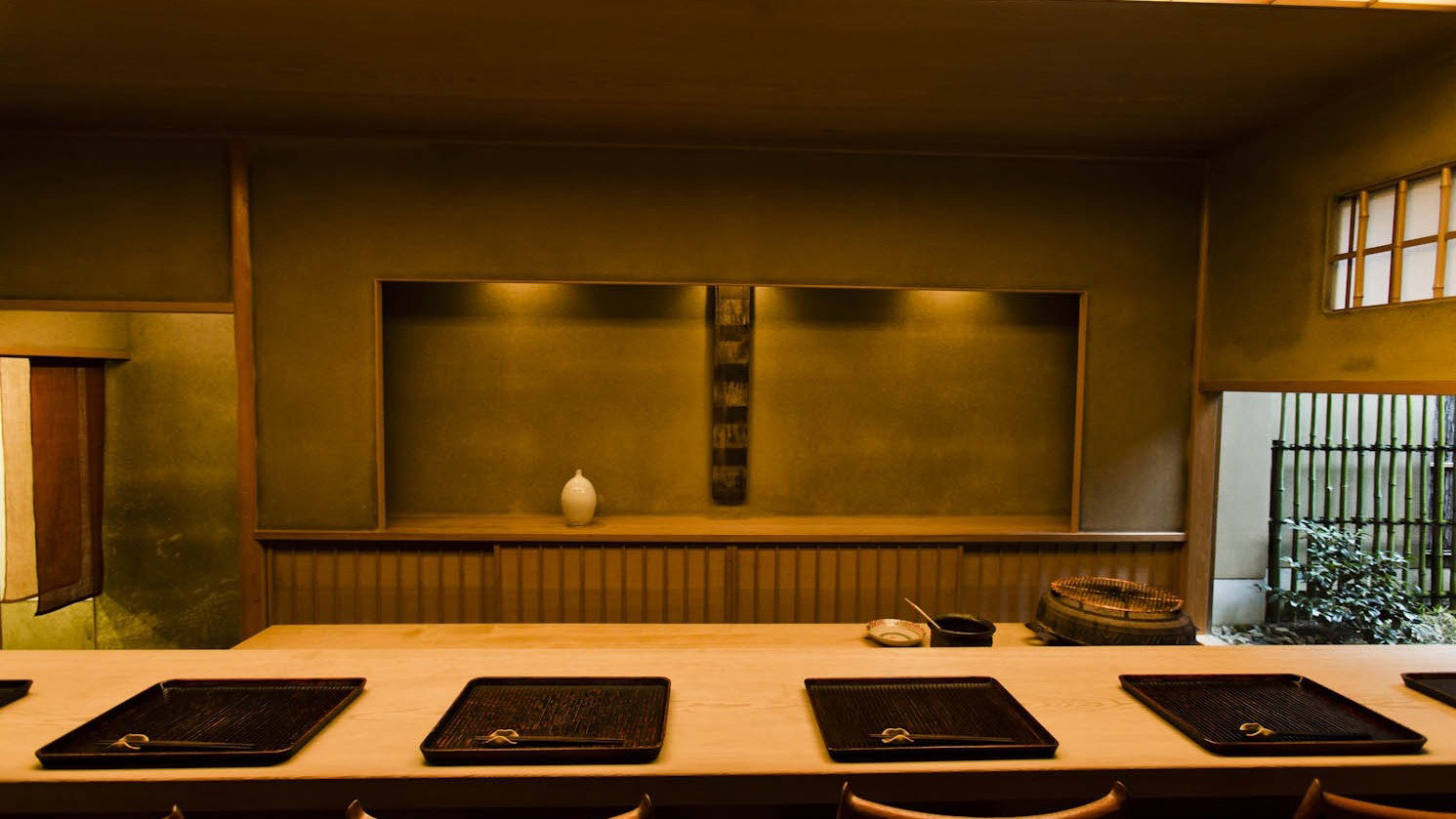
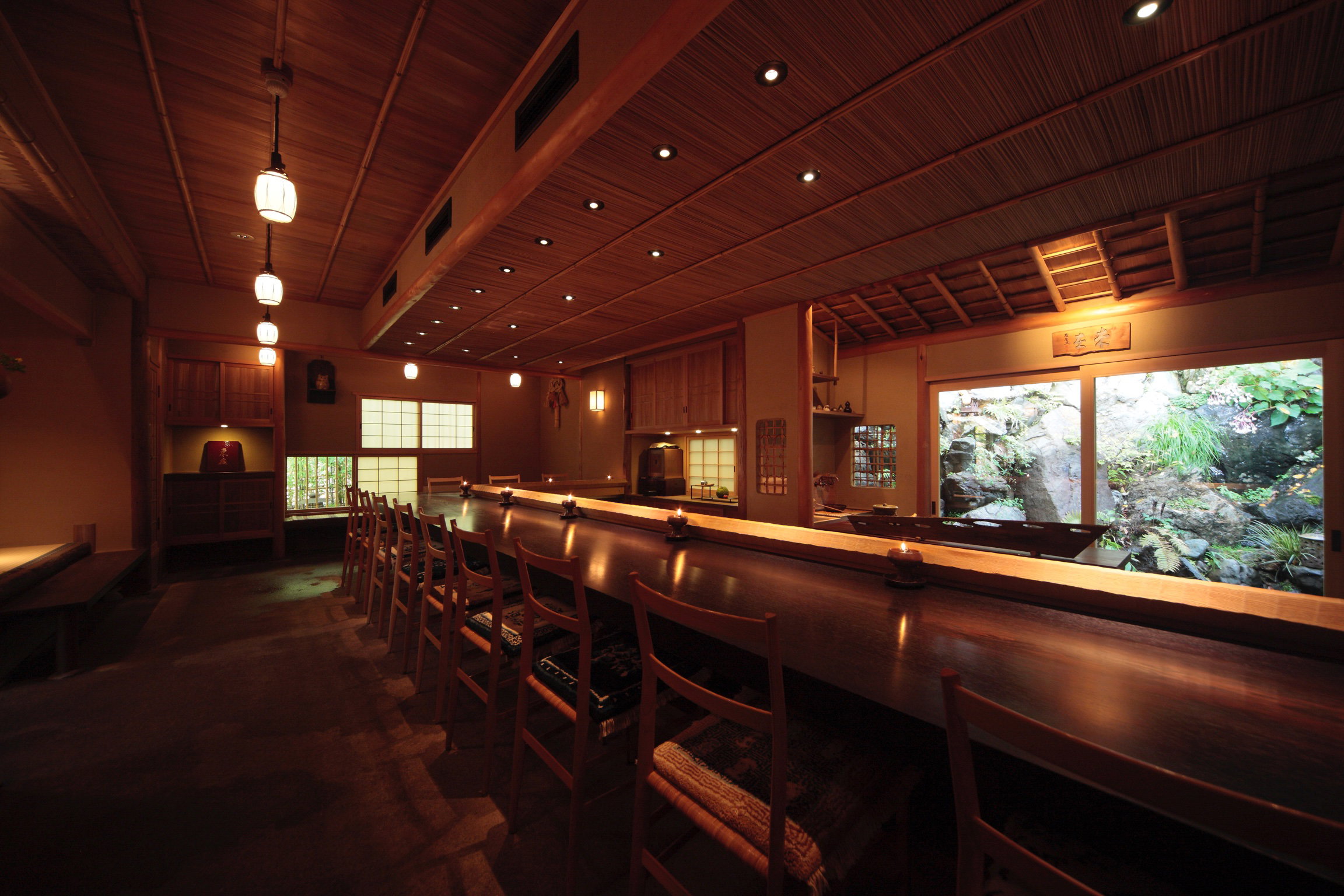
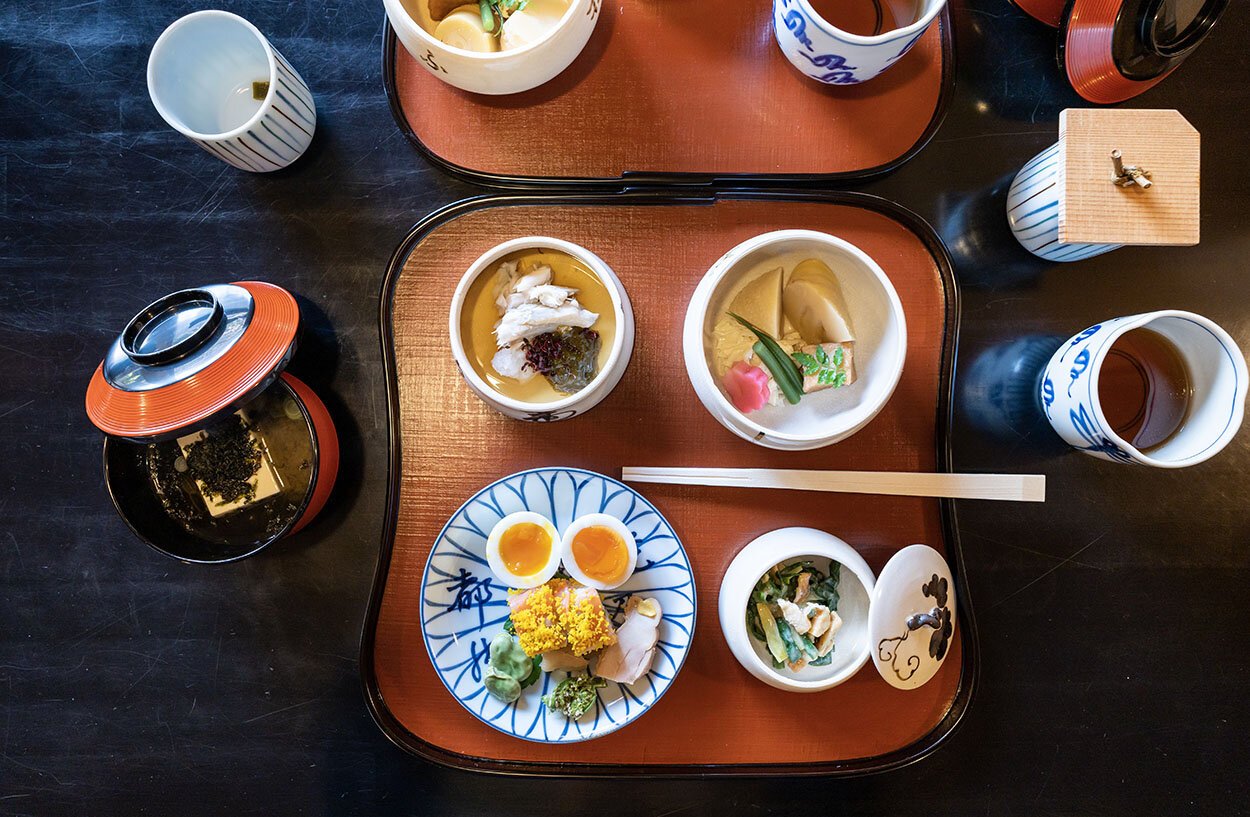
Aoi sits quietly in Shimogamo, occupying the calmer, residential side of Kyoto's dining map. It presents kaiseki not as spectacle but as practiced ritual: courses are calibrated to season and to a particular sensory arc. The room reads like a neighbourhood place for guests who already know Kyoto's rhythms rather than a stop on the tourist circuit, which keeps the atmosphere low-key and attentive. Expect a restrained, elegant dining room that privileges seasonal precision and the formal logic of kaiseki over theatrical presentation.
Best For
Aoi is best encountered for an unhurried kaiseki dinner when you want to experience Kyoto's seasonal dining architecture in a neighborhood setting. The restaurant suits special evenings that call for considered service and sequence, and it also functions as a place locals return to when they want a refined, quietly formal meal. Signature items such as nimono stews and aemono dressed vegetables signal the kitchen's commitment to texture and seasonality, making it a good pick for diners who appreciate subtlety and tradition.
Ordering Tips
Treat Aoi as you would any kaiseki room: yield to the sequence and let the kitchen guide the progression of courses. The cooking emphasizes seasonality and balance, so start by appreciating the seasonal aemono and the comforting, slow-cooked textures of nimono stews. Because the menu is structured to create a particular sensory arc, resist requests to reorder or fragment the sequence; the full, prescribed progression is the point of the meal and the clearest way to understand the restaurant's approach.
Venue details
Ambiance
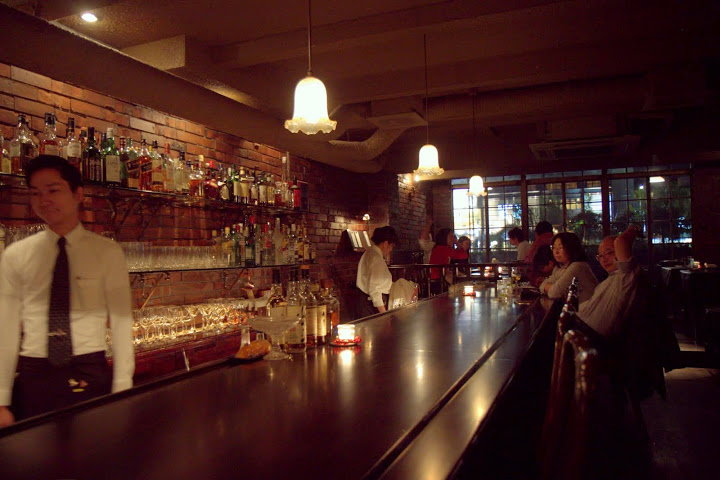
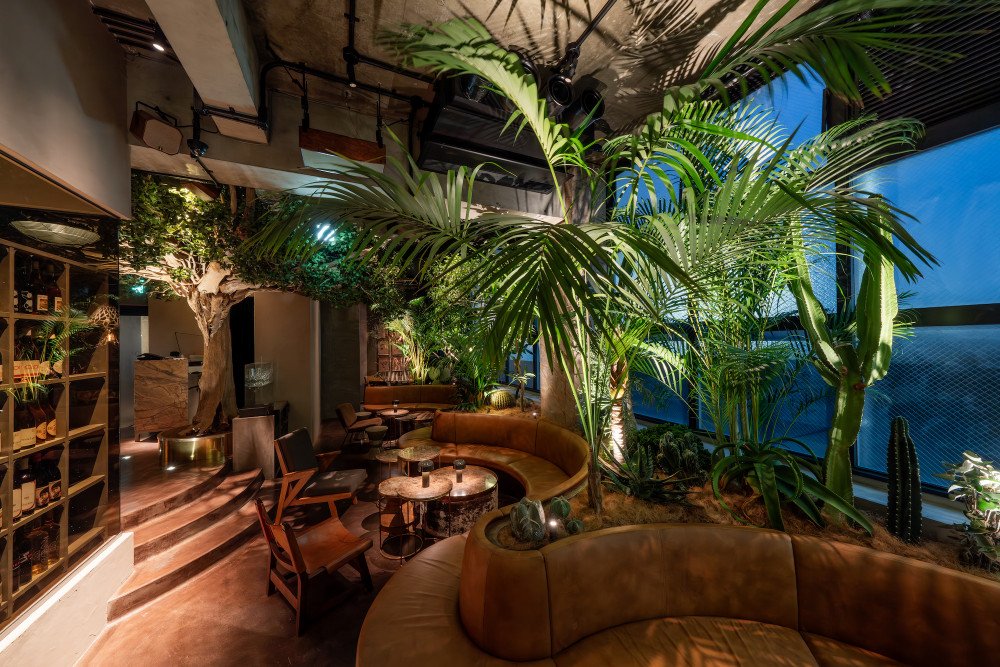
Warm and inviting with a compact counter setup featuring large bowls of traditional Kyoto dishes, creating a friendly neighborhood atmosphere.
Tags
Vibe
Best For
Sourcing
At the Table
- Dress Code
- Casual
- Noise Level
- Conversational
- Service Style
- Casual
- Meal Pacing
- Standard
- Capacity
- Intimate
- Kitchen
- Traditional
- Menu Format
- Counter dining, A la carte
- Drinks Focus
- Local sake, Beer
Signature Dishes
- nimono stews
- aemono dressed vegetables
Know before you go
Know Before You Go
- Getting there
- 52-1 Shimogamo Matsunokicho, Sakyo Ward, Kyoto, 606-0816, Japan
Planning details
Location
52-1 Shimogamo Matsunokicho, Sakyo Ward, Kyoto, 606-0816, Japan · Directions
Also consider
Also Consider
- Kamo Mitarashi Chaya, - JPY 999, - JPY 999
- Nakagawa Komugiten, - JPY 999 - JPY 999 View spending breakdown, - JPY 999 - JPY 999 View spending breakdown
- Cafe Verdi, - JPY 999, - JPY 999
- Housen Dou Honten, - JPY 999 View spending breakdown, - JPY 999 View spending breakdown
- Saruya, - JPY 999 - JPY 999 View spending breakdown, - JPY 999 - JPY 999 View spending breakdown
Restaurant context
Among Kyoto's lunch-hour options in the sub-¥1,000 range, aoi sits alongside Kamo Mitarashi Chaya, Nakagawa Komugiten, Cafe Verdi, Housen Dou Honten, and Saruya, all budget-friendly, all walkable from temple routes, all operating without the reservation pressure of the city's kaiseki heavyweights. The difference lies in documentation: those peers publish menus, maintain websites, or have verifiable specialty formats (mitarashi dango at Kamo, baked goods at Nakagawa). aoi's opacity means you trade research confidence for discovery potential. If you prefer to know exactly what you're booking, stick with Nakagawa Komugiten or Saruya, both of which publish price brackets and clear format signals.
For visitors building a full Kyoto itinerary, aoi works as a secondary lunch stop rather than a centerpiece meal. Pair it with the northern shrines, Shimogamo Shrine is a five-minute walk, and save your dinner reservation equity for a place with a documented pedigree. If you're after a more structured experience with clear menu intel, Housen Dou Honten delivers similar pricing with better advance planning support.
Explore Kyoto
Around this place
Discover more on Pearl
Unlock the full aoi guide in Pearl, including awards, comparisons, FAQs, planning details, and nearby places.
Compare aoi
| Venue | Location | Price | Awards |
|---|---|---|---|
| aoi | Kyoto | , | No published awards |
| Kamo Mitarashi Chaya | Kyoto | - JPY 999 | Tabelog 100 - Japanese traditional sweets / Japanese sweets cafe - WEST - 2023 · #27 |
| Nakagawa Komugiten | Kyoto | - JPY 999 - JPY 999 View spending breakdown | Tabelog 100 - Bread - WEST - 2022 · #60 |
| Cafe Verdi | Kyoto | - JPY 999 | No published awards |
| Housen Dou Honten | Kyoto | - JPY 999 View spending breakdown | Tabelog 100 - Japanese traditional sweets / Japanese sweets cafe - WEST - 2023 · #64 |
| Saruya | Kyoto | - JPY 999 - JPY 999 View spending breakdown | Tabelog 100 - Japanese traditional sweets / Japanese sweets cafe - WEST - 2023 · #100 |

How aoi Kyoto compares with similar nearby venues.
FAQ
Frequently Asked Questions
How far ahead should I book aoi?
aoi is open daily from 12 PM to 4 PM. If you are planning around a tight schedule, confirm directly before visiting.
What should a first-timer know about aoi?
aoi is in Kyoto and is open daily from 12 PM to 4 PM. The dress code is casual.
Is aoi good for a special occasion?
There is not enough information to assess aoi for a special occasion. Its casual dress code and 12–4 PM daily hours suggest a daytime visit, but seating, service style, private-room availability, menu format, and celebration support are unclear.
What are alternatives to aoi in Kyoto?
Other names to consider while planning include Kamo Mitarashi Chaya, Nakagawa Komugiten, Cafe Verdi, Housen Dou Honten, and Saruya. Compare current hours, menus, booking rules, and location details directly before choosing.
What should I wear to aoi?
aoi's dress code is casual. Clean, comfortable casual wear is appropriate.
Is lunch or dinner better at aoi?
aoi's hours are 12–4 PM daily. Choose another Kyoto venue if you need an evening meal.
Does aoi handle dietary restrictions?
There is no confirmed allergy policy, vegetarian menu, or special-diet process. Diners with strict dietary needs should confirm directly before visiting.