
anpeiji
French · Fushimi, Kyoto
Restaurant in Kyoto, Japan
 Book with Pearl
The Read
Provençal-Japanese Restraint
Price
$200–300per person
Dress
Smart Casual
Why go
anpeiji holds a Michelin 1 Star (2024) and serves lighter French cuisine built around high-quality Japanese ingredients, drawing on the chef's training in southern France. At the ¥¥¥ price tier, it is one of the more accessible starred restaurants in Kyoto. Book four to six weeks out minimum; non-Japanese speakers will likely need concierge help to secure a table.
About anpeiji
Is anpeiji worth booking in Kyoto?
Yes: if you want Michelin-starred French cooking that takes Japanese ingredients seriously, anpeiji in Fushimi Ward is one of the most focused restaurants of its kind in the city. The question is not whether the quality justifies a visit: it does, but whether French cuisine built around Japanese produce is the format you are after.
What makes anpeiji different
The defining choice at anpeiji is a deliberate rejection of the butter-and-cream architecture that underpins most classical French cooking. Chef Masashi Ampeiji trained in the south of France specifically because southern French cuisine favours olive oil as its fat base, producing lighter, more herb-forward sauces with a brighter acid balance. That apprenticeship shapes every plate: the cooking is still sauce-driven and technically French in structure, but the results are noticeably lighter than what you would encounter at a comparable starred restaurant in Paris or Lyon.
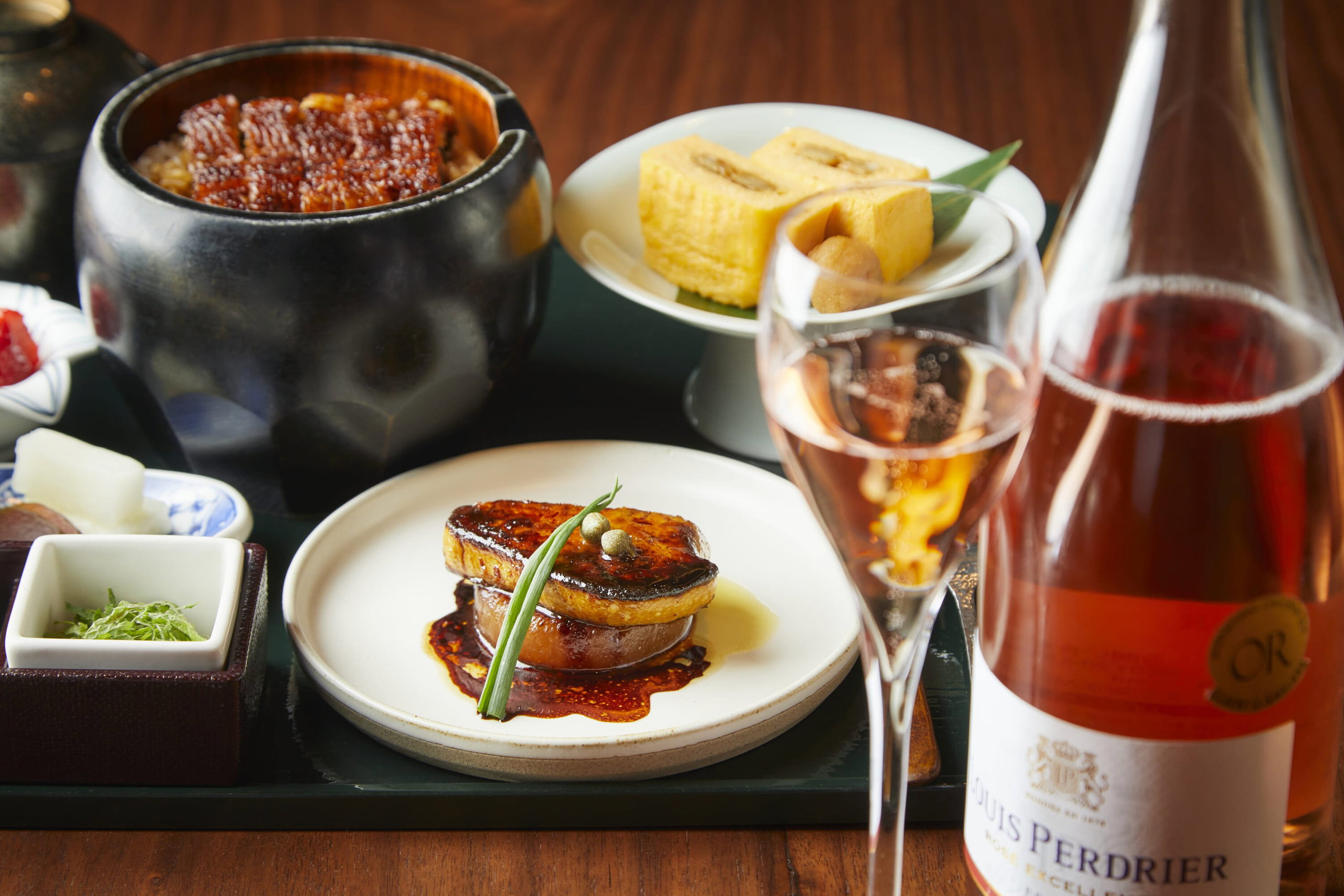
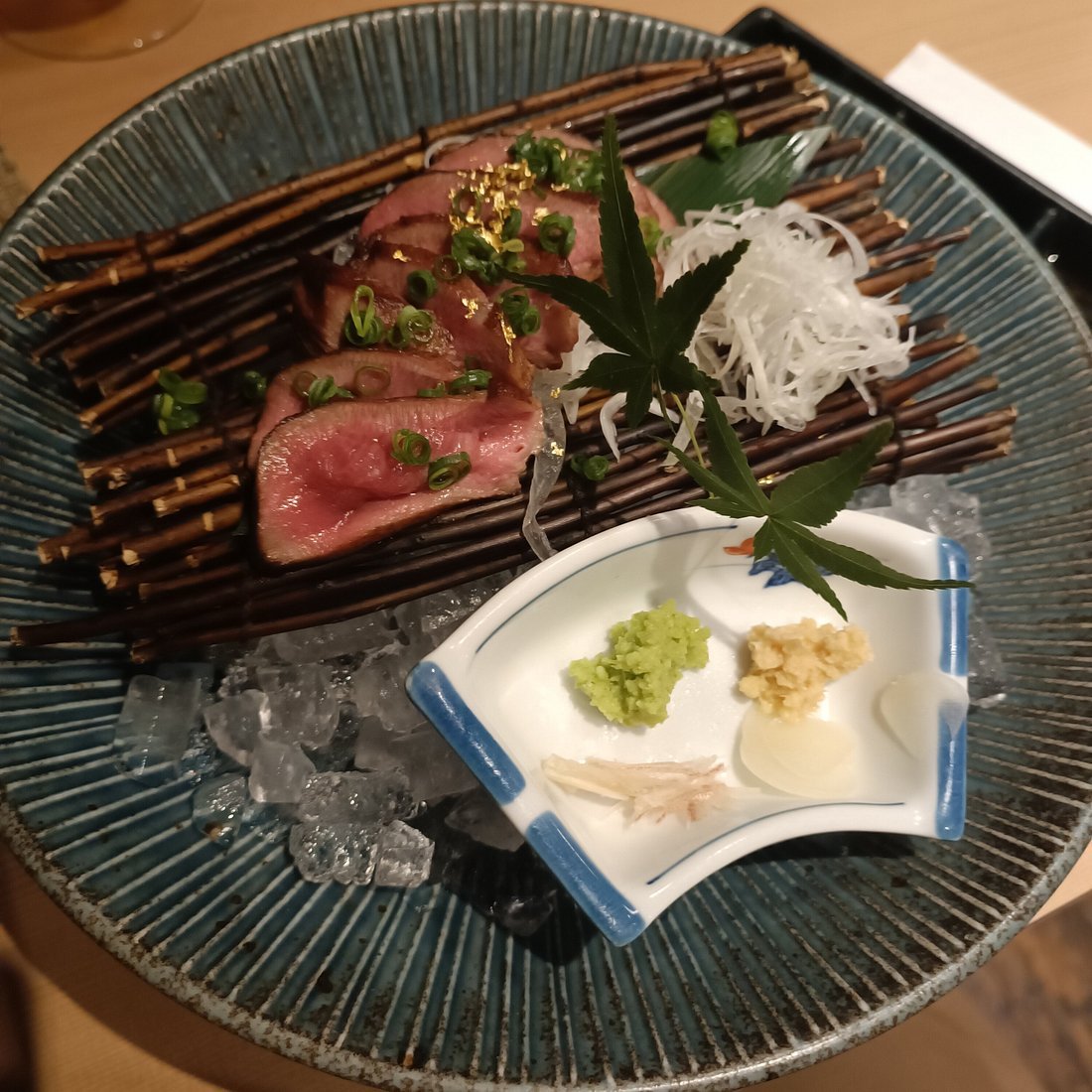
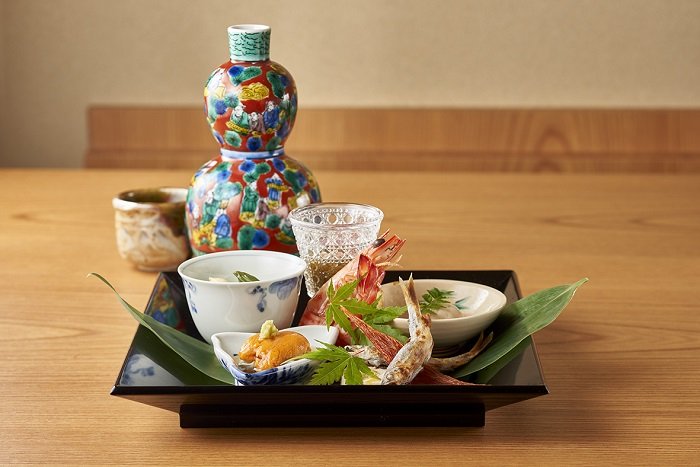
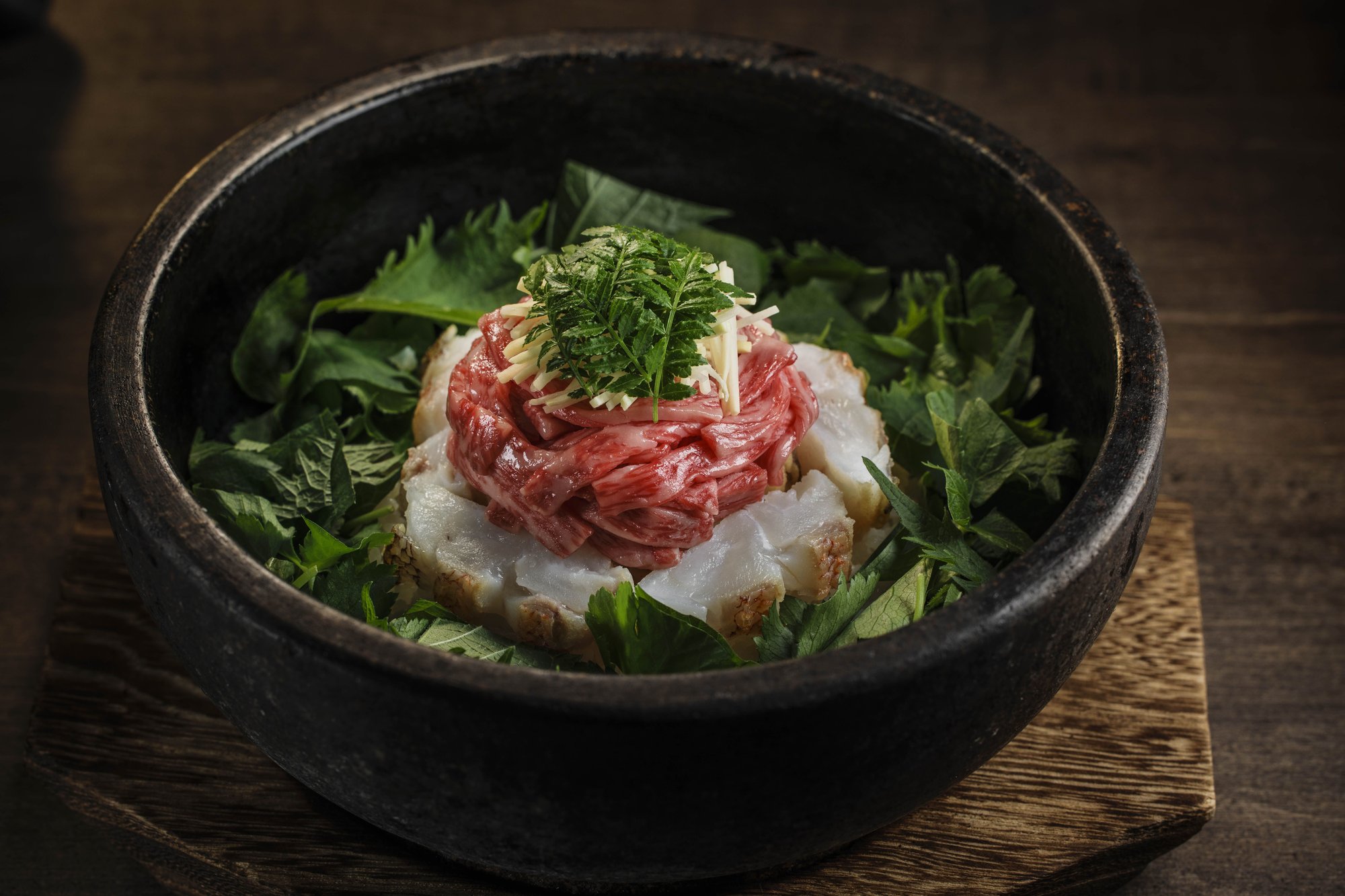
What separates anpeiji from other Japan-based French kitchens is the sourcing logic. The chef uses high-quality Japanese ingredients as the primary material, then applies French technique and southern French flavour principles to them. This is not fusion in the loose sense, it is a coherent point of view about what French cooking can do when it works with produce selected for Japanese standards of quality and seasonality. Edible flowers, fresh herbs, and citrus fruits appear regularly, adding sweetness and acidity that keep the plates from feeling heavy. The presentations are brilliantly coloured and delicately constructed, fitting an aesthetic of food designed to look as considered as it tastes.
For the food-focused traveller visiting Kyoto, that combination, lighter French technique, Japanese ingredient standards, ¥¥¥ pricing, Michelin recognition, is a specific and compelling proposition. Kyoto's most celebrated restaurants are overwhelmingly kaiseki or traditional Japanese formats; a starred French option at this price point with a genuinely differentiated culinary philosophy is not something you encounter everywhere. If Japanese-French crossover cooking interests you, anpeiji makes a stronger argument than most. For comparable Japan-based French exploration, HAJIME in Osaka operates at a higher price tier with more formal ambition, while akordu in Nara takes a different European-Japanese approach worth comparing.
Location and access
anpeiji sits at 56 Nakajimahinokamicho in Fushimi Ward, the southern part of Kyoto, well away from the tourist concentration around Gion or the central station area. Fushimi is leading known as the neighbourhood surrounding Fushimi Inari Taisha, which means it draws visitors but is not a typical dining destination in the way Gion or Kawaramachi are. Factor in travel time from central Kyoto if you are planning around multiple reservations in an evening. The location is manageable but requires intention, this is not a restaurant you stumble past.
Booking anpeiji
Getting a table here is genuinely difficult. The Michelin star, the small-restaurant format typical of this type of Kyoto venue, and the limited English-language booking infrastructure common to Fushimi Ward restaurants all contribute to that difficulty. Book as far in advance as your plans allow, four to six weeks is a reasonable minimum for a Michelin-starred venue of this scale in Kyoto, and more lead time is better. If you are coming from outside Japan, engage your hotel concierge early; they are the most reliable route to confirming a table at restaurants like this.
Reservations: Book four to six weeks out minimum; concierge assistance strongly recommended for non-Japanese speakers. Budget: ¥¥¥ price tier, mid-range for a Michelin-starred restaurant in Kyoto. Dress: No confirmed dress code, but smart casual is appropriate for a starred French restaurant. Location: Fushimi Ward, southern Kyoto, allow travel time from central areas.
Who should book anpeiji
anpeiji is the right choice for food-focused travellers who want a Michelin-starred meal in Kyoto that is not kaiseki, and who value ingredient provenance and a lighter French style over the richer, more classical approach. It is less suited to travellers who want a traditional Kyoto culinary experience, for that, the city's kaiseki options are the right category. It is also a tighter fit for large groups or travellers who need easy English-language booking.
For broader context on dining in the city, see our full Kyoto restaurants guide. Elsewhere in Japan's French-influenced fine dining scene, Harutaka in Tokyo, Goh in Fukuoka, 1000 in Yokohama, and 6 in Okinawa each represent distinct regional takes worth knowing. For Kyoto French specifically, Droit, Hiramatsu Kodaiji, La Biographie, la bûche, and MOKO are all worth comparing against anpeiji depending on your priorities. For a European benchmark of the classical French tradition anpeiji departs from, Hotel de Ville Crissier and Les Amis in Singapore illustrate how different the registers are.
For Kyoto beyond restaurants: hotels, bars, wineries, and experiences guides are all available.
Planning details
- Hours
- Monday: 12–3 p.m., 6–10 p.m. · Tuesday: 12–3 p.m., 6–10 p.m.
- Location
- 56 Nakajimahinokamicho, Fushimi Ward, Kyoto, 612-8465, Japan
- Reservations
- Book on TableCheck
- Website
- anpeiji.com
- Phone
- +81 50-1807-4044
The take
The Take
The Vibe
Anpeiji channels southern France through a quietly refined Kyoto sensibility. The kitchen favors olive oil, citrus and bright acids over heavy reductions, which keeps plates light and focused on ingredient clarity. That restraint makes the dining room feel measured and intimate: seafood and vegetables are allowed to speak on their own terms, and the emphasis on local suppliers gives the experience a warm, locally rooted character. The Michelin one-star recognition underscores the kitchen’s seriousness, while the overall tone remains understated rather than showy.
Best For
This is a destination for evenings when the food is the focal point: think celebration dinners, date nights and occasions that call for composed, ingredient-driven cooking. The menu’s seafood-forward bent (highlighting abalone, salmon with caviar and kobako-gani) pairs well with a leisurely multi-course meal, and Kyoto’s market-driven approach means guests come expecting seasonal precision rather than heavy, classical French richness. It’s well suited to diners who appreciate technique that elevates local produce without overwhelming it.
Ordering Tips
Prioritize the seafood offerings and dishes that play to the kitchen’s southern-French training filtered through Kyoto ingredients: abalone and the salmon with caviar are signature preparations worth seeking out, as is the kobako-gani. Expect bright, clean flavors (olive oil, citrus and tomato notes) rather than cream-heavy sauces, and order with an eye toward tasting multiple vegetable- and fish-led courses to experience the restaurant’s coherent register. Given the Michelin recognition, allow for a paced, attentive meal rather than rushing through courses.
Venue details
Ambiance
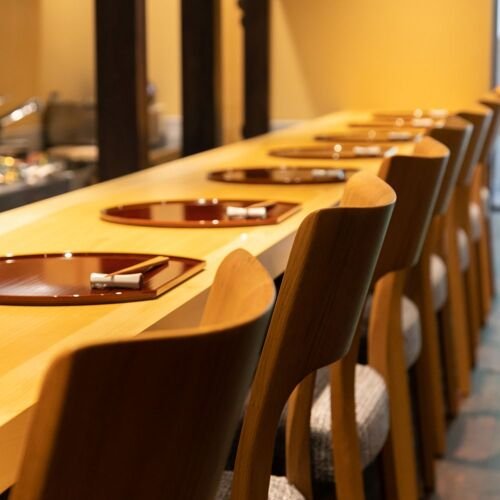
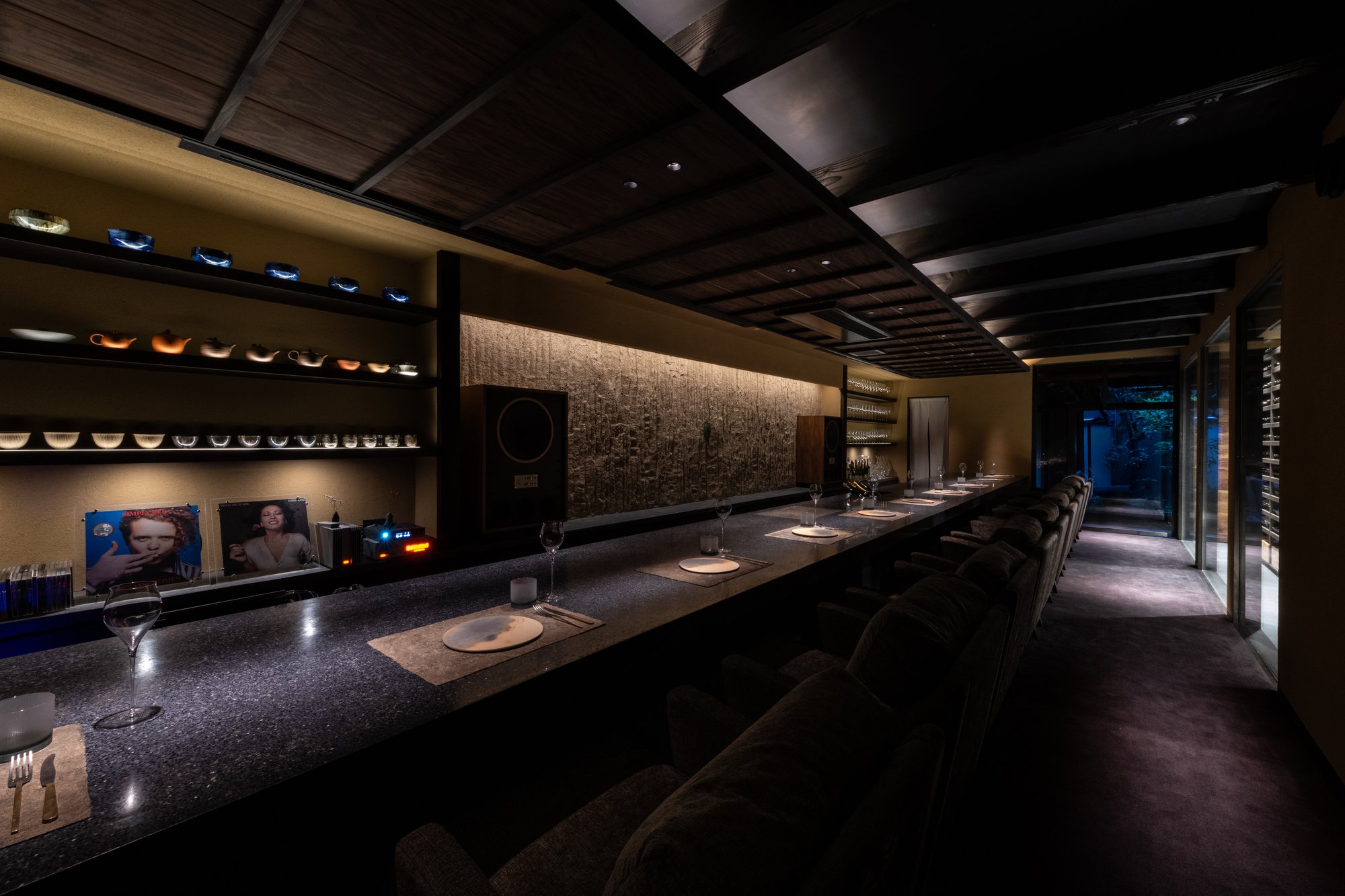
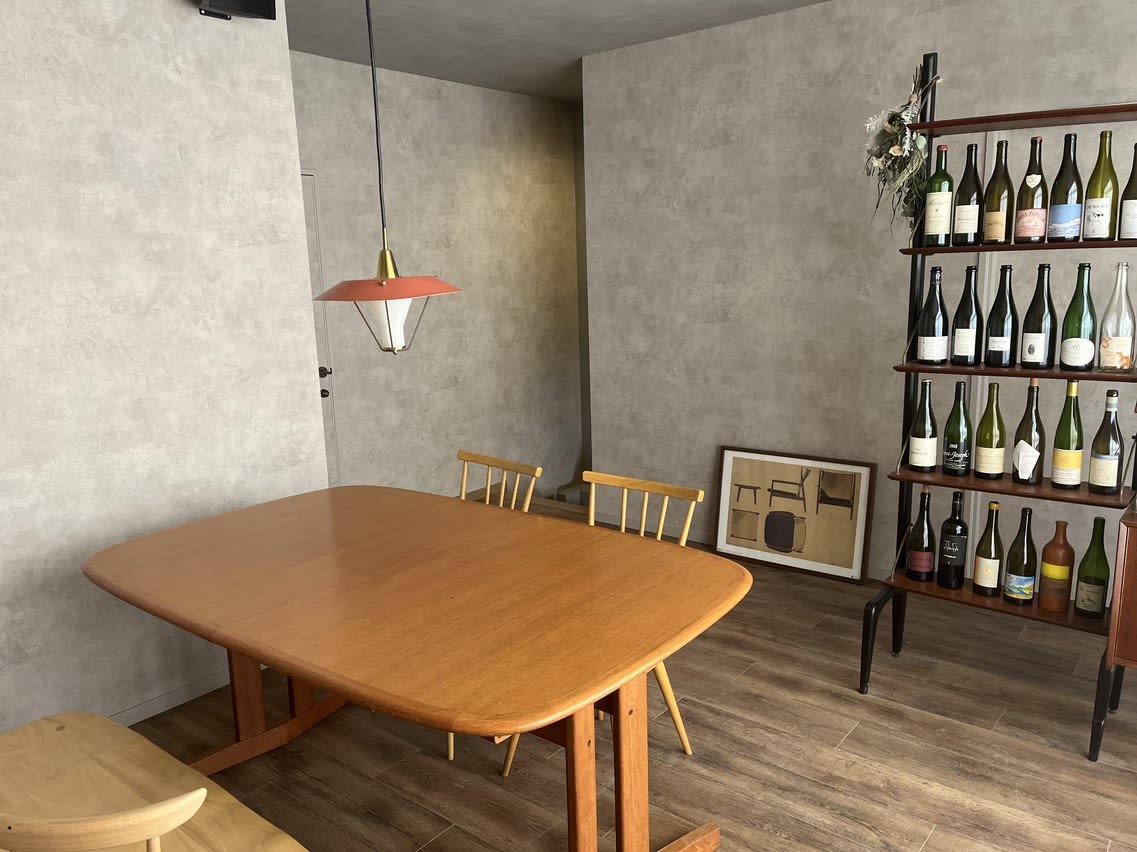
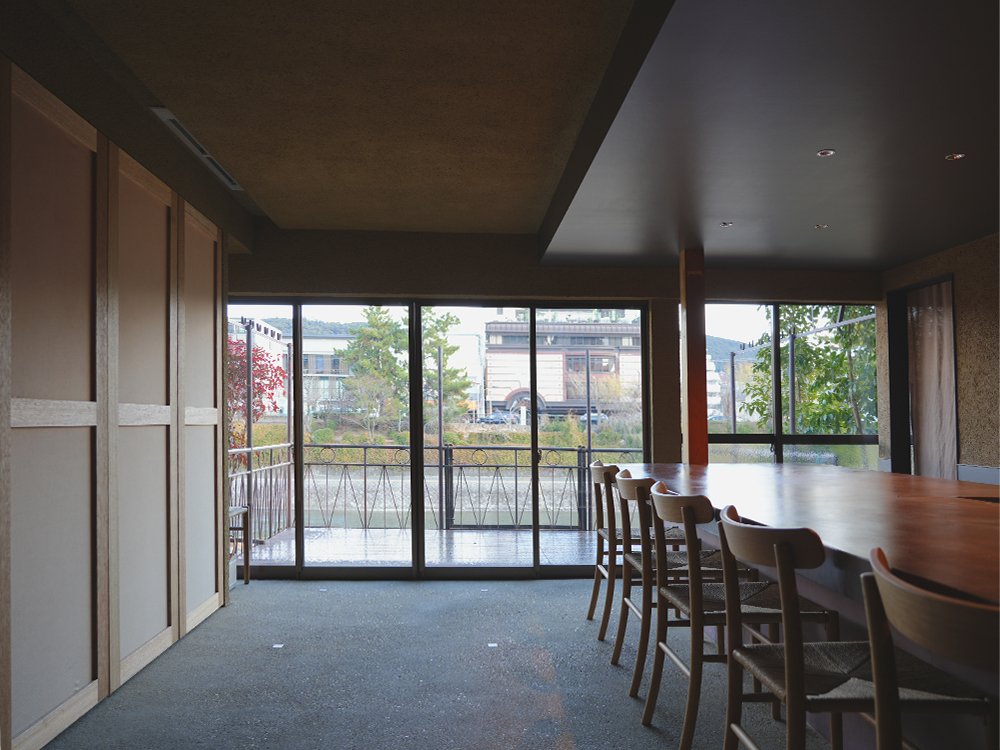
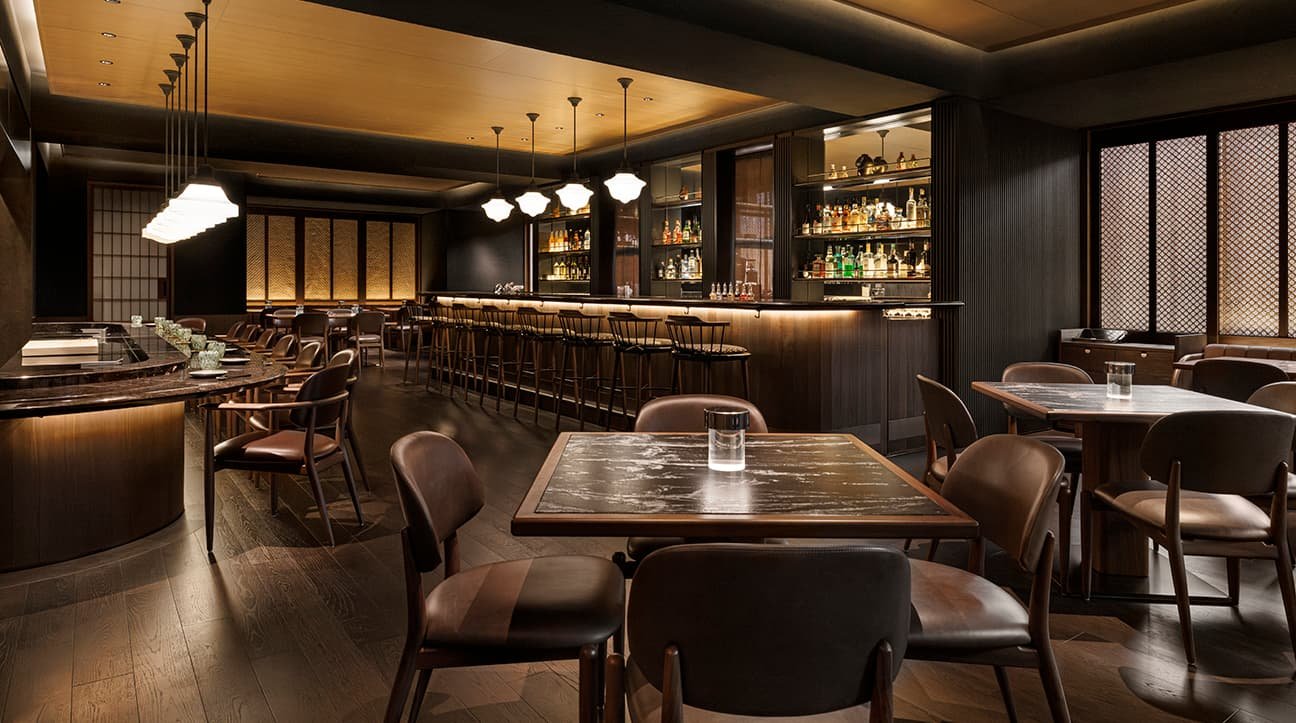
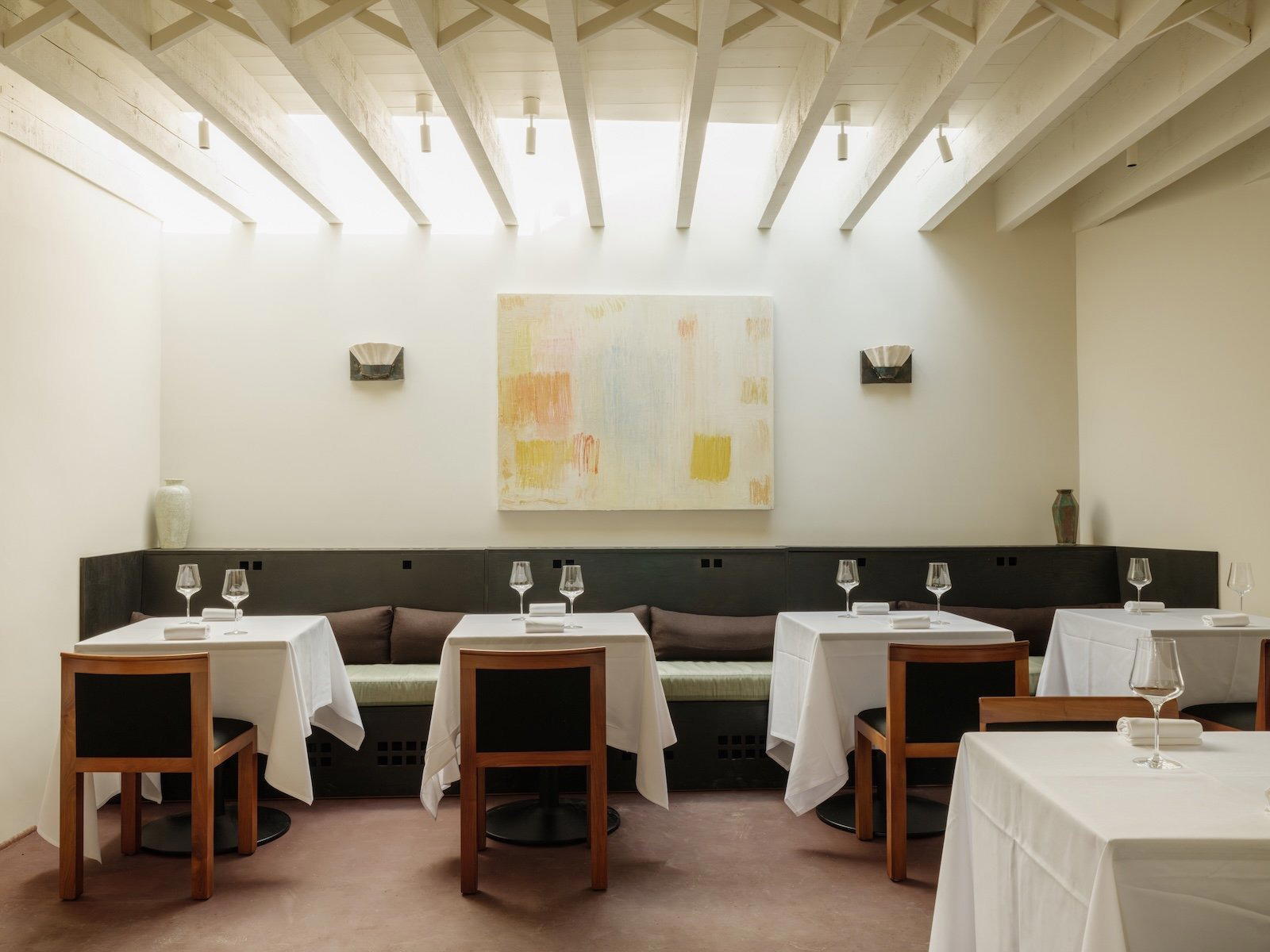
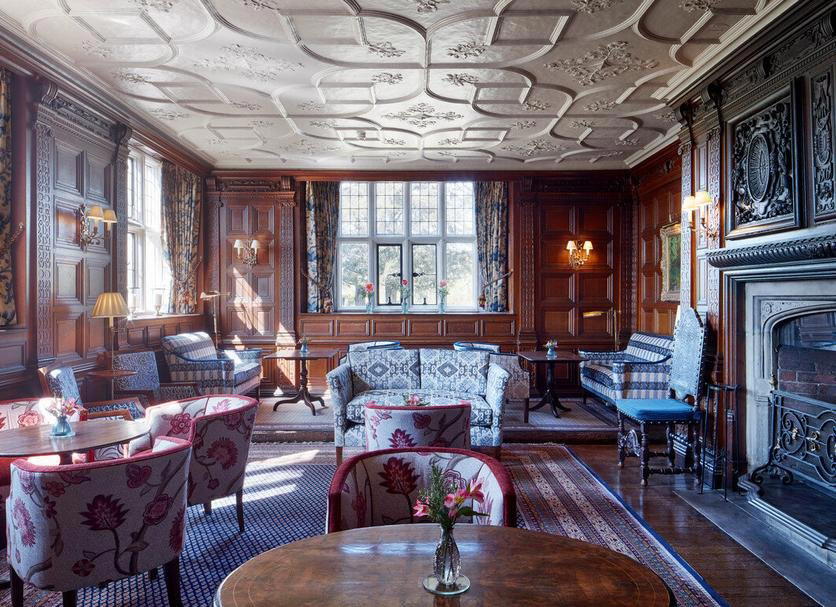
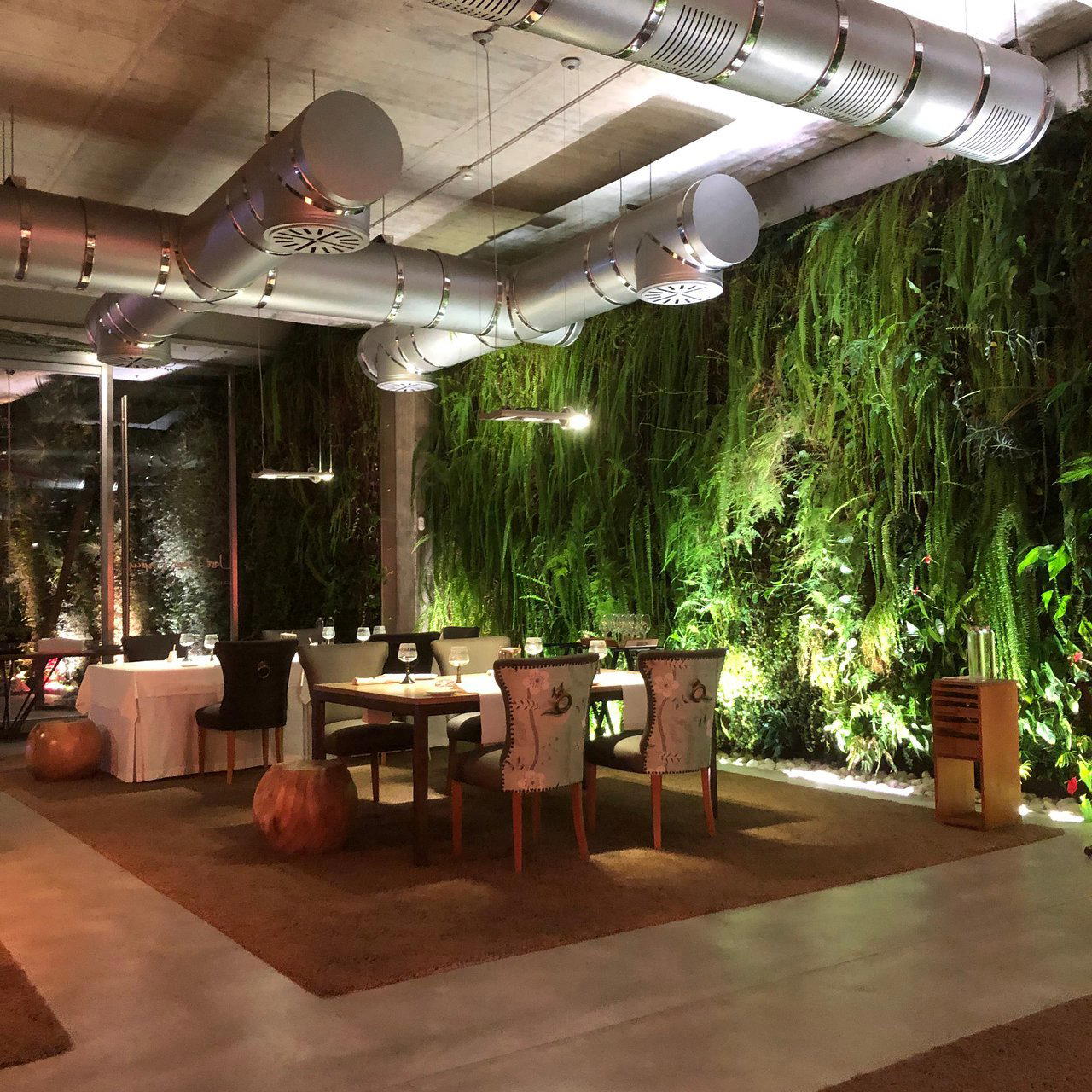
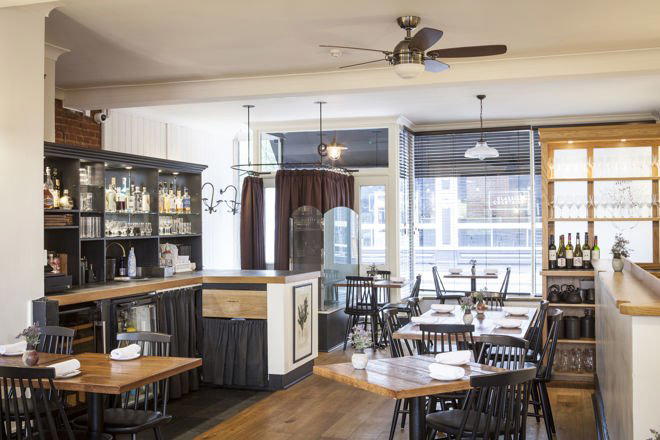
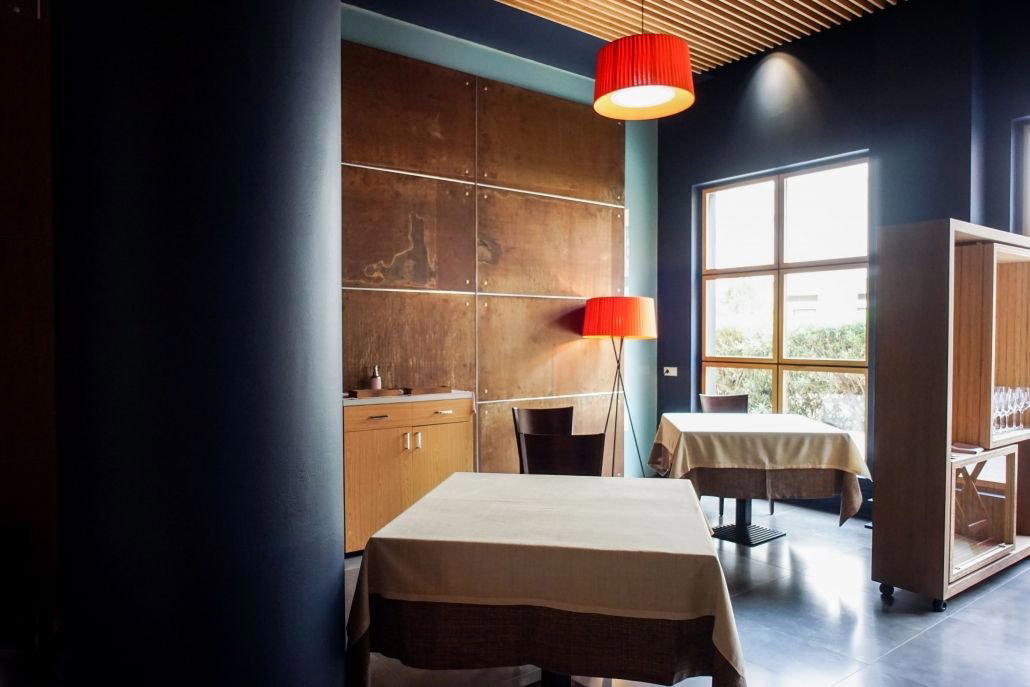
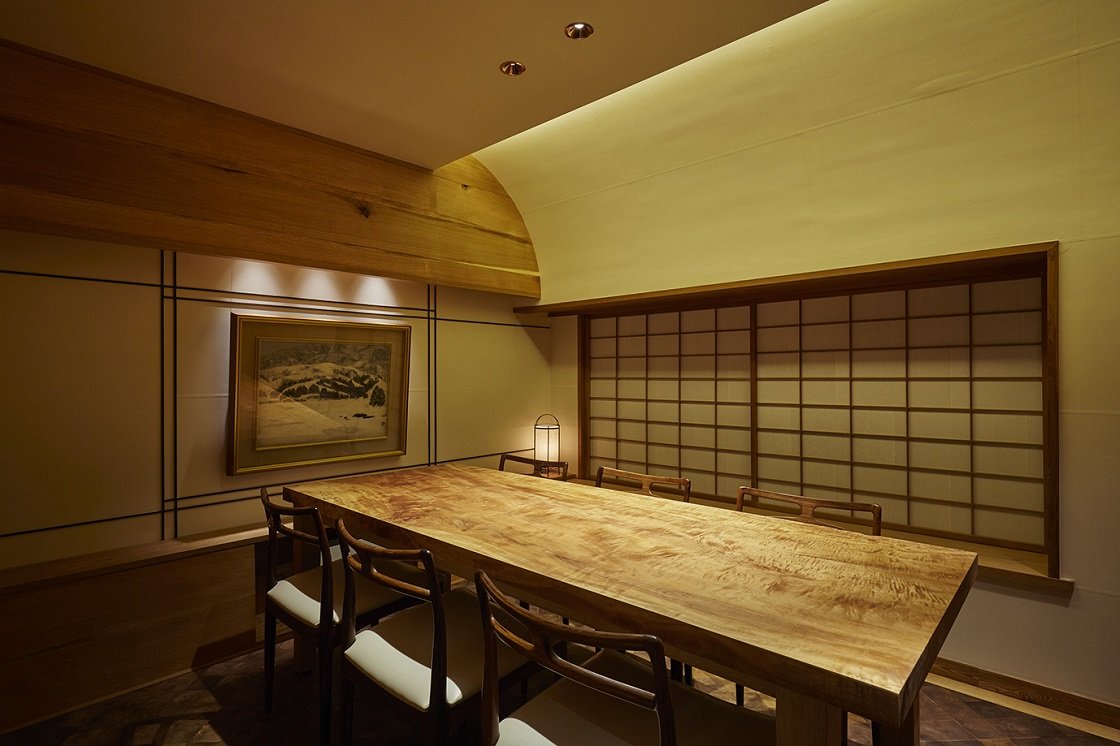
Unpretentious yet sophisticated atmosphere with modern clean design, open kitchen, warm hospitality, and calm private rooms.
Tags
Vibe
Best For
Experience
Sourcing
At the Table
- Dress Code
- Smart Casual
- Noise Level
- Quiet
- Service Style
- Formal
- Meal Pacing
- Leisurely
- Capacity
- Intimate
- Kitchen
- Modern
- Menu Format
- Tasting menu
- Dietary
- Vegetarian friendly
- Private Dining
- Available
Signature Dishes
- abalone
- salmon with caviar
- kobako-gani
Know before you go
Know Before You Go
- Getting there
- 56 Nakajimahinokamicho, Fushimi Ward, Kyoto, 612-8465, Japan
Planning details
Hours
- Monday
- 12–3 p.m., 6–10 p.m.
- Tuesday
- 12–3 p.m., 6–10 p.m.
- Wednesday
- Closed
- Thursday
- Closed
- Friday
- 12–3 p.m., 6–10 p.m.
- Saturday
- 12–3 p.m., 6–10 p.m.
- Sunday
- 12–3 p.m., 6–10 p.m.
Location
56 Nakajimahinokamicho, Fushimi Ward, Kyoto, 612-8465, Japan · Directions
Recognition and awards
Also consider
Also Consider
- Gion Sasaki: Kaiseki, Japanese, ¥¥¥¥
- cenci: Italian, ¥¥¥
- Ifuki: Kaiseki, ¥¥¥¥
- Kyokaiseki Kichisen: Japanese, ¥¥¥¥
- SEN: French, Japanese, ¥¥¥¥
Restaurant context
anpeiji sits in a different category from most of Kyoto's celebrated fine dining. Gion Sasaki, Ifuki, and Kyokaiseki Kichisen all operate at ¥¥¥¥ and within the kaiseki tradition: they are the right choice if you want Kyoto's definitive traditional Japanese format, and all three carry serious credentials. anpeiji at ¥¥¥ is the better call if you want Michelin-level cooking at a lower price point and prefer a French structure over kaiseki's multi-course Japanese progression. The trade-off is location: anpeiji is in Fushimi Ward rather than central Kyoto, which matters if you are planning an evening that connects multiple venues.
SEN is the most direct category comparison, French-Japanese at ¥¥¥¥ in Kyoto, and sits a tier above anpeiji on price. If budget is not a constraint and you want more elaborate production, SEN is worth considering. But if the ¥¥¥¥ premium is hard to justify, anpeiji's Michelin recognition and sourcing-led approach close most of the gap in cooking quality for less spend. For Italian at ¥¥¥, cenci is the peer alternative if European cuisine in Kyoto is the priority but French is not essential.
On booking difficulty, anpeiji and the ¥¥¥¥ kaiseki houses all require advance planning and Japanese-language communication. anpeiji does not have a confirmed advantage in accessibility over its higher-priced peers in that respect. The clearest reason to choose anpeiji over the alternatives is the specific combination: Michelin-starred, lighter French style, Japanese ingredient focus, and ¥¥¥ pricing. No other venue in this comparison set occupies exactly that position.
Explore Kyoto
Around this place
Discover more on Pearl
Unlock the full anpeiji guide in Pearl, including awards, comparisons, FAQs, planning details, and nearby places.
Compare anpeiji
| Venue | Cuisine | Price | Booking Difficulty | Awards |
|---|---|---|---|---|
| anpeiji | French | ¥¥¥ | Hard | Michelin Guide Kyoto Osaka 20262026 Michelin 1 Star2024 Michelin 1 Star |
| Gion Sasaki | Kaiseki, Japanese | ¥¥¥¥ | Unknown | 2026 Tabelog Bronze · #3862026 OAD Top Restaurants in Japan RecommendedMichelin Guide Kyoto Osaka 20262026 La Liste Top RestaurantsTabelog 100 - Japanese cuisine - WEST - 2025 · #132025 OAD Top Restaurants in Japan Ranked · #2462025 Tabelog Silver2025 Michelin 3 Stars2025 La Liste Top Restaurants |
| cenci | Italian | ¥¥¥ | Unknown | 2026 Tabelog Bronze · #442026 Asia's 50 Best Restaurants · #762026 OAD Top Restaurants in Japan Highly RecommendedMichelin Guide Kyoto Osaka 2026Tabelog 100 - Italian - WEST - 2025 · #632025 Asia's 50 Best Restaurants · #632025 OAD Top Restaurants in Japan Ranked · #1682025 Tabelog Bronze2024 OAD Top Restaurants in Japan Ranked · #135 |
| Ifuki | Kaiseki | ¥¥¥¥ | Unknown | 2026 OAD Top Restaurants in Japan Ranked · #1222026 Tabelog Bronze · #128Michelin Guide Kyoto Osaka 20262026 La Liste Top RestaurantsTabelog 100 - Japanese cuisine - WEST - 2025 · #622025 OAD Top Restaurants in Japan Ranked · #1002025 La Liste Top Restaurants2025 Tabelog Bronze2025 Michelin 2 Stars |
| Kyokaiseki Kichisen | Japanese | ¥¥¥¥ | Unknown | 2026 Tabelog Bronze · #1752026 OAD Top Restaurants in Japan Highly RecommendedMichelin Guide Kyoto Osaka 20262025 OAD Top Restaurants in Japan Ranked · #1862025 Michelin 2 Stars2025 La Liste Top Restaurants2024 OAD Top Restaurants in Japan Ranked · #1422024 Michelin 2 Stars2023 OAD Top Restaurants in Japan Ranked · #136 |
| SEN | French, Japanese | ¥¥¥¥ | Unknown | 2026 Tabelog Bronze · #3952026 OAD Top Restaurants in Japan RecommendedMichelin Guide Kyoto Osaka 20262026 Michelin PlateTabelog 100 - Japanese cuisine - WEST - 2025 · #652025 Michelin Plate2025 Tabelog Bronze2024 OAD Top Restaurants in Japan Ranked · #3622024 Michelin Plate |







.png?width=1200&quality=80)
Side-by-side comparison to help you decide where to book.
FAQ
Frequently Asked Questions
Is anpeiji worth the price?
For a Michelin-starred meal at the ¥¥¥ price point that prioritises Japanese ingredient quality over classical French richness, yes. Chef Masashi Ampeiji's south-of-France-influenced approach, olive oil over butter, vibrant produce, edible herbs and citrus, delivers something more restrained and precise than a typical French tasting menu at this tier. If you want classic cream-based sauces and a conventional French experience, it may not satisfy. If you want ingredient-led cooking with a clear philosophy behind it, the price holds up.
What are alternatives to anpeiji in Kyoto?
For Michelin-starred French in Kyoto, cenci is the most direct comparison: also France-influenced, also ingredient-focused, but with a somewhat more accessible location. If you want the kaiseki format instead, traditional multi-course Japanese cuisine with equivalent rigour, Kyokaiseki Kichisen is in a different class entirely, as is Gion Sasaki for creative kaiseki. Ifuki and SEN are worth considering if you want high-quality Japanese cooking at a more accessible price point.
How far ahead should I book anpeiji?
Book as early as possible: at minimum 4 to 6 weeks out, and longer if your travel dates fall during peak Kyoto seasons (late March to early May for cherry blossom, November for autumn foliage). The Michelin 1 Star awarded in 2024 has increased demand sharply. English-language booking options are limited, so use a hotel concierge or a third-party reservation service if you don't have Japanese-language support.
Is anpeiji good for a special occasion?
Yes, with a practical caveat: the Fushimi Ward location is away from central Kyoto, so factor in travel time if you're combining it with a broader evening. The Michelin 1 Star, the deliberate cooking philosophy, and the visually precise presentations make it a strong choice for a meal with meaning behind it. It works better for two than for a larger group, given the format.
Can anpeiji accommodate groups?
No group capacity data is available for anpeiji. Based on the small-restaurant format typical of this type of Kyoto venue, it is unlikely to suit groups larger than four to six. For parties above that size, contact the restaurant through a Japanese-language intermediary to confirm availability before building plans around it.
Is the tasting menu worth it at anpeiji?
If the format fits you, yes. The tasting menu is where anpeiji's ingredient focus and technique are clearest: the olive-oil-based sauces, Japanese produce, edible flowers, and citrus elements are designed to be read as a progression, not as individual dishes. At ¥¥¥ with a Michelin 1 Star, it sits at a reasonable tier for what it delivers. Diners who want à la carte flexibility or a heavier classical French experience should look elsewhere.