Hyōto Shijō Karasuma
Shijō Karasuma, Kyoto Shi
Restaurant in Kyoto Shi, Japan
 Book with Pearl
The Read
Price
$100–150per person
Dress
Smart Casual
Why go
Hyōto Shijō Karasuma offers one of Kyoto's more accessible central reservations, located in the Shijō-Karasuma corridor of Nakagyō Ward. Easy to book by the city's demanding standards, it suits diners who want a serious Kyoto meal without weeks of advance planning. Verify price range and format directly before committing, particularly if setting quality matters for a special occasion.
About Hyōto Shijō Karasuma
Verdict
Hyōto Shijō Karasuma is easy to book by Kyoto standards, which immediately makes it worth knowing about. In a city where the most technically accomplished kaiseki rooms require introductions or months of planning, finding a reservation here without a concierge calling in favours is a genuine practical advantage. The question is whether the kitchen delivers enough to justify choosing it over better-documented alternatives in the same neighbourhood. Based on its address in the Meirin Building in Nakagyō Ward, this is a central Kyoto location with good access from Shijō and Karasuma stations, placing it squarely in the corridor where serious dining options compete for the same diner.
The Room and the Experience
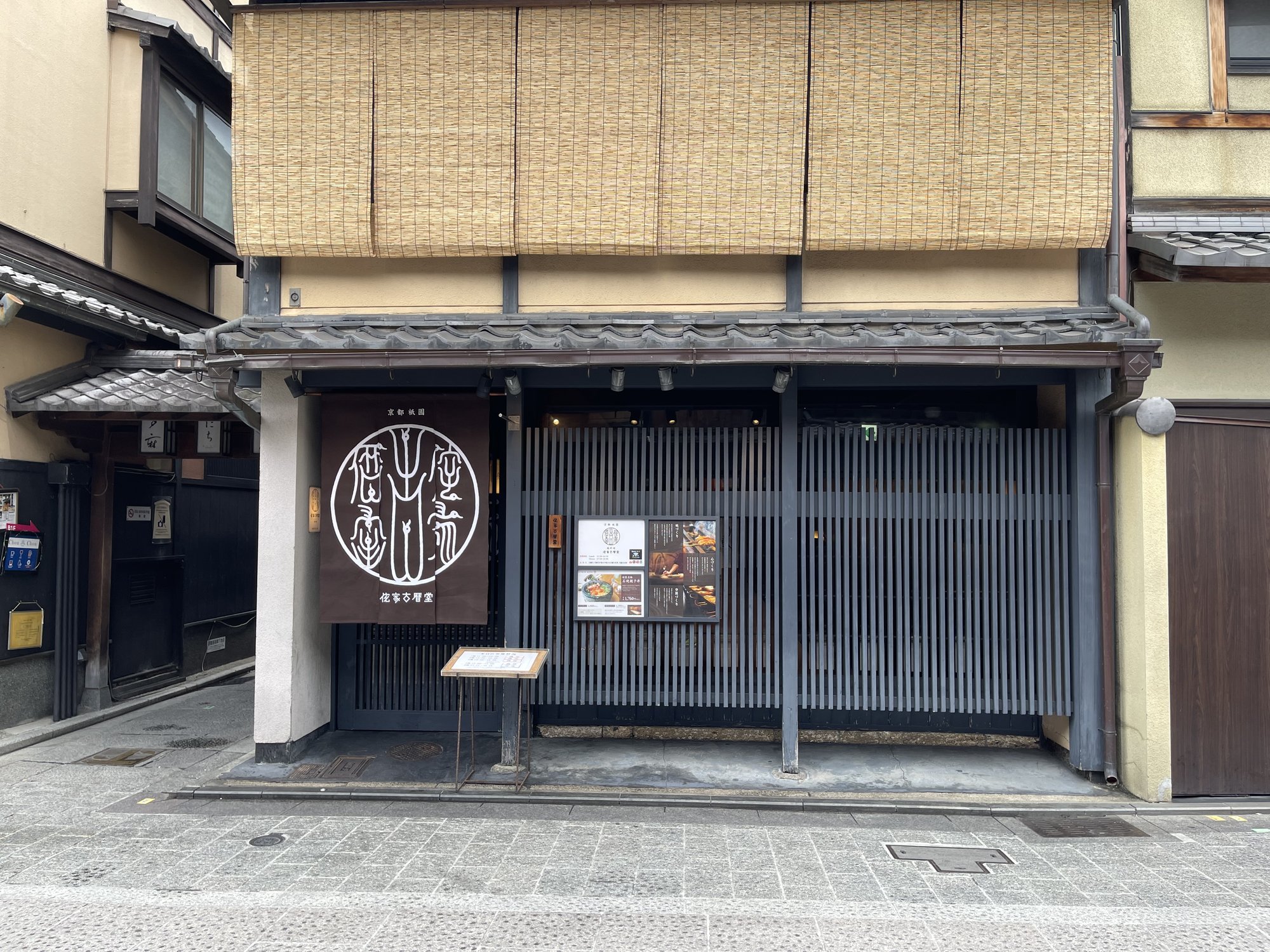
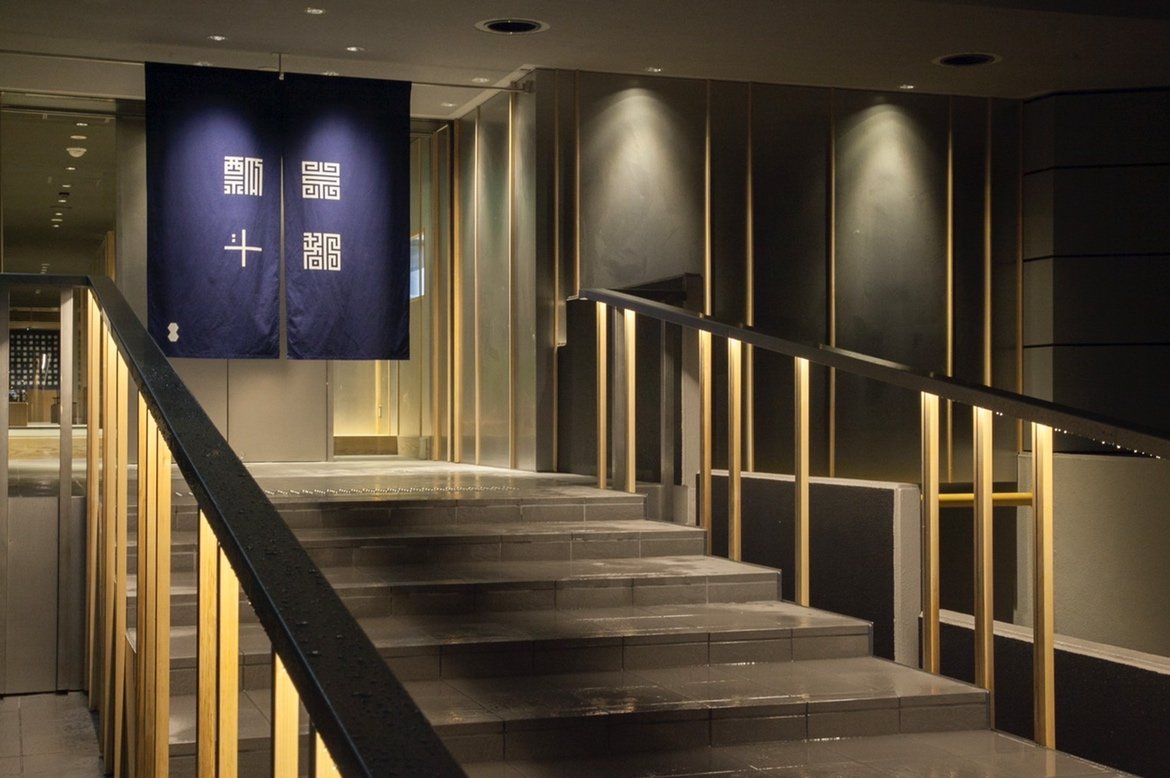
The Meirin Building address puts Hyōto Shijō Karasuma in a commercial block rather than a converted machiya or garden-facing room, which matters if you are booking for a special occasion and want the setting to do some of the emotional work. Kyoto's most visually arresting dining rooms, the ones where the lacquerware and the light and the garden view form a coherent whole, tend to be in older structures. A first-floor unit in a modern building can still deliver serious cooking, but you should go in with calibrated expectations about atmosphere. If the occasion is a celebration where the visual context matters as much as the plate, confirm the interior specifics before booking. If the priority is the food itself, the location is convenient and the booking difficulty is low enough that this is worth a direct approach.
The venue sits in the Shijō-Karasuma area of central Kyoto, one of the city's most accessible dining corridors and close to a concentration of serious Japanese cooking across multiple price points. For context on what this part of the city offers, our full Kyoto Shi restaurants guide covers the broader field. Visitors planning multi-day itineraries should also check our full Kyoto Shi hotels guide and our full Kyoto Shi bars guide for practical planning across categories.
Cuisine and Technical Standard
Venue name and Kyoto address signal a Japanese dining context, likely within the kaiseki or kappō tradition that defines serious cooking in this city. Kyoto's culinary standard is set by a deep bench of technically precise kitchens, many of which have held Michelin recognition for years. Venues like Gion Sasaki in Kyoto define what disciplined seasonal cooking at the top of the form looks like here. Without specific menu data or awards information in the record for Hyōto Shijō Karasuma, it would be misleading to make specific claims about the kitchen's technical ranking. What can be said is that the Shijō-Karasuma corridor attracts serious operators, and central Kyoto diners have high ambient expectations. Any kitchen operating in this area without a track record of critical recognition is working against that context.
For comparison points across Japan's broader fine-dining field, HAJIME in Osaka and Harutaka in Tokyo illustrate what award-backed technical precision looks like at a national level. Closer to Kyoto, akordu in Nara shows how European-inflected fine dining positions itself in the Kansai region.
Who Should Book
Book Hyōto Shijō Karasuma if you want a central Kyoto dinner reservation that does not require advance planning of several weeks, and you are willing to verify the format and price range directly before committing. For a special occasion where setting and confirmed pedigree matter, look first at venues with documented track records in the city. For a more flexible evening where accessibility and location convenience are the priority, the easy booking status here is a real differentiator in a city where getting a table at the serious rooms can be the hardest part of the trip.
Know Before You Go
- Address: 550-1 Yamabushiyamacho, Nakagyō Ward, Kyoto (Meirin Building 1F)
- Location: Central Kyoto, Shijō-Karasuma corridor — well-served by Karasuma and Shijō subway stations
- Booking difficulty: Easy — no advance planning required by Kyoto fine-dining standards
- Price range: Not confirmed in available data, verify directly before booking
- Awards: No award data available in current record
- Hours: Confirm directly with the venue before visiting
- Leading for: Accessible central Kyoto dining; practical choice when flexibility matters
- More Kyoto: Our full Kyoto Shi experiences guide | Our full Kyoto Shi wineries guide
How It Compares
Nearby Restaurants Worth Considering
- Junsei, Kyoto tofu cuisine in a traditional setting
- Kiharu, Another Kyoto option in the same city bracket
- Kiharu Brasserie, More accessible format from the same group
- kiln, Contemporary approach in Kyoto Shi
- Kyoto Handicraft Center, Broader cultural venue with dining component
- Goh in Fukuoka, For the Kyushu itinerary extension
- 1000 in Yokohama, Benchmark for ambitious Japanese dining outside the major capitals
- Le Bernardin in New York City, Global reference point for technical precision in a prix-fixe format
- Lazy Bear in San Francisco, For the communal tasting menu comparison
Planning details
- Location
- Japan, 〒604-8156 Kyoto, Nakagyo Ward, Yamabushiyamacho, 550-1 明倫ビル 1F
- Reservations
- Book on TableCheck
- Website
- hyoto.jp/shop/kyotoShijoKarasuma
- Phone
- +81 75 252 5775
The take
The Take
The Vibe
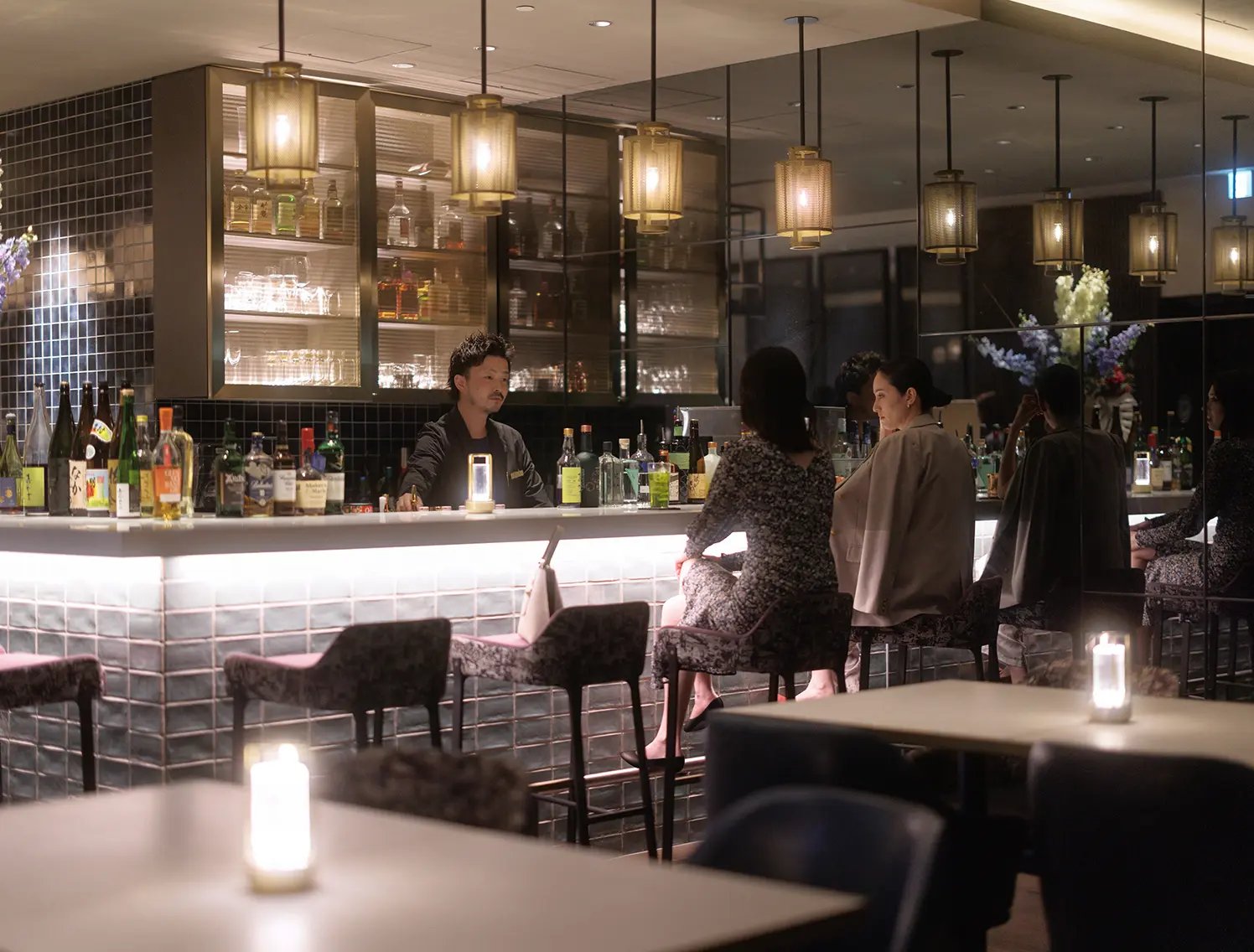
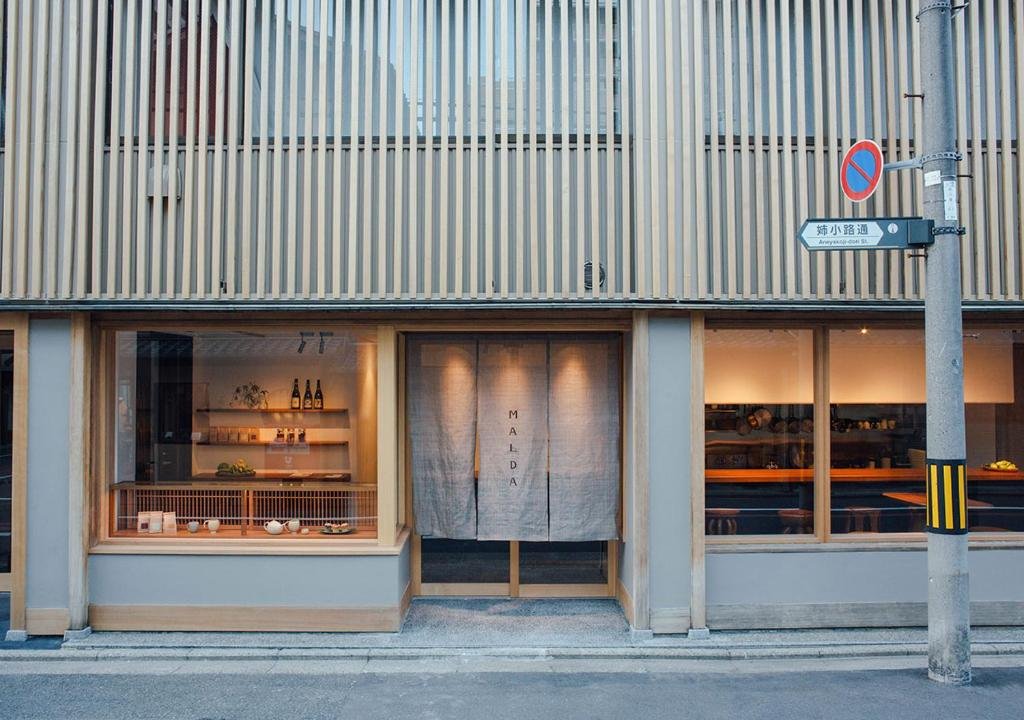
Hyōto Shijō Karasuma occupies a modest ground-floor tenancy on a busy mid-city intersection, and it intentionally flips that urban noise into stillness. The building’s neutral, postwar envelope leaves the entire atmosphere to the interior, so the dining room reads as a deliberate, pared-back space focused on attention and craft rather than street spectacle. The place privileges precision and repeatability: service and kitchen both feel calibrated to sustain quiet, attentive meals. Expect a restrained, intimate environment that rewards concentration and a slower pace in the midst of Nakagyō Ward’s commuter commerce.
Best For
Positioned where offices, arcades and transit converge, this restaurant is especially well suited to focused business dinners and after-work meals where efficiency and composure matter. The dining culture described—one that prefers precision over spectacle—also makes it a natural option for solo diners seeking a calm, attentive meal. Because the venue intentionally creates a contained, deliberate interior apart from the street, it attracts guests who want a composed, thoughtful dinner rather than a boisterous, tourist-oriented outing.
Ordering Tips
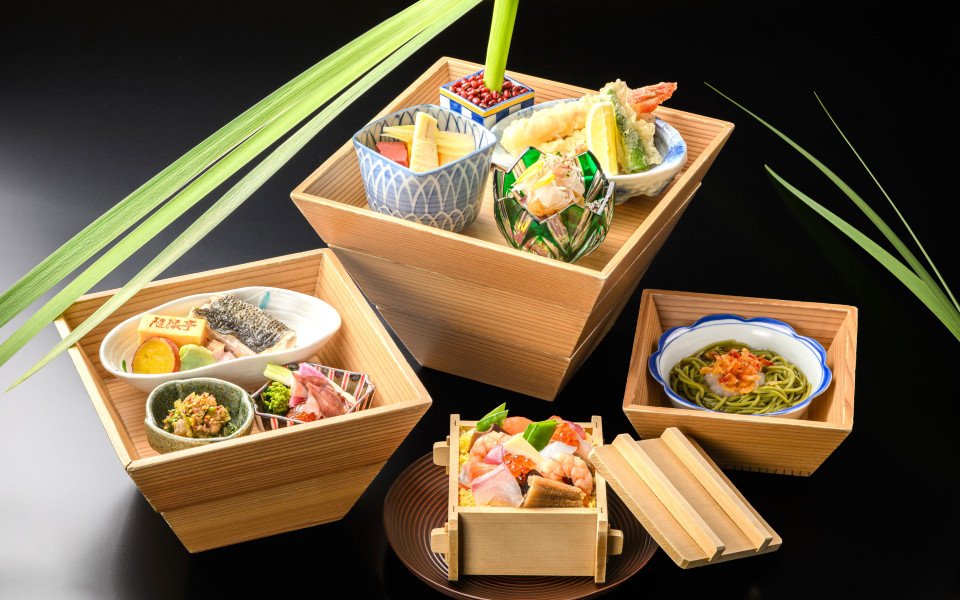
Lean into the signatures that define the kitchen: the dashi shabu-shabu and Omi beef are highlighted as standouts, so ordering the shabu-shabu or a beef-focused preparation is a safe bet for experiencing the restaurant’s approach to umami and technique. Finish with the matcha pudding listed among signature items to close on a classic Kyoto flavor. The menu’s emphasis on precision suggests letting the kitchen’s established preparations do the talking rather than searching for heavy customization.
Venue details
Ambiance
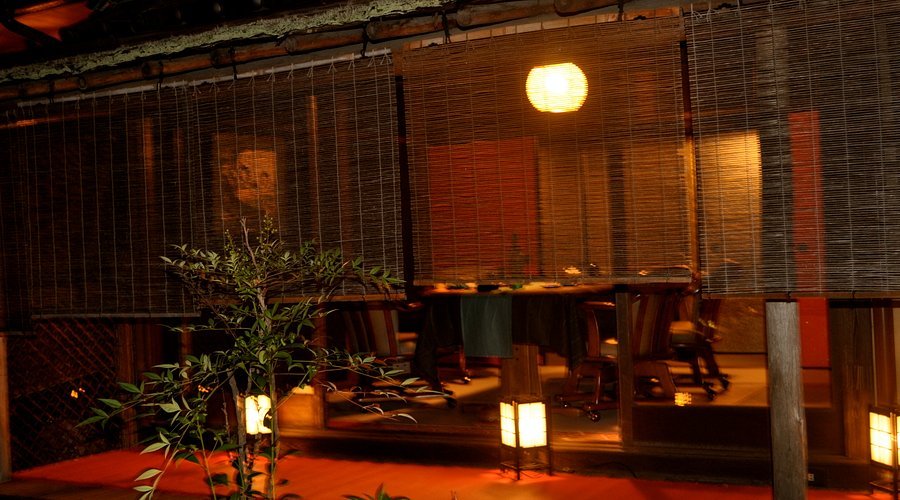
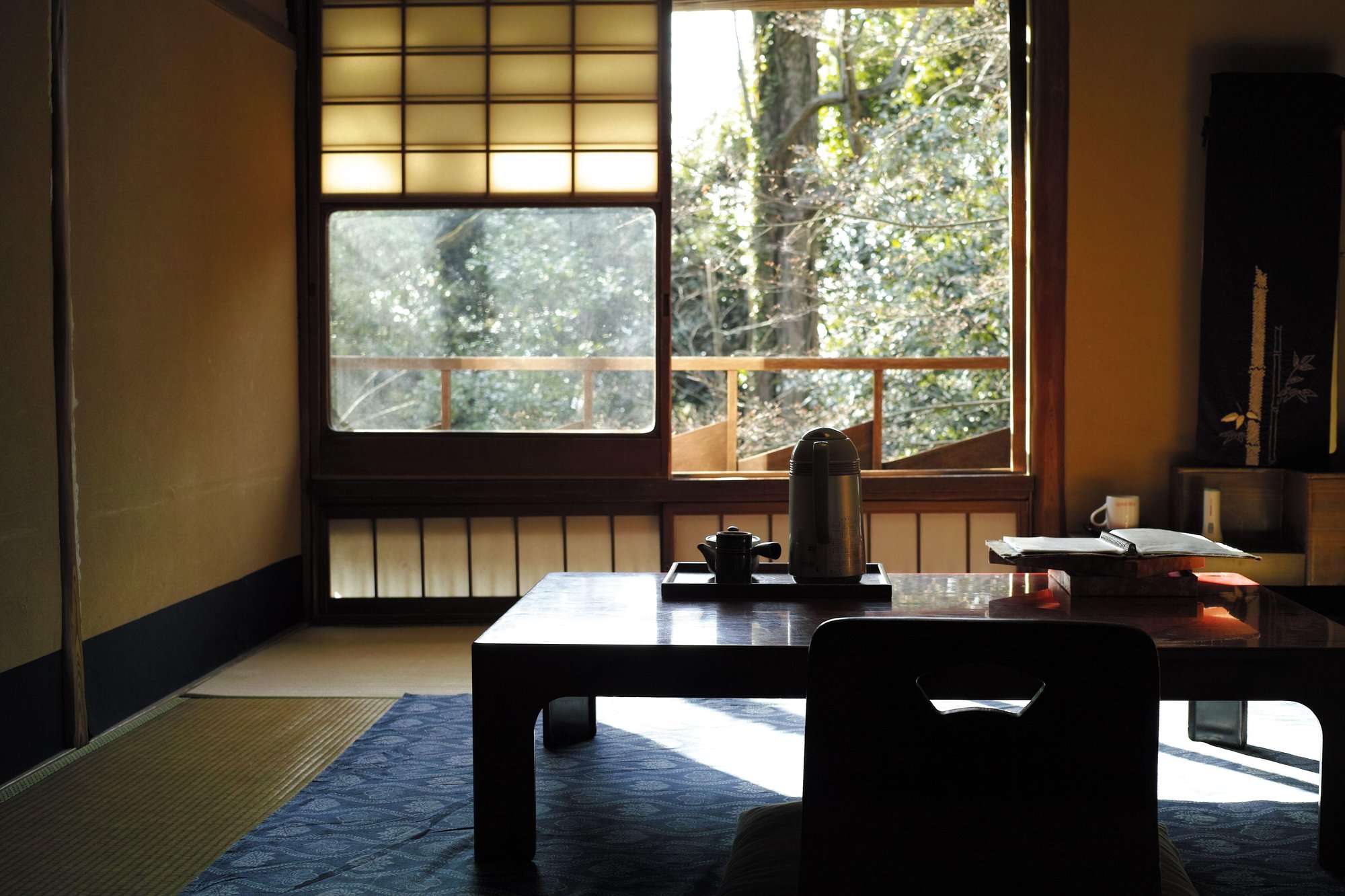
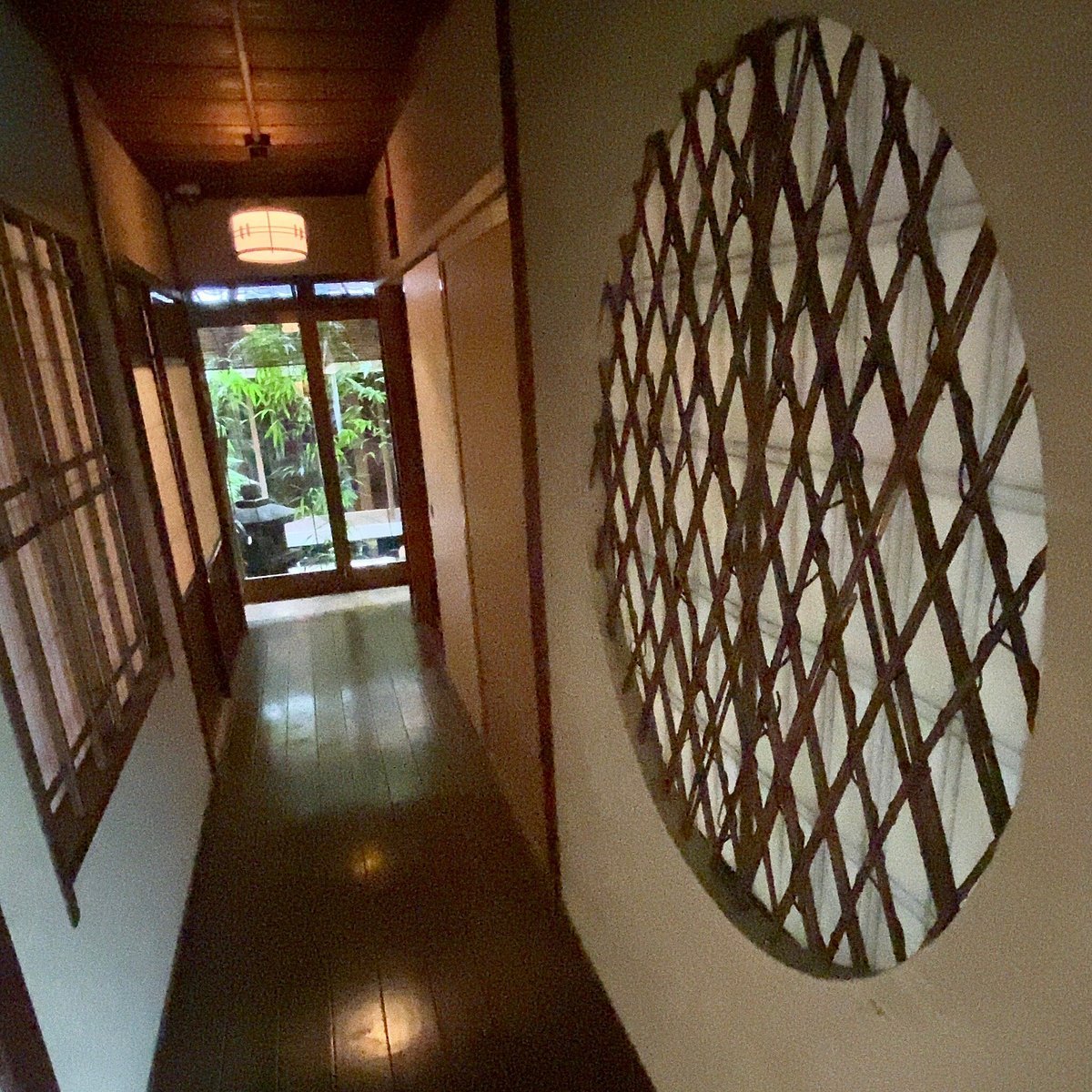
Comfortable and chic Japanese-style interior with clean, tidy ambiance evoking sandalwood aroma, warm attentive service, and intimate dining spaces.
Tags
Vibe
Best For
Experience
At the Table
- Dress Code
- Smart Casual
- Noise Level
- Conversational
- Service Style
- Upscale Casual
- Meal Pacing
- Leisurely
- Capacity
- Medium
- Kitchen
- Traditional
- Menu Format
- Set menu
- Wine Program
- Curated
- Drinks Focus
- Sake
- Dietary
- Vegetarian friendly, Gluten-free options, Allergy accommodating
- Private Dining
- Available
Signature Dishes
- dashi shabu-shabu
- omi beef
- matcha pudding
Know before you go
Know Before You Go
- Getting there
- Japan, 〒604-8156 Kyoto, Nakagyo Ward, Yamabushiyamacho, 550-1 明倫ビル 1F
Planning details
Location
Japan, 〒604-8156 Kyoto, Nakagyo Ward, Yamabushiyamacho, 550-1 明倫ビル 1F · Directions
Restaurant context
Against the Kyoto Shi peer set, Hyōto Shijō Karasuma's clearest advantage is booking accessibility. Junsei brings a well-documented reputation for Kyoto tofu cuisine and a more traditional atmosphere, making it the stronger choice if setting and established culinary identity are priorities. For diners who want confirmation of pedigree before committing, Junsei is the safer book in this comparison.
Kiharu and Kiharu Brasserie offer different access points to Kyoto dining across price tiers, with the Brasserie format providing a more relaxed entry if a full kaiseki commitment feels like too much for the occasion. kiln skews contemporary and suits diners who want something outside the traditional Japanese format. None of these peers have significantly more friction to book, which means Hyōto Shijō Karasuma's easy-booking advantage is less of a differentiator when compared within this specific group than it is against the city's harder-to-access fine-dining rooms.
For a special occasion where only the best-documented kitchen will do, the Kyoto field has deeper options than this peer set covers. Gion Sasaki is the local benchmark for technically precise Japanese cooking with verifiable critical recognition, though the booking lead time reflects that status. The practical recommendation: if you are planning more than a few weeks out and the occasion warrants it, pursue Gion Sasaki first. If timing is tight and central location matters, Hyōto Shijō Karasuma and Kiharu Brasserie are the most pragmatic options in the group.
Explore Kyoto Shi
Around this place
Discover more on Pearl
Unlock the full Hyōto Shijō Karasuma guide in Pearl, including awards, comparisons, FAQs, planning details, and nearby places.
Compare Hyōto Shijō Karasuma
| Venue | Location | Awards |
|---|---|---|
| Hyōto Shijō Karasuma | Kyoto Shi | No published awards |
| Junsei | Kyoto Shi | No published awards |
| Kiharu | Kyoto Shi | Tabelog 100 - Izakaya - WEST - 2025 · #84 |
| Kiharu Brasserie | Kyoto Shi | No published awards |
| kiln | Kyoto Shi | No published awards |
| Kyoto Handicraft Center | Kyoto Shi | No published awards |

How Hyōto Shijō Karasuma compares with similar nearby venues.
FAQ
Frequently Asked Questions
What should I wear to Hyōto Shijō Karasuma?
No dress code is documented for Hyōto Shijō Karasuma. In Kyoto's Nakagyo dining scene, most mid-to-upper-tier rooms expect neat, considered dress without requiring formal attire. Err toward presentable rather than casual, particularly for evening visits.
Can Hyōto Shijō Karasuma accommodate groups?
Group capacity details are not available in current venue records. The Meirin Building ground-floor address suggests a room that may suit small parties better than large groups. If you're planning for six or more, confirm directly before booking.
What are alternatives to Hyōto Shijō Karasuma in Kyoto Shi?
Nearby alternatives in the Nakagyo and central Kyoto area include Junsei, Kiharu, Kiharu Brasserie, kiln, and Kyoto Handicraft Center. Junsei is a strong option for traditional Kyoto tofu cuisine with a long operating history. Kiharu and Kiharu Brasserie suit different budget points for Japanese dining. kiln is worth considering if you want a more contemporary format.
Is Hyōto Shijō Karasuma good for a special occasion?
Hyōto Shijō Karasuma's easy booking status in Kyoto is a genuine advantage for occasion dining, since most serious rooms in the city require weeks of lead time or local connections. That said, without confirmed price range or cuisine type in current records, verify the format suits your occasion before committing.
Does Hyōto Shijō Karasuma handle dietary restrictions?
Dietary accommodation details are not documented for Hyōto Shijō Karasuma. In Kyoto's dining culture, kitchens with set-format menus often have limited flexibility, while à la carte rooms tend to be more accommodating. Confirm your requirements when booking rather than assuming.