Konoba Adio Mare
Korcula Town, Korčula
Restaurant in Korčula, Croatia
 Book with Pearl
The Read
Dress
Smart Casual
Why go
Konoba Adio Mare is a practical Korčula pick when the goal is a relaxed central meal rather than a high-ceremony reservation. Go in with flexible ordering and ask what is strongest that service; choose Filippi or De Canavellis instead if the night needs a clearer restaurant brief.
About Konoba Adio Mare
For a Korčula meal, Konoba Adio Mare is best evaluated on the basics: its hours and smart casual dress code.
A practical choice for a Korčula meal
The useful way to read this place is as a direct option in Korčula. Its hours are broad: Monday through Saturday from 12–11 PM, and Sunday from 5–11 PM. For travelers planning around a day in Korčula, that schedule can make it easier to place in a midday or evening plan, depending on the day.
The trade-off is that the public-facing detail is limited. There is no confirmed chef profile, named cuisine category, signature dish list, award trail, or published price band to use as a quality guarantee. That does not make it a no; it means expectations should be set correctly. Treat this as a meal where the decision should be made on fit, timing, and what is confirmed at the time of booking, not on destination-restaurant credentials.
Order by availability, not by a pre-set hit list
Because there is no signature-dish list, avoid building the meal around a fixed order before you arrive. A safer approach is to review the menu and any current information provided at the restaurant before deciding.
The confirmed information is useful for basic scheduling, but it does not establish a specific service style, group format, or formal occasion format. If the plan calls for another restaurant to compare, consider Filippi before committing.
Where to cross-shop in Korčula
If this is unavailable or does not fit the plan, start with Konoba Mareta for another option to compare, or De Canavellis if the group wants another restaurant choice. 7 Seas Restaurant & Bar is also worth weighing when comparing the feel of the evening. For broader planning, compare it with other dining in Korčula and confirm current details before you go.
Planning details
- Location
- Ul. Sv Roka 2, 20260, Korčula, Croatia
- Website
- konobaadiomare.hr
- Phone
- +38520711253
The take
The Take
The Vibe
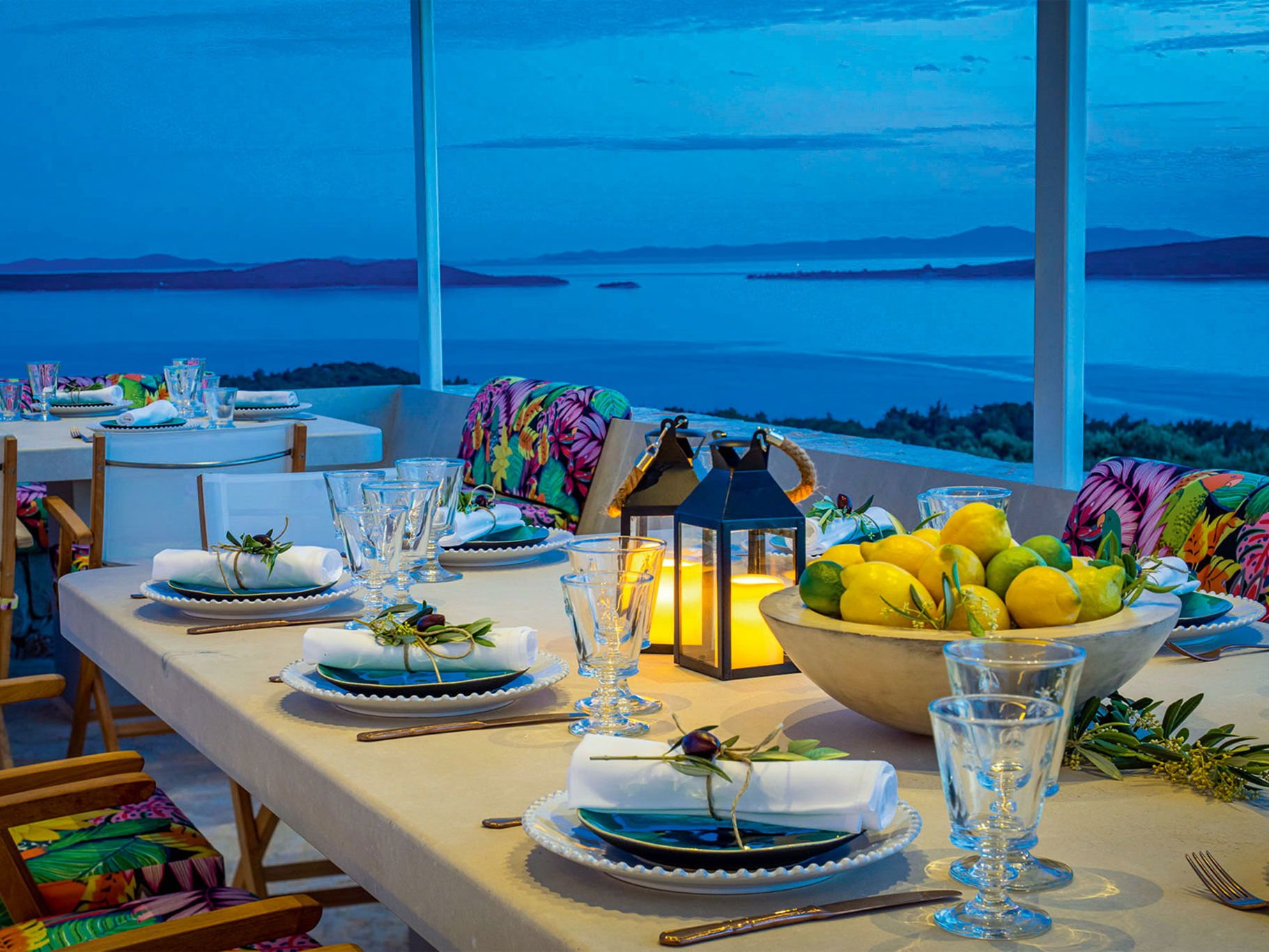
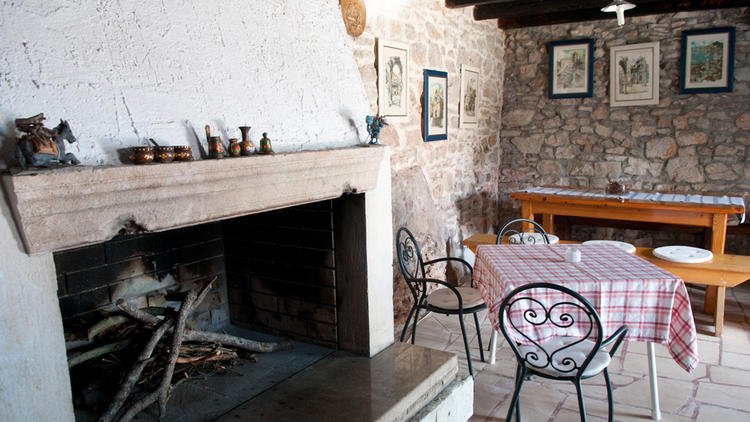
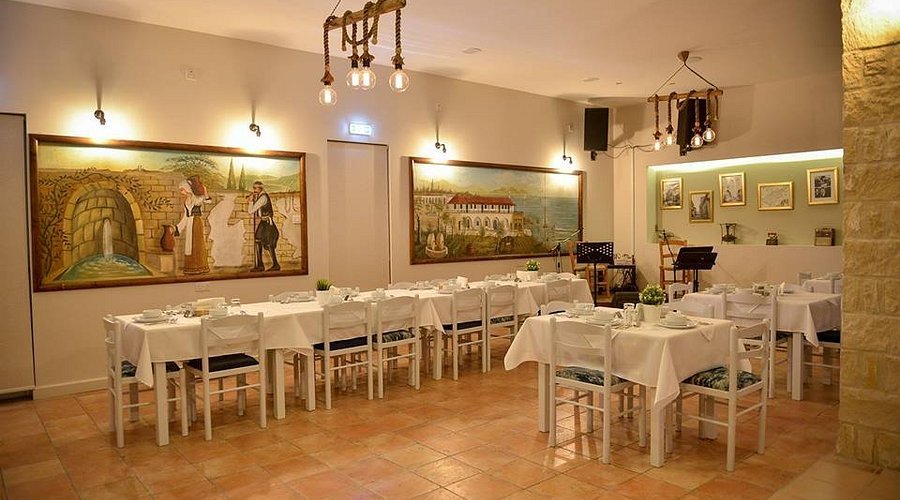
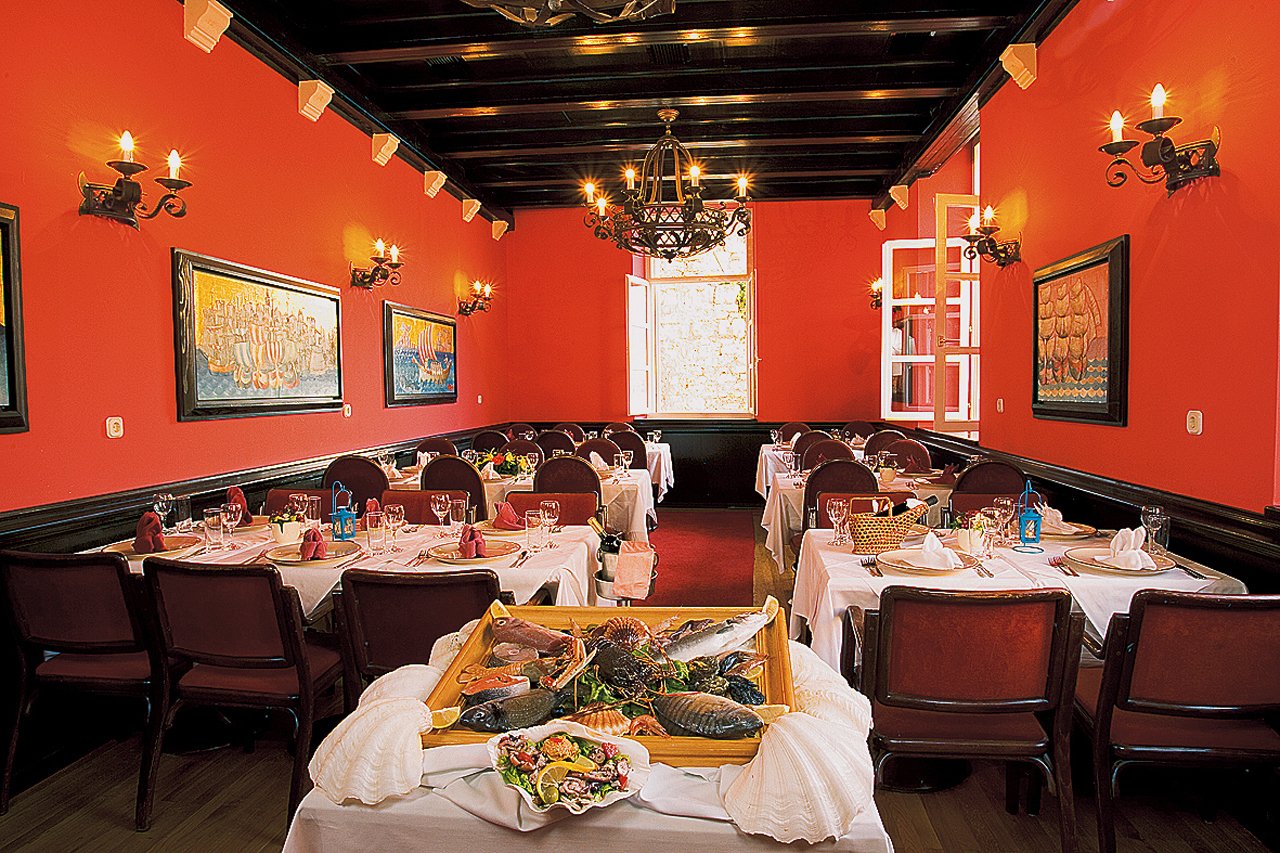
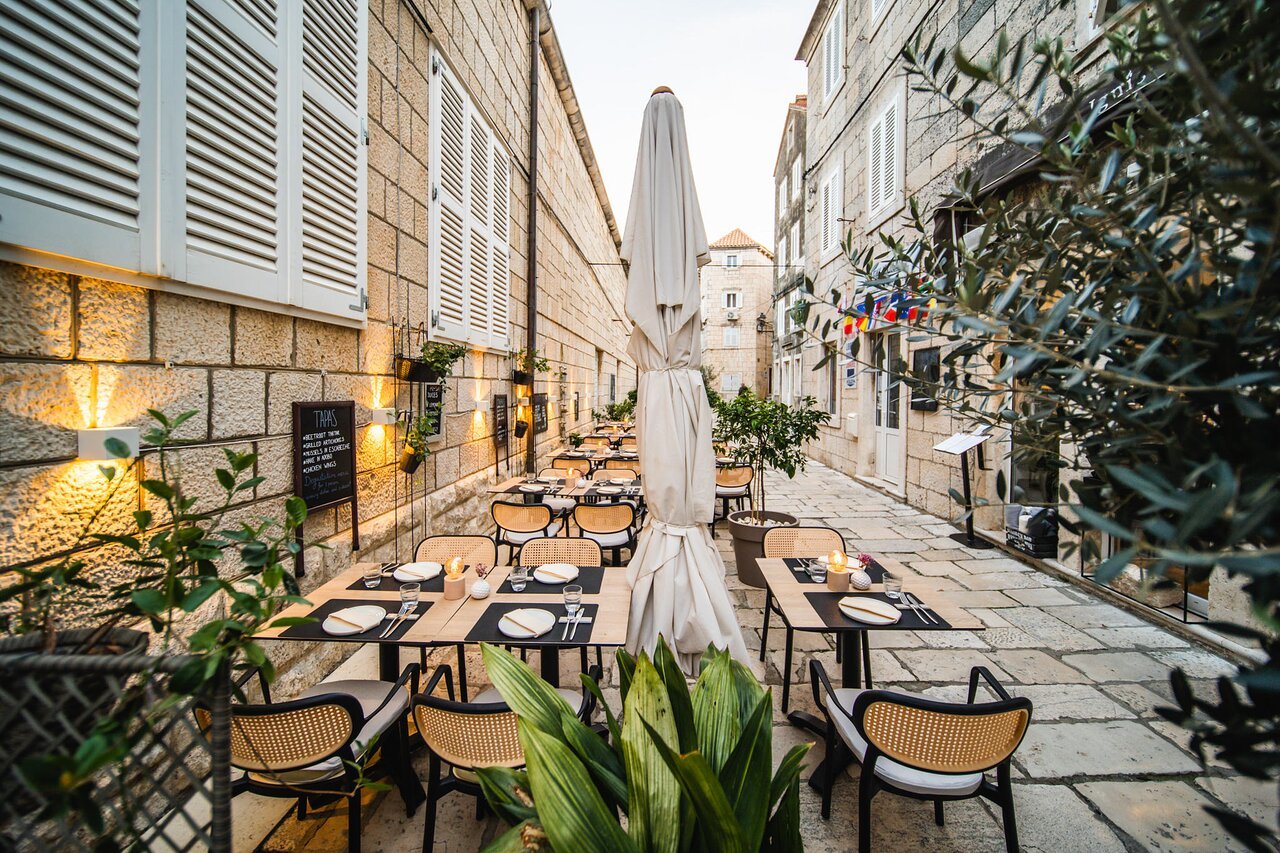
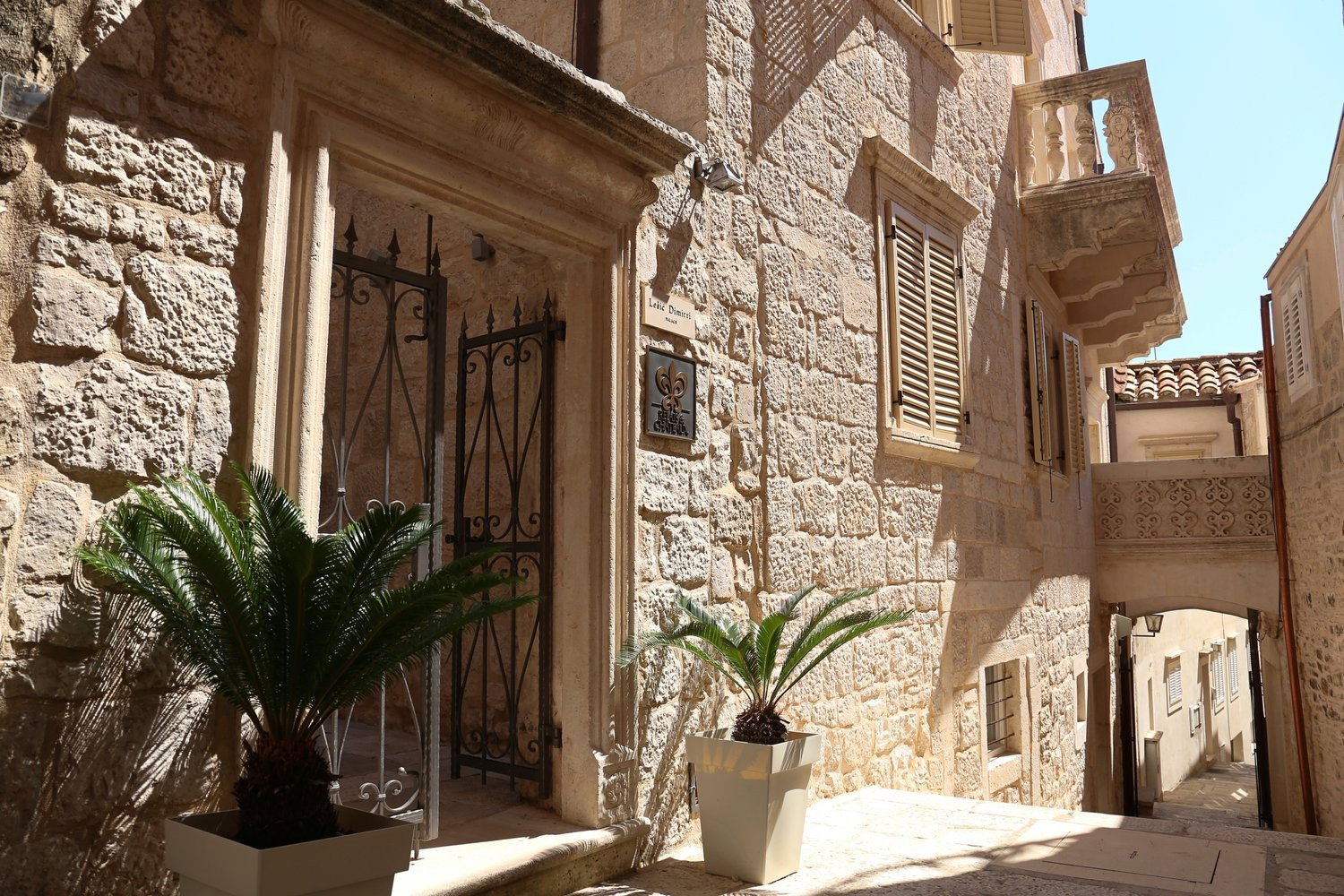
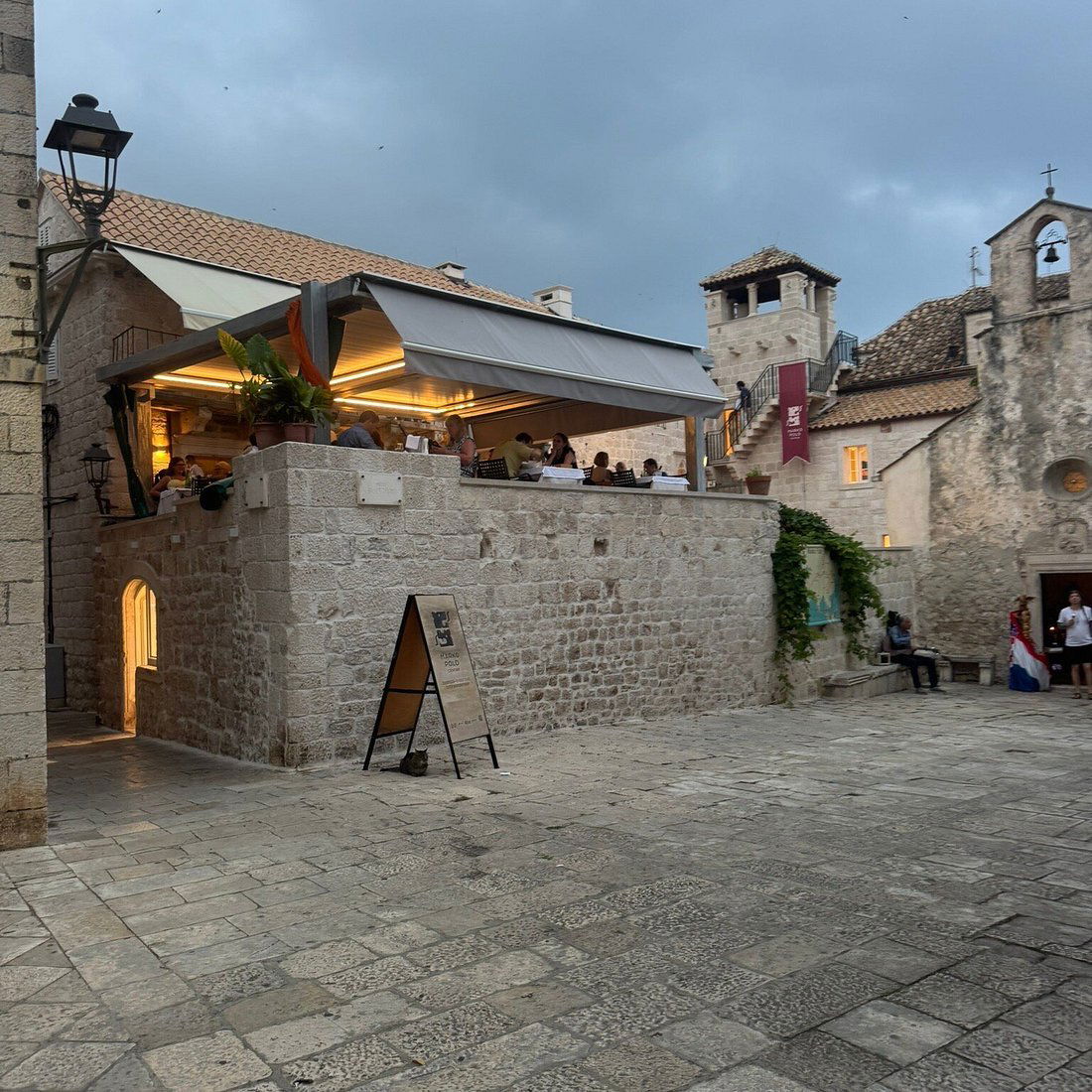
Konoba Adio Mare sits firmly within Korčula’s medieval grain: stone vaulting, thick limestone walls and narrow approach lanes shape the dining experience as much as the menu. The restaurant channels the konoba tradition, translating a storage-room architecture into a lived-in dining room with simple furnishings and a close, enclosed feel. Rather than a marina-facing spectacle, Adio Mare foregrounds the town’s built history—mealtime feels like stepping into the old town’s urban logic. The result is a classic, quietly charming place where architecture and food are tightly bound to place, making the meal feel rooted and unmistakably local.
Best For
This is a restaurant best appreciated at dinner, when the old town’s lanes funnel visitors toward a concentrated handful of dining rooms. Konoba Adio Mare suits small groups and families who want a straightforward, locally rooted meal, and it also appeals to couples seeking an atmospheric old‑town dinner rather than a harbor view. The konoba’s middle-register service makes it adaptable—not overly formal, but more polished than a casual snack spot—so it works for relaxed evening meals after arriving by ferry or exploring Korčula’s streets.
Ordering Tips
The menu leans on what the sea and local gardens produce, so prioritize dishes that showcase Adriatic ingredients. Start with seafood-forward classics and consider the house signatures: the black cuttlefish risotto for its ink-rich depth, the slow-cooked pasticada if you want a hearty Dalmatian stew, and the lobster pasta when seafood is at its best. Share plates to taste across the konoba’s compact dining room, and pair simply—fresh, regional wines and straightforward preparations let the coastal flavors do the work.
Venue details
Ambiance
Rustic and cozy atmosphere in a renovated old Korčulanske kalafatska workshop with visible tools on walls, open kitchen grill, and warm lighting around six central tables.
Tags
Vibe
Best For
Experience
Sourcing
At the Table
- Dress Code
- Smart Casual
- Noise Level
- Conversational
- Service Style
- Upscale Casual
- Meal Pacing
- Leisurely
- Capacity
- Intimate
Signature Dishes
- black cuttlefish risotto
- pasticada
- lobster pasta
Know before you go
Know Before You Go
- Getting there
- Ul. Sv Roka 2, 20260, Korčula, Croatia
Planning details
Location
Also consider
Also Consider
- Konoba Mareta, Notable alternative
- De Canavellis, Notable alternative
- 7 Seas Restaurant & Bar, Notable alternative
- Filippi, Mediterranean Cuisine, €€€
- Restaurant Filippi, Notable alternative
Restaurant context
How it compares in Korčula
Konoba Adio Mare is the easier, more casual call in this set: better for a relaxed old-town meal than for diners seeking a polished restaurant profile. Konoba Mareta is the closest cross-shop if the brief is another konoba-style option in Korčula, so choose between them on convenience and available seating rather than expecting a major category shift.
Filippi has the clearest positioning on price and cuisine, with a Mediterranean Cuisine listing at €€€. That makes it the stronger choice for diners who want a more defined experience and are comfortable paying for it. De Canavellis is the safer comparison when the group wants a composed Korčula dinner but does not need the konoba format.
7 Seas Restaurant & Bar is the alternative to consider when ambiance is a bigger part of the decision. For value and ease, Adio Mare makes sense; for a more deliberate occasion, start with Filippi or De Canavellis, then use Adio Mare as the fallback when the night calls for something simpler.
Explore Korčula
Around this place
Discover more on Pearl
Unlock the full Konoba Adio Mare guide in Pearl, including awards, comparisons, FAQs, planning details, and nearby places.
Compare Konoba Adio Mare
| Venue | Location | Cuisine | Price | Awards |
|---|---|---|---|---|
| Konoba Adio Mare | Korčula | , | , | No published awards |
| Konoba Mareta | Korčula | , | , | No published awards |
| De Canavellis | Korčula | , | , | No published awards |
| 7 Seas Restaurant & Bar | Curzola | , | , | No published awards |
| Filippi | Korčula | Mediterranean Cuisine | €€€ | Michelin Guide Croatia 20262025 Michelin Plate2024 Michelin Plate |
| Restaurant Filippi | Curzola | , | , | No published awards |

.png?width=1200&quality=80)
How Konoba Adio Mare Korčula compares with similar nearby venues.
FAQ
Frequently Asked Questions
What are alternatives to Konoba Adio Mare in Korčula?
Start with Konoba Mareta if you want another option to compare. Filippi, Restaurant Filippi, 7 Seas Restaurant & Bar, and De Canavellis are also names to weigh when deciding what fits the group's plans.
Is Konoba Adio Mare good for solo dining?
It may fit a solo plan if the timing works for your visit to Korčula. The hours are Monday through Saturday from 12–11 PM, and Sunday from 5–11 PM, so check the day before planning around it.
What should a first-timer know about Konoba Adio Mare?
Plan around the hours: Monday through Saturday from 12–11 PM, with Sunday starting later at 5 PM.
What should I order at Konoba Adio Mare?
There is no signature-dish list or fixed-menu format to rely on. Review the current menu and any information provided at the restaurant before deciding, especially if you are comparing it with Filippi or 7 Seas Restaurant & Bar.
Is Konoba Adio Mare good for a special occasion?
It may work if the timing and smart casual dress code fit what you want, but the information does not support treating it as a formal celebration venue. If you want to compare options, also consider Filippi or Restaurant Filippi.
Is lunch or dinner better at Konoba Adio Mare?
The hours support midday visits from Monday through Saturday, when it opens at 12 PM. On Sunday, service starts at 5 PM. The restaurant is open until 11 PM every day.