
Setsugekka
Beef Dishes · Chūō, Kobe
Restaurant in Kobe, Japan
 Book with Pearl
The Read
Counter-Format Kobe Beef
Price
$100–150per person
Chef
Takayoshi Kobayashi
Dress
Smart Casual
Why go
Setsugekka is a focused Kobe beef booking for diners who want the meal centered on beef rather than a broad Japanese menu. It makes the most sense for couples or small groups already committed to that format; value-seekers should compare Ryuka Chubo, while wine-led diners may prefer enoteca ber ber bar.
About Setsugekka
In Kobe, where beef is a serious dining category rather than a casual afterthought, Setsugekka is worth considering when the meal is meant to center clearly on beef. This is a deliberately narrow recommendation: consider it for a focused Beef Dishes restaurant in Kobe, not for a broad survey of unrelated Japanese dining styles. In other words, it is most useful when the central question of the meal is not simply where to eat in Kobe, but where to place a beef-led dinner within the larger rhythm of the trip.
For travelers using our full Kobe restaurants guide, Setsugekka fits best when beef is the anchor of the plan and the rest of the itinerary can be built around that choice. The public details are concise, and that concision matters: the restaurant is in Kobe, the cuisine is Beef Dishes, the named chef/owner is Takayoshi Kobayashi, and the dress code is smart casual. Those facts point toward a venue that should be approached with a specific purpose, rather than treated as a catch-all answer for every dining mood.
Book this as part of a beef-focused Kobe plan, not a one-night survey
The smarter way to use Setsugekka is as one beef-focused meal within a wider Kobe plan. On another meal, compare it with a more explicitly steak or teppanyaki-oriented option such as KOKUBU Steak House or Kobe Beef Teppanyaki Restaurant Mikinao. That approach gives more context than expecting one dinner to answer every beef question. It also keeps the decision practical: one restaurant can show one expression of a category, while a short sequence of meals can make the differences between styles, formats, and expectations feel much clearer.
Chef/owner Takayoshi Kobayashi is the named figure here, and the useful takeaway is focus: Setsugekka is filed under Beef Dishes, not as a general-purpose izakaya, sushi counter, or kaiseki room. That distinction is important when choosing for a group, because the value of the booking depends on whether everyone wants the meal to orbit beef from the start. If the group wants dining that is not centered on beef, another Kobe restaurant may be easier to justify. If everyone is aligned on beef, Setsugekka makes more sense, especially as a planned stop rather than a compromise chosen at the last moment.
Who should choose Setsugekka
Choose Setsugekka for a beef-led meal where specialization is the point. It is best suited to diners who are comfortable narrowing the brief and letting that focus define the evening. Skip it if the priority is a casual, loosely planned meal or a venue chosen mainly for a different category. For comparison, Ryuka Chubo and enoteca ber ber bar can be considered as other dining options, while Setsugekka remains the beef-focused choice in this set. The comparison is less about ranking those restaurants against one another and more about matching the restaurant to the reason for the meal.
For a fuller itinerary, keep Setsugekka as the beef anchor and plan the rest of the day around other Kobe dining and activities. That framing helps avoid overloading one reservation with too many expectations. If the beef thread continues beyond one meal, compare it with NAKATSU WONIKU, while keeping Setsugekka in mind as the Kobe option. Used this way, Setsugekka has a clear role: not the entire story of Kobe dining, but a purposeful choice when beef is the part of the story you want to emphasize.
Planning details
- Location
- Japan, 〒650-0004 Hyogo, Kobe, Chuo Ward, Nakayamatedori, 1 Chome−9−24 エムズ北野坂 1F
- Website
- tabelog.com/hyogo/A2801/A280101/28037181
- Phone
- +81 78-332-7272
The take
The Take
The Vibe
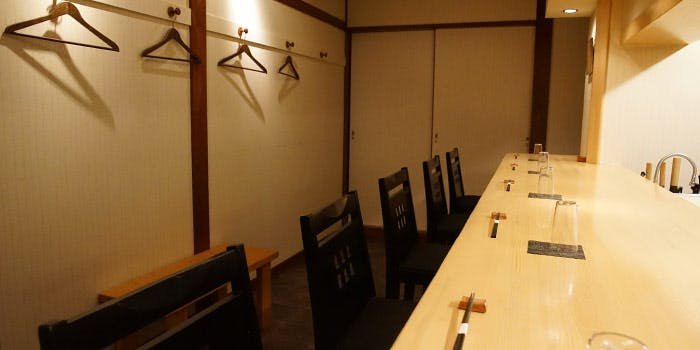
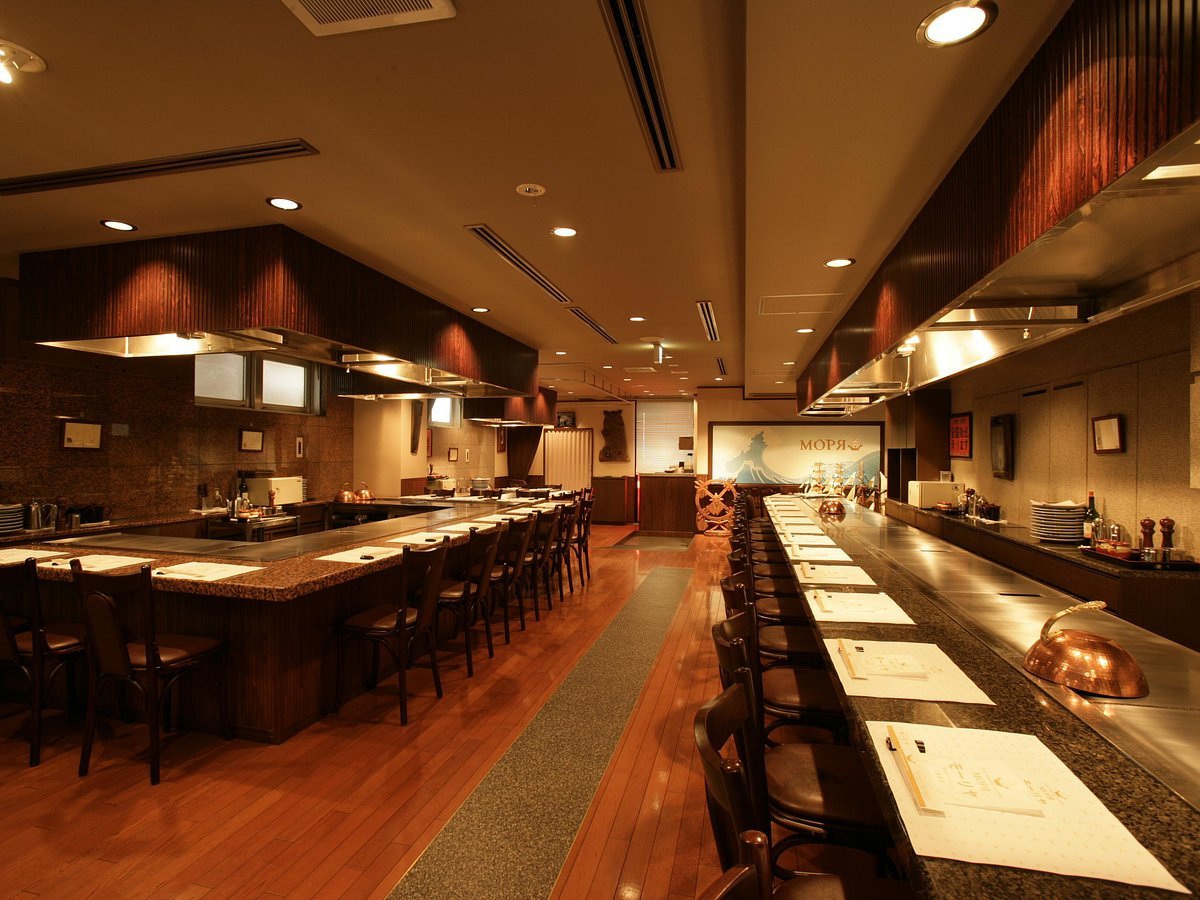
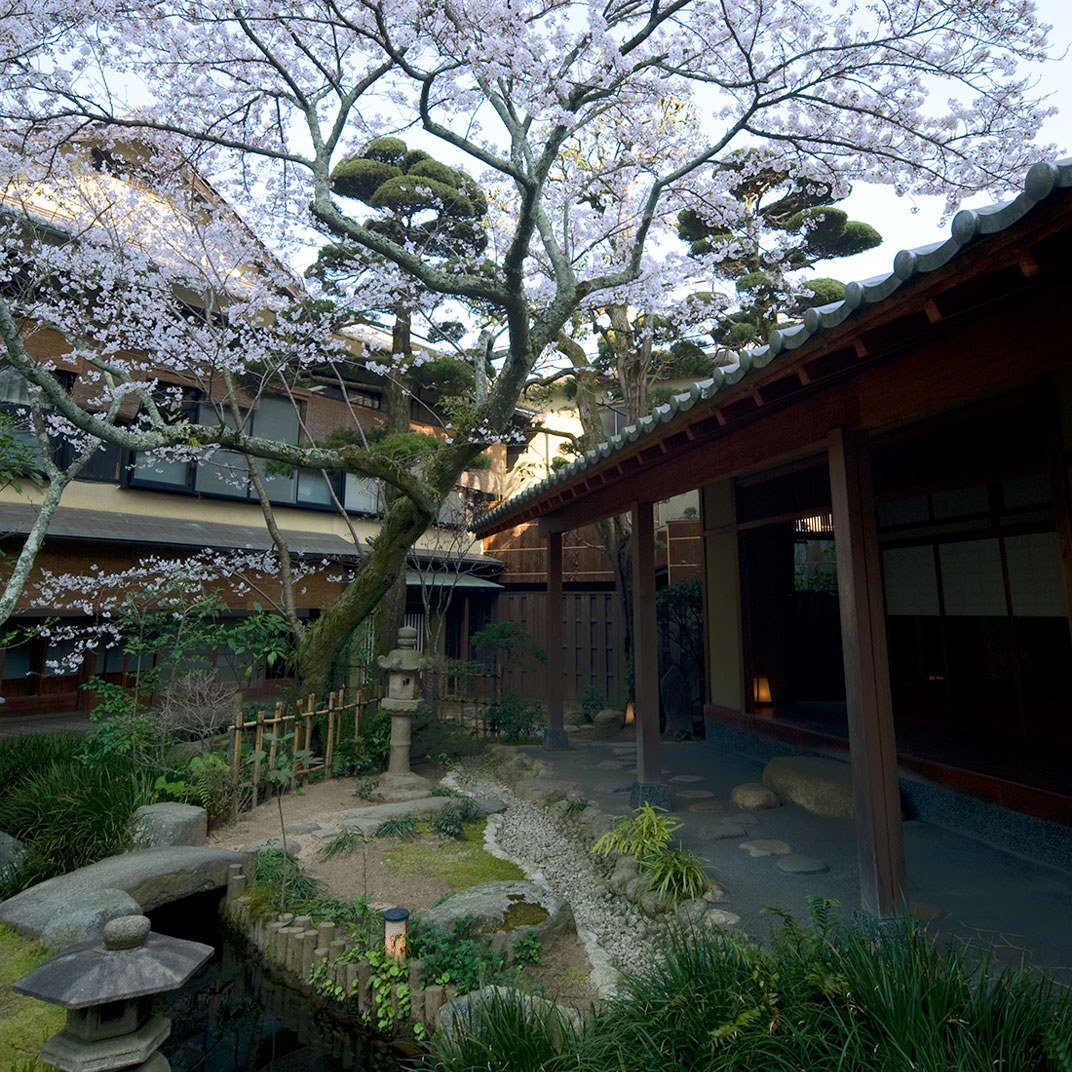
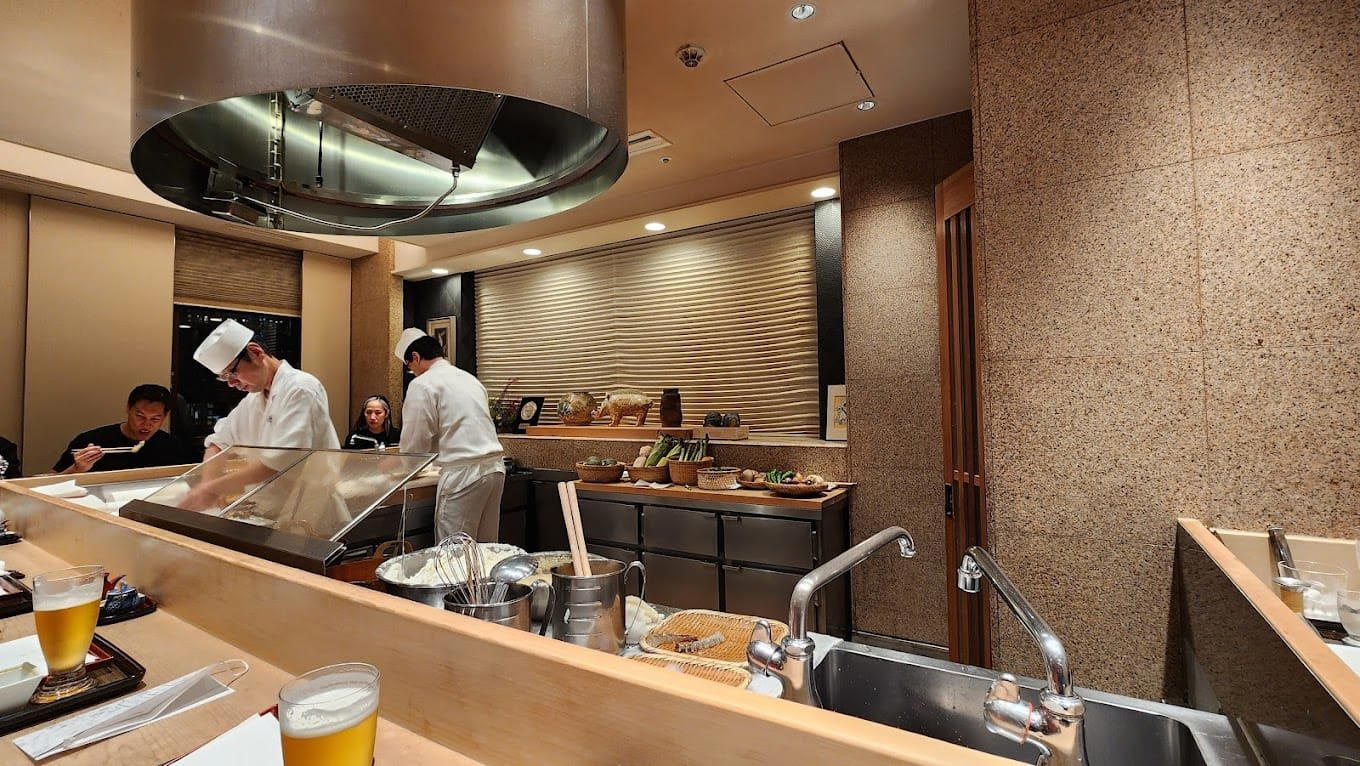
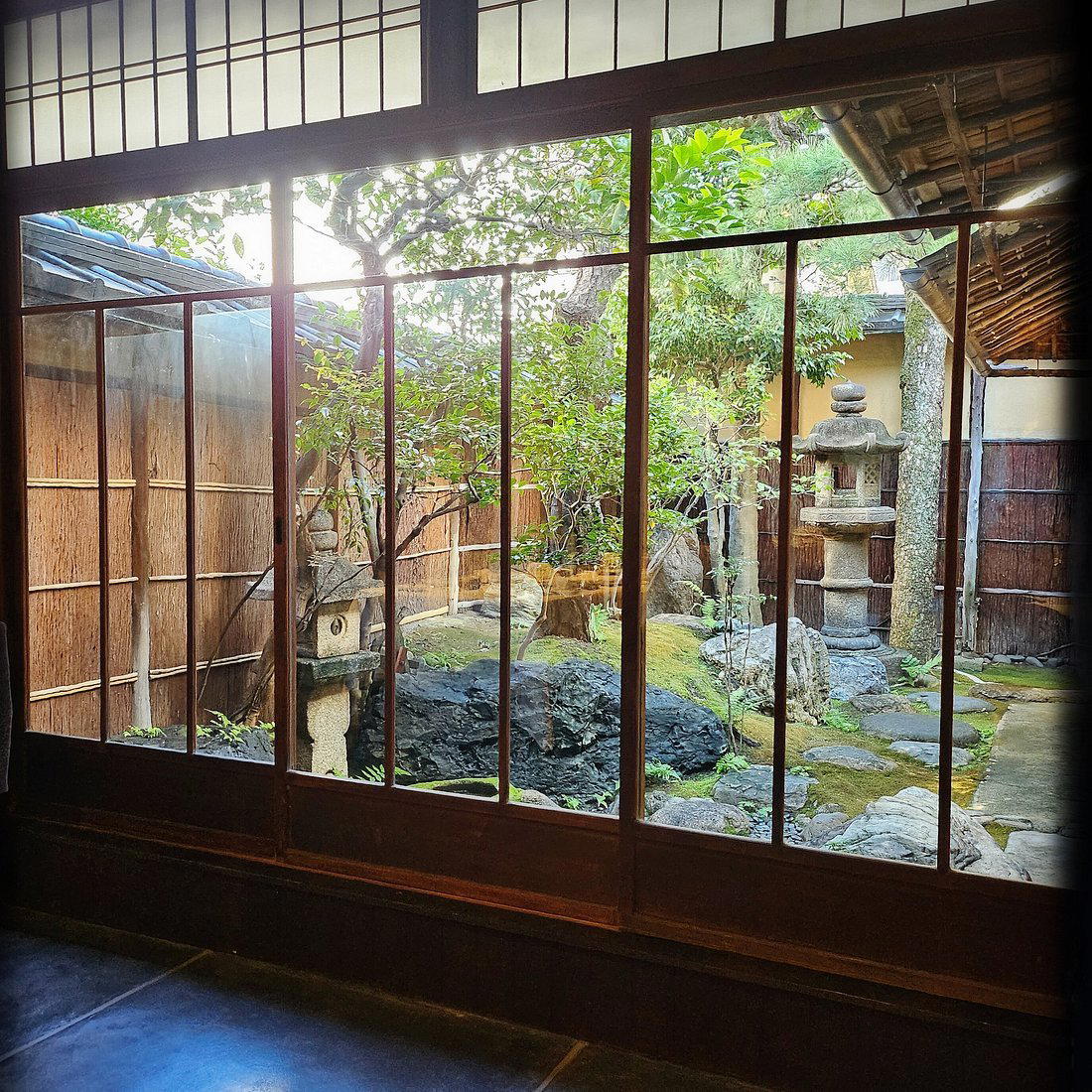
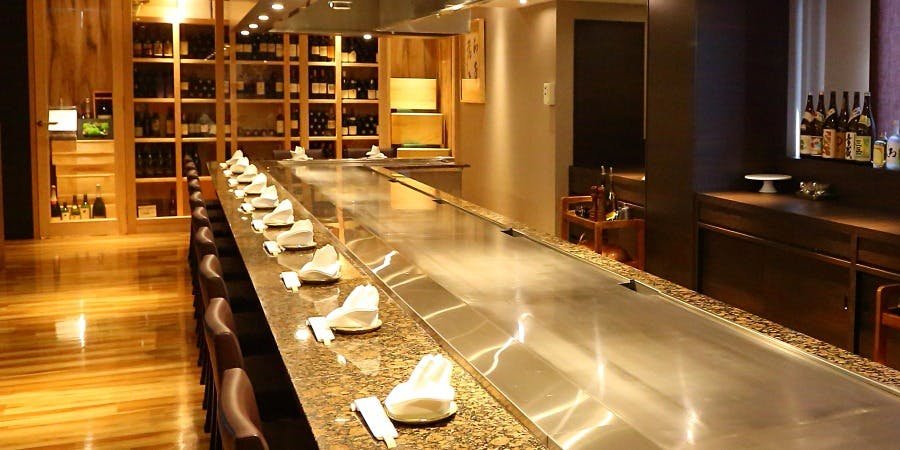
Setsugekka sits on Kitano-zaka amid nineteenth‑century Western‑style houses, and that architectural context sets a restrained, formal tone from the moment you arrive. The room privileges the ingredient over spectacle: service reads like ceremony and the emphasis is on pacing and precise technique rather than showy theatrics. Under Chef Takayoshi Kobayashi the restaurant leans into a quiet, deliberate energy—intimate counter seating, careful sequencing of cuts and controlled temperature management all keep the attention on Kobe beef. The overall effect is classic and measured, a place that rewards diners who appreciate ritual and refinement.
Best For
Setsugekka functions as a destination restaurant best experienced in the evening, when diners make the meal the point of the night. The pacing and ceremonial approach to high‑grade beef suit special occasions and intentional date nights: this is not casual, drop‑in dining but rather a deliberate outing for people who want a focused, ingredient‑led experience. Parties who value attentive, formal service and a quiet room to savour each course will find it especially appropriate; it attracts diners willing to commit to a curated progression of cuts and temperatures.
Ordering Tips
The menu operates as a sequence rather than a la carte highlights: the ritual around premium beef places leaner cuts early and progressively richer marbled sections later, with temperature and fat rendering managed as part of the service. Expect a measured pacing and consider letting the kitchen guide the order and timing—the description emphasises protocol and sequencing as the core of the format. If you want the canonical experience, follow the progression the staff sets and treat the meal as a single, unfolding tasting of Kobe beef.
Venue details
Ambiance
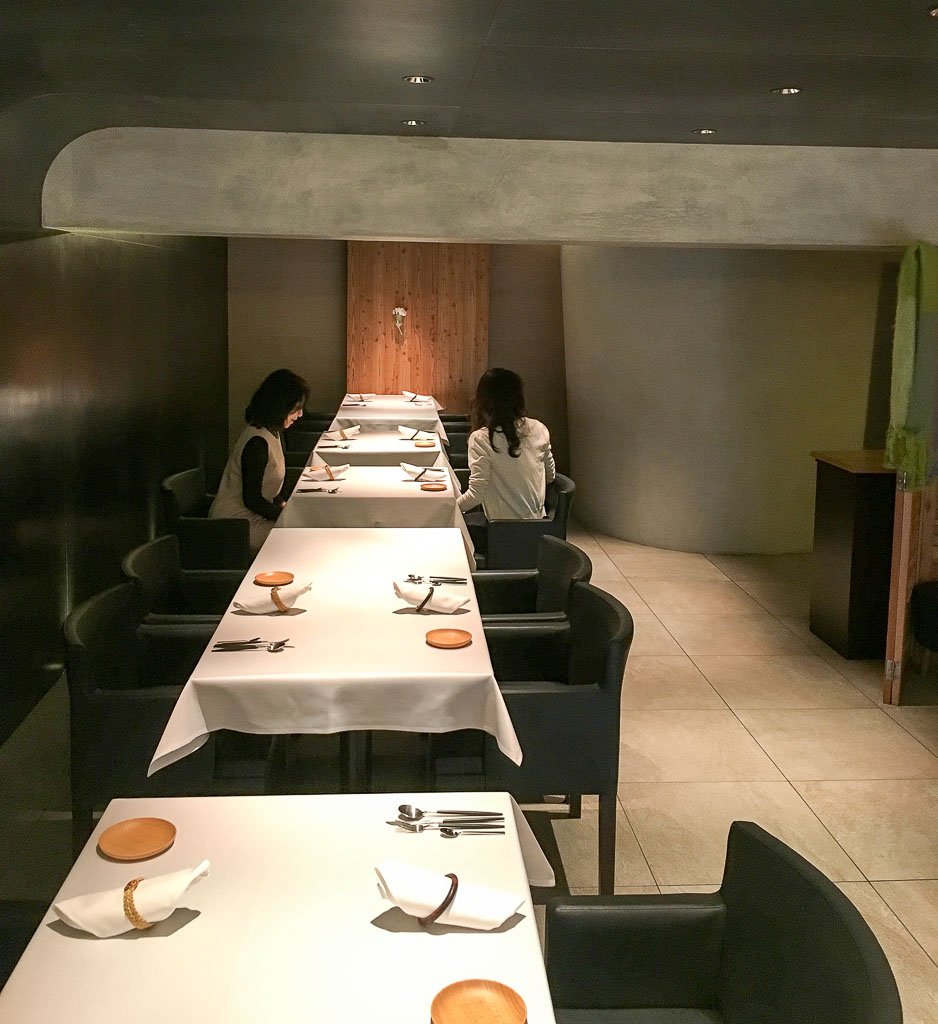
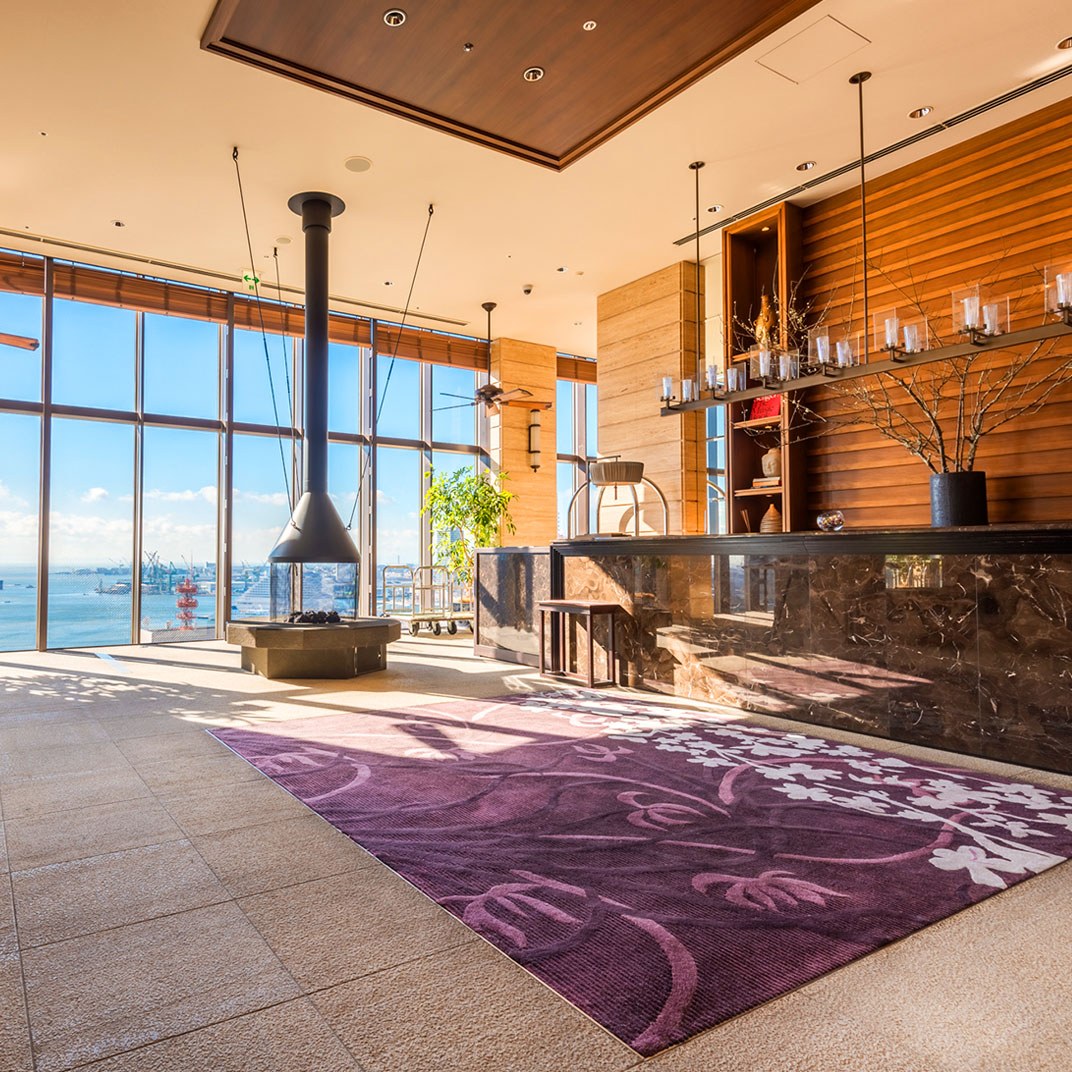
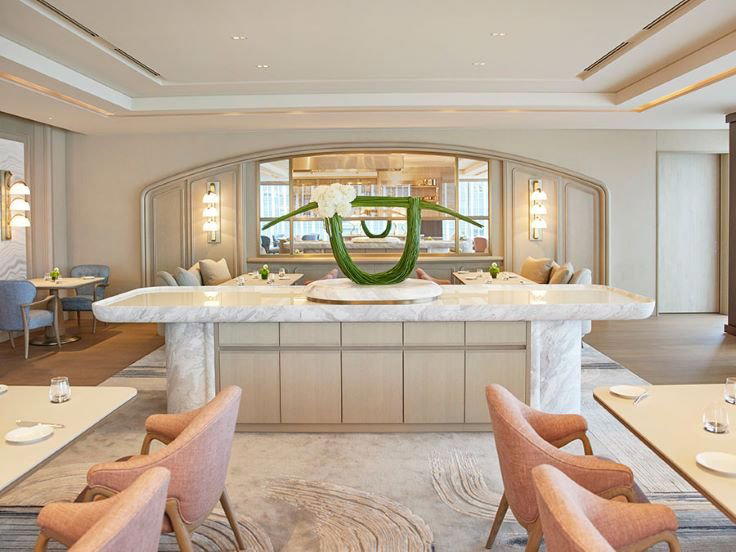
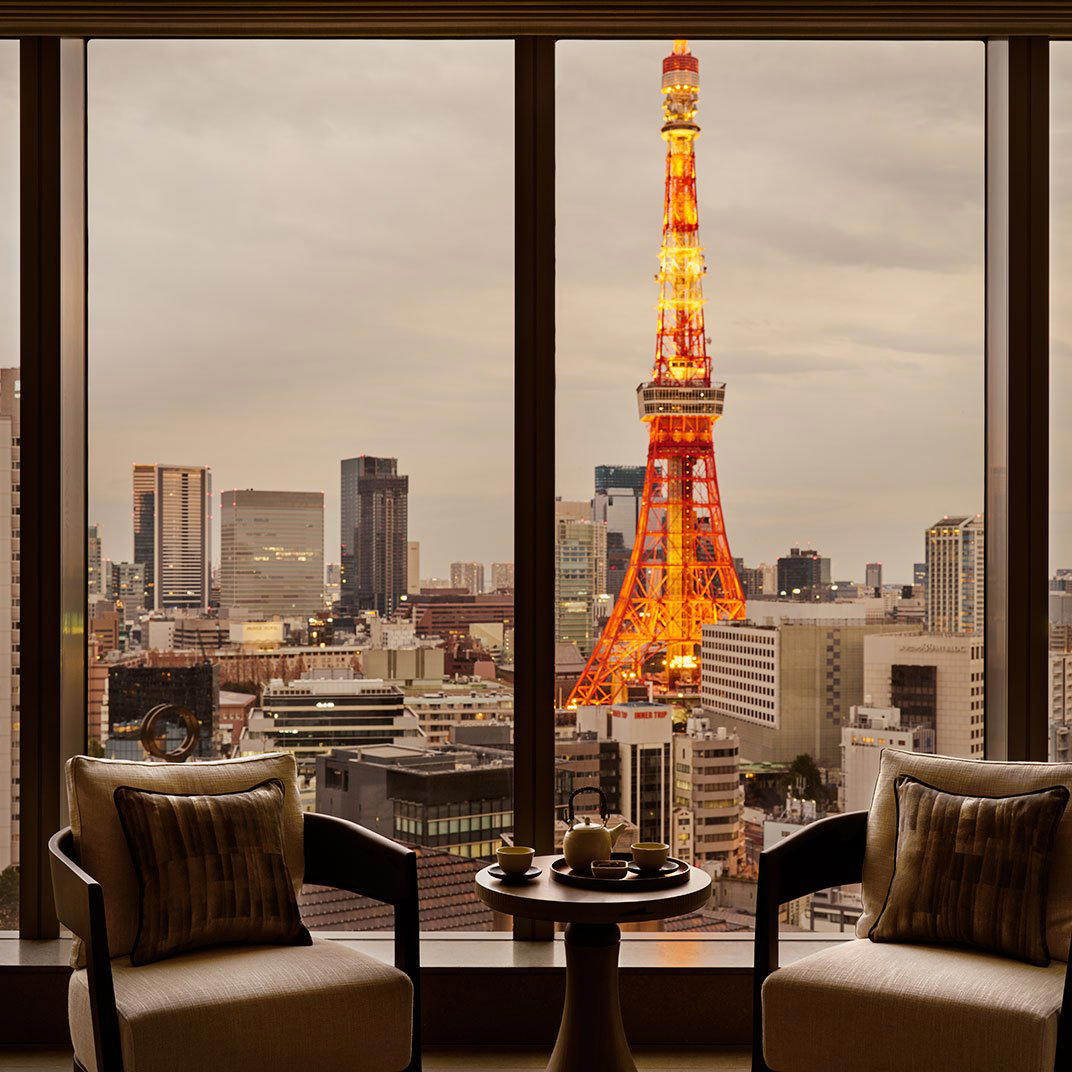
Chic and stylish counter seating with live cooking, offering a calm and private atmosphere enhanced by city views.
Tags
Vibe
Best For
Experience
View
At the Table
- Dress Code
- Smart Casual
- Noise Level
- Conversational
- Service Style
- Formal
- Meal Pacing
- Leisurely
- Capacity
- Intimate
- Kitchen
- Traditional
- Menu Format
- Counter dining
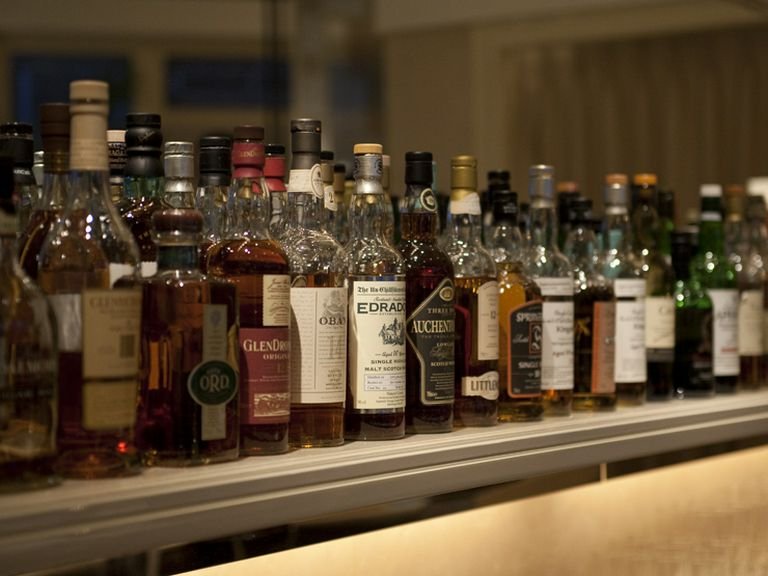
- Wine Program
- Curated
- Dietary
- Vegetarian friendly
- Private Dining
- Available
Signature Dishes
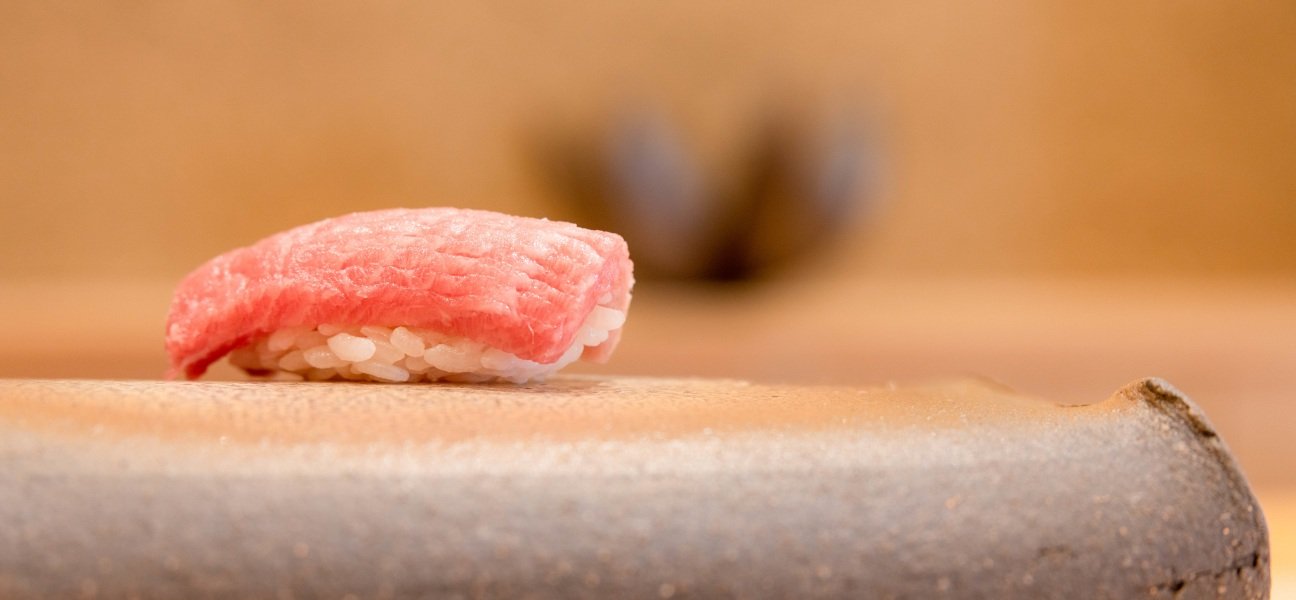
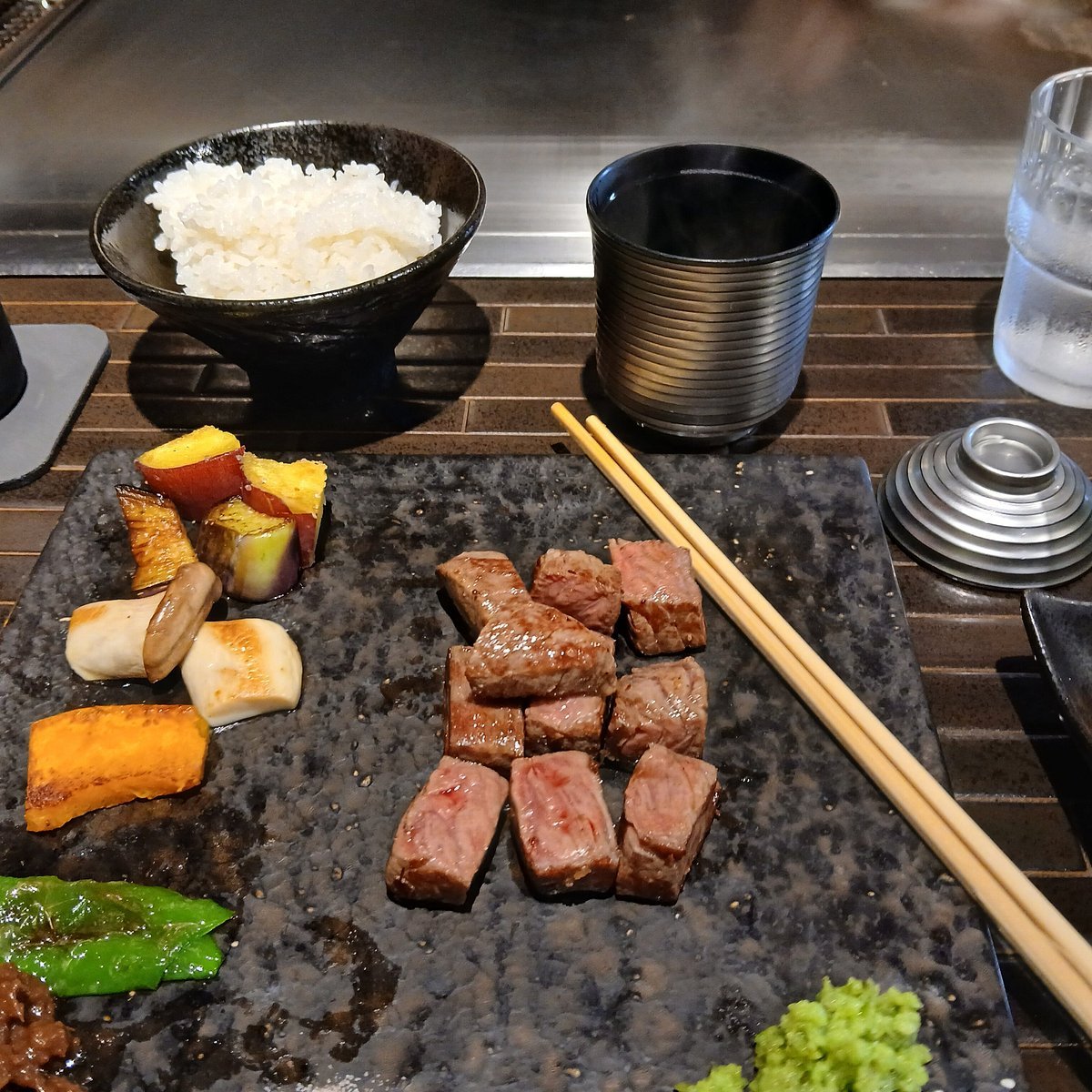
Kobe beef steak
Know before you go
Know Before You Go
- Getting there
- Japan, 〒650-0004 Hyogo, Kobe, Chuo Ward, Nakayamatedori, 1 Chome−9−24 エムズ北野坂 1F
Planning details
Location
Japan, 〒650-0004 Hyogo, Kobe, Chuo Ward, Nakayamatedori, 1 Chome−9−24 エムズ北野坂 1F · Directions
Recognition and awards

Also consider
Where to look if this is not the right fit
If price certainty matters, choose Ryuka Chubo first; its JPY 5,000–5,999 range makes the decision easier for a casual night in Kobe. If the group wants wine and a looser dining rhythm, enoteca ber ber bar is the cleaner cross-shop.
If the goal is a classic Kobe beef format, compare KOKUBU Steak House and Kobe Beef Teppanyaki Restaurant Mikinao before deciding. For a higher-spend beef benchmark outside the city, NAKATSU WONIKU gives a useful reference point at JPY 20,000–29,999.
Restaurant context
How it compares in Kobe
Setsugekka is the more focused beef choice in this group, but it is not the clearest value pick because no public price range is listed here. Ryuka Chubo is easier to justify for budget control at JPY 5,000–5,999, while enoteca ber ber bar is better when the night should lean wine-bar rather than beef-led, with a listed JPY 8,000–9,999 range.
For travelers specifically chasing Kobe beef, compare Setsugekka with KOKUBU Steak House and Kobe Beef Teppanyaki Restaurant Mikinao. Those names read as more direct steak or teppanyaki decisions; Setsugekka is the better fit when a beef-dishes format sounds more appealing than a single-format grill counter.
NAKATSU WONIKU is the higher-priced beef comparison at JPY 20,000–29,999 and sits outside Kobe, so use it as a splurge benchmark rather than a direct same-night alternative. If booking ease matters, Setsugekka is the lower-friction Kobe choice in this set, but confirm group needs before committing.
Explore Kobe
Around this place
Discover more on Pearl
Unlock the full Setsugekka guide in Pearl, including awards, comparisons, FAQs, planning details, and nearby places.
Compare Setsugekka
| Venue | Location | Cuisine | Awards | Price |
|---|---|---|---|---|
| Setsugekka | Kobe | Beef Dishes | 2026 OAD Top Restaurants in Japan Recommended2025 OAD Top Restaurants in Japan Ranked · #530 | , |
| enoteca ber ber bar | Kobe | Tabelog 100 - Italian - WEST - 2025 · #69 | , | JPY 8,000 - JPY 9,999 |
| Ryuka Chubo | Kobe | Tabelog 100 - Chinese cuisine - WEST - 2026 · #1 | , | JPY 5,000 - JPY 5,999 |
| KOKUBU Steak House | Kobe | No published awards | , | , |
| Kobe Beef Teppanyaki Restaurant Mikinao | Kobe | No published awards | , | , |
| NAKATSU WONIKU | Osaka | Beef dishes | 2026 Tabelog Bronze · #510 | JPY 20,000 - JPY 29,999 |

How Setsugekka Kobe compares with similar nearby venues.
FAQ
Frequently Asked Questions
Can Setsugekka accommodate groups?
Setsugekka is a Beef Dishes restaurant in Kobe, with evening hours daily and lunch hours on Saturday and Sunday. If group logistics are important, confirm directly before booking.
Does Setsugekka handle dietary restrictions?
Because Setsugekka is categorized as Beef Dishes, guests who do not want a beef-focused meal should consider whether another restaurant is a better fit and confirm any needs directly before booking.
What should I wear to Setsugekka?
The dress code is smart casual. Neat dinner attire is appropriate, especially for evening service from 5 PM on weekdays and 5:30 PM on weekends.
What is Setsugekka known for?
Setsugekka is primarily known for Beef Dishes in Kobe. It is also recognized by Opinionated About Dining as ranked #530 in its 2025 Top Restaurants in Japan list and recommended in its 2026 Top Restaurants in Japan list.