
Aru Tokoro
Japanese Cuisine, Regional Cuisine, Seafood · Kagami, Karatsu
Restaurant in Karatsu, Japan
 Book with Pearl
The Read
Genkai Coast Kaiseki
Price
JPY 10,000 - JPY 14,999 JPY 10,000 - JPY 14,999 View spending breakdown
Dress
Smart Casual
Why go
Aru Tokoro is Karatsu's strongest Tabelog-recognised dining option — a reservation-only house restaurant scoring 3.88 and holding a 2026 Bronze Award, focused on Japanese regional seafood at JPY 10,000–14,999 per head. Private rooms are available and booking is comparatively accessible. Confirm hours before visiting, as the 11:00–17:00 window points to a lunch-centred format.
About Aru Tokoro
Should you book Aru Tokoro?
Yes — if you're in Karatsu and willing to plan ahead. Aru Tokoro is a reservation-only house restaurant in the Kagami district that has held a Tabelog Award Bronze since at least 2026, scoring 3.88 on a platform where anything above 3.5 represents genuine distinction. At JPY 10,000–14,999 per head for both lunch and dinner, it sits at the mid-to-upper tier for the region, but the Tabelog recognition puts it clearly ahead of most options in Saga Prefecture. The format is intimate, the setting is a converted house, and the cuisine draws on Japanese regional cooking with a strong seafood focus — exactly what Karatsu's position on the Genkai Sea coastline makes possible.
A House Restaurant with Real Credentials
Aru Tokoro opened on 1 June 2015, which means it has now operated for a decade in a location that is not, by any measure, easy to reach from Japan's major cities. That longevity in a small-town setting, combined with a Tabelog Bronze at rank 28 in its award group for 2026, tells you something concrete: this is not a venue coasting on novelty or tourism traffic. It has earned repeat visits from the kind of diners who take Tabelog scores seriously.
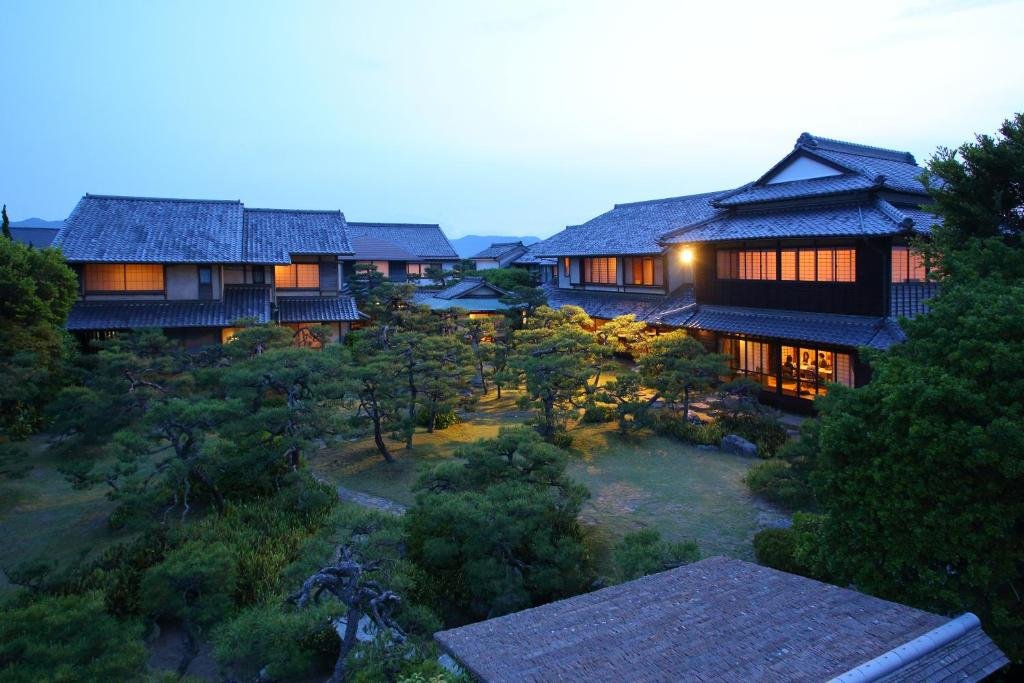
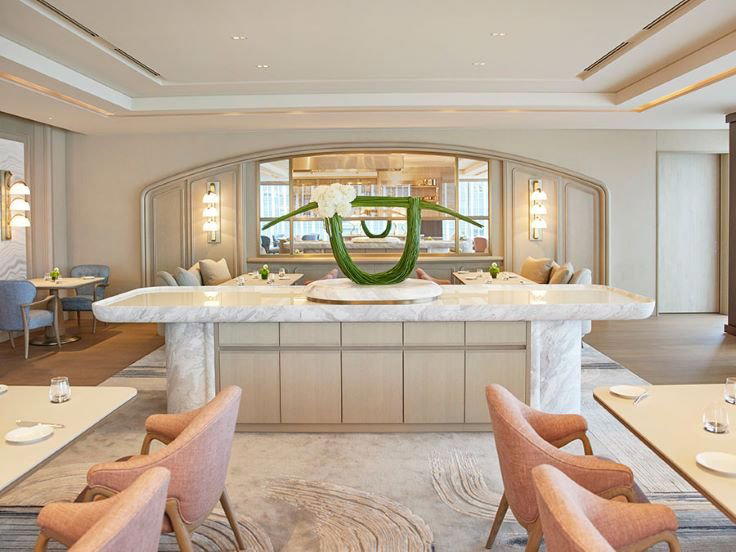
The house-restaurant format matters here. Aru Tokoro is classified as a house restaurant (一軒家レストラン), which in Japan typically means a converted residential structure with a more intimate atmosphere than a conventional dining room. Private rooms are available and the space can be reserved for private use entirely. If you've been once and sat in the main dining area, your next visit is worth requesting a private room, the experience shifts considerably when you have the space to yourselves, and at this price point the option costs no more to ask for. Parking is available on site, which is relevant given the address at 732 Kagami sits outside Karatsu's walkable centre.
The cuisine is grounded in Japanese regional cooking and seafood. Karatsu faces the Genkai Sea, one of the most productive fishing grounds in Kyushu, and the proximity to that supply chain is the clearest reason to choose Aru Tokoro over a comparable restaurant in a landlocked setting. Saga Prefecture is also known for its wagyu, rice, and sake production, so a regionally focused menu here has genuinely strong local ingredients to draw from. What specific dishes are on the current menu is not something to guess at, the kitchen almost certainly changes its offering seasonally and the Tabelog listing does not specify featured items. Call ahead (+81-955-58-8898) or check the Tabelog page before your visit to understand the current format.
If you're returning after a first visit, the practical question is timing. The listed hours run 11:00–17:00 daily, which is an unusual window, it suggests the format leans toward extended lunch service rather than conventional dinner sittings. Reservations are required with no walk-in option, and the venue is noted as open year-round, though hours can change. Confirm directly before travelling, especially if you're making Aru Tokoro the anchor of a day trip from Fukuoka, which is the nearest major city and roughly an hour away by the Karatsu Line from Hakata Station.
Why This Restaurant Matters to Karatsu
Karatsu is not a dining destination in the way that Fukuoka or Kyoto are. It draws visitors primarily for Karatsu Castle, the Nijinomatsubara pine grove (about 2 kilometres from Aru Tokoro), and the November Karatsu Kunchi festival. Dining options at the level of Tabelog Bronze are rare here. Aru Tokoro fills a specific gap: serious regional cooking in a composed, non-tourist setting, at a price that is meaningful but not prohibitive. For anyone spending more than a day in the area, it provides a reason to stay through lunch rather than rushing back to Fukuoka for a meal.
That positioning also means the booking dynamic is different from comparable venues in larger cities. Unlike, say, Goh in Fukuoka or Harutaka in Tokyo, where demand is concentrated and tables can require weeks of lead time, Aru Tokoro's relative obscurity outside regional Tabelog circles means booking is comparatively accessible. That said, the small-scale house-restaurant format limits covers, so do not assume availability on short notice, booking a week or two ahead is a reasonable target, with more lead time if you're visiting during peak tourist periods around the Karatsu Kunchi festival in early November.
For context within Japan's broader award-recognised dining scene, Tabelog Bronze is one tier below Silver and two below Gold. Venues like HAJIME in Osaka or Gion Sasaki in Kyoto operate at the top of that hierarchy. Aru Tokoro is not in that conversation, nor does it need to be, it is a regional anchor doing something specific and doing it with enough consistency to earn third-party recognition a decade in. If your frame of reference for Japanese seafood dining includes places like akordu in Nara or 1000 in Yokohama, expect a less formal register but a supply chain that is arguably more direct.
Payment by credit card is accepted; electronic money and QR code payments are not. The restaurant is entirely non-smoking indoors, with a designated outdoor smoking area. Dress code is not specified, which in the context of a Japanese house restaurant at this price point typically means neat casual, there is no expectation of formal attire, but arriving in beachwear would be out of place. See our full Karatsu restaurants guide for how Aru Tokoro fits into the wider dining picture, or explore hotels, bars, experiences, and wineries in Karatsu to build out the rest of your trip.
The Verdict on Value
JPY 10,000–14,999 for a Tabelog Bronze-rated regional seafood lunch in a private-optional house restaurant on the Genkai Sea coast is a fair price. It is not cheap by local standards, but it is well below what you would spend for comparable recognition levels in Fukuoka, let alone Tokyo. If you are already in Karatsu, this is the meal to book. If you are considering a day trip from Fukuoka specifically for the meal, the combination of Karatsu's sightseeing and Aru Tokoro's kitchen makes the journey add up. Booking is manageable, the format rewards the trip, and the decade-long track record reduces the risk of disappointment.
Planning details
- Location
- 732 Kagami, Karatsu, Saga 847-0022, Japan
- Website
- instagram.com/_arutokoro_
- Phone
- +81 955-58-8898
The take
The Take
The Vibe
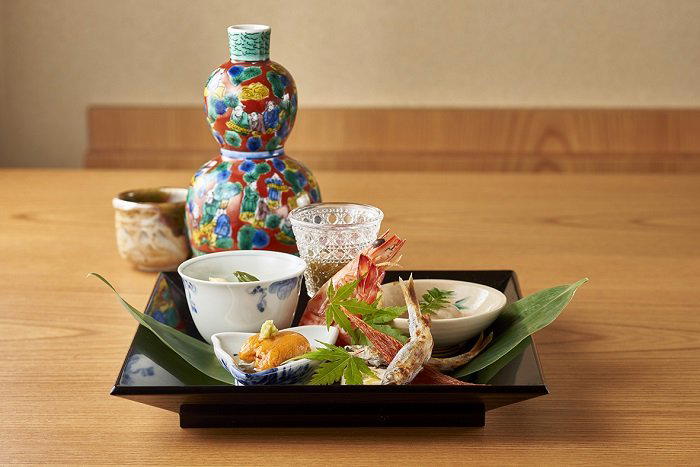
Aru Tokoro feels like a considered, rural kaiseki house: domestic in scale, quietly serious and intentionally removed from urban foot traffic. The dining rooms sit within a converted house format that emphasizes privacy and focus, so the experience reads as intimate and refined rather than theatrical. The kitchen’s allegiance to Kyushu’s coastal and highland larder—Karatsu Wagyu, kuruma prawns and seasonal seafood—gives the meal an unmistakable sense of place. The overall tone is discreet and sophisticated, the kind of hidden, low-key destination that rewards deliberate travel and attention to detail.
Best For
This is a destination for evening dining and special evenings that call for a focused, multi-course meal. The kaiseki framework, regional sourcing and formal approach suit date nights, anniversaries and intimate celebrations; private rooms make it practical for small-group private events. Its rural location and on-site parking signal that guests arrive by car and come with intent rather than casual footfall. The restaurant favors diners who want a measured, seasonal progression of courses and an uninterrupted dining experience rooted in Karatsu’s local larder.
Ordering Tips
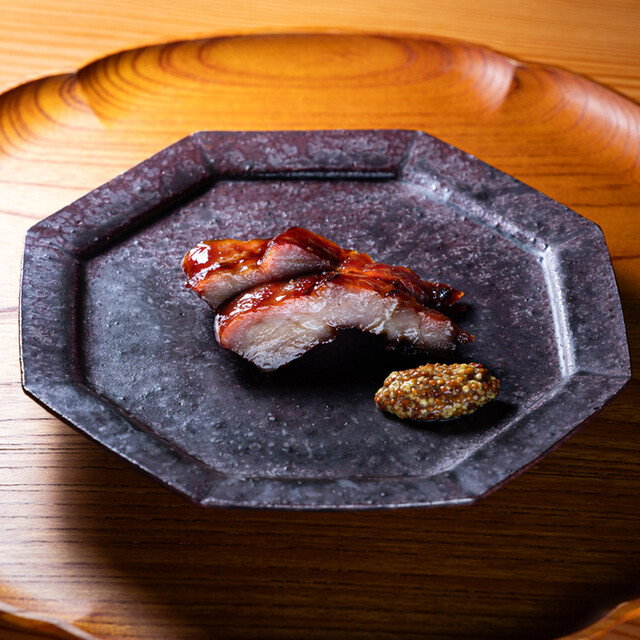
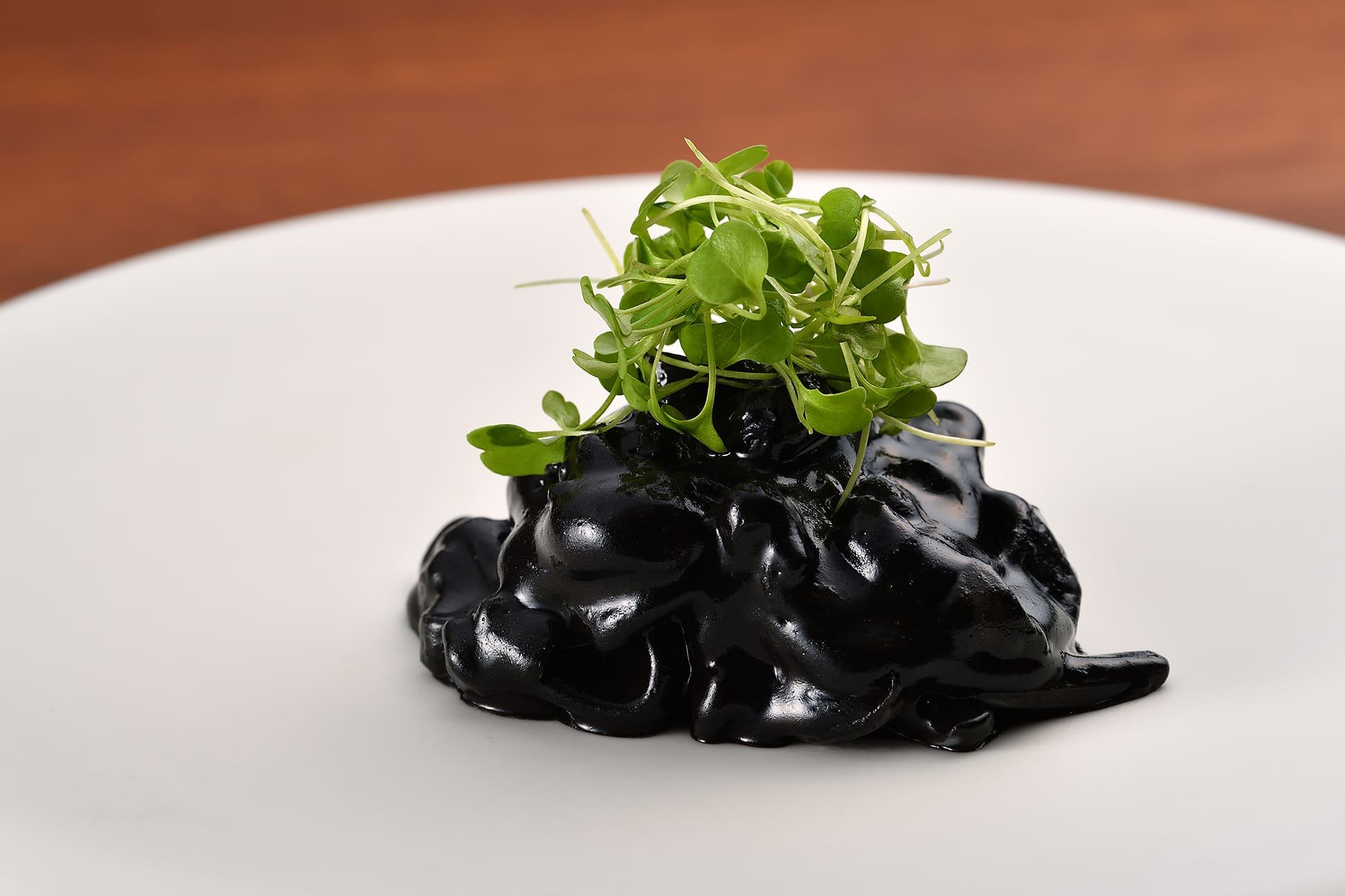
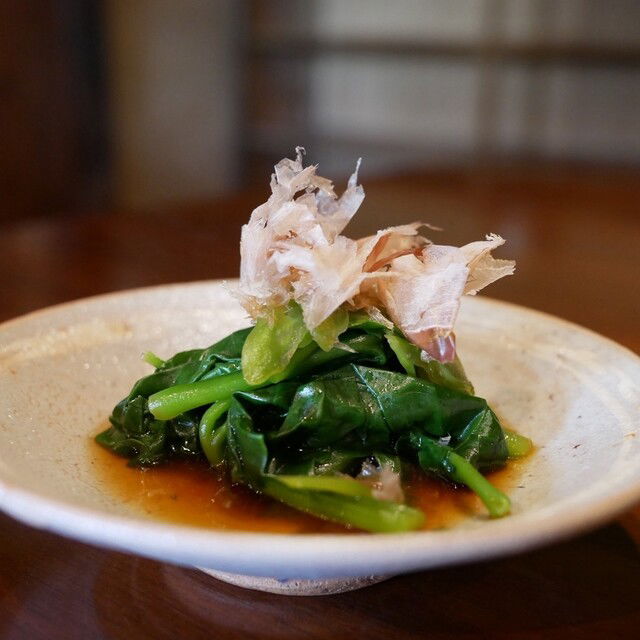
Approach the menu as a kaiseki progression and prioritize dishes that showcase the regional larder. Highlighted items include the kamado-cooked onigiri, charcoal-charred fish and the wild boar stew, and the kitchen draws on Karatsu Wagyu and kuruma prawns when in season. Opt for the multi-course sequence so the kitchen can express seasonality and place through pacing and small-course technique; many of the signature ingredients are presented across the progression rather than as standalone a la carte statements.
Venue details
Ambiance
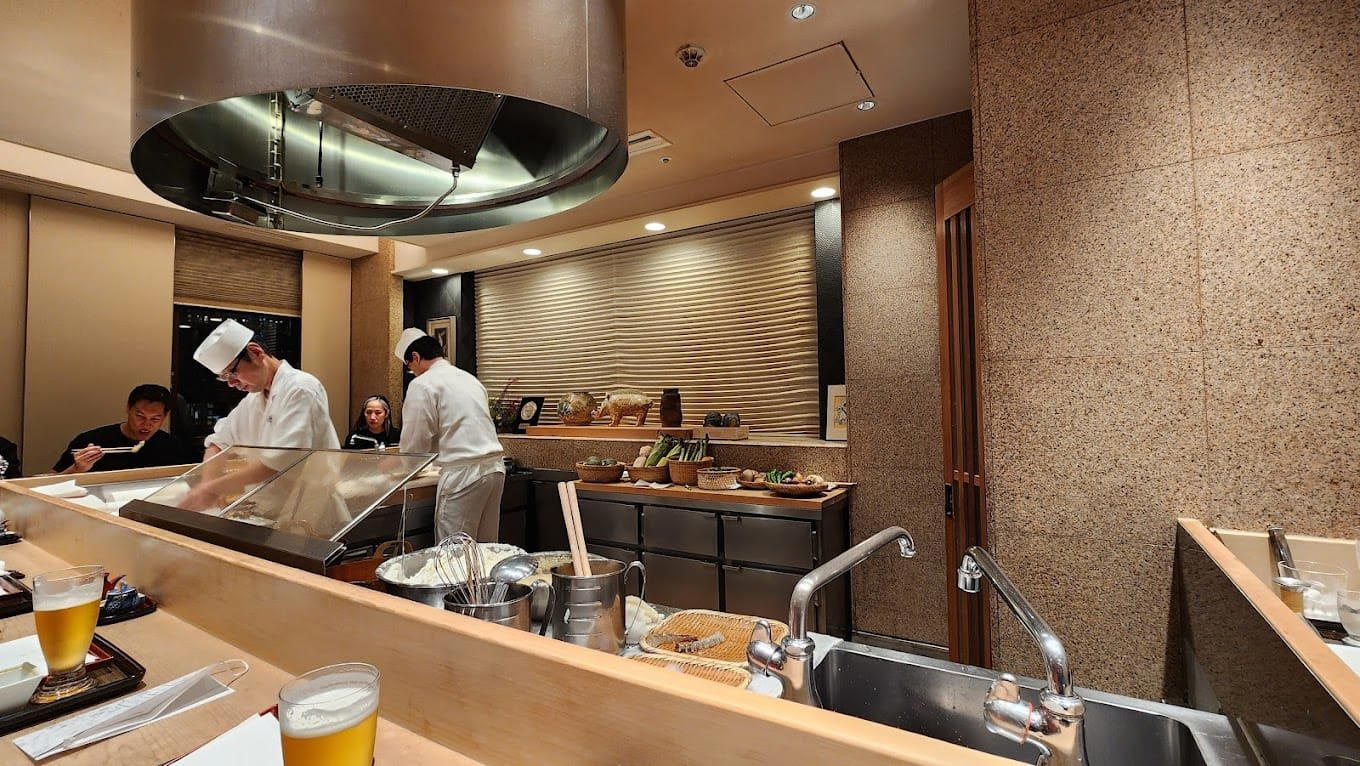
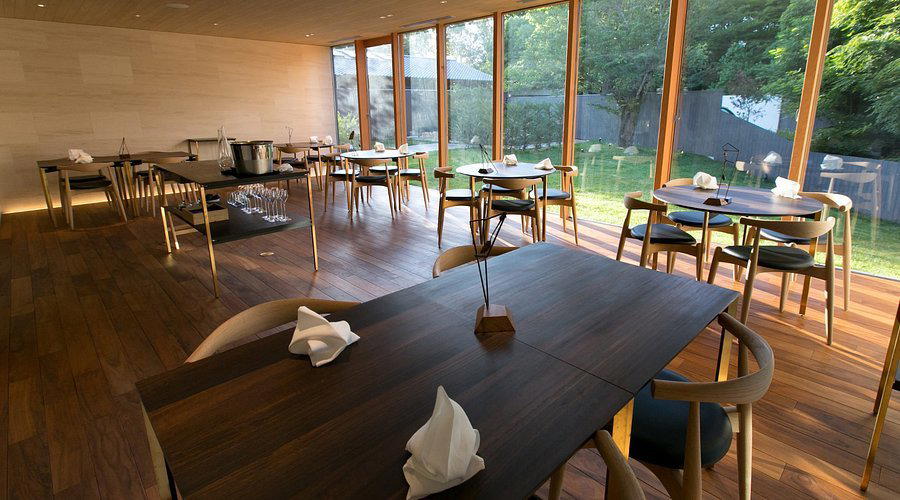
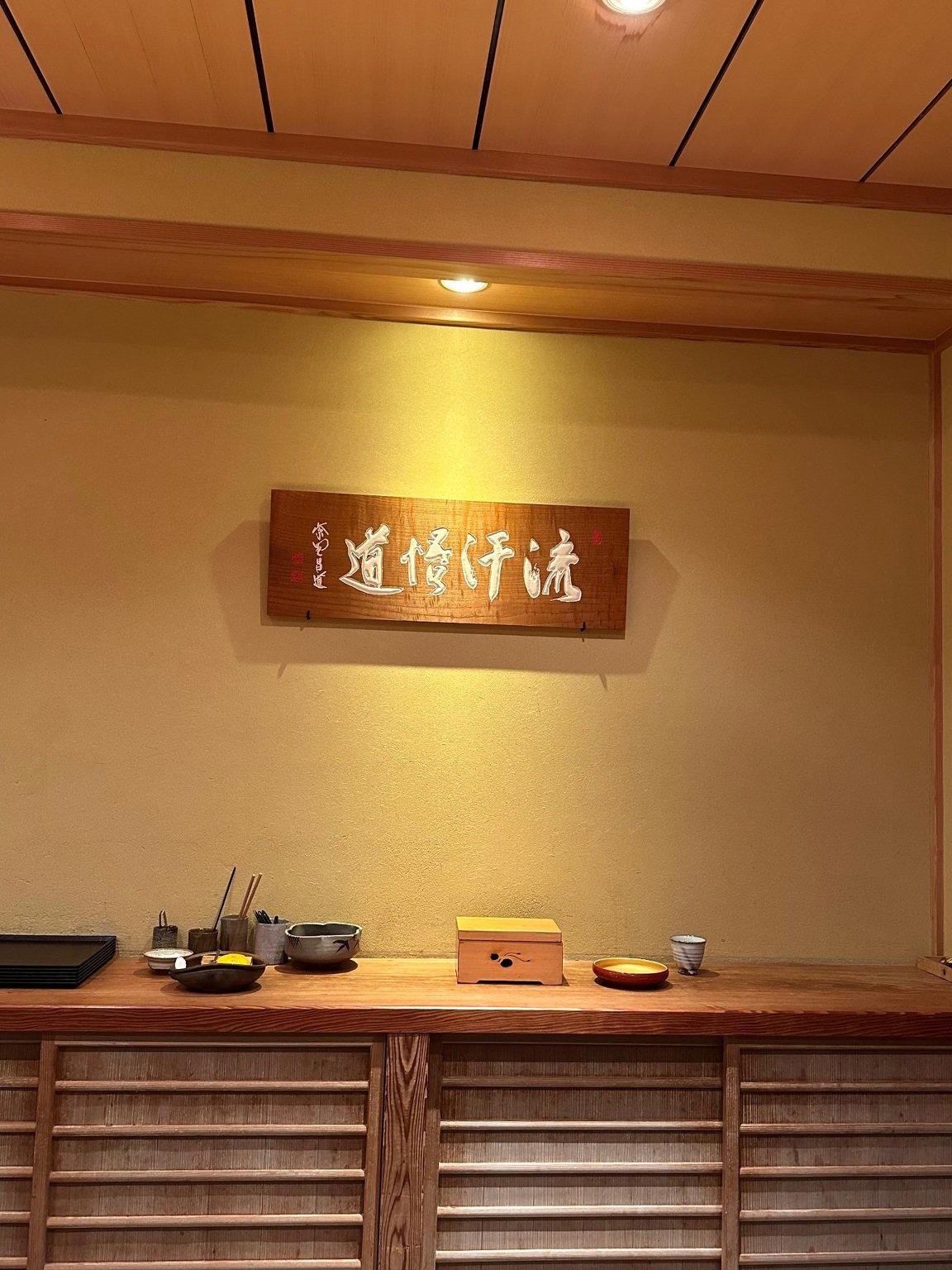
Nostalgic homey atmosphere with earthen walls, dirt-floored doma, polished wooden tables, central chef's counter, soft clarinet music, and warm hearth-like feel.
Tags
Vibe
Best For
Experience
Sourcing
View
At the Table
- Dress Code
- Smart Casual
- Noise Level
- Quiet
- Service Style
- Formal
- Meal Pacing
- Leisurely
- Capacity
- Intimate
Signature Dishes
- kamado-cooked onigiri
- chargrilled fish
- wild boar stew
Know before you go
Know Before You Go
- Getting there
- 732 Kagami, Karatsu, Saga 847-0022, Japan
Planning details
Location
Recognition and awards
Also consider
Also Consider
- Caravan, Notable alternative
- Chuka Ooshige, Chinese, JPY 10,000 - JPY 14,999 View spending breakdown
- Tanokyu, Ramen, Ramen
Restaurant context
Within Karatsu's dining options, Aru Tokoro is the clear first choice if Japanese regional seafood at a Tabelog-recognised level is your target. Its 3.88 score and 2026 Bronze Award set it apart from most options in the area. Chuka Ooshige operates at the same JPY 10,000–14,999 price point but in a different cuisine category, Chinese rather than regional Japanese, so the choice between them comes down to what you want to eat rather than budget. If you're specifically after Karatsu's seafood identity, Aru Tokoro is the stronger call.
Caravan offers a different format and a different price register, making it a reasonable option if the house-restaurant commitment at Aru Tokoro feels like too much for a casual visit. For a low-cost, no-booking-required meal, Tanokyu's ramen is the practical alternative, a completely different tier, but useful if your schedule does not allow for a reserved lunch window.
For comparison outside Karatsu: Aru Tokoro sits below the top tier of Japanese regional dining (venues like Goh in Fukuoka or Gion Sasaki in Kyoto operate at a higher award level and with correspondingly harder bookings), but it is priced and positioned to deliver a genuinely considered meal rather than a tourist approximation of one. For the price, the recognition, and the booking accessibility, it is the most defensible choice in Karatsu for a special lunch. See our full Karatsu restaurants guide for broader context.
Explore Karatsu
Around this place
Discover more on Pearl
Unlock the full Aru Tokoro guide in Pearl, including awards, comparisons, FAQs, planning details, and nearby places.
FAQ
Frequently Asked Questions
What should I wear to Aru Tokoro?
No dress code is listed in the venue data, but the setting is a house restaurant in a residential district of Karatsu — neat casual is appropriate. Overdressing would feel out of place here; the format is intimate, not formal. Comfortable shoes are practical given the rural location and parking-lot arrival.
What should a first-timer know about Aru Tokoro?
This is reservation-only, so you cannot walk in. The restaurant operates as a house restaurant in the Kagami district, roughly 2 km from Nijinomatsubara, and is not in central Karatsu, so plan your transport. Private rooms are available, which matters if you want a self-contained experience. Credit cards are accepted; electronic money and QR code payments are not.
How far ahead should I book Aru Tokoro?
Book as early as possible — ideally several weeks out if visiting on a weekend. Aru Tokoro holds a Tabelog Bronze 2026 rating with a score of 3.88, which means demand from domestic Japanese diners is consistent. Walk-ins are not an option; the restaurant is reservation-only, and hours run 11:00–17:00 daily.
Is Aru Tokoro good for a special occasion?
Yes. Private rooms are available and the venue can be taken on an exclusive-use basis, which makes it a workable choice for a small celebration or private lunch. The price range of JPY 10,000–14,999 per head positions it at a level appropriate for a considered occasion rather than a casual meal.
What are alternatives to Aru Tokoro in Karatsu?
Within Karatsu, Chuka Ooshige offers a Chinese cuisine alternative for a different register entirely, while Tanokyu is a comparable regional option if availability at Aru Tokoro is an issue. For a wider selection of Tabelog-recognised venues, Fukuoka city is around an hour away and covers nearly every cuisine category at multiple price points.
Is Aru Tokoro worth the price?
At JPY 10,000–14,999 per head, Aru Tokoro delivers Tabelog Bronze-level regional seafood in a house restaurant setting on the Genkai Sea coast — that is fair value for the award tier and location. If you are already in Karatsu, the price is easy to justify. If you are travelling solely for this meal, factor in that the city is a secondary destination and plan accordingly.