
Restaurant in Kyoto, Japan
Kaji
210ptsSerious Japanese cooking without the kaiseki price tag.


About Kaji
A Michelin Bib Gourmand holder in Kyoto's Nakagyo Ward, Kaji delivers serious Japanese cooking at the ¥¥ price tier — the strongest value-for-money argument in its category. With easy booking compared to the city's kaiseki houses and a 4.2 Google rating across 300-plus reviews, it is the practical first choice for food-focused visitors who want quality without the premium outlay.
Who Should Book Kaji
Kaji is the right call for food-focused travellers who want serious Japanese cooking in Kyoto without committing to a four-figure kaiseki bill. At the ¥¥ price tier, it holds a 2025 Michelin Bib Gourmand — meaning Michelin's inspectors rate it as delivering exceptional quality for the money. If your trip to Kyoto includes one meal where you want to eat well rather than expensively, this is a strong candidate. It also works well for solo diners and pairs who want a neighbourhood-scale experience rather than the ceremony of a full kaiseki house.
The Venue
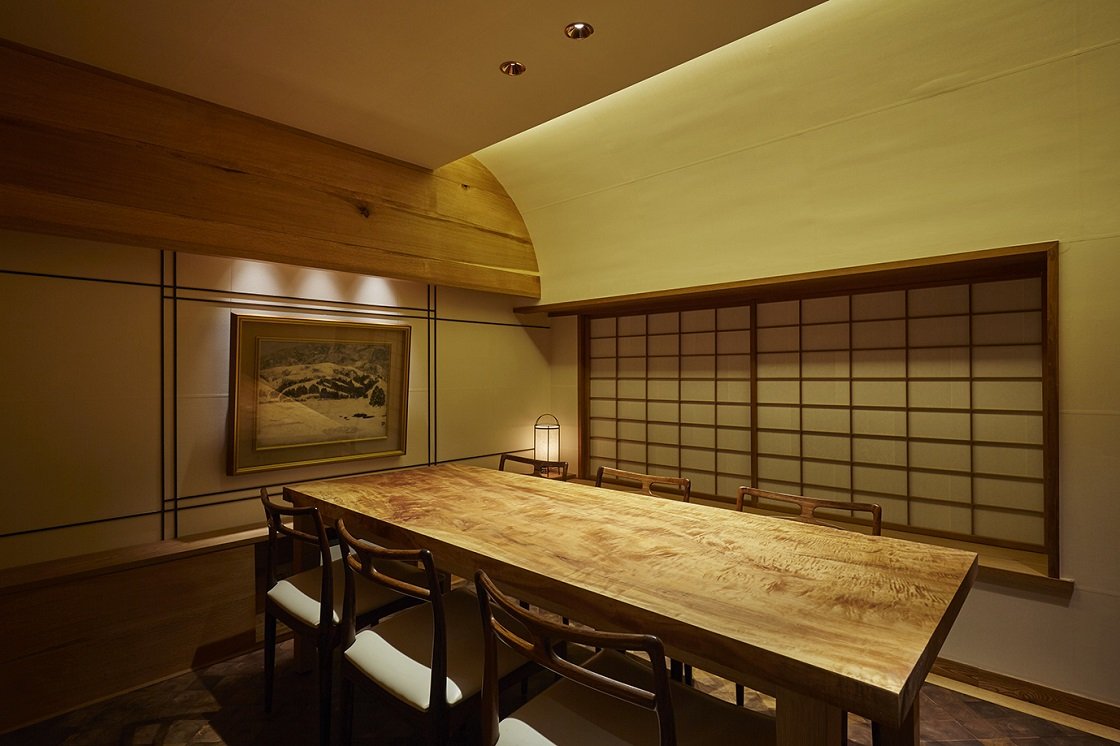
Kaji sits in Nakagyo Ward, one of Kyoto's central districts, at a Nakamachi address that puts it within reasonable reach of the city's main sightseeing corridors without being in a tourist-facing location. The atmosphere here runs quieter than the major dining streets — this is a room where conversation carries, not a place that hums with Friday-night energy. If you are coming from noisier dining rooms like those near Gion's main drag, the shift in register is noticeable and welcome. For the explorer-type diner who prefers depth over spectacle, that ambient restraint is a feature.
Chef Chris Kajoika leads the kitchen. Beyond the name, the database does not supply biographical detail, and Pearl will not fill that gap with speculation. What the record does confirm: a 4.2 Google rating across 303 reviews, and recognition from both Michelin (Bib Gourmand, 2025) and Opinionated About Dining, which ranked Kaji at #471 in its 2024 Leading Restaurants in Japan list. OAD rankings are crowd-sourced from frequent diners and food professionals, so placement there carries different weight than a press citation , it suggests repeat visitors rate the cooking consistently.
Seasonal Rotation: What It Means for When You Visit
Japanese cooking at this level is structured around the seasonal calendar in a way that directly affects your experience depending on when you arrive. Kyoto's culinary year moves through well-defined phases: spring brings bamboo shoots and young greens, summer shifts toward lighter preparations and ayu (sweetfish), autumn introduces matsutake mushroom and fatty fish, and winter centres on warming broths and root vegetables. A ¥¥-tier restaurant operating within Japanese culinary tradition will reflect this rotation , not always in a printed tasting menu format, but in what the kitchen is actually cooking on a given week.
The practical implication: if you have flexibility in your Kyoto itinerary, visiting in late autumn (October to November) or early spring (March to April) puts you in range of the most celebrated Japanese seasonal produce windows. Cherry blossom season in April is Kyoto's peak tourism period, which affects the city overall, but at a Bib Gourmand-level restaurant that is easier to book than the leading kaiseki houses, availability pressures are lower than at places like Kyokaiseki Kichisen or Isshisoden Nakamura. Summer is the harder case , Kyoto in July and August is genuinely hot and humid, and the city's restaurant scene thins slightly as some establishments close for periods; check Kaji's Wednesday closure and confirm any additional seasonal shutdowns before planning around it.
For comparison across the region: if seasonal Japanese cooking is your primary interest on this trip, Goh in Fukuoka and HAJIME in Osaka represent higher-budget alternatives where the seasonal programme is more formally structured and documented. Closer to Kyoto, akordu in Nara approaches seasonal sourcing from a different angle. But for Kyoto itself at this price point, Kaji's Bib Gourmand credential is the clearest signal that the seasonal cooking lands.
Lunch vs. Dinner
Kaji runs a lunch service (12–2 pm) and an evening service (5:30–9 pm), Tuesday through Sunday, with Wednesday closed. Lunch at Bib Gourmand-level restaurants in Japan often represents better value than dinner , the kitchen runs a tighter service, portions and format may be more compact, but the core cooking quality is the same. If you are building a full Kyoto day around sightseeing, lunch here fits naturally without requiring an evening slot. Dinner gives you more time, and if you are pairing the meal with drinks, the evening window is more comfortable. Neither service has an obvious advantage in terms of quality signal from the available data.
Practical Details
Reservations: Booking difficulty is rated Easy , walk-in attempts are more viable here than at the top-tier Kyoto kaiseki houses, but given the limited 12–2 pm and 5:30–9 pm windows and Wednesday closure, booking ahead remains the sensible move, especially during peak tourism periods. Hours: Monday–Tuesday, Thursday–Sunday, 12–2 pm and 5:30–9 pm; Wednesday closed. Budget: ¥¥ tier , accessible relative to Kyoto's premium dining options. Address: Nakagyo Ward, Yokokaji-cho 112-19, Kyoto. Awards: Michelin Bib Gourmand 2025; OAD Leading Restaurants in Japan #471 (2024). Dress: No confirmed dress code in the database , smart casual is a reasonable default for a Michelin-recognised Kyoto restaurant. Phone/Website: Not available in current data; check Google Maps or local booking platforms for contact details.
How It Compares
See the comparison section below for how Kaji sits against Kyoto peers including Gion Matayoshi, Kikunoi Roan, and Kodaiji Jugyuan.
Explore More in Kyoto and Beyond
If Kaji is your anchor meal, build the rest of the trip with Pearl's full guides: Kyoto restaurants, Kyoto hotels, Kyoto bars, Kyoto wineries, and Kyoto experiences. For Japanese cooking at comparable or higher investment levels elsewhere in Japan, consider Myojaku in Tokyo, Azabu Kadowaki in Tokyo, or 1000 in Yokohama. If you are travelling to Okinawa, 6 in Okinawa is worth noting for a very different regional Japanese register.
Frequently Asked Questions
- How far ahead should I book Kaji? Booking difficulty is rated Easy, so you are not competing with the months-long waitlists of Kyoto's leading kaiseki houses. A few days to a week in advance should be sufficient outside peak periods (cherry blossom in April, autumn foliage in November). During those windows, book 2–3 weeks out to be safe. The limited daily service hours (two sittings per day, closed Wednesday) mean slots are finite even if demand pressure is lower than at ¥¥¥¥ venues.
- Is the tasting menu worth it at Kaji? The Michelin Bib Gourmand designation is specifically awarded for quality relative to price , inspectors are assessing whether the cooking over-delivers for what you pay. At the ¥¥ tier in Kyoto, where serious Japanese restaurants can easily run three to four times this cost, the credential is a direct endorsement of value. If you want quality Japanese cooking without a premium outlay, the answer is yes. If you want the full ceremony and multi-course architecture of kaiseki at a top-ranked house, look instead at Kyokaiseki Kichisen and accept the higher price.
- Does Kaji handle dietary restrictions? No confirmed dietary policy is available in the database. Contact the venue directly before booking , phone and website details are not in current Pearl records, so use Google Maps or a local booking platform to reach them. This is especially relevant for vegetarian or vegan requests, which can require advance notice at Japanese restaurants operating within traditional cooking frameworks.
- Is Kaji good for solo dining? Yes. At the ¥¥ price point and with a neighbourhood atmosphere rather than a formal kaiseki setting, solo dining here is practical and comfortable. Kyoto's traditional high-end restaurants can feel structured around table-based service in ways that make solo dining less relaxed; Kaji's accessible price tier and quieter room work well for a single diner who wants to eat seriously without the social overhead of a full kaiseki occasion.
- What are alternatives to Kaji in Kyoto? For a step up in formality and price, Kikunoi Roan and Gion Matayoshi both operate in kaiseki territory at higher price tiers. Kodaiji Jugyuan and Isshisoden Nakamura are further options at different price and formality levels. If you want to stay at the ¥¥ tier but try a different cuisine style in Kyoto, Pearl's full Kyoto restaurant guide covers the range.
- Is lunch or dinner better at Kaji? Lunch (12–2 pm) is the more practical slot for visitors building a sightseeing day , it fits a Kyoto morning without anchoring your evening. Dinner (5:30–9 pm) gives you a more relaxed pace and suits those who want to make the meal the main event. There is no data-backed quality difference between the two services; the decision is logistical. Note the Wednesday closure when planning either.
- Is Kaji good for a special occasion? It depends on what you mean by special. If the occasion calls for atmosphere, ceremony, and a multi-hour progression of courses, the ¥¥¥¥ kaiseki houses like Kyokaiseki Kichisen will deliver more of that register. Kaji's strength is quality-per-yen , a Michelin Bib Gourmand in Kyoto is a meaningful credential. For a celebration where the meal is about great food rather than formal occasion-setting, Kaji works. For an anniversary or corporate dinner where the theatre of service matters, consider spending up.
Compare Kaji
| Venue | Cuisine | Awards | Booking Difficulty | Value |
|---|---|---|---|---|
| Kaji | Japanese | Michelin Bib Gourmand (2025); Opinionated About Dining Top Restaurants in Japan Ranked #471 (2024) | Easy | — |
| Gion Sasaki | Kaiseki, Japanese | Michelin 3 Star | Unknown | — |
| cenci | Italian | Michelin 1 Star, World's 50 Best | Unknown | — |
| Ifuki | Kaiseki | Michelin 2 Star | Unknown | — |
| Kyokaiseki Kichisen | Japanese | Michelin 2 Star | Unknown | — |
| SEN | French, Japanese | Michelin 1 Star | Unknown | — |
A quick look at how Kaji measures up.
Frequently Asked Questions
How far ahead should I book Kaji?
Booking difficulty is rated Easy relative to Kyoto's top-tier kaiseki houses, but a Michelin Bib Gourmand designation means walk-in attempts carry real risk, especially at dinner. Aim to reserve at least one to two weeks ahead. Lunch slots on weekdays are your best fallback if dinner fills up.
Is the tasting menu worth it at Kaji?
At a ¥¥ price point, Kaji earns its 2025 Michelin Bib Gourmand by delivering serious Japanese cooking at a fraction of what Kyoto's kaiseki restaurants charge. If you want structured, ingredient-driven Japanese food without a four-figure bill, the answer is yes. Diners chasing the full multi-course kaiseki ritual would be better served at Kyokaiseki Kichisen, but they'll pay accordingly.
Does Kaji handle dietary restrictions?
No specific dietary restriction policy is documented for Kaji. At restaurants operating at this level of Japanese cooking, dishes are often tightly constructed around seasonal ingredients and traditional technique, leaving limited room for substitution. check the venue's official channels before booking if you have requirements — and do so well in advance.
Is Kaji good for solo dining?
Kaji is a practical choice for solo diners. The Nakagyo Ward address is easy to reach solo, and the format suits individual travellers who want a focused meal without coordinating a group. Its OAD ranking (#471 in Japan, 2024) signals enough credibility to make it a worthwhile anchor meal on a solo Kyoto itinerary.
What are alternatives to Kaji in Kyoto?
For more format and price diversity: cenci and SEN offer distinct approaches at comparable or slightly higher price points; Ifuki is worth considering for traditional Kyoto cooking in a similar value bracket. If budget is no constraint, Kyokaiseki Kichisen is the benchmark for formal kaiseki in Kyoto. Gion Sasaki is the comparison to make if you want a step up in prestige without going full multi-Michelin.
Is lunch or dinner better at Kaji?
Lunch (12–2 pm) is the better entry point — it typically runs at a lower price than dinner at Bib Gourmand-level restaurants in Kyoto and is easier to book. Dinner (5:30–9 pm) suits travellers who want a more relaxed pace after a day of sightseeing. Both services run Tuesday through Sunday; Wednesday is closed.
Is Kaji good for a special occasion?
Kaji works for a low-key celebration where the focus is on quality food at a reasonable price, not ceremony. The ¥¥ pricing and Bib Gourmand status make it feel like a smart, well-researched choice rather than a grand gesture. For a milestone occasion where setting and formality matter as much as the food, Kyokaiseki Kichisen or Gion Sasaki would carry more weight.
Hours
- Monday
- 12–2 pm, 5:30–9 pm
- Tuesday
- 12–2 pm, 5:30–9 pm
- Wednesday
- Closed
- Thursday
- 12–2 pm, 5:30–9 pm
- Friday
- 12–2 pm, 5:30–9 pm
- Saturday
- 12–2 pm, 5:30–9 pm
- Sunday
- 12–2 pm, 5:30–9 pm
Recognized By


More restaurants in Kyoto
- OgataOgata is a 16-seat kaiseki counter in Shimogyo, Kyoto, holding two Michelin stars and ten years of Tabelog Gold recognition. Dinner runs JPY 60,000–79,999 before drinks and a 10% service charge. Booking is near impossible without months of advance planning, but for serious kaiseki at the counter, it earns its place on any shortlist.
- MizaiMizai holds three Michelin stars and a sustained Tabelog track record across nearly a decade, with dinner running to ¥80,000–¥99,999 per person all-in. Chef Hitoshi Ishihara structures the meal around the spirit of the tea ceremony in a 15-seat room inside Maruyama Park. Book for a serious special occasion; reservations are near-impossible to secure without months of advance planning.
Similar venues by awards
Related editorial
- Best Fine Dining Restaurants in ParisFrom three-Michelin-star icons to the next generation of Parisian chefs pushing boundaries, these are the restaurants that define fine dining in the world's culinary capital.
- Best Luxury Hotels in RomeFrom rooftop terraces overlooking ancient ruins to Michelin-starred hotel dining, these are the luxury hotels that make Rome unforgettable.
- Best Cocktail Bars in KyotoFrom sleek lounges to hidden speakeasies, Kyoto's cocktail scene blends Japanese precision with global influence in ways you won't find anywhere else.
Save or rate Kaji on Pearl
Keep this venue in your Pearl passport, rate it after you visit, and track it alongside every other place you collect.